Our verdict
Located on the second floor of a building in Ginza's 6-chome block, Ginza Maru occupies a address that places it squarely within Tokyo's most competitive fine-dining corridor. The restaurant sits in a neighbourhood where culinary expectations are set by Michelin-starred counters and long-standing kaiseki houses, making it a reference point for understanding how Ginza's dining scene stratifies across formats and price tiers.

Pearl is the En Primeur Club membership app — saves, bookings, and concierge access live there. Same editors, same standards.
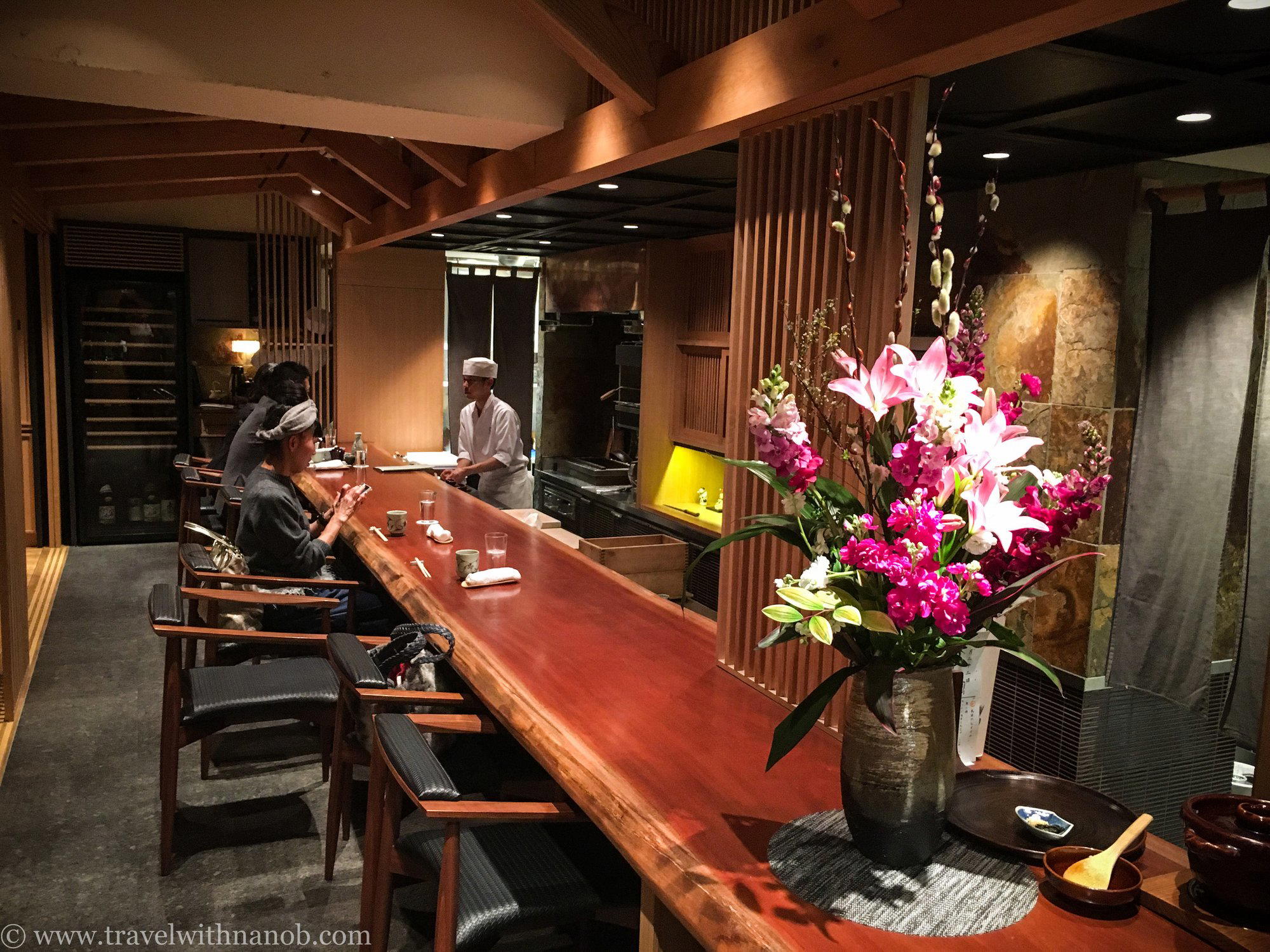
The menu
What to order
- Miso gindara black cod
- Sake lees salmon
Ginza's Second Floor, and What It Signals
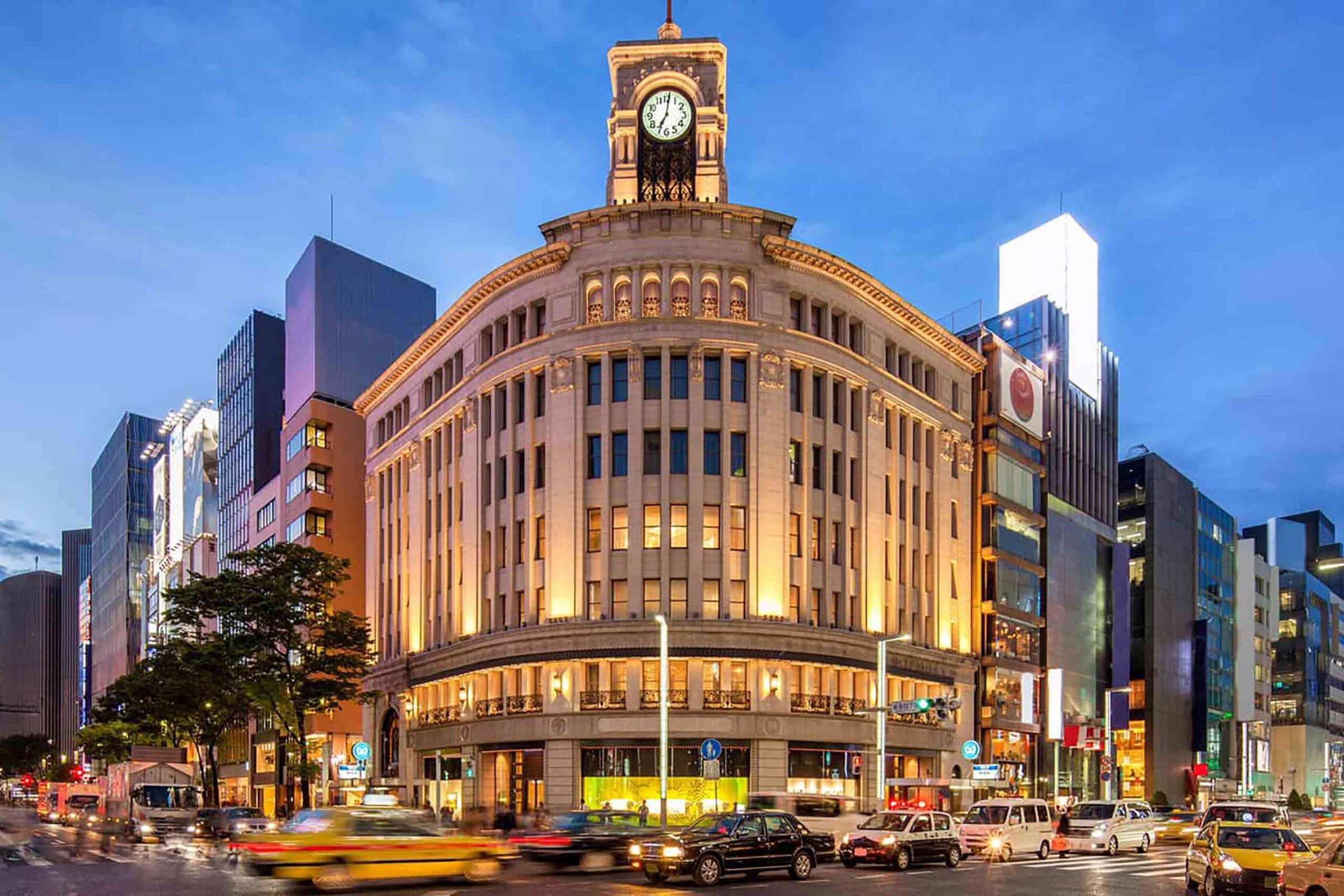
In Tokyo's fine-dining hierarchy, the floor a restaurant occupies is not incidental. Ginza's ground-level spaces tend to go to retail, to the visible and the accessible. The second floor, reached by a narrow staircase or a slow lift, is where the city's more deliberate dining rooms have historically settled: removed from street noise, insulated from foot traffic, oriented entirely toward the table. Ginza Maru sits on that second floor at 6-chome 12-15, a block that places it within Ginza's densest concentration of serious restaurants. The address alone is a form of editorial positioning.
Ginza as a dining district has been recalibrating for the better part of two decades. What was once a corridor of expense-account kaiseki and corporate sushi has fractured into something more layered: multi-starred omakase counters that price against their Michelin peers rather than the neighbourhood average, French-influenced tasting rooms running parallel to deeply traditional Japanese formats, and a smaller tier of restaurants that operate without the institutional weight of a hotel group or a famous lineage. Harutaka anchors the sushi end of that spectrum at the ¥¥¥¥ tier. RyuGin holds the kaiseki position with three Michelin stars and a reputation built over nearly two decades. Understanding where Ginza Maru sits within that competitive field requires looking at the format signals the restaurant projects rather than any single verified credential.
How the Menu Speaks Before the First Course
Menu architecture in a Ginza restaurant communicates intent before a dish arrives. The choice between omakase and à la carte is not merely logistical; it is a declaration about the kitchen's relationship with the guest. An omakase format, especially at a counter with limited covers, places all sequencing authority with the chef and signals that the kitchen's internal logic, seasonal rhythm, and sourcing relationships are the primary text. An à la carte structure, by contrast, invites the guest into a different kind of agency and tends to reflect a broader audience expectation.
What the address and setting do confirm is that a second-floor Ginza room in this block operates within a context where tasting-format dining is the dominant grammar. The restaurants that have built lasting reputations in this corridor, from traditional Japanese houses to the French-influenced rooms like L'Effervescence and Sézanne, have done so by treating the sequence of a meal as a compositional decision rather than a list of options. That framing shapes how any serious restaurant in Ginza is read by its guests.
The broader Tokyo dining conversation has moved toward a model where the most discussed rooms operate with high constraint: limited seats, fixed menus, long lead times for reservations, and a degree of opacity around pricing that filters the audience before the door opens. Crony has taken that approach in its innovative French format at the ¥¥¥¥ tier. The contrast with Den's ¥¥¥ innovative Japanese format shows that constraint and price point do not always move together, but in Ginza specifically, the neighbourhood's rent structure and clientele expectations tend to push restaurants toward the upper pricing brackets.
Ginza in Context: A District That Sets Its Own Comparisons
To eat seriously in Tokyo is to make a series of choices about which tradition you are entering. The city does not have a single fine-dining identity; it has dozens of parallel hierarchies, each with its own credential systems, its own booking cultures, and its own logic of what constitutes a signal that a restaurant is worth the commitment. Ginza represents one of the oldest and most compressed of those hierarchies. The restaurants here have, for decades, been compared not to restaurants in other Tokyo neighbourhoods but to each other and, increasingly, to peer rooms in other cities.
That international frame of reference matters. Rooms like Le Bernardin in New York City and Lazy Bear in San Francisco represent what fixed-format, chef-driven dining looks like at the top of competitive urban markets outside Japan. In each case, the menu architecture, whether it is Le Bernardin's disciplined seafood progression or Lazy Bear's communal tasting format, is what gives the restaurant its critical identity. The dish count, the pacing, the relationship between courses: these are the structural decisions that critics and repeat guests use to locate a restaurant within its tier. Ginza Maru, at its address in the 6-chome block, operates in a district where those structural decisions carry the same weight.
Japan's regional fine-dining scene offers additional context. HAJIME in Osaka, Gion Sasaki in Kyoto, and akordu in Nara each demonstrate how serious tasting-format dining operates outside Tokyo's centre of gravity. Restaurants like Goh in Fukuoka, Abon in Ashiya, and further afield, affetto akita in Akita, Aji Arai in Oita, Ajidocoro in Yubari District, Akakichi in Imabari, and aki nagao in Sapporo show that the format discipline associated with Tokyo's top tier has spread across prefectures. In that national context, Ginza retains its position as the reference district: the place where format conventions are established and where deviation from them reads as a deliberate statement.
Planning a Visit: What to Prepare For
Ginza operates on a different logistical clock than most Tokyo dining districts. Reservations at this tier of restaurant typically require advance planning measured in weeks, and for the most in-demand rooms, months. Visitors building a Tokyo itinerary around serious dining should treat Ginza reservations as the first booking to confirm, not the last. The full scope of what the district offers, across cuisine types and price tiers, is mapped in our full Tokyo restaurants guide.
Direct contact with the restaurant, or a reservation service that has a confirmed relationship with the venue, is the recommended approach. The 6-chome address in Chuo City is precise enough to locate with standard navigation tools; the second-floor location means the entrance may require attention on arrival.
Frequently asked questions
How do I find Ginza Maru?
Ginza Maru is located at Japan, 〒104-0061 Tokyo, Chuo City, Ginza, 6 Chome−12−15 2階, Tokyo.
What type of dining experience does Ginza Maru offer, and how does its second-floor location in Ginza shape it?
Ginza Maru occupies the second floor of a building in the 6-chome block of Ginza, Chuo City — a location pattern in Tokyo that typically corresponds to a quieter, more focused operation than ground-floor venues, which in Ginza tend toward retail or high-traffic formats. Guests should expect a deliberate, reservation-led format consistent with the neighbourhood's norms.
What's the signature dish at Ginza Maru?
What is known is that Ginza Maru sits in the 6-chome block of Ginza, Chuo City — a stretch where second-floor restaurants typically operate a focused, chef-led format rather than a broad menu. check the venue's official channels for current course details.
How hard is it to get a table at Ginza Maru?
Ginza Maru is located at 6 Chome-12-15 Ginza, second floor — a position in one of Tokyo's most competitive dining corridors. At this tier and address, reservations at comparable venues typically require two to four weeks' advance notice at minimum, and same-week availability is rarely realistic. No booking platform or phone number is currently listed in public records, so direct outreach or a hotel concierge approach is the most reliable path.
What's the signature at Ginza Maru?
Ginza Maru's second-floor position in Chuo City's 6-chome block is itself a signal: in Ginza's dining hierarchy, upper-floor locations tend to house tighter, more deliberate operations than street-level venues. Check directly with the restaurant for its current format.
What if I have allergies at Ginza Maru?
Across Ginza's second-floor dining tier in Tokyo, allergy communication is almost always handled at the time of reservation rather than at the table, and late disclosure can limit the kitchen's options significantly. Given that no phone or website is currently listed publicly, the most reliable approach is to raise dietary requirements through whichever channel you use to secure the booking.
Is Ginza Maru good value for money?
Its address in Ginza's 6-chome — Chuo City's most expensive restaurant corridor — places it in a neighbourhood where meal costs at seated dinner venues range from ¥15,000 to well above ¥50,000 per person. Whether the spend aligns with expectation depends on format and course length, both of which should be confirmed before booking.
Awards and Standing
A compact comparison to help you place this venue among nearby peers.
| Venue | Cuisine | Price | Awards | Notes |
|---|---|---|---|---|
| Ginza MaruThis venue — the venue you are viewing | Modern Japanese Kappō & Kaiseki | $50–100 | Not listed | Not listed |
| Harutaka | Edo-Style Omakase Sushi | $200–300 | 3 Michelin Stars · World's 50 Best #76 | Sushi |
| L'Effervescence | Modern French with Japanese Influences | $200–300 | 3 Michelin Stars · World's 50 Best #69 | French |
| RyuGin | Modern Kaiseki | $500+ | 3 Michelin Stars · World's 50 Best #41 | Kaiseki, Japanese |
| Crony | Modern French with Japanese Influences | $150–200 | 2 Michelin Stars · World's 50 Best #34 | Innovative, French |
| Den | Modern Japanese Kaiseki | $150–200 | 2 Michelin Stars · World's 50 Best #51 | Innovative, Japanese |
Continue exploring
More in Tokyo
Restaurants in Tokyo
All restaurants in Tokyo →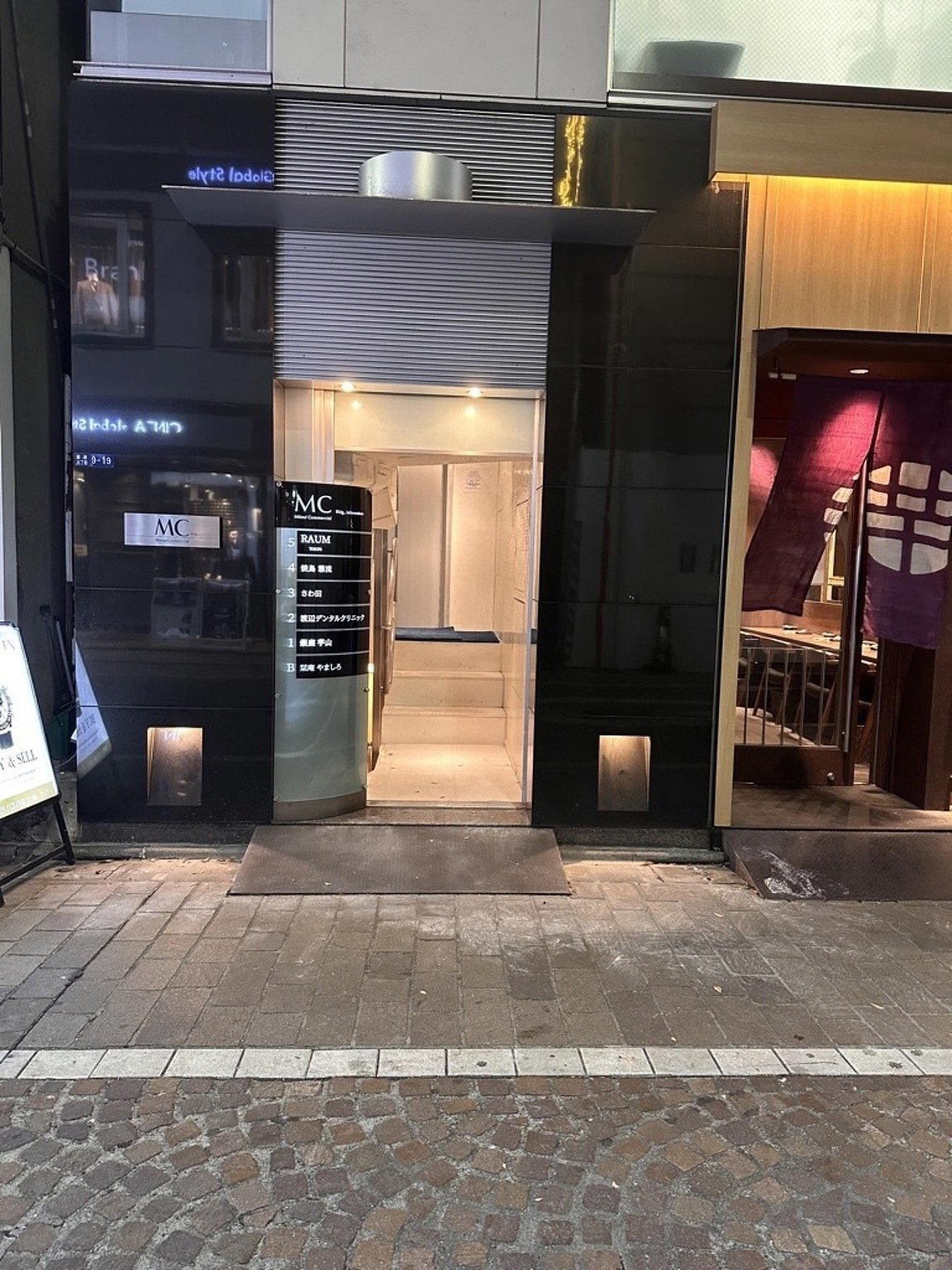

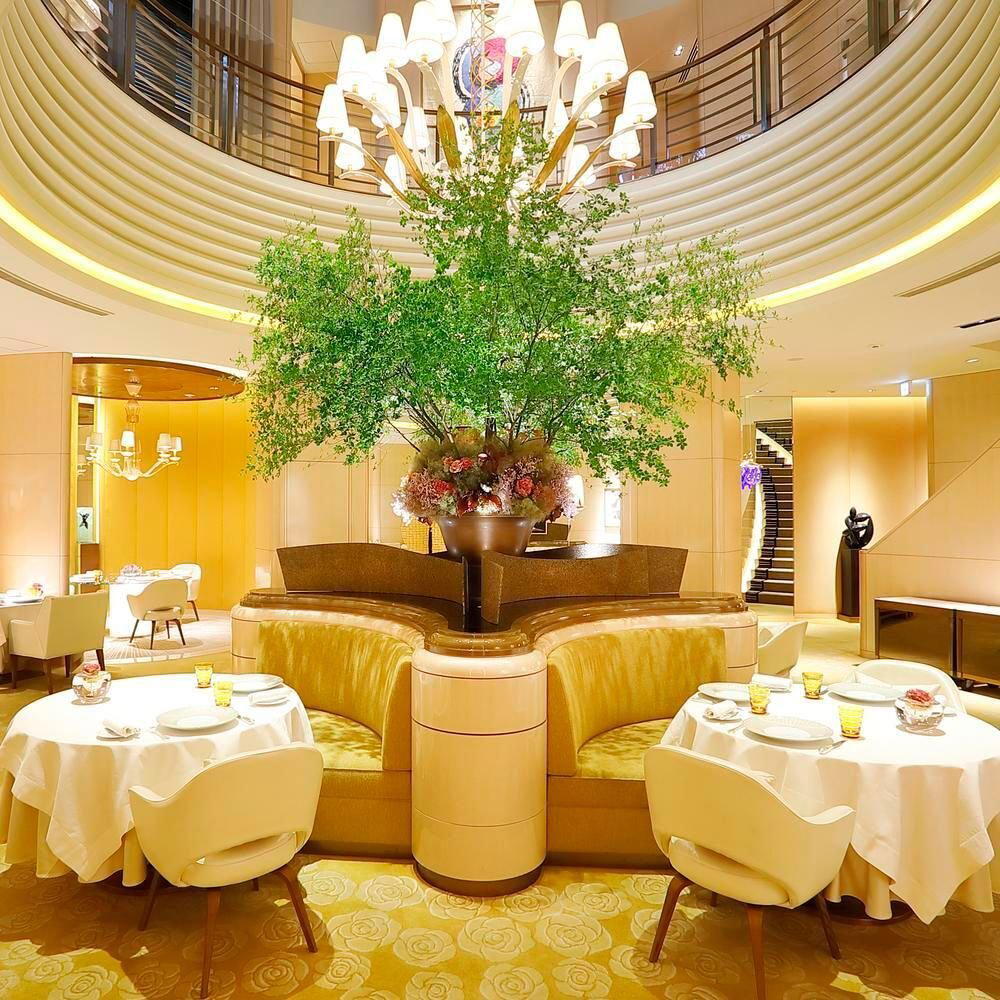
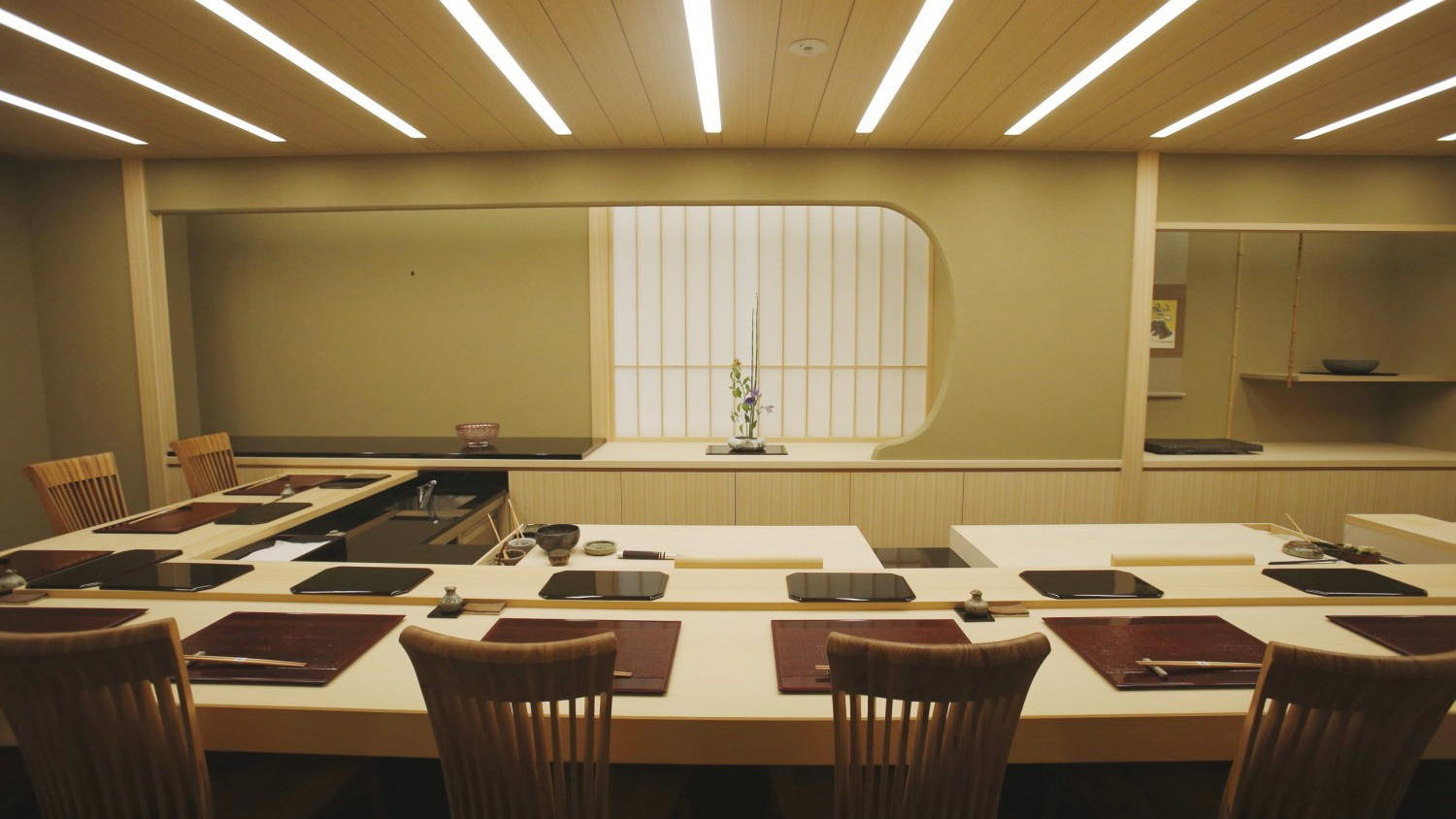
Bars in Tokyo
All bars in Tokyo →
Details
- Elegant
- Sophisticated
- Intimate
- Cozy
- Date Night
- Business Dinner
- Special Occasion
- Chefs Counter
- Open Kitchen
- Sake Program
- Tasting Menu
- A La Carte
- Counter Dining
- Sake Program
- Vegetarian Friendly
Current opening hours
- Monday
- 11:30 AM–2 PM, 6–10 PM
- Tuesday
- 11:30 AM–2 PM, 6–10 PM
- Wednesday
- 11:30 AM–2 PM, 6–10 PM
- Thursday
- 11:30 AM–2 PM, 6–10 PM
- Friday
- 11:30 AM–2 PM, 6–10 PM
- Saturday
- 11:30 AM–2 PM, 6–10 PM
- Sunday
- Closed
Hours can change for holidays and private events. Last verified .
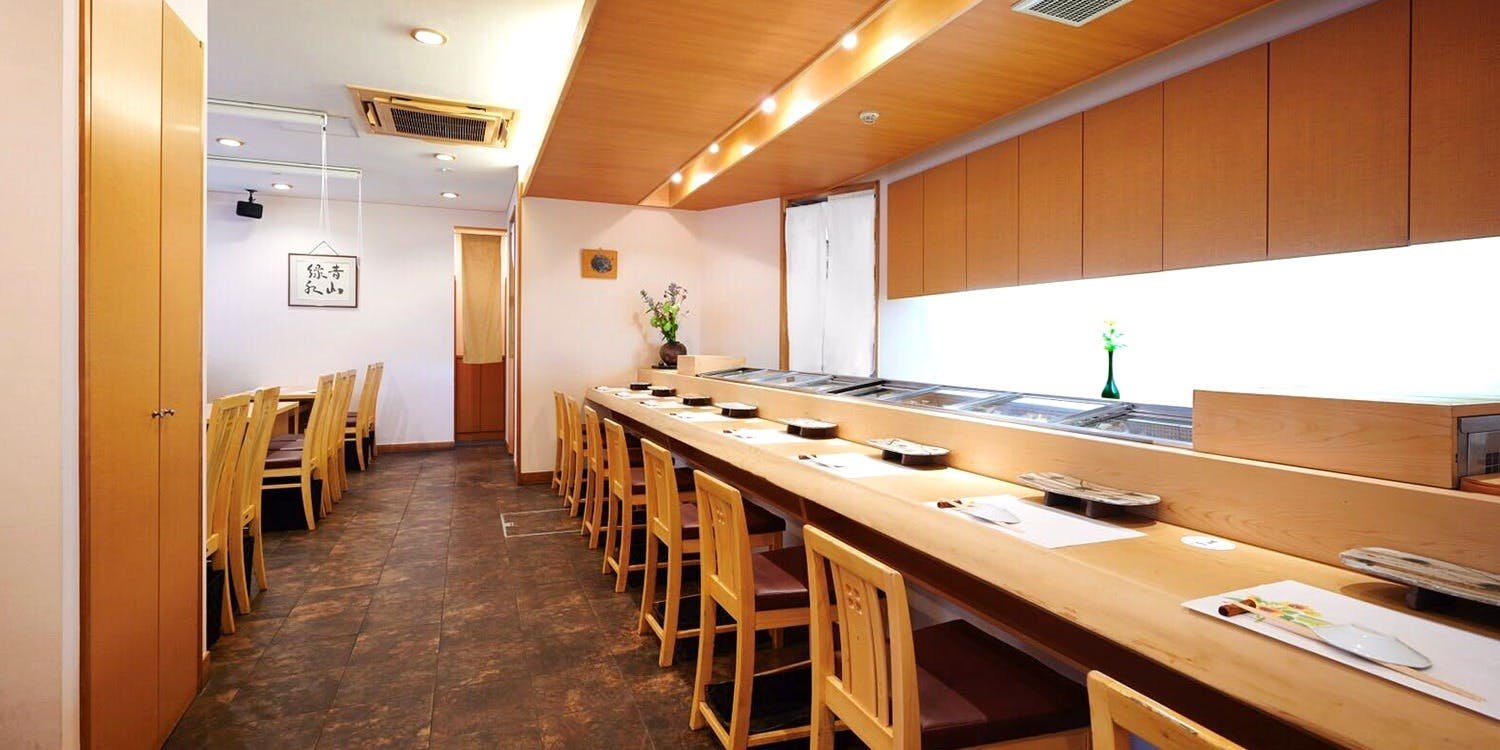
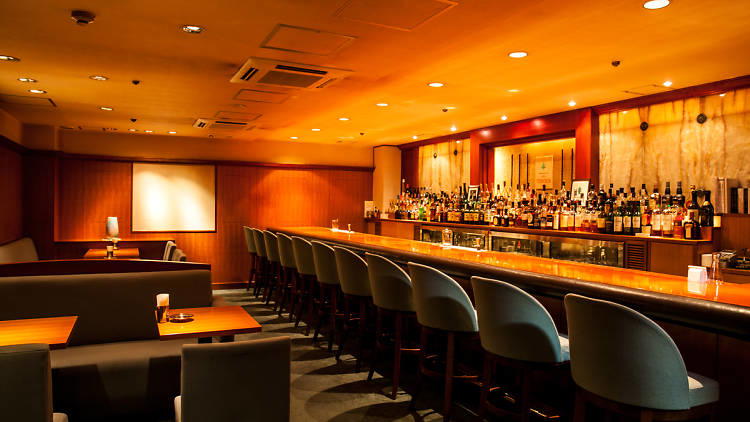
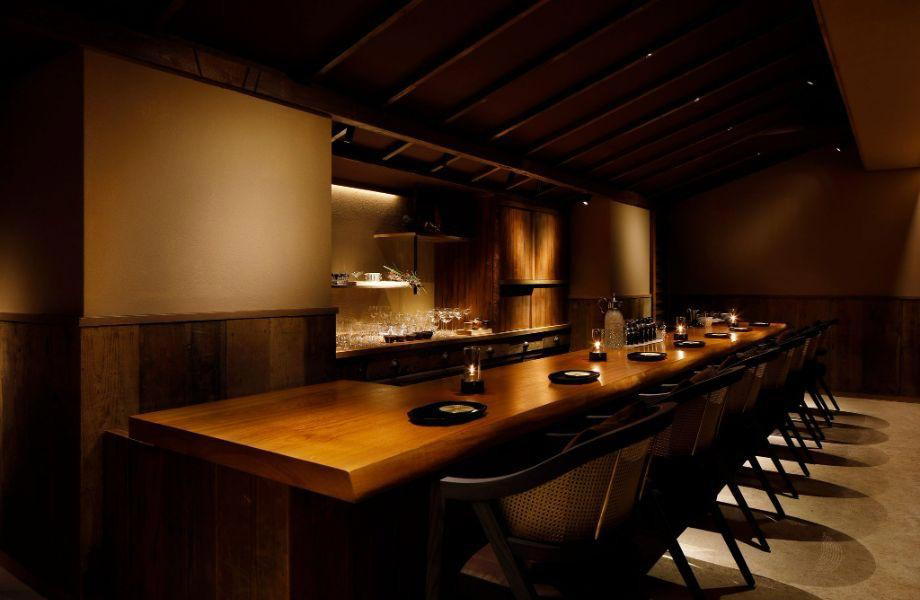
Understated calm with elegant and stylish yet relaxed atmosphere.