鳥かど sits in Shinagawa's Kamiosaki neighbourhood, operating in the focused tradition of Tokyo's specialist yakitori counters — the kind of address where the format dictates the occasion rather than the other way around. For a milestone meal that trades spectacle for precision, it occupies a specific and considered position in the city's dining hierarchy. Confirm all details directly before visiting, as operational information is limited.
Pearl is the En Primeur Club membership app — saves, bookings, and concierge access live there. Same editors, same standards.
- Address
- 2 Chome-14-12 Kamiosaki, Shinagawa City, Tokyo 141-0021, Japan
- Phone
- +818041149899
- Website
- torishiki-ichimon.jp
- Directions
- Get directions
 Saves & bookings on Pearl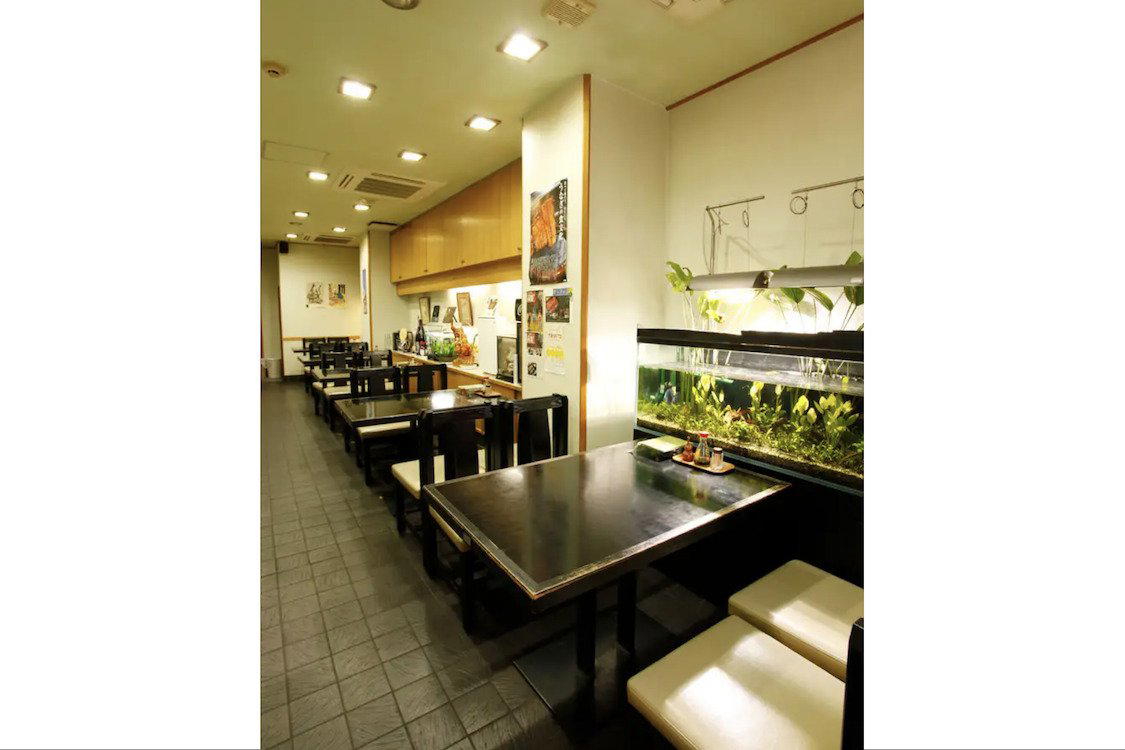
The Occasion Architecture of Tokyo's Yakitori Counters
Tokyo has a particular gift for making modest formats feel significant. The city's specialist yakitori counters — often small, often unmarked, often in neighbourhoods that reward the walk — represent one of the cleaner expressions of this: a single ingredient, a single cooking method, and a format stripped of everything decorative. When you choose one of these rooms for a birthday, an anniversary, or a meal that needs to mean something, the absence of theatrics becomes the point. The occasion isn't manufactured by the room; it's carried in by the people sitting down.
鳥かど, on Kamiosaki in Shinagawa City, operates in that tradition. The address places it slightly outside Tokyo's most-trafficked dining corridors, away from the Ginza omakase circuit and the Roppongi tasting-menu rooms, which is itself a signal. In a city where reputation travels on word of mouth and repeat custom, counters that hold a loyal following in residential or transitional neighbourhoods tend to do so on the strength of the food and the experience alone, without the amplification of a high-profile postcode.
What Kamiosaki Tells You Before You Sit Down
Shinagawa's dining character is less curated than Minami-Aoyama or Ginza, and that works in favour of the restaurants that have put down roots there. The area draws a mix of commuter traffic, Shinagawa Station is one of Tokyo's major interchange points, and local regulars who eat in the neighbourhood rather than travelling to it. Counters in this pocket of Kamiosaki tend to develop a different kind of relationship with their guests than the destination-dining rooms of more central Tokyo. The dynamic is closer, the pace less performative.
For occasion dining, that texture matters. A meal marked by a counter where the staff know the rhythm of the room, where the seating is close and the cook is visible, registers differently from a room built around theatre. Tokyo's specialist yakitori tradition is partly about the bird, the sourcing, the skewering, the precise management of binchotan heat, and partly about that quality of attention. The leading examples of the format, across the city, share a discipline that comes from reducing the variables: one protein, one fire, one set of hands.
For comparison and context, the ¥¥¥¥ tier of Tokyo dining, represented by venues like Harutaka in Ginza, L'Effervescence in Nishi-Azabu, RyuGin in Roppongi, Sézanne, and Crony, operates on Michelin recognition and international reservation demand. 鳥かど occupies a different register: the neighbourhood specialist, where the stakes are set by the format rather than the awards infrastructure.
Reading the Format as an Occasion Signal
Tokyo's yakitori counters split, broadly, into two camps. The first is the destination counter: Michelin-recognised, internationally booked, operating as a formal tasting experience that happens to use skewers. The second is the committed local specialist: technically serious, personally operated, and selected by guests who know what they're looking for. Both have their place in occasion dining, but they produce different memories.
A counter that doesn't carry international press or a star rating isn't necessarily a lesser choice for a significant meal. In many cases, the opposite is true. For a celebration that's meant to feel genuine, a dinner between people who care about each other and about what's on the plate, that reading of the room can matter as much as the food.
Across Japan, this pattern repeats. The specialist counter tradition runs from Tokyo to regional addresses: Goh in Fukuoka, Gion Sasaki in Kyoto, HAJIME in Osaka, akordu in Nara, and further afield to places like 一本杉川島 in Nanao, 奥芝商店 in Sapporo, 湖畔荘 in Takashima, and 羽根屋 in Nishikawa Machi. The format and price point vary; the underlying discipline of focused cooking in a contained room does not. Even internationally, the logic translates: counters like Atomix in New York City and refined dining addresses like Le Bernardin demonstrate that occasion dining at its most considered tends toward restraint rather than scale.
The yakitori-adjacent world has its own reference points, too, Birdland in Sakai and Bistro Ange in Toyohashi both show how specialist protein work in a focused room can carry a meal well beyond its apparent simplicity. The full range of Tokyo options, from destination omakase to neighbourhood specialists, is mapped in our full Tokyo restaurants guide.
Planning a Visit: What to Know in Advance
The address is 2 Chome-14-12 Kamiosaki, Shinagawa City, Tokyo 141-0021. Shinagawa Station connects via the JR Yamanote Line, Tokaido Line, and Shinkansen, making it one of the more accessible southern anchors of central Tokyo. Osaki Station, served by the Rinkai Line and Yamanote Line, is also within reach of this stretch of Kamiosaki.
Before making any journey specifically to dine here, confirm hours and reservation availability directly. Specialist counters in Tokyo occasionally operate on irregular schedules, close for private events, or shift formats seasonally. Arriving without a confirmed booking at a small counter is rarely advisable.
How 鳥かど Tokyo compares with similar nearby venues.
| Venue | Cuisine | Price |
|---|---|---|
| Chinkai Rou | Not listed | JPY 3,000 - JPY 3,999 |
| Tori-Shiki | Yakitori | Not listed |
| Konpira Chaya | Not listed | JPY 1,000 - JPY 1,999 JPY 1,000 - JPY 1,999 |
| Tonkatsu Meguro Kogane | Not listed | JPY 1,000 - JPY 1,999 JPY 1,000 - JPY 1,999 |
| Yakitori Abe | Yakitori | ¥¥ |










At a Glance
- Intimate
- Cozy
- Classic
- Date Night
- Special Occasion
- Chefs Counter
- Open Kitchen
- Sake Program
- Local Sourcing
Current opening hours
- Monday
- Closed
- Tuesday
- 5–11 PM
- Wednesday
- 5–11 PM
- Thursday
- 5–11 PM
- Friday
- Closed
- Saturday
- 5–11 PM
- Sunday
- Closed
Hours can change for holidays and private events. Last verified .
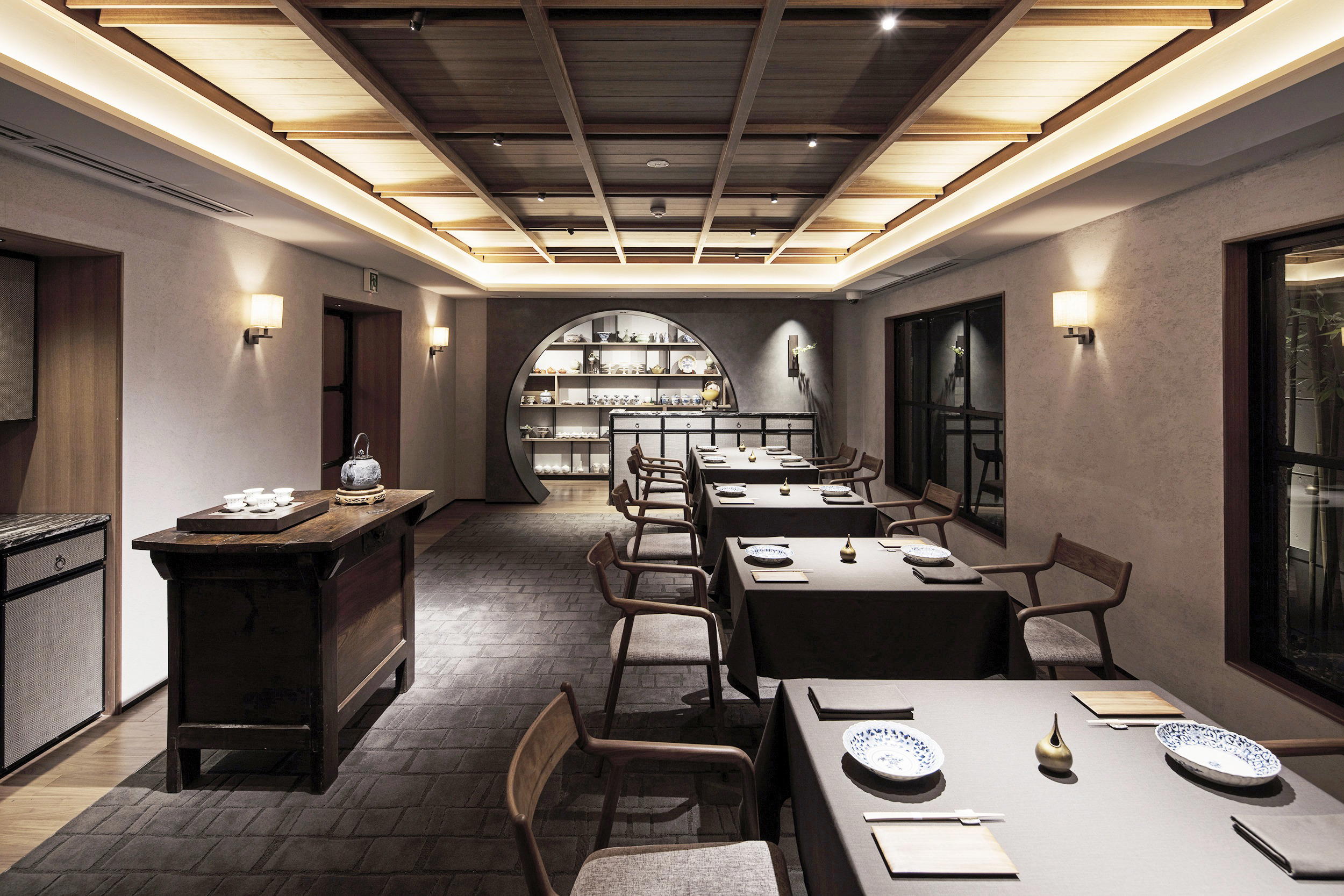
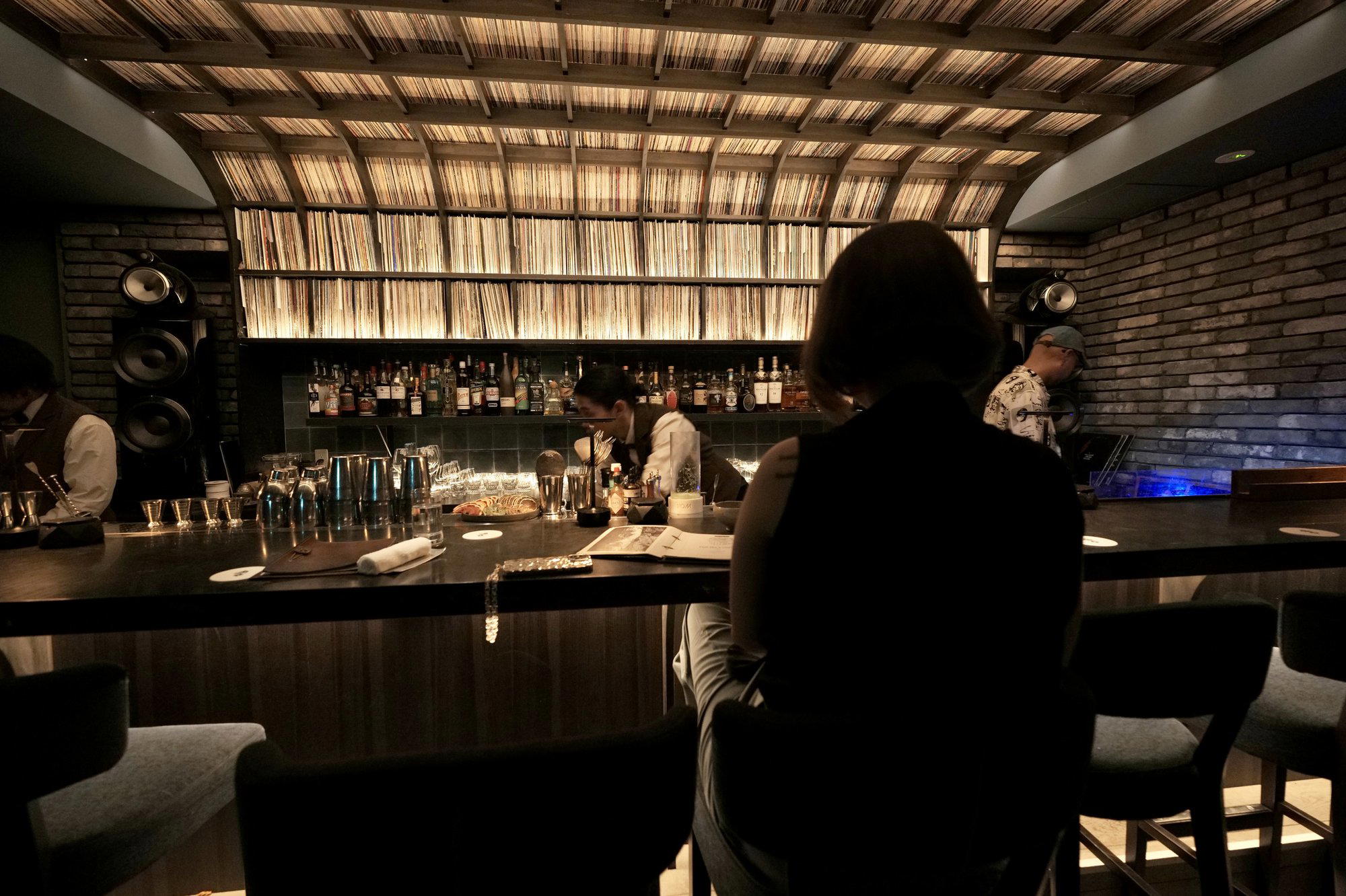
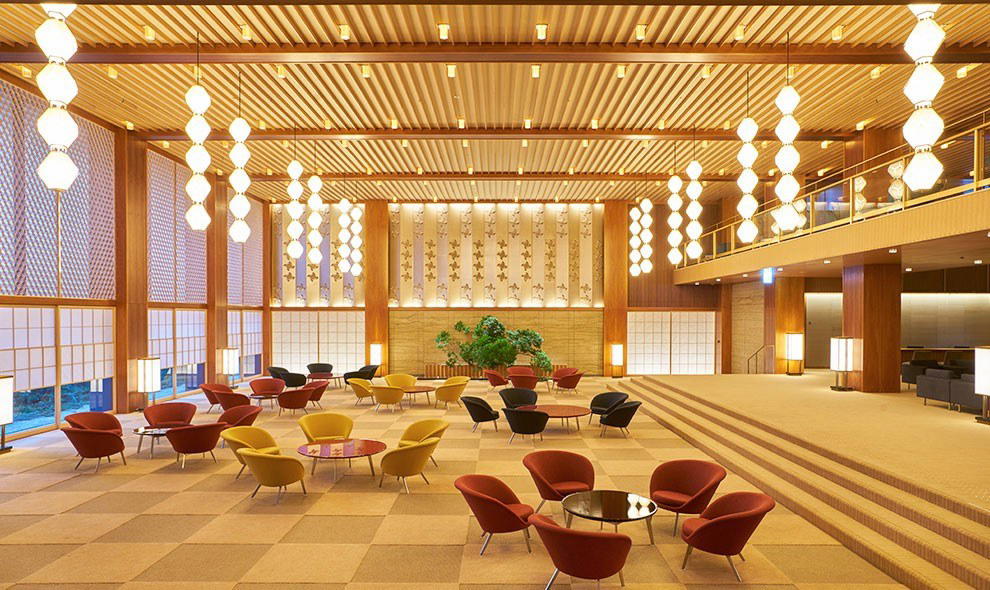
Calm counter seating space with a focused grilling atmosphere.
Know Before You Go
- Getting there
- 2 Chome-14-12 Kamiosaki, Shinagawa City, Tokyo 141-0021, Japan