すが弥 occupies a first-floor address in Higashi-Azabu, Minato City, within a neighbourhood that runs a quieter current than Tokyo's busier dining corridors. The venue sits in a district where small, serious restaurants operate below the marketing noise of central Tokyo, making reservation intelligence the primary way in. Exact details on format and pricing require direct confirmation before booking.
Pearl is the En Primeur Club membership app — saves, bookings, and concierge access live there. Same editors, same standards.
- Address
- Japan, 〒106-0044 Tokyo, Minato City, Higashiazabu, 1 Chome−29−15 296ビル 1階
- Phone
- +81362309545
- Website
- sugaya.asia
- Directions
- Get directions
 Saves & bookings on Pearl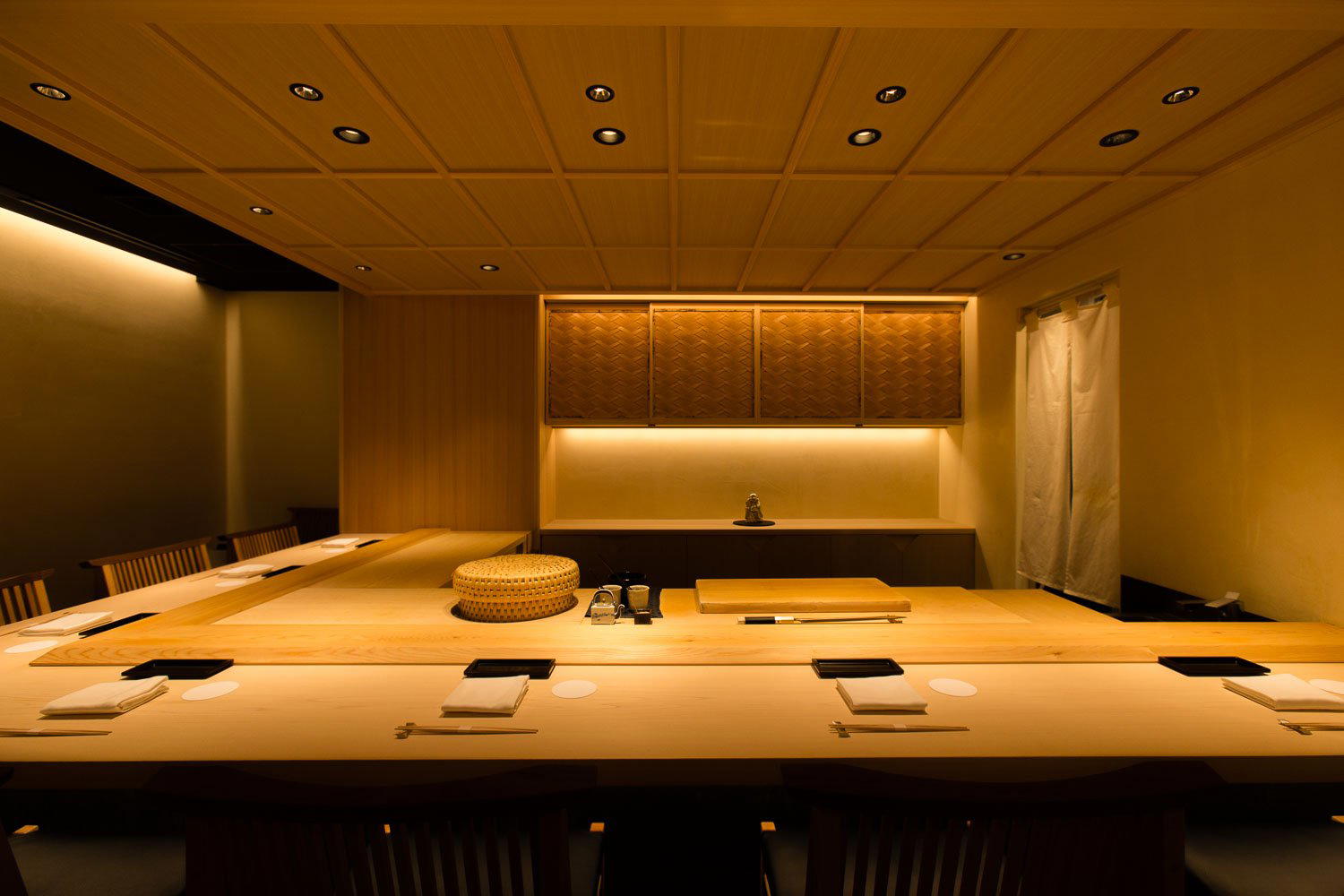
Higashi-Azabu and the Quiet Discipline of Tokyo's Residential Dining Belt
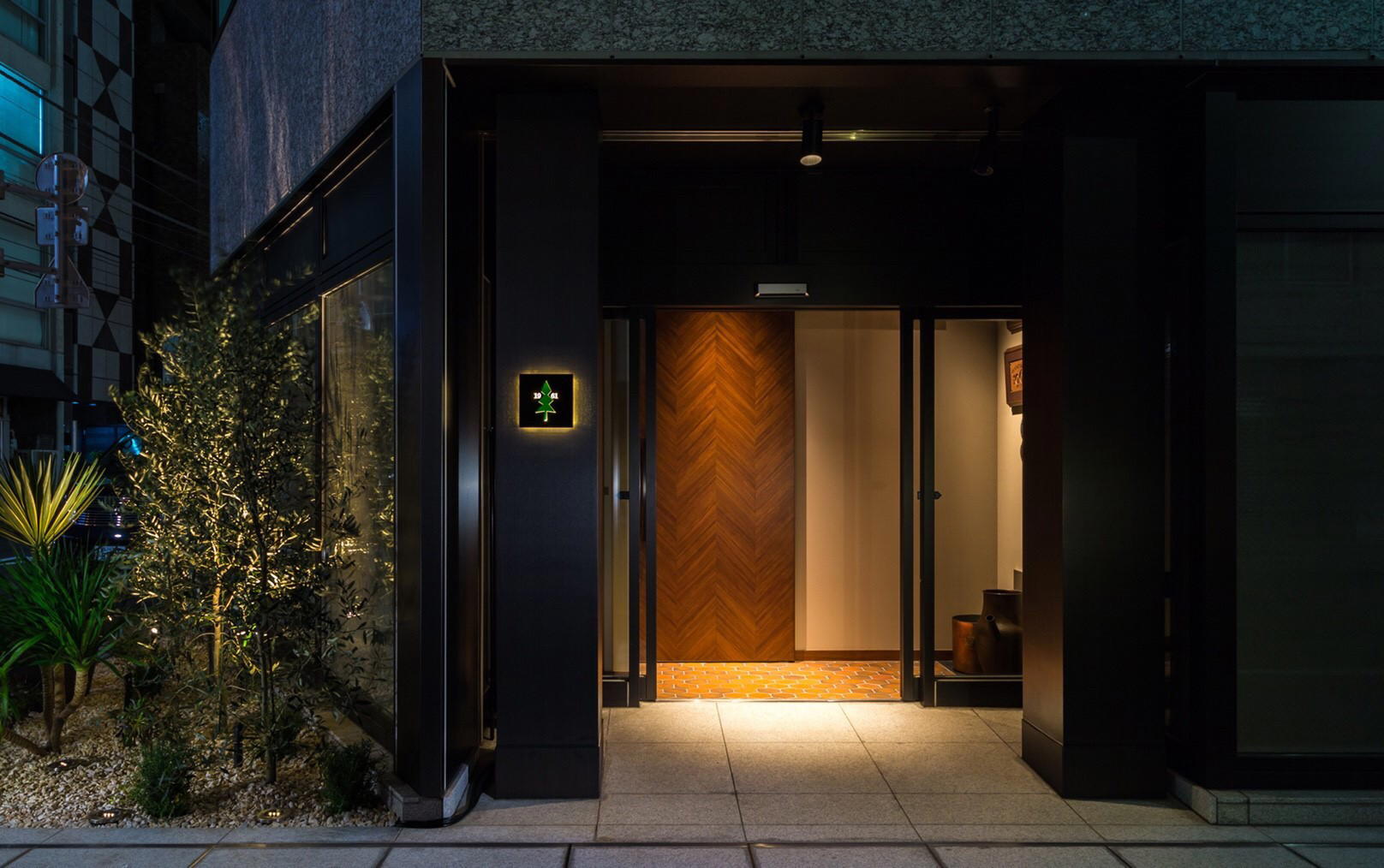
Tokyo's dining reputation tends to cluster in a handful of high-visibility corridors: Ginza for premium omakase, Minami-Aoyama for French-leaning tasting menus, Roppongi for international hotel dining. But running adjacent to these circuits is a less-discussed band of residential neighbourhoods where serious restaurants operate with a lower external profile. Higashi-Azabu, in Minato City, belongs to that band. The streets here are quieter than Nishi-Azabu's bar-lined blocks, and the dining addresses that occupy them tend to reward research rather than foot traffic. すが弥 holds a first-floor position at 1 Chome-29-15 in this district, placing it within a neighbourhood tradition of low-visibility, high-intention cooking.
The broader Azabu zone has a long association with diplomatic residences and older Tokyo money, which has historically supported a dining culture that does not need to announce itself loudly. Restaurants here often run small rooms, avoid elaborate marketing, and rely on return visitors and word-of-mouth referrals. This context matters when approaching すが弥: the absence of a prominent web presence or published phone number is not unusual for venues operating in this register.
The Architecture of a Japanese Tasting Progression
Japan's multi-course dining tradition operates across a wide spectrum, from the formal kaiseki sequences codified in Kyoto, see Gion Sasaki in Kyoto for a reference point, to the more personal, chef-driven formats that have emerged in Tokyo over the past two decades. The kaiseki arc, at its core, is a seasonal argument: a sequence that moves from lighter to richer, from raw to cooked, from restrained to more assertive, with each course functioning as part of a larger compositional logic rather than as a standalone dish.
What distinguishes the Tokyo interpretation of this tradition, at venues across Minato and the surrounding wards, is a willingness to compress or reorder that arc. Where Kyoto kaiseki adheres to a relatively fixed structural sequence, Tokyo's chef-driven rooms treat progression as a variable. The meal's shape becomes part of the kitchen's editorial voice. This shift in approach has produced some of the more interesting tasting-menu restaurants in Japan over the past decade, including RyuGin and, at the French end of the spectrum, L'Effervescence and Sézanne, all of which treat the sequence of courses as a distinct creative decision.
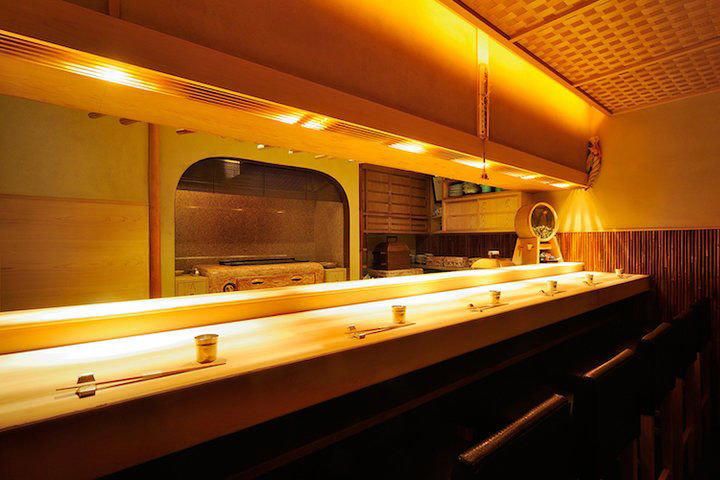
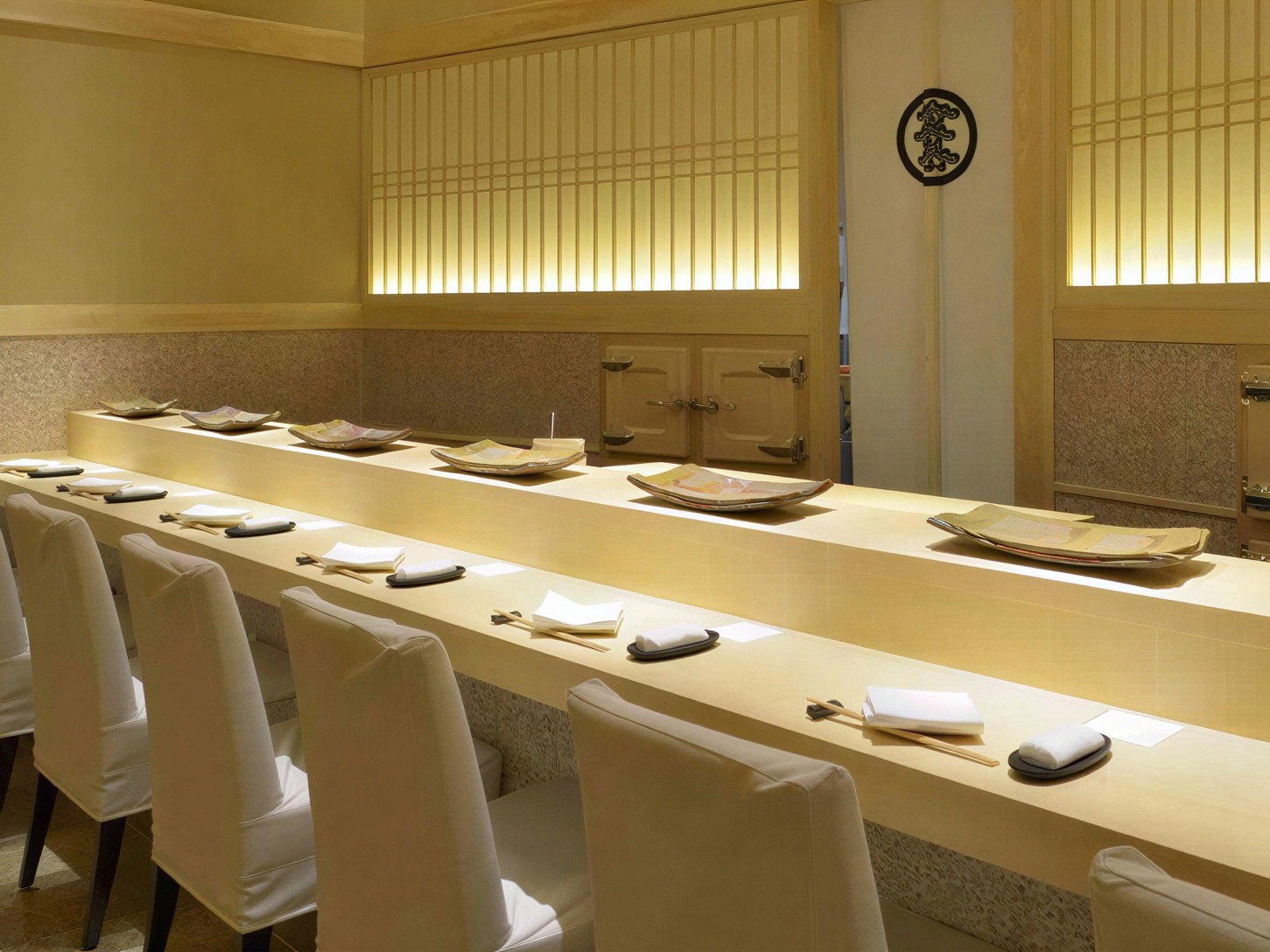
すが弥operates within this broader context. Specific menu composition, dish descriptions, and seasonal details are not published here. What is consistent with the neighbourhood, the format type, and the operating model is a focused, counter or small-room experience where the progression of service carries as much weight as any individual plate.
Positioning Within Tokyo's Serious Dining Tier
Tokyo carries more Michelin stars than any other city in the world, a fact that flattens useful distinctions when taken at face value. The more instructive frame is the sub-tier structure within that recognition. At the upper end of the city's Japanese cuisine spectrum, venues like Harutaka in the sushi category operate on allocation logic: small seat counts, advance booking windows measured in months, and pricing that runs significantly above the general tasting-menu market. A step below that ceiling sits a more varied population of serious restaurants, including venues with regional training pedigree, strong local reputations, and formats that prioritise craft over spectacle.
すが弥's Higashi-Azabu address and its operating model, which appears to function without a prominent public booking channel, are consistent with venues in the second and third tiers of that structure. This is not a ceiling on quality. It does, however, mean that the work of gathering information falls more heavily on the prospective visitor. Comparable small-room venues in the city's residential wards have demonstrated that this operating model attracts a clientele that values consistency and directness over production.
HAJIME in Osaka, akordu in Nara, and Goh in Fukuoka all represent different expressions of Japan's contemporary restaurant culture, each in a distinct regional register. Domestically within Tokyo, Crony represents the French-innovative end of the city's tasting-menu tier, while regional Japan also offers quieter, less-trafficked options including 一本木 奈良製 in Nanao, 夕佳亭山乃 in Sapporo, 湖籟庵 in Takashima, 庭羽屋 in Nishikawa Machi, and Birdland in Sakai. For readers approaching from international context, Le Bernardin in New York City and Atomix in New York City occupy analogous positions in their own city's serious dining hierarchy, where format precision and advance planning are equally non-negotiable. And if you are considering broader regional options in central Japan, Bistro Ange in Toyohashi is worth noting as a point of contrast in the Western-influenced register.
Getting There and Planning Your Visit
Higashi-Azabu is accessible from Azabu-Juban Station on the Namboku and Oedo lines, a walk of roughly ten minutes depending on exact exit. The neighbourhood sits between the more densely commercial Roppongi and the quieter Mita district, which means transport connections are available without the restaurant itself being in a high-footfall zone. Visiting in the early evening allows for the broader Azabu area's more relaxed character; the surrounding streets offer a natural prelude or extension to a dinner booking.
Know Before You Go
- Address: 1 Chome-29-15, 296ビル 1階, Higashi-Azabu, Minato City, Tokyo 〒106-0044
- Nearest station: Azabu-Juban (Namboku / Oedo lines)
- Phone / website: Not listed.
- Price range: about $500 per person.
- Hours: Mon: 6-11 PM; Tue: 6-11 PM; Wed: Closed; Thu: Closed; Fri: 6-11 PM; Sat: 6-11 PM; Sun: 5-10 PM.
- Dress code: smart casual.
What It’s Closest To
Comparable venues nearby, for context on price, style, and recognition.
| Venue | Cuisine | Price | Notes |
|---|---|---|---|
| すが弥This venue — the venue you are viewing | Edomae Sushi Omakase | $$$$ | Not listed |
| 3110NZ By LDH Kitchen | Modern Omakase Sushi with Art Gallery | $$$$ | Naka-Meguro |
| Fukuji (ふぐ福治) | Natural Tiger Fugu Fine Dining | $$$$ | Ginza |
| The Okura | Luxury Japanese Fine Dining Collection | $$$$ | Minato |
| Morimoto | Modern Japanese Sushi and Teppanyaki | $$$$ | Minato |
| Yugen Tei Nishiazabu honkan | Luxury Yakiniku (Japanese BBQ) | $$$$ | Minato |










At a Glance
- Elegant
- Sophisticated
- Intimate
- Date Night
- Special Occasion
- Chefs Counter
- Sake Program
Current opening hours
- Monday
- 6–11 PM
- Tuesday
- 6–11 PM
- Wednesday
- Closed
- Thursday
- Closed
- Friday
- 6–11 PM
- Saturday
- 6–11 PM
- Sunday
- 5–10 PM
Hours can change for holidays and private events. Last verified .
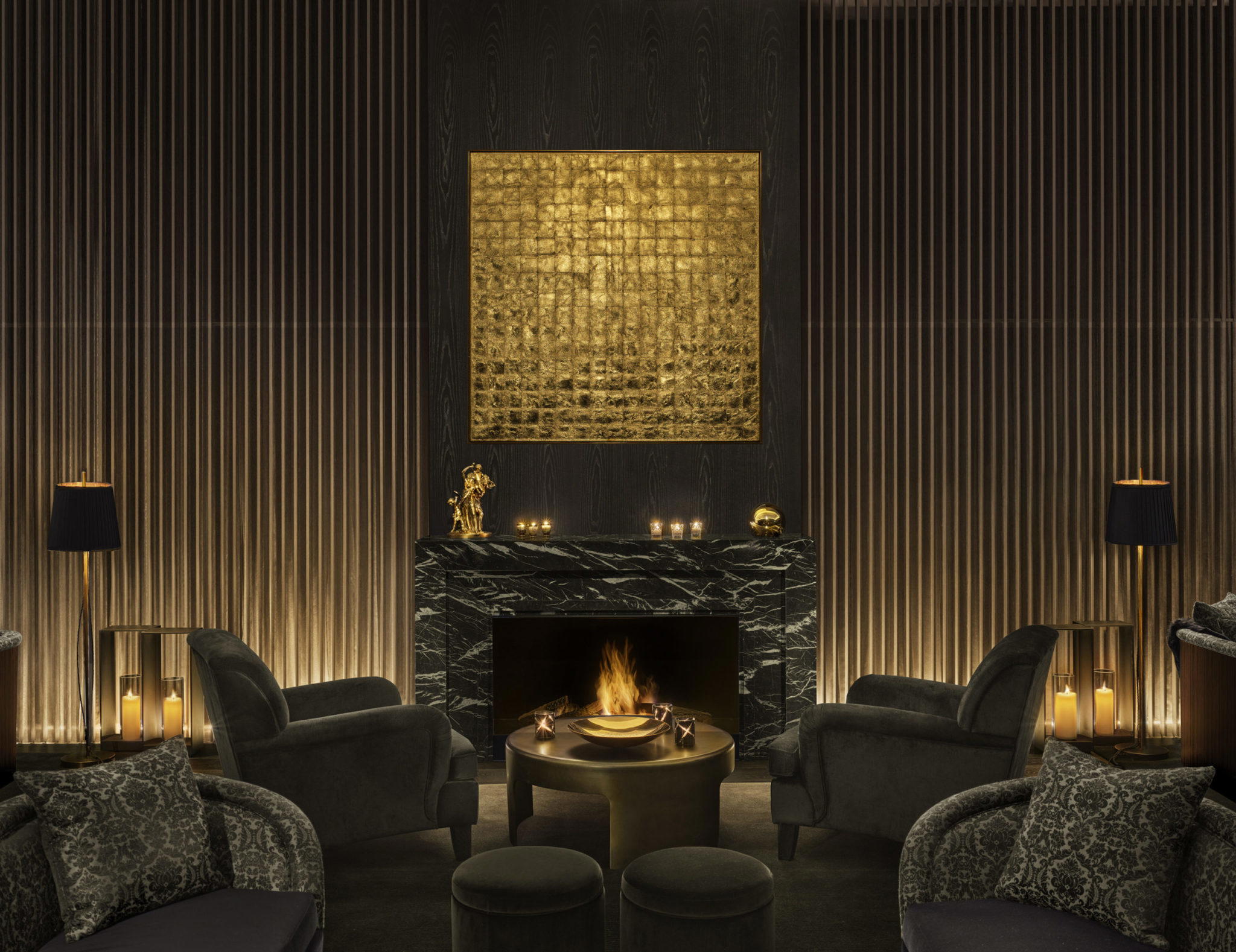
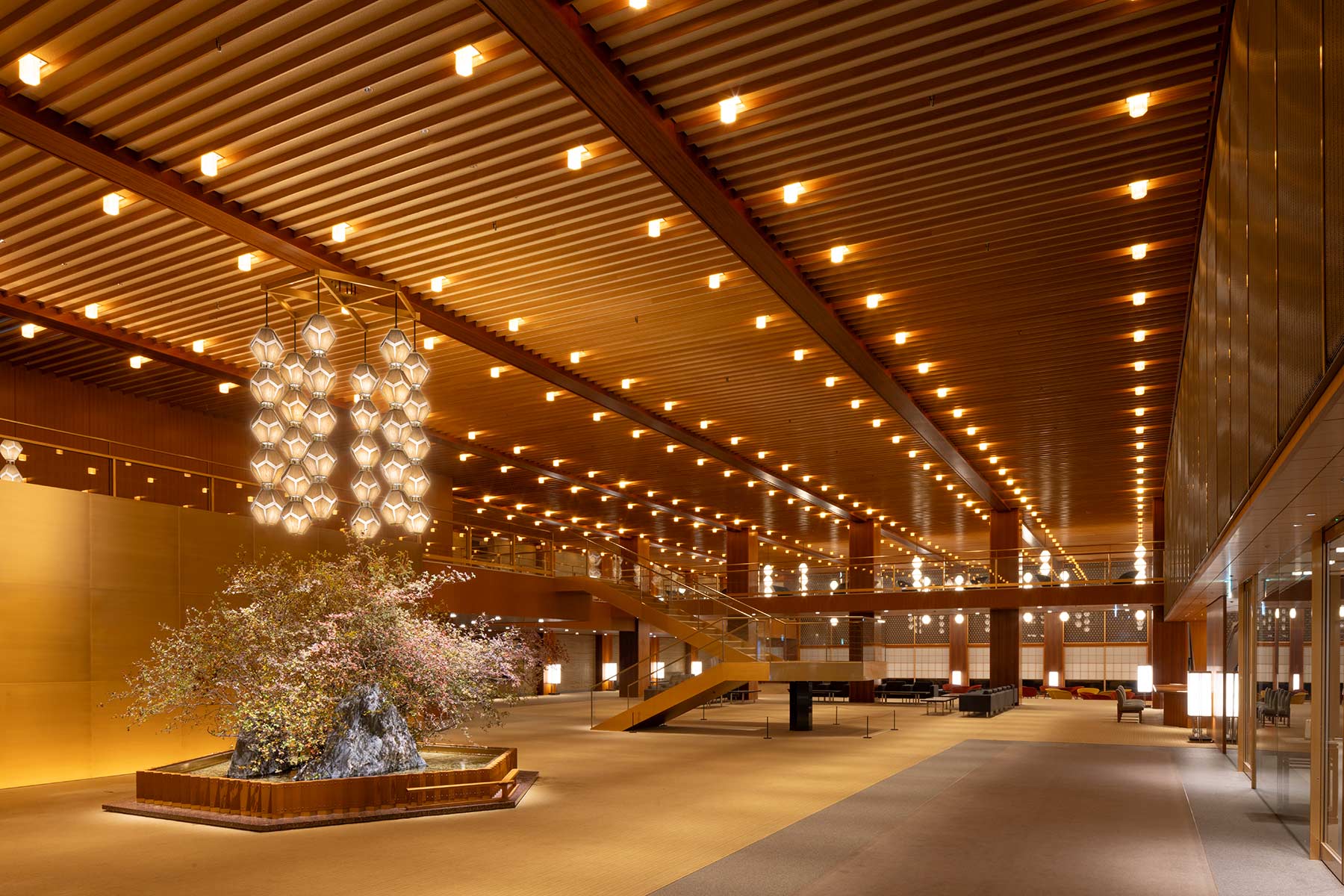
Sophisticated and elegant space with subtle details and a refined, serene atmosphere.