Our verdict
The Okura in Toranomon operates at the intersection of Tokyo's luxury hotel market and the city's postwar design history. The 1962 heritage lobby, preserved through the 2019 Prestige Tower reconstruction using archival asanoha geometric motifs, gives the property a spatial continuity that newer entrants cannot manufacture. Multi-outlet hotel dining and two distinct guest wings complete an offer positioned for institutional reliability over destination-restaurant ambition.

Pearl is the En Primeur Club membership app — saves, bookings, and concierge access live there. Same editors, same standards.
- Address
- 2 Chome-10-4 Toranomon, Minato City, Tokyo 105-0001, Japan
- Phone
- +81335820111
- Website
- theokuratokyo.jp
- Directions
- Get directions
- Booking
- Book on the venue's website
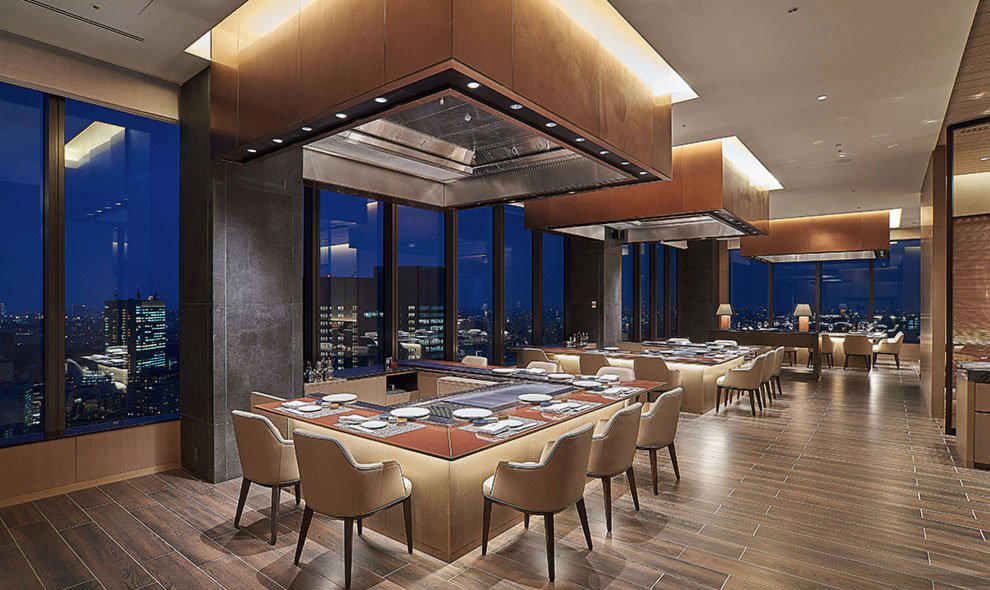
The menu
What to order
- Wagyu Teppanyaki
- Kaiseki Course
- Okura Beef
A Hotel That Became Architecture
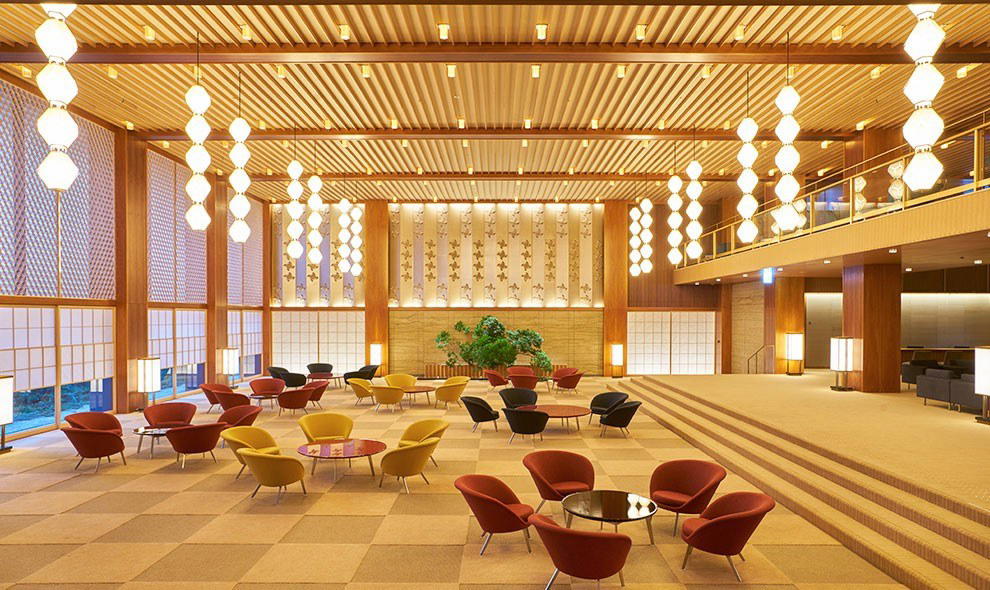
There is a particular gravity to arriving at The Okura in Toranomon. The main building, completed in 1962 and redesigned with its heritage geometry preserved in the 2019 tower reconstruction, operates as a reference point for how postwar Japan chose to present itself to the world. The lobby lanterns, the geometric ceiling patterns derived from the asanoha (hemp leaf) motif, the low furniture arranged around negative space rather than filled against walls: these were deliberate statements about Japanese modernism at a moment when the country was defining what international hospitality could mean on its own terms. Decades later, those choices read less as period detail and more as a coherent design argument that has held.
Tokyo's luxury hotel segment has splintered considerably since 1962. International flagships arrived, boutique properties multiplied in Aoyama and Yanaka, and the competitive set now runs from Aman Tokyo's raw concrete volumes to the Park Hyatt's mid-rise aerie above Shinjuku. The Okura occupies a position in that field that is hard to replicate through renovation: genuine institutional continuity, with a design vocabulary that predates the city's current luxury conversation rather than responding to it.
The Architecture as Argument
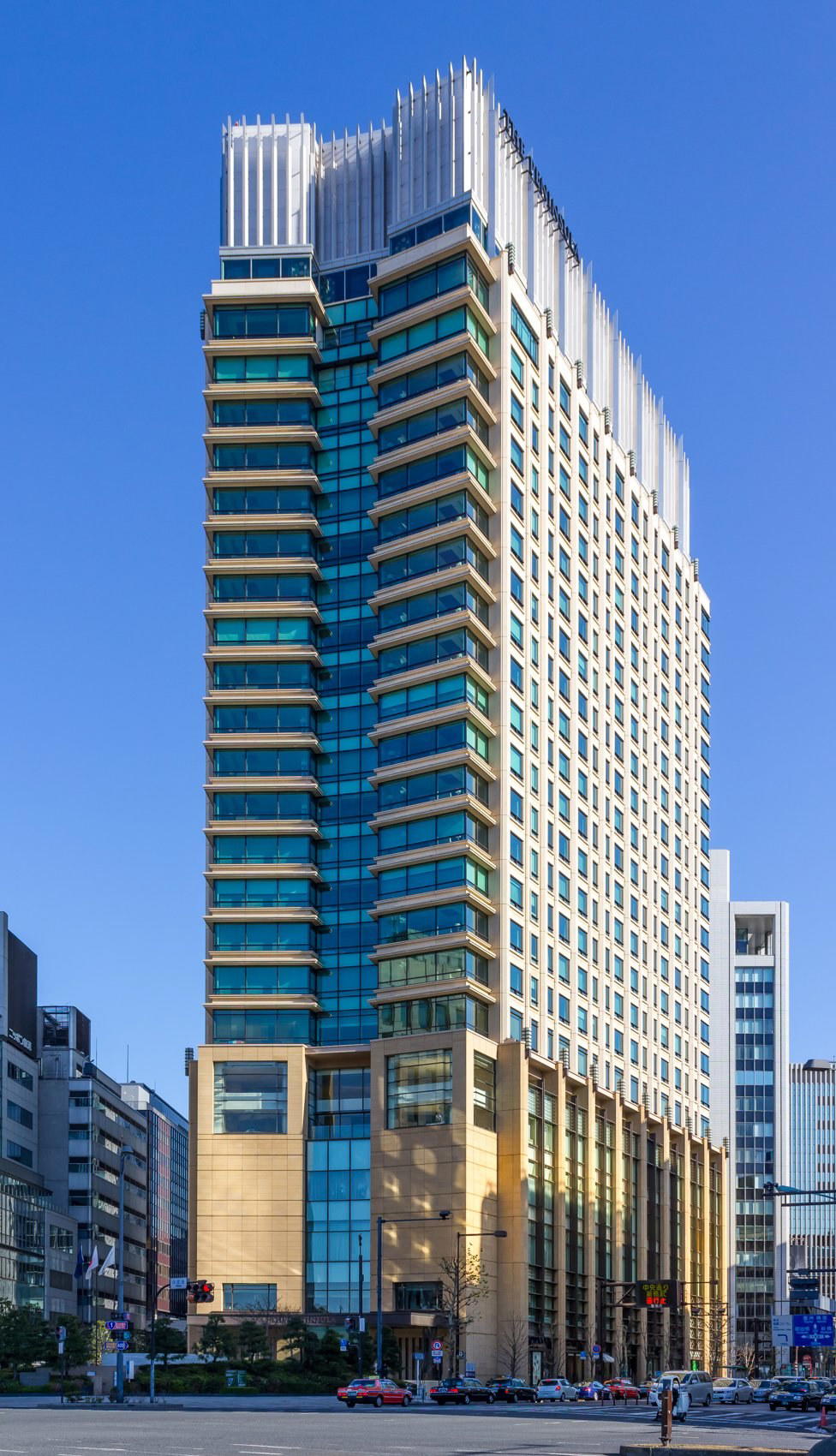
The 2019 reconstruction generated significant commentary in Tokyo architectural circles precisely because the decision was made to retain and restore the 1962 lobby rather than rebuild it in contemporary idiom. That lobby now sits within the new Okura Prestige Tower, functioning as a preserved interior rather than a working hotel floor in the conventional sense. The result is an unusual spatial experience: you move through current high-rise hospitality infrastructure and arrive at a room that is operating by different spatial logic entirely.
The asanoha ceiling pattern, the shoji-influenced screen elements, the amber lighting calibrated around the lanterns rather than the architectural shell: each element was documented and reproduced to specification during the rebuild. This level of archival fidelity is rare in Tokyo hotel reconstruction, where the economics of redevelopment typically favour a clean break.
Room configurations in the Prestige Tower follow a contemporary premium format, with the design language of the lobby modulated into the guestroom palette through material choices and proportion rather than direct reproduction of the heritage motifs. The Heritage Wing, which occupies the original lower building, offers a closer spatial relationship to the 1962 volumes for guests who want that continuity to extend past the lobby. The two wings effectively give the property two distinct guest experiences operating under a single address.
Dining: A Multi-Outlet Property in a Single-Restaurant City
Tokyo's restaurant culture has moved decisively toward the specialist single-room format. The properties that command the most attention in the city's dining conversation, from the counter omakase rooms of Ginza to the private kaiseki formats that require introduction, tend to operate one room and one menu. The Okura works by different logic: a multi-outlet hotel property with Japanese and Western dining formats across several rooms, positioned for a guest profile that values continuity and setting alongside the food itself.
That positioning places it in a different competitive conversation from Tokyo's destination restaurant tier. Venues like Harutaka (sushi, premium counter format), RyuGin (kaiseki, three Michelin stars), L'Effervescence and Sézanne (both French, both Michelin-recognised), and Crony (innovative French) are operating as destination restaurants first. The Okura's dining rooms serve a broader function within the hotel's overall offer, which is a different kind of institutional role in the city's food ecosystem. Neither is superior; they answer different questions.
For guests working through Tokyo from a hotel base, this distinction matters practically. The city's destination restaurant tier books weeks to months in advance and requires planning before arrival. The Okura's in-house dining provides a reliable alternative on short notice, with a setting and service register that align with the hotel's overall positioning.
Toranomon: A District in Transition
The Okura's address in Toranomon places it in a district that has changed more in the past decade than almost anywhere else in central Tokyo. The Toranomon Hills development, completed in phases from 2014 onward, shifted the neighbourhood's identity from administrative corridor to mixed-use hub. The Andaz Tokyo opened within the first Toranomon Hills tower, adding a competing luxury hotel to a neighbourhood that previously had The Okura largely to itself at the premium end.
The result is a more interesting neighbourhood for the guest arriving today than the one that existed a decade ago, with improved transit connectivity and a denser retail and food offer around the hotel. The Hibiya Line's Toranomon Hills station, opened in 2020, improved direct access to the airport and to Roppongi and Ginza without requiring a transfer.
Japan Beyond Tokyo
Guests using The Okura as a Tokyo base while moving through Japan have a well-connected departure point for the country's broader fine dining circuit. The Shinkansen network from Tokyo Station (reachable in under 20 minutes by subway) opens access to HAJIME in Osaka, Gion Sasaki in Kyoto, and Goh in Fukuoka, all operating at the top of their respective regional tiers. For guests moving into less-covered territory, akordu in Nara represents the kind of specialist format that rarely appears in standard itineraries, and properties like 一本杉 川島酒造 in Nanao, 湖辺庵 in Takashima, and 鷹羽屋 in Nishikawa Machi offer regional dining depth that sits well outside the Michelin Tokyo conversation. 古代山乃 in Sapporo adds a northern arc for guests extending the trip to Hokkaido. For international comparisons at the same price tier, Le Bernardin in New York City and Atomix in New York City operate in an analogous institutional register within their respective cities.
Our full Tokyo restaurants guide maps the city's dining tiers in more detail, including regional specialists like Birdland in Sakai and Bistro Ange in Toyohashi for guests moving into the Kansai and Tokai corridors.
Planning Your Stay
The Okura operates across two wings at 2 Chome-10-4 Toranomon, Minato City, Tokyo. The Prestige Tower holds the reconstructed heritage lobby and the majority of the room inventory; the Heritage Wing offers closer spatial continuity with the original 1962 building. Toranomon is connected to the Hibiya and Ginza subway lines, with Toranomon Hills station on the Hibiya Line providing the most direct access to Roppongi, Ginza, and onward transit south. Direct booking is available through the hotel's website for rate and room-type transparency.
Frequently asked questions
What do people recommend at The Okura?
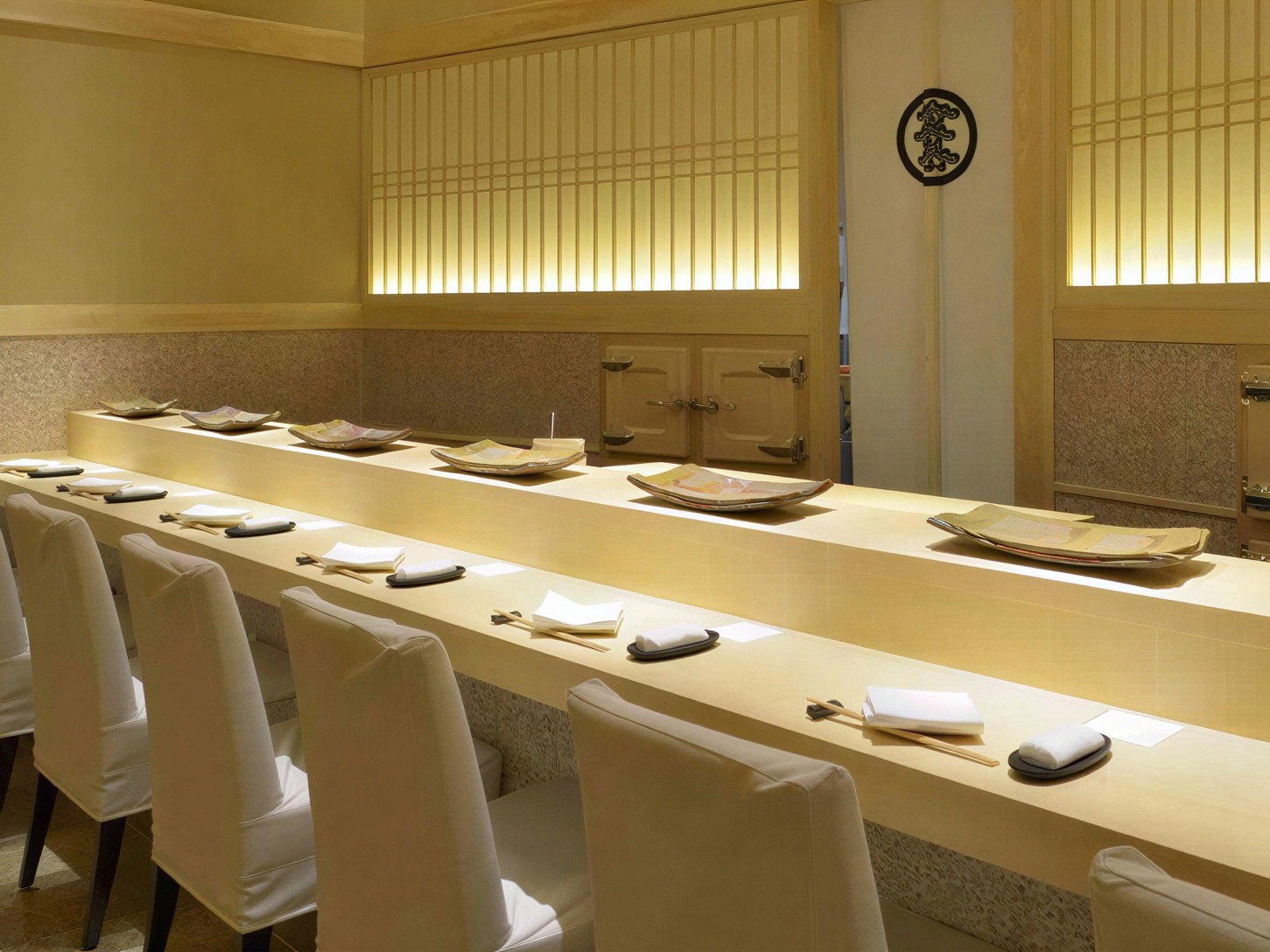
The dining rooms at The Okura cover Japanese and Western formats, with the Japanese rooms drawing on kaiseki and teppanyaki traditions that suit the hotel's institutional positioning. Guests frequently reference the dining rooms alongside the heritage lobby as the core of the experience: the spatial setting is as much the recommendation as the specific dishes. For Tokyo's specialist restaurant tier, properties like Harutaka and RyuGin sit in a different category and require separate advance booking.
How hard is it to get a table at The Okura?
As a hotel dining operation rather than a single-room destination restaurant, The Okura's dining rooms are generally more accessible on shorter notice than Tokyo's top-tier independent venues, many of which book one to three months ahead. Guests staying in the hotel have the additional advantage of in-house access. For the city's most-sought tables, including Michelin three-star kaiseki and premium omakase counters, the lead time is a separate planning exercise entirely.
What do critics highlight about The Okura?
The architectural heritage of the 1962 lobby and the decision to preserve it through the 2019 reconstruction draws the most consistent critical attention. The hotel occupies a documented position in Tokyo's postwar design history, and commentary has focused on how the rebuilt structure handles that inheritance. The dining program is noted as a solid multi-outlet hotel offer rather than a destination in itself, which is the honest characterisation of its role in the city's food conversation.
Is The Okura good for vegetarians?
Japanese hotel dining at this tier typically covers vegetarian-compatible formats through the kaiseki tradition, where vegetable-centred courses are standard rather than supplementary. If dietary requirements are specific, confirming directly with the hotel prior to arrival is the most reliable approach. The Okura's website and reservations team can advise on current menu flexibility across its dining rooms.
Is The Okura overpriced or worth every penny?
The question of value at The Okura is inseparable from what you are pricing. The room rates operate in Tokyo's premium hotel bracket, comparable to other properties with significant architectural heritage and full-service infrastructure. If the draw is the heritage lobby and the institutional continuity of the property rather than a cutting-edge design experience or a destination restaurant under the same roof, the positioning is defensible. If you are pricing it against Tokyo's newer design-led entrants on room quality alone, the comparison is less direct.
What makes The Okura a reference point in Tokyo's hotel design history?
The Okura's original 1962 building was one of the first Japanese luxury hotels to develop a coherent design language rooted in traditional Japanese spatial principles, including the asanoha geometric motif and shoji-influenced screen elements, while meeting the operational standards expected by international guests arriving for the 1964 Tokyo Olympics. That design was sufficiently regarded that its 2019 demolition and reconstruction triggered a documented preservation debate, with the lobby ultimately rebuilt to archival specification inside the new Prestige Tower. It is one of the few instances in Tokyo hotel history where a mid-century interior has been treated as a recoverable cultural asset rather than a starting point for redevelopment.
Price and Positioning
A quick peer reference to anchor this venue in its category.
| Venue | Cuisine | Price | Awards | Notes |
|---|---|---|---|---|
| The OkuraThis venue — the venue you are viewing | Luxury Japanese Fine Dining Collection | $200–300 | Not listed | Not listed |
| Harutaka | Edo-Style Omakase Sushi | $200–300 | 3 Michelin Stars · World's 50 Best #76 | Sushi |
| L'Effervescence | Modern French with Japanese Influences | $200–300 | 3 Michelin Stars · World's 50 Best #69 | French |
| RyuGin | Modern Kaiseki | $500+ | 3 Michelin Stars · World's 50 Best #41 | Kaiseki, Japanese |
| Crony | Modern French with Japanese Influences | $150–200 | 2 Michelin Stars · World's 50 Best #34 | Innovative, French |
| Florilège | Modern French-Japanese Plant-Based Fine Dining | $50–100 | 2 Michelin Stars · World's 50 Best #31 | French |




Details
- Elegant
- Sophisticated
- Ornate
- Business Dinner
- Special Occasion
- Date Night
- Hotel Restaurant
- Panoramic View
- Private Dining
- Extensive Wine List
- Sake Program
- Local Sourcing
- Skyline
- A La Carte
- Tasting Menu
- Counter Dining
- Sake Program
- Wine List
- Vegetarian Friendly
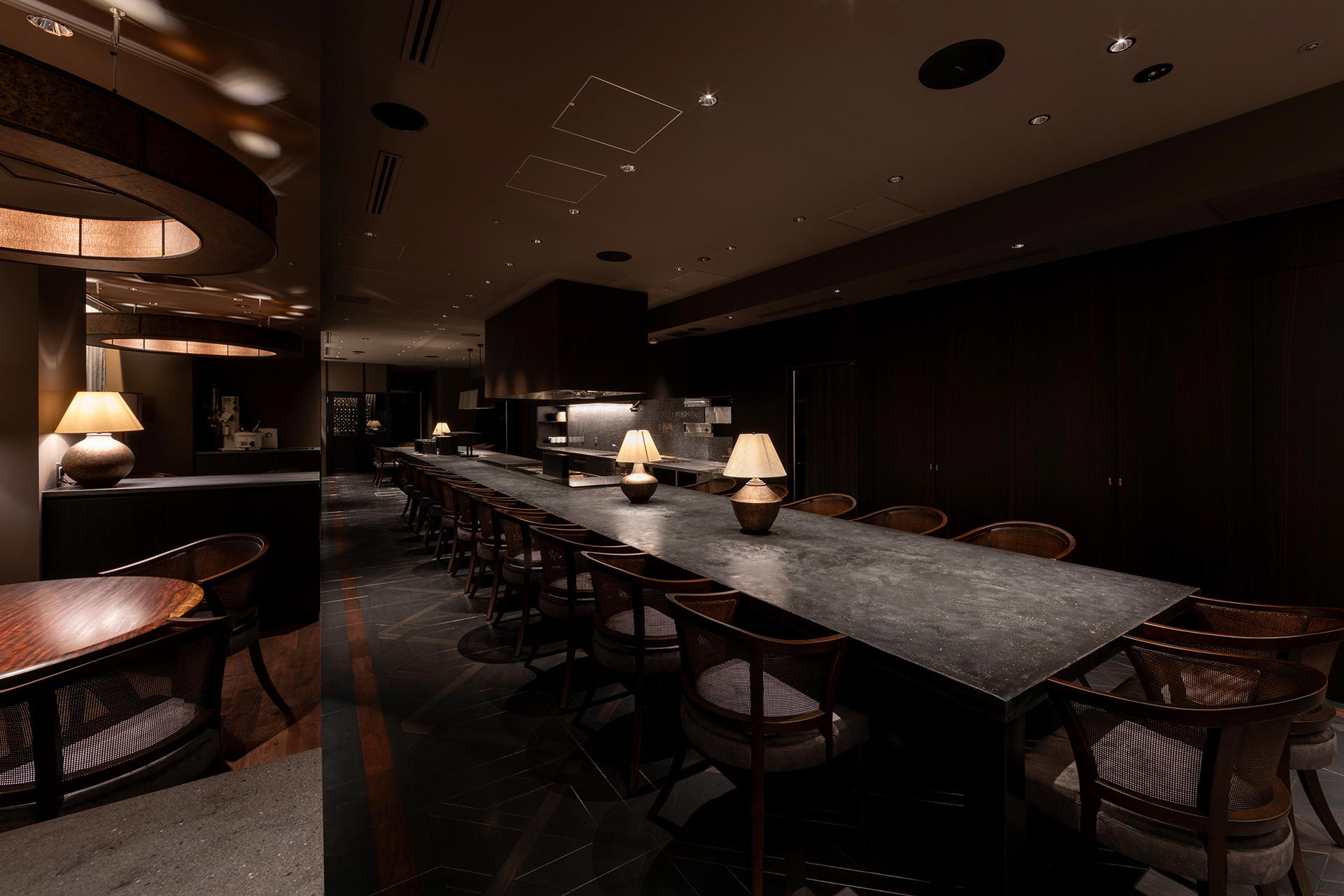
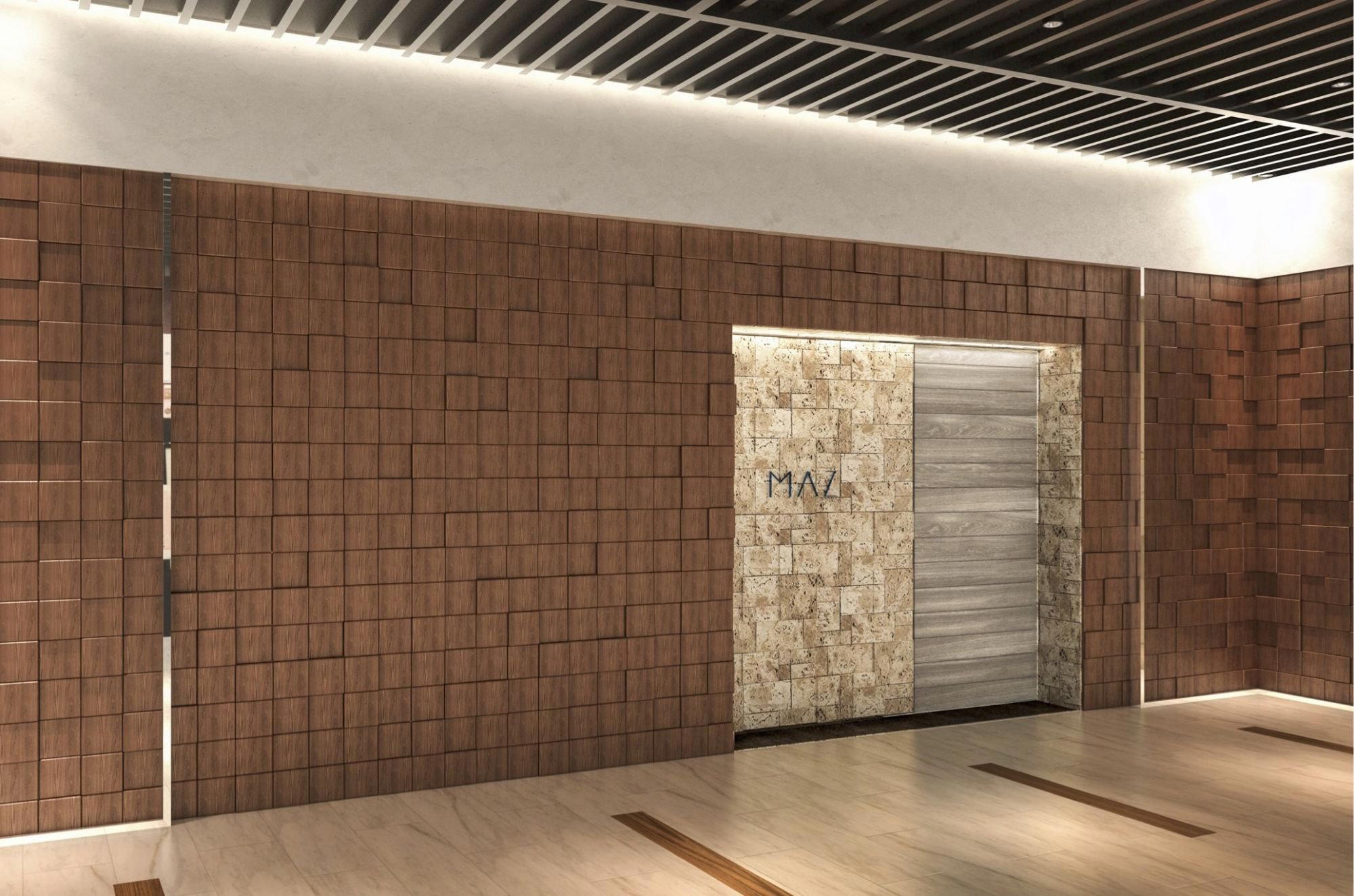
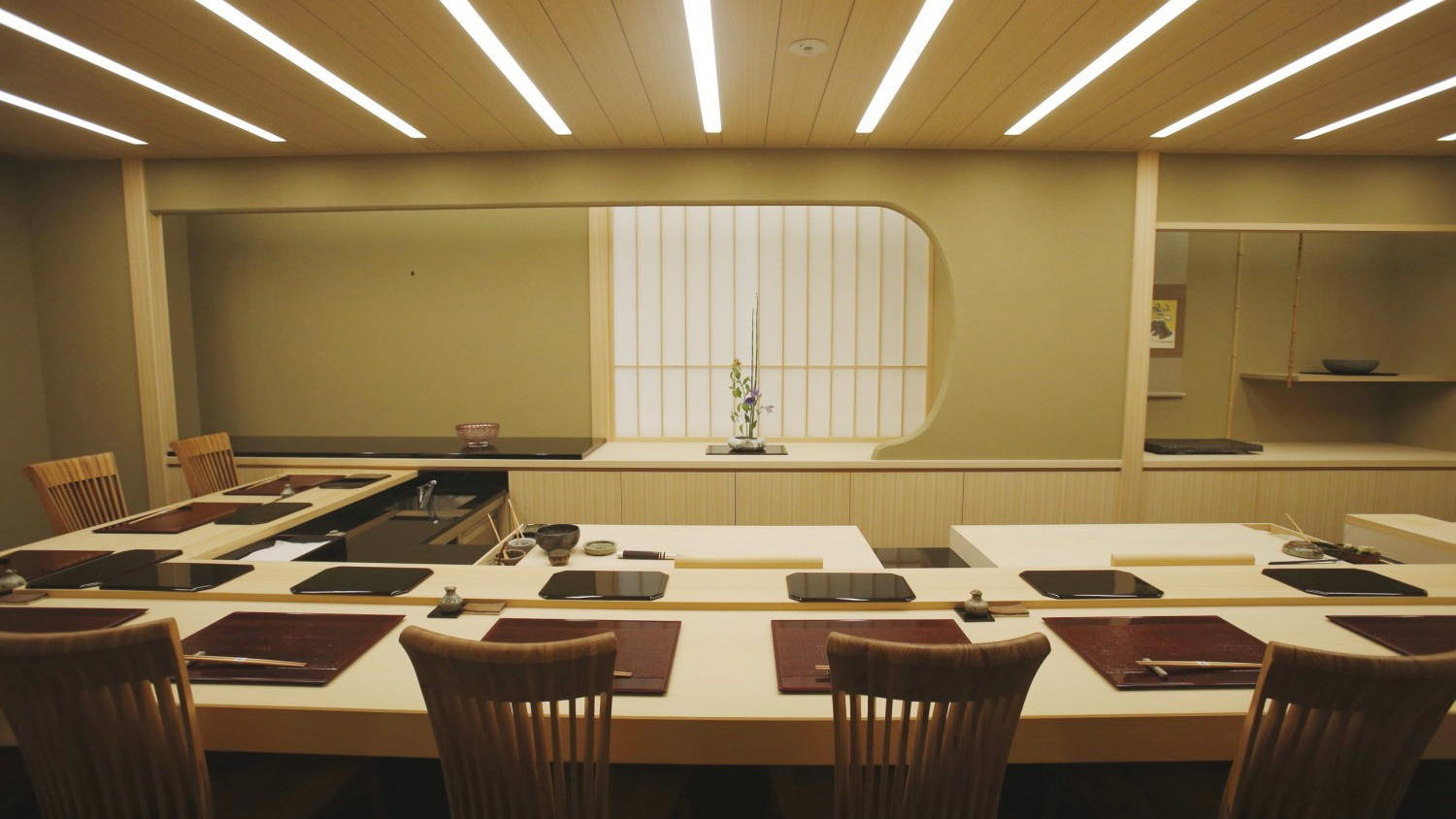
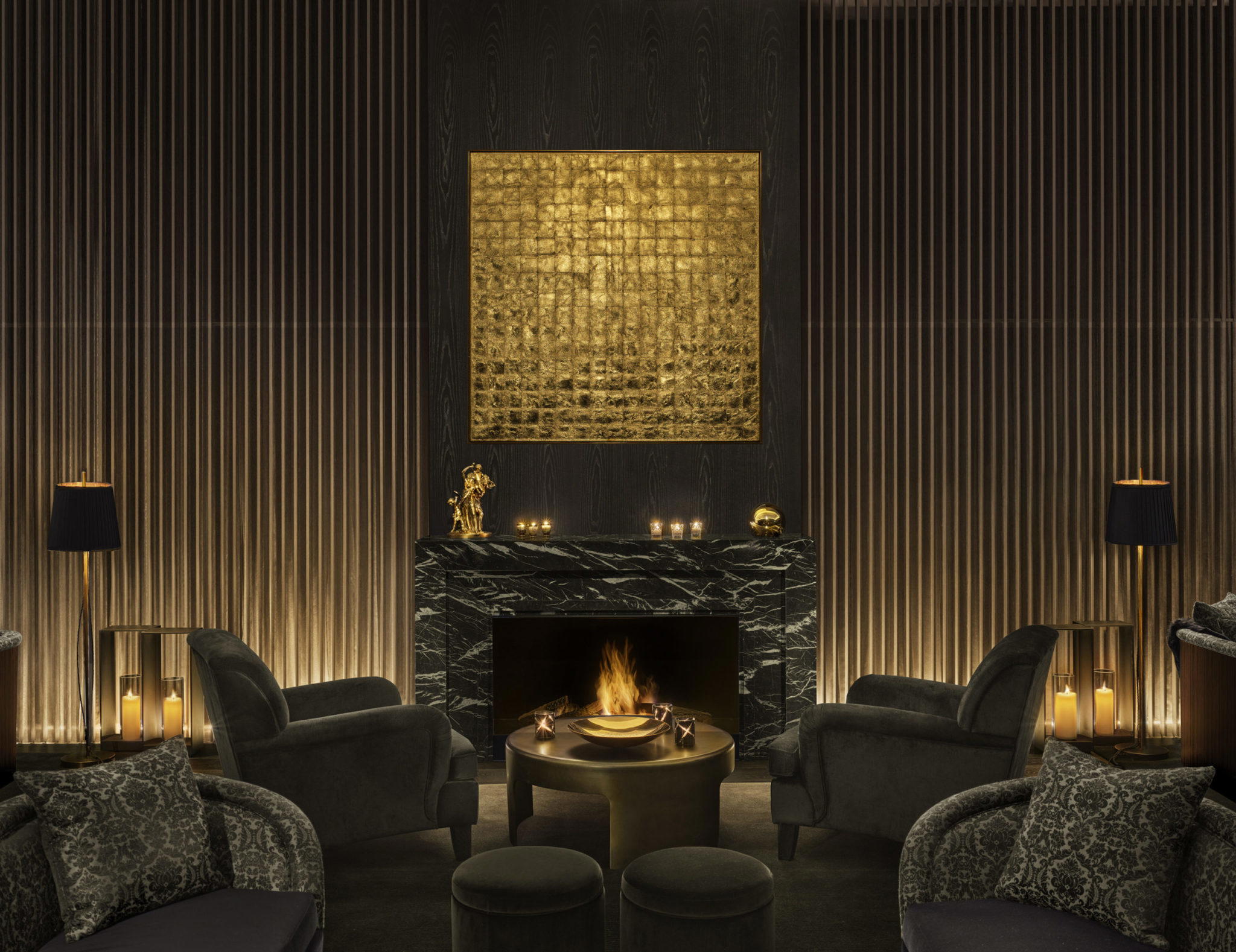
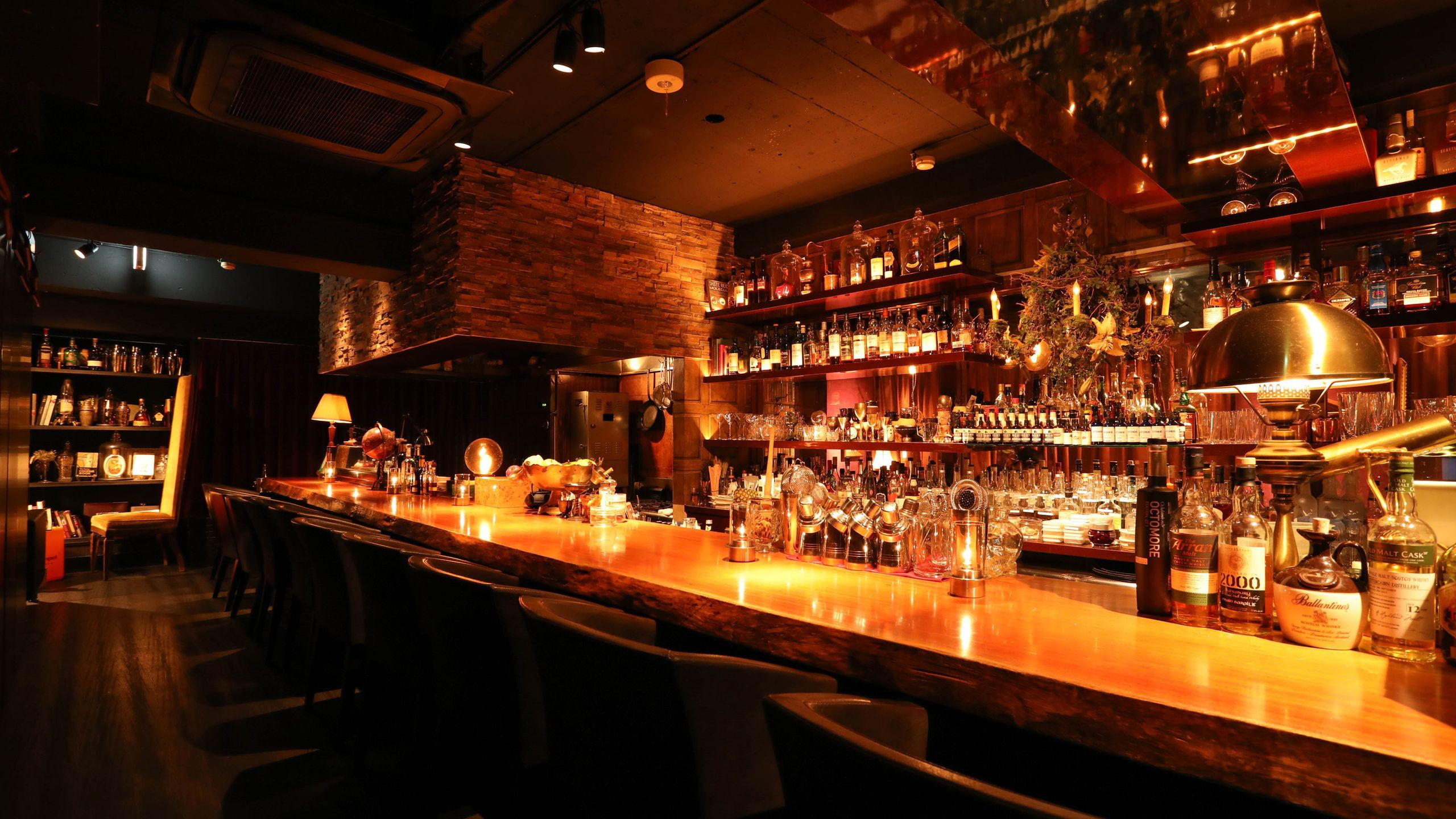
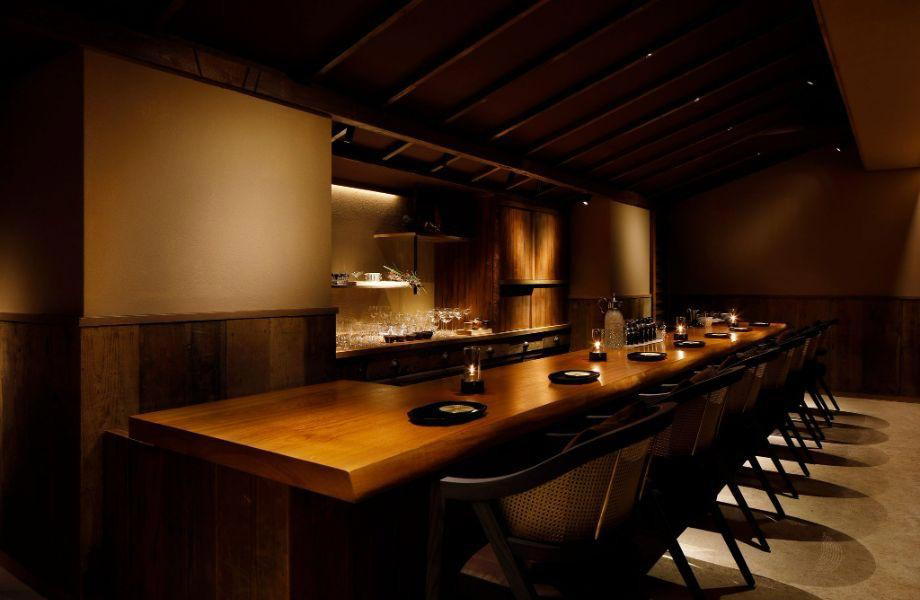
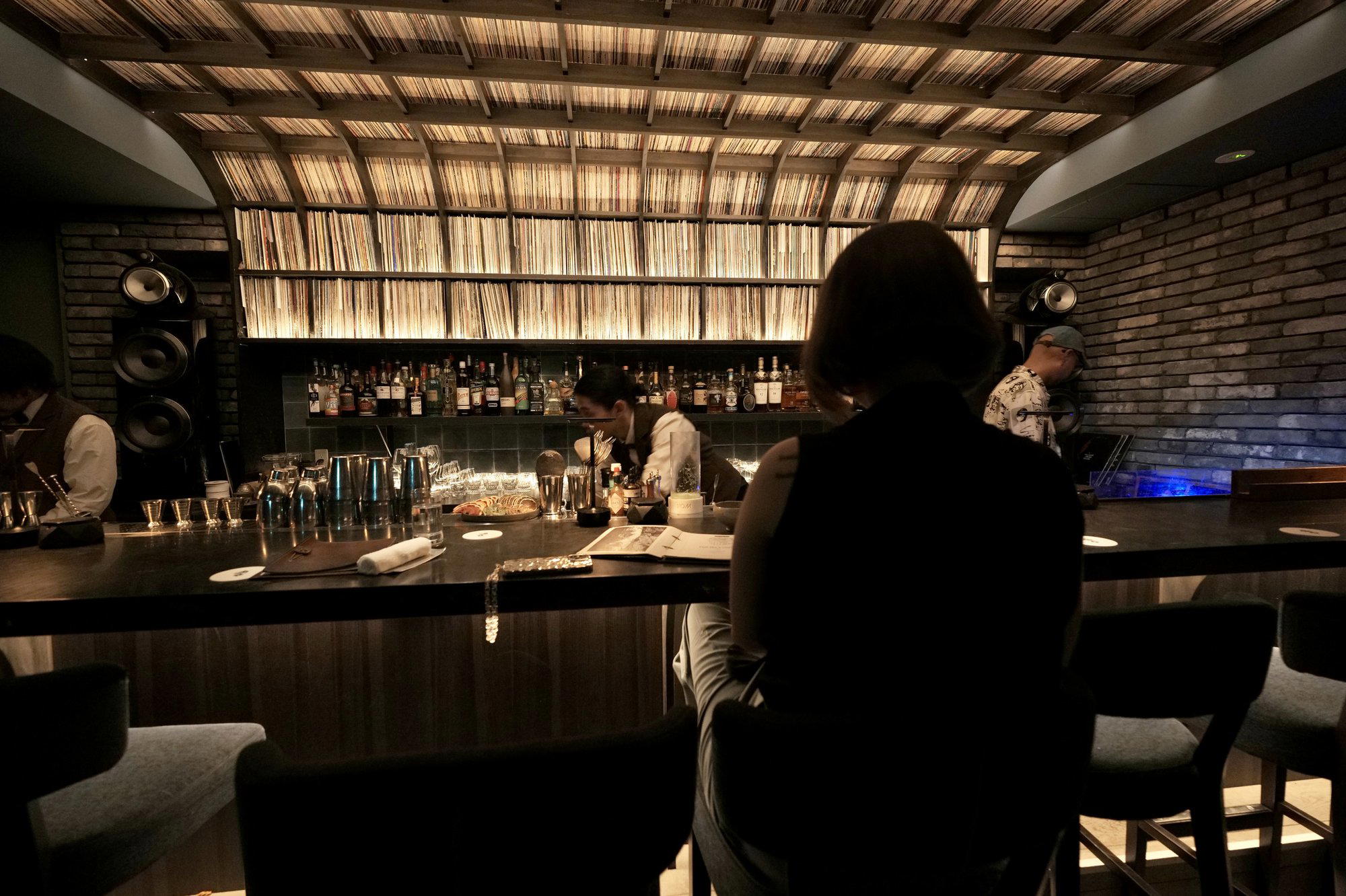
Refined and elegant with sophisticated decor, soft lighting, and panoramic city views from upper floors.