
Nishiazabu’s late-night yakiniku culture is built for groups, private rooms, and serious beef spending rather than hushed counter worship. Yugen Tei Nishiazabu honkan sits in that polished end of the category, with Tabelog 100 Yakiniku Tokyo 2025 selection, a large multi-floor format, and a drinks list that spans sake, shochu, wine, and cocktails.
Pearl is the En Primeur Club membership app — saves, bookings, and concierge access live there. Same editors, same standards.
- Address
- 東京都港区西麻布3-24-18 叙々苑ビル
- Phone
- +81337968989
- Website
- jojoen.co.jp
 Saves & bookings on Pearl
The Nishiazabu approach to dinner is not shy. This part of Minato sits between Roppongi’s after-dark energy and Hiroo’s residential calm, so its restaurants often work in a different register from Tokyo’s tiny counter rooms: larger tables, private dining, late meals, and an expectation that dinner may become the main event of the night rather than a prelude to it. In that setting, yakiniku has evolved from casual grill-and-beer comfort into a premium social format, where beef quality, room choice, ventilation, service rhythm, and drinks breadth matter as much as the grill itself.
Yugen Tei Nishiazabu honkan belongs to that mature, high-comfort branch of Tokyo yakiniku. Its inclusion in Tabelog 100 Yakiniku Tokyo 2025 places it inside a competitive city category where the field ranges from compact specialist counters to group-friendly dining rooms. The distinction matters because Tokyo’s serious beef restaurants do not all solve the same problem. Some are built for concentration and scarcity; this one is built for scale without abandoning the cues that signal expense: private rooms, formal service charges, multiple dining floors, and a budget tier that puts it well above casual barbecue.
Premium yakiniku after the small-counter era
Tokyo’s restaurant culture has spent years rewarding the tiny room: eight sushi seats, kappo counters, chef-led menus, reservation rituals. Yakiniku took a different route. Its premium end remained tied to sociability, because the format works around shared heat, pacing, and a table that can absorb conversation. That makes the genre unusually flexible for a city obsessed with precision. Beef grilling can be ceremonial, but it does not require silence.
The Nishiazabu version of that format is especially revealing. Compared with sushi rooms such as 12/10 Shinjuku ten or Sushisho Masa, yakiniku here is less about submitting to a single sequence and more about managing occasion: business dinners, old friends, late arrivals, and multi-generational tables. The category’s Korean roots remain part of the grammar, but Tokyo has adapted it into a luxury dining language of marbling, sauces, rice, smoke control, and attentive table service.
The 2025 Tabelog 100 selection is the main public trust signal, and the repeated selection history across earlier Yakiniku and Grill lists suggests continuity rather than a short spike of attention. That matters in a genre where fashion can move quickly. New grill rooms can become difficult bookings for a season; older premium houses must justify themselves through reliability, service choreography, and the ability to keep large rooms feeling composed.
A large-room answer to Tokyo beef dining
Scale is the point here, not a flaw to apologize for. Tokyo has many restaurants where intimacy is the credential; yakiniku at this level can make size part of the experience. A multi-floor room changes the calculus for travelers and locals alike. It gives the restaurant a role that smaller specialists cannot play: polished beef dining for groups without pushing the meal into hotel-restaurant anonymity.
That difference is clearer when set beside other Tokyo formats. Yakitori at 124. KAGURAZAKA (Yakitori) is built around skewers and counter timing; Chinese dining at Kyuu occupies another formal lane; seafood-led izakaya energy at . 鮪と炭火焼き うお炭 秋葉原店 sits in a different rhythm again. Nishiazabu yakiniku asks a narrower question: how much comfort, privacy, and consistency can be brought to the act of grilling beef at the table?
The drinks program reinforces that hybrid identity. Sake and shochu keep the meal anchored in Japanese drinking habits, while wine and cocktails indicate a room designed for guests who may not want the standard beer-only arc. That flexibility is part of the evolution of premium yakiniku in Tokyo: the grill remains central, but the surrounding signals have moved closer to full-service restaurant expectations.
There is also a useful corrective here for travelers who reduce Tokyo dining to omakase. The city’s serious eating culture is broader and more democratic in mood than the international reservation chase suggests. Curry rooms such as 3 Chome no Curry Ya San, visual cafés such as 2D Cafe, and late-night grill houses all tell a different story about how Tokyo eats. For a wider map, see Our full Tokyo restaurants guide, then cross-check the city through Our full Tokyo hotels guide, Our full Tokyo bars guide, Our full Tokyo wineries guide, and Our full Tokyo experiences guide.
Where it fits for a Tokyo itinerary
Yugen Tei Nishiazabu honkan makes the clearest sense when the meal needs structure but not stiffness. The better comparison is not a chef’s counter; it is a polished group dinner where the room must carry different appetites, different drinking speeds, and a longer evening. That gives it practical value for travelers who want premium Japanese beef in a setting more forgiving than a tiny counter and more local in feeling than a generic international steakhouse.
The caution is category-based: yakiniku rewards participation. Guests who want a fully plated tasting menu may prefer another lane, while those interested in the social mechanics of Japanese beef dining will understand why this format has stayed relevant. The current direction of Tokyo yakiniku is not only rarer cuts or higher prices. It is the professionalization of comfort: better rooms, broader drinks, private dining, and service built around pace rather than spectacle.
For readers building a broader Japan food route, the useful contrast is range. Beef-led dining outside Tokyo can look different at -Grilled beef Sukiyaki- KAMAKURA TANUKIAN 鎌倉 たぬき庵 in Kamakura, while casual and specialist addresses such as.cafe in Osaka.know in Kumamoto, (Shoku) Vietnam in Kawasaki, [Curry Senmon Ten] Maruyama Kyoju. in Sapporo, and [ki:] in Kyoto show how far Japan’s dining map extends beyond prestige categories. Even overseas Japanese-leaning formats, including Jōdo Saké Bar in Los Angeles and Onigiri Time in Pasadena, underline the same point: format matters. In Nishiazabu, the format is premium yakiniku as a full evening, not a quick grill stop.
Budget and Context
Nearby venues at a similar price tier for orientation.
| Venue | Cuisine | Price | Notes |
|---|---|---|---|
| Yugen Tei Nishiazabu honkanThis venue — the venue you are viewing | Not listed | $$$$ | Not listed |
| 寿司 健 | Ginza, High-End Edo-Mae Sushi Omakase | $$$$ | Not listed |
| 分とく山 | Not listed | $$$$ | Minato, Michelin-Starred Seasonal Japanese Kaiseki |
| 茜坂大沼 赤坂店 | Minato, Classic Tempura Specialty | $$$$ | Not listed |
| Wagyumafia The Cutlet Sandwich | Meguro, Wagyu Beef Cutlet Sandwiches | $$$$ | Not listed |
| Ajuuta | Shibuya, Edomae Sushi Omakase in Shibuya | $$$$ | Not listed |
Recognition history
Dated appearances from independent guides and award organizations, with the underlying list record or original source where available.
Tabelog 100 #37 · No. 37
Tabelog · Tabelog 100 - Yakiniku - TOKYO - 2025











At a Glance
- Elegant
- Sophisticated
- Romantic
- Date Night
- Business Dinner
- Celebration
- Group Dining
- Special Occasion
- Late Night
- Private Dining
- Standalone
- Sake Program
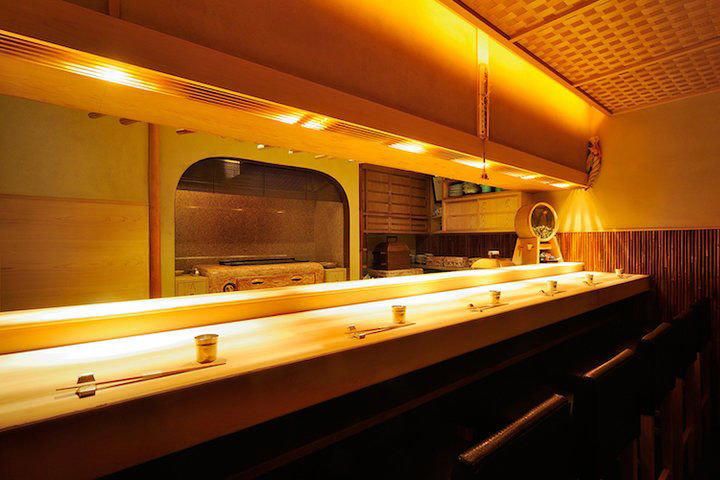
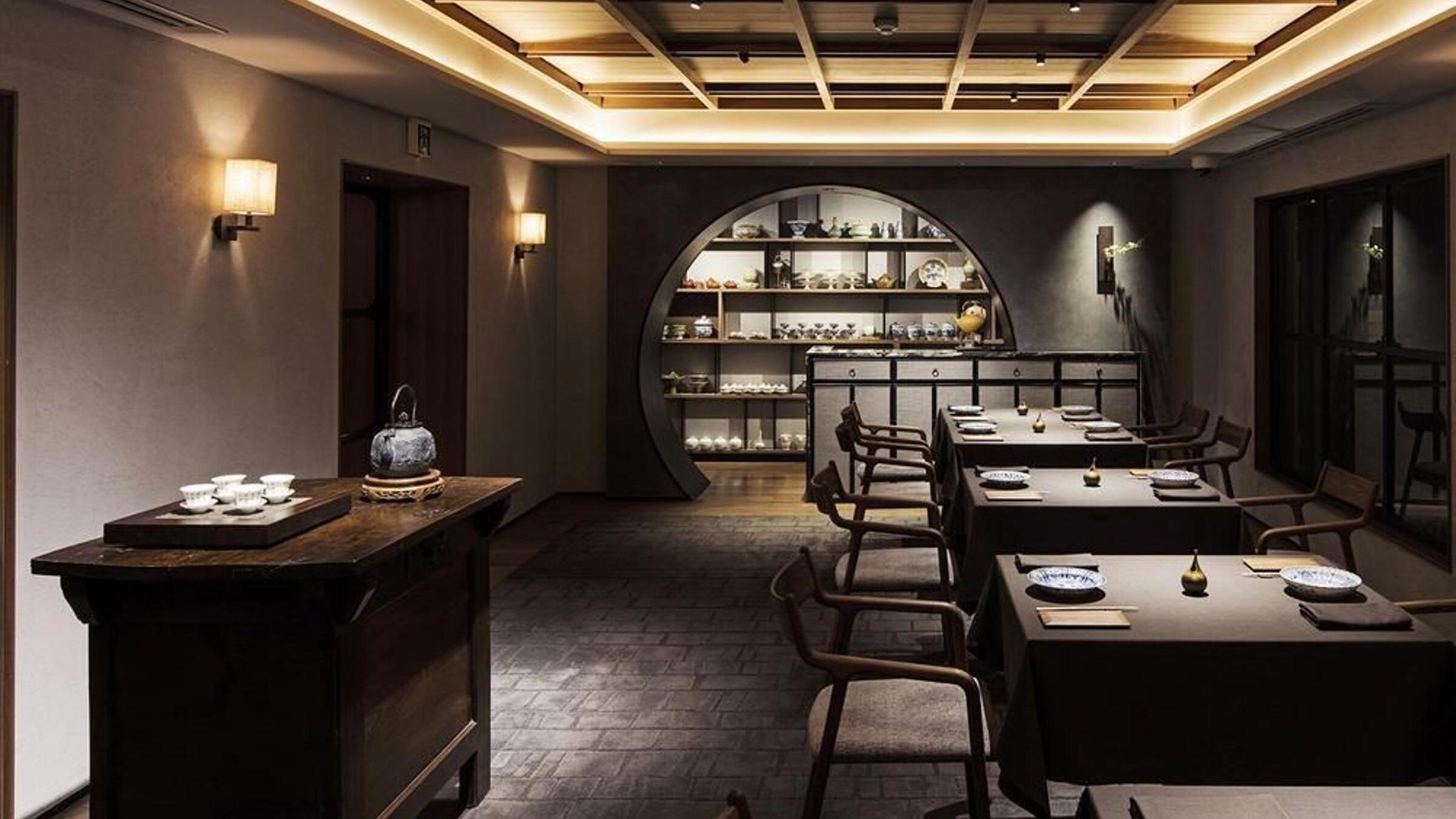
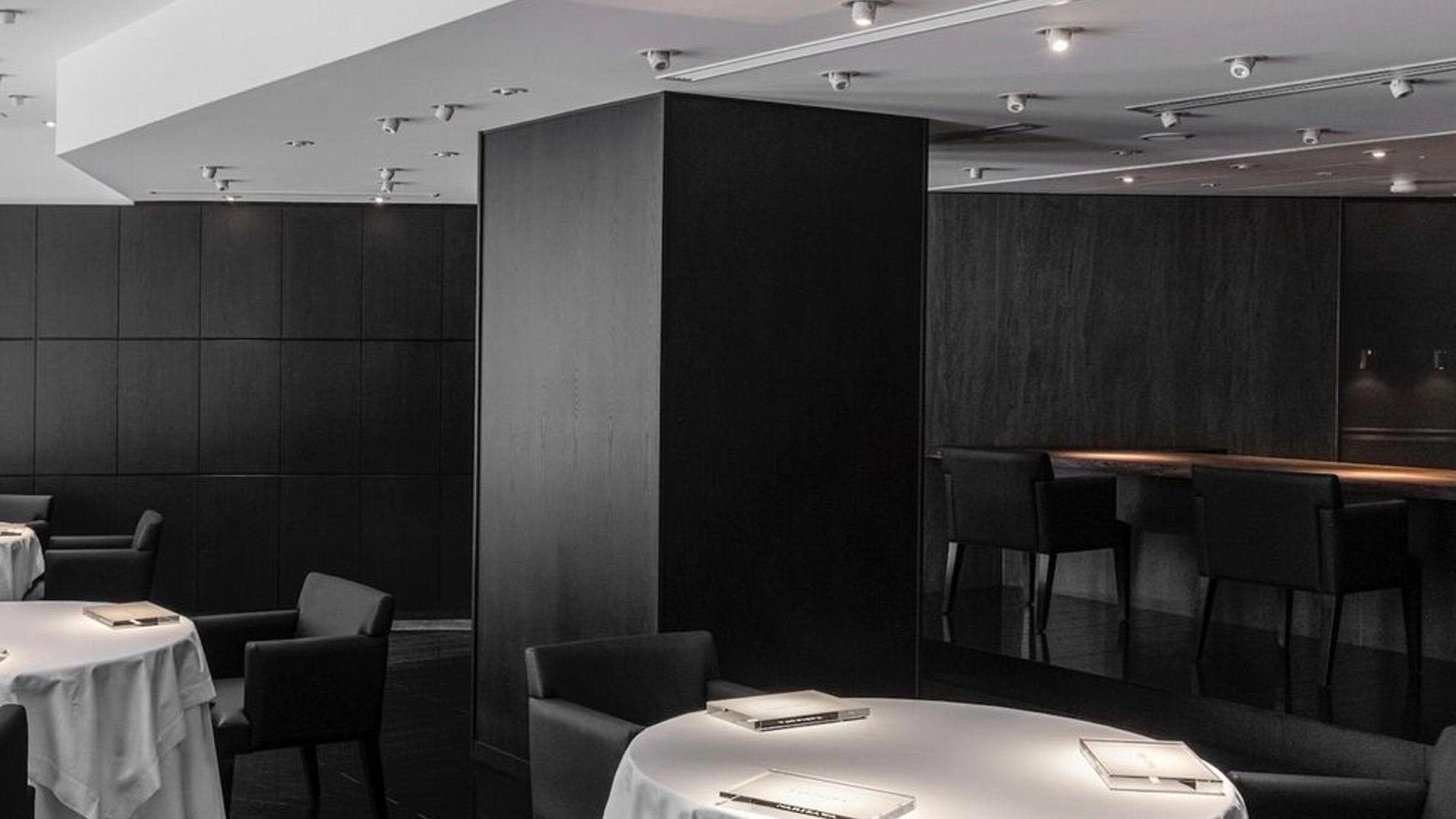
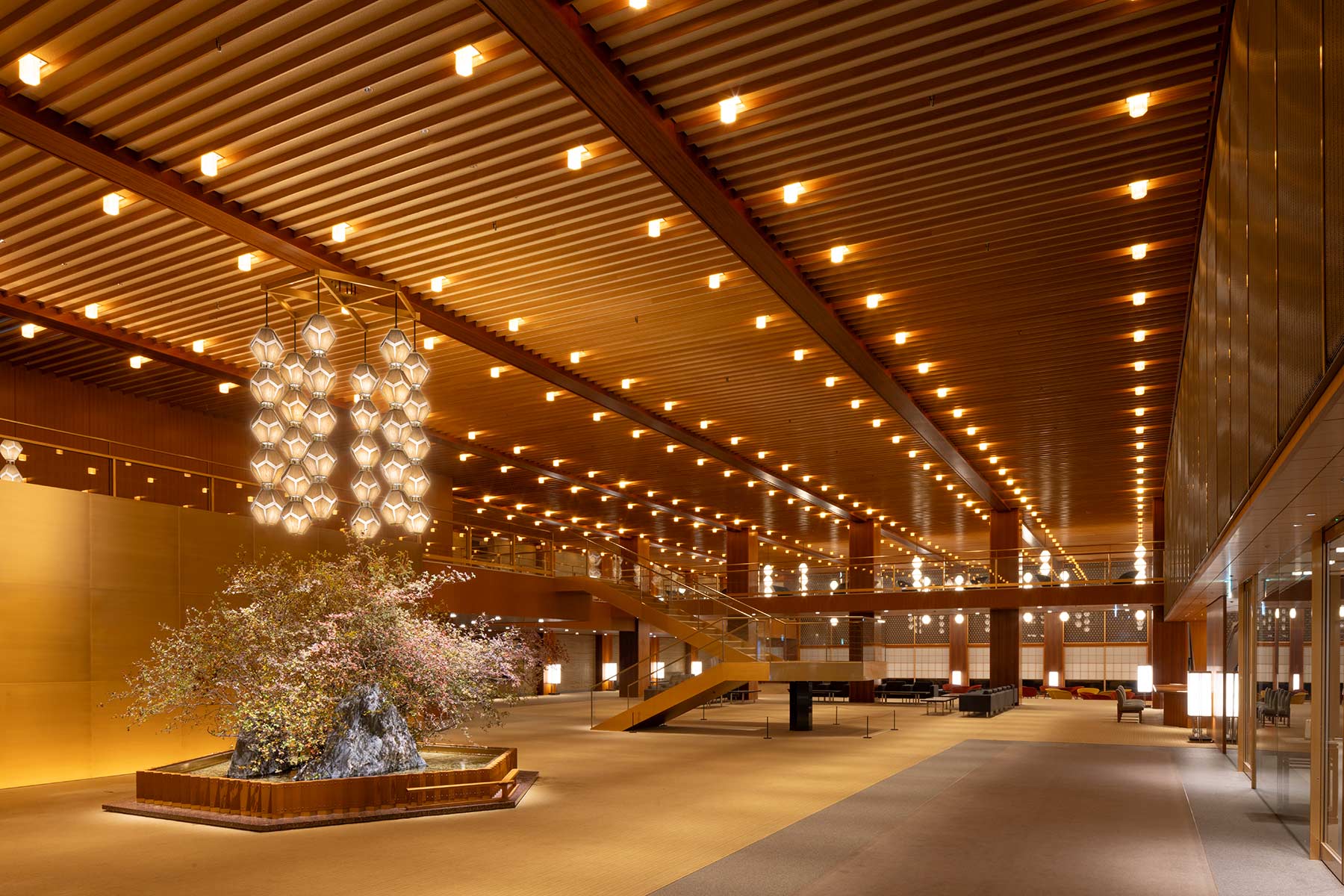
An upscale, quiet yakiniku house in the Jojoen building with elegant interiors and mostly private rooms, creating a discreet, softly lit atmosphere suited to dates, business dinners, and special occasions rather than casual, noisy BBQ.