Enjyuji Honten occupies a quiet address in Kyoto's Higashiyama Ward, one of the city's highest-density corridors for serious Japanese dining. The kitchen operates within the kaiseki format, where the seasonal progression from sakizuke through rice courses defines the meal's logic as much as any individual ingredient. For guests working through Kyoto's multi-course tradition, Shimokawaracho is the right neighbourhood to do it.
Pearl is the En Primeur Club membership app — saves, bookings, and concierge access live there. Same editors, same standards.
- Address
- Japan, 〒605-0825 Kyoto, Higashiyama Ward, Shimokawaracho, 459
- Phone
- +81755610015
- Website
- kikunoi.jp
- Directions
- Get directions
 Saves & bookings on Pearl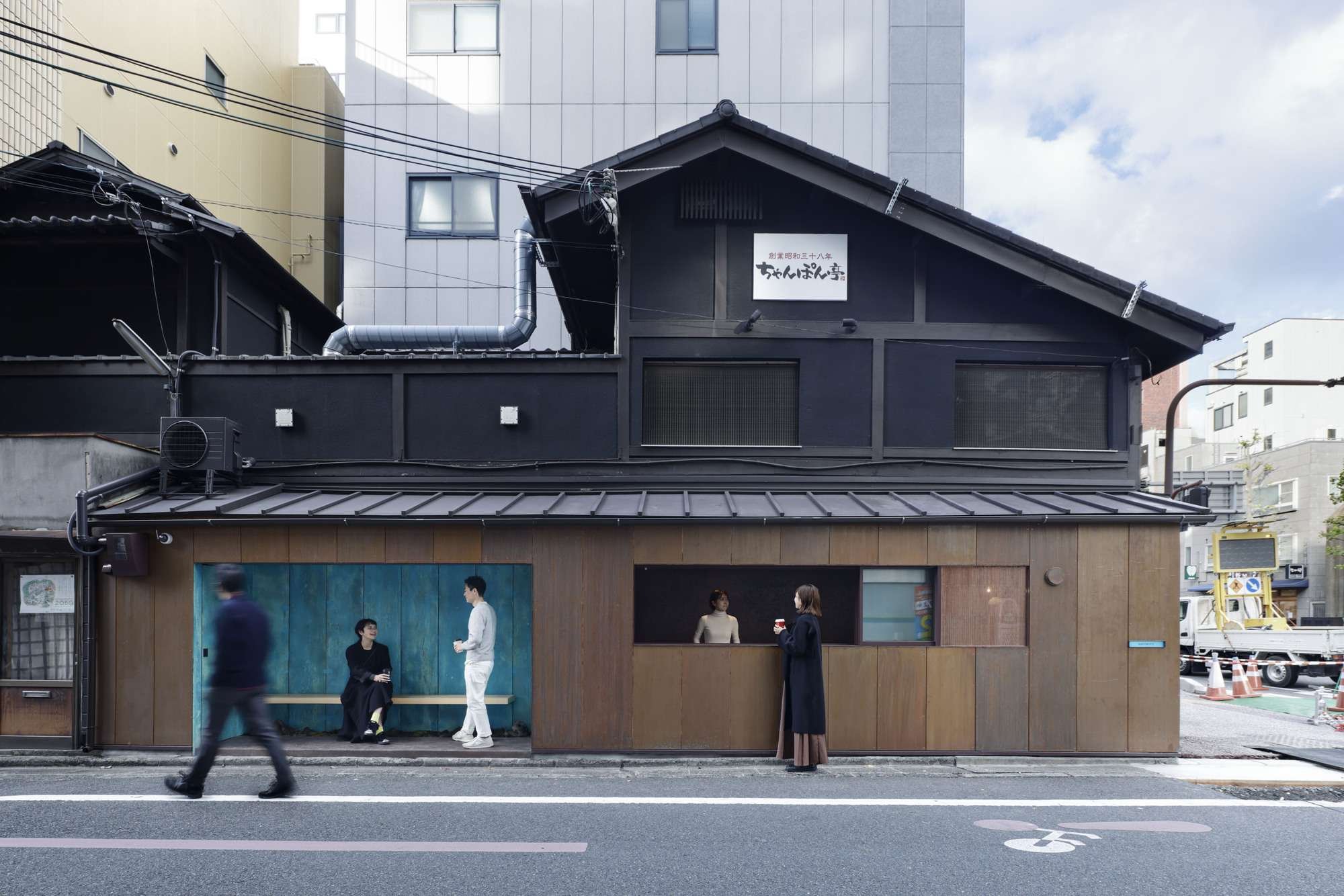
Shimokawaracho and the Architecture of a Kyoto Meal
The eastern reaches of Higashiyama Ward operate on a different register from the tourist circuits that press through Gion. By the time you reach Shimokawaracho, the crowds thin, the street noise recedes, and the particular quiet of old Kyoto reasserts itself. It is in this district, at address 459, that 菊乃井 本店 occupies its place in the city's dining order. The physical approach matters here: Higashiyama's narrow lanes and machiya-lined blocks have shaped the expectations of the guests who walk them for generations, and the restaurants that endure in this neighbourhood tend to do so because they are calibrated to that specific sense of arrival.
Kyoto's kaiseki tradition is defined by progression. The meal is not a collection of dishes but a structured argument, each course building temperature, weight, and flavour toward a resolution. That architectural logic is what separates kaiseki from other multi-course formats, and it is what makes the Higashiyama corridor, home to some of the city's most deliberate dining rooms, a coherent place to read the form. 菊乃井 本店 sits within that tradition and within a neighbourhood that has long hosted it.
Where Enjyuji Honten Sits in the Kyoto Hierarchy
Kyoto's premium dining tier has stratified considerably over the past decade. At the leading, a cluster of kaiseki rooms with deep lineage and international recognition, Kikunoi Honten, Hyotei, Gion Sasaki, operate with Michelin recognition and booking windows that extend months out. Below them, a second tier of serious rooms maintains the formal kaiseki structure without the same international profile, drawing a clientele that is largely Japanese and largely repeat. Mizai and Isshisoden Nakamura occupy positions in that broader field. 菊乃井 本店's address in Shimokawaracho places it within Higashiyama's dining density.
For context across Japan's wider fine-dining geography, the formal progression structure found in Kyoto kaiseki rooms has analogs at different price points and formats: HAJIME in Osaka applies a similarly rigorous course logic to a more contemporary vocabulary, while Goh in Fukuoka adapts Kyushu ingredients to a structured progression that owes something to the kaiseki template. Internationally, the same underlying discipline, the idea that a meal should have a beginning, a middle, and an end, each with distinct purpose, informs what Le Bernardin in New York City and Lazy Bear in San Francisco do, however different their ingredients and cultural grounding.
The Progression Itself: How Kaiseki Meals Unfold
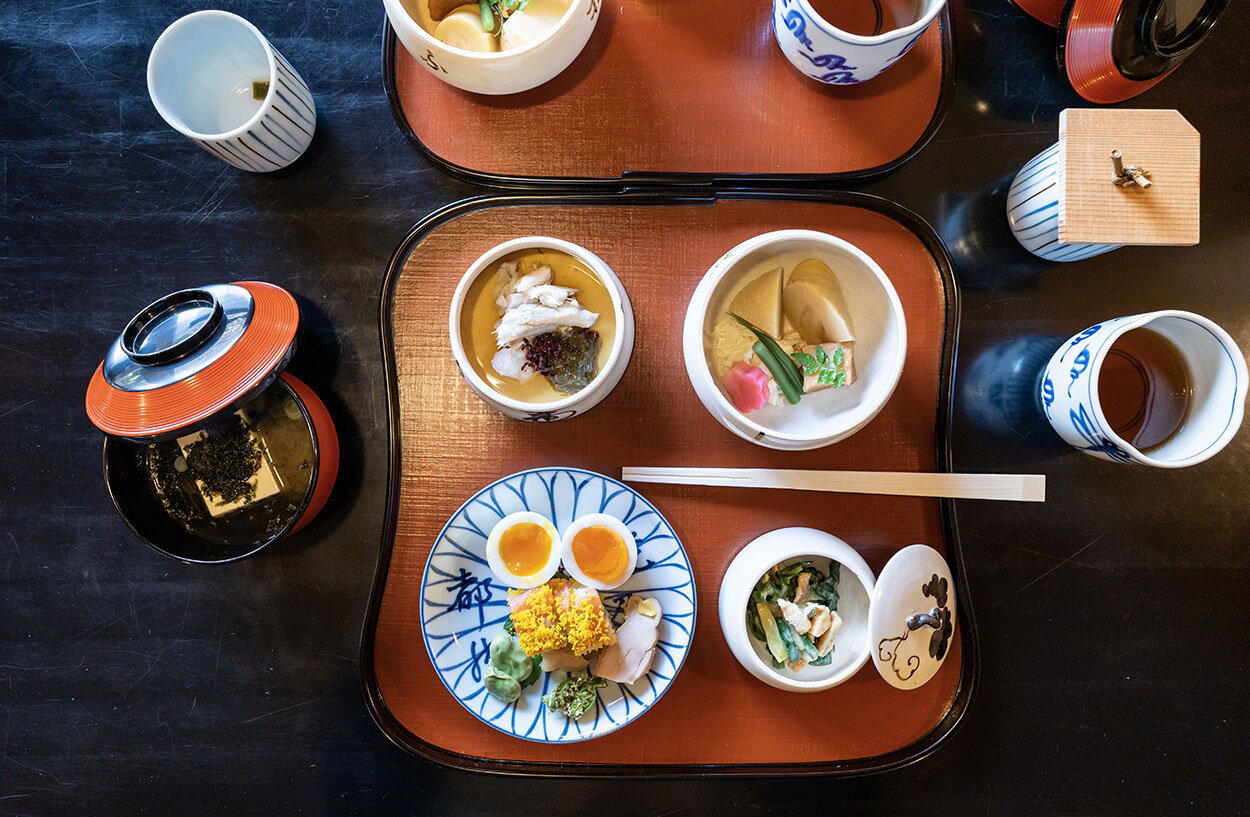
A kaiseki meal in Higashiyama typically opens with sakizuke, a small composed bite that signals the season and establishes the kitchen's register. It is not a teaser in the Western amuse-bouche sense: it carries specific seasonal meaning, and its ingredients are chosen to reflect what is at peak in the market that week. The progression then moves through hassun, the tray course that broadens the seasonal argument; toward suimono, the clear soup that is often regarded as the kitchen's most precise technical statement; and eventually through yakimono (grilled), takiawase (simmered), and rice courses that bring the meal toward resolution.
This architecture is not decoration. The sequencing of temperatures and textures in kaiseki is as deliberate as the wine flight logic at a serious European table. Cold before warm. Delicate before rich. Light finishing after weight. Rooms across Higashiyama maintain this logic with varying degrees of strictness, but the underlying grammar is consistent enough that a guest familiar with the form can read a kitchen's ambitions from the structure of the hassun alone. For guests arriving without that fluency, the progression rewards attention: follow the temperature and weight of each course and the meal's internal logic becomes legible.
Kyoto's seasonal calendar maps directly onto this structure. Spring kaiseki turns on takenoko (bamboo shoots) and cherry-blossom-period bivalves. Summer meals pivot to hamo (pike conger), a fish that requires a specific knife technique, the honekiri cut, to render edible, and that has become so associated with Kyoto's Gion Festival period that it functions almost as a calendar marker. Autumn brings matsutake mushroom and Pacific saury. Winter closes the cycle with fugu and root vegetables that reflect the spare, cold-weather aesthetic the city applies to everything from temple gardens to lacquerware.
Planning a Visit: What the Neighbourhood Requires
Higashiyama Ward rewards guests who arrive with time to spare. The temple precincts of Kiyomizudera and Chion-in are walkable from Shimokawaracho, and the district's preserved streetscape is leading absorbed on foot, ideally in the hour before a dinner reservation when the afternoon visitors have cleared. The ward's taxi access is reliable from central Kyoto; the Keihan Railway's Kiyomizu-Gojo Station provides an alternative approach from the south.
Reservations are essential. Guests visiting the region more broadly will find analogous planning demands at akordu in Nara, Abon in Ashiya, and Harutaka in Tokyo, each of which operates within the same general booking culture.
Visitors building a wider Japan itinerary beyond the Kansai corridor will find the structured-meal format persists at serious rooms in Sapporo, Akita, Oita, Yubari District, and Imabari, each adapting the kaiseki grammar to regional ingredients and local expectations.
The Quick Read
Comparable venues nearby, for context on price, style, and recognition.
| Venue | Cuisine | Price | Notes |
|---|---|---|---|
| 菊乃井 本店This venue — the venue you are viewing | Higashiyama, Kyoto Obanzai | $$$$ | Not listed |
| Gion Tempura Tensou | Higashiyama, Kyoto Seasonal Tempura | $$$$ | Not listed |
| Restaurant MAEKAWA | Higashiyama, Modern Japanese Ryoriya | $$$$ | Not listed |
| Tagawa | Not listed | $$$$ | Nakagyō, Modern Kaiseki with Charcoal Grilling |
| Kichisen | Sakyō, Kyoto Kaiseki | $$$$ | Not listed |
| Shoraian | Ukyō, Traditional Tofu Kaiseki | $$$$ | Not listed |
Continue exploring
More in Kyoto
Restaurants in Kyoto
Browse all →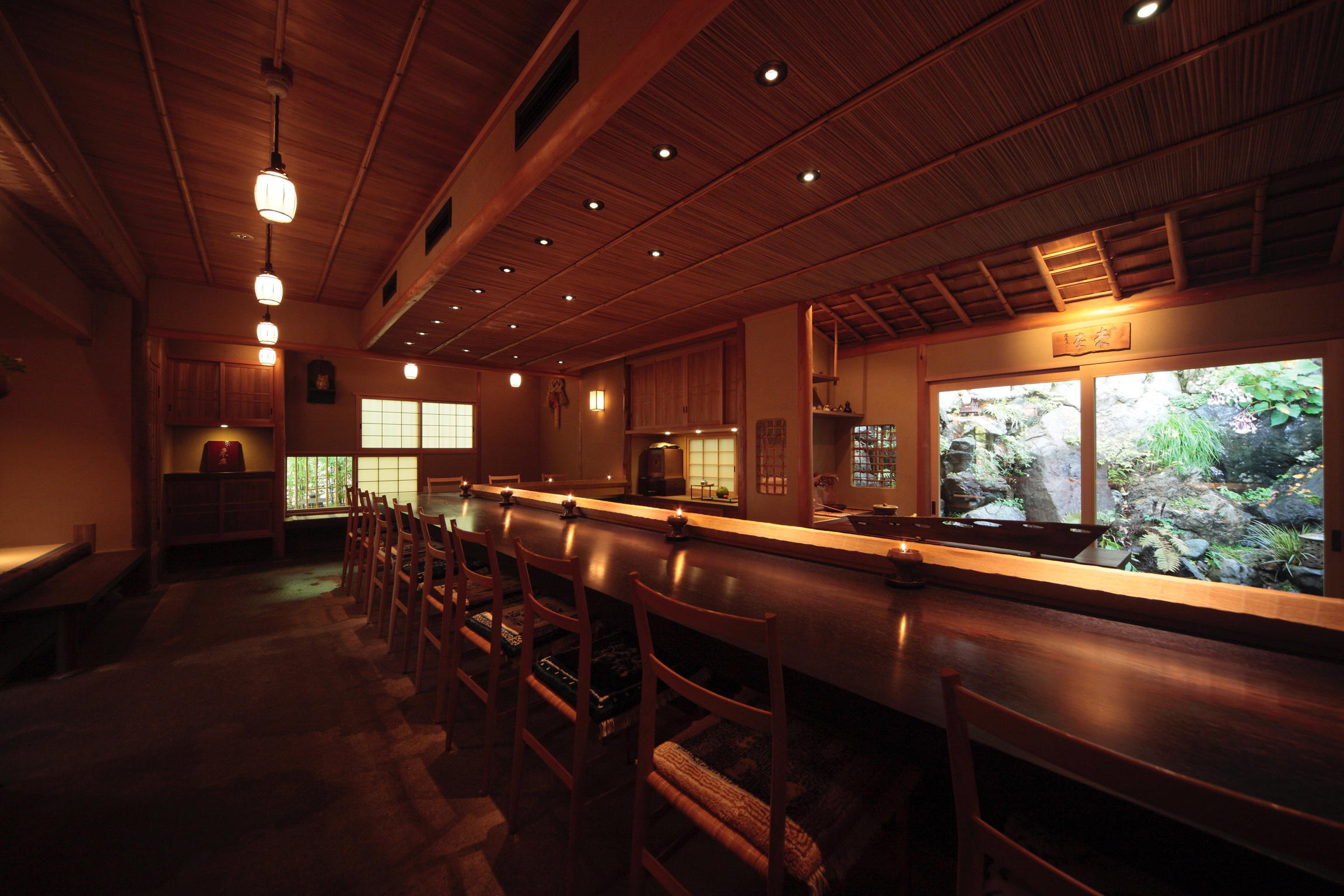
Bars in Kyoto
Browse all →
Hotels in Kyoto
Browse all →
Wineries in Kyoto
Browse all →
At a Glance
- Elegant
- Intimate
- Sophisticated
- Date Night
- Special Occasion
- Solo
- Historic Building
- Sake Program
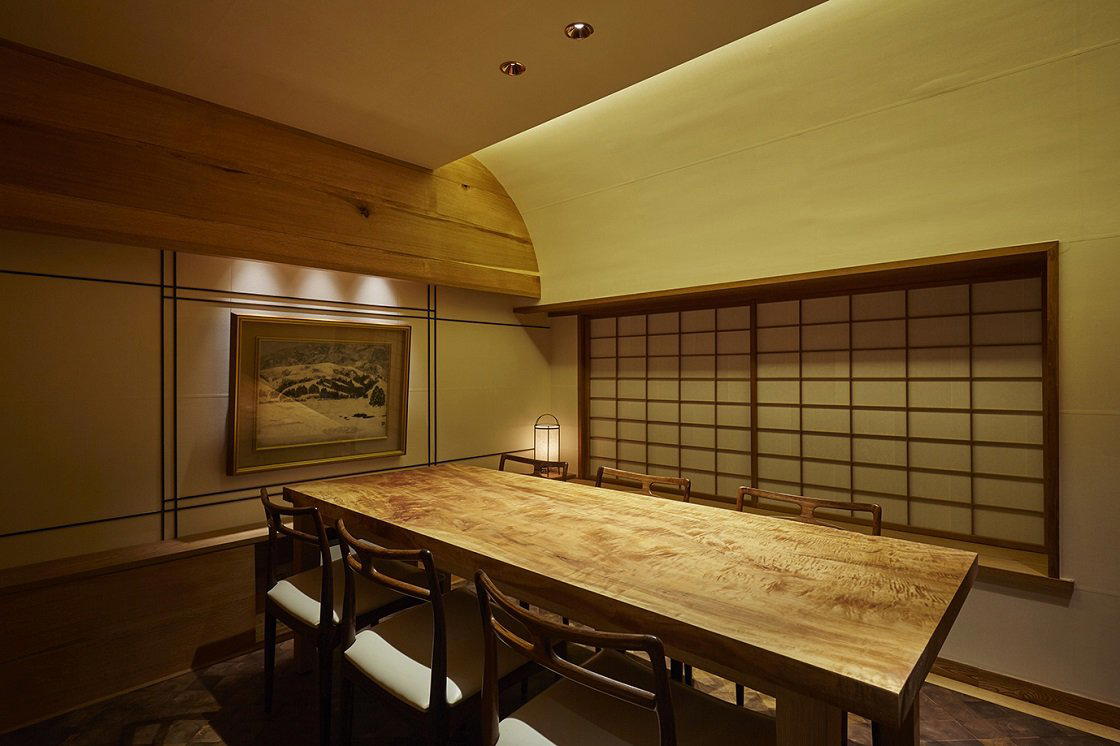
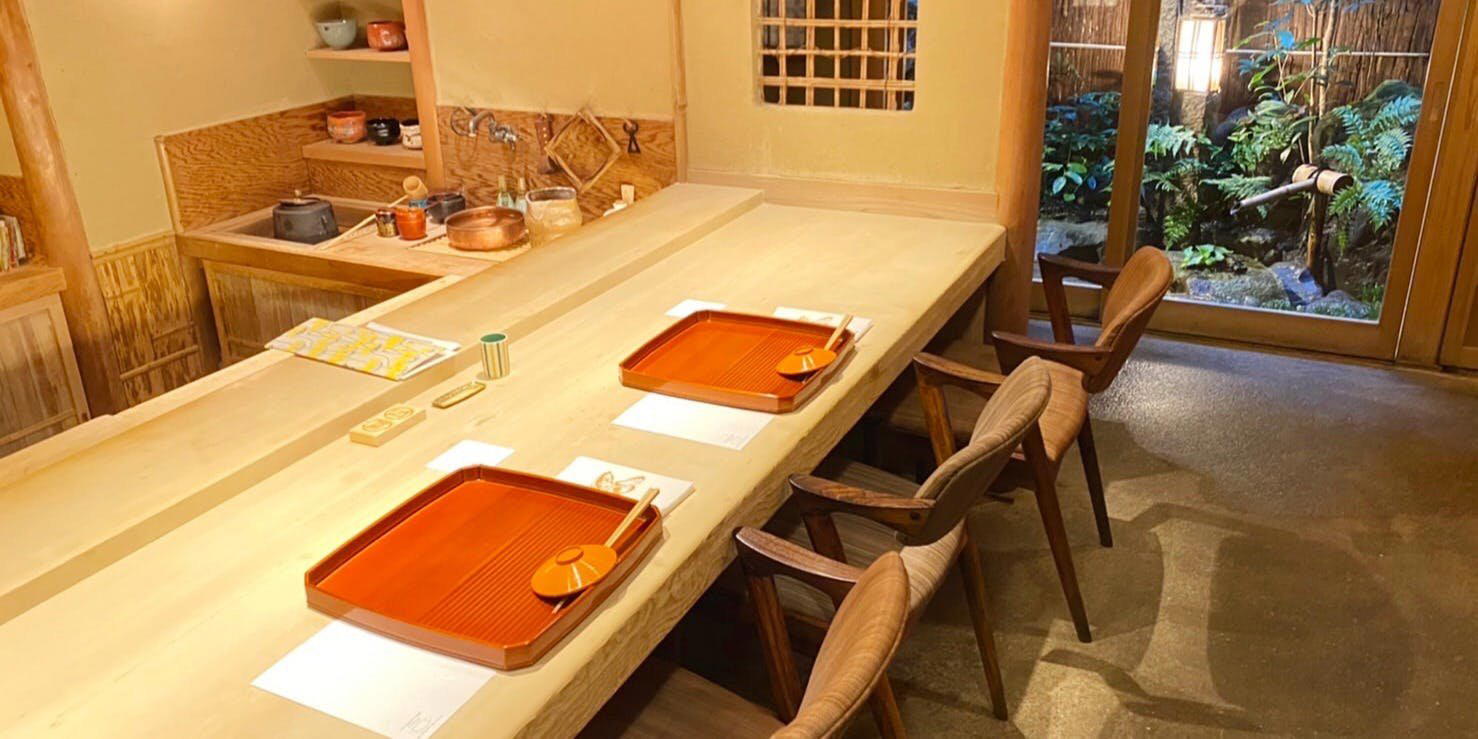
Cozy and atmospheric with warm wooden interiors, soft lighting, and a homely kaiseki-like feel in a historic machiya.