Our verdict
In Gion's southern precinct, Gion Tempura Tensou occupies an address where the neighbourhood's ochaya architecture and the precision of Kyoto's tempura tradition converge. Advance reservations are advised for this Higashiyama Ward address.

Pearl is the En Primeur Club membership app, where members save venues, book tables and use the concierge.
Where Gion's Streets Set the Frame
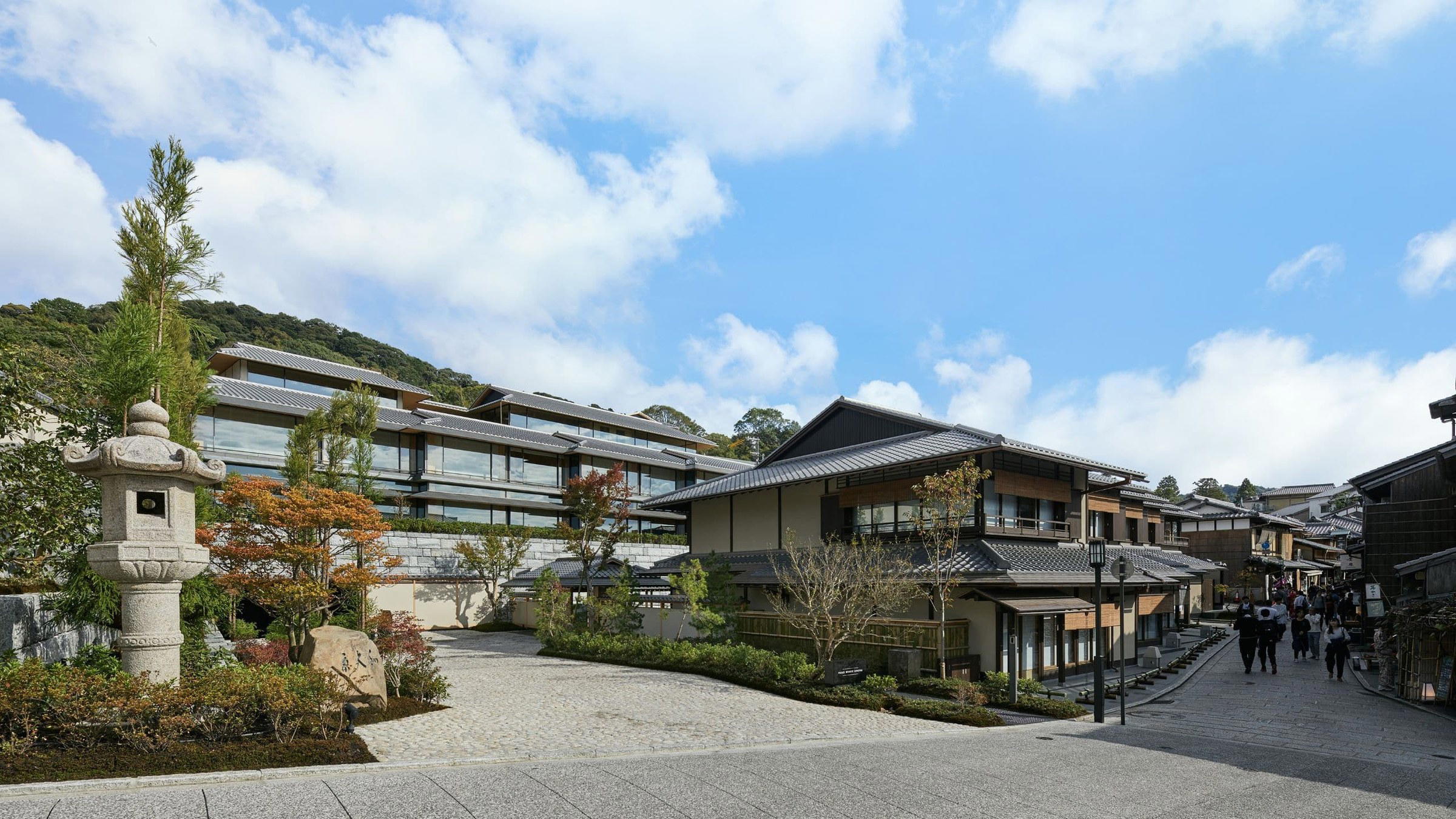
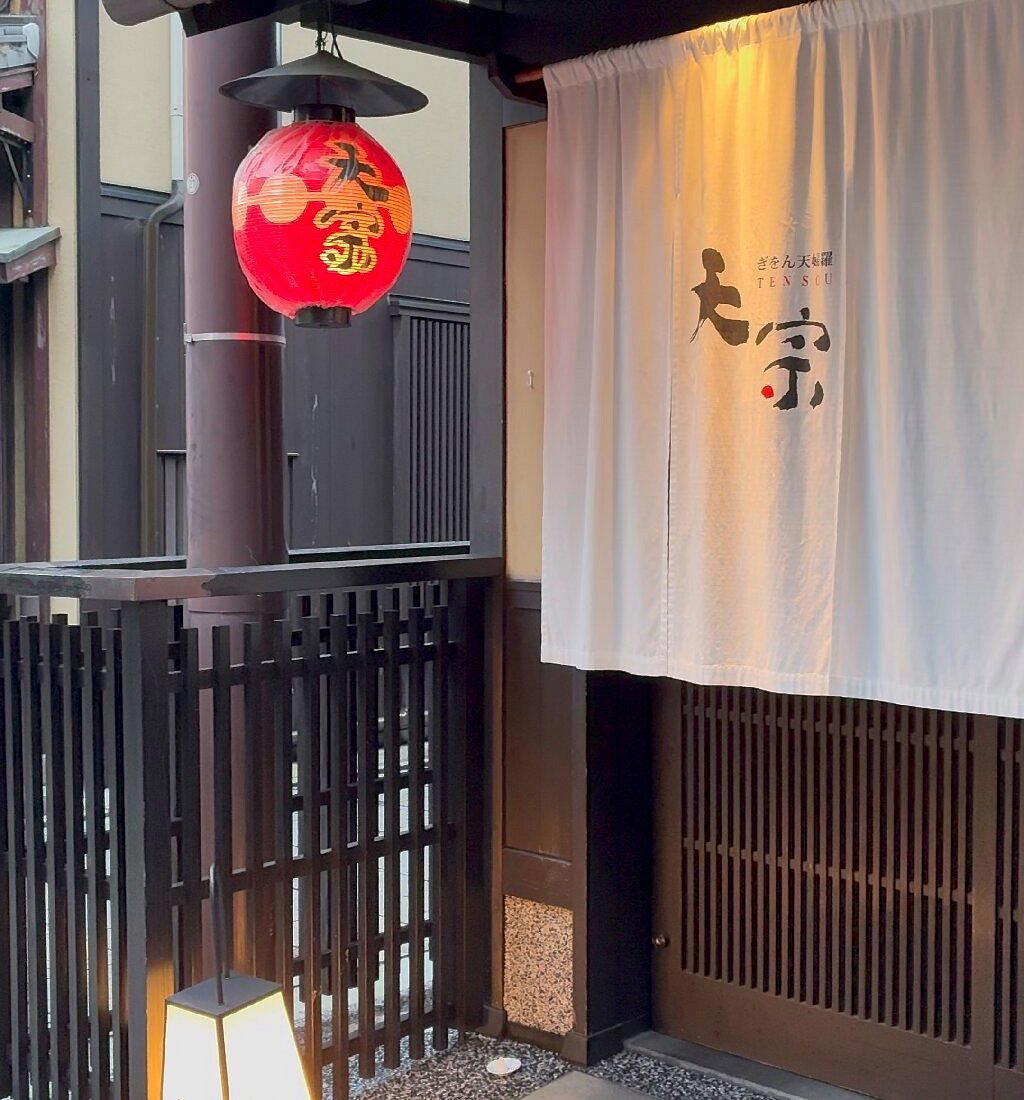
Higashiyama Ward has a particular quality in the early evening: the stone-paved lanes narrow, paper lanterns shift from decoration to function, and the machiya facades absorb foot traffic into something quieter than a city district normally allows. At 570-119 Gionmachi Minamigawa, Gion Tempura Tensou occupies this atmosphere before a single dish is served. The address is in the southern stretch of Gion, a part of Kyoto where the density of serious dining rooms, kaiseki houses like Gion Sasaki and the multi-generational formality of establishments like Isshisoden Nakamura, has long set an expectation for how a meal should feel. Tempura, in this context, is not a lesser proposition. It is a discipline measured against that same standard.
The Evolution of Tempura as a Serious Format
Japanese tempura has undergone a significant repositioning over the past two decades. What was once understood primarily as a casual, high-volume format, conveyor counters, set lunches, department store basement stalls, has been reclaimed by a smaller cohort of dedicated counter restaurants that treat batter calibration, oil temperature, and ingredient sequencing with the same rigour applied to sushi or kaiseki. Tokyo led this shift, with a handful of ten-seat counters in Ginza and Minami-Aoyama reframing the category at premium price points. Kyoto's version of that evolution has been slower and shaped differently by the city's existing hierarchy: here, the seasonal ingredient logic of kaiseki pressed into tempura format creates a hybrid expectation that the diner brings as much as the kitchen does.
Gion Tempura Tensou sits within that evolved category. Its location in Gion rather than a commercial corridor signals deliberate alignment with the neighbourhood's dining register rather than accessibility or volume.
What the Tempura Counter Format Demands
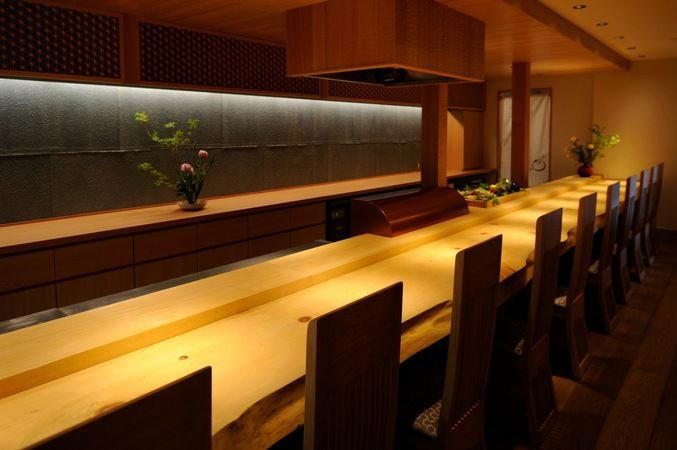
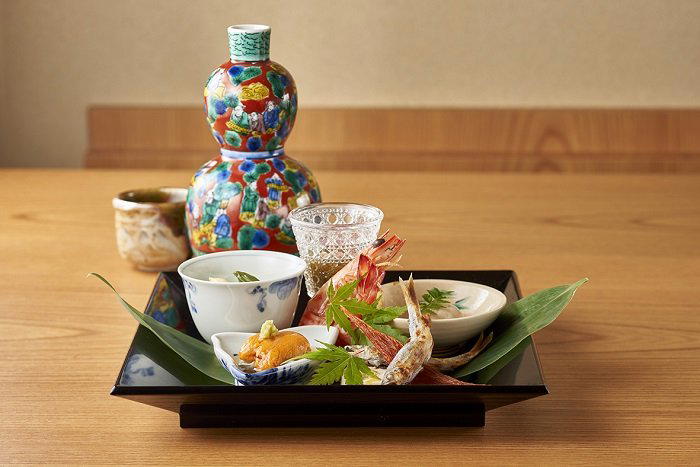
Counter tempura at this level operates on a specific logic. The chef fries in sequence, each piece handed directly across the counter at the moment it exits the oil. The diner's job is to eat immediately; delay collapses the distinction between a precisely fried piece and a mediocre one. This is a more demanding format than a tasting menu served to a table, because the transaction is compressed and continuous. There is no bread course to pace against, no long gap between removes. The pace is the chef's pace, and the quality of attention required from the diner is the quality of attention required at a sushi counter, complete, sequential, present.
In Kyoto, this format intersects with the city's deep investment in seasonal produce. The vegetables that appear on a spring tempura menu in Gion, bamboo shoots, fuki, young ferns, are the same ingredients a kaiseki kitchen in the same neighbourhood would be building courses around in the same week. The tempura format makes their character legible in a different way: encased in batter, the moisture and texture of a specific vegetable becomes the primary information, rather than the seasoning or sauce around it. This is why serious tempura kitchens treat sourcing with the same intensity as preparation.
Kyoto's Dining Tier and Where Tempura Fits
The city's highest-profile dining rooms remain kaiseki-dominated. The names that attract international reservation demand, Gion Sasaki, Hyotei, Kikunoi Honten, are kaiseki houses, and the city's critical attention has followed that dominance. Tempura operates in a smaller niche within Kyoto's premium tier, with fewer dedicated counter restaurants at serious price points than Tokyo or Osaka. That relative scarcity means the leading examples carry a different weight: less competition for benchmarking, more direct pressure to justify the format on its own terms.
For visitors already working through the kaiseki circuit, a counter tempura meal offers a compositional shift: the same seasonal rhythm, a different technical vocabulary. Paired itineraries in the Kansai region might logically include HAJIME in Osaka for contemporary fine dining contrast, or extend eastward to akordu in Nara for a European-Japanese hybrid reading of the same regional ingredients. Further afield, Harutaka in Tokyo provides a useful reference point for what Tokyo's premium counter format looks like against Kyoto's equivalent.
Planning a Visit
Gion Tempura Tensou is located at 570-119 Gionmachi Minamigawa in Higashiyama Ward, reachable on foot from Gion-Shijo Station in under ten minutes. The surrounding neighbourhood compresses its densest dining options into a compact radius, making evening planning in this part of Kyoto efficient: pre-dinner drinks and post-dinner movement between venues requires minimal transit. In general, serious counter tempura restaurants in Kyoto operate reservation-only formats and do not hold walk-in seats at the counter during dinner service; contacting the restaurant in advance is the operative approach regardless of format specifics.
For a fuller map of Kyoto's dining options at this tier, EP Club's Kyoto restaurants guide covers the kaiseki circuit, neighbourhood-by-neighbourhood context, and a wider set of recommendations across price points and formats. Those planning itineraries that extend across Japan may also find value in EP Club coverage of Goh in Fukuoka, aki nagao in Sapporo, and affetto akita in Akita as reference points for how premium dining formats operate outside the Kansai and Kanto corridors.
Frequently asked questions
What part of town is Gion Tempura Tensou in?
Gion Tempura Tensou is located at 570-119 Gionmachi Minamigawa, Higashiyama Ward, Kyoto, 605-0074, Japan, Kyoto.
How does the location of Gion Tempura Tensou compare to other Kyoto tempura options?
Gion Tempura Tensou sits at 570-119 Gionmachi Minamigawa in Higashiyama Ward, reachable from Gion-Shijo Station on foot in under ten minutes. Most of Kyoto's high-end tempura counters are distributed across the city center, but this address places Tensou directly within the Gion dining corridor where kaiseki names like Gion Sasaki set the competitive standard. That proximity raises the context in which the restaurant is judged and the expectations guests arrive with.
What should I order at Gion Tempura Tensou?
The counter format at Gion Tempura Tensou follows a set sequence rather than à la carte ordering. Each piece is fried to order and passed directly across the counter, so the chef's selection on the day drives what you eat. Arriving with preferences or restrictions communicated in advance gives the kitchen the best chance to adjust the sequence accordingly.
Is Gion Tempura Tensou reservation-only?
Counter tempura at this level in Higashiyama Ward operates on advance reservations. Walk-ins are unlikely to be accommodated given the limited seats typical of this format. Booking well ahead is advisable, particularly for evenings when Gion's dining rooms are at their most sought-after.
What makes Gion Tempura Tensou worth seeking out?
The address on Gionmachi Minamigawa places the restaurant inside one of Kyoto's most historically dense dining corridors, where kaiseki has long dominated the upper tier. A dedicated tempura counter at this level is a narrower proposition in the city, making Tensou a specific answer to a specific question about where serious tempura fits in Kyoto's dining hierarchy. The format demands precision timing that kaiseki kitchens and casual chains both sidestep.
Can Gion Tempura Tensou accommodate dietary restrictions?
Counter tempura menus are sequenced around the chef's selection, which means substitutions can disrupt the flow of service. Communicating dietary restrictions at the time of booking gives the kitchen the clearest window to plan. Shellfish, wheat-based batter, and sesame oils are common in tempura preparation, so specific allergen concerns should be raised directly and in advance.
Is Gion Tempura Tensou overpriced or worth every penny?
The format charges for immediacy and craft: each piece is a single transaction between kitchen and guest with no delay. Whether that proposition justifies the cost depends on how much you value the counter experience over a multi-course kaiseki structure at a similar spend.
At a Glance
Comparable venues nearby, for context on price, style, and recognition.
| Venue | Cuisine | Price | Awards | Notes |
|---|---|---|---|---|
| Gion Tempura TensouThis venue (the venue you are viewing) | Kyoto Seasonal Tempura | $100–150 | Not listed | Not listed |
| ユキフラン佐藤 | Seasonal Japanese Kaiseki | $100–150 | Not listed | Gion, Creative Kaiseki |
| Mankamerou | Yusoku Ryori & Kaiseki | $200–300 | 2 Michelin Stars | Kamigyō, Traditional Kyoto Kaiseki & Yusoku Ryori |
| SUI Fine Dining Restaurant | Modern Japanese Omakase | Not listed | Not listed | Higashiyama, Modern Japanese Omakase |
| Tagawa | Not listed | Not listed | Not listed | Nakagyō, Modern Kaiseki with Charcoal Grilling |
| Kyoto Kitcho Arashiyama | Traditional Kaiseki | $300–500 | La Liste Top Restaurants · Tabelog Bronze #220 | Ukyō, Traditional Kaiseki |