Tagawa sits in Kyoto's Nakagyo Ward, a neighbourhood where traditional machiya dining culture and contemporary kaiseki sensibility overlap. The address places it within walking reach of the city's central dining corridor, and the venue occupies a segment of Kyoto's restaurant scene where the transition between established format and contemporary refinement is most actively contested.
 Discover on Pearl
Pearl is the En Primeur Club membership app — saves, bookings, and concierge access live there. Same editors, same standards.
- Address
- Japan, 〒604-0982 Kyoto, Nakagyo Ward, Matsumotocho, 575-1
- Phone
- +81757085936
- Website
- gokoumachi-tagawa.com
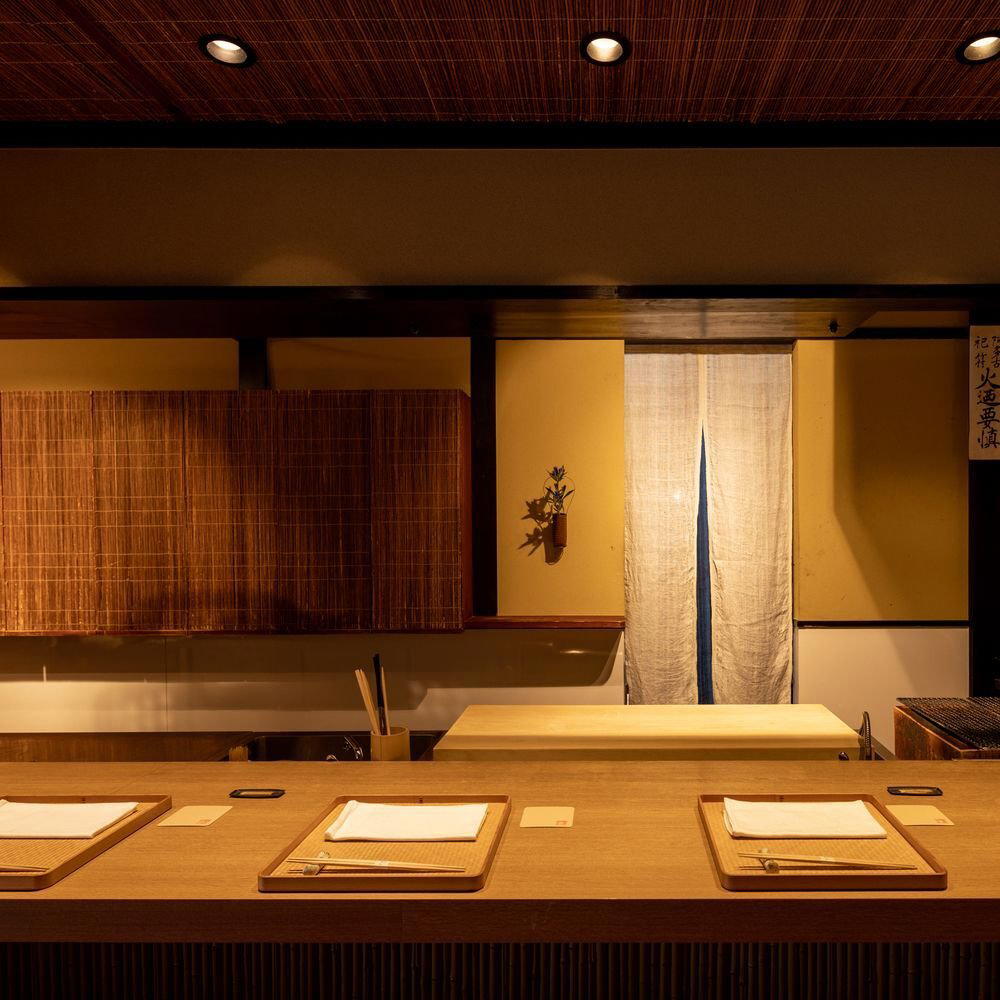
Where Nakagyo's Dining Character Takes Shape
Kyoto's Nakagyo Ward does not announce itself the way Gion does. There are no stone-paved lanes crowded with visiting diners, no lanterns marking the threshold of a famous counter. Instead, the ward operates as a working middle district of the city, where the dining scene runs on local reputation and word passed between residents rather than guidebook consensus. It is precisely this quality that makes Nakagyo a productive place to track how Kyoto's restaurant culture actually shifts over time, removed from the performative heritage of the more photographed quarters.
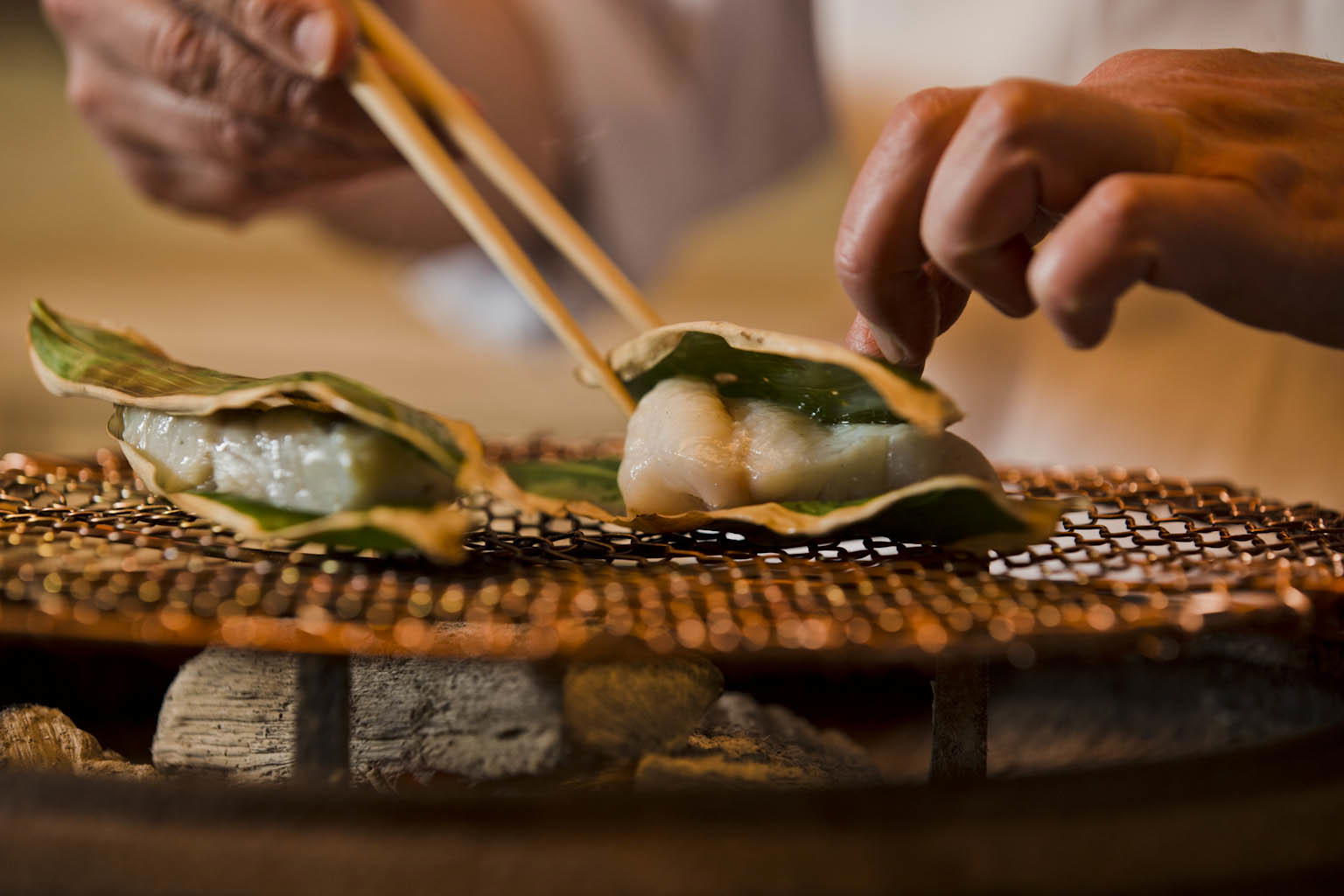
Tagawa occupies an address in this ward, at Matsumotocho 575-1, a location that places it within the broader arc of central Kyoto's dining geography without falling neatly into the tourist circuits that define the city's more legible food neighbourhoods. Tagawa is a Kyoto restaurant serving modern kaiseki with charcoal grilling, priced at about $250 per person, with reservations essential. That positioning is not accidental. Nakagyo has increasingly attracted restaurants operating in the space between formal kaiseki tradition and more contemporary, format-flexible dining, and Tagawa belongs to that context.
Kyoto's Dining Tradition and Where It Is Heading
Kyoto occupies a singular position in Japanese dining. No other city carries the same institutional weight in kaiseki, the multi-course seasonal format that developed in the context of the city's tea ceremony culture and remains its most defining culinary export. The canon includes houses with multi-generational lineages: Hyotei, with roots stretching back four centuries, and Kikunoi Honten, which helped codify the modern kaiseki format for international audiences. At the highest tier, venues like Gion Sasaki and Mizai operate with Michelin recognition that places them in direct comparison with the most decorated counters in Japan. These are the reference points against which any serious Kyoto restaurant is measured.
But the more interesting development over the past decade is what has happened below and around that established tier. Younger restaurants and reconsidered older ones have been negotiating a different kind of relationship with the kaiseki inheritance: drawing on its seasonal logic and presentation discipline without necessarily committing to its full formal apparatus. Isshisoden Nakamura represents one pole of this, an institution that has maintained its form across centuries. The newer cohort represents something else, places more willing to let the format evolve in response to how both local and visiting diners now eat. Tagawa sits within this evolving middle ground.
The Evolution Question: Format, Reinvention, and What Persists
The city's dining scene has been under sustained pressure from two directions: the international attention that followed Kyoto's Michelin coverage (the city's guide launched in 2010 and immediately concentrated prestige around a narrow set of addresses) and the post-pandemic restructuring that forced even established restaurants to reconsider their format, pricing, and accessibility assumptions.
The response has not been uniform. Some houses doubled down on ceremony and exclusivity, raising prices and narrowing the booking window as demand concentrated. Others found ways to open up, whether through lunch formats, simplified menus, or a lighter touch on the formalities that can make kaiseki feel prohibitive to diners who are not already inside the culture. The trajectory that any given Kyoto restaurant has followed through this period tells you more about its actual character than any single meal might.
Tagawa's position in Nakagyo rather than in the established kaiseki corridors of Higashiyama or Fushimi suggests a deliberate distance from the most codified version of that tradition. Whether that distance represents a considered evolution or simply a different starting point is a question that the venue's format and current direction would need to answer directly. What the address does signal is an appetite for operating outside the most legible circuits, which in Kyoto is itself a kind of editorial statement.
HAJIME in Osaka has built a different relationship with French-influenced precision, while akordu in Nara has grafted European technique onto a regional Japanese ingredient base in ways that bypass the kaiseki frame entirely. Both cases illustrate how the post-Michelin moment in the Kansai region has produced genuinely varied responses rather than a single dominant model.
Placing Tagawa in the Kyoto comparable set
At the leading, kaiseki houses operating at ¥¥¥¥ price points and above compete directly with the most decorated addresses in Tokyo and Osaka. Venues like Gion Sasaki and the multi-starred houses in Higashiyama have effectively created a premium tier where the competitive reference point is national rather than local. Below that, a larger and more varied set of restaurants operates in formats that draw on kaiseki logic without its full ceremonial weight, and it is here that the most active format experimentation is occurring.
Nakagyo as a ward contains a cross-section of this mid-to-upper tier, with enough critical mass of serious restaurants that a venue positioned there is implicitly in conversation with a demanding local comparable set. For readers tracking how Kyoto's dining character is actually developing, the neighbourhood offers more signal than the more touristically saturated quarters.
Goh in Fukuoka has pursued a distinctly regional identity within a modern kaiseki register. In Tokyo, the kaiseki-adjacent counter format at venues like Harutaka shows how the same seasonal logic operates when translated out of Kyoto's specific cultural frame. The contrast is instructive: Kyoto restaurants carry the weight of origin, which is both an asset and a constraint that venues in other cities do not have to manage in the same way.
Know Before You Go
- Location: Matsumotocho 575-1, Nakagyo Ward, Kyoto 604-0982
- Neighbourhood context: Central Kyoto, outside the primary tourist corridors of Gion and Higashiyama
- Booking: Reservations essential
- Price tier: About $250 per person
Booking and Cost Snapshot
Comparable venues nearby, for context on price, style, and recognition.
| Venue | Cuisine | Price | Awards |
|---|---|---|---|
| TagawaThis venue — the venue you are viewing | $$$$ | , | |
| SUI Fine Dining Restaurant | Higashiyama, Modern Japanese Omakase | $$$$ | , |
| Kyoto Kitcho Arashiyama | Ukyō, Traditional Kaiseki | $$$$ | , |
| Shoraian | Ukyō, Traditional Tofu Kaiseki | $$$$ | , |
| Restaurant MAEKAWA | Higashiyama, Modern Japanese Ryoriya | $$$$ | , |
| Kobe Beef Steak Mouriya Gion | Higashiyama, Teppanyaki Kobe Beef | $$$$ | , |
Continue exploring
More in Kyoto
Restaurants in Kyoto
Browse all →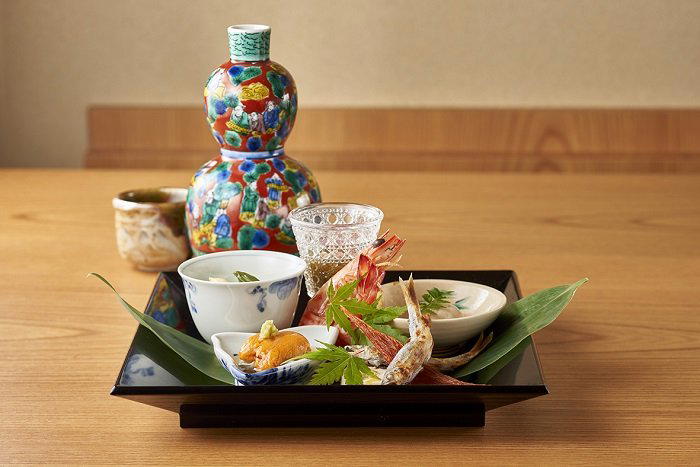
Bars in Kyoto
Browse all →
Hotels in Kyoto
Browse all →
Wineries in Kyoto
Browse all →
At a Glance
- Intimate
- Elegant
- Sophisticated
- Special Occasion
- Date Night
- Chefs Counter
- Open Kitchen
- Garden
- Sake Program
- Garden
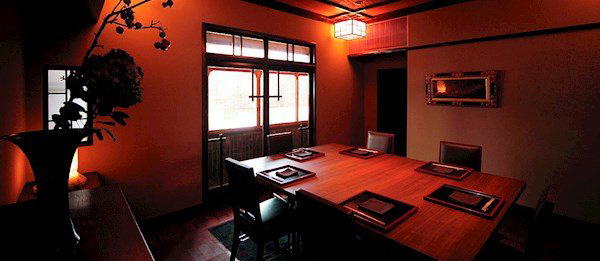
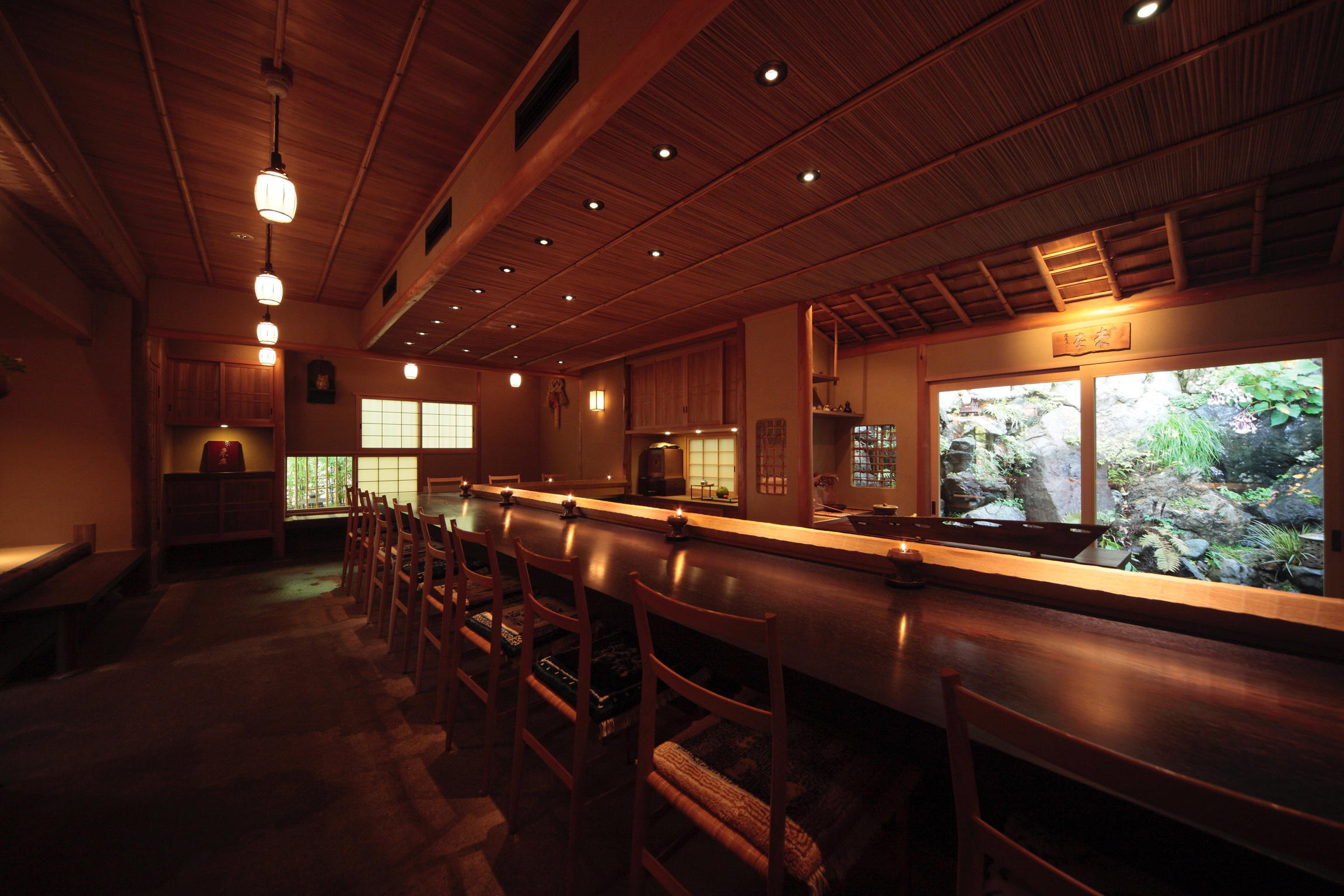
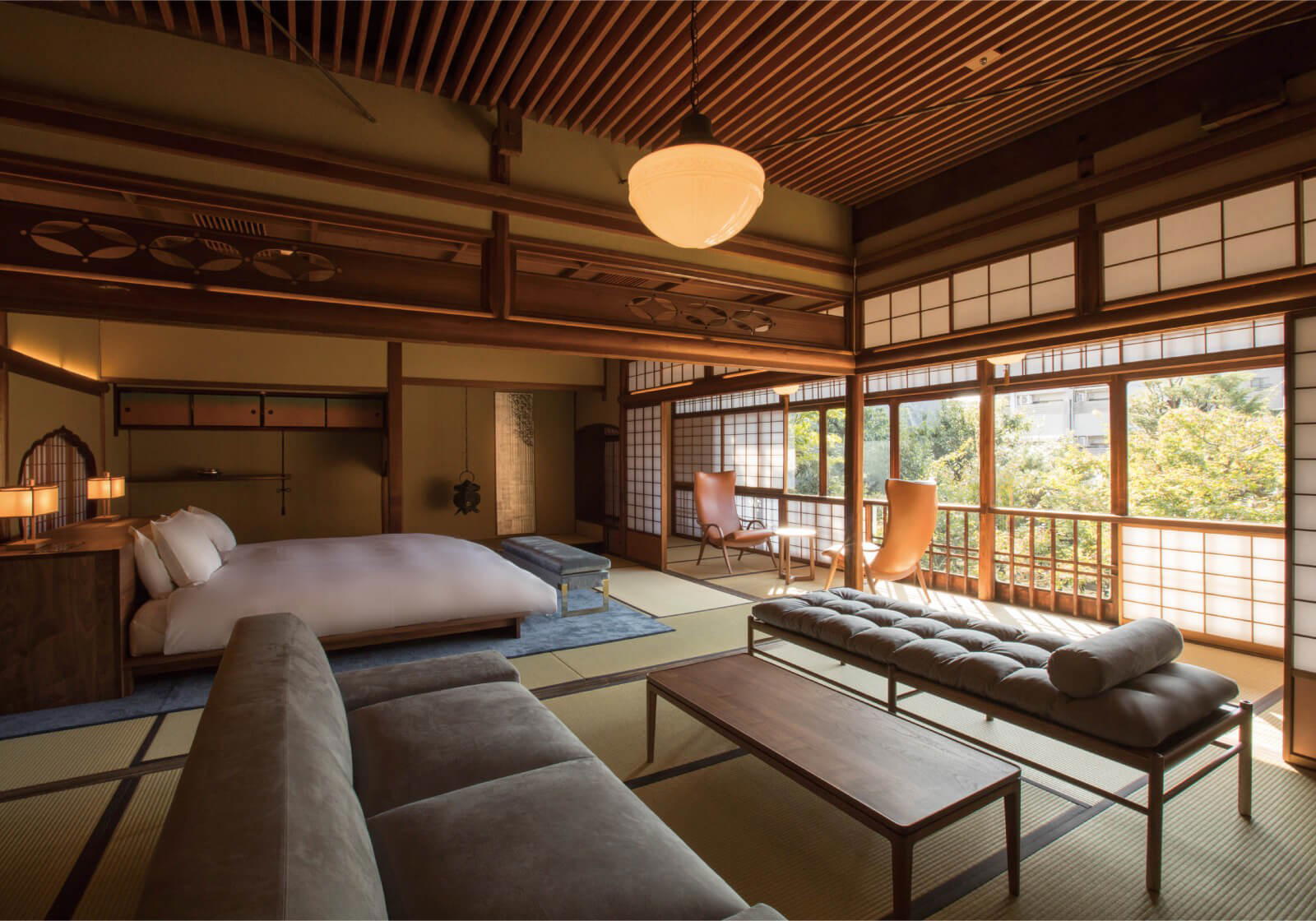
Traditional Kyoto elegance with tatami floors, small garden courtyard view, and open kitchen aromas enhancing the refined atmosphere.