
Kichisen occupies a quiet corner of Kyoto's Sakyo Ward, where kaiseki's most formal traditions are practiced with the kind of restraint that takes decades to master. Set against the northern reaches of the city, it operates within a comparable set that includes particularly decorated Japanese restaurants in the world. Advance planning is essential; this is a counter where the season, not the menu card, sets the agenda.
Pearl is the En Primeur Club membership app — saves, bookings, and concierge access live there. Same editors, same standards.
- Address
- Japan, 〒606-0805 Kyoto, Sakyo Ward, 下鴨糺ノ森森本町五
- Phone
- +81757116121
- Website
- kichisen-kyoto.com
- Directions
- Get directions
 Saves & bookings on Pearl
Where the Forest Meets the Formality
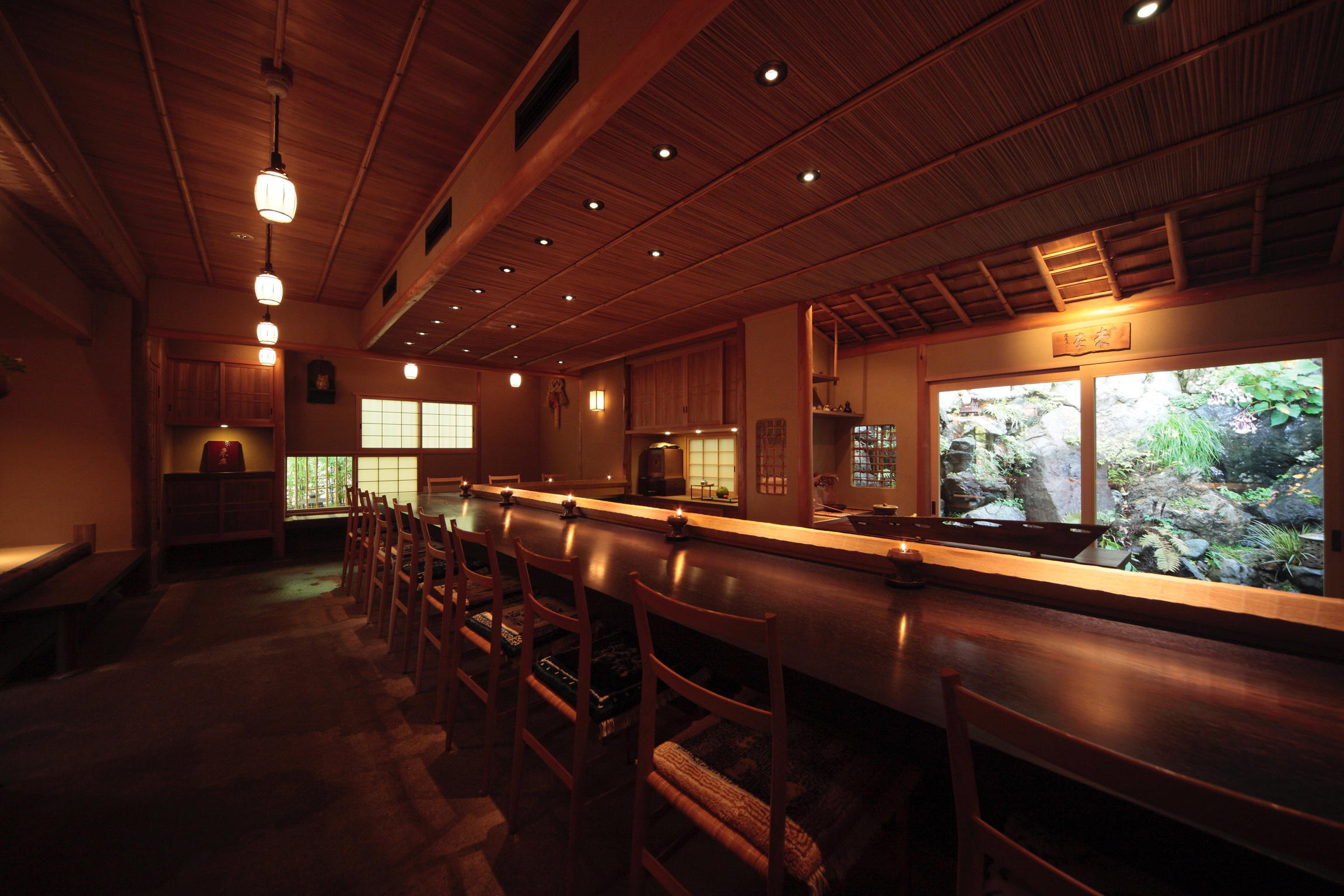
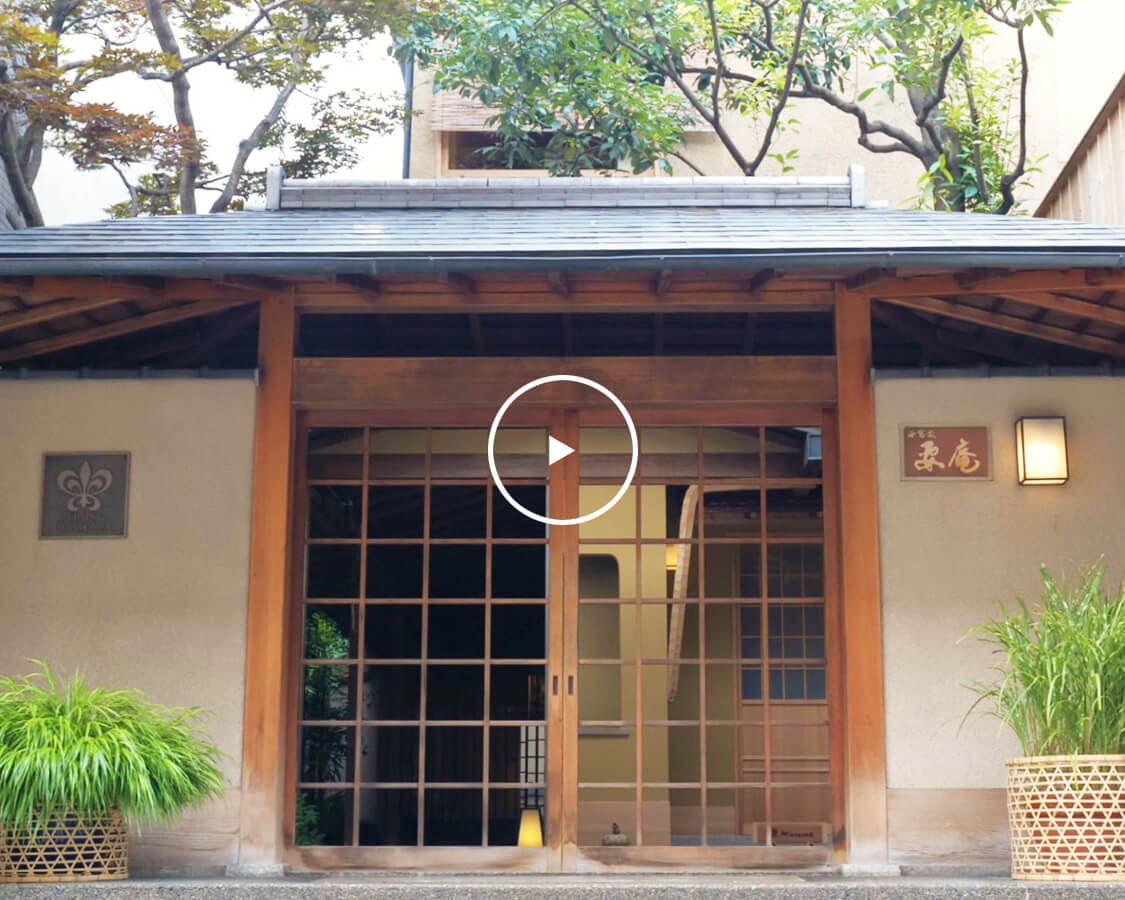
Kichisen is a Kyoto kaiseki restaurant in Sakyo Ward, with a formal dress code and an essential reservation policy. The address alone sets a tone. Sakyo Ward, in Kyoto's northern reaches near the forested edges of the city, has long been the geography of serious kaiseki. The streets thin out here; the noise of Gion and Kawaramachi recedes. Arriving at Kichisen, you move through the kind of approach that kaiseki architecture has always used deliberately: a path, a gate, a garden threshold that asks the guest to shift pace before entering. The transition is not decorative. It is functional, an instruction to slow down before sitting down.
This is consistent with how Kyoto's kaiseki houses have long operated. The dining room is not the beginning of the experience; the approach is. In a city where Hyotei has been refining its morning kaiseki for generations and Kikunoi Honten draws from a lineage stretching back over a century, the physical language of the restaurant, the garden, the tokonoma alcove, the lacquerware, speaks before the first dish arrives.
Kaiseki as Cultural Argument
Kaiseki is among the more codified dining traditions on earth, and Kyoto is where that code was written. The form emerged from the tea ceremony, where a small meal was served to temper the intensity of matcha before the principal ritual. Over centuries it absorbed the influences of temple cooking, imperial court cuisine, and the merchant class's appetite for seasonal display, until it became what it is now: a multi-course structure built around the Japanese culinary calendar.
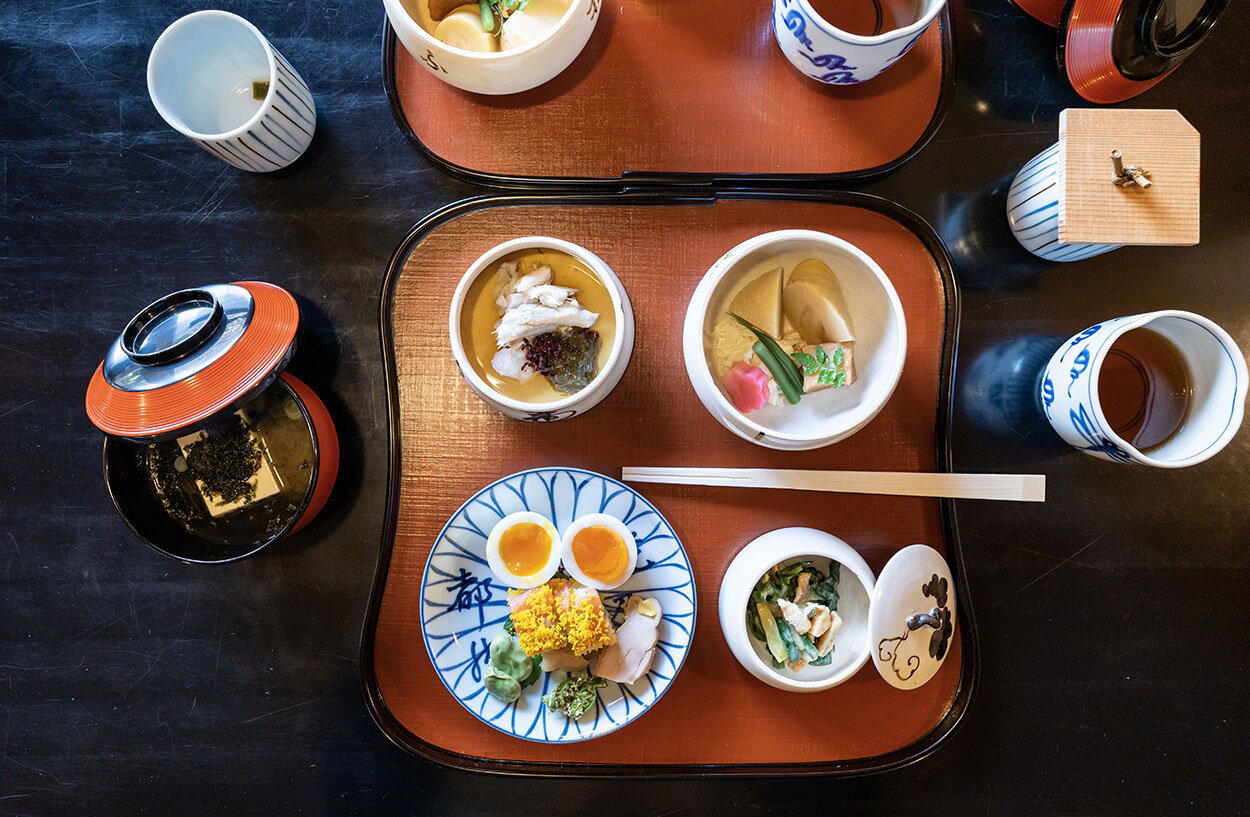
Every dish in a kaiseki sequence is an argument about a specific moment in the year. The ingredient is not just an ingredient; it is evidence of a season arriving or departing. A soup in early spring carries bamboo shoots not because bamboo shoots are available, but because their presence signals that winter has formally ended. This is the sensibility that separates kaiseki from other high-end tasting formats. Where European fine dining tends to treat ingredient choice as a chef's aesthetic decision, kaiseki treats it as an obligation to the natural world and to the guest's awareness of it.
Kichisen operates within this tradition at its most concentrated. The Sakyo Ward address, removed from the commercial density of central Kyoto, reinforces a dining philosophy that has always valued withdrawal and attention over visibility and volume. Comparable houses in the city, including Gion Sasaki and Mizai, share this orientation toward depth over scale, but each occupies a slightly different position in the city's kaiseki hierarchy.
The comparable set and What It Signals
Kyoto's upper-tier kaiseki operates in a rarefied bracket. The comparison set at this level is not restaurants in the conventional sense; it is institutions. Isshisoden Nakamura, which traces its history to the early Edo period, and Hyotei, with its Michelin three-star designation sustained across multiple decades, anchor one end of that comparable set. Kichisen sits in the same competitive tier, referenced alongside these houses in conversations about Kyoto kaiseki.
Beyond Kyoto, the reference points extend to HAJIME in Osaka, which approaches Japanese fine dining from a different conceptual direction, and to Harutaka in Tokyo, where the omakase counter model operates with comparable booking pressure and price discipline. The distinction is that kaiseki and omakase represent different structural logics: kaiseki is a seasonal narrative with a fixed arc, while omakase is a chef-directed improvisation. Kichisen is emphatically the former.
For visitors planning a broader itinerary across Japan's serious dining circuit, the comparison extends to Goh in Fukuoka and akordu in Nara, each operating with distinct regional identities but at comparable levels of craft and intentionality. Even further afield, Le Bernardin in New York City and Atomix in New York City represent Western reference points for the kind of disciplined, tradition-anchored cooking that Kichisen embodies in a Japanese context.
Seasonality as the Real Menu
At houses like Kichisen, the published menu is only a guide. The actual menu is written by the season, revised continuously as specific ingredients peak and recede. Cherry blossom season in late March and April brings one set of references; the summer heat of July and August demands a different palette, cooler presentations, river fish, and preparations that acknowledge the climate rather than fight it. Autumn, widely considered one visually and gastronomically expressive season in Japanese cuisine, brings matsutake mushrooms, chestnuts, and a particular quality of light that the leading kaiseki chefs have always known how to put on a plate.
This means the timing of a visit to Kichisen is itself a culinary decision. Arriving in autumn, when the maples in Sakyo Ward turn and the forested hillsides above the city take on their deepest colour, aligns the external landscape with what the kitchen is expressing. Arriving in winter means encountering fugu (blowfish) preparations and root vegetables at their most concentrated. Neither is the wrong time; each produces a categorically different meal from the same address.
Other serious kaiseki houses on the Kyoto circuit handle this differently. Kikunoi Honten is more accessible to international visitors and publishes more in the way of explanatory material about its seasonal philosophy. Gion Sasaki occupies the Gion district and draws from that neighbourhood's particular energy. Kichisen, by contrast, operates with less outward-facing infrastructure, which is itself a signal about the kind of guest it expects.
Planning a Visit
Kichisen is located in the Morigamoto-cho area of Sakyo Ward, a residential and forested district that requires deliberate navigation. Public transport connections exist via central Kyoto, but the final approach is leading made by taxi from stations such as Demachiyanagi, a short ride that deposits you in a quieter register of the city. Reservations are essential, especially for peak autumn and spring windows.
City Peers
Comparable venues nearby, for context on price, style, and recognition.
| Venue | Cuisine | Price | Notes |
|---|---|---|---|
| KichisenThis venue — the venue you are viewing | Kyoto Kaiseki | $$$$ | Not listed |
| Iwasaki | Michelin-Starred Kyoto Kaiseki | $$$$ | Kamigyō |
| Yoshikawa | Traditional Japanese Tempura Kaiseki | $$$$ | Nakagyō |
| Tominokoji Yamagishi (富小路やま岸) | Kyoto Cha-Kaiseki | $$$$ | Nakagyo-ku |
| 鮨 楽味 | Traditional Kyoto Kaiseki | $$$$ | Higashiyama |
| ぎをん福志 | 京懐石 | $$$$ | 祇園 |
Recognition history
Dated appearances from independent guides and award organizations, with the underlying list record or original source where available.
Opinionated About Dining Top Restaurants in Japan Highly Recommended
Opinionated About Dining
Continue exploring
More in Kyoto
Restaurants in Kyoto
Browse all →
Bars in Kyoto
Browse all →

Hotels in Kyoto
Browse all →

Wineries in Kyoto
Browse all →
At a Glance
- Elegant
- Sophisticated
- Intimate
- Quiet
- Classic
- Special Occasion
- Date Night
- Chefs Counter
- Private Dining
- Sake Program
- Local Sourcing
- Garden
Current opening hours
- Monday
- 12–2 PM, 6–9 PM
- Tuesday
- 12–2 PM, 6–9 PM
- Wednesday
- 12–2 PM, 6–9 PM
- Thursday
- 12–2 PM, 6–9 PM
- Friday
- 12–2 PM, 6–9 PM
- Saturday
- 12–2 PM, 6–9 PM
- Sunday
- 12–2 PM, 6–9 PM
Hours can change for holidays and private events. Last verified .
Peaceful and traditional atmosphere surrounded by ancient forest, featuring intimate counter seating and private rooms with graceful, hospitable service and charming seasonal details.