Our verdict
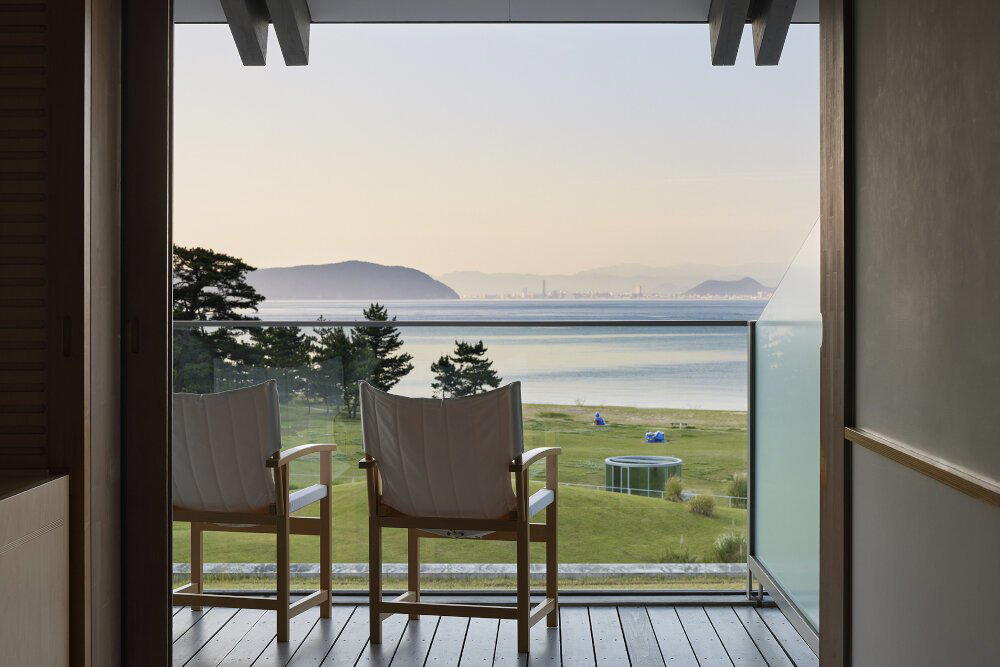
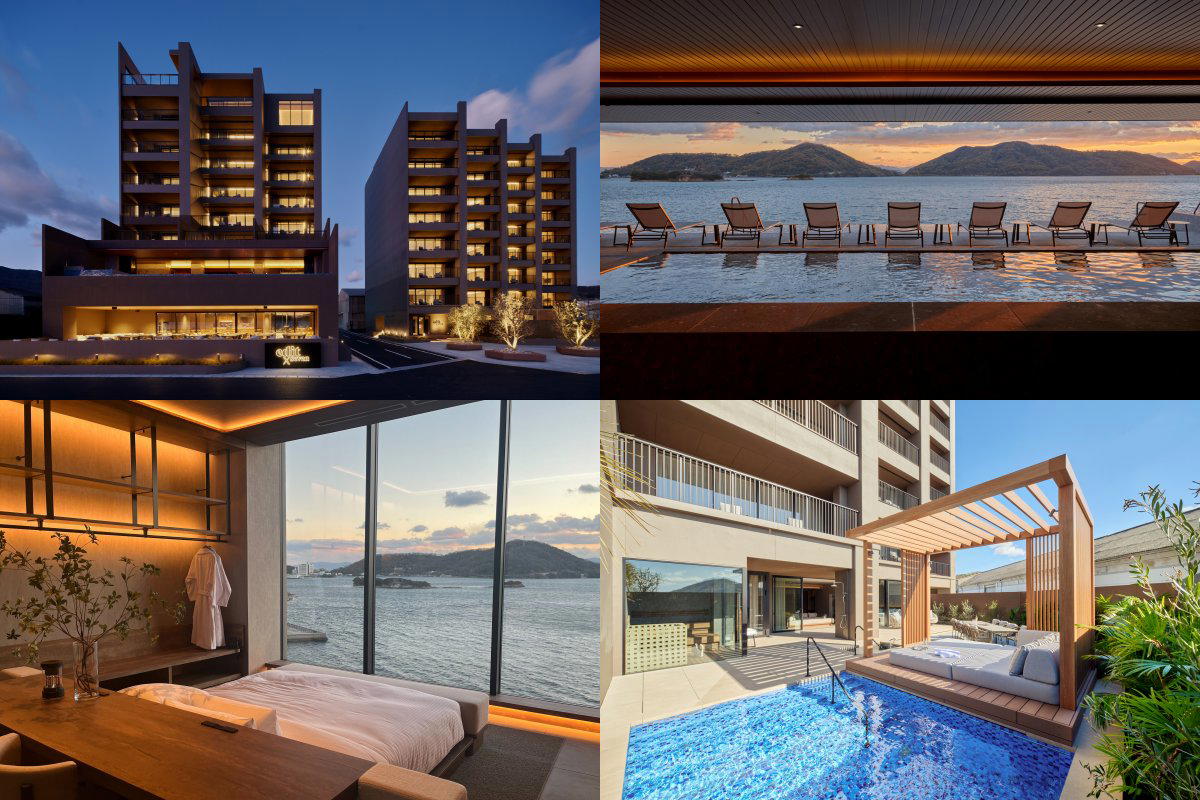
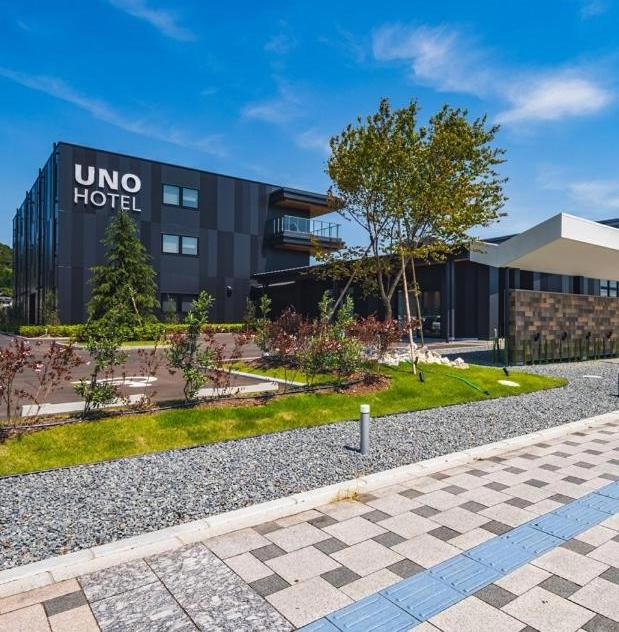
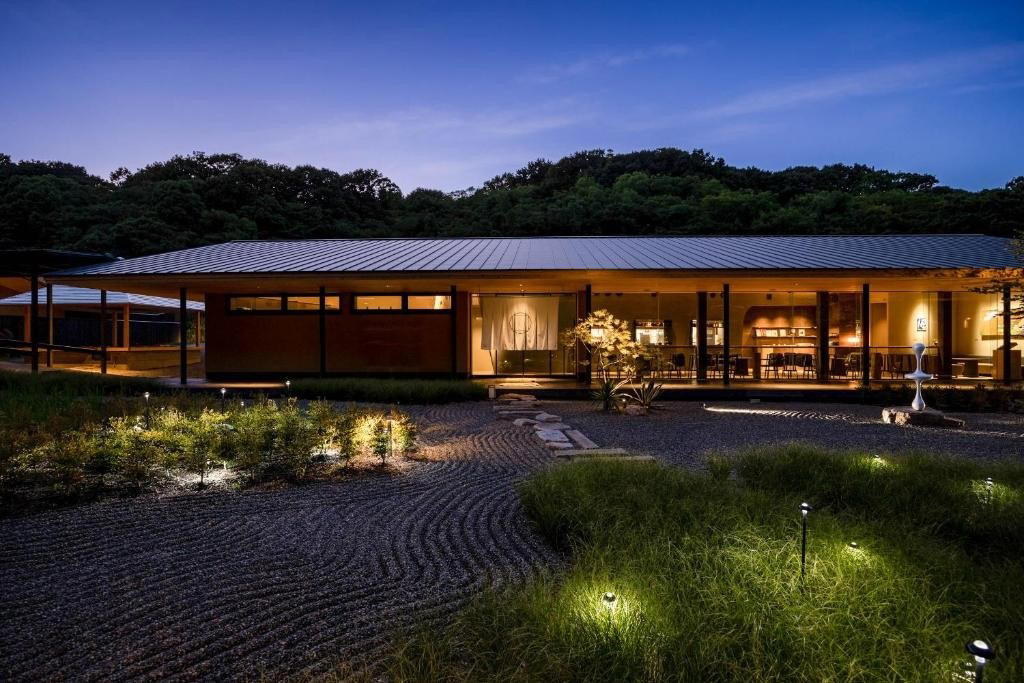
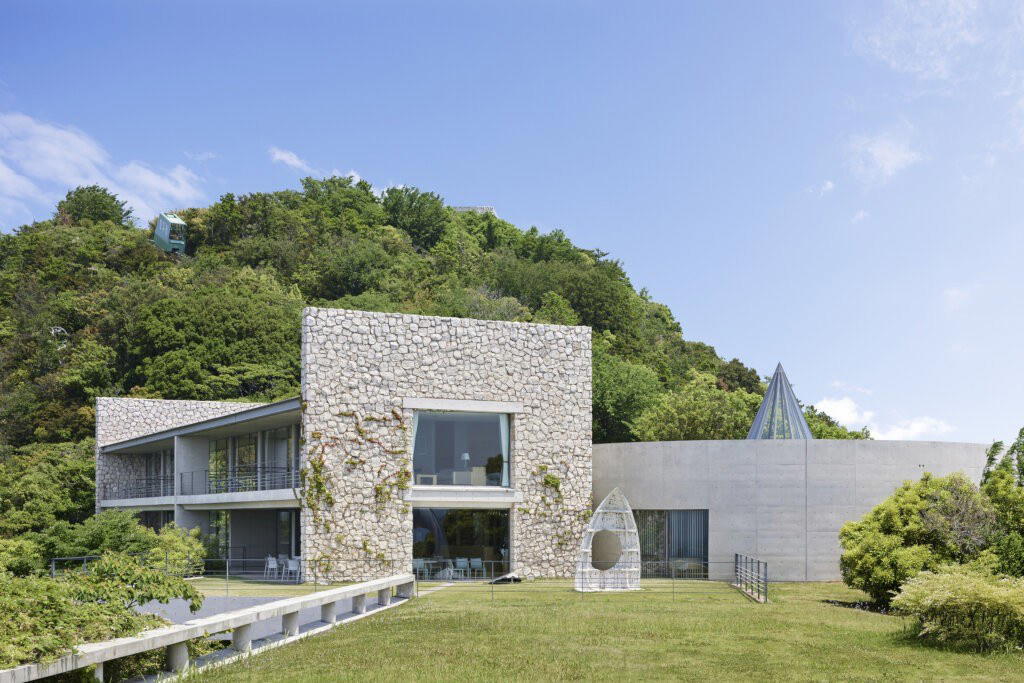
ザ・テラス is a waterfront Hotel Limani restaurant serving Greek Mediterranean with local seafood; breakfast, lunch, and dinner fit a conversational, smart casual plan.

Pearl is the En Primeur Club membership app — saves, bookings, and concierge access live there. Same editors, same standards.
- Address
- 3900 Ushimadocho Ushimado, Setouchi, Okayama 701-4302, Japan
- Phone
- +81869345500
- Hours
- Mon–Sat 7–9:30 AM, 11:30 AM–1:30 PM, 5:30–7:30 PMSun 7–10 AM, 11:30 AM–1:30 PM, 5:30–7:30 PM
- Website
- limani.jp
- Directions
- Get directions
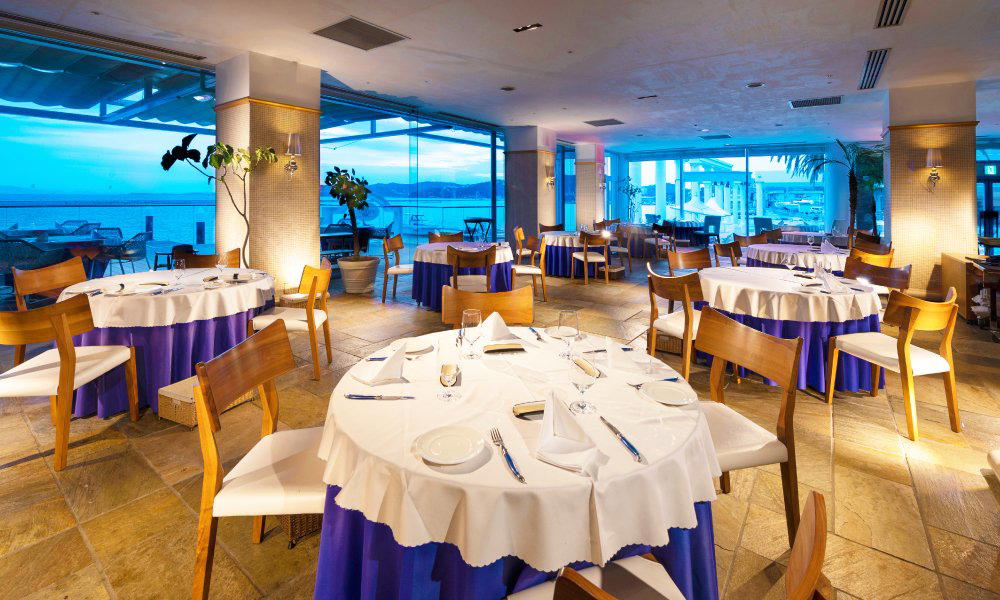
Where the Seto Inland Sea Comes to the Table
Approaching Ushimado along Okayama Prefecture's coastline, the shift in atmosphere is gradual and then sudden. The fishing villages thin out, the sea opens up between the islands, and the air carries the kind of salt-and-cedar quiet that inland Japan rarely delivers. ザ・テラス (The Terrace) sits within this stretch of the Setouchi coast, a region whose culinary identity has long been shaped by what washes ashore and what grows on the hillsides above it. The Seto Inland Sea is one of Japan's most productive fishing grounds, yielding sea bream, octopus, and small bivalves that appear on tables from Hiroshima to Takamatsu. A terrace-format restaurant in Ushimado places the diner directly inside that supply chain, with a view to reinforce it.
The Setouchi Sourcing Argument
Ingredient provenance has become a structuring principle across Japan's higher-end dining tier, but the Setouchi region makes a particular case for it. The inland sea's protected waters and temperate climate produce seafood with a character distinct from Pacific-facing coastlines: the current patterns, salinity, and plankton density combine to give local fish a fat content and texture that chefs from Osaka and Tokyo have increasingly cited as a reason to source from this corridor rather than from more famous fishing ports. This is the same logic that draws serious diners toward destination restaurants on the Noto Peninsula or in rural Hokkaido, the idea that geography, not brigade size, is the primary argument on the plate. For context on how Kansai-adjacent fine dining frames ingredient sourcing, the kaiseki and innovative French programs at HAJIME in Osaka and Gion Sasaki in Kyoto both treat regional product as foundational, not decorative.
In Ushimado specifically, the octopus fishery has historical depth: the town has supplied tako to Osaka's markets for centuries, and local fishing co-operatives still operate on seasonal rhythms that determine what reaches the kitchen. A terrace-format space along this coastline sits closer to that supply chain than almost any urban restaurant could manage, regardless of its logistics team or purchasing budget. The short distance between catch and plate is a structural advantage, not a marketing position.
Setouchi in the Wider Japan Dining Conversation
Japan's most-discussed fine dining addresses cluster in Tokyo, Kyoto, and Osaka, where the concentration of Michelin recognition and critical attention is highest. Harutaka in Tokyo and akordu in Nara represent two ends of that urban-to-smaller-city spectrum, with Nara demonstrating how a smaller city can anchor a serious restaurant when the sourcing story and format are well-defined. The Setouchi coast sits further outside the critical centre of gravity, which has historically kept places like Ushimado below the radar of international visitors planning Japan itineraries around starred addresses.
That relative obscurity has its own logic. Dining in a smaller Setouchi town means fewer competitors for reservations, a lower noise floor in the room, and a setting where the surrounding geography is doing real work rather than serving as backdrop. Venues like Cafe Naoshima Konichiwa in Naoshima and Denko Sekka in Hiroshima show how the broader Setouchi arc supports dining experiences where place is inseparable from plate. The region has also benefited from the art island boom centred on Naoshima and Teshima, which brought a higher-spending international visitor to this stretch of coastline and shifted local hospitality expectations upward across the past decade.
The Terrace Format in Context
Open-air and semi-open dining formats carry particular weight in Japan's coastal dining scene because the seasons are so legible through them. The humidity of August, the clarity of November light over the islands, the way spring haze softens the horizon between Ushimado and Shodo Island: these are conditions that a walled dining room neutralises. A terrace format keeps them present, and in doing so makes seasonality a sensory fact rather than a menu annotation. This is a different proposition from the enclosed counter experiences at addresses like Goh in Fukuoka, where the drama is interior and intimate. Both approaches are coherent; they serve different readers of the same culinary tradition.
For international diners accustomed to seafood-forward tasting experiences at addresses like Le Bernardin in New York City, a Setouchi terrace restaurant offers a structurally different register: less orchestrated, more dependent on ambient conditions, and more legible as a place-specific experience rather than a technique showcase. The comparison is useful not because the formats compete, but because they clarify what each is doing. Atomix in New York City represents another reference point for how ingredient narrative can be built into a tasting format; the Setouchi version delivers the same argument through geography rather than plating.
Planning a Visit to Ushimado
Ushimado sits in Setouchi City, Okayama Prefecture, roughly an hour from Okayama Station by local transport. Okayama is served by Shinkansen on the San'yo line, making it accessible from Osaka in under an hour and from Tokyo in about three and a half hours. The coastal drive from Okayama through the citrus and olive groves above the sea is the recommended approach: it frames arrival correctly. For a broader orientation to what the region supports in terms of dining, our full Setouchi restaurants guide covers the range from market-adjacent lunch counters to more formal dinner addresses. Additional reference points across western Japan include Bistro Ange in Toyohashi and Birdland in Sakai for those building a longer regional itinerary. Further afield, a counterpart in Nanao, one in Sapporo, one in Takashima, one in Nishikawa Machi, Blue Ocean Steak in Nakagami District, and bodai in Nachikatsuura each represent the kind of regionally rooted dining that rewards a longer Japan itinerary built around geography rather than star counts alone.
Frequently asked questions
Is ザ・テラス child-friendly?
Ushimado is a quiet fishing town on Okayama's coast, and ザ・テラス sits within that tempo. The terrace format and coastal setting suit families travelling through the Setouchi region, though the atmosphere skews toward relaxed adult dining rather than a structured children's menu environment. If travelling with young children, the low-key pace of Ushimado itself works in your favour.
Is ザ・テラス better for a quiet night or a lively one?
Ushimado is a small coastal town in Setouchi City, not a dining-district destination, and the room reflects that consistently. Expect a measured pace, sea-facing calm, and a crowd that has made a deliberate journey to this part of Okayama Prefecture rather than stumbling in from a busy street. This is a venue for quiet nights by design and geography.
Is ザ・テラス worth the journey from Okayama Station?
Ushimado is approximately one hour from Okayama Station by local transport, and Okayama is a Shinkansen stop on the San'yo line connecting Osaka and Hiroshima. The distance puts ザ・テラス beyond a casual city dinner but within range as a deliberate half-day or day-trip from Okayama, or as part of a broader Setouchi coast itinerary that includes the art islands.
What should I order at ザ・テラス?
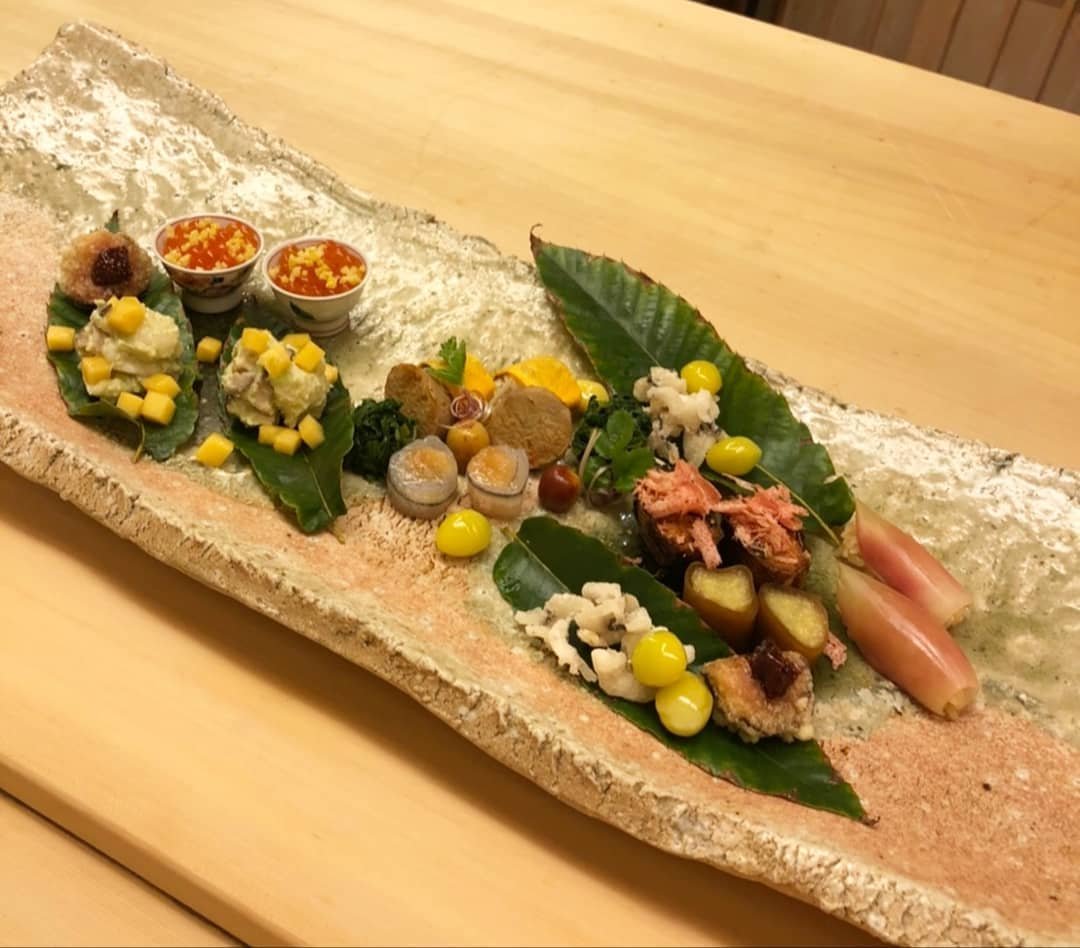
Confirmed menu data is not available for this listing, so a dish-specific recommendation would be speculative. The Setouchi region is known for tai (sea bream), oysters from Hiroshima, and a range of small-boat catches that change by season, and a terrace restaurant in Ushimado at this address would logically draw from that supply. Prioritise whatever the kitchen signals as its day's catch.
Comparable Spots, Quickly
Comparable venues nearby, for context on price, style, and recognition.
| Venue | Cuisine | Price | Awards | Notes |
|---|---|---|---|---|
| ザ・テラスThis venue — the venue you are viewing | Greek Mediterranean with Local Seafood | $20–30 | Not listed | Not listed |
| Cicada | Pan-Mediterranean tapas and plates | Not listed | Not listed | Minami-Aoyama |
| Sajiro Caffe | Nepalese-Indian Curry Cafe | $10–20 | Not listed | Kyu Karuizawa |
| Nanxiang Steamed Bun Restaurant (南翔饅頭店) | Shanghai Xiaolongbao | $20–30 | Not listed | Roppongi |
| 樺太食堂 | Fresh Hokkaido Seafood Bowls | $20–30 | Not listed | Noshappu |
| Ide Shoten (井出商店) | Wakayama-style ramen (chuka soba) | $1–10 | Tabelog 100 #59 | Tanakamachi |
Details
- Scenic
- Elegant
- Modern
- Sophisticated
- Date Night
- Special Occasion
- Terrace
- Open Kitchen
- Hotel Restaurant
- Local Sourcing
- Waterfront
- A La Carte
Current opening hours
- Monday
- 7–9:30 AM, 11:30 AM–1:30 PM, 5:30–7:30 PM
- Tuesday
- 7–9:30 AM, 11:30 AM–1:30 PM, 5:30–7:30 PM
- Wednesday
- 7–9:30 AM, 11:30 AM–1:30 PM, 5:30–7:30 PM
- Thursday
- 7–9:30 AM, 11:30 AM–1:30 PM, 5:30–7:30 PM
- Friday
- 7–9:30 AM, 11:30 AM–1:30 PM, 5:30–7:30 PM
- Saturday
- 7–9:30 AM, 11:30 AM–1:30 PM, 5:30–7:30 PM
- Sunday
- 7–10 AM, 11:30 AM–1:30 PM, 5:30–7:30 PM
Hours can change for holidays and private events. Last verified .
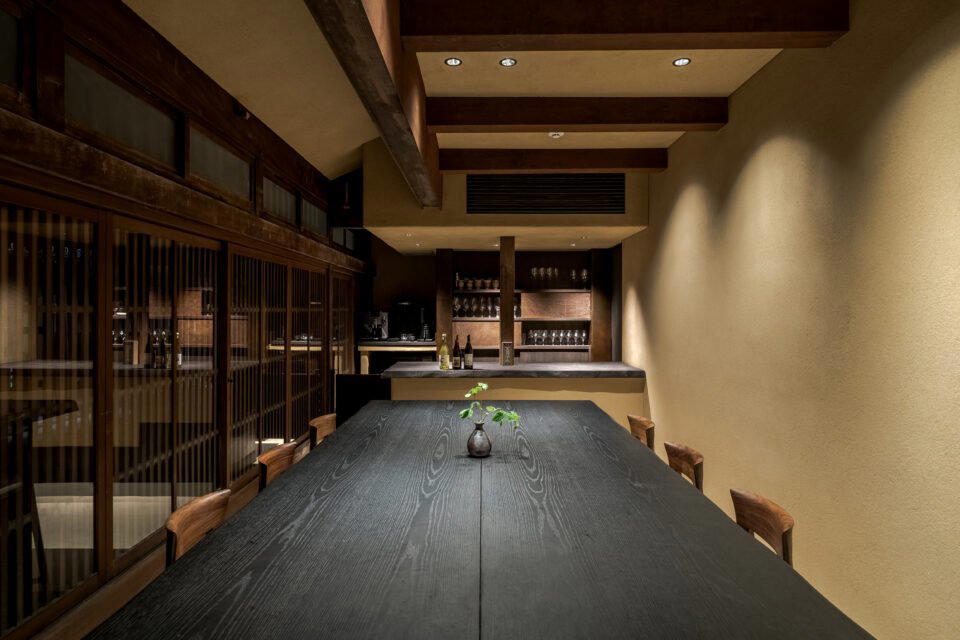
Modern restaurant in royal blue and white tones with an open kitchen providing live cooking views and a relaxing sea breeze atmosphere.