
1 Michelin Key
Naoshima Ryokan Roka is the island's first luxury ryokan, awarded a Michelin Key (2024) and carrying an 11-suite format built around earthen walls, tatami interiors, open-air baths, and floor-to-ceiling views. Its bar-restaurant and gallery programme place it at the intersection of art-world hospitality and traditional Japanese inn culture, making it the most considered overnight option on Naoshima.

Pearl is the En Primeur Club membership app — saves, bookings, and concierge access live there. Same editors, same standards.
- Address
- 123, 直島町 香川郡 香川県 761-3110
- Phone
- +81 87-899-2356
- Website
- roka.voyage
- Directions
- Get directions
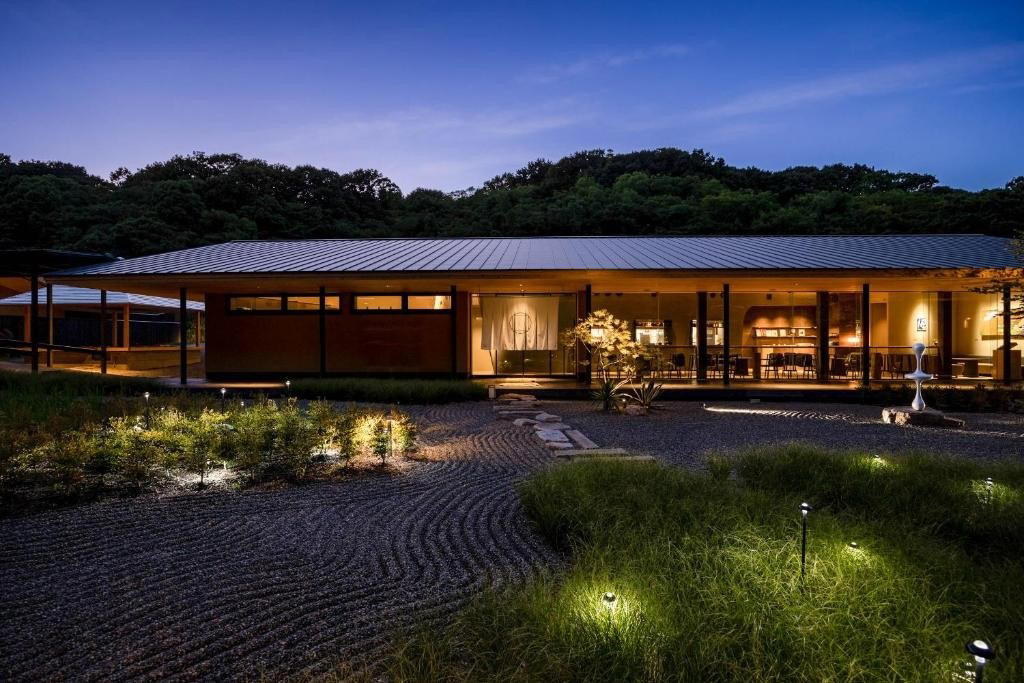
Art Island, Distilled Into 11 Rooms
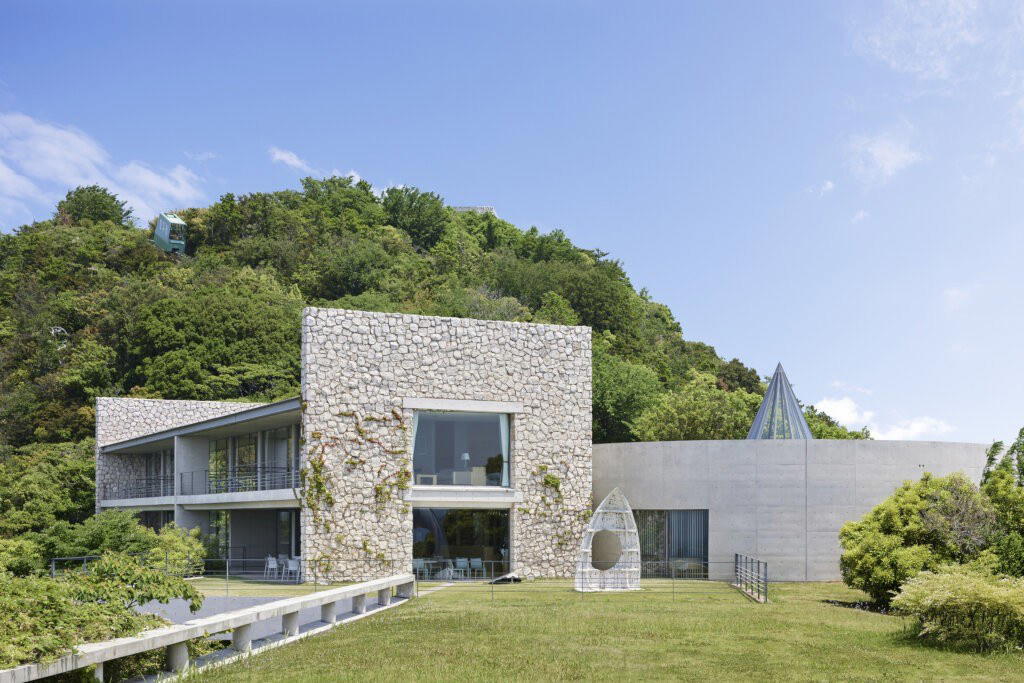
Naoshima operates on a different frequency from the rest of Japan's luxury travel circuit. The island, roughly 14 square kilometres of forested hills and quiet fishing coves in the Seto Inland Sea, has spent three decades accumulating one of the world's most concentrated collections of site-specific art and architecture. The Chichu Art Museum, the Lee Ufan Museum, and the cluster of installations at Honmura have drawn a particular kind of traveller: one who reads exhibition catalogues on the ferry and plans itineraries around opening times rather than restaurants. Until recently, the overnight options for that traveller were anchored almost entirely by Benesse House, which combines museum and hotel into a single Tadao Ando-designed complex. Naoshima Ryokan Roka enters the conversation as the island's first dedicated luxury ryokan, and its arrival changes the lodging arithmetic meaningfully.
The Space Itself
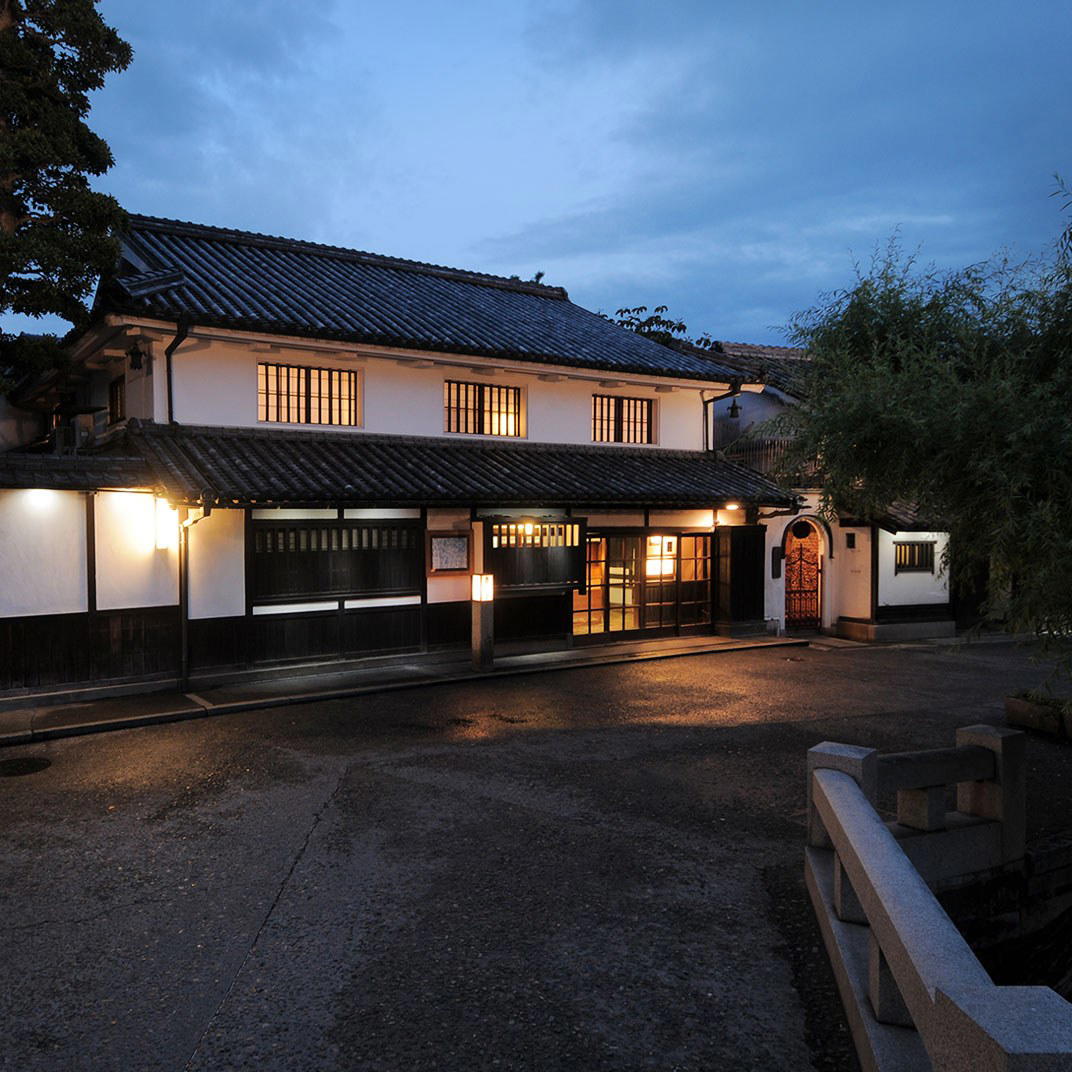
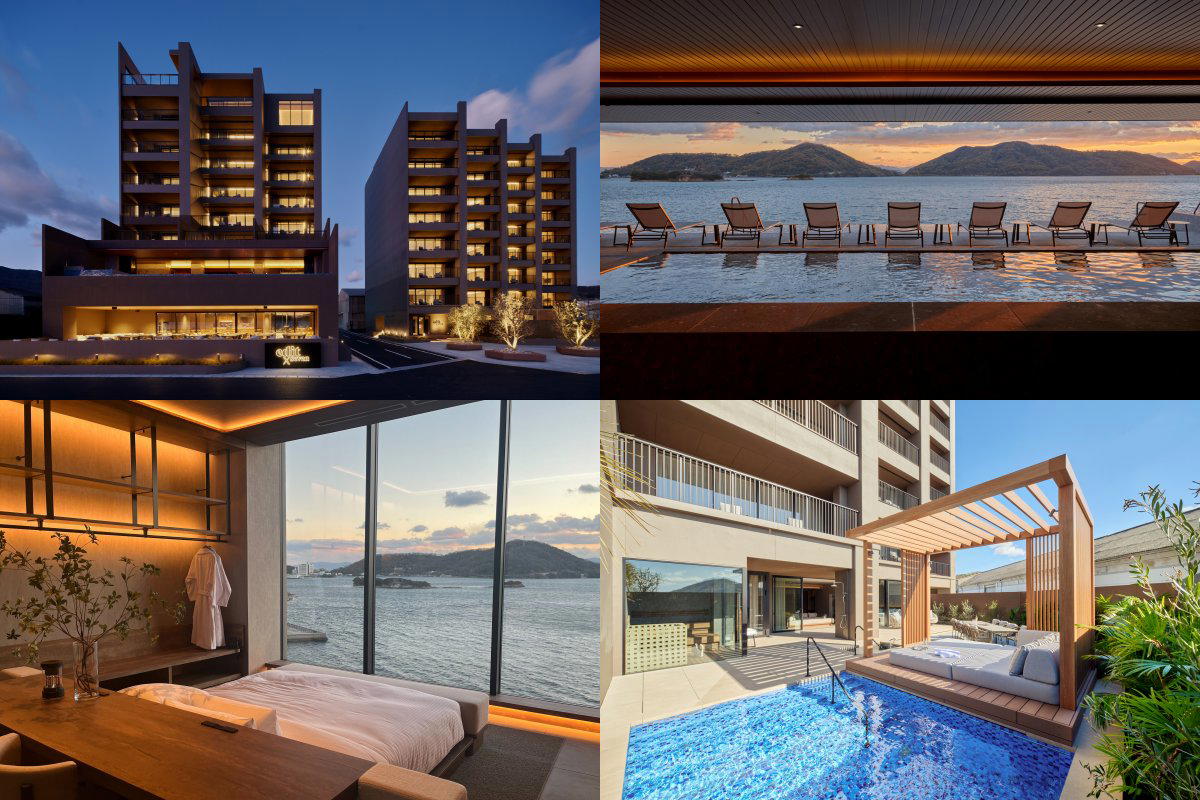
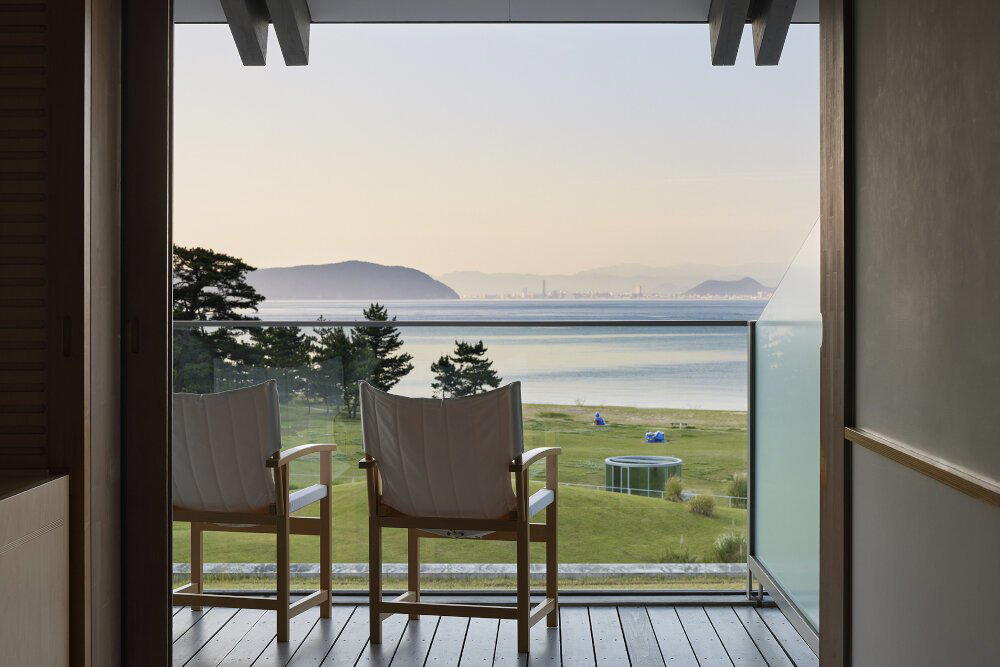
The traditional ryokan format has always been defined by restraint: low furniture, natural materials, the disciplined editing of visual noise. Roka works within that grammar but extends it toward a contemporary sensibility. Earthen walls and pale wood panelling set the palette inside each of the 11 suites; low futons on tatami mats and handmade paper screens handle the period references without leaning into pastiche. Floor-to-ceiling windows frame views of quiet, undisturbed scenery, and each suite includes an open-air bath, which in ryokan terms functions less as an amenity than as a structural element of the experience. The property earned a Michelin Key in 2024, the guide's recognition for hotel stays that constitute a meaningful experience in their own right, not merely a bed between museum visits.
Across Japan's premium ryokan tier, the open-air bath suite has become a baseline expectation rather than a distinguishing feature. What distinguishes Roka within that peer group is its dual identity as hospitality and cultural venue. Properties like Gora Kadan in Hakone, Asaba in Izu, and Zaborin in Kutchan achieve atmosphere through landscape setting and service precision. Roka operates in a different register, one where the gallery programme and cultural events are structural to the proposition rather than supplementary programming.
The Dining and Bar Programme
The ryokan dining model across Japan has evolved considerably. At the established end, properties such as Araya Totoan in Kaga and Nishimuraya Honkan in Kinosaki anchor their identity in kaiseki programmes built from hyper-local ingredient sourcing, running multi-course formats that run in parallel with the property's broader seasonal character. The expectation when staying at a luxury ryokan is that the meal is not incidental. It is, in most cases, the evening.
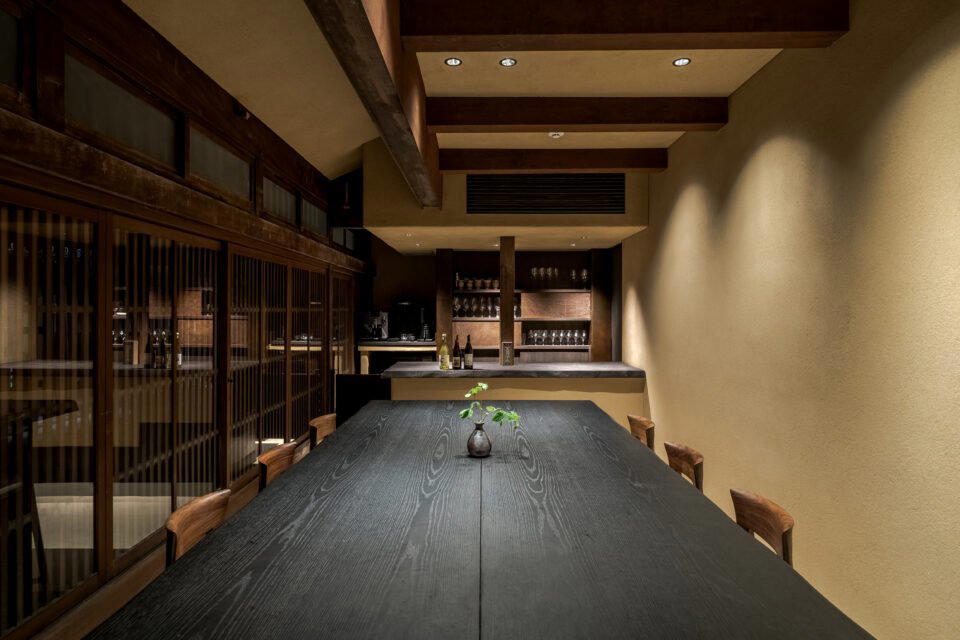
Roka approaches this differently, at least in configuration. Rather than a traditional kaiseki dining room operating on a fixed schedule, the property runs a bar-restaurant that also functions as a gallery space. Cultural events bring the art world into the room, giving the food and drinks programme a social dimension that most ryokan formats deliberately avoid. This positions Roka closer to properties like Azumi Setoda in Onomichi, where the dining and cultural programming are designed to attract guests and non-residents alike, creating a venue rather than simply a hotel restaurant. For travellers accustomed to the private, inward-facing rhythm of traditional ryokan dining, this is worth knowing before arrival. The bar-restaurant's minimalist firepit anchors its aesthetic, and the space reads as a destination on its own terms.
The broader dining context on Naoshima is deliberately sparse. The island has never developed the restaurant density of Kyoto or Tokyo, which means the on-property food programme carries more weight here than it would at a city hotel. For those treating Naoshima as a staging point in a longer Inland Sea itinerary, Sekitei in Hatsukaichi and Azumi Setoda represent the dining-led ryokan approach on the mainland side. See our full Naoshima restaurants guide for an overview of eating options across the island.
Where It Sits in the Japanese Luxury Ryokan Market
Japan's premium ryokan market has bifurcated. On one side sit the historically established properties, many operating for generations in onsen destinations: Atami Izusan Karaku in Atami, Beniya Kofuyuden in Awara, and Bettei Otozure in Nagato all carry decades of institutional identity. On the other side sit newer, design-led properties that apply ryokan principles to contemporary architectural thinking, often in locations chosen for their cultural or landscape distinctiveness rather than hot spring geography. Roka belongs firmly to the second group. Its Michelin Key, earned in the guide's 2024 Japan edition, places it in a recognised tier of design-led properties that includes ENOWA Yufu in Yufu and Fufu Kawaguchiko in Fujikawaguchiko.
At 11 rooms, the property operates at a scale that keeps the in-house experience controlled. Most serious ryokan in Japan run 10 to 20 rooms by deliberate choice, since larger formats tend to erode the service-to-guest ratios that define the category. For reference, Amanemu in Mie operates 24 suites and villas at the Aman price point. Roka's 11-suite ceiling positions it toward the more intimate end of the luxury tier. Current availability should be checked directly with the property, as no booking infrastructure details are confirmed in available data.
Naoshima as Context
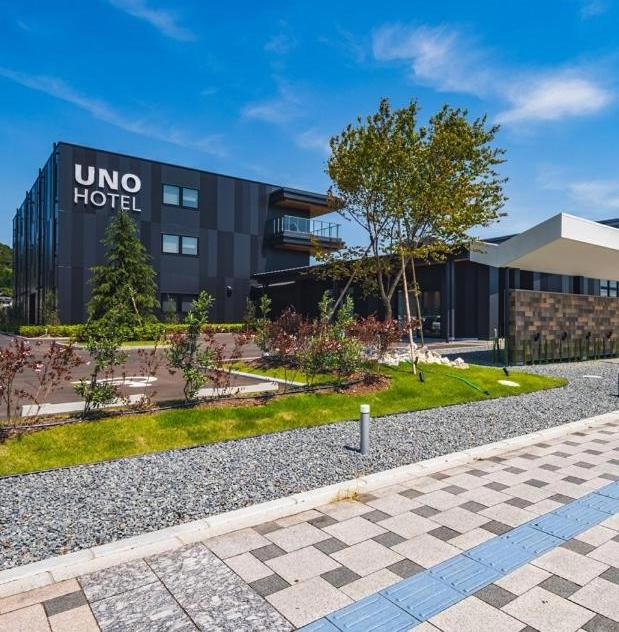
Arriving on Naoshima requires a ferry from Uno Port (accessible from Okayama) or Takamatsu. The island's scale means most sites are reachable by bicycle or the local bus loop, and the rhythm of a two-night stay is typically structured around museum visiting in the morning and early afternoon, with the properties' programming and baths carrying the later hours. The Benesse Art Site manages timed entry to its major museums, and booking those in advance is essential in peak season (spring and autumn), when the island absorbs significant visitor pressure relative to its size.
For travellers building a broader Japan cultural itinerary around Roka, the logical extensions are ryokan or hotel stays that carry a similar commitment to place and design: HOTEL THE MITSUI KYOTO in Kyoto handles the historical city anchor, while Bvlgari Hotel Tokyo in Tokyo or Fufu Nikko in Nikko cover the northern end of a Honshu loop. Those working island-focused itineraries might continue to Jusandi in Ishigaki or Halekulani Okinawa for a southwestern extension. For those comparing design-led properties at a global scale, Aman New York and Aman Venice share the same commitment to limited keys and considered programming. Bettei Senjuan in Minakami and ANA InterContinental Beppu Resort and Spa round out the domestic ryokan and resort comparison set. The Fifth Avenue Hotel in New York City represents the equivalent design-led urban format in a Western market.
Planning a Stay
No direct booking link or phone contact is confirmed in available data; reaching out via the property's official channels is the appropriate first step. As a recently opened property on a small island with a controlled room count, availability at peak periods (late March through May, October and November) should be treated as limited.
Pricing, Compared
| Venue | Awards |
|---|---|
| Naoshima Ryokan RokaThis venue — the venue you are viewing | 1 Michelin Key |
| Bvlgari Hotel Tokyo | 3 Michelin Keys · World's 50 Best #24 |
| Aman Kyoto | 2 Michelin Keys · World's 50 Best #74 |
| Aman Tokyo | 2 Michelin Keys · World's 50 Best #11 |
| Amanemu | 3 Michelin Keys · La Liste Top Hotels |
| Four Seasons Hotel Tokyo at Otemachi | 3 Michelin Keys · La Liste Top Hotels |
Recognition history
Dated appearances from independent guides and award organizations, with the underlying list record or original source where available.
Michelin 1 Key
Michelin
Full recognition history (3 entries)
Michelin 1 Key
Michelin
Michelin 1 Key
Michelin
Details
- Quiet
- Elegant
- Scenic
- Minimalist
- Intimate
- Sophisticated
- Romantic Getaway
- Wellness Retreat
- Anniversary
- Weekend Escape
- Private Villa
- Garden
- Historic Building
- Design Destination
- Wi Fi
- Spa
- Room Service
- Concierge
- Garden
- Garden
Calm, peaceful atmosphere with natural light flooding through floor-to-ceiling windows, serene gardens, and a tranquil firepit area.