
Wakayama ramen is defined by local chuka soba culture rather than Tokyo-style specialization, and Chuka Soba Senmon Ten Ide Shoten sits near the center of that conversation. The draw is a compact ramen house format with Tabelog Ramen WEST 100 selections in 2023, 2024, and 2025, counter seating, no alcohol, and a cash-only setup that keeps the focus squarely on the bowl.
Pearl is the En Primeur Club membership app — saves, bookings, and concierge access live there. Same editors, same standards.
- Address
- Japan, 〒640-8329 Wakayama, Tanakamachi, 4 Chome−84
- Phone
- +81 73-424-1689
- Website
- ideshoten.stores.jp
- Directions
- Get directions
 Saves & bookings on Pearl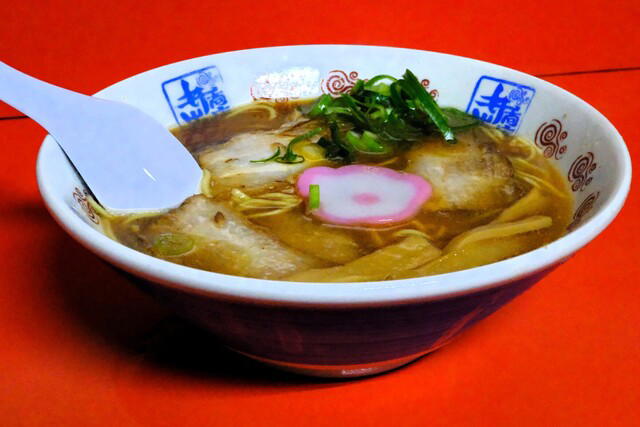
The approach is domestic rather than theatrical: a house restaurant in Tanakamachi, counter seats close to the action, tables packed into a modest room, and the pace of a ramen shop that expects diners to know why they came. Wakayama’s chuka soba tradition is not built around the maximalist vocabulary of newer ramen tourism. It is a local style shaped by proximity, habit, and the everyday seriousness of broth, noodles, and pork seasoning, the kind of regional food culture that rewards repeat eating more than checklist dining.
Chuka Soba Senmon Ten Ide Shoten belongs to that older grammar. The category matters because Wakayama ramen has always sat slightly apart from Japan’s better-exported ramen capitals. Its identity is local and specific: chuka soba as civic shorthand, not merely “ramen” as a national commodity. That distinction explains why a small, low-friction shop can carry real weight in the city’s food conversation while remaining materially different from Wakayama’s higher-spend dining rooms, such as Shintaro or Sushi Gishin. Those addresses compete in reservation-led, premium formats; this one competes in repetition, speed, and bowl-by-bowl consistency.
Wakayama chuka soba, judged by restraint rather than spectacle
Regional ramen reputations are often distorted by travel shorthand. Sapporo becomes miso, Hakata becomes tonkotsu, Kitakata becomes hand-cut nostalgia. Wakayama is subtler: its chuka soba culture is tied to the city’s postwar noodle-shop rhythm and to a broth style in which pork and soy structure the experience without turning it into a luxury product. The sourcing angle here is not a farm-name performance. It is about how a compact regional food economy values familiar components, reliable prep, and a house style that regulars can recognize without a long explanation.
That is why Tabelog’s repeated recognition matters. Selection for Tabelog Ramen WEST 100 in 2023, 2024, and 2025 places the shop in a Kansai-and-western-Japan ramen field rather than in a purely local popularity contest. The listed Tabelog score of 3.71 also gives a useful signal: this is not a fine-dining score culture, but a high-volume public review environment where ramen shops are assessed against many specialists. For travelers, the credential is less about trophy collecting than calibration. It says the bowl belongs in the regional conversation, not just the neighborhood routine.
The room reinforces that argument. With 20 seats split between counter and tables, the format is closer to a civic canteen than a destination tasting menu. Counter seating gives ramen its democratic pressure: decisions are quick, service is compressed, and the kitchen’s rhythm is visible without being narrated. Compared with Chuka Soba Hayami or Aji Ichi, it belongs to the same broad city conversation around approachable, ingredient-led comfort rather than occasion dining. The difference is recognition: Tabelog’s Ramen WEST 100 run gives Chuka Soba Senmon Ten Ide Shoten a sharper reference point for visitors deciding where one Wakayama ramen stop should land.
A small-room format that keeps the economics honest
Japan’s ramen culture is unusually good at keeping serious cooking within a modest ticket. That matters in Wakayama, where the city’s dining range stretches from everyday noodle counters to French dining at Hotel de Yoshino (French) and temple-linked food traditions around places such as Ichijoin. Ramen here is not the budget alternative to “real” dining; it is one of the city’s most legible expressions of local taste, precisely because the format strips away ceremony.
The venue’s no-alcohol policy and take-out availability underline that practical identity. This is food designed around the bowl, not a drinking session with noodles attached. Family-friendly details, including children and strollers being welcome, also shift the mood away from collector-only ramen culture. The better reading is local utility with outside validation: the kind of address where the same setup can serve office workers, families, ramen travelers, and visitors trying to understand why Wakayama’s noodle culture has a different center of gravity from Osaka or Kyoto.
Ingredient sourcing, in this context, should be read through category rather than named provenance. Chuka soba depends on balance: broth base, tare, noodles, pork, and heat management arriving in a narrow window. The restaurant’s value lies in preserving that system at accessible scale. In a city where premium counters can climb into five-figure yen territory, the discipline of a sub-ceremonial ramen shop becomes its own form of seriousness. The comparison with Ideshouten Ramen is useful for travelers mapping the local ramen circuit, but the broader point is that Wakayama rewards bowls that feel embedded rather than imported.
How to place it in a Wakayama itinerary
For a food-focused day in Wakayama, this is the casual anchor rather than the closing statement. Pair it with a more formal dinner if the schedule allows, or use it as the ramen stop before exploring the city’s wider restaurant range through Our full Wakayama restaurants guide. Travelers building a broader stay can cross-reference Our full Wakayama hotels guide, Our full Wakayama bars guide, Our full Wakayama wineries guide, and Our full Wakayama experiences guide for the rest of the city’s hospitality map.
The editorial case is simple: choose Chuka Soba Senmon Ten Ide Shoten when the goal is to understand Wakayama through a regional staple rather than to stage a grand meal. The restaurant’s Tabelog Ramen WEST 100 selections, compact seating, cash-only payment setup, no-reservation format, and accessible ticket all point in the same direction. This is a practical, local, award-noted ramen stop where the tradition does the heavy lifting.
For readers comparing Japanese casual formats beyond Wakayama, the national picture gets broad quickly: beef-centered dining such as -Grilled beef Sukiyaki- KAMAKURA TANUKIAN 鎌倉 たぬき庵 in Kamakura, izakaya-leaning seafood and charcoal cooking at. 鮪と炭火焼き うお炭 秋葉原店 in Tokyo, cafe culture at.cafe in Osaka, regional dining at.know in Kumamoto, Vietnamese cooking at (Shoku) Vietnam in Kawasaki, curry specialization at [Curry Senmon Ten] Maruyama Kyoju. in Sapporo, sake-bar dining at Jōdo Saké Bar in Los Angeles, and rice-ball minimalism at Onigiri Time in Pasadena. Wakayama ramen sits comfortably in that broader matrix: specific, economical, and more revealing than its modest format first suggests.
Quick Comparison
Comparable venues by cuisine and price in the same metro.
| Venue | Cuisine | Price | Notes |
|---|---|---|---|
| Chuka Soba Senmon Ten Ide Shoten | Wakayama-style ramen (chuka soba) | $ | / Tanakaguchi area |
| Yamatame Shokudo | Traditional Wakayama Ramen & Shokudo | $ | central Wakayama |
| こってり和歌山らーめん 清乃 | Wakayama Ramen | $ | Wakayama City Center |
| Chuka Soba Hayami | Traditional Wakayama Ramen | $ | Shingu |
| Sizen Mukuan | Kinan Seasonal Japanese Cuisine | $$$ | Takao |
| Shintaro | Charcoal-Grilled Yakitori Kappo with Wine Pairing | $$$ | Ota, Wakayama City |
Recognition history
Dated appearances from independent guides and award organizations, with the underlying list record or original source where available.
Tabelog 100 #59 · No. 59
Tabelog · Tabelog 100 - Ramen - WEST - 2025
Continue exploring
More in Wakayama
Restaurants in Wakayama
Browse all →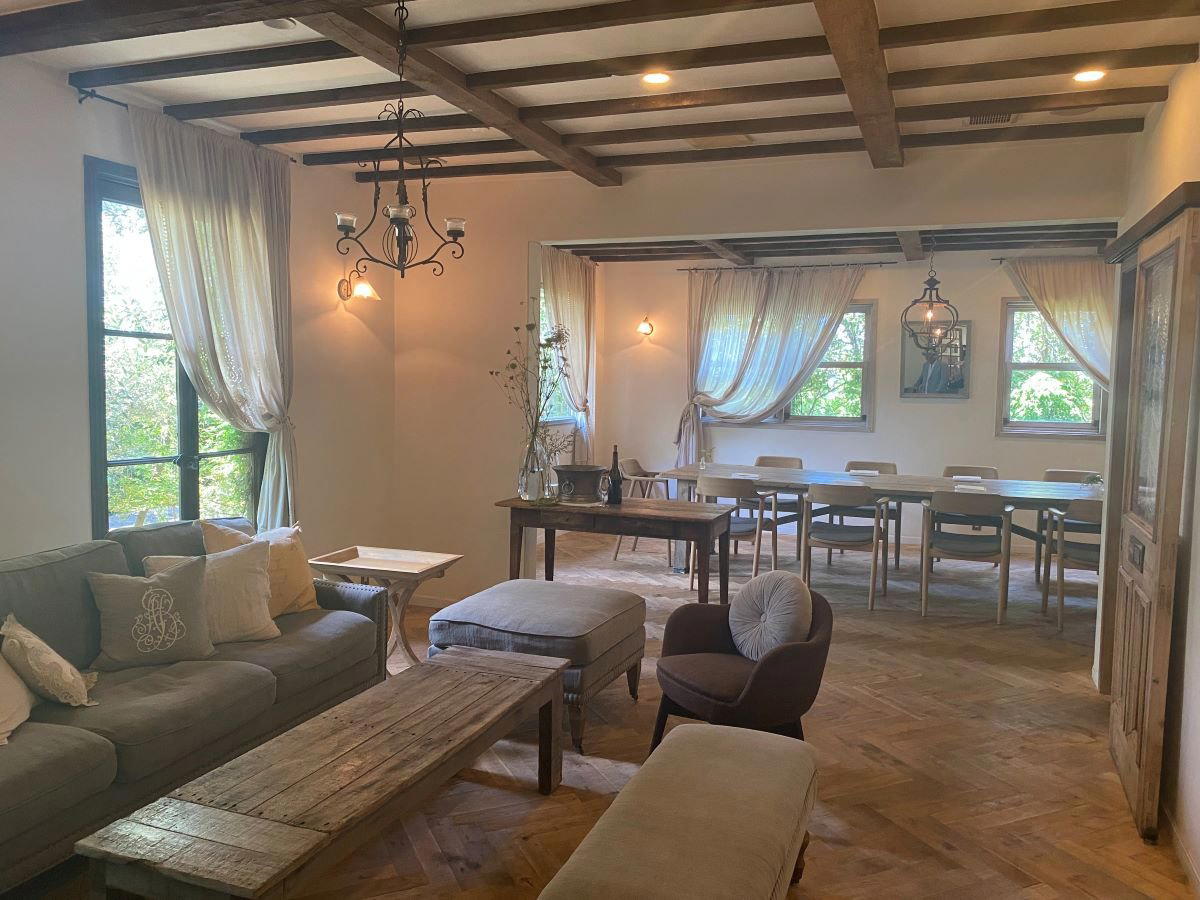
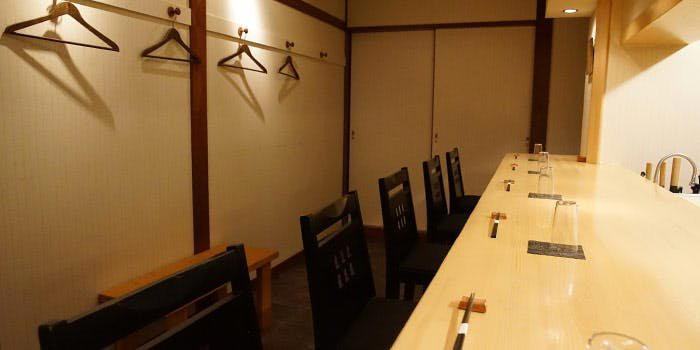

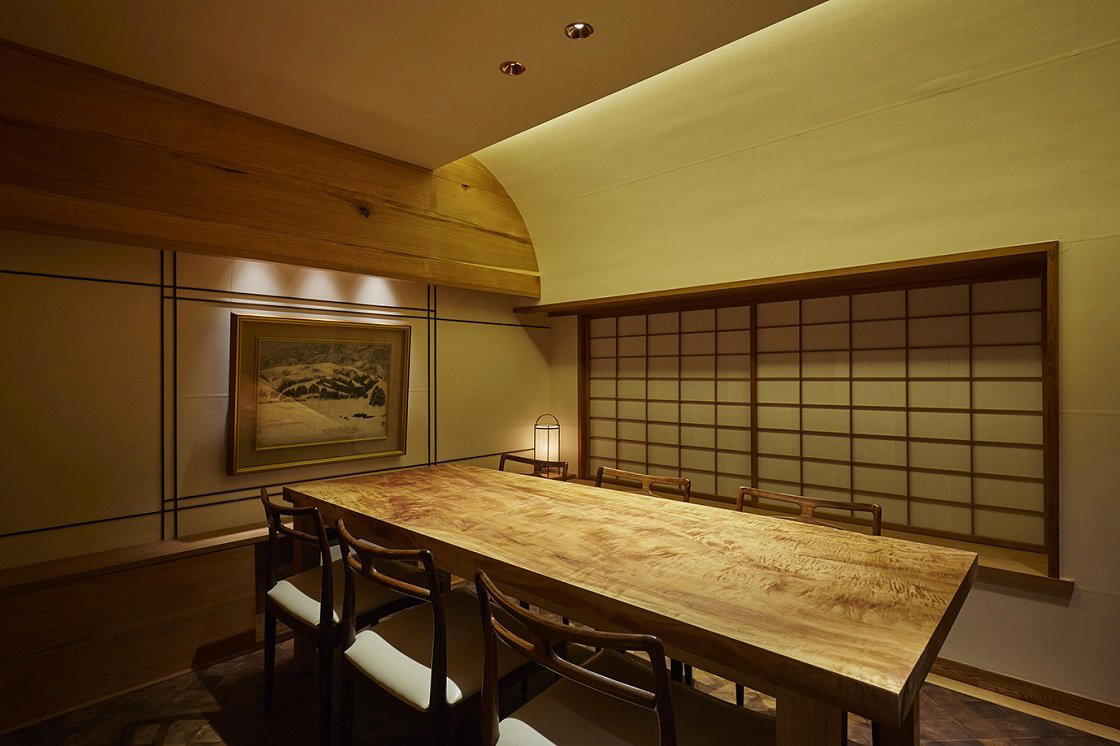
Bars in Wakayama
Browse all →
Hotels in Wakayama
Browse all →
Wineries in Wakayama
Browse all →
At a Glance
- Well Known
- Lively
- Classic
- Solo
- Casual Hangout
- After Work
- Late Night
- Family
- Chefs Counter
- Standalone
- Historic Building
Current opening hours
- Monday
- 11:30 AM–9:30 PM
- Tuesday
- 11:30 AM–9:30 PM
- Wednesday
- 11:30 AM–9:30 PM
- Thursday
- Closed
- Friday
- 11:30 AM–9:30 PM
- Saturday
- 11:30 AM–9:30 PM
- Sunday
- 11:30 AM–9:30 PM
Hours can change for holidays and private events. Last verified .
Compact, no-frills house-like ramen shop with counter and a few tables, bright but simple, often bustling with lines and quick turnover, focused entirely on the bowls of nostalgic Wakayama-style ramen.