
Tabelog 100 #50
Our verdict
400℃ Pizza sits in Okayama’s small but serious Italian dining tier, where Japanese precision has reshaped pizza into a reservation-led counter experience. The 10-seat format, Tabelog Pizza 100 selection in 2025, and Tabelog Award Bronze recognition from 2024 through 2026 place it well beyond casual pizzeria territory, with access shaped as much by format as by appetite.

Pearl is the En Primeur Club membership app — saves, bookings, and concierge access live there. Same editors, same standards.
- Address
- 2F, 2 Chome-2-16 Tondacho, Kita Ward, Okayama, 700-0816, Japan
- Website
- instagram.com
- Directions
- Get directions
The menu
What to order
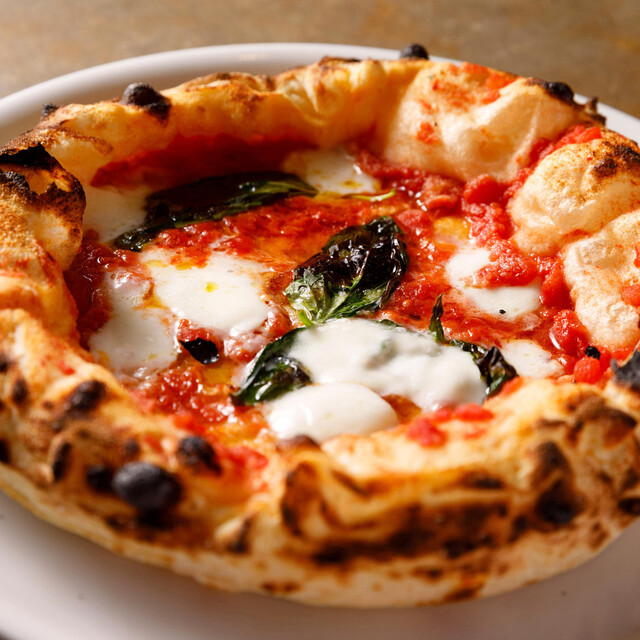
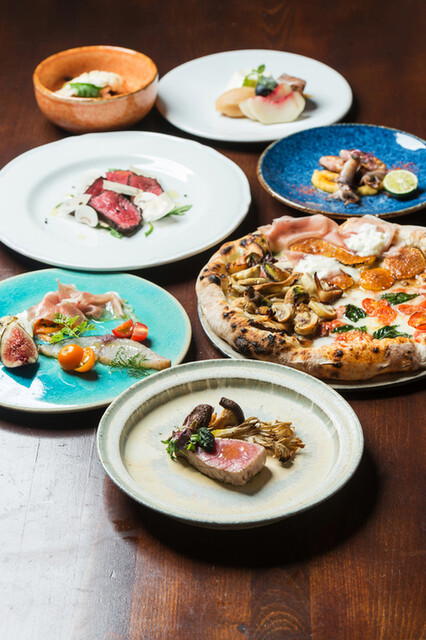
- FNT (blue cheese sauce, mascarpone, honey)
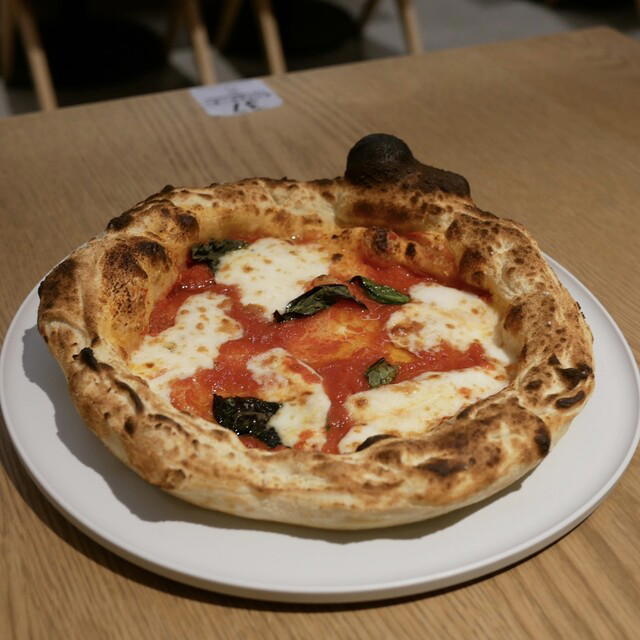
- Margherita
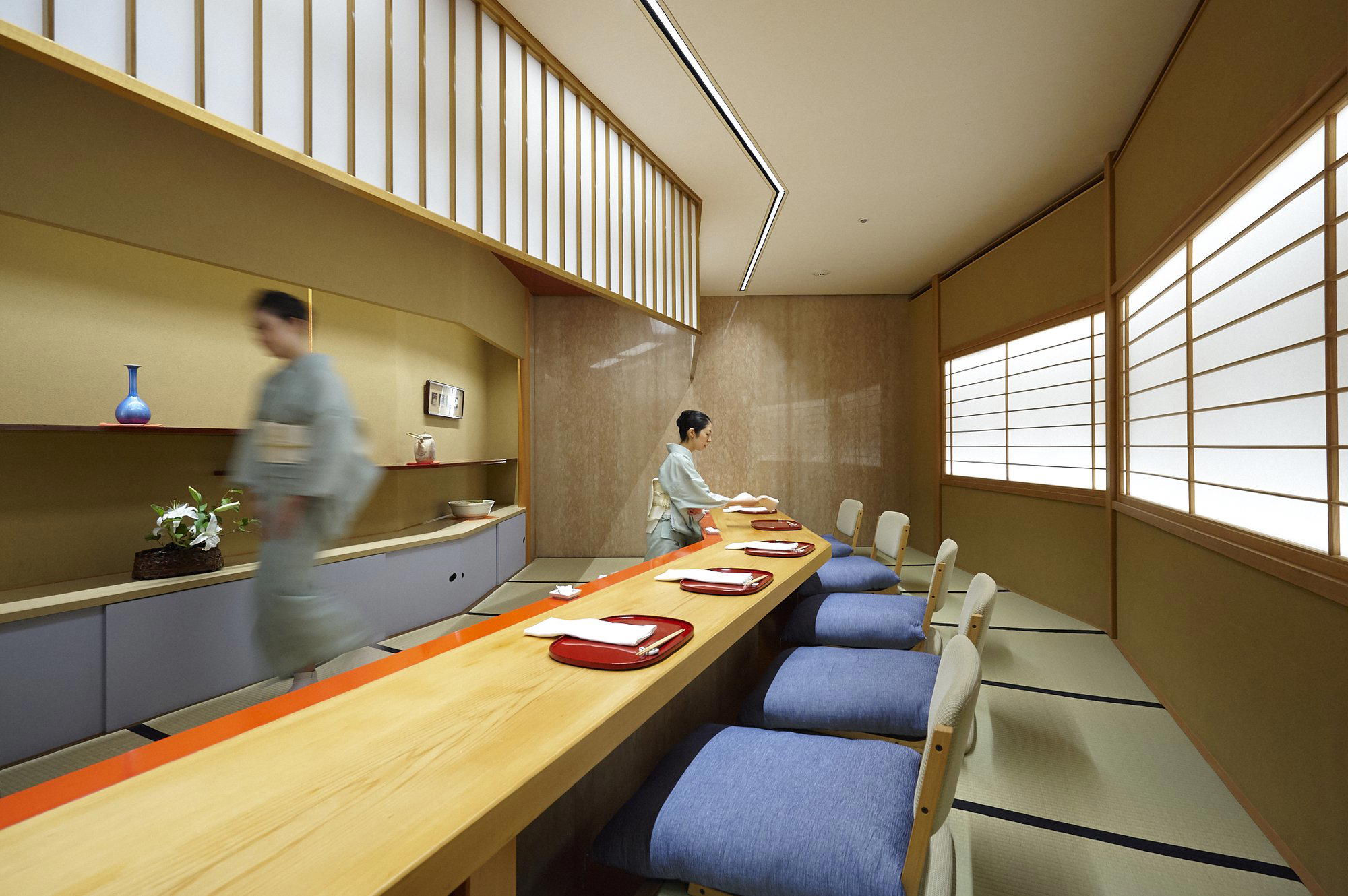
In Japan, the serious pizza counter is often quieter than the category suggests: no trattoria sprawl, big-room clatter, or democratic churn of tables. The room contracts around heat, dough, timing, and a few seats; pizza becomes a controlled performance of fermentation, fire, and pacing rather than a casual staple. In Okayama, that matters because the city’s dining identity is not built on spectacle. It rewards small rooms, repeat custom, and formats that depend on trust before scale.
400℃ Pizza belongs to this narrower Japanese reading of Italian food: not imitation Naples, not global luxury-hotel pizza, but a domestic genre where craft technique is filtered through counter-dining discipline. Its Tabelog score of 4.24, selection for Tabelog Pizza 100 in 2025, and Tabelog Award Bronze recognition in 2024, 2025, and 2026 place it in a national conversation, not a purely local one. The address is best read that way. This is not simply an Okayama pizzeria; it reflects Japan’s broader habit of taking an imported form and compressing it into a small, exacting, reservation-led experience.
Pizza treated with the concentration of counter dining
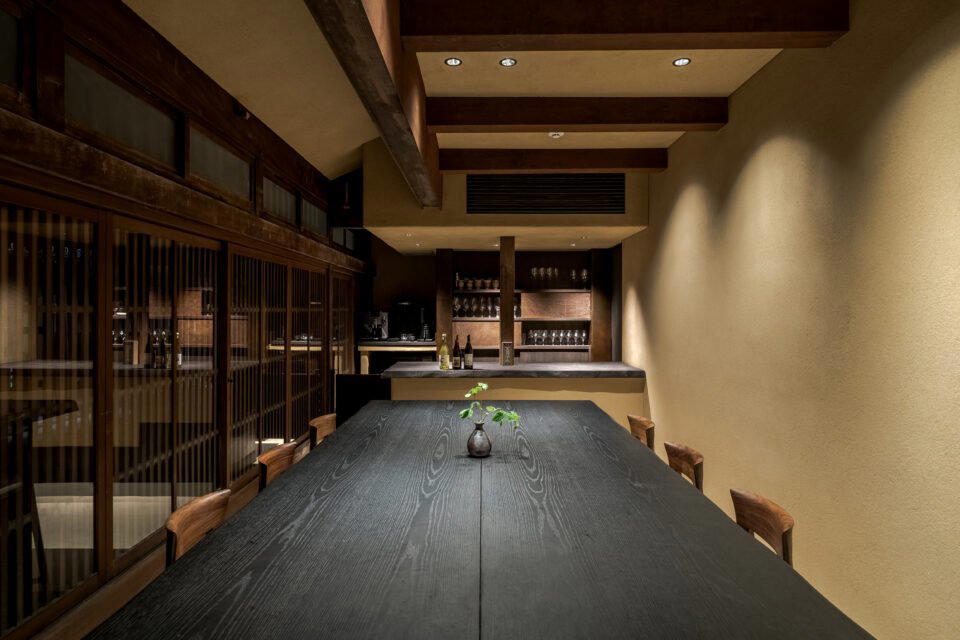
Japan’s serious pizza culture has never been only about authenticity. Neapolitan vocabulary matters, but the local contribution is control: smaller rooms, shorter menus, closer attention to dough condition, and a service rhythm nearer sushi or kappo than family restaurant. In that context, a 10-seat pizza restaurant makes sense. Capacity shapes the meal before the first plate arrives. Fewer seats mean fewer variables, tighter timing, and a sharper relationship between oven management and service cadence.
The price band also signals the experience. Lunch and dinner are listed at JPY 10,000 to JPY 14,999, pushing the restaurant beyond everyday pizza pricing into destination dining. For travelers, the comparison is not a slice shop or casual Italian table, but other small-format Japanese restaurants where limited capacity and craft discipline justify planning around a meal. Okayama has several rooms of similar seriousness, from sushi at Hisada (Sushi) to Chinese-inflected precision at Hasunomi. The common thread is not cuisine but scale: small restaurants using concentration as identity.
That is why the award history matters. Tabelog’s Pizza 100 list is category-specific, placing 400℃ Pizza against pizza specialists across Japan rather than Okayama restaurants alone. The Bronze awards widen the frame, suggesting sustained national attention over consecutive years. In a country where diner scoring and specialist lists strongly influence reservation behavior, those signals matter more than generic acclaim. They show which competitive shelf the restaurant occupies.
Okayama's Italian dining is small, local, and unusually disciplined
Okayama is often read through fruit, seafood, and access to the Seto Inland Sea, but its stronger restaurants are not limited to regional cuisine. The city absorbs outside forms and gives them local scale. Italian cooking appears here less as grand theater than as compact rooms, controlled menus, and regular-driven formats. 400℃ Mori No Machi, Cozzýs, and Duomo make the point: Okayama’s Italian scene is not a single outlier but a cluster of restaurants interpreting the cuisine through Japanese urban dining habits.
The older lesson from Japanese Italian cooking is that fidelity and adaptation are not opposites. Pizza can follow Italian structure while being served in a format shaped by Japanese expectations around reservation order, seating discipline, and craft visibility. The appeal is not novelty, but the tension between a food associated with looseness and a service culture that values control. When it works, the meal feels closer to a specialist counter than a standard pizzeria.
There is a useful travel distinction here. Tokyo and Osaka absorb attention through density: dozens of counters, hotel dining rooms, and international-name restaurants within minutes of one another. Okayama offers a smaller map where individual rooms carry more weight. A restaurant with national pizza recognition in this city changes how a food-focused traveler should read the itinerary. It argues for Okayama as more than a stop between larger destinations, especially when paired with the wider city coverage in Our full Okayama restaurants guide.
How to read the access question
The restaurant’s format is part of the criticism. Reservation-only dining, private-reservation language, and a note that new customer bookings are not accepted create a hard boundary around access. That should not be romanticized. It is a practical limitation, and for many travelers the original room will be more useful as a benchmark than as an easy booking. Related branches change the decision slightly, but the Tondacho address remains the reference point for understanding the reputation.
For planning, the sharper move is to build an Okayama dining strategy rather than chase one locked room. Travelers interested in the city’s small-format restaurants can combine Italian, sushi, and Japanese dining across several nights, with Hasunomi, Hisada, and other local counters giving a clearer picture of how Okayama handles precision-led hospitality. Broader trip planning can sit alongside Our full Okayama hotels guide, Our full Okayama bars guide, Our full Okayama wineries guide, and Our full Okayama experiences guide.
As a cultural signal, 400℃ Pizza is strongest when viewed less as a trophy reservation than as evidence of how far Japan’s pizza culture has moved from imported comfort food. It sits in a lineage of specialist rooms that take familiar cuisines and narrow them until details carry the meal. For readers mapping Japan through food, that instinct appears across categories, from -Grilled beef Sukiyaki- KAMAKURA TANUKIAN 鎌倉 たぬき庵 in Kamakura and. 鮪と炭火焼き うお炭 秋葉原店 in Tokyo to.cafe in Osaka.know in Kumamoto, (Shoku) Vietnam in Kawasaki, and [Curry Senmon Ten] Maruyama Kyoju. in Sapporo. Outside Japan, the EP Club map stretches to focused, category-specific addresses such as Jōdo Saké Bar in Los Angeles and Onigiri Time in Pasadena, but the Okayama lesson is particular: even pizza can become a small-room Japanese craft language when heat, dough, and access are treated with this much restraint.
Frequently asked questions
Where is 400℃ Pizza in Okayama?
400℃ Pizza is located in Okayama.
What's the best way to book 400℃ Pizza?
The venue is listed as by invitation only and available for private reservations only, with no bookings or inquiries accepted from new customers. Its Tabelog record also notes a 10-seat setup in Okayama, which makes access tightly controlled.
What do critics highlight about 400℃ Pizza?
The clearest signal is recognition: Tabelog Pizza "Tabelog 100" 2025 and the Tabelog Award 2026 Bronze winner. Critics also read it through format, since the 10-seat room and invitation-only policy push it closer to counter dining than a casual pizza stop.
What is 400℃ Pizza known for?
400℃ Pizza is primarily known for its core concept and execution in Okayama.
Booking and Cost Snapshot
Nearby venues at a similar price tier for orientation.
| Venue | Cuisine | Price | Awards | Notes |
|---|---|---|---|---|
| 400℃ PizzaThis venue — the venue you are viewing | Neapolitan Pizza | $30–50 | Tabelog 100 #50 | Not listed |
| カラパン | 岡山食材の独創イタリアン | $30–50 | Not listed | 表町, 岡山食材の独創イタリアン |
| 400℃ Mori No Machi | Neapolitan Pizza | $20–30 | Tabelog 100 #94 | Kita-ku, Neapolitan Pizza |
| 鮨 ç¸ | Traditional Okayama Kibi Dango | Not listed | Not listed | Okayama City, Traditional Okayama Kibi Dango |
| VIA PACE | Seasonal Italian Trattoria | $30–50 | Tabelog 100 #84 | Kita-ku, Heiwacho, Okayama, Seasonal Italian Trattoria |
| Waraku | Traditional Japanese Cuisine | Not listed | Not listed | Kenchodori, Traditional Japanese Cuisine |
Recognition history
Dated appearances from independent guides and award organizations, with the underlying list record or original source where available.
Tabelog 100 #50 · No. 50
Tabelog · Tabelog 100 - Pizza - 2025
Details
- Trendy
- Modern
- Cozy
- Casual Hangout
- Date Night
- Open Kitchen
- A La Carte
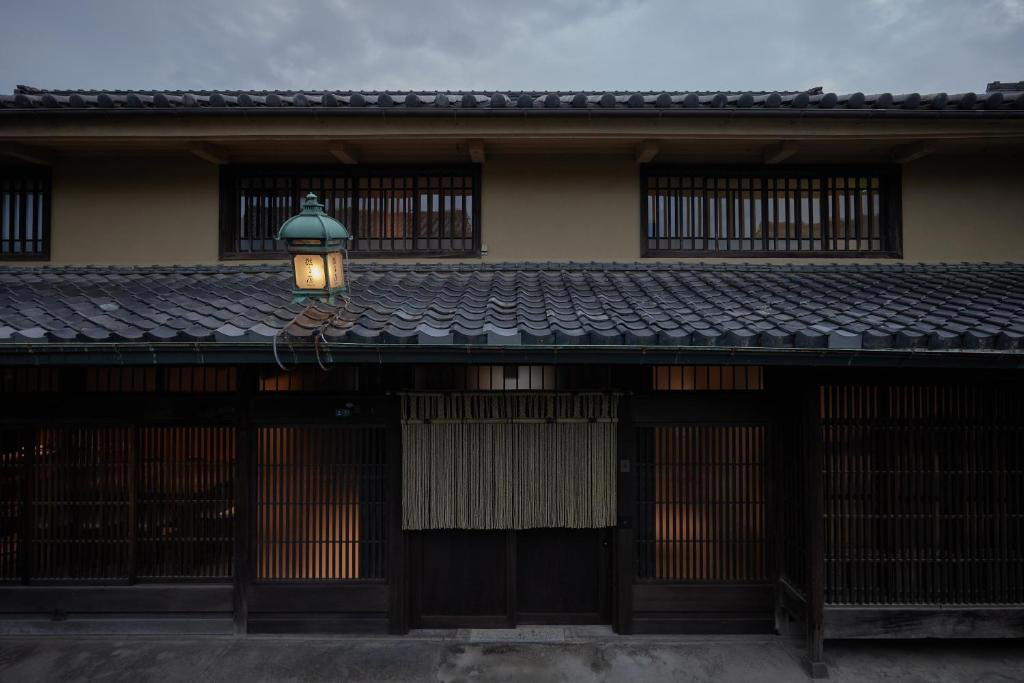
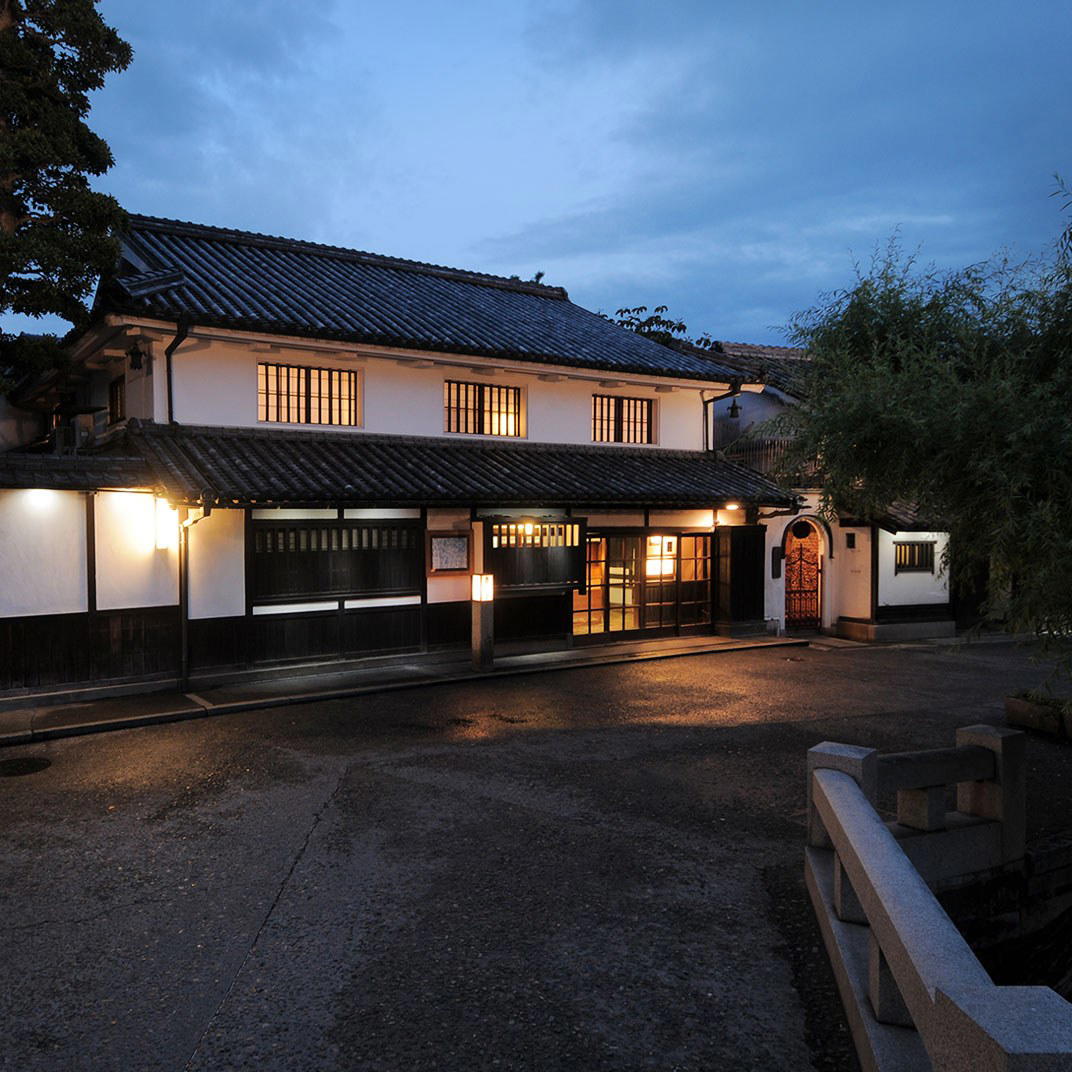
Casual modern pizzeria with focus on high-quality pizza craftsmanship.