
Michelin Selected
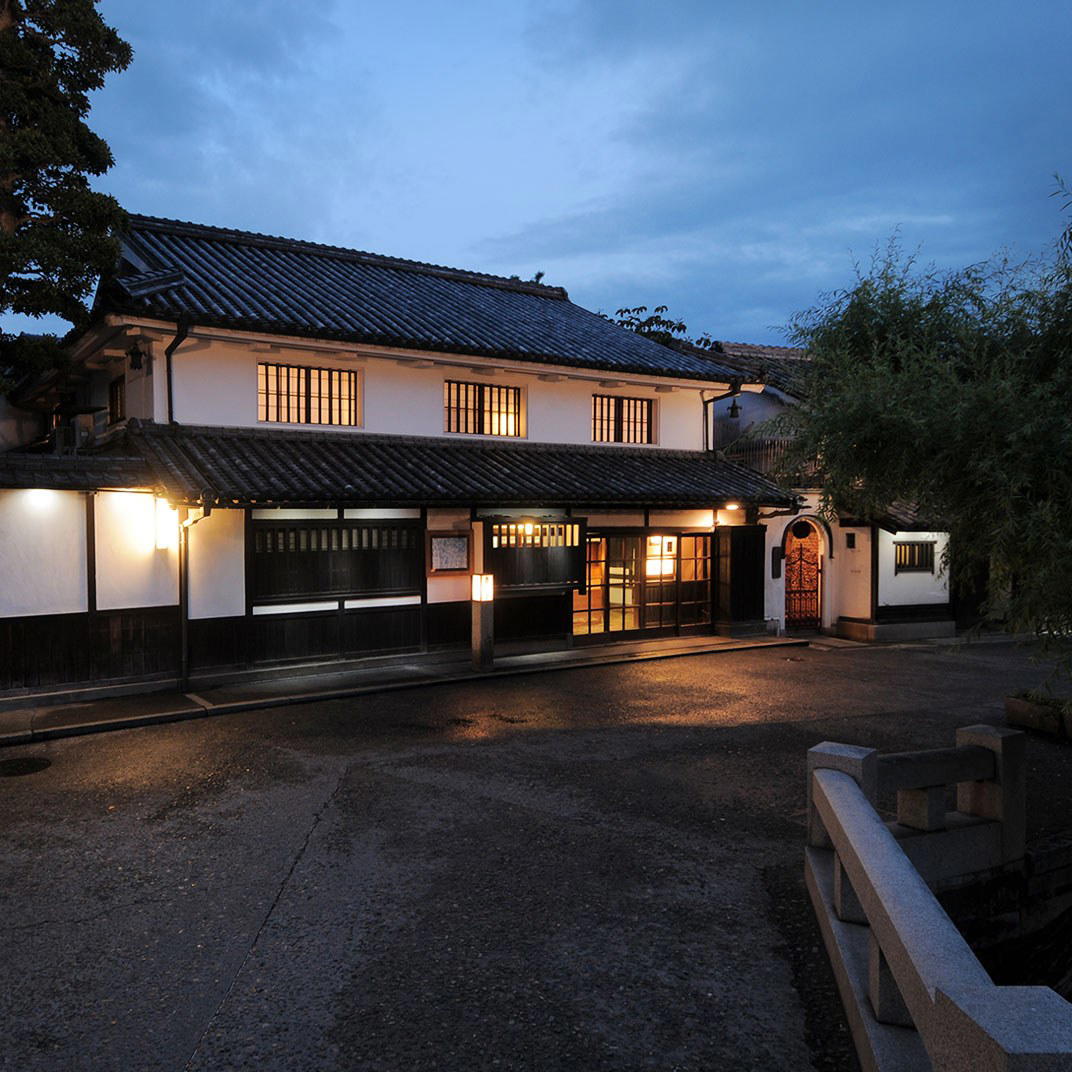
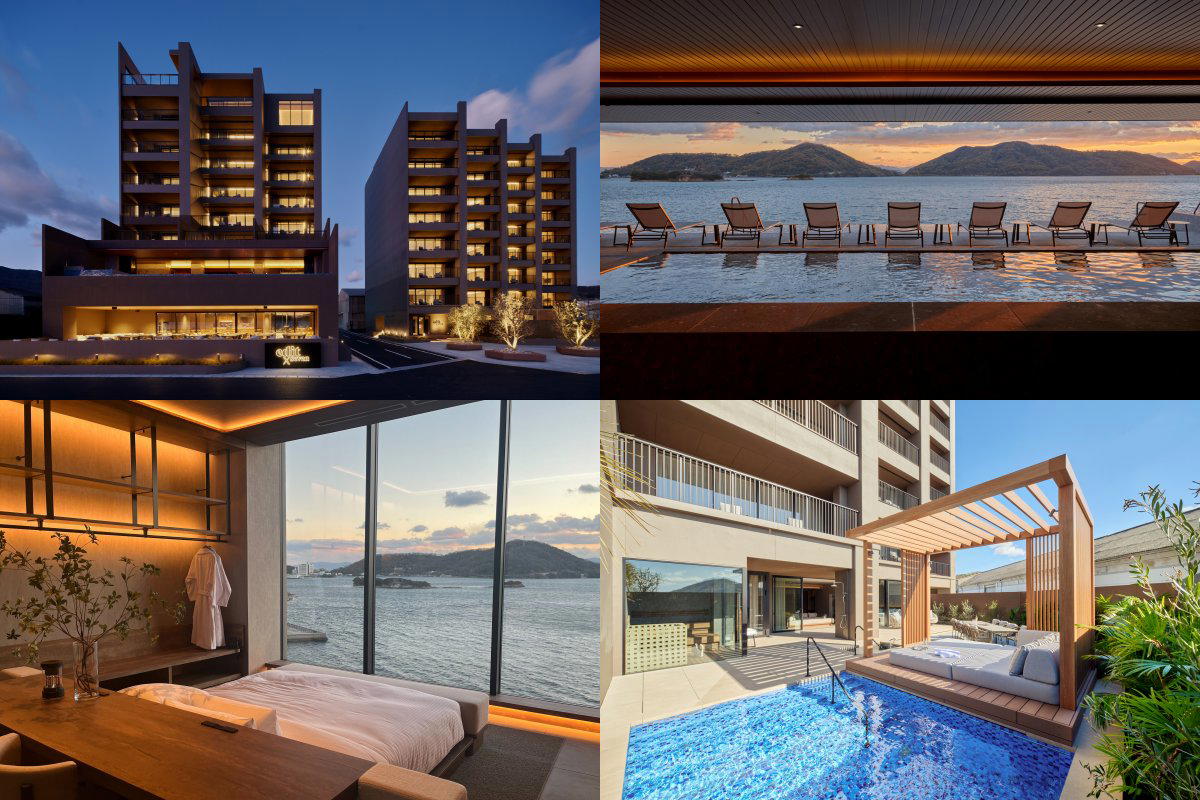
Michelin Selected for 2025, Uno Hotel occupies a low-key address in Tamano, Okayama Prefecture, where the Seto Inland Sea sets the visual and culinary register. The property sits within reach of Naoshima's art island circuit and represents the quieter, design-attentive end of Japan's regional accommodation spectrum. For travellers routing through the Setouchi area, it offers a grounded alternative to the larger resort formats further along the coast.

Pearl is the En Primeur Club membership app — saves, bookings, and concierge access live there. Same editors, same standards.
- Address
- 1 Chome-1-12 Chikko, Tamano, Okayama 706-0002, Japan
- Phone
- +81 863-33-1172
- Website
- uno-hotel.com
- Directions
- Get directions
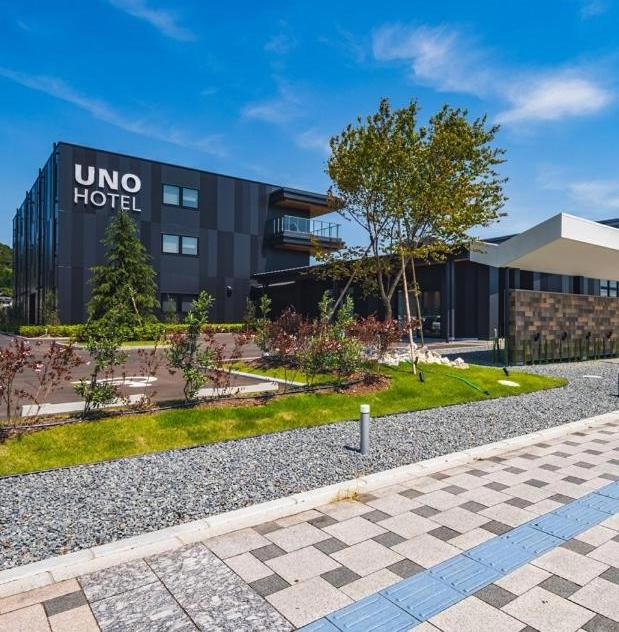
Where the Seto Inland Sea Meets Considered Design
Tamano occupies a particular position in western Japan's travel geography: close enough to Okayama city to be accessible, yet oriented so firmly toward the water that the Seto Inland Sea functions less as a backdrop and more as the property's primary reference point. Arriving at Uno Hotel's address on Chikko, the harbour-adjacent district of Tamano, the context becomes immediately clear. This is a port town with ferry links to Naoshima — Japan's most discussed art island — and the hotel's placement here is less coincidence than alignment with a broader shift in how premium travellers approach the Setouchi region.
Japan's regional accommodation market has reorganised significantly over the past decade. The dominant pattern for decades was the grand onsen ryokan, drawing guests to mountain valleys or coastal hot spring towns. What has emerged alongside it is a smaller, more architecturally deliberate tier of properties, often in overlooked urban or harbour-edge locations, that treat design and local specificity as their primary distinctions rather than spa scale or dining theatre. Uno Hotel sits within that second current.
The Architecture of Restraint
Japanese design culture has long held that the quality of a space is measured as much by what is withheld as what is included. The most referenced reference point for this sensibility is the concept of ma, negative space treated as an active compositional element rather than absence. Properties selected by the Michelin hotel guide in Japan are assessed across a range of criteria, but design coherence and atmosphere consistently carry weight alongside hospitality quality.
What distinguishes the harbour-facing properties in Japan's Setouchi corridor from comparable international coastal hotels is the relationship to scale. Where European or Southeast Asian coastal luxury frequently expresses itself through grandeur, expansive lobbies, high ceilings, maximalist amenity lists, the design language common to this region works in the opposite direction. Rooms and communal spaces tend toward considered proportion, with materials chosen for their local resonance: timber, stone, and textile combinations that reference the surrounding prefecture rather than importing a generic luxury aesthetic. Uno Hotel operates within this tradition.
The Naoshima effect has been well documented in design and travel media since the Benesse Art Site's expansion through the 1990s and 2000s. Benesse House in Naoshima, part hotel, part permanent art installation, established a template for the region: architecture and art as inseparable, accommodation as experience rather than logistics. Uno Hotel, positioned at the Uno port ferry terminal end of the route, occupies the mainland counterpart to that island sensibility. For guests routing to Naoshima via the short ferry crossing from Uno port, the hotel functions as both starting point and re-entry, a considered stay on either side of the island visit.
Positioning Within Japan's Broader Design Hotel Spectrum
The Michelin hotel guide's 2025 selections across Japan reveal a clear editorial preference: properties with a strong sense of place earn consideration ahead of those relying on brand recognition alone. This is the framework within which Uno Hotel competes. Its Michelin Selected status groups it with properties that include some of Japan's most architecturally serious ryokan and boutique hotels, among them Gora Kadan in Hakone, Zaborin in Kutchan, and Asaba in Izu. These are not large-footprint resort operations; they are properties where the physical environment carries the weight of the guest experience.
Further along the Setouchi coast, Sekitei in Hatsukaichi-shi represents a comparable positioning: a Michelin-recognised property in a non-obvious location that rewards guests willing to travel toward specificity rather than convenience. The same logic applies to Kamenoi Besso in Yufu and Nishimuraya Honkan in Kinosaki-cho, regionally anchored properties where the surrounding town or landscape is inseparable from the experience of the stay.
For travellers whose Japan itinerary extends across multiple regions, the contrast with Tokyo's urban luxury properties is instructive. Bvlgari Hotel Tokyo and HOTEL THE MITSUI KYOTO in Kyoto operate at the high-international end of the spectrum, where brand pedigree and city-centre addresses are the primary proposition. Uno Hotel sits at the opposite pole: smaller, quieter, and purposefully placed in a geography that requires the guest to seek it out.
Planning a Stay: Practical Considerations
Tamano is reachable by train from Okayama Station via the Uno Line, with Uno Station adjacent to the port. The ferry crossing to Naoshima from Uno port takes approximately twenty minutes, making it a practical base for visits to the Benesse Art Site, Chichu Art Museum, and the island's collection of Tadao Ando-designed spaces. The Setouchi Triennale, held in the islands of the Seto Inland Sea, operates on a three-year cycle and draws significant visitor volumes; booking accommodation in Tamano well in advance for Triennale years is advisable.
Those building a broader Setouchi or western Japan circuit might consider sequencing Tamano alongside visits to properties in adjacent prefectures. Fufu Kawaguchiko in Fujikawaguchiko and Fufu Nikko in Nikko represent the same design-attentive, Michelin-recognised tier in different regional contexts. For travellers interested in the quieter end of Japan's island geography, Jusandi in Ishigaki and GOTO RETREAT by Onko Chishin in Goto extend similar logic to the southwest archipelago. EP Club's full Tamano guide covers the surrounding area in greater depth.
Given the property's small-format positioning within the Michelin Selected tier, room counts are likely limited and advance planning is sensible, particularly for travel aligned with Naoshima's peak visiting seasons in spring and autumn.
Comparison Snapshot
| Venue | Price | Awards |
|---|---|---|
| Uno HotelThis venue — the venue you are viewing | $100–200 | Michelin Selected |
| Bvlgari Hotel Tokyo | Not listed | 3 Michelin Keys · World's 50 Best #24 |
| Aman Kyoto | Not listed | 2 Michelin Keys · World's 50 Best #74 |
| Aman Tokyo | Not listed | 2 Michelin Keys · World's 50 Best #11 |
| Palace Hotel Tokyo | Not listed | 3 Michelin Keys · World's 50 Best #73 |
| Amanemu | Not listed | 3 Michelin Keys · La Liste Top Hotels |
Recognition history
Dated appearances from independent guides and award organizations, with the underlying list record or original source where available.
Michelin Selected
Michelin

Details
- Modern
- Quiet
- Cozy
- Romantic Getaway
- Weekend Escape
- Waterfront
- Wi Fi
- Spa
- Restaurant
- Room Service
- Waterfront
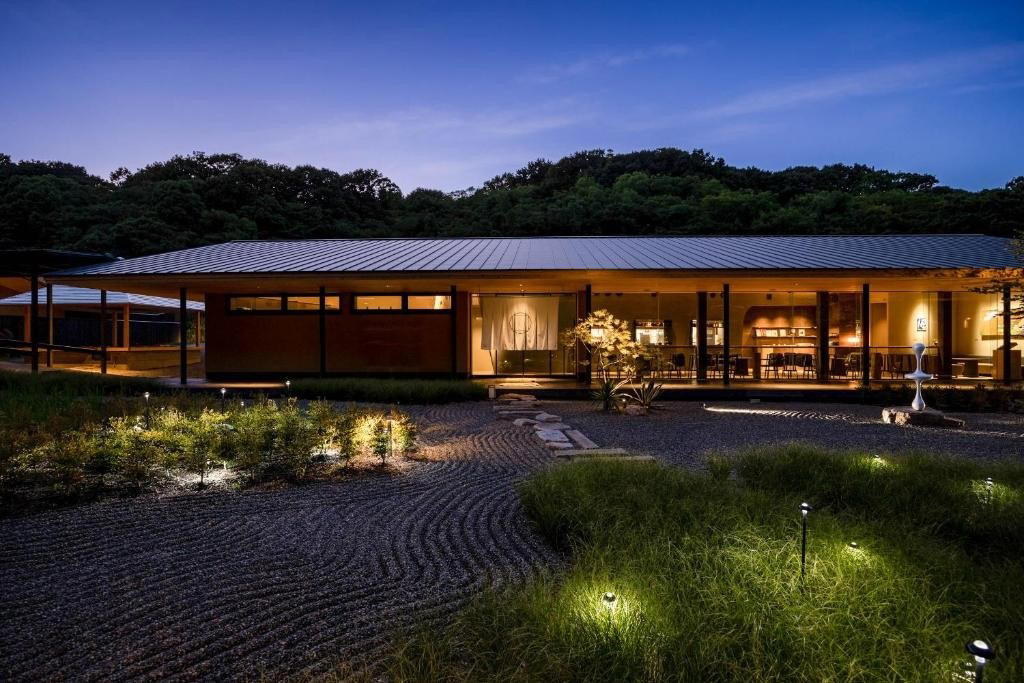
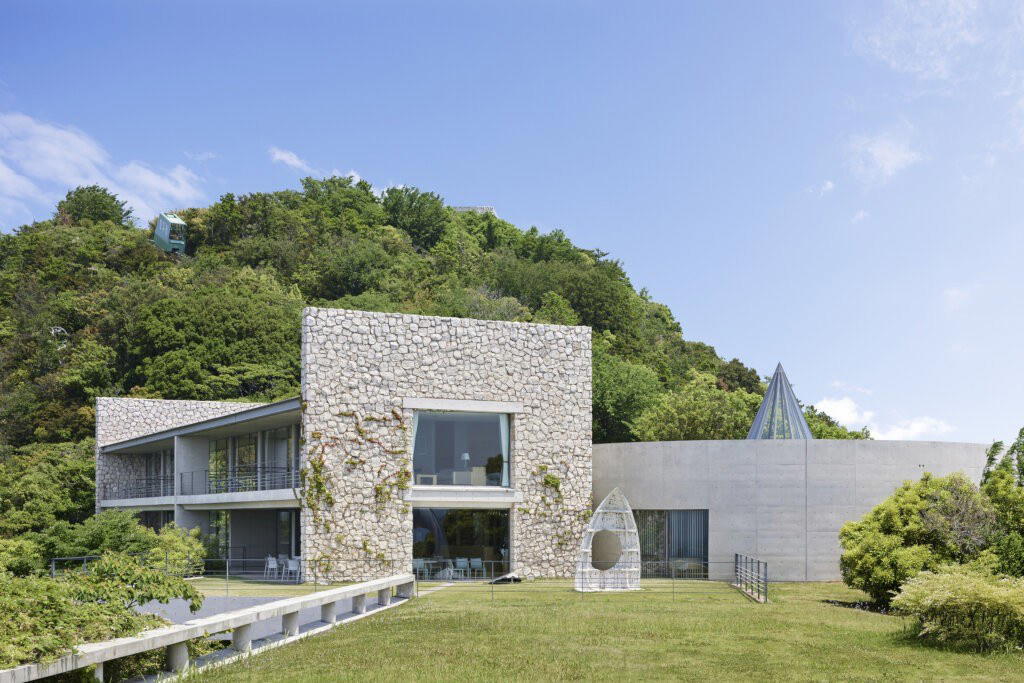
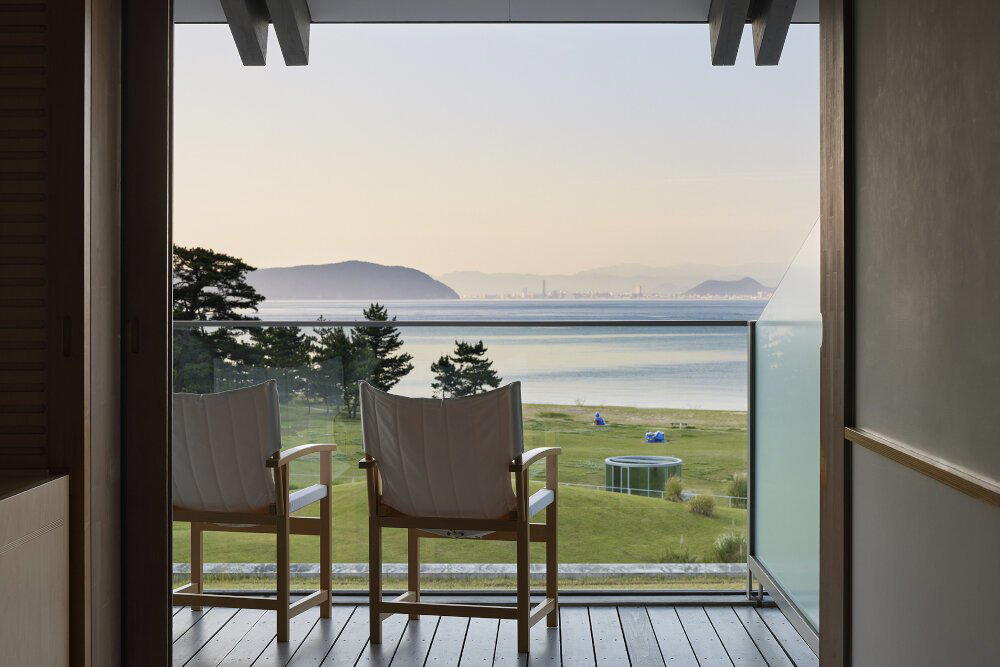
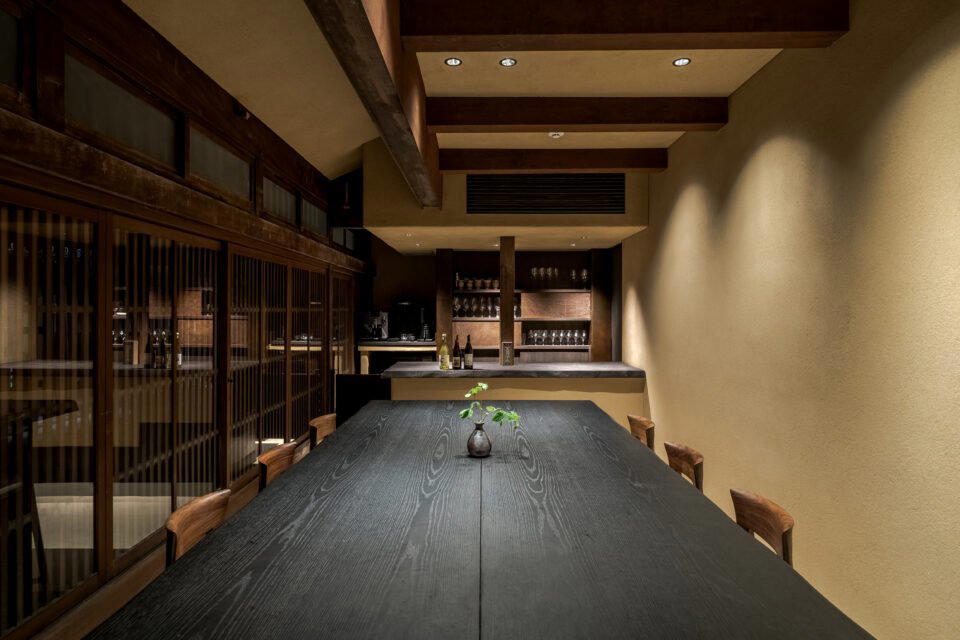
Faultlessly tranquil atmosphere with modern design infused with Japanese charm, featuring ocean views and relaxing balconies.