
Hisada places Akaiwa sushi in a serious western Japan conversation: a 10-seat counter, private-booking format, Setouchi fish emphasis, and repeated Tabelog Award recognition through 2026. The appeal is not urban spectacle but regional precision, with a high-price sushi format built around sourcing, counter discipline, and a house-restaurant setting in Okayama.
Pearl is the En Primeur Club membership app — saves, bookings, and concierge access live there. Same editors, same standards.
- Address
- Japan, 〒709-0802 Okayama, Akaiwa, Sakuragaokanishi, 9 Chome−1−4
- Phone
- +81 86-955-8585
- Website
- tabelog.com
- Directions
- Get directions
 Saves & bookings on Pearl
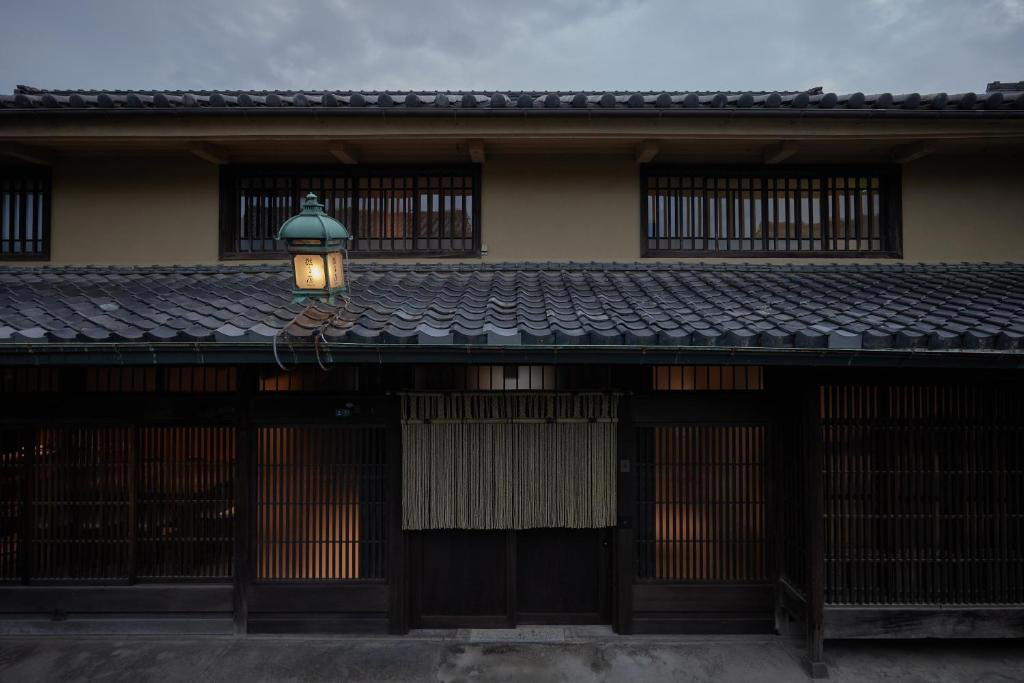
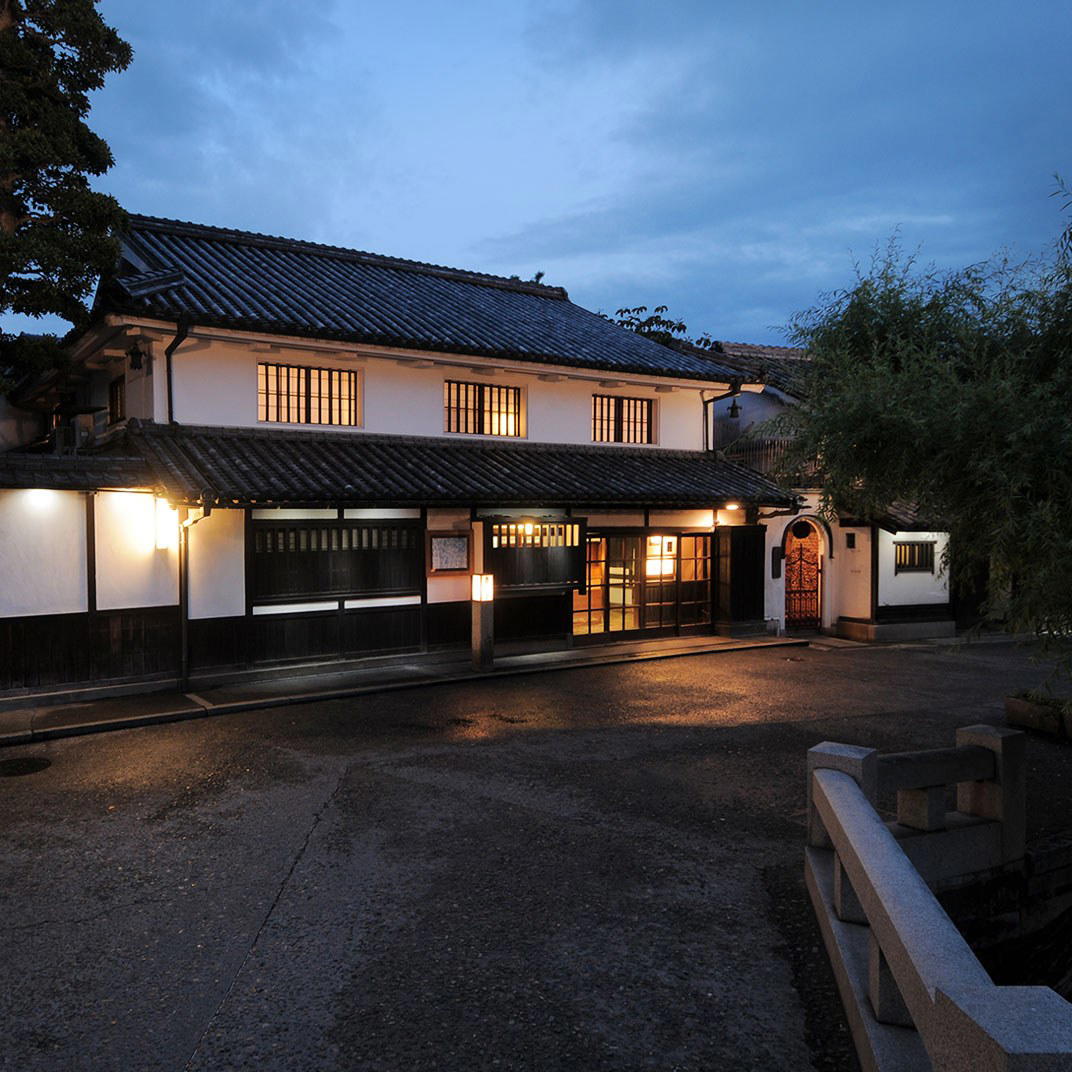
Approaching a house restaurant in Akaiwa changes the terms of a sushi meal before the first course appears. The usual city signals, tower lobby, Ginza corridor, hotel dining room, fall away; what remains is a small counter format where the room, the pace, and the sourcing carry the argument. In Okayama, that matters. The Setouchi inland sea has long supplied a different register of fish from Tokyo’s market-driven sushi culture: calmer waters, strong regional identity, and a dining tradition that rewards attention to season and origin rather than theatrical luxury.
Hisada belongs to that smaller Japanese category where the counter is not simply a seating plan but the entire operating system. The format is 10 counter seats, private bookings only, with lunch and dinner courses built around appetizers and sushi. That scale puts pressure on every choice: procurement, rice temperature, pacing, and the rhythm between guests and the counter. It also places the restaurant closer to destination sushi than neighborhood dining, even though the physical setting remains residential rather than metropolitan.
Setouchi fish gives Akaiwa sushi its point of difference
Western Japan sushi is often flattened in travel planning into a secondary category behind Tokyo, but the better way to read it is through supply. Setouchi fish, especially when handled by counters that make sourcing a central premise, shifts the meal away from the familiar capital-city hierarchy of famous tuna cuts and luxury shorthand. Tabelog’s description of Sushi Dokoro Hisada points directly to seasonal local fish from Setouchi, and that detail is the useful lens: this is sushi as regional interpretation, not sushi as imported prestige.
The recognition supports that reading without needing to overstate it. Hisada holds The Tabelog Award 2026 Silver with a listed score of 4.43, following Silver recognition in 2025 and earlier Silver and Bronze results across multiple years. It was also selected for Tabelog Sushi WEST “Tabelog 100” in 2025, 2022, and 2021. In Japan’s restaurant culture, where user consensus and specialist attention can matter as much as international guidebooks, that pattern signals sustained relevance rather than a single-year spike.
The price band also clarifies the competitive set. Both lunch and dinner sit at JPY 40,000 to JPY 49,999, which is not casual regional dining; it is serious counter sushi priced for diners comparing it with other high-recognition sushi rooms across western Japan. In the local frame, that is a sharp contrast with broader out-of-metro options such as Cozzýs at JPY 1,000 to JPY 1,999, or Teppan Cuisine Nagao at JPY 15,000 to JPY 19,999 for dinner. The point is not that one category replaces another. It is that Akaiwa contains a rarefied sushi address whose economics belong to a different tier of decision-making.
A counter format with strict rules and little softness around logistics
Experience is deliberately narrow. Payment is cash only, credit cards and electronic payments are not accepted, and cancellations must be made at least four days in advance or the full meal charge applies. The room is non-smoking, private rooms are unavailable, and the counter format means the meal is not built for partial participation. Guests are also asked to refrain from perfume and photography, two rules that reveal how the restaurant thinks about the room: aroma and attention are part of the shared counter environment.
Those policies will feel familiar to diners who follow serious Japanese sushi, but they matter more outside major tourist centers because there is less fallback infrastructure around the meal. The listed transport note places the restaurant 15 to 20 minutes by taxi from Seto Station on the JR Sanyo Main Line, and parking is available. That combination makes planning simpler for domestic travelers by car and less casual for visitors moving by rail. The lack of a conventional public-facing booking apparatus adds another layer: this is not a venue to fold loosely into a same-day itinerary.
Drinks are listed in the expected Japanese register: sake, shochu, and wine. The food note, “particular about fish,” is plain but revealing when paired with the Setouchi sourcing angle and the course structure. This is not a place where a broad à la carte menu dilutes the counter’s point of view. The meal’s logic is set before arrival, and the diner’s job is to accept the sequence rather than assemble a personal survey.
Where it sits in an Akaiwa itinerary
Akaiwa is not a city that asks to be read like Osaka or Tokyo. Its dining interest comes from distance, specificity, and the way serious rooms can operate outside a dense restaurant district. For a wider view of the city’s food context, see Our full Akaiwa restaurants guide; for trip structure around the meal, the broader city rails include Our full Akaiwa hotels guide, Our full Akaiwa bars guide, Our full Akaiwa wineries guide, and Our full Akaiwa experiences guide.
Readers mapping Japanese dining across regions can use contrast productively. A beef-focused meal such as -Grilled beef Sukiyaki- KAMAKURA TANUKIAN 鎌倉 たぬき庵 in Kamakura, a Tokyo charcoal-and-tuna format like . 鮪と炭火焼き うお炭 秋葉原店 in Tokyo, or Osaka café culture at .cafe in Osaka all solve different dining problems. So do .know in Kumamoto, (Shoku) Vietnam in Kawasaki, [Curry Senmon Ten] Maruyama Kyoju. in Sapporo, and [ki:] in Kyoto. Hisada’s case is narrower: a destination sushi counter whose credibility rests on regional fish, limited seating, and repeat recognition.
For travelers building a wider Japan file, other reference points include #肉といえば松田 奈良本店 in Kashihara, 1/3 HAMBURGER FACTORY in Kanazawa, 1000 in Yokohama, and 1000mヒュッテ 1000m Hut in Kutchan. Outside Japan, Jōdo Saké Bar in Los Angeles and Onigiri Time in Pasadena show how Japanese formats translate abroad; Akaiwa’s counter sushi logic is more exacting, less portable, and tied to place.
In Context: Similar Options
Comparable venues by cuisine and price in the same metro.
| Venue | Cuisine | Price | Notes |
|---|---|---|---|
| HisadaThis venue — the venue you are viewing | Modern Japanese Omakase | $$$$ | Not listed |
| Issen at Benesse House | Traditional Japanese Kaiseki | $$$$ | Naoshima-cho |
| ゑび秀 | Traditional Kyoto Oden Omakase | $$$$ | Higashiyama |
| きよ田 離れ | Edomae Sushi Omakase | $$$$ | Ginza |
| さえ㐂 | Traditional Edomae Sushi Omakase | $$$$ | Nakagyo Ward |
| Bohemian Nishiazabu | Secret seasonal Japanese robata omakase | $$$$ | Nishiazabu |
Recognition history
Dated appearances from independent guides and award organizations, with the underlying list record or original source where available.
Tabelog Silver #38
Tabelog
Tabelog 100 #91 · No. 91
Tabelog · Tabelog 100 - Sushi - WEST - 2025
Tabelog Silver
Tabelog
At a Glance
- Quiet
- Intimate
- Elegant
- Special Occasion
- Chefs Counter
- Sake Program
- Local Sourcing
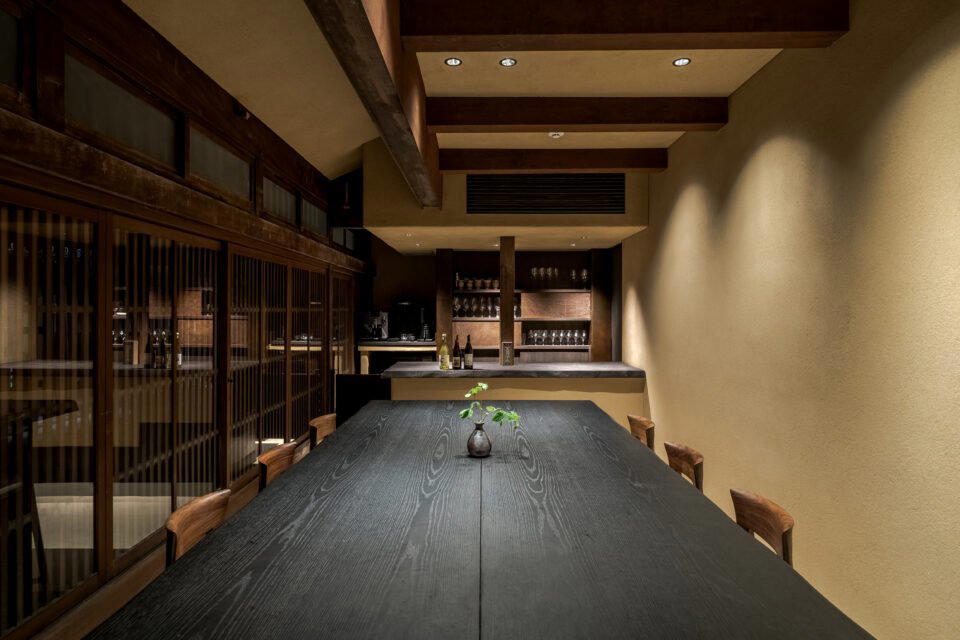
Quiet, personal service in simple warm lighting with intimate counter seating emphasizing the food.