Our verdict
Sajiro Caffe sits in Karuizawa's quieter northern reaches, where the resort town's long-standing culture of slow, considered leisure shapes the pace of any meal. Part of a local dining scene that ranges from artisan bakeries to innovative tasting menus, it offers a stopping point suited to the town's rhythm of forest walks, gallery visits, and unhurried afternoons.

Pearl is the En Primeur Club membership app, where members save venues, book tables and use the concierge.
The menu
What to order
- Butter chicken
- Dhal
- Chicken curry
- Naan
Karuizawa's Café Culture and Where Sajiro Fits
Karuizawa has operated as Tokyo's mountain release valve for well over a century. The Nagano plateau town, roughly seventy minutes from Tokyo by shinkansen, built its reputation on cool summers, birch forests, and the kind of deliberate slowness that the capital rarely allows. That cultural inheritance shapes how people eat here. A café in Karuizawa is rarely a quick transaction; it functions as an extension of the walk, the gallery visit, or the late morning on a ryokan veranda. Sajiro Caffe, addressed to the 389-0111 postal district of Kitasaku-gun, sits within that tradition.
The town's dining offer has stratified considerably over the past decade. At one end, places like Restaurant Naz (Innovative) pursue a more formal, creative approach to seasonal ingredients from the surrounding Shinshu region. At the other end, the café tier serves a visitor base that arrives by bicycle or on foot and wants quality without ceremony. Sajiro Caffe belongs to this latter register, positioned in a neighbourhood where pine-scented air and forest proximity are as much a part of the experience as anything on the menu.
The Place as Context
What makes a Karuizawa café address meaningful is less about the postcode and more about what surrounds it. The 389-0111 zone takes in a stretch of the town where development has remained lower-density than the commercial core near Karuizawa Station and the Harunire Terrace cluster, where Bakery and Restaurant Sawamura draws consistent queues from visitors who treat its bread as a souvenir. Away from that concentration, cafés operate in a different register: smaller, quieter, oriented toward locals and return visitors rather than the day-trip crowd.
This matters for how you approach Sajiro Caffe. Karuizawa's resort geography means that proximity to the right stretch of forest or cycling path can outweigh proximity to the station. Visitors who base themselves in the quieter northern areas often find that their café choices become as much about setting as about menu, and a venue in Kitasaku-gun is working with that expectation from the outset.
For a broader map of where Sajiro Caffe sits within the town's food options, the full Karuizawa restaurants guide covers the range from soba specialists to contemporary tasting counter formats.
The comparison that matters for a café in this town is not with fine-dining addresses in Tokyo or Kyoto. Those operate under entirely different conditions of ambition, price, and format. Harutaka in Tokyo and Gion Sasaki in Kyoto represent a level of formal gastronomy where seasonal Michelin-calibre tasting menus drive every decision. HAJIME in Osaka and akordu in Nara similarly occupy a tier where ingredient sourcing and chef pedigree are the primary editorial story.
Sajiro Caffe operates in a different conversation entirely. En Boca and Kawakami-an represent adjacent options in the town, each with their own distinct approach to the Karuizawa pace.
Elsewhere in Japan, the equivalent register appears in very different regional contexts. Goh in Fukuoka holds Michelin recognition and operates at a formality level that no Karuizawa café aspires to match. The point is not equivalence but contrast: understanding where Sajiro Caffe sits requires knowing what it is not, as much as what it is.
What the Address Tells You About the Experience
Japan's resort-town café culture has been well-documented in domestic travel writing, and Karuizawa sits near the best of that genre. The town's elevation (roughly 1,000 metres above sea level) keeps summer temperatures cool when Tokyo reaches its most oppressive, and that seasonal pull brings a particular kind of visitor: one who has planned the trip, who values quiet over stimulation, and who tends to seek out cafés with some design attention rather than the nearest chain option.
A café operating in Kitasaku-gun is working with an audience shaped by those preferences. The seasonal window matters too: Karuizawa's peak traffic runs from late June through August, with a secondary surge during the autumn foliage period in October. Visiting outside those windows typically means more space, quieter service, and a pace that matches the empty forest paths rather than a crowded cycling circuit.
For comparison points in other Japanese regional settings with a similar café-adjacent dining culture, 湖畔荘 in Takashima and 羽根屋 in Nishikawa Machi reflect how rural Honshu towns build their hospitality character around natural surroundings. Internationally, the contrast with a technically ambitious urban counter like Le Bernardin in New York City or the Korean-inflected precision of Atomix in New York City underlines how fundamentally different the Karuizawa café proposition is: not lesser, but differently intentioned.
Planning Your Visit
Most independent cafés in the area operate seasonally or with reduced hours outside the summer and autumn peaks, so confirming opening before visiting, particularly on weekday mornings in spring or winter, is advisable. The Kitasaku-gun address places the venue outside the central walking zone from Karuizawa Station, meaning a bicycle rental (widely available near the station) or a car makes access considerably more direct. Walk-in is the standard format for Karuizawa cafés at this level; reservations, where possible at all, are rarely required outside peak August weekends.
Other regionally rooted options worth considering alongside Sajiro Caffe include Bistro Ange in Toyohashi and Birdland in Sakai for a sense of how Japan's smaller-city dining scenes operate at different registers. Closer to Nagano's broader culinary geography, 一本木前川制 in Nanao and 古代仙乃 in Sapporo reflect how regional Japan builds dining identity around local ingredients and unhurried formats.
Frequently asked questions
Where is Sajiro Caffe located?
Sajiro Caffe is located at 北佐久郡軽井沢町, 長野県, 389-0111, Karuizawa.
Is Sajiro Caffe worth visiting as a day trip from Tokyo?
Karuizawa sits roughly seventy minutes from Tokyo on the Hokuriku Shinkansen, making it one of the most accessible mountain retreats from the capital. Sajiro Caffe's location in the 389-0111 zone places it within the broader Karuizawa resort corridor that Tokyo residents have used as a weekend destination for over a century. For travellers already planning a Karuizawa stop, adding a café visit requires no significant detour.
What's the must-try dish at Sajiro Caffe?
Specific menu details for Sajiro Caffe have not been confirmed through verified public sources. For a café in Karuizawa's 389-0111 zone, the sensible approach is to arrive without a fixed agenda and order based on what's seasonal, the town's elevation and cool climate shape what local suppliers bring in. Check the counter or any posted board when you arrive.
What's the best way to book Sajiro Caffe?
No confirmed booking method or reservation system for Sajiro Caffe is documented at this time. Karuizawa cafés at this address level typically operate on a walk-in basis, particularly outside peak summer and autumn foliage weekends. Arriving before the late-morning rush gives you the best chance of securing a seat without a wait.
What's the signature at Sajiro Caffe?
What defines cafés in this part of Karuizawa more broadly is the combination of local Nagano produce and a slower pace than Tokyo equivalents, the town has attracted that kind of operator for decades. The address in the 389-0111 postcode places it within a stretch known for independent, rather than chain, café culture.
Is Sajiro Caffe allergy-friendly?
Japan's café sector varies widely on allergen labelling, and smaller independent operators in resort towns like Karuizawa may have limited flexibility with substitutions. If allergen information is a requirement, contacting the venue directly before visiting is the only reliable approach.
The Essentials
Comparable venues nearby, for context on price, style, and recognition.
| Venue | Cuisine | Price | Awards | Notes |
|---|---|---|---|---|
| Sajiro CaffeThis venue (the venue you are viewing) | Nepalese-Indian Curry Cafe | $10–20 | Not listed | Not listed |
| Kawakami-an | Authentic Shinshu Soba & Duck Specialties | $20–30 | Not listed | Karuizawa Ginza, Authentic Shinshu Soba & Duck Specialties |
| il sogno (イル・ソーニョ) | 軽井沢野菜のイタリアントラットリア | $30–50 | Not listed | 星野エリア (Hoshino Area), 軽井沢野菜のイタリアントラットリア |
| Sonmin Shokudo (村民食堂) | Shinshu Regional Japanese | $20–30 | Not listed | Hoshino Area, Shinshu Regional Japanese |
| 日本料理 嘉助 | Seasonal Japanese Kaiseki | $100–150 | Tabelog 100 #16 | Karuizawa, Seasonal Japanese Kaiseki |
| Wagyu Sukiyaki Soshiji Karuizawa | Wagyu Sukiyaki | $50–100 | Not listed | Old Karuizawa Ginza, Wagyu Sukiyaki |
Continue exploring
More in Karuizawa
Restaurants in Karuizawa
All restaurants in Karuizawa →
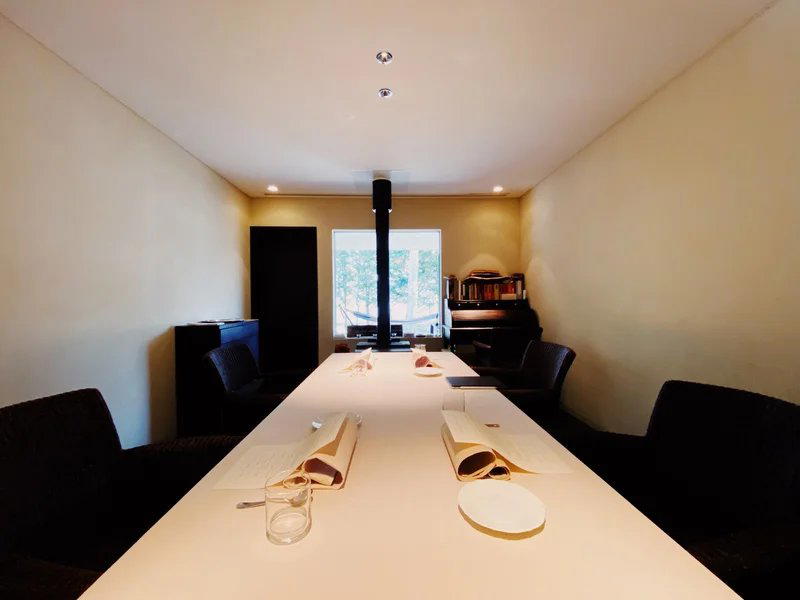
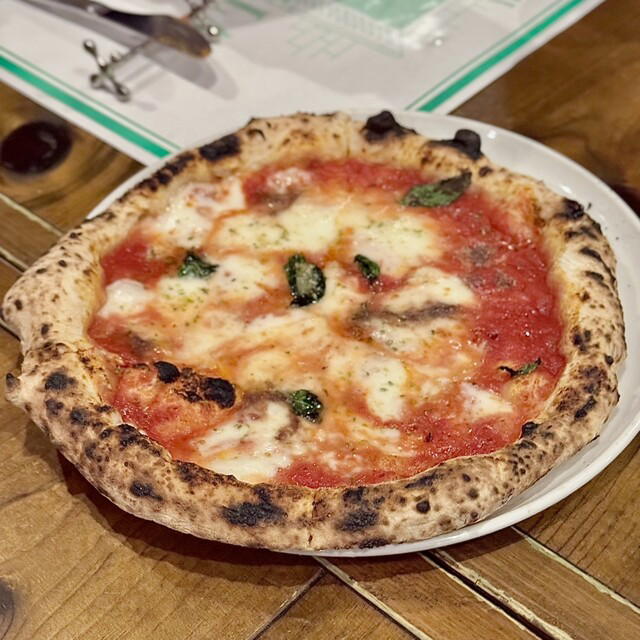
Hotels in Karuizawa
All hotels in Karuizawa →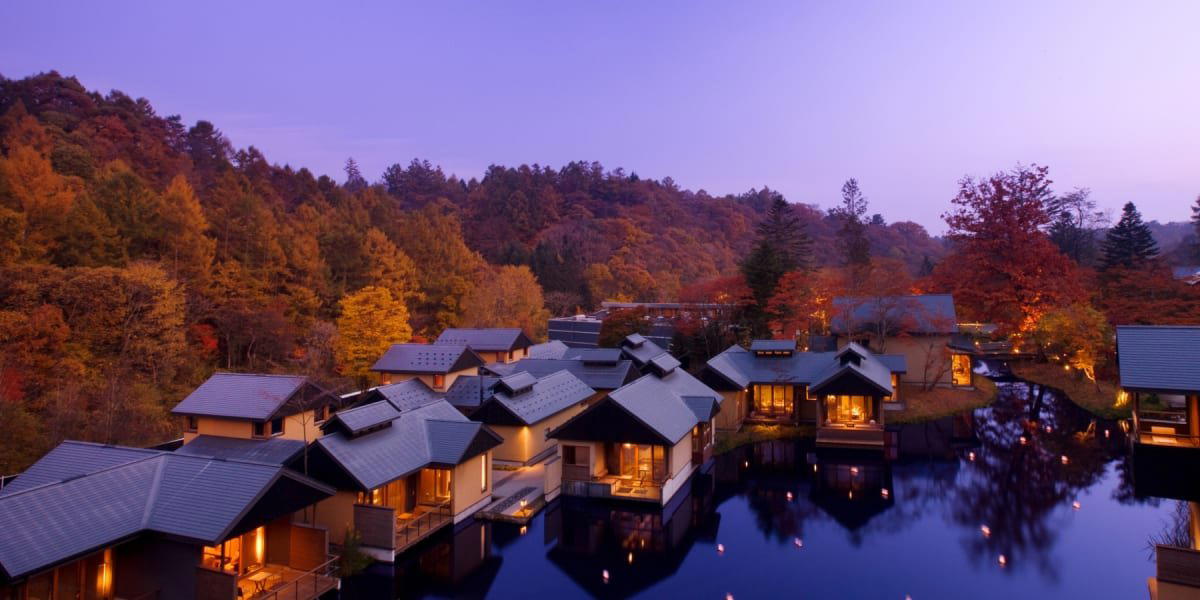
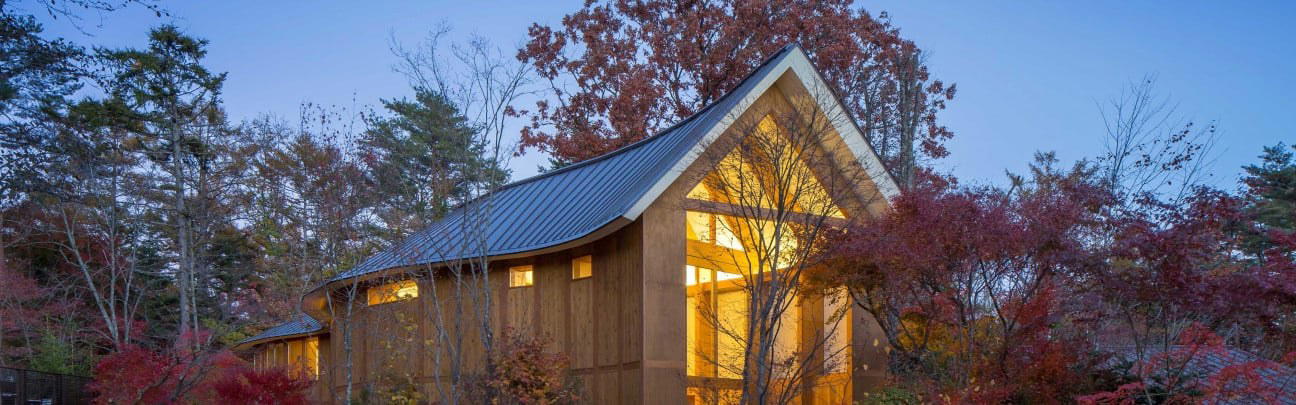
Wineries in Karuizawa
Browse all →

Details
- Cozy
- Rustic
- Romantic
- Intimate
- Casual Hangout
- Date Night
- Standalone
- A La Carte
- Vegetarian Friendly
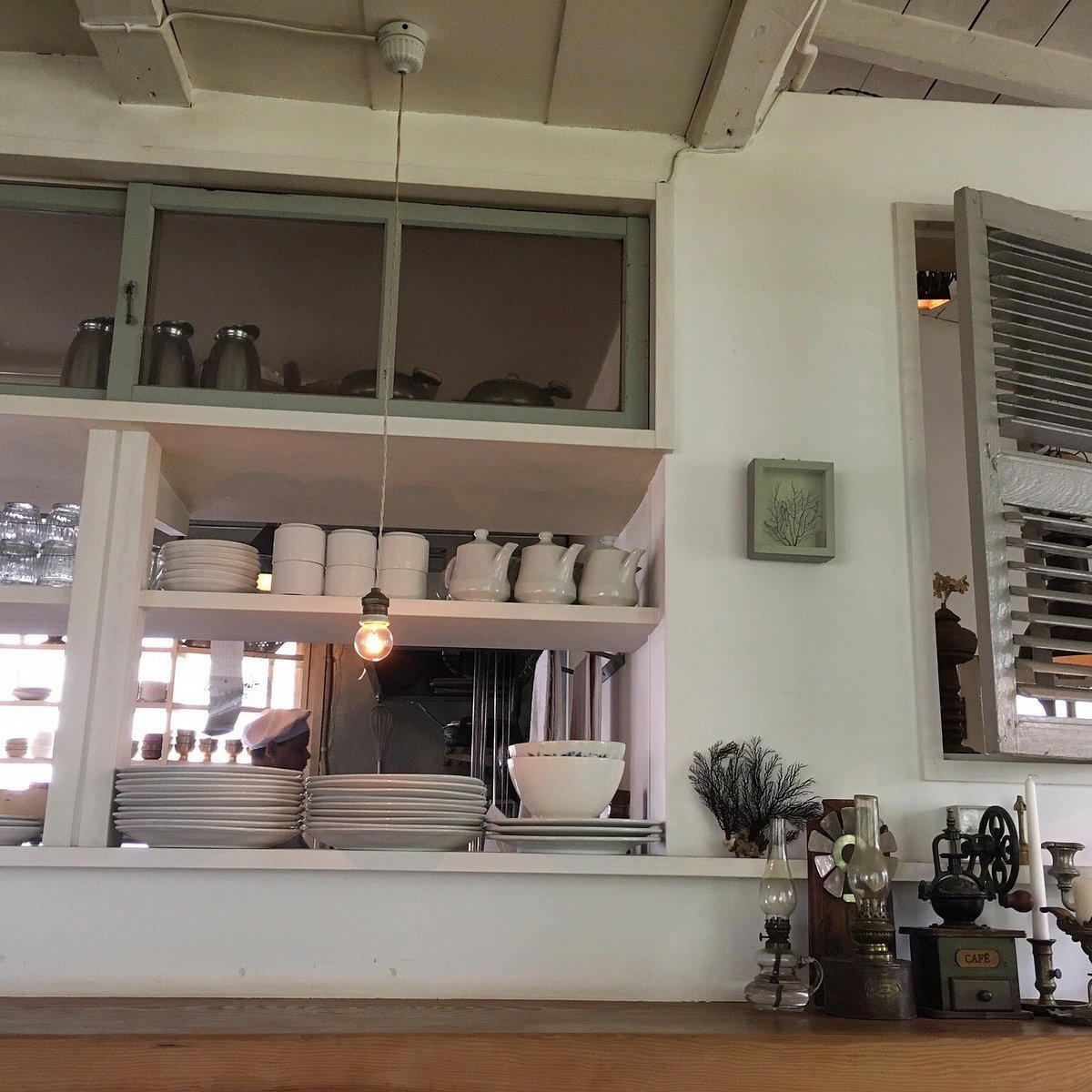
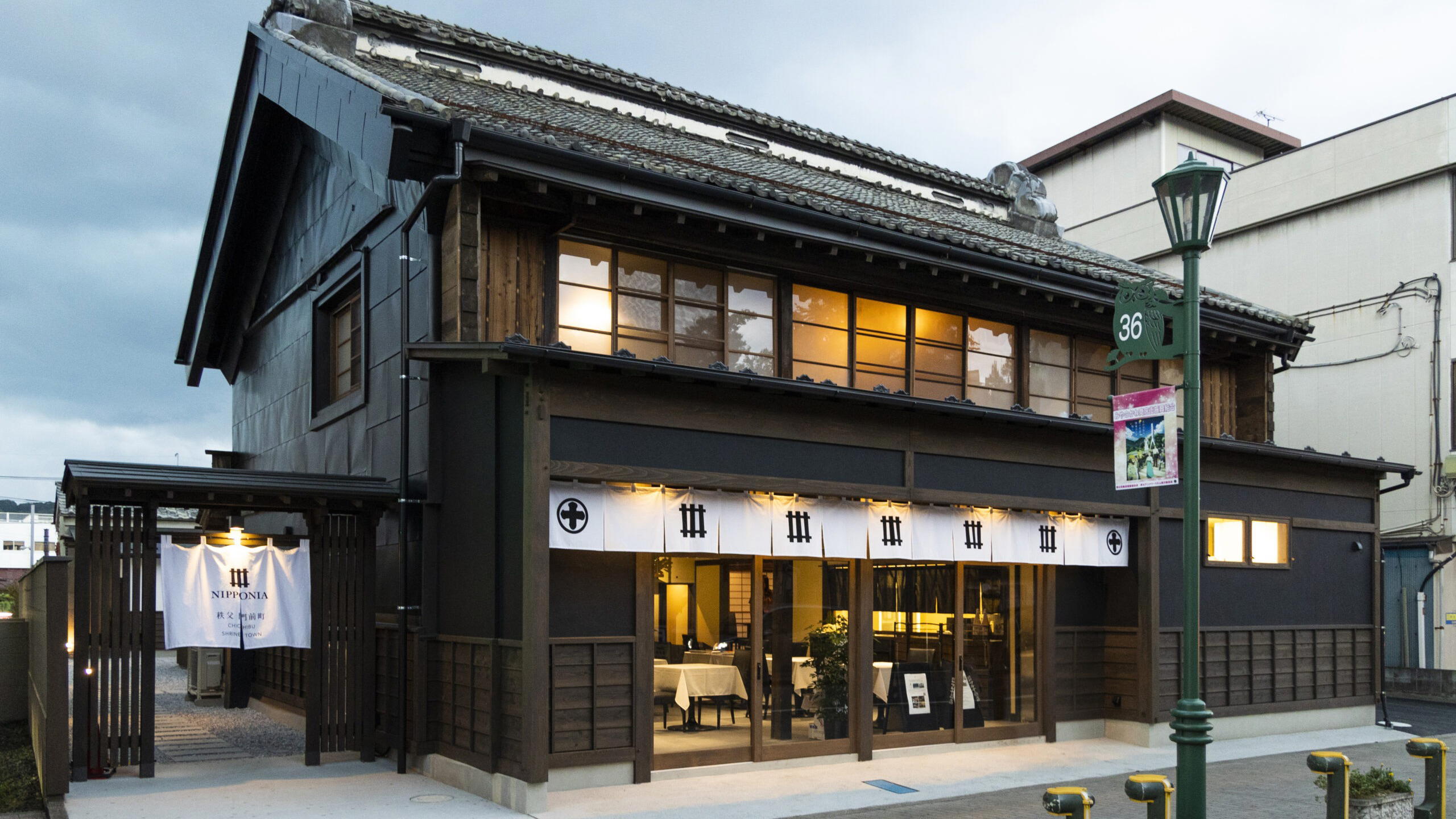
Charming white house with rustic decor set among trees, romantic by night with warm, home-like atmosphere.