
Tabelog Bronze #101
Our verdict
Hasunomi gives Okayama a serious Chinese counterpoint to the city’s better-known sushi, wagyu and Italian rooms. Its 2026 Tabelog Award Bronze recognition and selection for Tabelog 100 Chinese WEST place it in a narrow regional tier, while the cooking’s stated focus on Setouchi and Okayama ingredients makes it a useful lens on how local produce travels beyond Japanese formats.

Pearl is the En Primeur Club membership app — saves, bookings, and concierge access live there. Same editors, same standards.
- Address
- 1-11 Heiwacho, Kita Ward, Okayama, 700-0827, Japan
- Phone
- +81 86-238-8403
- Hours
- Mon 6–10 PMTue ClosedWed–Sun 6–10 PM
- Website
- ya1s700.gorp.jp
- Directions
- Get directions
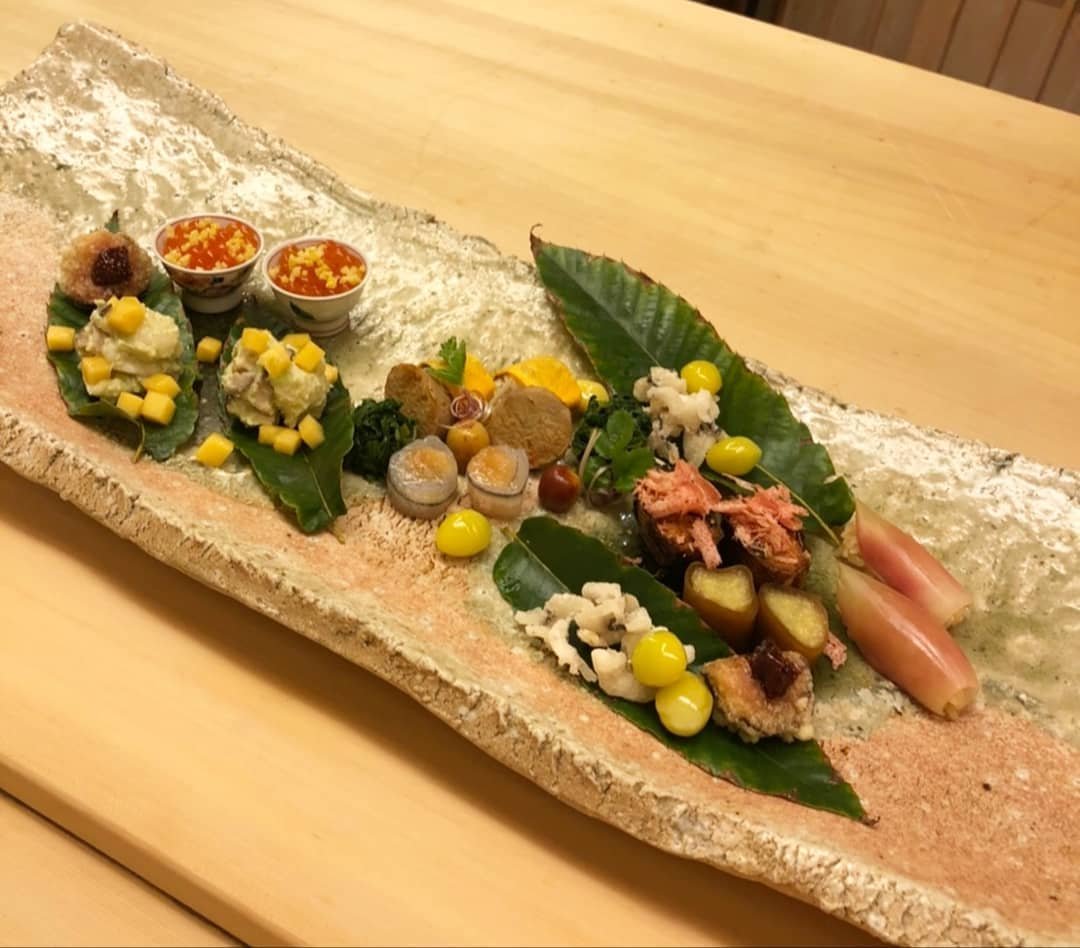
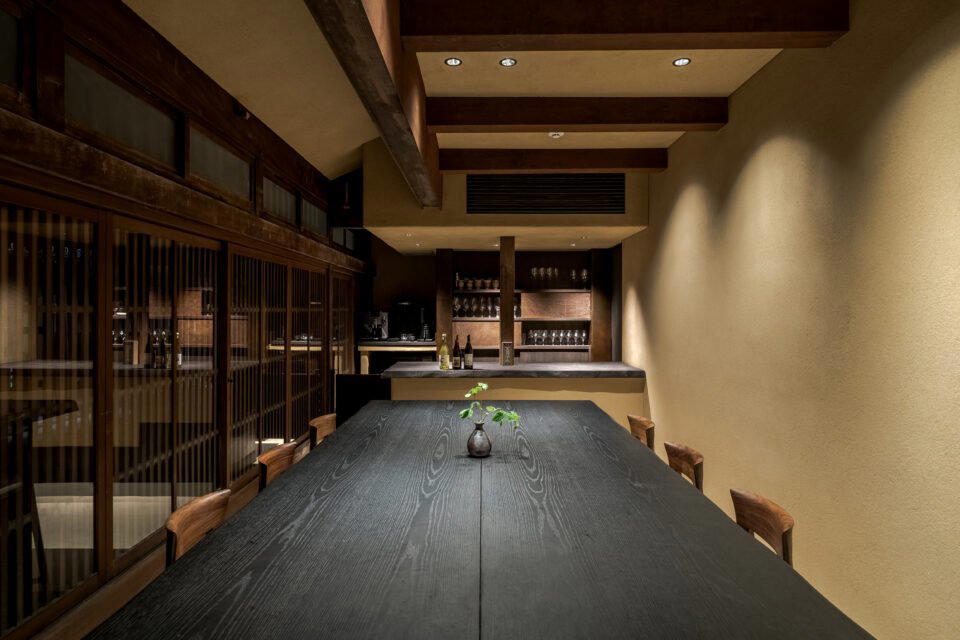
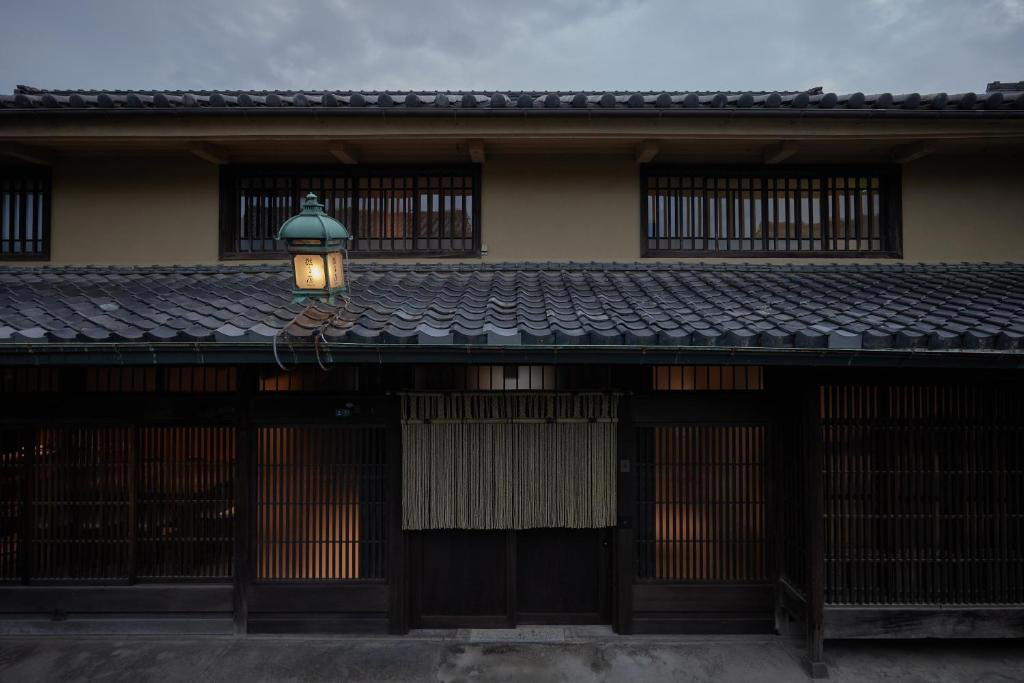
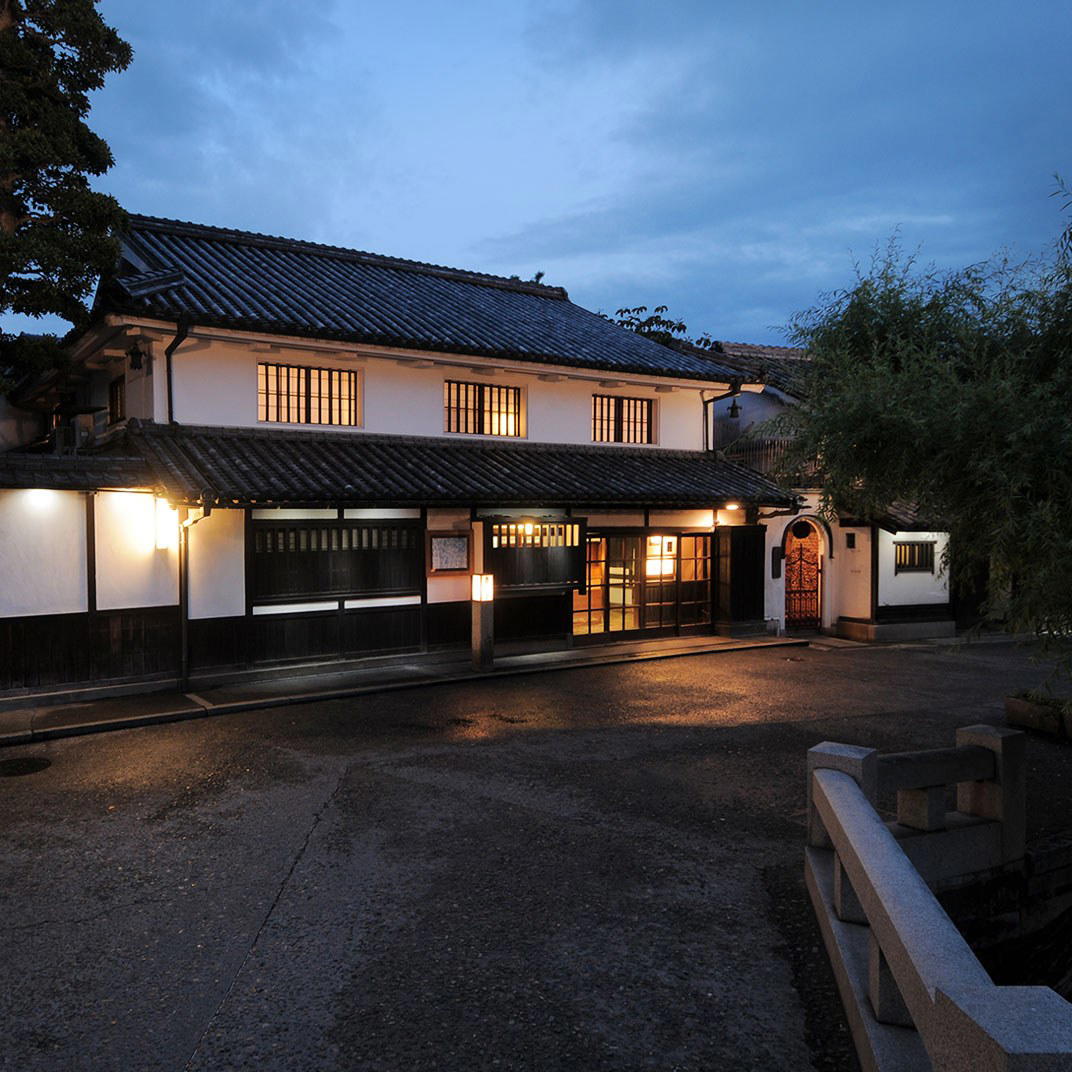
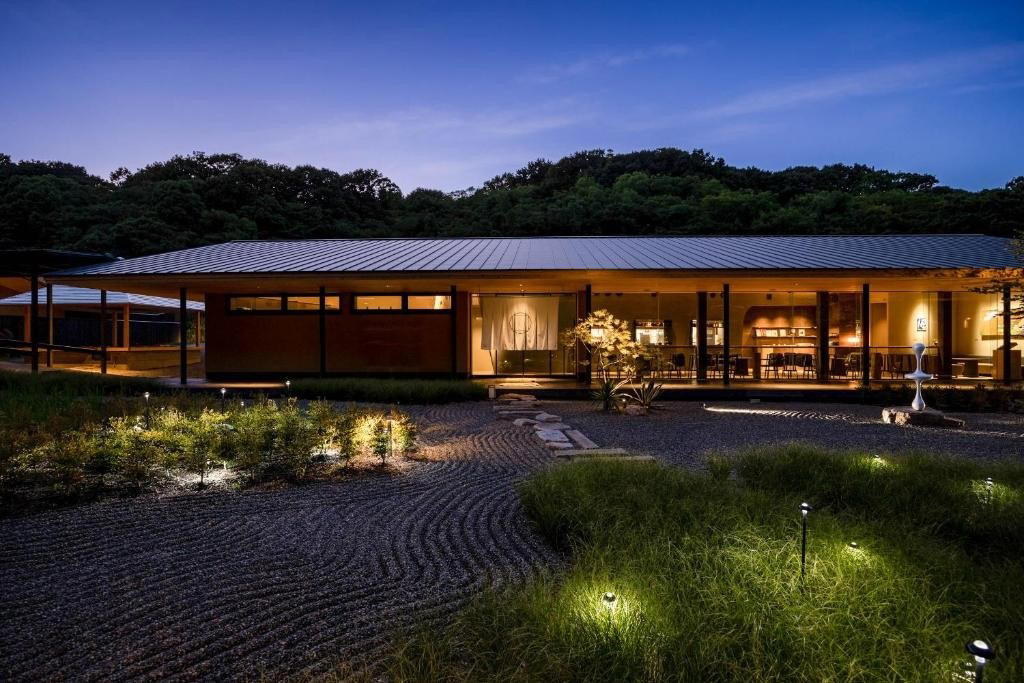
Heiwacho is not the postcard version of Okayama dining. Around Nishikawa Ryokudo Koen, the city shifts from station traffic to small-room restaurants, late dinners and places that reward diners who read beyond cuisine labels. In that setting, Hasunomi matters because it treats Chinese cooking not as an imported category but as a structure for Okayama and Setouchi ingredients. The room’s format reinforces that point: 16 seats, split between counter and tables, with a sommelier available and a drinks program that spans sake, shochu and wine.
Okayama’s premium dining conversation often defaults to Japanese forms: sushi, seasonal kappo, wagyu, izakaya precision. Chinese cuisine occupies a different lane, and a narrower one at this tier. Hasunomi’s 2026 Tabelog Award Bronze recognition and inclusion in Tabelog 100 Chinese WEST 2026 give it a stronger public signal than many regional rooms working outside Tokyo, Osaka and Kyoto. The useful reading is not that awards settle taste. It is that a Chinese restaurant in Okayama has enough sustained traction to be judged against a western Japan field, not only against its own city.
Setouchi ingredients through a Chinese kitchen
The central argument here is sourcing. Setouchi has long supplied western Japan with fish, shellfish, citrus, vegetables and inland produce, but those ingredients are often presented through washoku grammar: raw, grilled, simmered, seasonal, restrained. Chinese technique changes the conversation. Heat, oil, aromatics, broth, texture and sauce can push local ingredients into a different register without removing their regional identity.
That distinction is useful for travelers building a serious Okayama itinerary. A night at Hisada (Sushi) frames the region through sushi discipline; Hasunomi frames it through Chinese technique. The comparison is not about hierarchy. It is about range. A city with both options gives diners a clearer sense of how local supply can move across traditions, especially when the kitchen is working with a set course rather than a casual à la carte spread.
The restaurant’s own public description points to fresh Setouchi and Okayama ingredients transformed into Chinese dishes, and that is the detail to hold onto. Without named signature dishes to lean on, the editorial weight sits on the format: a compact room, a course structure and a cuisine whose strengths are timing, temperature and sequence. That makes the experience less useful for diners seeking a long checklist of famous plates and more compelling for those interested in how regional produce behaves under a different technical system.
Why the Okayama context matters
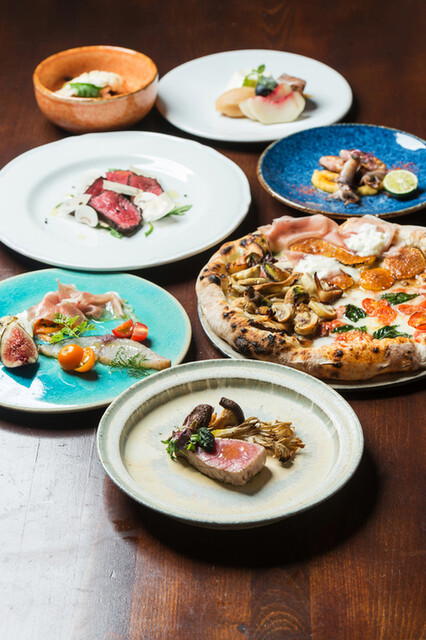
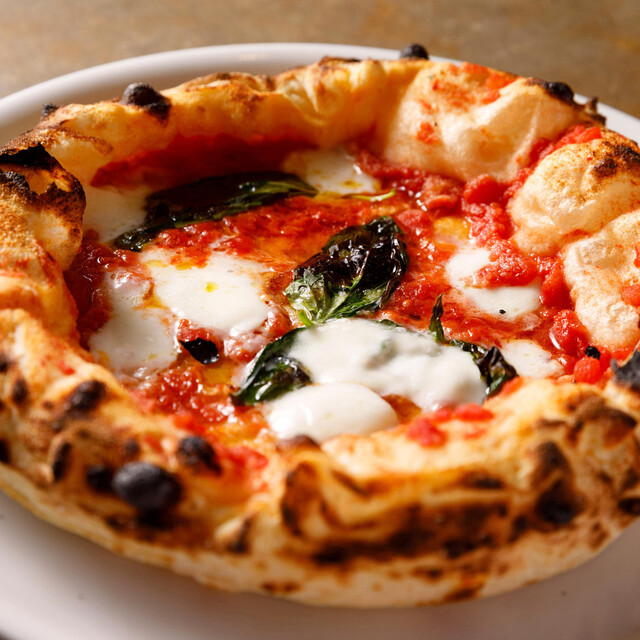
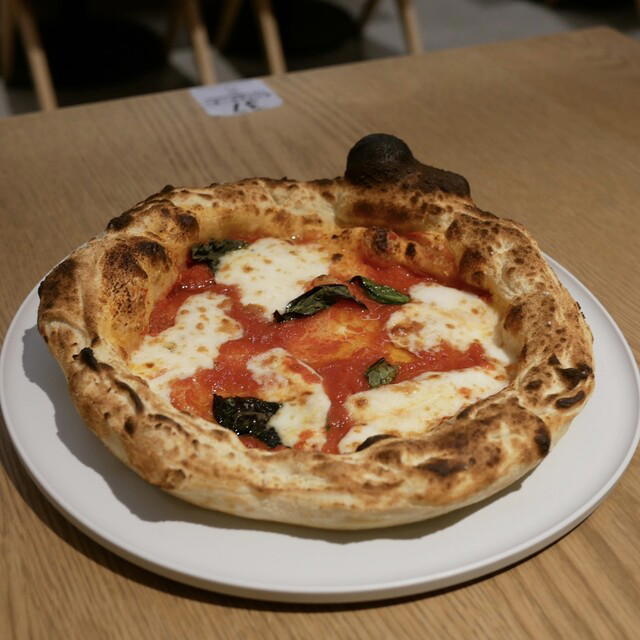
Regional Japanese cities often have ambitious restaurants that remain under-read internationally because the travel circuit moves quickly between Tokyo, Kyoto, Osaka and a few resort destinations. Okayama is a transit city for many visitors, yet its dining scene is not merely a stopover convenience. The city has enough depth to support serious pizza at 400℃ Mori No Machi and 400℃ Pizza, Italian cooking at Duomo, and independent rooms such as Cozzýs. Hasunomi adds another axis: Chinese cuisine with award recognition, local sourcing and a drinks setup that does not treat wine and sake as afterthoughts.
Against local comparison venues, the position is clear. Sakaiya Honten sits in a lower dinner budget bracket, while Kisetsu Ryori Katayama and VIA PACE occupy a more accessible spend range. Hasunomi operates in a higher bracket and with stronger award visibility, which changes the reader decision. This is not the default choice for a casual Okayama dinner. It is the choice when the trip needs one meal that argues for the city’s range beyond the expected categories.
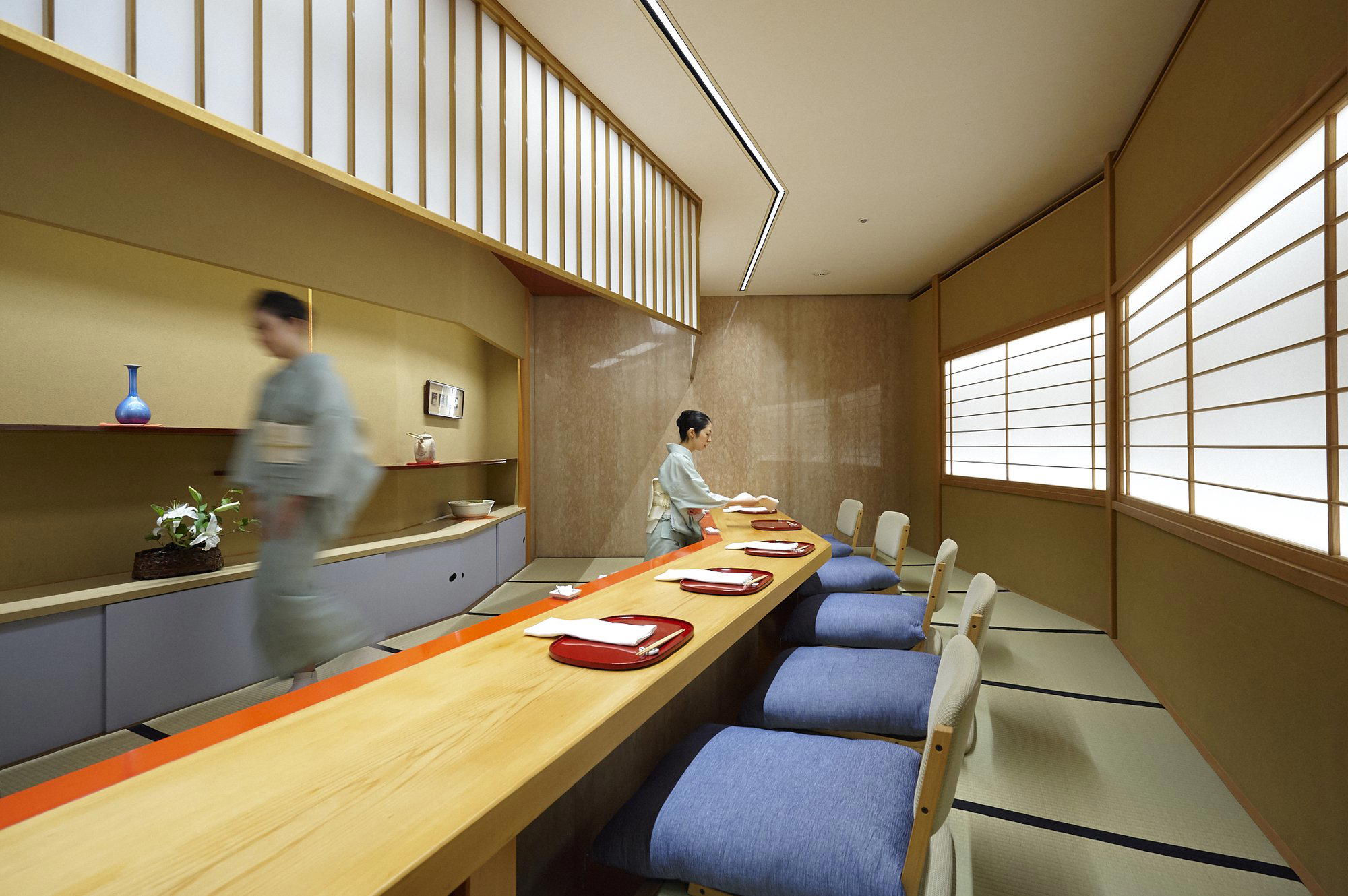
The room also suits a particular diner profile. Counter seating appeals to those who want to watch pace and plating rather than conduct a business dinner behind closed doors; tables keep the experience workable for pairs or small groups. Private rooms are not part of the setup, so the atmosphere belongs to the dining room rather than a sealed-off occasion. Children are welcomed with a boundary: preschool children are not admitted. That policy makes the restaurant more flexible than many small premium counters, but not a family free-for-all.
How to place it in a wider itinerary
For a traveler using Okayama as a base, Hasunomi is a strong evening anchor after a day built around the city rather than a rushed stop between trains. It sits close to the station area and Nishikawa Greenway Park, which makes it easier to fold into a compact urban plan: hotel, walk, dinner, then a quiet drink or return. The restaurant is not open for lunch, so it belongs to the dinner section of the itinerary, not a sightseeing-day gap filler.
There is a useful practical signal in the payment and service details. Credit cards are accepted, electronic money and QR payments are not, and parking is unavailable. Those facts sound mundane until a traveler reaches a small Japanese dining room with assumptions imported from Tokyo. In regional cities, the difference between a seamless dinner and a distracted one often comes down to these details. Reservations are available, and the small seat count makes planning sensible.
For broader planning alongside and our full Okayama experiences guide. Readers building a longer Japan food route can also compare regional formats through -Grilled beef Sukiyaki- KAMAKURA TANUKIAN 鎌倉 たぬき庵 in Kamakura. 鮪と炭火焼き うお炭 秋葉原店 in Tokyo.cafe in Osaka.know in Kumamoto, (Shoku) Vietnam in Kawasaki, [Curry Senmon Ten] Maruyama Kyoju. in Sapporo, Jōdo Saké Bar in Los Angeles and Onigiri Time in Pasadena.
The verdict is simple: choose Hasunomi when the point of dinner is to understand Okayama through ingredients, not just to eat in Okayama. Its award history gives the booking credibility, but the stronger reason is the category itself: a compact Chinese restaurant using local and Setouchi produce in a city where many visitors expect sushi, wagyu or casual station dining. That makes it a sharper choice for travelers who want the region’s food culture to show more than one face.
Frequently asked questions
Is Hasunomi okay with children?
Yes. Hasunomi welcomes children, though preschool children are not allowed, and the room is set for 16 seats in total, with counter and table seating.
How would you describe the vibe at Hasunomi?
It is a compact dinner room in Okayama, with 8 counter seats, 8 table seats, and a non-smoking setup. The address on Heiwacho and the 6:00 PM to 9:00 PM service window give it a focused evening rhythm.
When can I go to Hasunomi?
Hours at Hasunomi: Mon, Wed, Thu, Fri, Sat, Sun 18:00 - 21:00.
How do I find Hasunomi?
Hasunomi is located in Okayama.
What's the standout thing about Hasunomi?
The strongest signal is external: Tabelog Bronze awards in 2024, 2025, and 2026, plus selection for Tabelog Chinese WEST 100 in 2026. Its set-course format and sommelier service place it in a serious dinner category rather than casual Chinese dining.
Do they accommodate allergies at Hasunomi?
Those details are not published. Reservations are available, and the restaurant can be reached at 086-238-8403. Check the venue's official channels for the latest details.
How It Stacks Up
Comparable venues by cuisine and price in the same metro.
| Venue | Cuisine | Price | Awards | Notes |
|---|---|---|---|---|
| HasunomiThis venue — the venue you are viewing | Modern Chinese | $100–150 | Tabelog Bronze #101 | Not listed |
| Shuritsu Ooi | Casual Japanese Teppanyaki & Steak | $50–100 | Tabelog 100 #29 | Kita Ward |
| Kisetsu Ryori Katayama | Seasonal Japanese Izakaya | $30–50 | Tabelog 100 #95 | Heiwacho, Kita Ward, Okayama |
| Ujo Tei | Traditional Unagi (eel) restaurant | $50–100 | Tabelog 100 #84 | Kita Ward |
| エクロール | French Fine Dining | $100–150 | Not listed | Kita-ku |
| 穂浪 | Traditional Japanese Kaiseki | Not listed | Not listed | Okayama |
Recognition history
Dated appearances from independent guides and award organizations, with the underlying list record or original source where available.
Tabelog Bronze #101
Tabelog
Full recognition history (3 entries)
Tabelog 100 #6 · No. 6
Tabelog · Tabelog 100 - Chinese cuisine - WEST - 2026
Tabelog Bronze
Tabelog


Details
- Elegant
- Sophisticated
- Modern
- Special Occasion
- Date Night
- Business Dinner
- Open Kitchen
- Extensive Wine List
- Local Sourcing
- A La Carte
- Tasting Menu
- Wine
Current opening hours
- Monday
- 6–10 PM
- Tuesday
- Closed
- Wednesday
- 6–10 PM
- Thursday
- 6–10 PM
- Friday
- 6–10 PM
- Saturday
- 6–10 PM
- Sunday
- 6–10 PM
Hours can change for holidays and private events. Last verified .
Modern decor with thoughtful, refined atmosphere designed for elegant dining experiences and special occasions.