

In Setagaya's residential Soshigaya neighbourhood, フィオッキ operates at a remove from Tokyo's central fine-dining circuit, drawing a loyal local following rather than destination diners. The format rewards repeat visits: regulars build familiarity with the kitchen over time, and the menu responds accordingly. For those willing to travel beyond Shinjuku, it represents a quieter register of Italian-inflected cooking in a city where that tradition runs deeper than most visitors expect.
Pearl is the En Primeur Club membership app — saves, bookings, and concierge access live there. Same editors, same standards.
- Address
- 3 Chome-4-9 Soshigaya, Setagaya City, Tokyo 157-0072, Japan
- Phone
- +81337893355
- Website
- fiocchi-web.com
- Directions
- Get directions
 Saves & bookings on Pearl
A Neighbourhood Counter in a City of Destination Restaurants
Tokyo's premium dining geography tends to cluster around a handful of postcodes: Ginza, Azabu-Juban, Minami-Aoyama, Nishi-Azabu. The restaurants that define the city's international reputation, from the sushi counters of Harutaka to the French precision of L'Effervescence and Sézanne, cluster in zones where international visitors can reach them within twenty minutes of a central hotel. フィオッキ sits outside that geography entirely. Its address in Soshigaya, a low-rise residential quarter of Setagaya City in southwest Tokyo, places it closer to the rhythms of daily neighbourhood life than to the calculus of destination dining. That distance is the point.
Setagaya is one of Tokyo's most populous wards, a sprawl of quiet streets, mid-rise apartments, and the kind of independent shops and cafés that thrive when rents stay moderate and foot traffic stays local. Soshigaya itself is served by the Odakyu Odawara Line, which puts it roughly thirty minutes from Shinjuku, a commute that filters the clientele naturally. You don't arrive here by accident.
What Regulars Actually Come For
The dining tradition フィオッキ sits within is worth placing carefully. Italian cooking in Japan has a distinct history: it arrived seriously in the 1980s, deepened through the 1990s as Japanese chefs began training in Italy in meaningful numbers, and by the 2000s had produced a tier of restaurants that apply Japanese product sourcing and kitchen discipline to Italian frameworks. That synthesis is now a recognisable category, distinct from both imported Italian and from fusion as a concept. Restaurants in this register tend to prioritise produce relationships, restrained seasoning, and formats that reward familiarity rather than novelty.
For the regulars who return to フィオッキ, the draw is likely less about a single signature dish and more about the accumulation of small consistencies over visits. This is a pattern common to neighbourhood-scale restaurants in Tokyo that develop genuine repeat clientele rather than chasing algorithmic discovery. The unwritten menu, in practice, is the one the kitchen builds with a guest over months: the preference remembered, the course adjusted, the pace calibrated. Tokyo has dozens of restaurants of this type, distributed across residential wards far from the tourist circuit, and they rarely surface on aggregator lists precisely because their appeal is relational rather than spectacle-driven.
For comparison, the ¥¥¥¥ tier of Tokyo's French and Japanese restaurants, including RyuGin and Crony, operates on a different model: destination booking, formal progression, high-visibility award positioning. フィオッキ, based on its location and neighbourhood character, targets a different kind of trust, the kind built through proximity and repetition rather than prestige.
The Soshigaya Setting and What It Implies
Neighbourhood restaurants in Tokyo's residential wards tend to have specific structural characteristics that differ from central fine-dining. Seat counts are typically small, which in practice means availability is limited without necessarily commanding the months-long waiting lists of high-profile omakase counters. Booking a table at a Setagaya neighbourhood restaurant often requires less lead time than a Ginza counter, but it also rewards those who call ahead rather than assuming walk-in access. Given フィオッキ's residential address and local clientele base, advance contact is advisable.
The neighbourhood itself offers some context for what surrounds a meal here. Soshigaya is close to Setagaya's pocket of independent cinema, vintage shops, and the tree-lined streets around Chitose-Karasuyama. It is not a dining district in any formal sense; フィオッキ would not sit on a strip of comparable restaurants. This kind of isolation is actually an indicator of confidence: a restaurant that succeeds without walk-in traffic or competitive clustering relies entirely on word-of-mouth and return visits.
Placing フィオッキ in Japan's Broader Restaurant Scene
Japan's regional dining circuit has produced notable restaurants far outside its three largest cities. HAJIME in Osaka, Gion Sasaki in Kyoto, and akordu in Nara each demonstrate that serious cooking concentrates outside Tokyo's gravity. Even within Tokyo, the restaurants that serious food travellers discuss most often are not always the visible. Goh in Fukuoka has drawn attention to what regional Japanese cities can produce at the highest level, and that pattern of decentred excellence applies at a neighbourhood scale within Tokyo itself.
For those who want to move beyond the central circuit, restaurants like フィオッキ represent a different kind of engagement with the city's food culture. It is the mode preferred by long-term Tokyo residents, and that distinction matters when calibrating expectations.
Across Japan more broadly, smaller neighbourhood-anchored restaurants are documented in places like Nanao, Sapporo, Takashima, and Nishikawa Machi. The pattern is consistent: Japanese dining culture supports serious cooking at community scale in ways that most Western restaurant ecosystems do not. Birdland in Sakai and Bistro Ange in Toyohashi are further examples of this structure working outside major metro centres.
By contrast, internationally comparable neighbourhood-anchored restaurants in cities like New York, such as Le Bernardin or Atomix, tend to operate at price points and visibility levels that make the neighbourhood label largely symbolic. The Tokyo model, particularly in outer wards like Setagaya, is more literal: the community around the restaurant is its primary audience.
Planning a Visit
| Detail | フィオッキ (Soshigaya) | Central Tokyo Fine Dining (¥¥¥¥ tier) | Mid-tier Neighbourhood Restaurants |
|---|---|---|---|
| Location type | Residential outer ward | Ginza / Azabu / Aoyama | Varied inner/outer wards |
| Typical booking lead time | Advance recommended; shorter than Ginza tier | 1-3 months minimum | Days to 2 weeks |
| Transit access | Odakyu Line, ~30 min from Shinjuku | Metro, taxi from central hubs | Varied |
| Primary clientele | Local regulars, residential neighbourhood | International visitors, business diners | Mixed local and area residents |
| Price range | not confirmed | ¥¥¥¥ (typically ¥20,000+ per person) | ¥¥-¥¥¥ |
Check current booking channels before visiting, as neighbourhood restaurants of this type sometimes operate by phone or through limited online booking windows. Given its residential location, visiting during quieter service periods may offer a more relaxed experience than peak weekend evenings.
A Tight Comparison
Comparable venues nearby, for context on price, style, and recognition.
| Venue | Cuisine | Price | Notes |
|---|---|---|---|
| フィオッキThis venue — the venue you are viewing | Setagaya, Northern Italian Piedmontese | $$$$ | Not listed |
| タクボ | Shibuya, 薪火イタリアン | $$$$ | Not listed |
| サローネ トウキョウ | Chiyoda, Contemporary Italian Ristorante | $$$$ | Not listed |
| Oyamadai Yamada | Setagaya, Wood-fired Pizza Kappo Counter | $$$$ | Not listed |
| DK | Not listed | $$$$ | Minato, Wood-fired Italian Omakase by Hasegawa Group |
| チョコ | Bunkyō, Modern Italian Fine Dining | $$$$ | Not listed |
Recognition history
Dated appearances from independent guides and award organizations, with the underlying list record or original source where available.
Michelin Plate
Michelin
Tabelog Bronze #70
Tabelog
Michelin Plate
Michelin
Tabelog 100 #45 · No. 45
Tabelog · Tabelog 100 - Italian - TOKYO - 2025











At a Glance
- Romantic
- Cozy
- Elegant
- Intimate
- Rustic
- Date Night
- Special Occasion
- Standalone
- Extensive Wine List
- Local Sourcing
Current opening hours
- Monday
- 6:30–10 PM
- Tuesday
- Closed
- Wednesday
- Closed
- Thursday
- 6:30–10 PM
- Friday
- 6:30–10 PM
- Saturday
- 12–3 PM, 6:30–10 PM
- Sunday
- 12–3 PM, 6:30–10 PM
Hours can change for holidays and private events. Last verified .
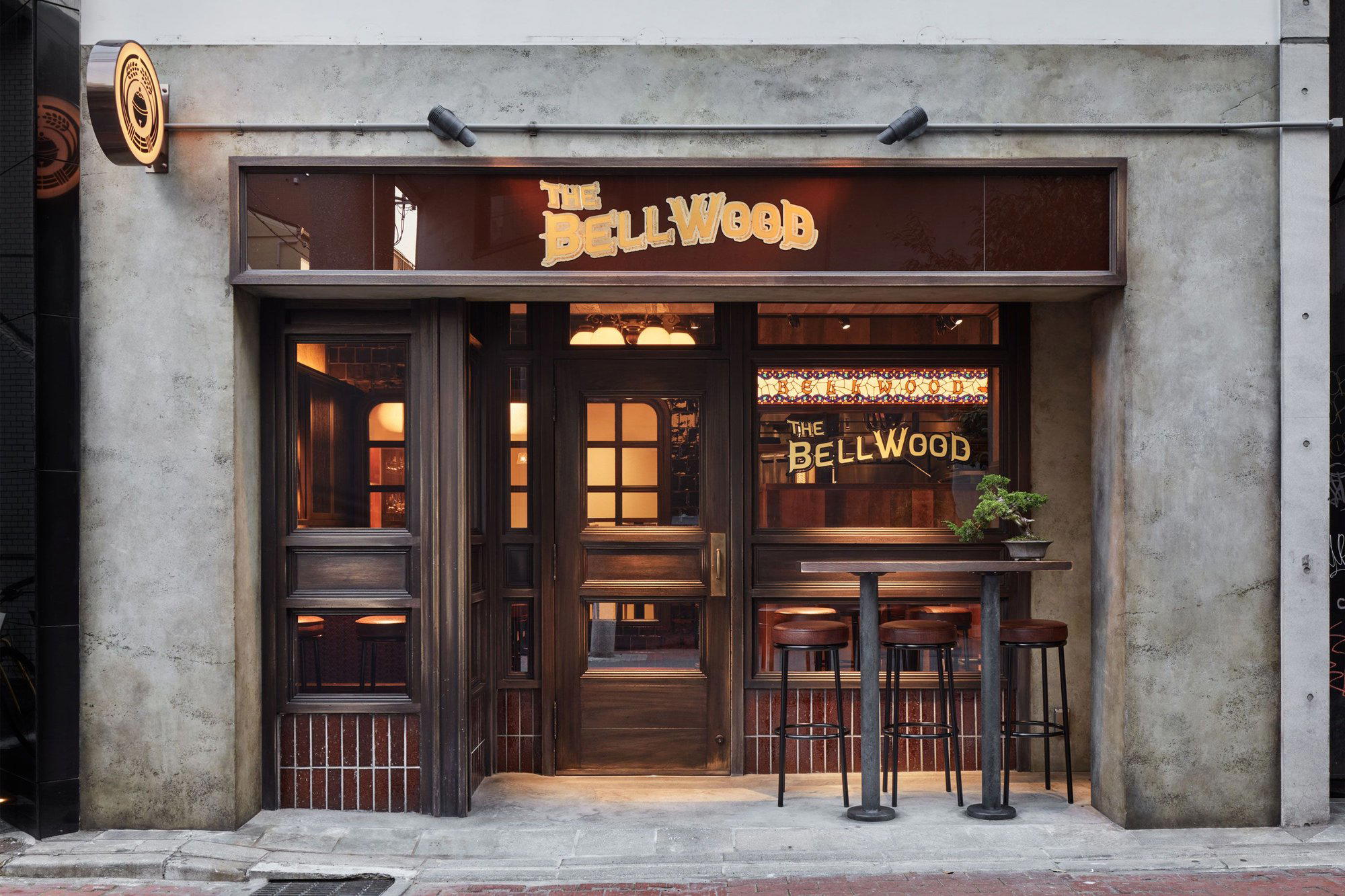
Cozy and romantic with Italian-inspired decor evoking European countryside, well-suited for intimate stress-relieving dinners.