ラチュレ occupies a basement address in Shibuya's Aoyama district, where Tokyo's French-influenced dining scene has long maintained one of its most competitive corridors. The restaurant draws a loyal return clientele who treat it as a weekly rhythm rather than an occasional occasion, a pattern that says more about consistency than novelty. Reservations should be pursued well in advance.
Pearl is the En Primeur Club membership app — saves, bookings, and concierge access live there. Same editors, same standards.
- Address
- Japan, 〒150-0002 Tokyo, Shibuya, 2 Chome−2−2 青山ルカビル 地下1階
- Phone
- +81364505297
- Website
- lature.jp
- Directions
- Get directions
 Saves & bookings on Pearl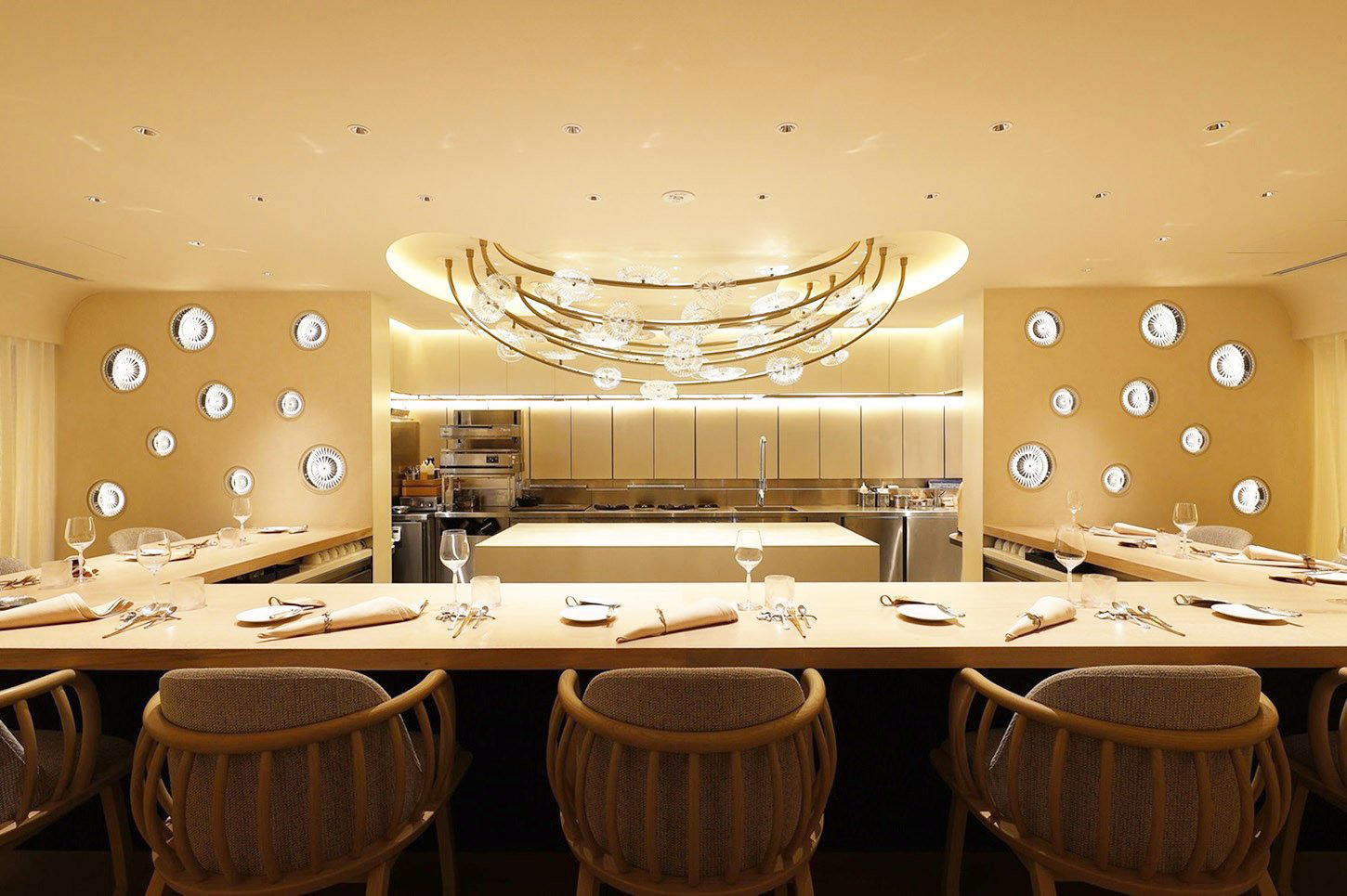
Aoyama's French Corridor and Where ラチュレ Sits Within It
Shibuya's Aoyama district has functioned as one of Tokyo's most concentrated zones for European-influenced fine dining for several decades. The corridor running through Minami-Aoyama and into the Shibuya 2-chome blocks hosts a tier of French and French-adjacent restaurants that compete not on novelty but on precision and accumulated trust. In that context, basement addresses carry no stigma. Some of the district's most-booked counters and dining rooms are below street level, insulated from foot traffic and deliberate in their focus. ラチュレ, located in the basement of the Aoyama Luca Building at Shibuya 2-2-2, is part of that established pattern.
The Aoyama French scene has historically split between restaurants that perform for the occasion, restaurants that perform for the critic, and a smaller third category: restaurants that perform for the regular. This third type is harder to build and harder to sustain. It requires a consistency of product that does not depend on a special-event context, a kitchen that executes at the same level on a Tuesday as it does on a Saturday, and a room that makes return visitors feel recognized rather than processed. The evidence of regulars is not simply foot traffic; it is the shape of that traffic, the same faces, the same preferred tables, the rhythm of bookings that cluster around personal calendars rather than restaurant launches.
The Regulars and What They Return For
In Tokyo's upper-end French segment, the restaurants that build genuine repeat clientele tend to share a structural characteristic: they offer something that rewards familiarity rather than penalizing it. At the ¥¥¥¥ tier, where neighbors in the same price bracket include L'Effervescence and Sézanne, the pressure to deliver consistent, technically grounded meals is constant. What separates restaurants that collect regulars from restaurants that collect first-timers is usually not a single dish or a single service gesture but accumulated evidence over multiple visits that the kitchen has a defined point of view and holds to it.
ラチュレ's Aoyama location matters here in a practical sense. Regulars in this district are often professionals working in the surrounding offices or residents of the Minami-Aoyama and Hiroo neighbourhoods, both of which have some of the highest concentrations of affluent, internationally experienced dining households in Tokyo. These are guests who have eaten at comparable rooms in Paris, Copenhagen, and New York, guests who return to Le Bernardin in New York or to Atomix when they are in Manhattan, and who apply the same framework of expectation to their neighbourhood choices. Earning repeat visits from that cohort requires more than a single strong opening season.
Positioning Within Tokyo's French Dining Tier
Tokyo's French-influenced restaurant map has become more stratified over the past decade. The entry tier expanded significantly as younger chefs returned from European stages and opened smaller, more personal rooms. The middle tier, competent but not destination-level, has compressed as the market became more demanding. At the leading, a handful of restaurants maintain pricing and booking behavior that aligns them with a global comparable set rather than a purely local one. Crony, with its innovative French approach, occupies one inflection point in that map. RyuGin represents the point where Japanese culinary tradition and contemporary technique converge at the kaiseki level.
ラチュレ operates within this broader ecosystem, drawing comparison to the French-rooted Aoyama cohort rather than to the washoku or sushi tiers represented by venues like Harutaka. The fact that it holds a consistent return clientele in a neighbourhood where diners have access to an unusually dense selection of alternatives is itself a data point about the restaurant's execution. In dining districts with fewer options, loyalty is easier to build. In Aoyama, it has to be earned repeatedly.
The Basement Format and What It Signals
Dining rooms below street level in Tokyo's premium districts tend to develop a particular atmosphere defined by acoustic separation from the city above. The deliberate entry, descending a staircase, passing through a threshold, creates a perceptible shift in register that above-ground restaurants rarely achieve without significant architectural investment. This format has been used effectively across Tokyo's fine dining tier, and it suits a restaurant that draws its audience through word of mouth and repeat bookings rather than street-level visibility.
The Aoyama Luca Building's basement positioning also signals something about the restaurant's commercial logic. High-visibility street-level spaces in this postcode carry premium rents that often translate directly into pressure on covers and on price points. Below-ground rooms frequently allow kitchens to focus on fewer tables, tighter service, and a more controlled product. Whether that translates into an omakase format, a set menu, or a hybrid approach depends on the specific kitchen; the structural conditions are, in any case, favorable to a quality-focused operation.
Regional Context: Japan's French-Influenced Fine Dining Beyond Tokyo
The conversation around French technique applied to Japanese ingredients and sensibilities is not limited to Tokyo. HAJIME in Osaka represents one of the country's most ambitious expressions of that dialogue. akordu in Nara approaches European influence through a different regional lens. Goh in Fukuoka and Gion Sasaki in Kyoto show how the technical traditions of kaiseki and French cooking have informed each other across Japan's culinary regions. Beyond the major cities, places like 一本木 名川製 in Nanao, 夕仙山乃 in Sapporo, 湖畔荘 in Takashima, 庄羽屋 in Nishikawa Machi, Birdland in Sakai, and Bistro Ange in Toyohashi demonstrate that the appetite for serious, technically grounded dining extends well beyond the metropolitan core.
Tokyo remains, however, the densest single environment for this category, and Aoyama is its most consistently high-performing postcode. A restaurant that holds its position in that specific neighbourhood, through successive seasons and against the ongoing entry of new talent, has cleared a meaningful competitive threshold.
Price Lens
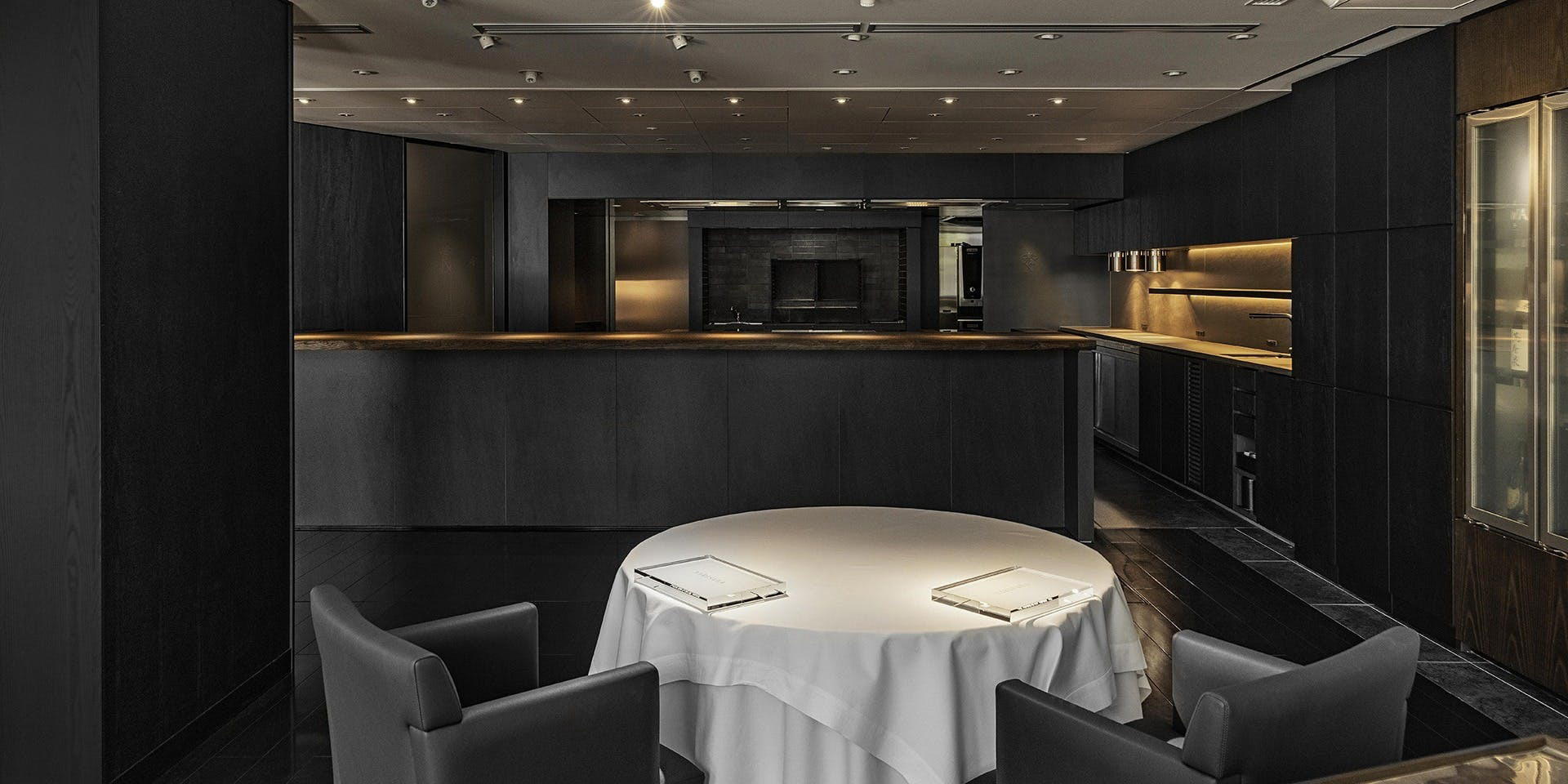
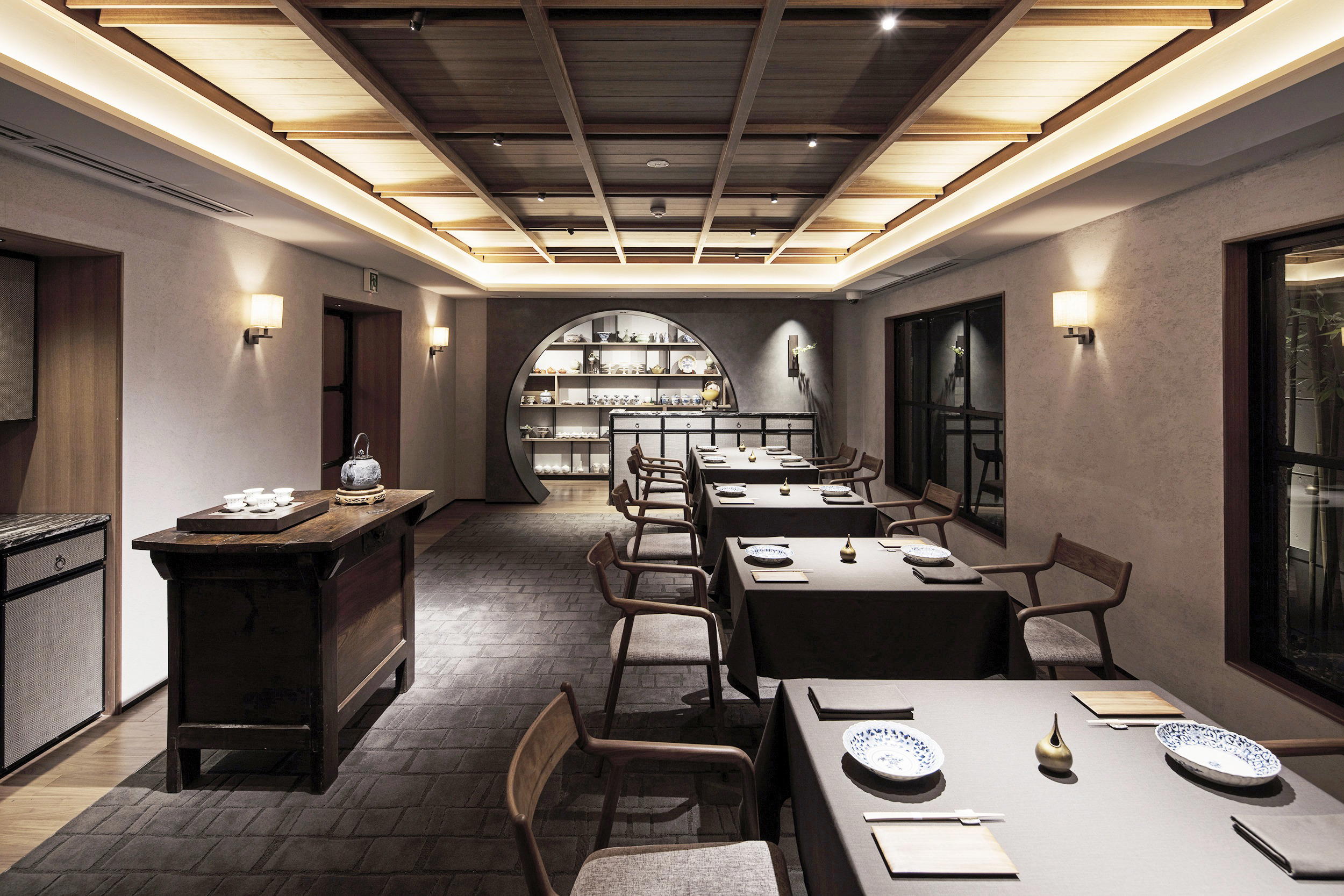
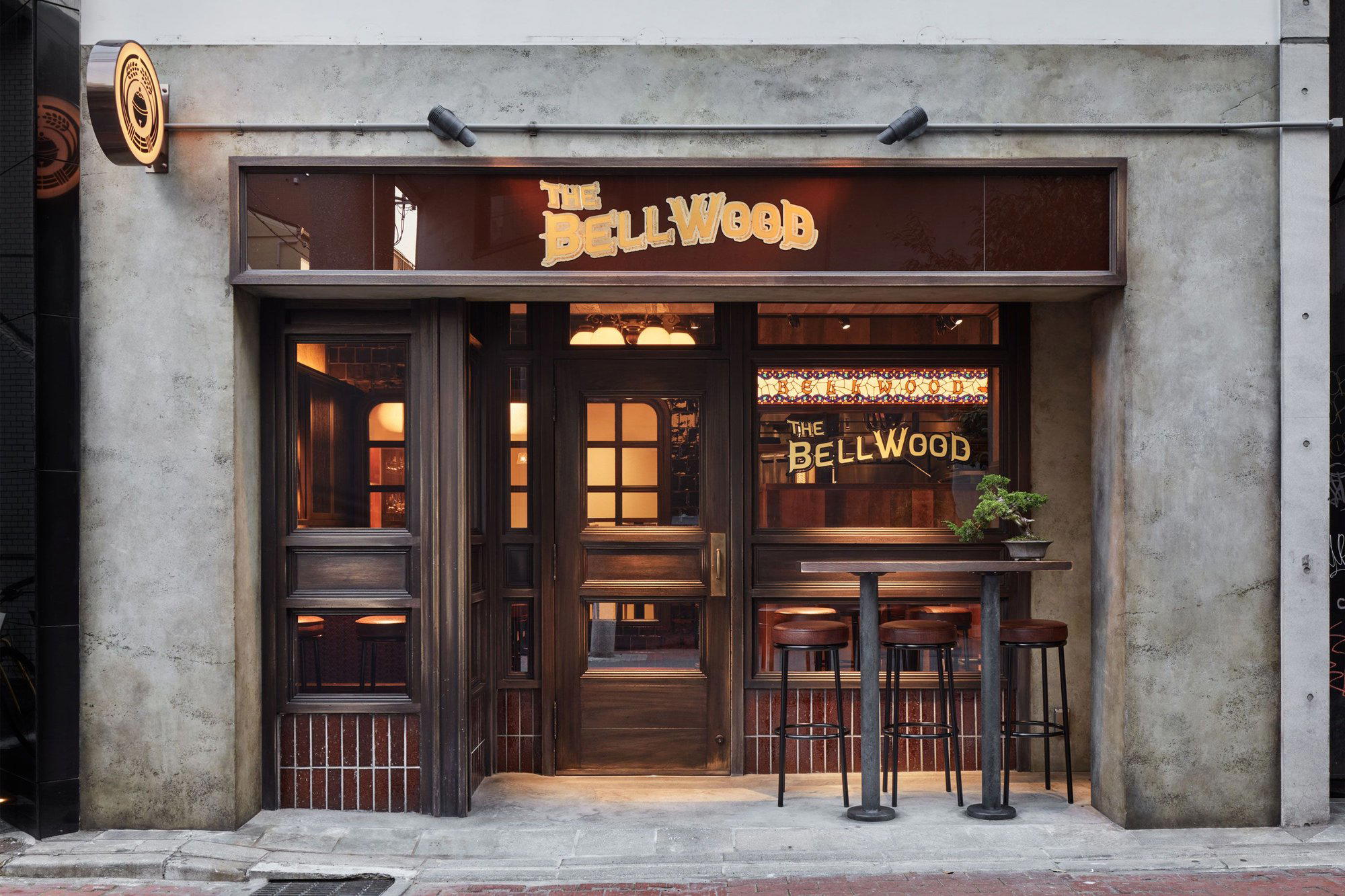
Comparable venues nearby, for context on price, style, and recognition.











At a Glance
- Elegant
- Intimate
- Sophisticated
- Date Night
- Special Occasion
- Chefs Counter
- Open Kitchen
- Private Dining
- Sake Program
- Extensive Wine List
- Craft Cocktails
- Local Sourcing
- Sustainable Seafood
Current opening hours
- Monday
- 11:30 AM–3:30 PM, 6–11 PM
- Tuesday
- 11:30 AM–3:30 PM, 6–11 PM
- Wednesday
- 11:30 AM–3:30 PM, 6–11 PM
- Thursday
- 11:30 AM–3:30 PM, 6–11 PM
- Friday
- 11:30 AM–3:30 PM, 6–11 PM
- Saturday
- 11:30 AM–3:30 PM, 6–11 PM
- Sunday
- 11:30 AM–3:30 PM, 6–11 PM
Hours can change for holidays and private events. Last verified .
Relaxing stylish space with warm hospitality, counter seating, and a hideaway atmosphere evoking poetic seasonal sentiment.