Skip to Main Content
← Collection
Tokyo, Japan

プレニチュード

LocationTokyo, Japan

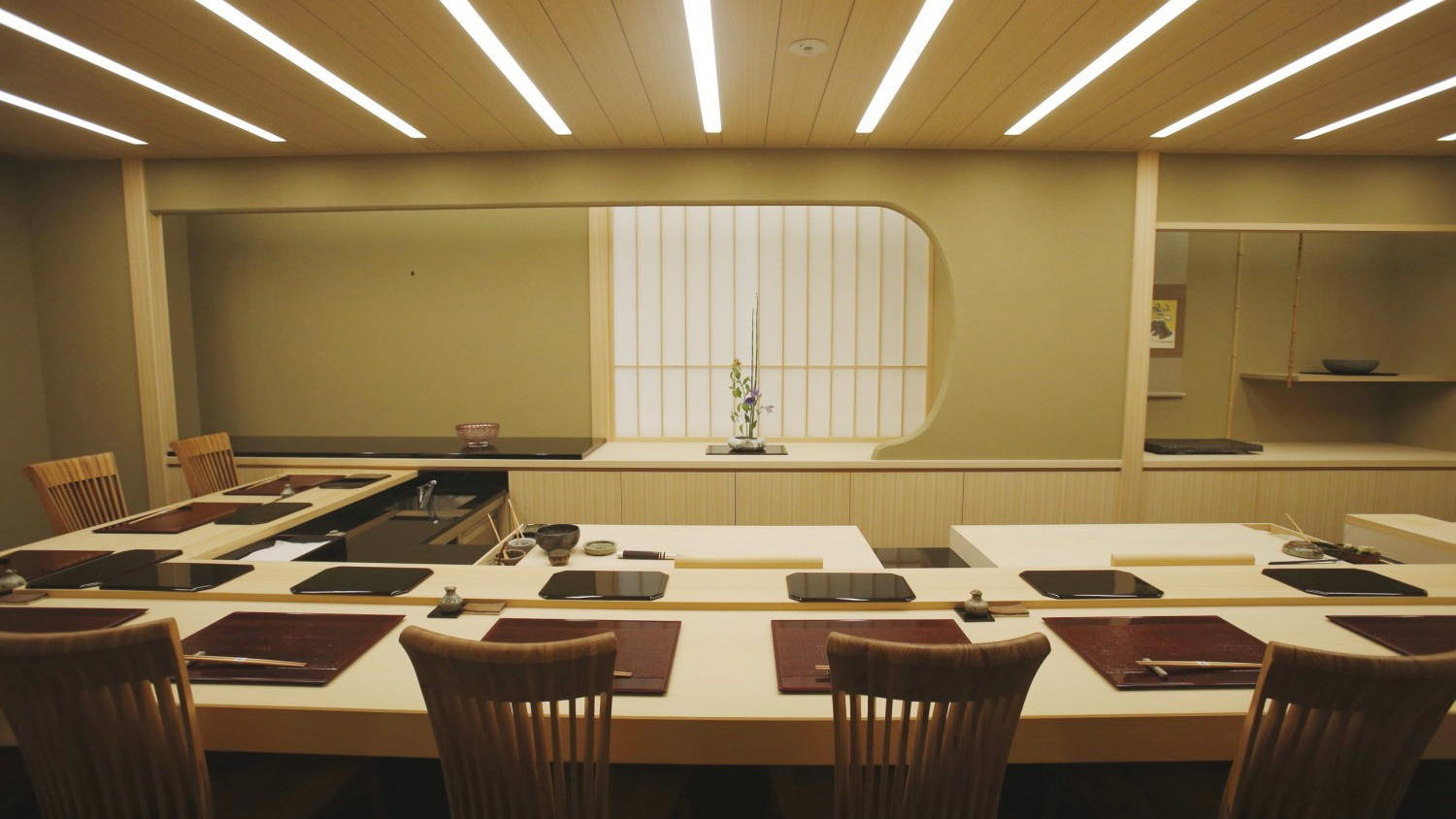
In Tokyo's Chuo ward, プレニチュード occupies a ground-floor address in Shintomi that positions it within a city where milestone dining carries particular cultural weight. The address places it alongside a tier of restaurants where the occasion shapes the meal as much as the menu does. For celebrations that demand both setting and substance, the Shintomi location offers proximity to central Tokyo's broader restaurant circuit.

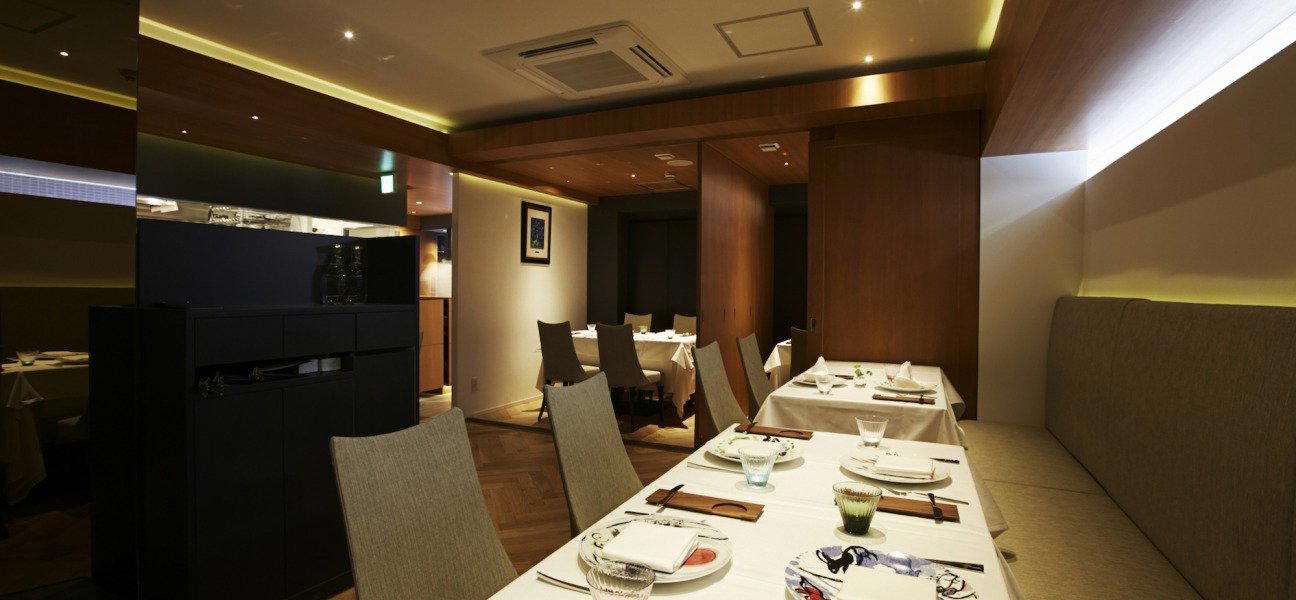
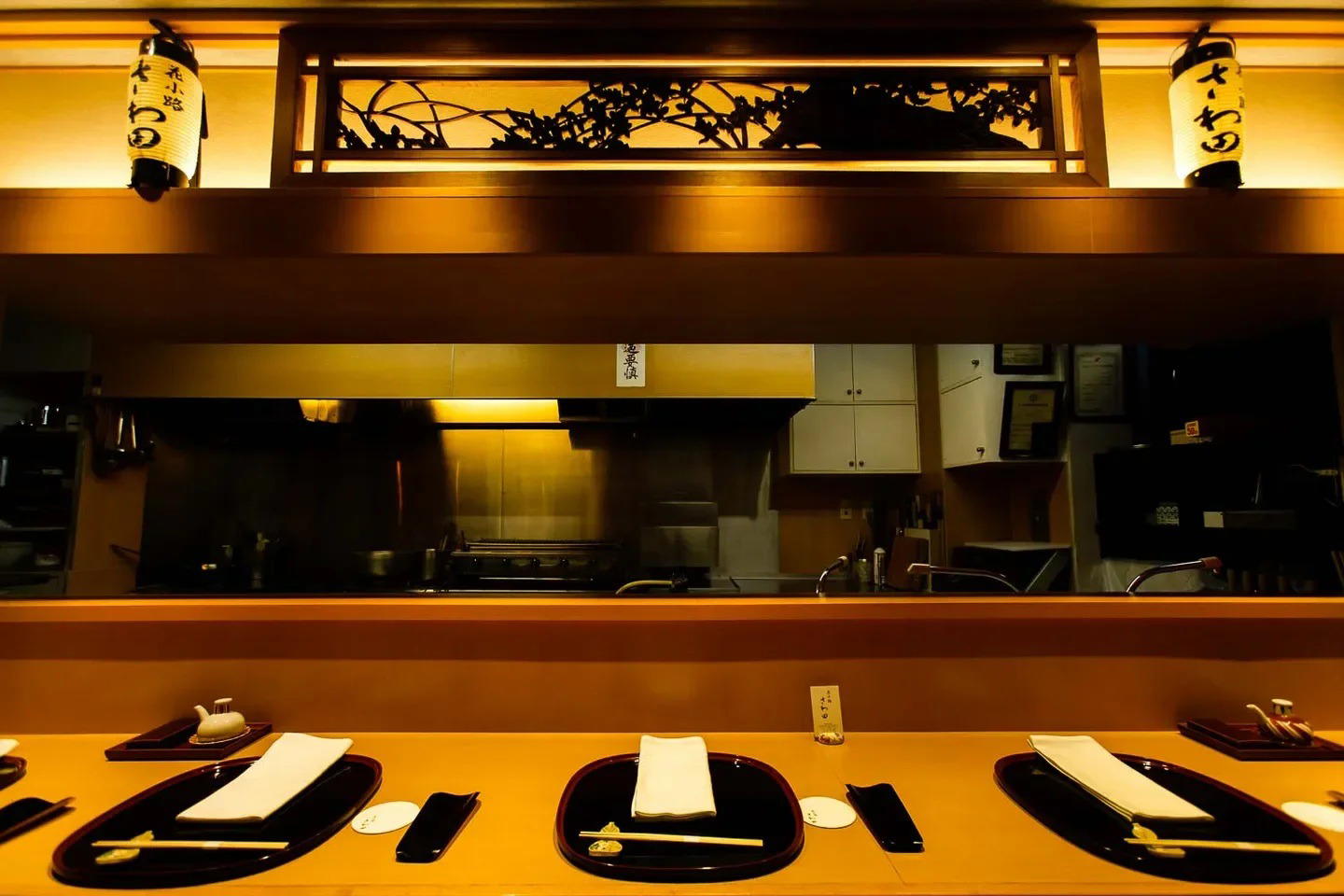
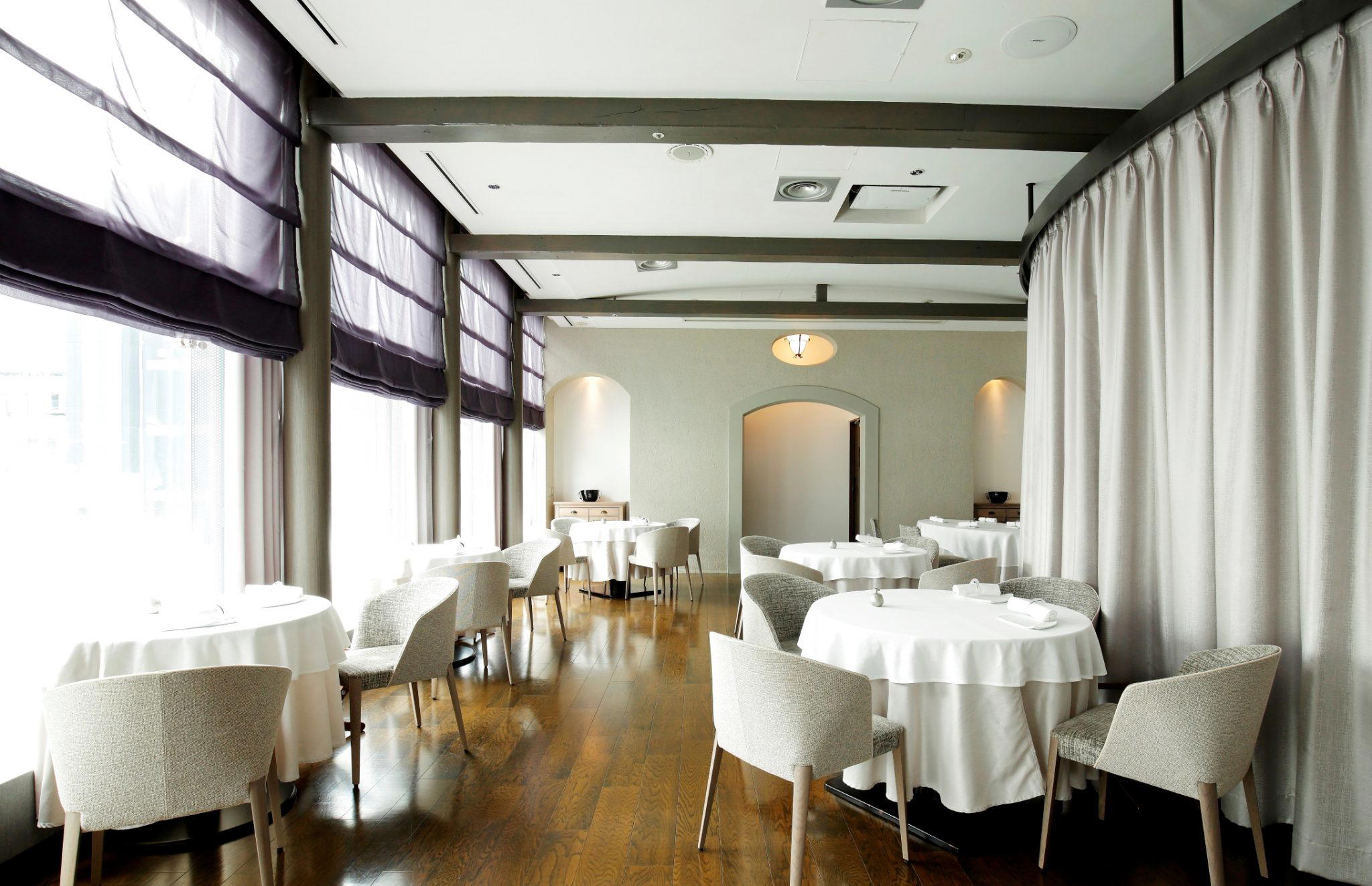
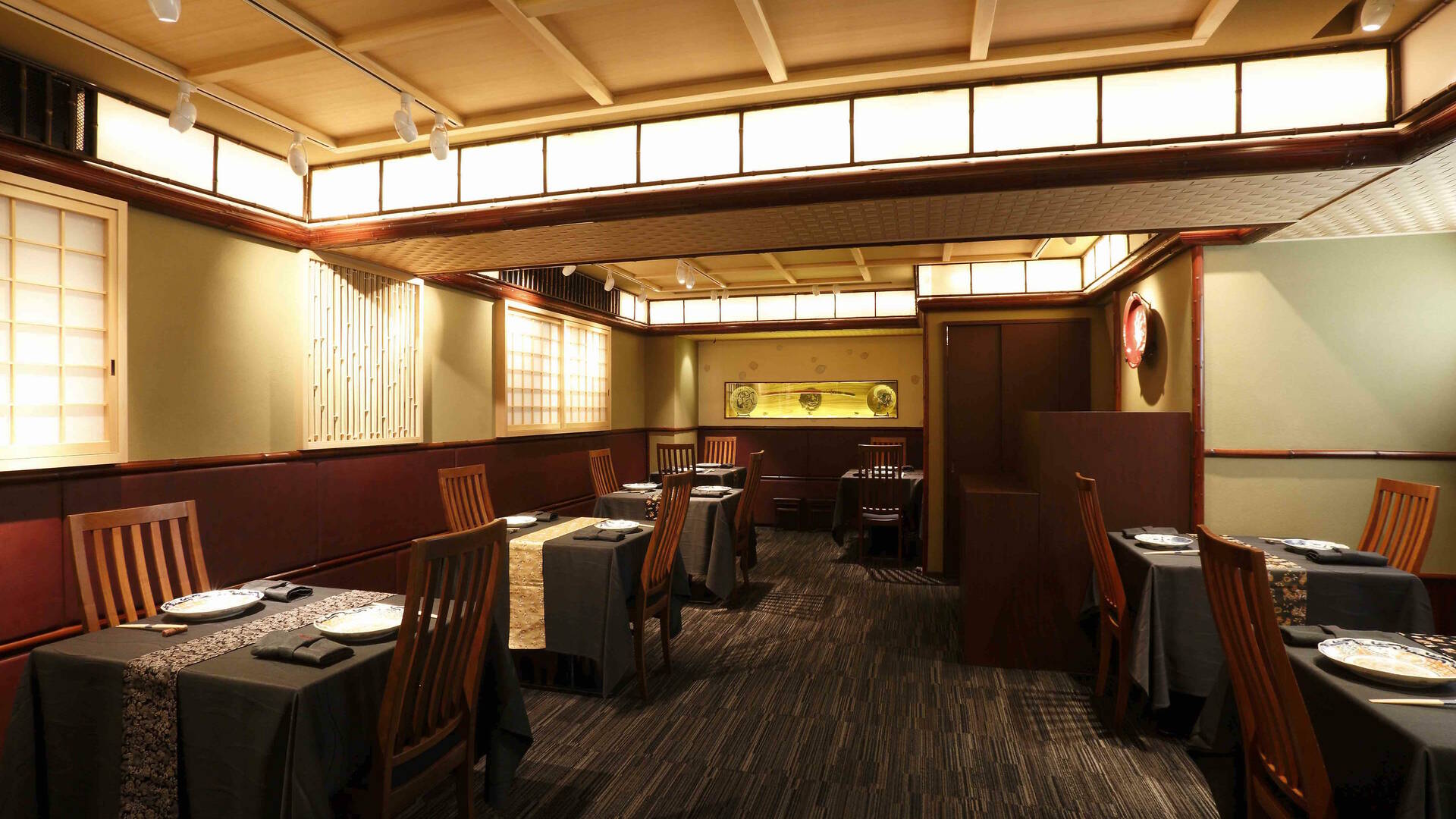
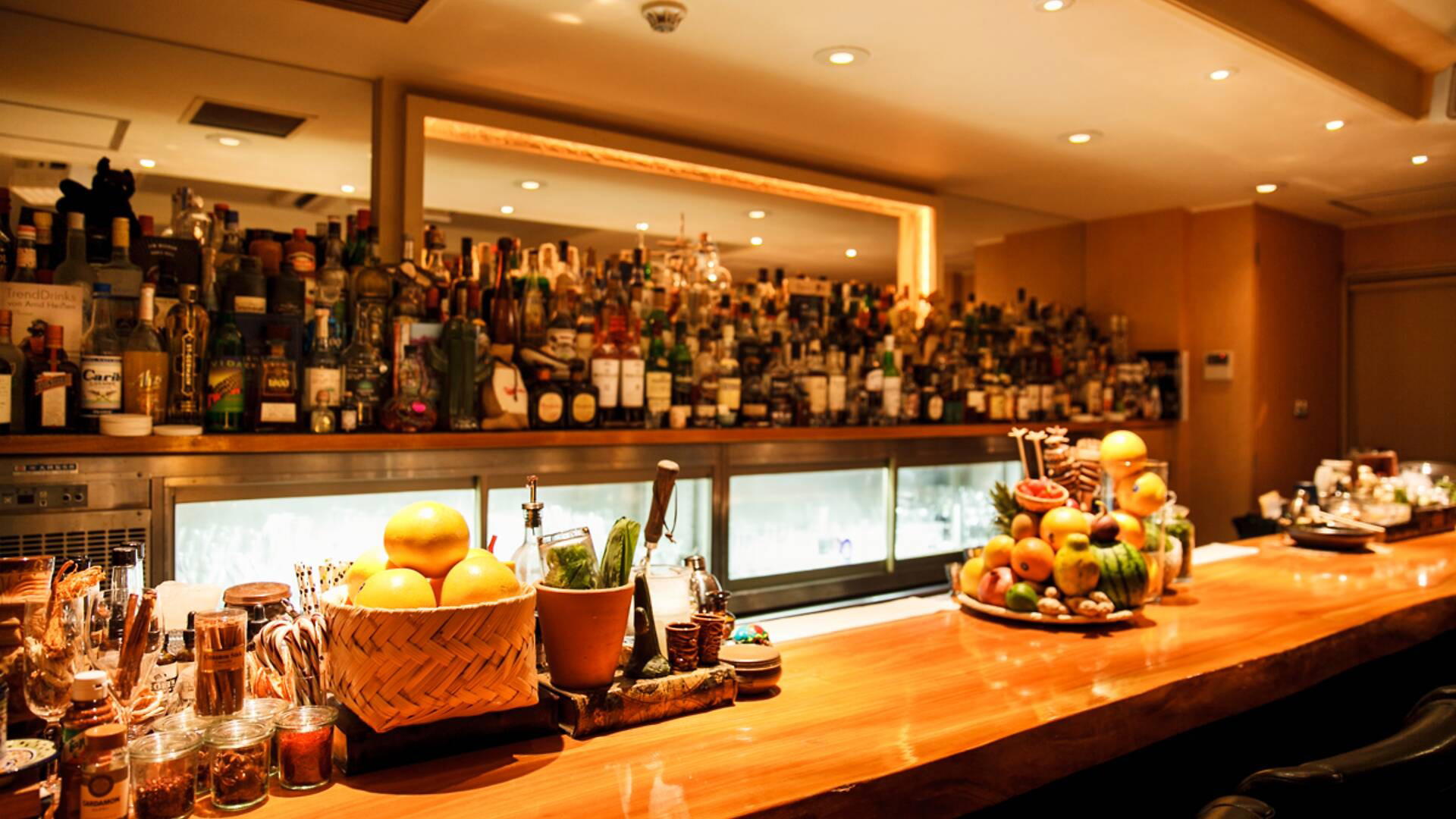
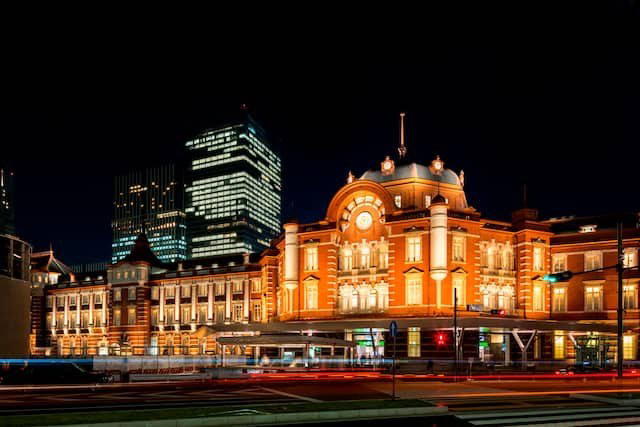
プレニチュード restaurant in Tokyo, Japan
About

When Tokyo Marks an Occasion, the Address Matters

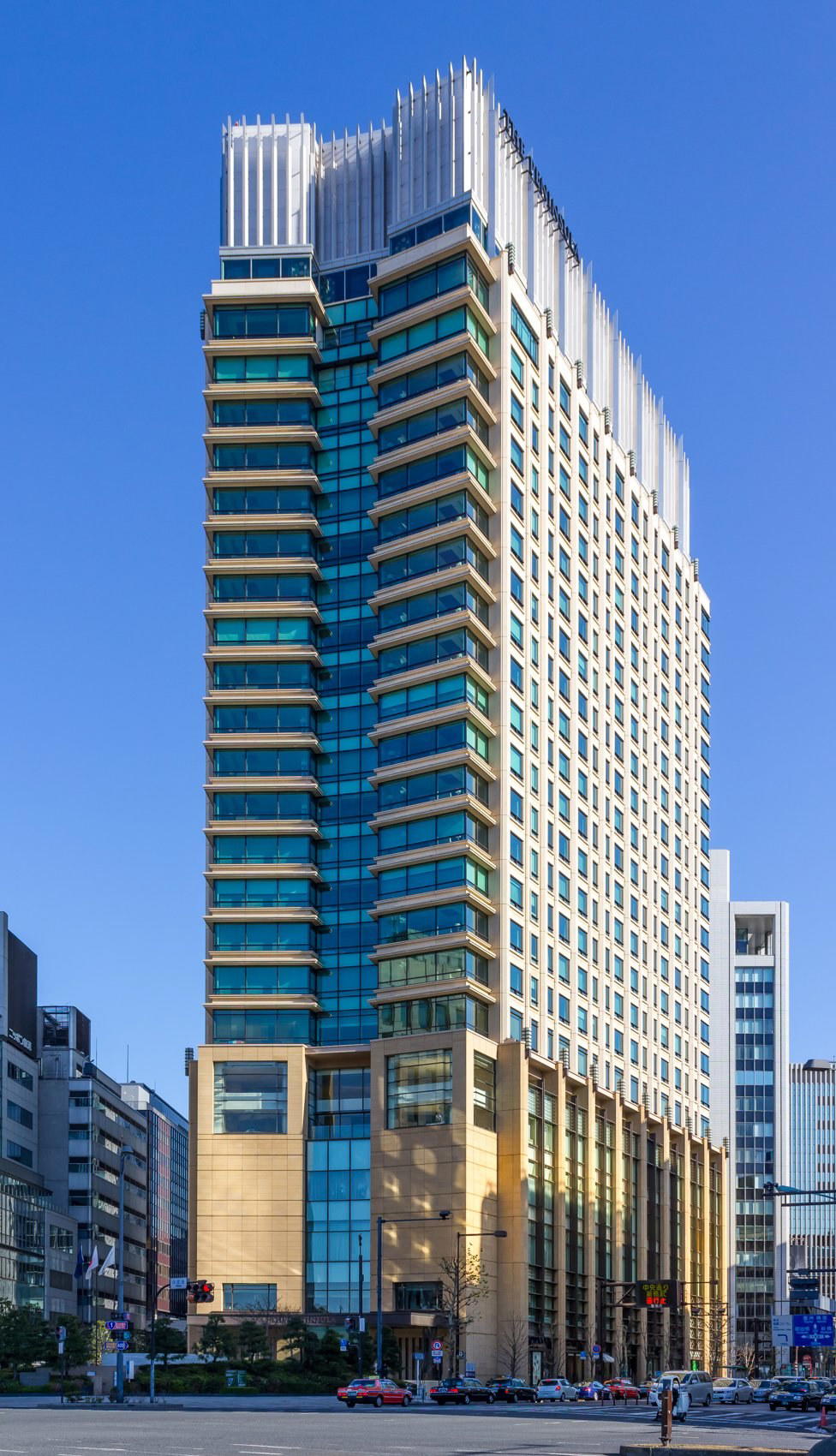
Milestone dining in Tokyo operates under a different set of expectations than in most other cities. Here, the choice of restaurant for a significant occasion carries social weight that extends well beyond the food itself: the neighbourhood signals intention, the format signals seriousness, and the reservation lead time signals how much the occasion matters to the person booking it. Chuo City's Shintomi district, where プレニチュード holds its ground-floor position in the Royal Plaza Shintomi building, sits within a zone of Tokyo that has long served this kind of purposeful dining. The area lies east of Ginza's most concentrated restaurant corridors, far enough from the tourist-facing density of Marunouchi to retain a working professional character, but close enough to connect to the broader geography of serious dining in central Tokyo.

That geography matters when the meal is the event. In a city with more Michelin-starred restaurants than Paris and London combined, the question for occasion diners is not simply where to eat well, but where eating well means something specific within the context of that evening. プレニチュード's Shintomi address places it in the tier of venues where the surrounding neighbourhood itself functions as part of the occasion's texture.

Members Only

The shortlist, unlocked.

Hard-to-book tables, cellar releases, and concierge-planned trips.

Get Exclusive Access →

The Occasion Dining Tier in Tokyo's Chuo Ward

Tokyo's serious occasion-dining circuit has evolved across several distinct price tiers and formats. At the leading, a small number of counters and private dining rooms in Ginza, Azabu, and Minami-Aoyama price themselves as destination meals, the kind that require planning three to six months ahead and where a single booking might anchor an entire trip. Below that sits a second, larger tier of restaurants where the combination of format, neighbourhood, and culinary seriousness makes them appropriate for milestone meals without demanding the same level of institutional planning. This second tier now includes a range of French-influenced and kaiseki-adjacent formats that draw from both Japanese and European culinary traditions.

Shintomi, as a residential-professional district bordering the Tsukiji area, has developed a quieter version of this occasion-dining identity. The neighbourhood does not compete with Ginza for visibility, which means the restaurants that thrive there tend to do so on the strength of repeat local patrons and word-of-mouth — both reliable signals that a venue delivers consistently enough to carry someone's important evening. For visitors orienting themselves through EP Club's full Tokyo restaurants guide, Shintomi represents a neighbourhood worth mapping separately from the headline districts.

Framing the Meal: How the Occasion Shapes Expectations

The format question in occasion dining is rarely about the food in isolation. Across Tokyo's top-tier French and Japanese restaurants, the structure of the meal itself communicates respect for the occasion. Counter formats, like those at Harutaka, emphasise craft transparency and intimacy. Room-format kaiseki, as practised at RyuGin, foregrounds ceremony and seasonal precision. French tasting menus, which anchor the offerings at venues like L'Effervescence and Sézanne, operate in a register that positions a long meal as the occasion itself, not merely its backdrop.

Within this city-wide framework, the Shintomi district offers occasion diners something that Ginza's most visible addresses do not always provide: a sense that the restaurant exists for the meal rather than for the visibility of being seen booking it. That is a meaningful distinction for diners planning a private celebration, an anniversary, or a business milestone that calls for substance over spectacle.

Japanese diners planning significant occasions often look across the country for reference points. HAJIME in Osaka, Gion Sasaki in Kyoto, and akordu in Nara each represent regional anchor points for milestone dining, and understanding how Tokyo's own occasion-dining tier positions itself against those requires tracking the same signals: booking depth, format discipline, and neighbourhood character.

Planning an Occasion Meal in Central Tokyo

For any serious occasion booking in central Tokyo, the planning window is the first practical signal of which tier a venue occupies. The restaurants at the leading of Tokyo's occasion-dining hierarchy, places like Crony, which works at the intersection of innovative and French formats at the ¥¥¥¥ price point, often require reservations placed weeks to months in advance. The comparison table below positions プレニチュード against a set of central Tokyo restaurants at the ¥¥¥¥ tier to give occasion diners a working framework.

VenueDistrictCuisine FormatPrice TierOccasion Signal
プレニチュードShintomi, ChuoNot confirmedNot confirmedGround-floor, residential-professional district
L'EffervescenceNishi-AzabuFrench¥¥¥¥Garden setting, long tasting format
SézanneGinzaFrench¥¥¥¥Hotel-anchored, very high booking demand
RyuGinRoppongiKaiseki¥¥¥¥Seasonal kaiseki ceremony, private room options
HarutakaGinzaSushi¥¥¥¥Counter intimacy, long lead booking

For diners working outside central Tokyo, the occasion-dining framework extends to regional venues worth the travel. Goh in Fukuoka, a kaiseki address in Nanao, and a lakeside destination in Takashima each represent Japan's broader geography of purposeful dining. International benchmarks like Le Bernardin in New York City and Atomix in the same city illustrate how the occasion-dining tier operates across different culinary cultures, where booking signals and format discipline function as common currencies regardless of cuisine.

Members Only

The shortlist, unlocked.

Hard-to-book tables, cellar releases, and concierge-planned trips.

Get Exclusive Access →

Frequently Asked Questions

Cuisine and Credentials

A quick peer reference to anchor this venue in its category.

Collector Access

Need a table?

Our members enjoy priority alerts and concierge-led booking support for the world's most difficult tables.

Get Exclusive Access
Members Only

The shortlist, unlocked.

Hard-to-book tables, cellar releases, and concierge-planned trips.

Get Exclusive Access →