Our verdict
オルガン sits in Nishi-Ogikubo, one of Tokyo's quieter residential neighbourhoods, at a deliberate remove from the Michelin-heavy circuits of Ginza and Minami-Aoyama. The restaurant draws a loyal local following alongside out-of-neighbourhood diners who treat it as a destination for considered meals rather than casual dining. Its Suginami address positions it within a different register of Tokyo eating than its central-city peers.

Pearl is the En Primeur Club membership app — saves, bookings, and concierge access live there. Same editors, same standards.
- Address
- 2 Chome-19-12 Nishiogiminami, Suginami City, Tokyo 167-0053, Japan
- Phone
- +81359415388
- Hours
- Mon ClosedTue–Fri 5–11 PMSat–Sun 12–3 PM, 5–9 PM
- Directions
- Get directions
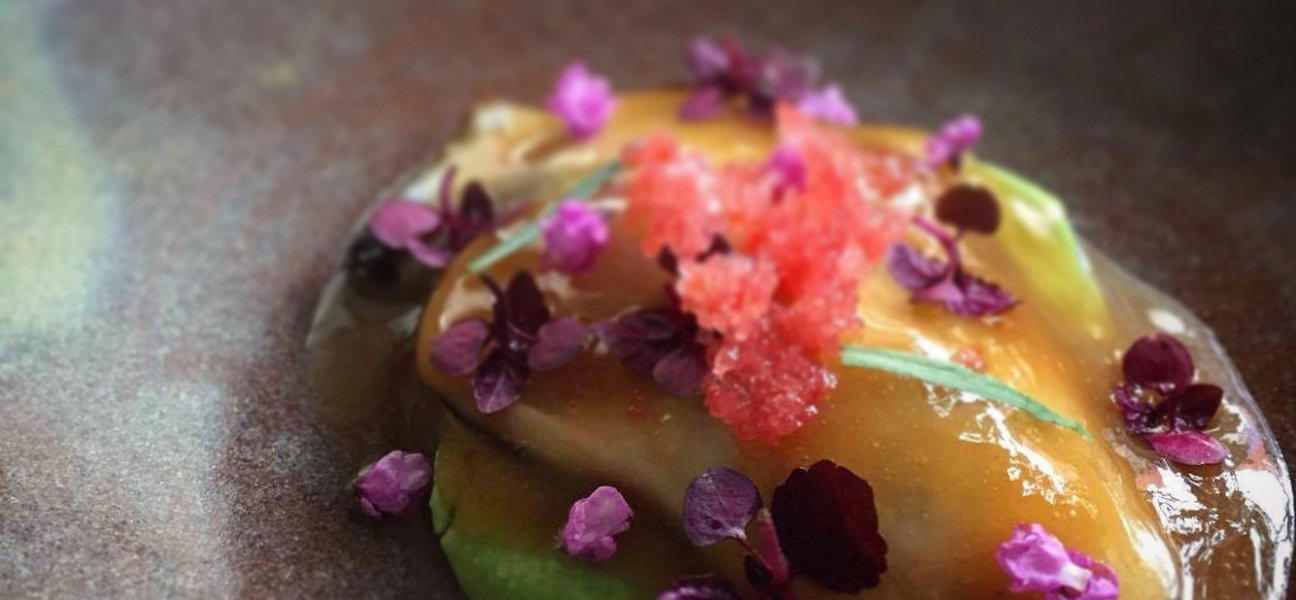
Dining at a Distance from the Obvious
Tokyo's serious restaurant culture has long concentrated in a handful of high-rent corridors: Ginza for omakase counters like Harutaka, Minami-Aoyama for French addresses such as L'Effervescence and Sézanne, Roppongi for kaiseki institutions like RyuGin. But the city has always maintained a parallel circuit: neighbourhood restaurants in residential wards where the absence of tourist-facing infrastructure is itself a qualifier. Nishi-Ogikubo, in Suginami City, belongs to that second category. The area is better known for antique furniture dealers and second-hand bookshops than for dining destinations, which is precisely what makes a restaurant choosing to root itself there a deliberate act of positioning.
オルガン occupies an address at 2 Chome-19-12 Nishiogiminami, Suginami City — a location that sits outside every obvious dining map of Tokyo. That distance from the central circuit is not incidental. Restaurants in residential neighbourhoods like this one attract a different diner: someone who has sought the place out, made the journey on the Chuo or Sobu line, and arrived with a specific intention. That intentionality shapes the atmosphere in ways that a walk-in-friendly Shinjuku address never quite replicates.
The Occasion Argument for Going Further
There is a particular logic to choosing a neighbourhood restaurant for a meaningful meal. The high-profile tasting menu addresses in central Tokyo — the kind that appear on the full Tokyo restaurants guide alongside venues like Crony, carry the weight of their own reputation into the room. The diner arrives aware of the Michelin stars, the booking difficulty, the price. A well-regarded neighbourhood restaurant operates differently: the occasion is created by the people at the table and the care in the kitchen, without institutional reputation doing the emotional work in advance.
This is the occasion-dining case for places like オルガン. When the meal itself needs to carry a celebration, a birthday, a professional milestone, a long-overdue reunion, the absence of spectacle can be an asset. Intimate scale, a kitchen close enough to sense without theatrics, a room where the staff know the regular rhythms: these are conditions that central-city landmark restaurants sometimes struggle to sustain. Japan's broader dining culture understands this. The country's most celebrated regional restaurants, Gion Sasaki in Kyoto, HAJIME in Osaka, Goh in Fukuoka, akordu in Nara, all operate in cities where the dining culture rewards restaurants that build identity outside the obvious tourist circuit.
Nishi-Ogikubo as a Dining Neighbourhood
Suginami's residential character means that restaurants here earn their clientele through consistency rather than location advantage. The ward sits west of Shinjuku along the Chuo line, and its dining stock skews local: long-standing izakayas, small ramen shops, a handful of wine-focused addresses that have developed word-of-mouth followings over years. It is the kind of neighbourhood where a restaurant can operate at a measured pace, building a regular customer base that returns for specific reasons rather than novelty.
The pattern recurs across the country, at addresses like 一本木 中川製 in Nanao, 湖畔荘 in Takashima, 鳥羽屋 in Nishikawa Machi, and 古代山乃 in Sapporo, where the restaurant's distance from the metropolitan centre is part of what sustains the quality of attention in the room. Similar logic applies internationally: Birdland in Sakai, Bistro Ange in Toyohashi, and further afield, the contrast with destination restaurants in dense urban centres like Le Bernardin in New York City or Atomix, both of which operate in a different register entirely, where institutional recognition is inseparable from the dining experience.
What the Location Signals
A restaurant that has chosen Nishi-Ogikubo over Daikanyama or Nishi-Azabu is communicating something about its priorities. It is not optimising for foot traffic, for proximity to hotel concierges, or for the kind of spontaneous reservation that fills seats at centrally located venues. The Suginami address requires the diner to make a decision in advance, to plan the evening, to arrive with purpose. For a celebration meal, that advance commitment is useful: the occasion begins before you walk through the door, in the act of booking and in the journey across the city.
The name オルガン, the Japanese transliteration of the word organ, in the musical instrument sense, carries its own register. Organs are instruments of sustained, layered sound, associated with spaces built for attention and ceremony. Whether the name maps to the restaurant's actual format is something each diner discovers in the room, but the choice of name signals an intent toward something more than the functional.
Planning the Visit
The Nishi-Ogikubo neighbourhood is served directly by both the JR Chuo Line and the JR Sobu Line, making access from central Tokyo direct, Shinjuku to Nishi-Ogikubo takes under fifteen minutes. The address sits in the southern part of the neighbourhood, a short walk from the station. Given the residential character of the area, the surrounding streets are quiet in the evenings, which reinforces the sense of arrival at a specific destination rather than a busy dining district.
Know Before You Go
- Address: 2 Chome-19-12 Nishiogiminami, Suginami City, Tokyo 167-0053, Japan
- Nearest Station: Nishi-Ogikubo (JR Chuo Line / JR Sobu Line)
- Phone: Not publicly listed
- Website: Not publicly listed
- Booking: Advance reservation recommended given neighbourhood format; walk-in availability unconfirmed
- Price Range: Not published; contact directly for current menu pricing
- Hours: Confirm directly before visiting
Frequently asked questions
Where is オルガン located?
オルガン is located at 2 Chome-19-12 Nishiogiminami, Suginami City, Tokyo 167-0053, Japan, Tokyo.
How do you get to オルガン from central Tokyo?
オルガン is located at 2 Chome-19-12 Nishiogiminami, Suginami City, directly served by both the JR Chuo Line and JR Sobu Line at Nishi-Ogikubo Station. From Shinjuku, the journey runs under 15 minutes on the Chuo Line. The neighbourhood sits well outside the Ginza-to-Roppongi dining corridor, which is precisely what draws a specific kind of Tokyo diner to the area.
What dish is オルガン famous for?
No specific signature dishes for オルガン have been publicly documented through available editorial sources. The restaurant sits in Nishi-Ogikubo, Suginami City — a neighbourhood where small restaurants typically build reputation through a consistent, focused menu rather than a single headline item. Visiting with an open approach to whatever is being served that evening is the practical strategy.
Do they take walk-ins at オルガン?
Small, considered restaurants in residential Tokyo neighbourhoods like Nishi-Ogikubo tend to operate at limited capacity, making advance planning advisable. Arriving without a reservation on a first visit carries real risk of not being seated.
Price and Recognition
Comparable venues nearby, for context on price, style, and recognition.
| Venue | Cuisine | Price | Awards | Notes |
|---|---|---|---|---|
| オルガンThis venue — the venue you are viewing | Modern French Bistro | Not listed | Not listed | Not listed |
| アムール | Japanese French Kaiseki | Not listed | Michelin Plate · Tabelog 100 #84 | Shibuya, Japanese-French Fine Dining |
| ル・ジャルダン・デ・サヴール | Classic French Fine Dining | Not listed | Not listed | Chūō, Classic French Fine Dining |
| l' Equator | Innovative French Fusion | Not listed | Not listed | Minato, Innovative French Fusion |
| サンプリシテ | Modern French Seafood Omakase | $150–200 | Michelin Plate · Tabelog 100 #31 | Shibuya, Fish-Centric Modern French Omakase |
| Gastronomy Joel Robuchon | Modern French Fine Dining | $500+ | Tabelog 100 #55 | Meguro, Modern French Fine Dining |











Details
- Cozy
- Elegant
- Intimate
- Sophisticated
- Date Night
- Special Occasion
- Natural Wine
- A La Carte
- Sake Program
Current opening hours
- Monday
- Closed
- Tuesday
- 5–11 PM
- Wednesday
- 5–11 PM
- Thursday
- 5–11 PM
- Friday
- 5–11 PM
- Saturday
- 12–3 PM, 5–9 PM
- Sunday
- 12–3 PM, 5–9 PM
Hours can change for holidays and private events. Last verified .
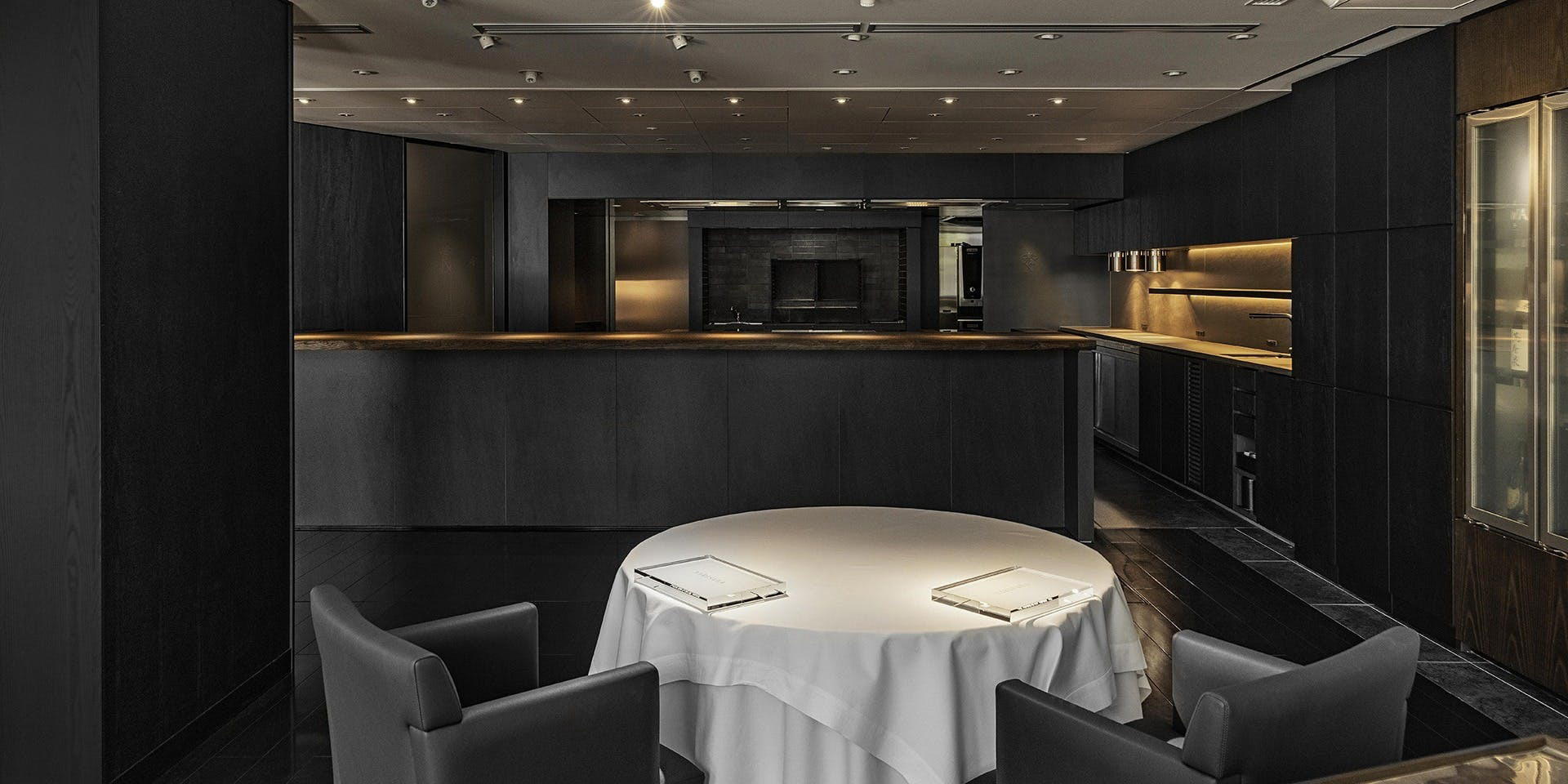
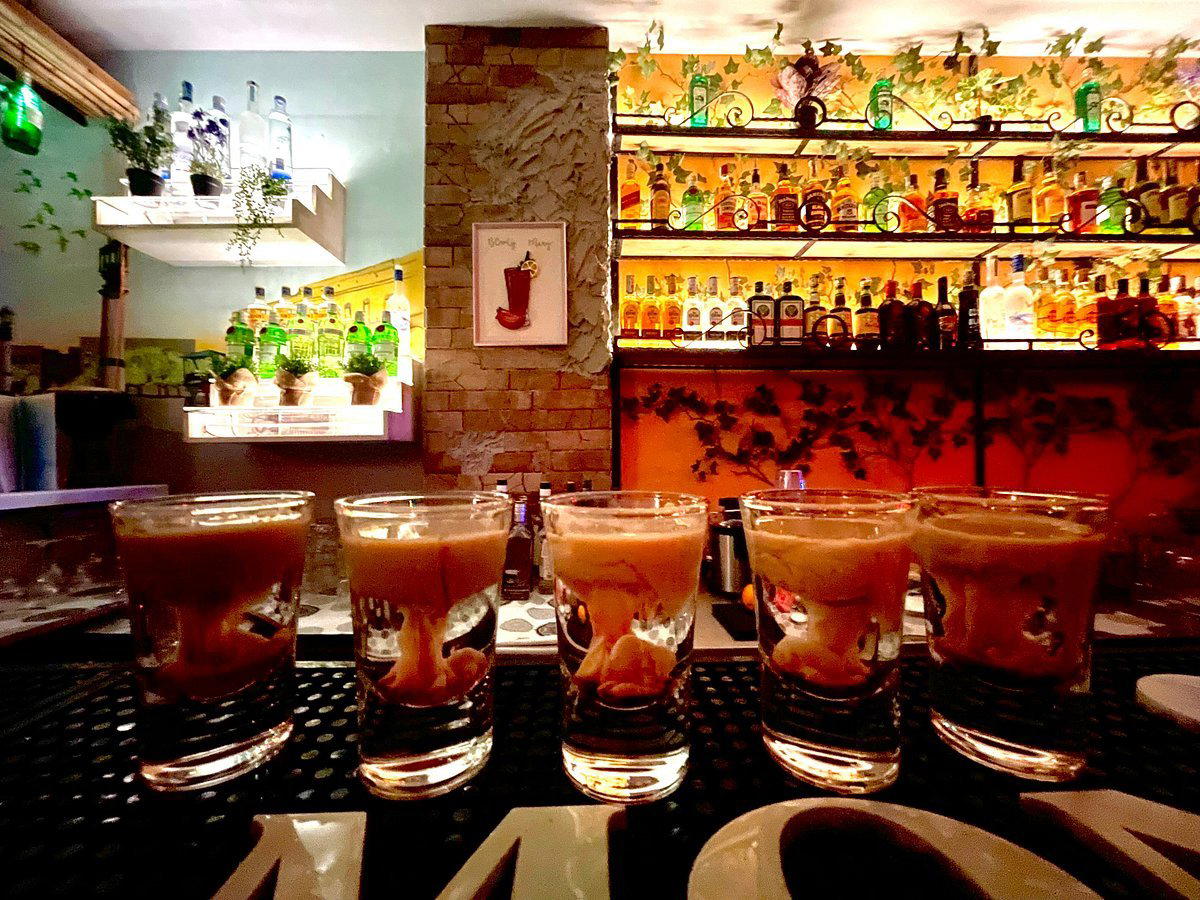
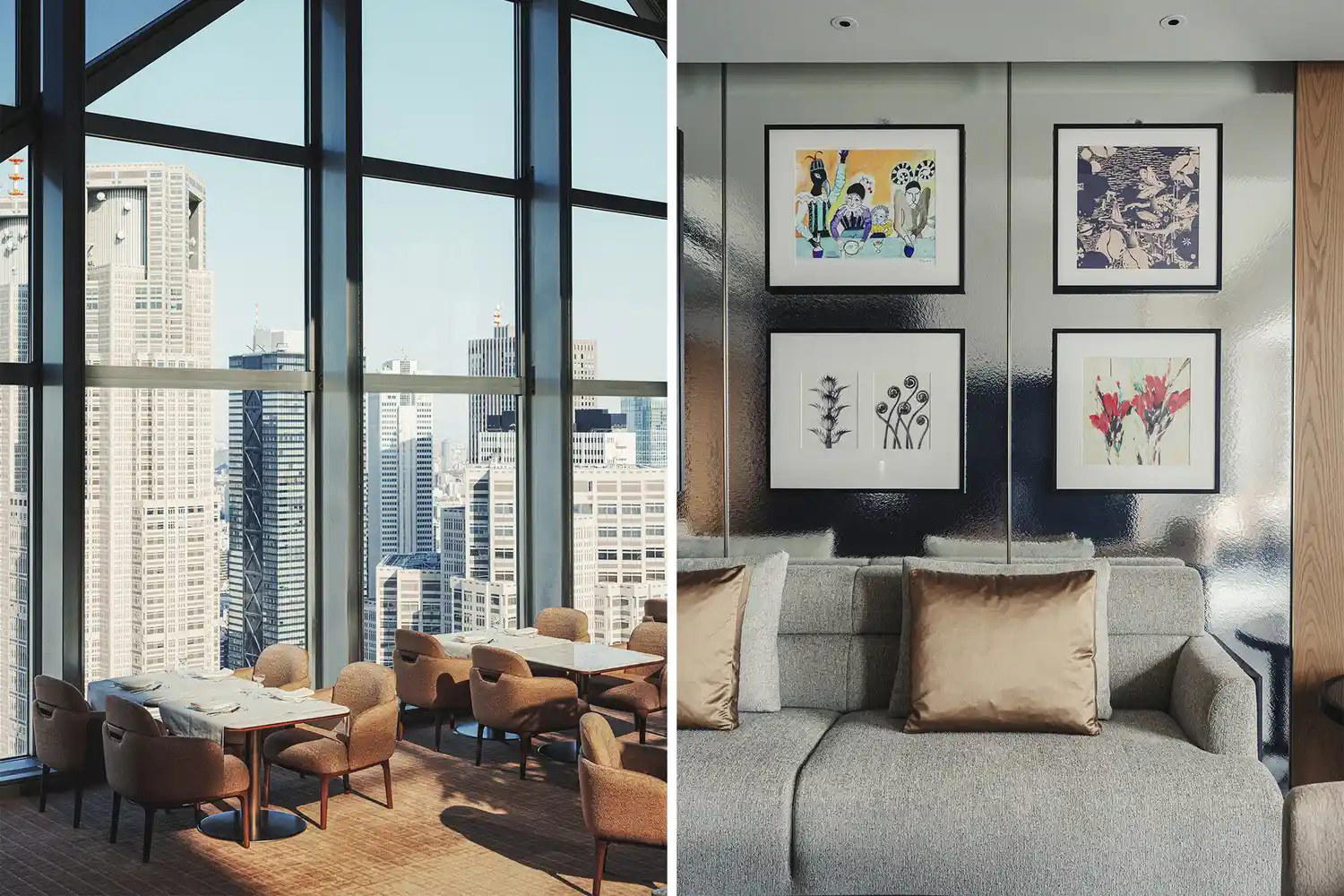
Stylish and comfortable atmosphere with vintage furniture, relaxed and unhurried vibe enhanced by a rich selection of glass wines.