Located in Kanazawa's Kiyokawamachi district, æäº ç©æ¿¤ sits within a city whose proximity to the Sea of Japan and Noto Peninsula farmland makes it one of Japan's most ingredient-rich dining environments. The address places it among a neighbourhood of traditional townhouses and small specialty restaurants where Kanazawa's produce-driven dining culture is most concentrated. Visitors should confirm current details directly before visiting, as operational information is limited.
Pearl is the En Primeur Club membership app — saves, bookings, and concierge access live there. Same editors, same standards.
- Address
- 3-11 Kiyokawamachi, Kanazawa, Ishikawa 921-8032, Japan
- Phone
- +81762432288
- Website
- kanazawa-suginoi.co.jp
- Directions
- Get directions
 Saves & bookings on Pearl
Kiyokawamachi and the Geography of Kanazawa Ingredient Culture
Approach Kiyokawamachi on foot and the city's relationship with its food supply becomes immediately legible. This is a neighbourhood of narrow lanes, low wooden facades, and the kind of quiet that signals a district where restaurants do their work without needing to advertise it. Kanazawa sits at the intersection of two exceptional food geographies: the Sea of Japan coastline to the west, which delivers some of Honshu's most prized cold-water seafood, and the Noto Peninsula to the north, whose farmers and foragers supply vegetables, mushrooms, and wild herbs that rarely appear outside the Hokuriku region. The address at 3-11 Kiyokawamachi places æäº ç©æ¿¤ inside that supply chain in the most direct sense.
Kanazawa's food reputation has grown steadily over the past two decades, not because the city reinvented its cuisine but because the rest of Japan caught up with what locals already knew. Omicho Market, a short distance from the Kiyokawamachi streets, gives a concrete sense of what the city works with: snow crab in winter, nodoguro (blackthroat seaperch) year-round, plus seasonal shellfish and wild vegetables that shift with each month. Restaurants in this tier of the city build menus around that calendar rather than against it. For context on how æäº ç©æ¿¤ fits within the wider Kanazawa dining map, the our full Kanazawa restaurants guide covers the city's range from traditional kaiseki to more contemporary formats.
Where Kanazawa Sits in Japan's Regional Dining Order
Japan's premium dining culture is concentrated in Tokyo, Kyoto, and Osaka, but Kanazawa has long operated as a serious secondary circuit. Restaurants like Dokkan and the kaiseki rooms of Kenrokuen's surrounding streets have drawn dedicated visitors for years. The comparison set in Kanazawa tends toward restraint-led Japanese formats, with kaiseki and its variations dominating the upper tier. Comparison venues in the city's current scene include kaiseki specialists such as Kataori and Zeniya, yakitori-focused Hamagurizaka Maekawa, and Spanish-inflected Respiracion, which signals that the city has absorbed enough cosmopolitan influence to support genuinely diverse formats at a serious level.
The ingredient-sourcing philosophy that defines this tier of Kanazawa dining has parallels in other Japanese regional cities. Goh in Fukuoka applies a comparable hyper-local approach to Kyushu's seafood and produce, while Gion Sasaki in Kyoto operates within a different but equally discipline-heavy sourcing tradition tied to Kyoto's agricultural belt. What distinguishes Kanazawa is the density of the supply: the city has coastline, mountain, and agricultural plain within a short radius, which gives chefs here a seasonal range that few Japanese cities can match in volume and variety.
The Seasonal Logic of a Noto-Adjacent Kitchen
The editorial angle that matters most for any Kanazawa restaurant operating at this address is the Noto Peninsula connection. Noto farmers, many of whom supply only a handful of restaurants, grow burdock, lotus root, and varieties of leafy greens that carry a mineral quality specific to the peninsula's soil composition. The 2024 earthquake that struck the Noto Peninsula caused significant disruption to farming communities there, and any restaurant sourcing from the peninsula in its aftermath is operating in a changed supply environment. This is worth understanding for visitors: seasonal availability at Kanazawa's produce-driven restaurants may reflect those supply shifts, and the adaptation of menus in response to that disruption has become part of the city's current dining conversation.
Cold-water seafood from the Sea of Japan follows a distinct seasonal rhythm. Winter brings snow crab (zuwaigani), which is regulated by strict prefectural catch limits that make it genuinely scarce rather than artificially so. Nodoguro, the fatty white-fleshed fish that Kanazawa has become nationally associated with, runs across more of the year but peaks in autumn. Spring brings firefly squid from Toyama Bay, a few hours along the same coastline. These are not background details in the way that seasonal ingredients sometimes function at restaurants further from their source. At this proximity to the supply, the calendar of the sea and the mountain genuinely structures what can appear on a menu. Seasonal restaurants in this mode, including affetto akita in Akita and Aji Arai in Oita, operate under similar regional-supply logic in their own prefectures.
Kanazawa's Neighbourhood Dining Ecosystem
Kiyokawamachi does not function like a dining district designed for tourism. The streets here are residential in character, with specialty food shops and traditional restaurants interspersed among private homes. Amanatto Kawamura nearby exemplifies the neighbourhood's tendency toward quiet specialisation, as does Hakuichi. The contrast with Kanazawa's more tourist-facing streets near Higashi Chaya is deliberate. Restaurants in Kiyokawamachi and its immediate surrounds tend to serve a local clientele first, with visiting diners accepted on the same terms rather than accommodated with translated menus or modified formats. This is a meaningful distinction for visitors planning around the address.
The broader Kanazawa dining scene includes formats at every price point. Go! Go! Curry is the city's most recognisable export in the accessible tier, while Budoonomori Les Tonnelles represents the French-influenced fine dining strand that Kanazawa has developed alongside its kaiseki tradition. The city is compact enough that moving between these different tiers takes under fifteen minutes on foot or by taxi from the central Katamachi area.
Planning a Visit
Operational details for æäº ç©æ¿¤, including hours, pricing, booking method, and current menu format, are not confirmed in available records and should be verified directly before visiting. The address at 3-11 Kiyokawamachi, Kanazawa, Ishikawa 921-8032 is in the southern arc of the city's traditional residential districts, reachable from Kanazawa Station by taxi in approximately fifteen minutes. Visitors planning Kanazawa alongside broader Kansai and Chubu itineraries may also want to reference comparable restaurant experiences in the region: HAJIME in Osaka, Harutaka in Tokyo, and akordu in Nara all operate within the same tier of sourcing-conscious Japanese and cross-cultural fine dining. Visitors with dietary restrictions should contact the venue in advance, as produce-driven menus built around daily market sourcing are typically not structured around fixed substitution options. The same applies to those asking about walk-in availability: restaurants at this address type in Kanazawa almost universally operate by reservation.
For diners approaching Kanazawa from further afield, the Japan Rail Shinkansen connection from Tokyo (Hokuriku Shinkansen, approximately 2.5 hours) and from Osaka (via the extended Hokuriku route) makes the city a viable standalone destination rather than a stopover. The city's scale means that a two-night stay covers the core dining geography thoroughly. Additional context on regional fine dining in lesser-visited Japanese cities can be found through profiles of Akakichi in Imabari and Ajidocoro in Yubari District, both of which operate in the same mode of serious regional kitchens outside Japan's primary dining circuits. For international reference points on ingredient-forward sourcing philosophy, Le Bernardin in New York City and Lazy Bear in San Francisco both demonstrate how proximity to supply and seasonal calendar discipline translate into kitchen identity at the highest levels, in contexts that Kanazawa visitors with broader fine dining backgrounds will find instructive as comparison points. Abon in Ashiya offers a closer Japanese parallel in a similar small-city format.
How 料亭 穂濤 Kanazawa compares with similar nearby venues.
| Venue | Cuisine |
|---|---|
| Tempura Koizumi | Tempura |
| Hamagurizaka Maekawa | Yakitori |
Continue exploring
More in Kanazawa
Restaurants in Kanazawa
Browse all →
Bars in Kanazawa
Browse all →
Hotels in Kanazawa
Browse all →

Wineries in Kanazawa
Browse all →
At a Glance
- Classic
- Elegant
- Quiet
- Sophisticated
- Intimate
- Special Occasion
- Business Dinner
- Celebration
- Private Event
- Family
- Private Dining
- Garden
- Historic Building
- Standalone
- Local Sourcing
- Garden
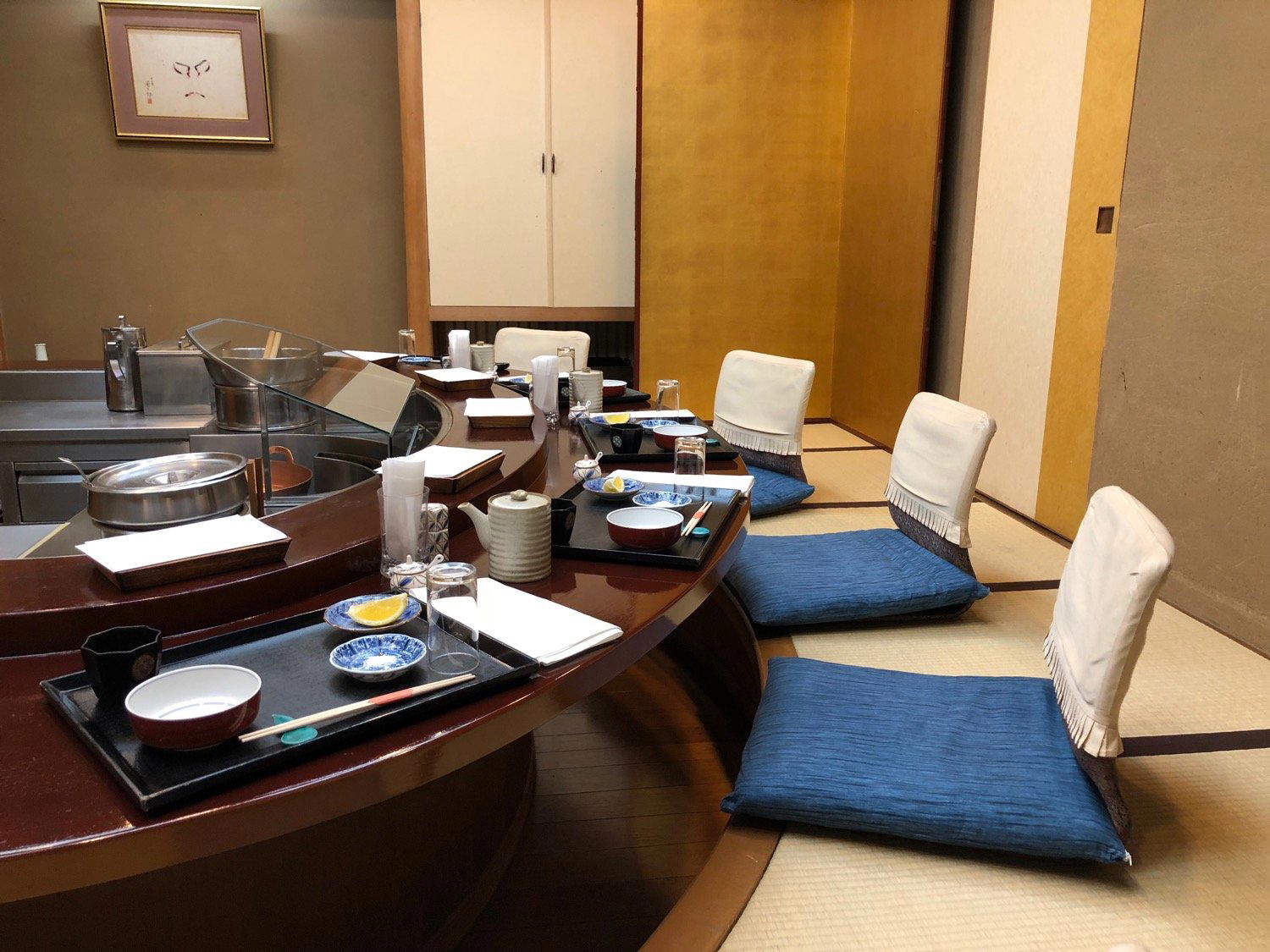
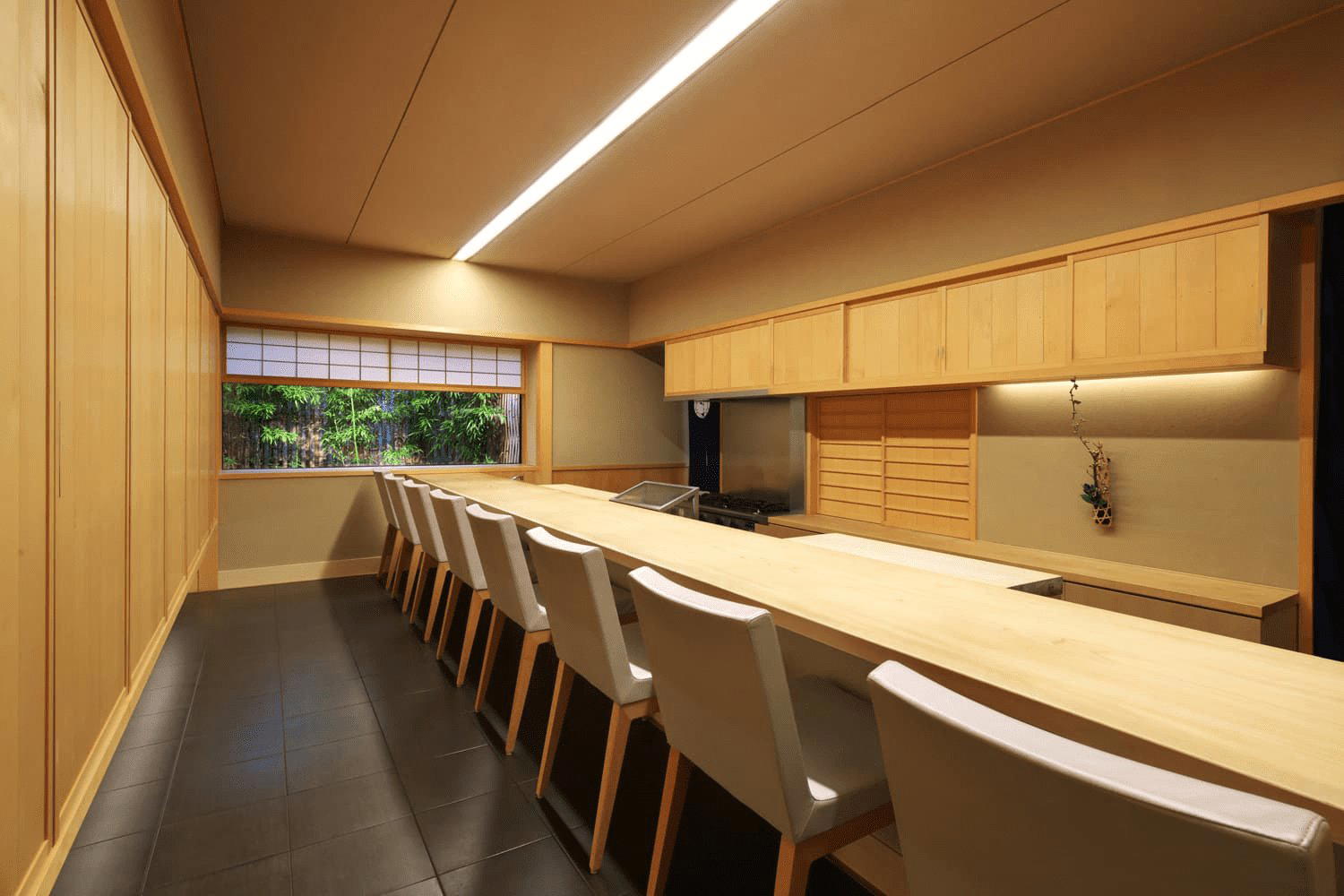
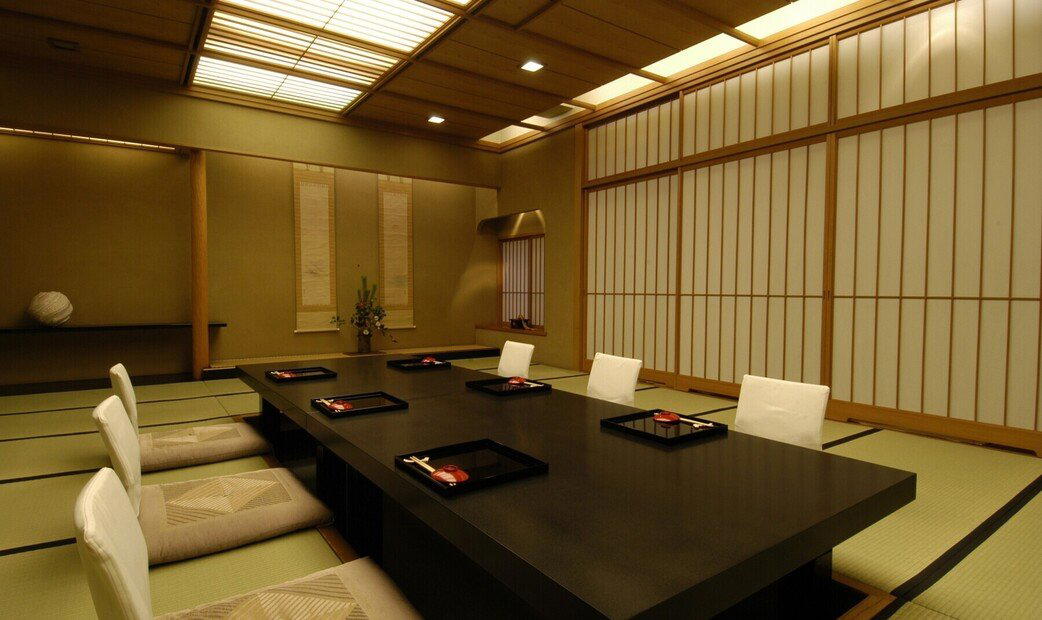
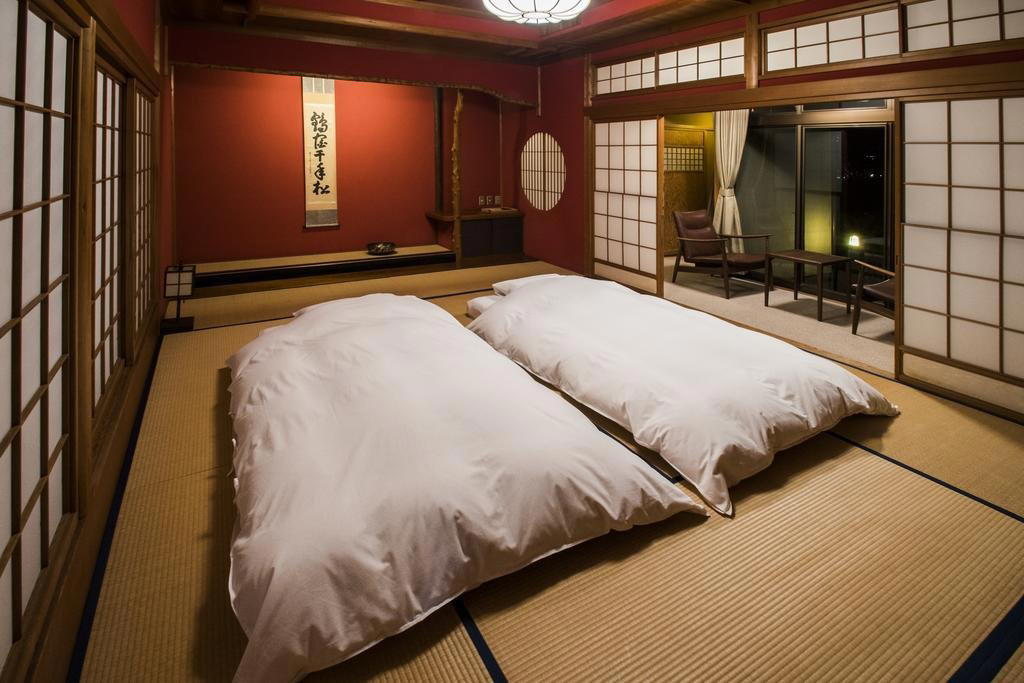
Formal and serene, with traditional tatami private rooms, garden views, and a refined old-Kanazawa atmosphere suited to celebrations, business entertaining, and special occasions.
Know Before You Go
- Getting there
- 3-11 Kiyokawamachi, Kanazawa, Ishikawa 921-8032, Japan