In the Izumi district of Kanazawa, 割鮮 のむら operates in the register of neighbourhood restaurants that serve the city rather than its visitors — a distinction that matters in a place where kaiseki heritage and seasonal seafood define the dining conversation. The address alone, removed from the tourist circuit around Kenroku-en and the Higashi Chaya district, signals a kitchen more interested in feeding regulars than curating an experience for passing trade.
Pearl is the En Primeur Club membership app — saves, bookings, and concierge access live there. Same editors, same standards.
- Address
- 泉野出町3丁目3-32, 金沢市, 石川県, 921-8116
- Directions
- Get directions
 Saves & bookings on Pearl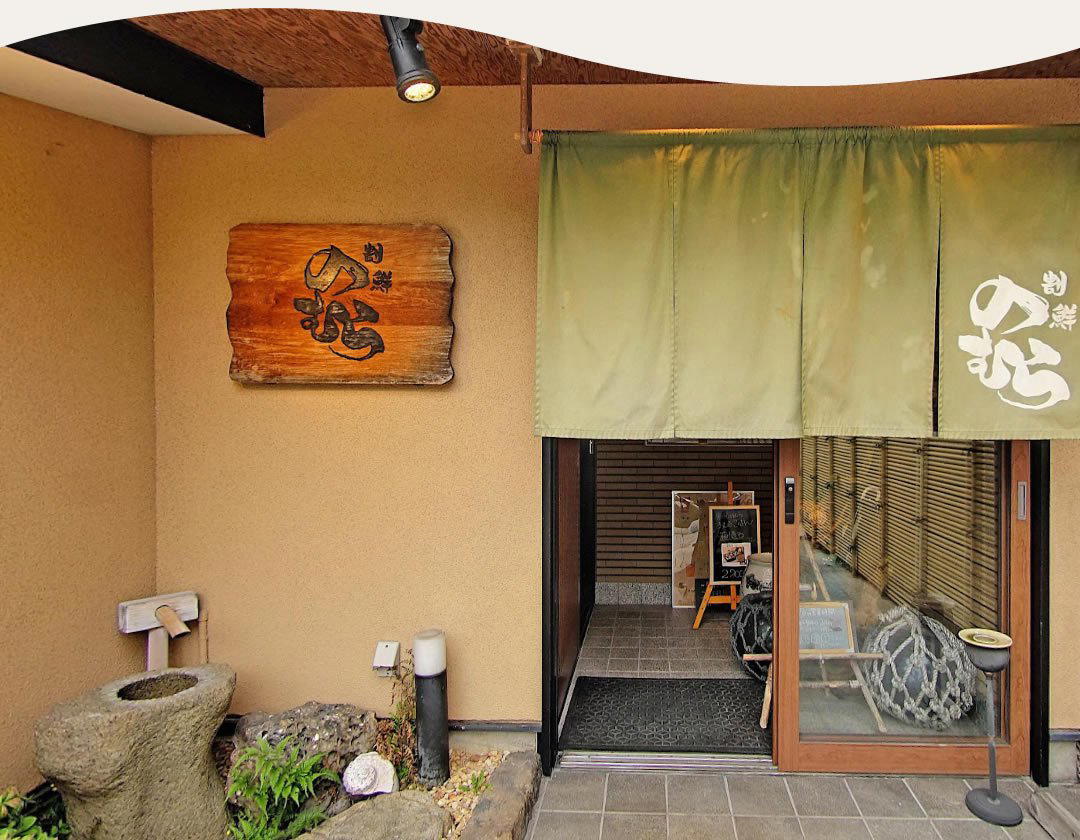
Kanazawa's Neighbourhood Register: Where the City Eats
Kanazawa has spent the last decade building a reputation as Japan's secondary food capital, positioned behind Kyoto in kaiseki lineage but ahead of most cities in raw ingredient access. The Noto Peninsula to the north delivers crustaceans and bivalves of unusual quality; Kaga's agricultural hinterland supplies the vegetables that anchor the city's seasonal cooking. What this creates, beneath the prestige layer occupied by destinations like Dokkan and the kaiseki houses near the old districts, is a second tier of neighbourhood restaurants that cook with the same materials but without the ceremony or the price architecture. 割鮮 のむら, in the Izumi district on the city's southern side, belongs to that second tier. Its address at 泉野出町3丁目3-32 places it decisively outside the tourist geography of central Kanazawa, in a residential zone where the customer base is largely local and repeat.
That positioning matters editorially. Kanazawa's dining reputation has been built primarily on its formal kaiseki culture and, more recently, on the attention that proximity to Noto seafood has brought from food media. But the restaurants that sustain the city's culinary character day to day are the neighbourhood specialists: the places where the same families book year after year, where the seasonal produce arrives from the same suppliers as the prestige houses, and where the cooking has to earn its place through consistency rather than occasion. 割鮮 のむら sits in that category. See our full Kanazawa restaurants guide for the broader picture across price tiers and formats.
The Lunch and Dinner Divide in Kanazawa's Neighbourhood Kitchens
Across Japan's regional cities, the gap between lunch and dinner service at neighbourhood restaurants is more pronounced than it is at the formal end of the market. Kaiseki houses and omakase counters tend to run a single, unified experience regardless of hour. But in the neighbourhood tier, lunch often serves an entirely different social function: it is where the city's working population and older regulars eat well at a fraction of evening prices, and where kitchens frequently run more abbreviated, market-driven menus that reflect what arrived that morning rather than a fixed seasonal programme. Dinner, by contrast, tends toward a slower pace, longer visits, and a menu that expands in scope and price.
This dynamic is worth holding in mind when approaching 割鮮 のむら. In Kanazawa's Izumi district, the midday service at a restaurant of this type typically draws from the surrounding residential and light commercial population, with a different energy to the evening, when the room contracts around fewer covers and the cooking can afford to move at a different tempo. Kanazawa's seafood supply position makes this a credible signal of quality, given that the same wholesale channels that supply the city's leading counters are accessible to neighbourhood operators working the same market routes.
For visitors considering when to book, this structural divide carries practical weight. Lunch at a restaurant in this tier and location is likely to offer the more casual, higher-value proposition; dinner the fuller, more considered version of whatever the kitchen does with precision.
Reading the Room: What the Address Tells You
The Izumi district sits south of central Kanazawa, away from the preserved streetscapes of Higashi Chaya and the concentration of restaurants near Katamachi. It is a residential neighbourhood without significant tourist infrastructure, which means a restaurant operating there is accountable to local standards rather than visitor expectations. In Japan's regional cities, this kind of address often correlates with a different quality signal than central proximity: the kitchen has survived on repeat custom, seasonal loyalty, and word of mouth rather than on foot traffic or aggregator visibility.
Within Kanazawa's broader dining geography, the contrast is instructive. The city's most-discussed formal restaurants, including kaiseki destinations that draw comparisons with Kyoto's Gion district, tend to cluster in or near the historic core. Gion Sasaki in Kyoto operates in precisely that kind of culturally loaded address. Neighbourhood operators in outlying districts like Izumi serve a different master. The comparison is not unflattering: some of Japan's most reliable cooking happens in exactly this kind of low-visibility, high-accountability setting. The same argument applies in cities like Fukuoka, where Goh represents the formal end of a market sustained by exactly this kind of neighbourhood-layer foundation.
Other Kanazawa alternatives worth cross-referencing include Amanatto Kawamura for a different register entirely, and Hakuichi for gold-leaf craft culture that sits adjacent to the food scene without overlapping it. For French-influenced cooking at the formal end of Kanazawa's non-kaiseki options, Budoonomori Les Tonnelles offers a useful point of contrast. Regional comparisons further afield include HAJIME in Osaka, Harutaka in Tokyo, and akordu in Nara. For those travelling wider through the region, 一本木 石川製 in Nanao and 湖畔荘 in Takashima represent the neighbourhood-specialist tradition in smaller Hokuriku towns.
Planning a Visit
Restaurants of this type in residential Japanese neighbourhoods frequently operate on a phone-reservation basis, conduct service in Japanese, and do not maintain websites or appear on international aggregator platforms. Visitors without Japanese language ability would be well advised to ask hotel concierge staff in central Kanazawa to handle the enquiry, confirming availability, the service format for the intended meal time, and any relevant dietary requirements in advance. The restaurant's address at 泉野出町3丁目3-32 in the 921-8116 postal zone is the most reliable locator for navigation purposes. The Izumi district is accessible by taxi from central Kanazawa in a short ride, making it practical for visitors staying near Kanazawa Station or in the historic centre. For a broader sense of how neighbourhood restaurants in this city compare to casual options like Go! Go! Curry, the price and format gap is substantial, though the social function of local reliability runs through both ends of the spectrum.
Comparable Spots, Quickly
| Venue | Cuisine | Price |
|---|---|---|
| 割鮮 のむらThis venue — the venue you are viewing | This venue | Not listed |
| Kataori | Kaiseki | Kaiseki |
| Respiracion | Innovative Spanish | Innovative Spanish |
| Sushi Kibatani | Chinese | Chinese |
| Zeniya | Kaiseki | Kaiseki |
| Hamagurizaka Maekawa | Yakitori | Yakitori |
Continue exploring
More in Kanazawa
Restaurants in Kanazawa
Browse all →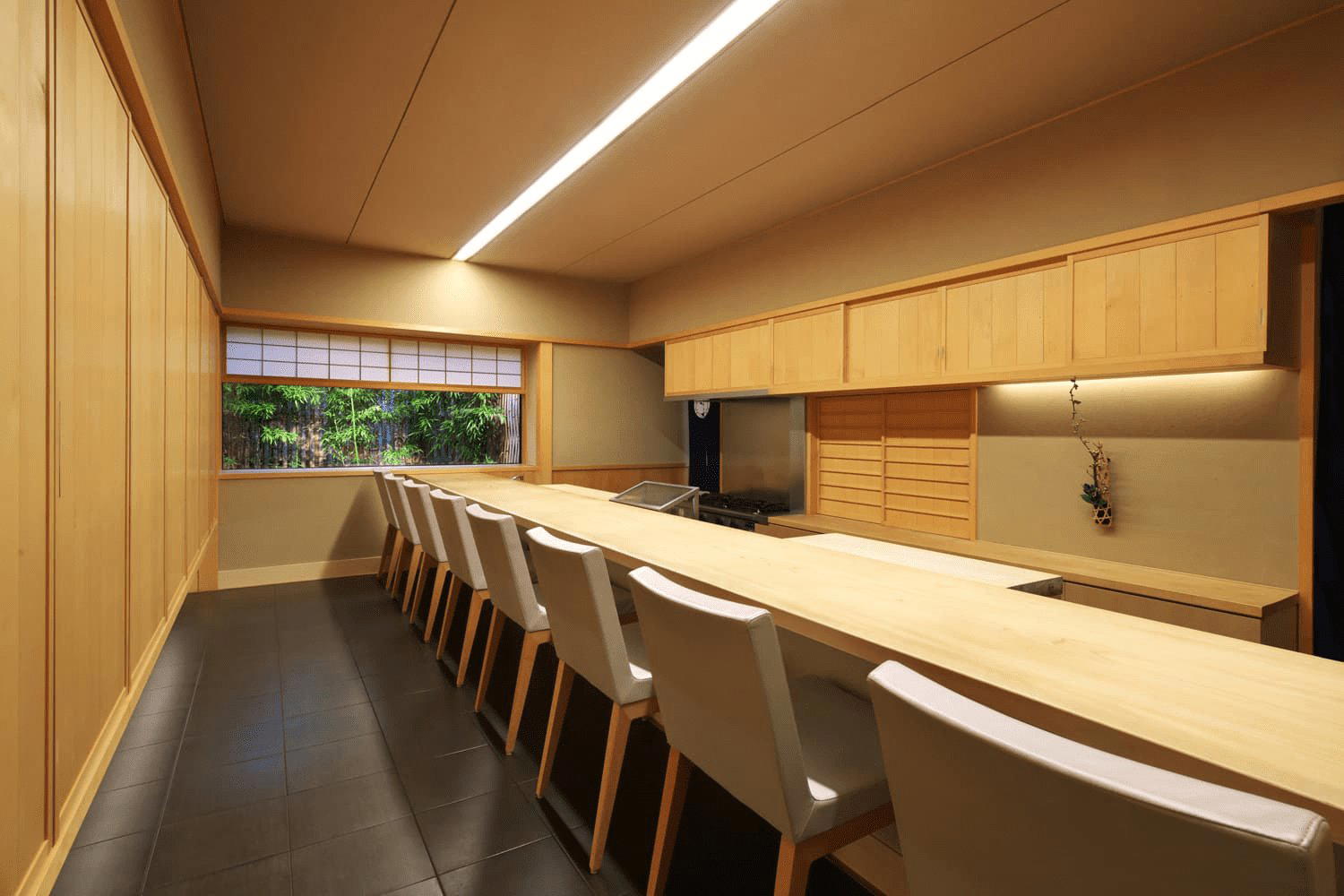
Bars in Kanazawa
Browse all →
Hotels in Kanazawa
Browse all →
Wineries in Kanazawa
Browse all →
At a Glance
- Cozy
- Intimate
- Elegant
- Special Occasion
- Group Dining
- Family
- Private Dining
- Sake Program
- Local Sourcing
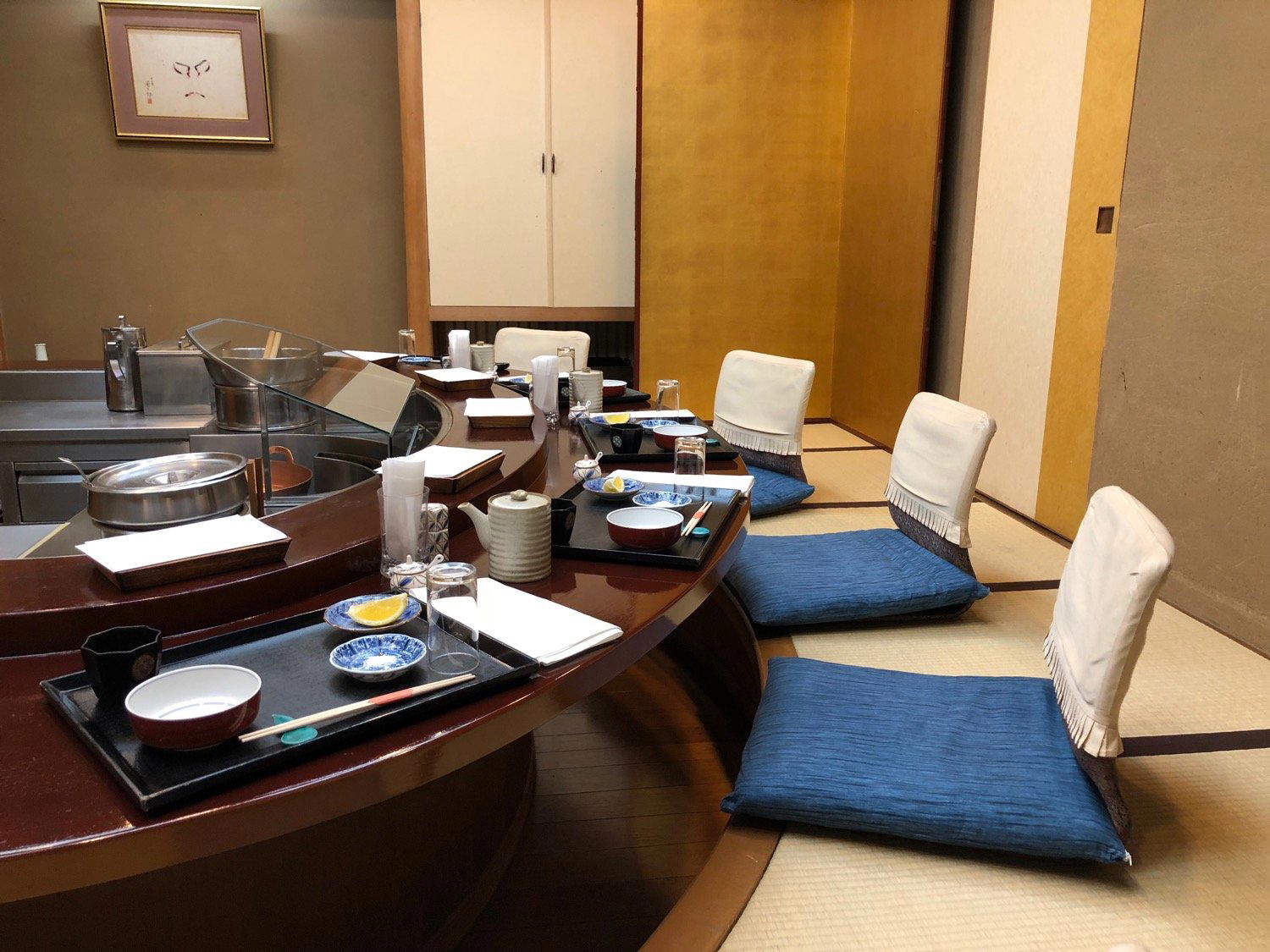
Cozy and elegant atmosphere in a residential area with private rooms and counter seating for an intimate dining experience.
Know Before You Go
- Getting there
- 泉野出町3丁目3-32, 金沢市, 石川県, 921-8116