
Yakitori Manjiro is Kanazawa yakitori in its concentrated form: six counter seats, reservation-only service, and recognition in Tabelog’s Yakitori WEST 100 for 2025. The appeal is the ritual as much as the grill, a small-room sequence where timing, smoke, and the counter format shape the meal more than ceremony or luxury cues.
Pearl is the En Primeur Club membership app — saves, bookings, and concierge access live there. Same editors, same standards.
- Address
- 石川県金沢市木倉町6-4
- Website
- tabelog.com
 Saves & bookings on Pearl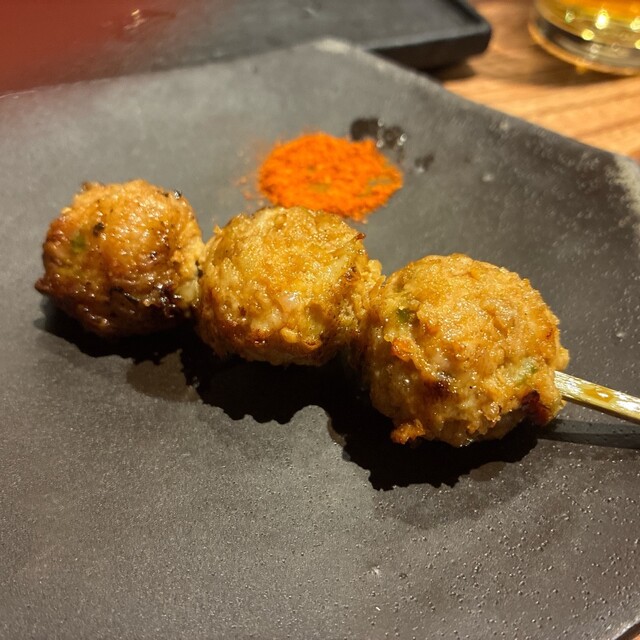
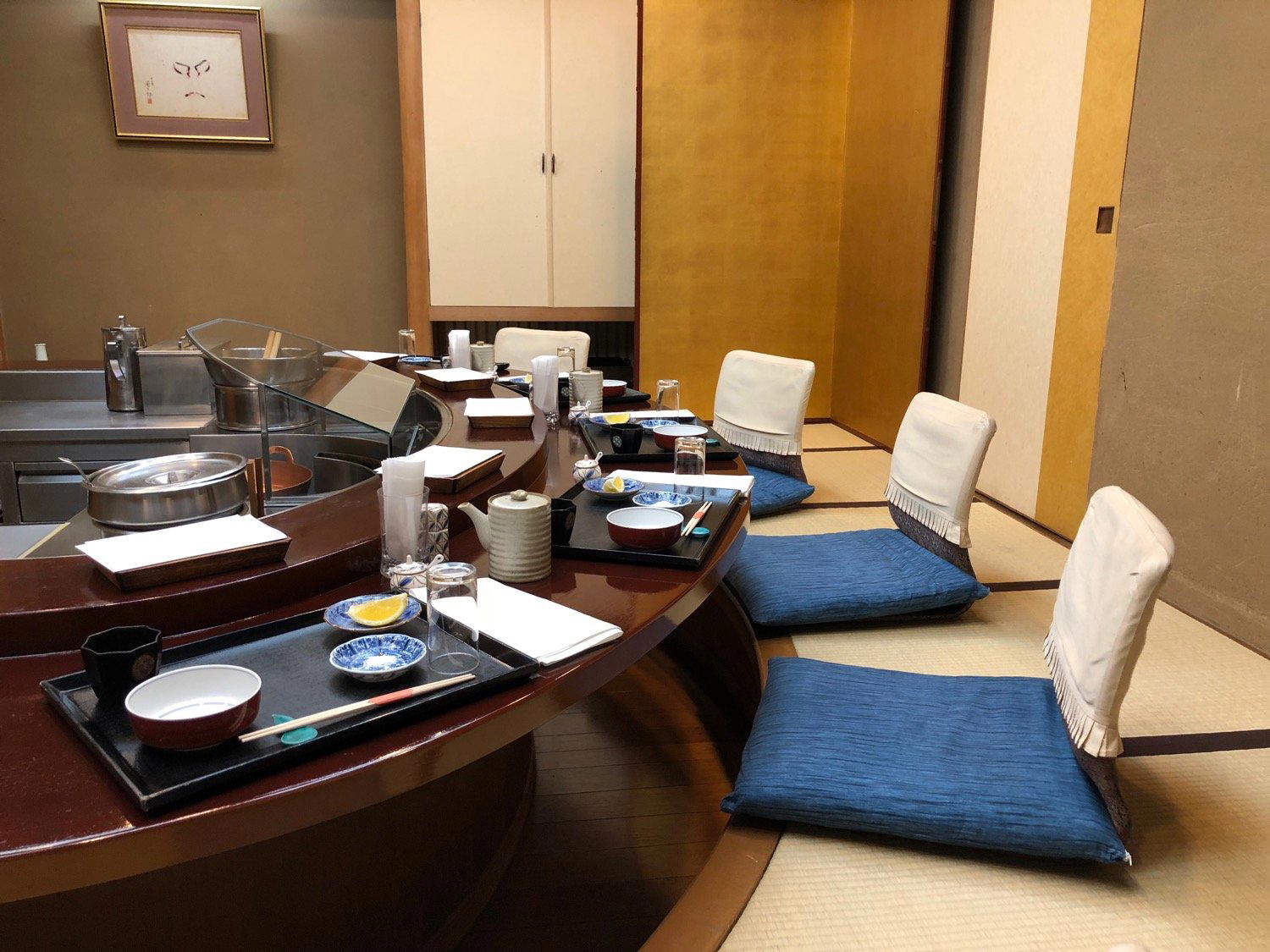
The counter is the point. Kanazawa has restaurants that stretch into polished sushi rooms, kappo counters, Spanish kitchens, and seafood-led dining rooms, but yakitori works at a tighter frequency: heat, handwork, short intervals, and a room small enough that the meal’s rhythm is visible. At Yakitori Manjiro, the six-seat counter format puts the grill in the foreground and makes the evening less about choice than attention.
That matters in a city often read through seafood and kaiseki. Kanazawa’s dining identity is shaped by the Sea of Japan, Kaga vegetables, tea culture, and the old merchant districts, yet its sharper pleasures often sit outside the postcard version. Yakitori belongs to that second layer. It is not grand dining in miniature; it is a craft of pacing, seasoning, and heat management, where the guest’s role is to keep up with the sequence rather than engineer the meal from a long menu.
A six-seat yakitori counter built around timing, not spectacle
Yakitori’s discipline is easy to underestimate because the format looks casual from the outside. The better counters run on control: skewers move from raw preparation to fire to plate in a narrow window, and the meal depends on the cook’s command of distance from heat, fat rendering, and when to hold back. A small counter intensifies that ritual. There is less buffer between kitchen and diner, and fewer places for weak timing to hide.
Yakitori Manjiro’s selection for Tabelog 100 - Yakitori - WEST - 2025 places it within a regional field rather than merely a local dining list. That recognition is useful because yakitori excellence in Japan is fragmented by city and style. Tokyo has its high-profile counters, Osaka and Kyoto have their own grill cultures, and the western Japan category captures a different competitive band from Kanazawa’s usual seafood conversation. A Kanazawa counter appearing there signals that the city’s serious dining vocabulary extends beyond sushi and crab season.
The practical implication is simple: this is a focused meal, not a general-purpose restaurant. Counter seating rewards solo diners and pairs who are comfortable with close quarters, fixed pacing, and limited distraction. In a larger dining room, conversation can dominate; at a yakitori counter, the sequence pulls attention back to the grill. The smoke, the pause between skewers, and the physical economy of the counter are not accessories to the experience. They are the structure.
Where yakitori sits inside Kanazawa's broader dining map
Kanazawa rewards diners who avoid treating the city as a single-cuisine destination. Sushi remains central, and Otomezushi gives the seafood side of the city a benchmark reference point. Higher-spend contemporary dining has a different logic at tawara, while comer mar y montana and Spanish Ryori Arosu show how the city’s produce and seafood can be translated through European formats. Yakitori occupies another lane: lower in ceremony, sharper in immediacy, and dependent on repetition rather than breadth.
That contrast is why the counter format matters. A sushi meal often foregrounds sourcing and rice temperature; kappo leans on the cook’s seasonal range; Spanish cooking in Kanazawa can pull seafood into a different grammar of oil, smoke, and acidity. Yakitori narrows the frame to chicken, charcoal, salt or tare, and timing. The meal’s success comes from small calibrations across a sequence, not from a single centrepiece dish.
For visitors building a Kanazawa dining itinerary, this makes Yakitori Manjiro a useful counterweight to seafood-led reservations. It adds a night built around heat rather than market display, and it fits a city where serious meals can be intimate without becoming formal. The 2025 Tabelog recognition gives it a clearer signal for travellers sorting through a dense local field, especially when Japanese-language listings can make small specialist counters harder to parse from abroad.
How to fold it into a Kanazawa trip
Kanazawa is compact enough that dining decisions can be grouped by neighbourhood and mood rather than by long transfers. Kiguramachi and the surrounding central districts work well for an evening built around a counter meal, followed by a bar or a short walk through the city’s nightlife streets. Travellers planning across categories can use Our full Kanazawa restaurants guide, Our full Kanazawa hotels guide, Our full Kanazawa bars guide, Our full Kanazawa wineries guide, and Our full Kanazawa experiences guide to connect dinner with the rest of the city.
Within the restaurant map, contrast helps. Amanatto Kawamura speaks to Kanazawa’s sweet-making tradition, while Aburi Niku Garan, Ajiraku Yumemi, 333, and 1/3 HAMBURGER FACTORY show how varied the city’s casual and specialist dining can be. Beyond Kanazawa, the wider Japan and overseas rails include -Grilled beef Sukiyaki- KAMAKURA TANUKIAN 鎌倉 たぬき庵 in Kamakura. 鮪と炭火焼き うお炭 秋葉原店 in Tokyo.cafe in Osaka.know in Kumamoto, (Shoku) Vietnam in Kawasaki, [Curry Senmon Ten] Maruyama Kyoju. in Sapporo, Jōdo Saké Bar in Los Angeles, and Onigiri Time in Pasadena.
The editorial read is clear: choose this for the dining ritual, not for breadth. Kanazawa’s more familiar pleasures often involve seasonal seafood and craft heritage; here, the argument is narrower and more kinetic. Six counter seats, a reservation-only format, and inclusion in Tabelog’s 2025 western Japan yakitori selection make the restaurant a compact expression of grill culture in a city better known for other forms of precision.
Cuisine and Awards Snapshot
Comparable venues by cuisine and price in the same metro.
| Venue | Cuisine | Price | Notes |
|---|---|---|---|
| Yakitori ManjiroThis venue — the venue you are viewing | Yakitori counter in Kanazawa | $$$ | Not listed |
| 東山 和今 | Michelin-Starred Omakase Sushi | $$$ | Kanazawa |
| Rokkaku Do | Traditional Japanese Teppanyaki Steakhouse | $$$ | Kanazawa |
| Shusui Daigo | Japanese Izakaya | $$$ | Kanazawa |
| 鮨 æ¨å ´è°· | Traditional Kaga Kaiseki | $$$ | Kanazawa |
| A_RESTAURANT | Innovative Japanese Omakase | $$$$ | Kanazawa |
Recognition history
Dated appearances from independent guides and award organizations, with the underlying list record or original source where available.
Tabelog 100 #12 · No. 12
Tabelog · Tabelog 100 - Yakitori - WEST - 2025
Continue exploring
More in Kanazawa
Restaurants in Kanazawa
Browse all →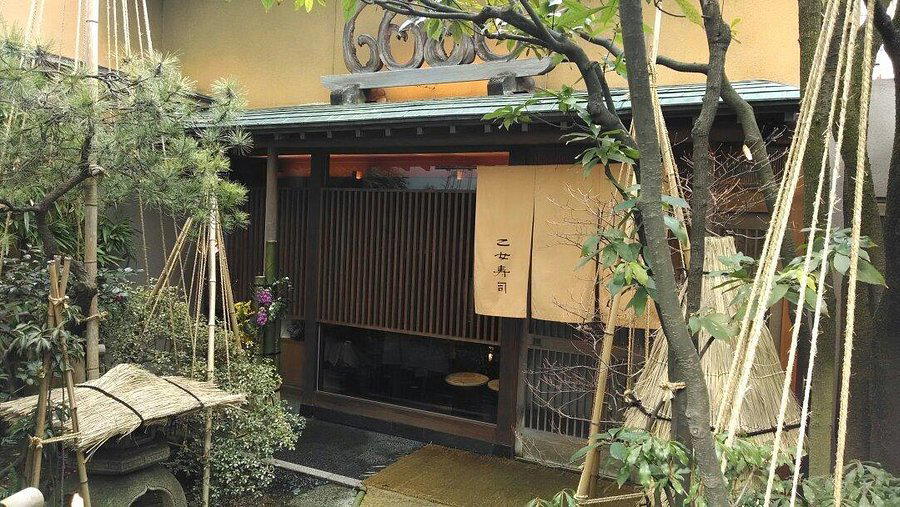
At a Glance
- Intimate
- Cozy
- Solo
- Date Night
- After Work
- Special Occasion
- Casual Hangout
- Chefs Counter
- Standalone
- Sake Program
- Beer Program
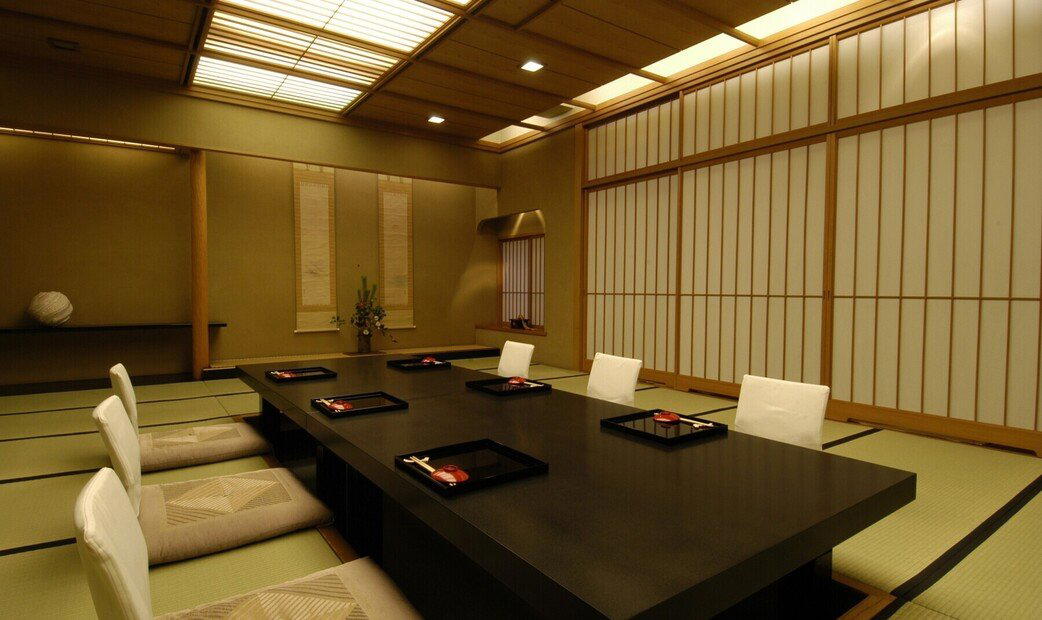
small counter-only space with a relaxed, adult-oriented atmosphere where guests sit close to the grill and interact with the chef; feels intimate rather than noisy, more like a focused yakitori bar than a casual family izakaya.