Standing sushi bars occupy a distinct tier in Japan's seafood culture, and 立喰い鮨優勝 represents Kanazawa's take on that format, a city whose proximity to the Sea of Japan and Noto Peninsula fisheries gives even informal sushi counters access to ingredients that formal Tokyo restaurants would highlight on tasting menus. For visitors already familiar with the kaiseki circuit, this is where the sourcing logic becomes visible at ground level.
Pearl is the En Primeur Club membership app — saves, bookings, and concierge access live there. Same editors, same standards.
- Address
- 無量寺町ヲ52-番地, 金沢市, 石川県, 920-0332
 Saves & bookings on Pearl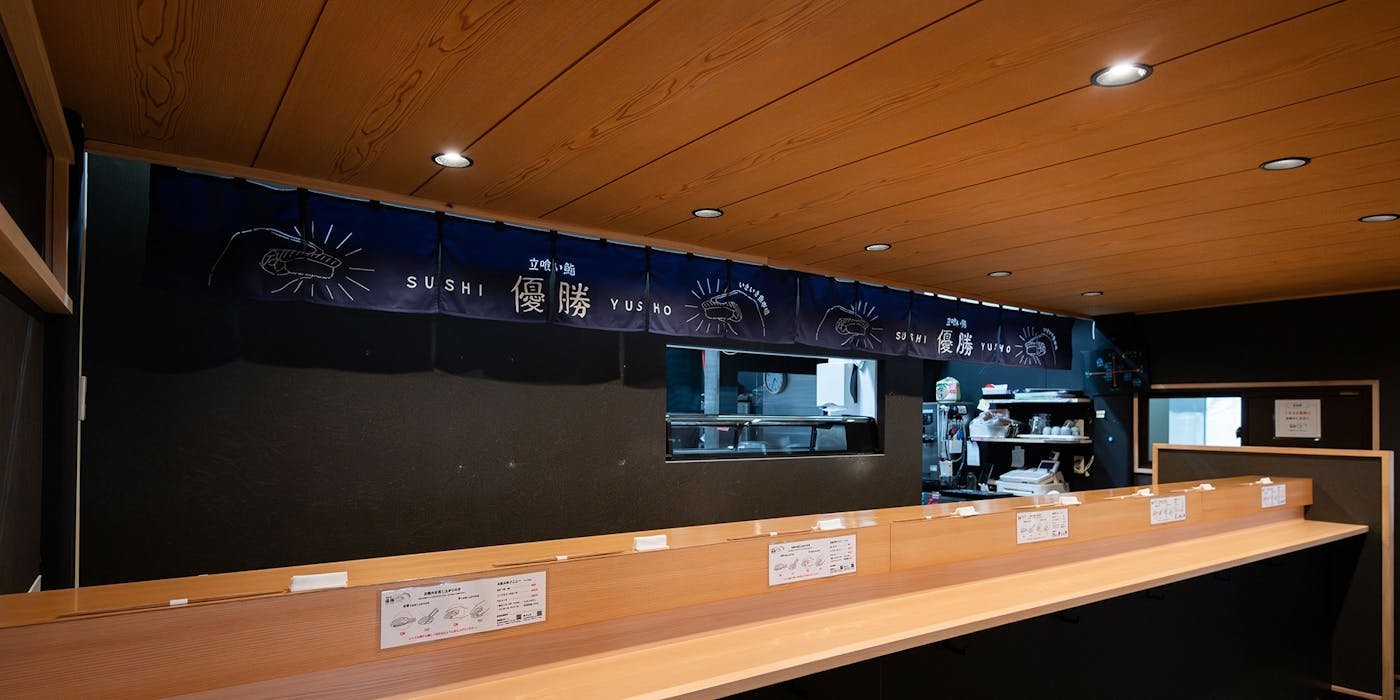
The Format Before the Fish
Standing sushi is a fast-moving format where nigiri, brief conversation, and morning catch define the experience. When the format works, it works precisely because the overhead stays low and the sourcing stays high. Kanazawa, positioned on the Sea of Japan coast with direct access to Noto Peninsula waters and some of Honshu's most productive cold-water fisheries, is one of the few cities outside Tokyo and Osaka where a standing counter can genuinely compete with seated omakase on ingredient terms. 立喰い鮨優勝, addressed in the Muryoji-cho district of the city's 920-0332 postal area, operates inside that logic.
The address itself signals something about the approach. Muryoji-cho sits away from the tourist-facing density of Higashi Chaya and the Omicho Market corridor, in a quieter residential and light commercial stretch of Kanazawa. Counters in this kind of location tend to serve a local clientele with established expectations rather than foot traffic with uncertain ones. That dynamic typically produces a more ingredient-focused operation, less performance, more product.
What the Sea of Japan Delivers
Kanazawa's sourcing position is not incidental to its food culture; it is the foundation of it. The Noto Peninsula, which curves northeast into the Sea of Japan, produces some of Japan's most prized cold-water seafood. Winter yellowtail (buri) from these waters travels to Kanazawa markets first, before distribution to Tokyo. Nodoguro, the blackthroat seaperch that has become shorthand for Kanazawa's seafood identity among Japanese food professionals, comes from the same fishery network. Crab season, primarily snow crab (zuwaigani) from November through March, converts the city's restaurants and market stalls into a single-subject exhibition. Any sushi counter operating in Kanazawa with local sourcing convictions draws from this supply chain, which means the seasonal calendar drives the menu more directly than a chef's personal preferences.
This sourcing geography is what separates Kanazawa's informal sushi operations from their equivalents in landlocked cities or in coastal cities with less direct market access. Compare the logic to a standing counter in a transit-heavy urban district: the latter may source from wholesale markets; the former draws from direct Noto supplier relationships. The product differential, in season, is measurable. For diners already acquainted with what sourcing proximity means at the table, through experiences at Harutaka in Tokyo or Gion Sasaki in Kyoto, the Kanazawa standing counter offers the same underlying argument in a more compressed and accessible form.
Kanazawa's Sushi Tier and Where Standing Counters Fit
Kanazawa's formal dining circuit skews kaiseki. Restaurants like Zeniya and Kataori represent the city's highest-profile seated tradition, and the kaiseki format absorbs much of the cultural attention that might otherwise distribute more evenly across cuisine types. Sushi in Kanazawa operates at two clear levels: seated omakase counters, some of which carry significant reputations in Japanese food media, and standing bars that run on volume and freshness rather than ceremony. 立喰い鮨優勝 belongs to the latter category, which is not a lesser category so much as a different contract with the diner.
At a standing counter, the interaction is transactional in the leading sense: the expectation is that the fish is good, the rice is properly seasoned and at the right temperature, and the whole exchange takes somewhere between fifteen and forty-five minutes. Peer venues in Kanazawa's broader dining framework, from the street-accessible Go! Go! Curry to the more formal Dokkan, each occupy defined positions in this distribution. Standing sushi sits at the intersection of accessibility and ingredient seriousness.
For regional comparison, the model has parallels across Japan's secondary cities. Goh in Fukuoka and HAJIME in Osaka represent the formal end of regional fine dining; the standing counter tradition runs parallel to those prestige tiers, drawing from the same local supply chains but serving a different purpose. In Kanazawa specifically, that purpose is sharpened by the city's outsized seafood access relative to its population size.
Visiting in Context
Kanazawa rewards sequential eating more than most Japanese cities of comparable size. The morning Omicho Market visit, the midday standing sushi stop, and the evening kaiseki booking represent a coherent day-of-eating argument rather than random accumulation. 立喰い鮨優勝's location in Muryoji-cho positions it as a neighbourhood-local option rather than a market-adjacent destination, which means it likely serves a different moment in that sequence, a lunch or early-evening stop rather than a market-integrated morning visit.
The city's other food reference points are worth mapping before arrival. Amanatto Kawamura covers the traditional confection side of Kanazawa's food identity; Hakuichi extends into gold-leaf craft and its intersection with local food culture; Budoonomori Les Tonnelles represents the French-influenced end of the city's dining range. A standing sushi counter reads against all of these as one direct expression of what Kanazawa's fishing geography actually produces, without interpretive layers.
Visitors arriving from other regional stops will find Kanazawa's standing sushi tier a useful reference point. The format strips away the variables that high-end dining introduces and leaves the sourcing argument to stand on its own.
Know Before You Go
- Address: 無量寺町ヲ52番地, 金沢市, 石川県, 920-0332
- Format: Tachigui-zushi (standing sushi bar)
- Leading season: November to March for Noto Peninsula snow crab and winter yellowtail; summer for lighter white-fish varieties
- Booking: No confirmed booking method on record, arrival in person is the standard approach for standing counter formats in Japan
- Getting there: Kanazawa Station connects to the city centre via Hokuriku Shinkansen; the Muryoji-cho address is outside the main tourist corridor and is best reached by taxi or local bus
- Context: Cross-reference with Omicho Market for morning sourcing context before visiting
The Essentials
Comparable venues nearby, for context on price, style, and recognition.
| Venue | Cuisine | Price | Notes |
|---|---|---|---|
| 立喰い鮨優勝This venue — the venue you are viewing | Kanazawa Port, Standing Sushi | $$ | Not listed |
| 料理 小松 | Kanazawa, Traditional Kaiseki | Not listed | Not listed |
| Kuroyuri (黒百合) | Not listed | $$ | Kanazawa Station, Traditional Kanazawa Oden Izakaya |
| 鮨治 | Kanazawa, Kanazawa Sushi | Not listed | Not listed |
| Kona | Kanazawa, Okonomiyaki & Negiyaki Teppan | $$ | Not listed |
| ちくわ | Kanazawa, Modern Kanazawa Oden | $$ | Not listed |
Continue exploring
More in Kanazawa
Restaurants in Kanazawa
Browse all →
At a Glance
- Casual
- Casual Hangout
- Solo
- Chefs Counter
- Open Kitchen
- Sake Program
- Local Sourcing
- Sustainable Seafood
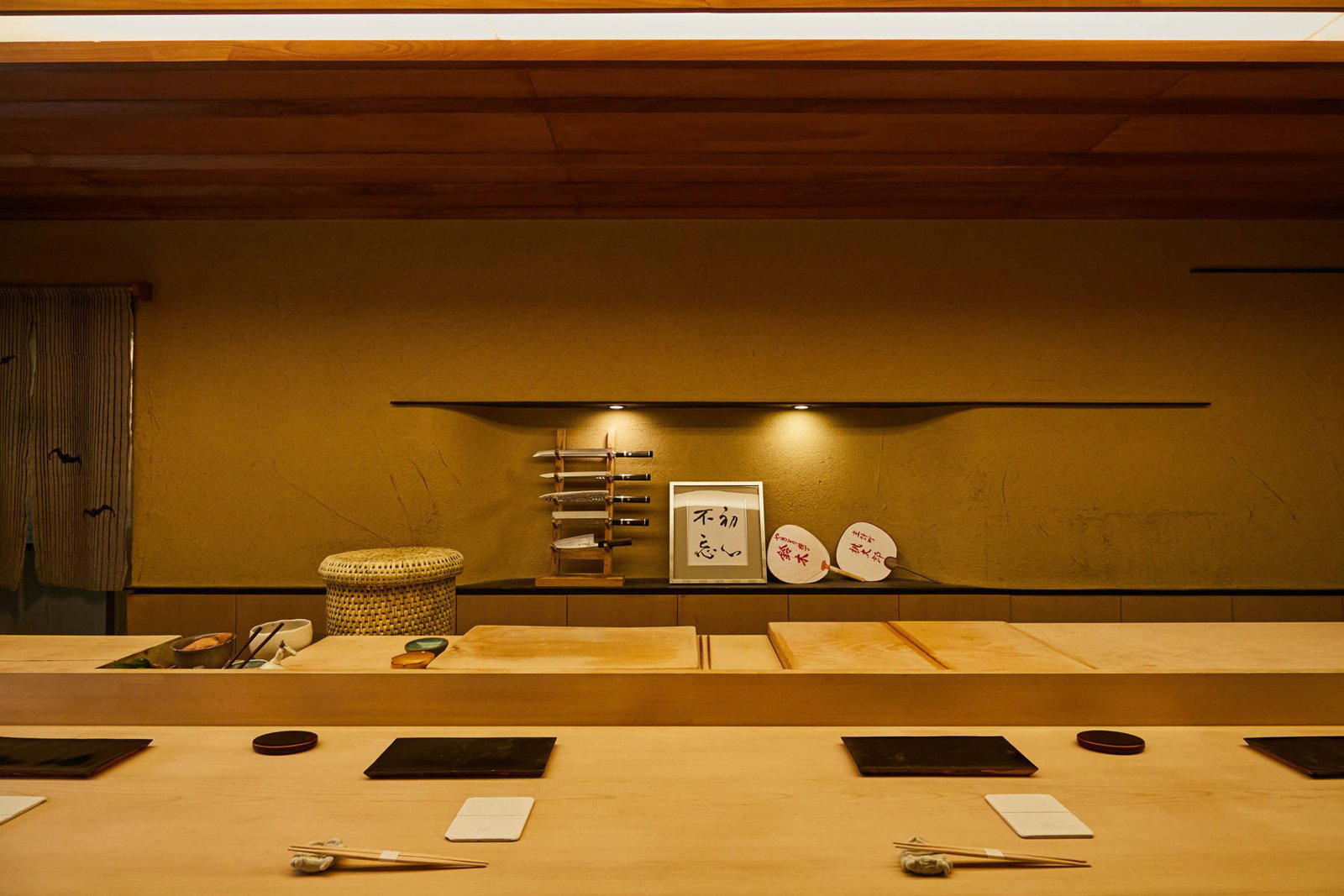
Casual standing counter atmosphere in a bustling fish market with focus on fresh sushi preparation.