Located in Minami-Aoyama, one of Tokyo's more considered dining neighbourhoods, レストラン タニ sits within a district where French-influenced and contemporary Japanese cooking have long coexisted at serious price points. The address alone positions it within a competitive comparable set that rewards patient, ritual-minded eating. Visitors with an interest in Tokyo's quieter, less-publicised restaurant tier will find it worth investigating.
Pearl is the En Primeur Club membership app — saves, bookings, and concierge access live there. Same editors, same standards.
- Address
- 3 Chome-2-6 Minamiaoyama, 港区 Minato City, Tokyo 107-0062, Japan
- Phone
- +81368042266
- Website
- restaurant-tani.com
- Directions
- Get directions
 Saves & bookings on Pearl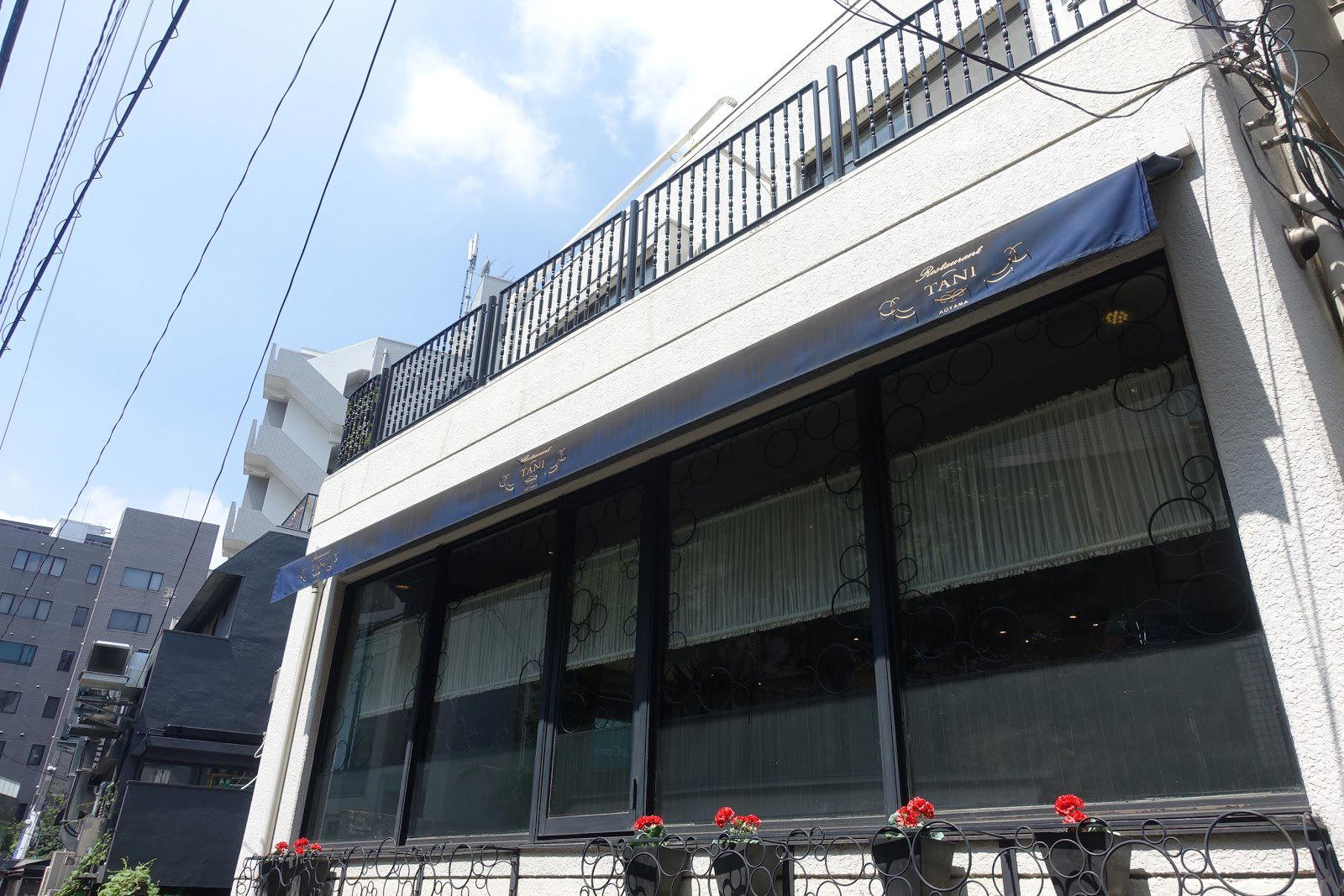
Minami-Aoyama and the Ritual of the Quiet Room
レストラン タニ is a restaurant in Minami-Aoyama, Tokyo, in the Classical French Bistro with Seasonal Japanese Ingredients style, with dinner and lunch service on select days and an approximate price of $150 per person. The capital's most closely watched rooms, whether kaiseki counters in Roppongi or French-leaning tasting menus in Azabu, share a structural logic: the meal is not a transaction but a sequence, and the sequence has its own etiquette. Arriving on time, eating in a particular order, and leaving a room more or less as you found it are not optional courtesies. They are the grammar of serious dining here.
レストラン タニ occupies an address in Minami-Aoyama, a district that has accumulated, over several decades, a density of thoughtful independent restaurants that rarely appear on international shortlists but maintain strong local followings. Chome-2-6 Minamiaoyama places the restaurant within walking distance of the Nezu Museum and the low-profile commercial corridor that runs south from Omotesando, a neighbourhood where the architecture is deliberate and the foot traffic curated.
Where Aoyama Sits in Tokyo's Restaurant Tier
Tokyo's upper-end restaurant scene has, over the past decade, split into recognisable bands. At one end: Ginza and Roppongi addresses with Michelin stars, international booking systems, and supplement menus priced well above ¥30,000 per head. At the other: neighbourhood restaurants that operate on reservation books, local word of mouth, and a format discipline that prioritises regulars over tourists. Minami-Aoyama sits closer to the second model. Venues here tend not to amplify themselves. They rely on a guest base that already knows what they are looking for.
For context on the upper tier of Tokyo dining, Harutaka operates at the ¥¥¥¥ level in the sushi category, as does L'Effervescence in French fine dining. RyuGin anchors kaiseki at a similar price point in Roppongi. These are the reference points against which any serious Aoyama restaurant is implicitly measured, even when the formats differ. Sézanne and Crony represent the French-leaning innovative tier. レストラン タニ's address and neighbourhood profile position it within this broader ecosystem.
The Dining Ritual: What Eating in This District Expects of You
Aoyama's quieter restaurant category has its own unwritten contract with guests. The format tends toward fixed menus or limited-choice structures, where the kitchen determines pacing and the guest's role is to follow. This is not unusual in Tokyo at serious price points; it is, in fact, the dominant model. What distinguishes the Aoyama version is the absence of ceremony for ceremony's sake. There is less theatre here than in Ginza's high-production rooms. The focus tends toward the plate and the silence around it.
For international visitors unfamiliar with Tokyo's dining etiquette, several principles apply consistently across this category. Reservations are treated as commitments, not suggestions. Arriving late disrupts kitchen timing in ways that affect every subsequent course. Mobile phones at the table are tolerated less in these rooms than in louder, more casual formats. Conversation is possible and welcome, but at a register that matches the room rather than overriding it. These are not rules that restaurants post at the door; they are absorbed from the behaviour of the guests already seated.
Seasonality governs the menu in a way that is more structural than decorative. Japan's culinary calendar is divided with precision: the arrival of specific fish, vegetables, and preparation styles marks not just the season but the appropriate moment for each ingredient. Visiting in autumn, for instance, places matsutake mushroom and Pacific saury at the centre of any serious kitchen's thinking. Spring means bamboo shoots and cherry blossom-adjacent ingredient choices. Booking during a transition month, when one season is closing and another opening, can produce menus that feel less settled, though some kitchens treat these transitions as a deliberate creative moment rather than a gap.
Booking and Planning in Practice
This is not unusual for independent Tokyo restaurants in the Aoyama district, where the absence of a major online presence is often a deliberate signal about the intended guest profile rather than an operational gap.
The Minami-Aoyama address is accessible from Omotesando Station on the Tokyo Metro Ginza, Hanzomon, and Chiyoda lines. The walk from the station takes roughly ten minutes through a neighbourhood that is navigable on foot without difficulty.
Japan Beyond Tokyo: The Same Ritual Logic, Different Settings
The meal-as-sequence logic that governs serious Tokyo dining extends throughout Japan. HAJIME in Osaka applies a technically rigorous tasting format in a city better known for its more gregarious food culture. Gion Sasaki in Kyoto represents kaiseki in its most geographically rooted form, where the ritual carries the additional weight of the city's cultural history. akordu in Nara applies a European sensibility to Japanese ingredients in a setting that is quieter still than Kyoto. Goh in Fukuoka takes a different approach, rooted in Kyushu's distinct ingredient vocabulary.
Further across Japan's geography, serious dining operates in formats that rarely reach international coverage: 一本木 中川制 in Nanao, 古川屋山乃 in Sapporo, 湖南荘 in Takashima, and 庄羽屋 in Nishikawa Machi each represent the regional tier of Japanese cuisine where the same ritual discipline applies in smaller, less-documented rooms. Birdland in Sakai and Bistro Ange in Toyohashi add further dimension to the picture of serious dining operating outside the major cities.
For international comparison, the format discipline present in Tokyo's quieter rooms has a partial parallel in New York's counter-service tasting model. Le Bernardin and Atomix both operate with a meal-structure logic that rewards guests who arrive prepared to follow the kitchen's pacing rather than impose their own.
Comparable Spots
Comparable venues nearby, for context on price, style, and recognition.
| Venue | Cuisine | Price | Notes |
|---|---|---|---|
| レストラン タニThis venue — the venue you are viewing | Classical French Bistro with Seasonal Japanese Ingredients | $$$ | Not listed |
| ヤオユ | Contemporary French Bistro | $$$ | Chiyoda |
| 野田 | Contemporary French Fine Dining | $$$ | Shibuya |
| ライラ | Modern French with Japanese influences | $$$ | Minato |
| カラペティバトゥバ! | Modern French Bistro with Spanish, Italian & Indian Influences | $$$ | Minato |
| オー・プロヴァンソー | Classical French Bistro | $$$ | Chiyoda |












At a Glance
- Elegant
- Quiet
- Sophisticated
- Intimate
- Date Night
- Special Occasion
- Business Dinner
- Celebration
- Private Dining
- Standalone
- Extensive Wine List
- Sommelier Led
- Corkage Allowed
- Local Sourcing
Current opening hours
- Monday
- 6–7:30 PM
- Tuesday
- 12–1:30 PM, 6–7:30 PM
- Wednesday
- 12–1:30 PM, 6–7:30 PM
- Thursday
- 12–1:30 PM, 6–7:30 PM
- Friday
- 12–1:30 PM, 6–7:30 PM
- Saturday
- 12–1:30 PM, 6–7:30 PM
- Sunday
- 6–7:30 PM
Hours can change for holidays and private events. Last verified .
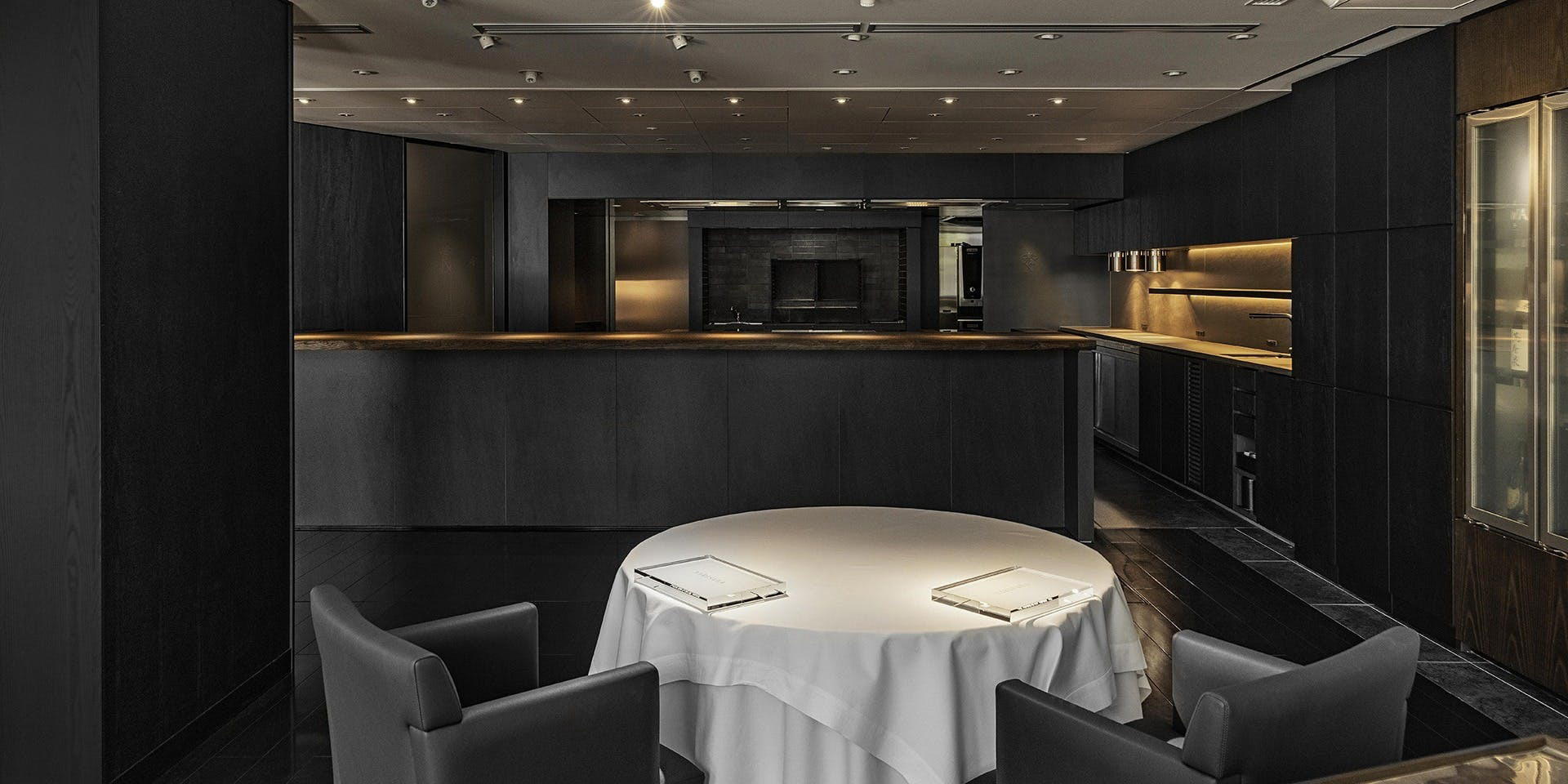
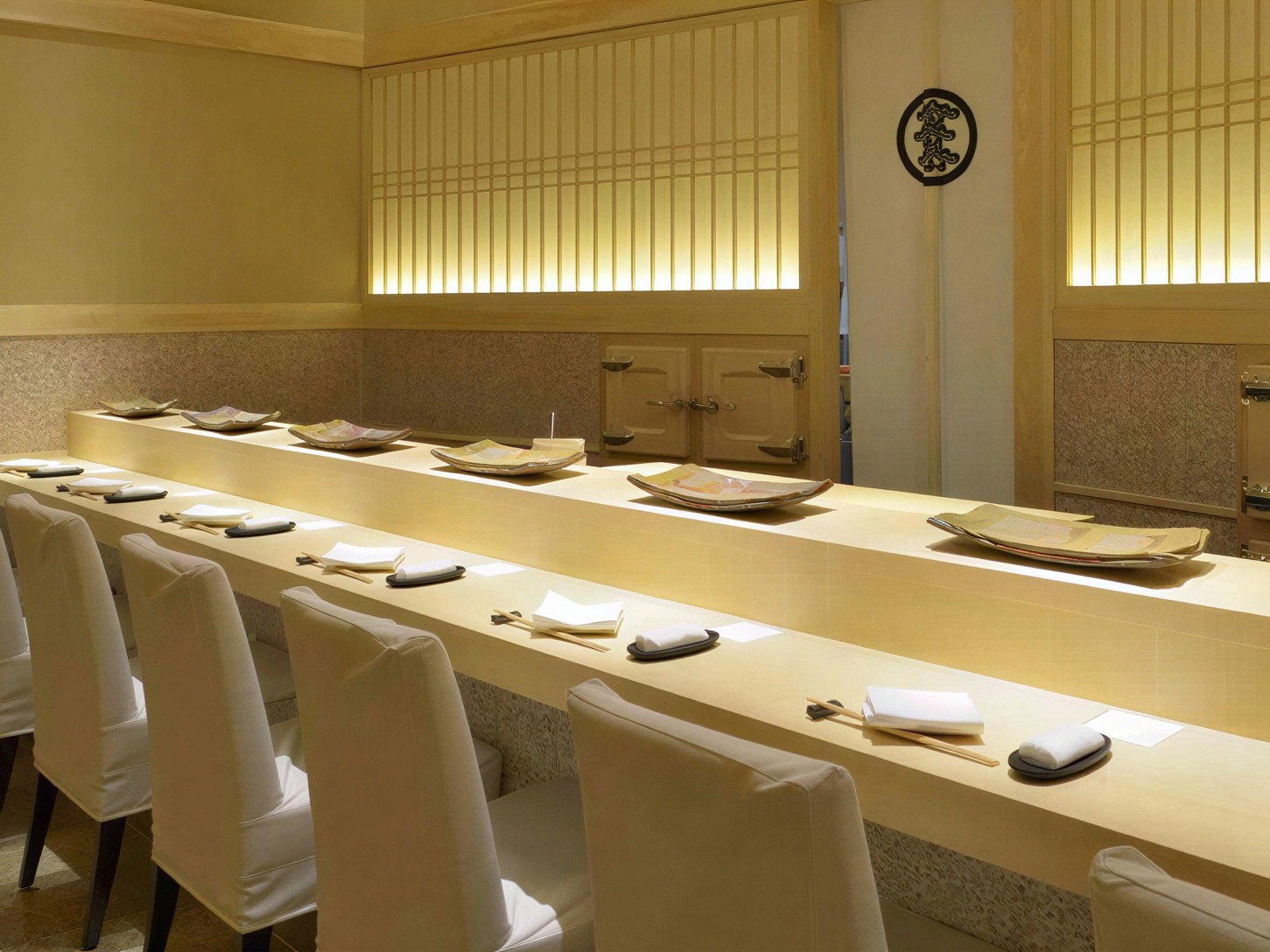
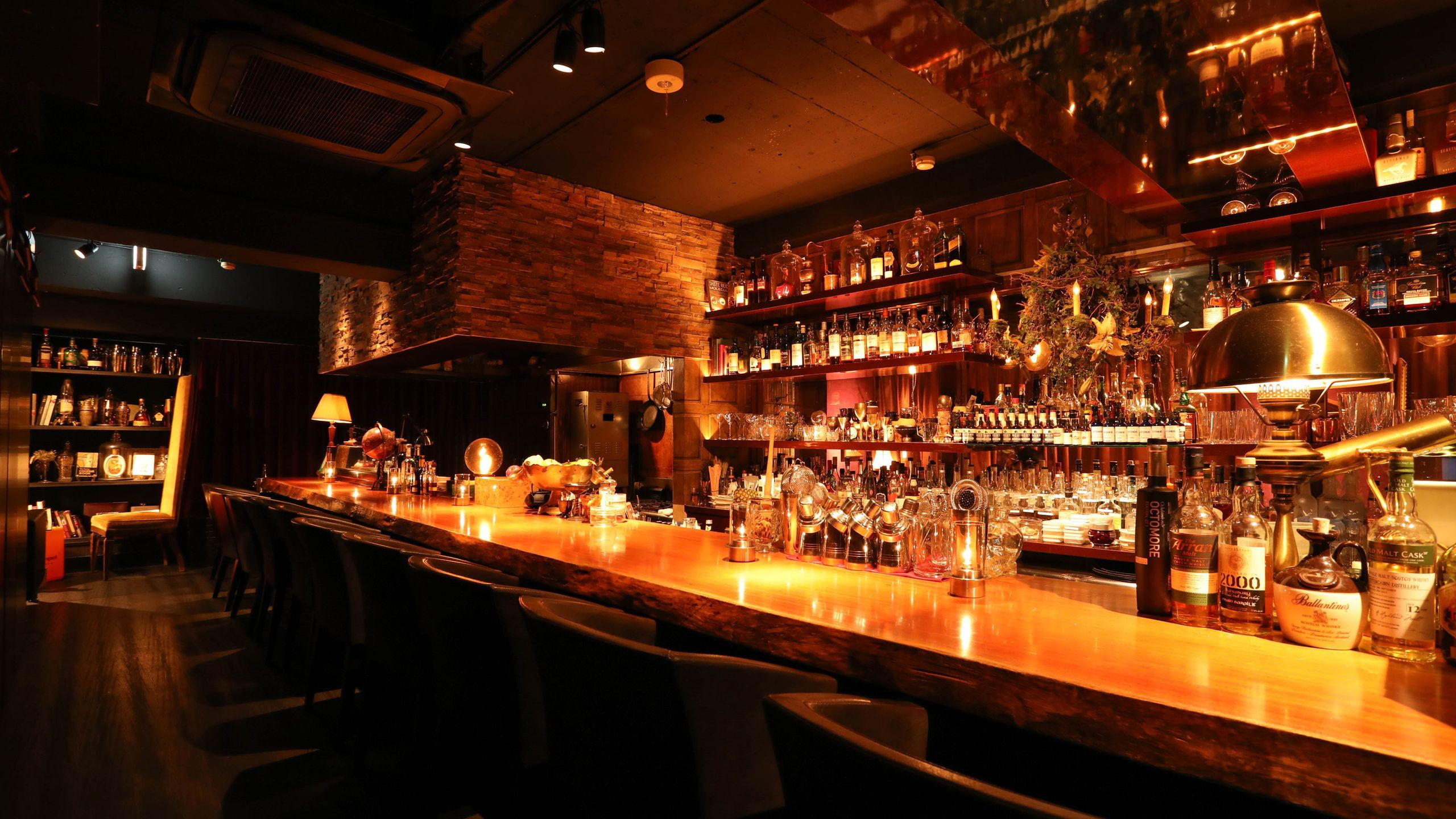
Calm, refined atmosphere with understated elegance; decorated with champagne bubble motifs throughout; described as settled but not stuffy, ideal for leisurely dining.