ライラ occupies the ground floor of the Imperial Akasaka Forum building in Minato City, placing it within one of Tokyo's more formal mid-city dining corridors.
Pearl is the En Primeur Club membership app — saves, bookings, and concierge access live there. Same editors, same standards.
- Address
- Japan, 〒107-0052 Tokyo, Minato City, Akasaka, 7 Chome−5−34 IMPERIAL AKASAKA FORUM 1F
- Phone
- +81364412096
- Website
- lylatokyo.com
- Directions
- Get directions
 Saves & bookings on Pearl
Akasaka's Dining Register and Where ライラ Sits Within It
Akasaka has long functioned as one of Tokyo's more institutionally anchored dining districts. The neighbourhood's restaurant mix skews toward established Japanese formats, kaiseki rooms, yakitori counters, and long-running kappo houses, alongside a thread of international addresses that serve the area's corporate and diplomatic population. It is not a district that produces overnight sensations; venues that land here tend to stay, and the clientele expects consistency over novelty. ライラ, addressed at 7-chome in Akasaka and operating from the ground floor of the Imperial Akasaka Forum, sits within that register. The building address alone signals a certain kind of positioning: Forum-anchored venues in this part of Minato City typically serve a professional audience that prioritises reliability and setting over experimental programming.
The Atmosphere of a Forum-Ground-Floor Room
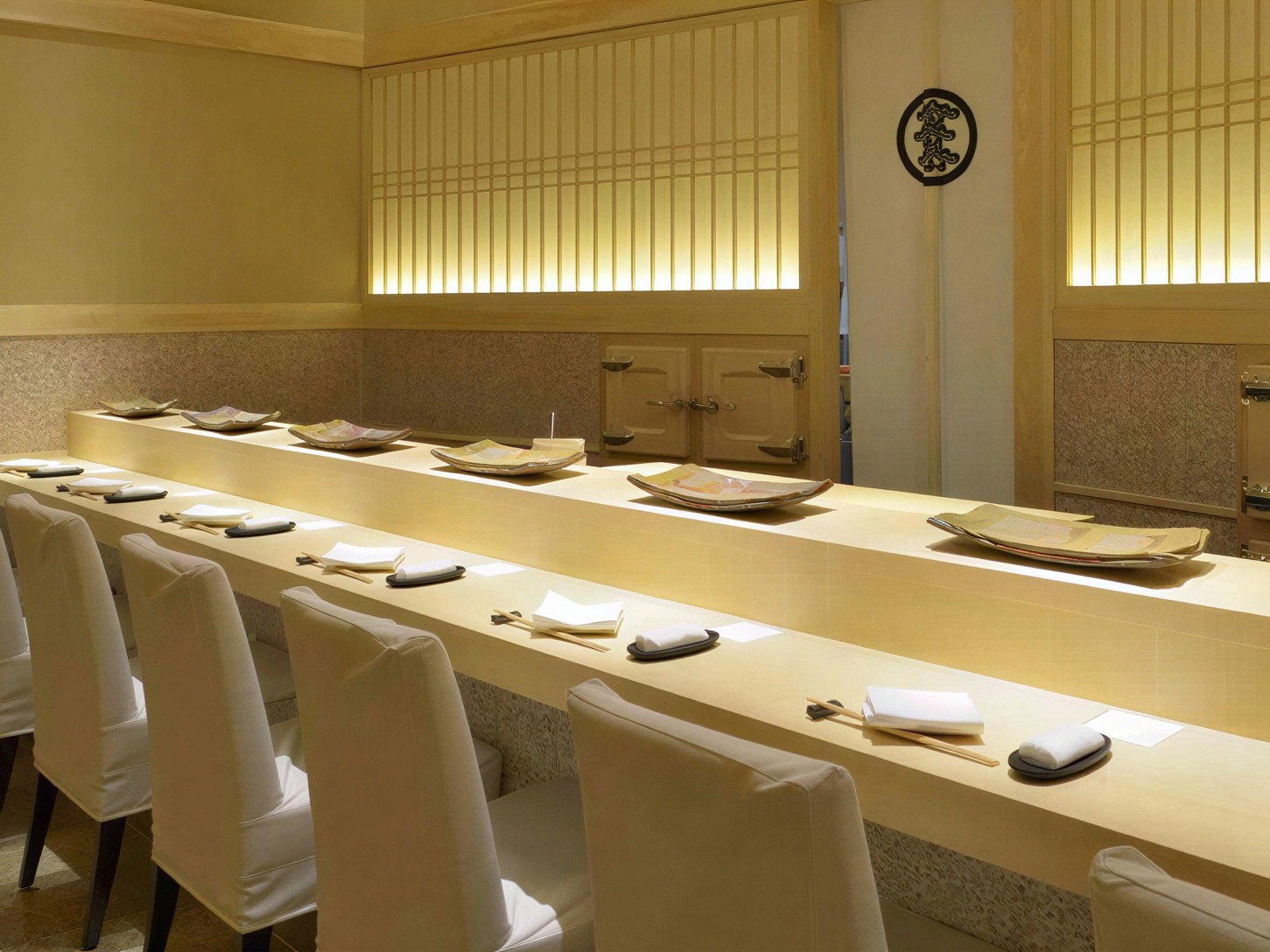
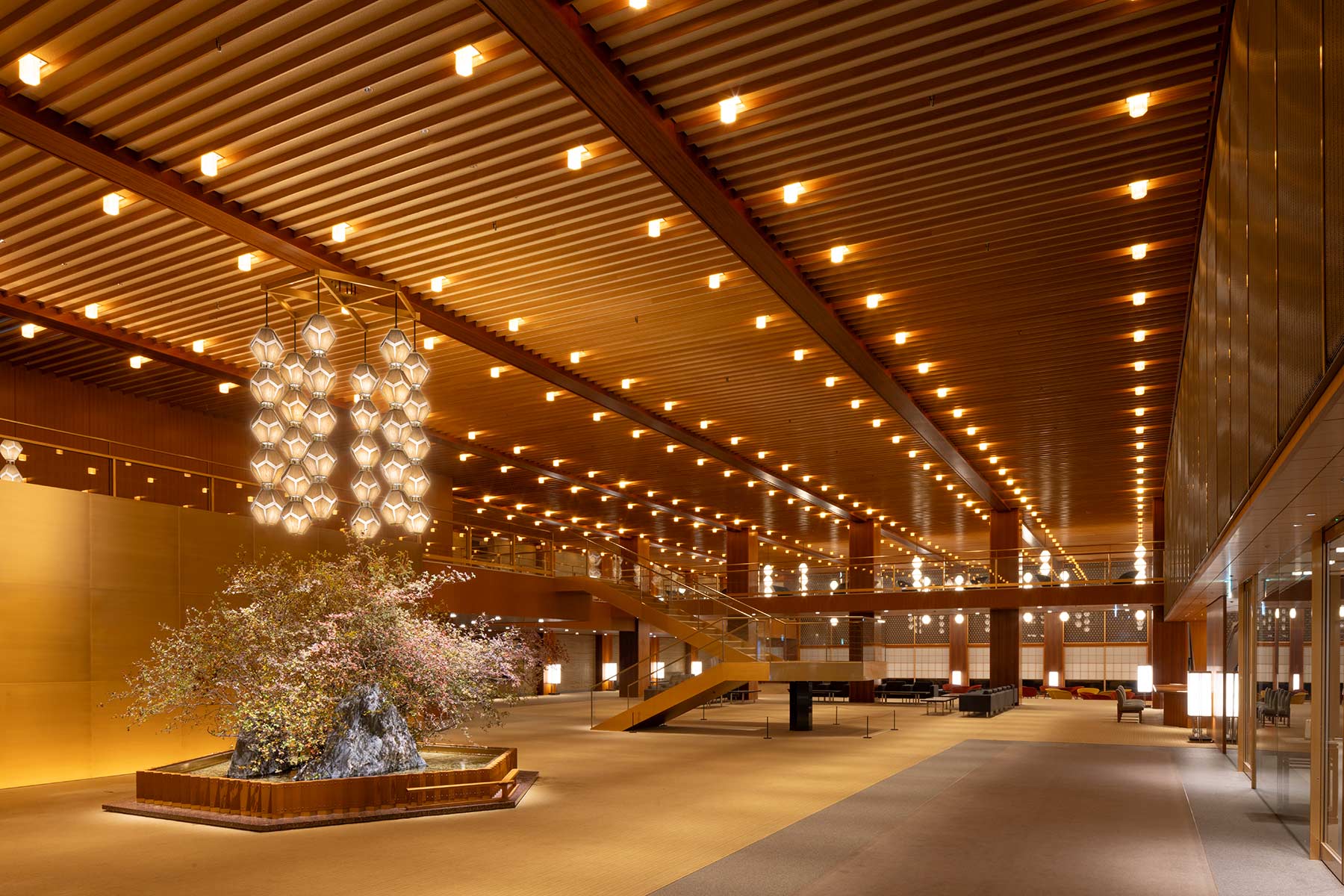
Ground-floor spaces inside corporate forum buildings in central Tokyo tend to share certain atmospheric qualities regardless of cuisine. Ceiling heights are defined by the building's structural logic rather than a designer's intent, which usually produces rooms that feel contained and insulated from street noise. The Akasaka 7-chome location sits a short distance from the Akasaka-mitsuke interchange, meaning foot traffic outside is purposeful rather than browsing, the urban sound signature is subdued compared to, say, the Roppongi corridor a few blocks south. That physical context shapes what a visit to ライラ likely feels like before a single dish arrives: a room that does not perform loudness, in a district that does not reward it.
Tokyo's premium dining rooms increasingly divide between two atmospheric modes. One operates as destination theatre, counter seats facing open kitchens, tightly choreographed service, deliberate silence between courses. The other functions as sanctuary: rooms where the architecture absorbs rather than amplifies, where the register is private rather than performative. Forum-embedded addresses in Akasaka almost universally occupy the second mode. The structural logic of the address points clearly in that direction.
Reading the Address Against Tokyo's Broader Restaurant Tier
Tokyo's restaurant map is unusually legible once you learn to read building addresses as shorthand for positioning. A basement room in a Ginza tower reads differently from a street-level space in Nakameguro; a Forum ground floor in Akasaka reads differently again. The Imperial Akasaka Forum address places ライラ among venues whose audience arrives with a clear purpose, this is not a neighbourhood people wander into. That selectivity in the customer base tends to reward restaurants that are consistent enough to justify a deliberate trip across the city.
Japan's Wider Table: Regional Context for the Tokyo-Based Visitor
Visitors using Tokyo as a base often underestimate how reachable Japan's other serious dining destinations are by Shinkansen. HAJIME in Osaka and Gion Sasaki in Kyoto both operate at a register that complements rather than duplicates what Tokyo's leading rooms offer. Further afield, akordu in Nara applies European fine dining logic to a city better known for temples than restaurants, and Goh in Fukuoka represents the southern approach to Japanese fine dining with a distinctly different ingredient logic. For visitors with more time, regional rooms like 一本杉川島 in Nanao, 古代山乃 in Sapporo, 湖邸廣屋 in Takashima, and 鳥羽屋 in Nishikawa Machi offer access to ingredient cultures and culinary registers that Tokyo's urban rooms cannot replicate. For those extending further, Birdland in Sakai and Bistro Ange in Toyohashi round out a map of Japan's less-covered but serious dining addresses.
Within Akasaka: The Competitive Frame
Any serious dining room in Akasaka competes at least implicitly with the kaiseki and sushi addresses that define the district's upper tier. Harutaka, operating as one of Tokyo's more respected sushi counters at the ¥¥¥¥ price point, and Crony, which applies innovative French thinking to a Tokyo audience, both illustrate how the city's top tier demands either clear culinary identity or strong technical credentials to hold a position. Rooms without that clarity tend to occupy a mid-tier that serves convenience rather than destination purposes.
What we can say is that the address suggests a venue aiming at a professional, repeat-visit audience rather than a tourist-facing or occasion-driven one, and that in Akasaka, that audience is informed about consistency above all else.
International Reference Points
For readers calibrating Tokyo's fine dining tier against international benchmarks, two New York rooms provide useful reference: Le Bernardin demonstrates how a room can hold institutional authority across decades through disciplined focus, while Atomix shows how Korean-rooted fine dining has repositioned itself within the global top tier through technical rigour and cultural specificity. The lesson both rooms offer, that longevity and identity matter more than novelty, applies equally to how Tokyo's Akasaka addresses build their reputations.
Planning a Visit
Address: IMPERIAL AKASAKA FORUM 1F, 7 Chome-5-34 Akasaka, Minato City, Tokyo 107-0052. Reservations are essential. Budget: Expect about $100 per person. Dress code: smart casual. Getting there: Akasaka-mitsuke Station (Tokyo Metro Ginza and Marunouchi lines) is one logical access point for this address, with the Forum building a short walk from the exit.
Awards and Standing
Comparable venues nearby, for context on price, style, and recognition.
| Venue | Cuisine | Price | Notes |
|---|---|---|---|
| ライラThis venue — the venue you are viewing | Modern French with Japanese influences | $$$ | Not listed |
| ルカンケ | Authentic French Bistro | $$$ | Minato |
| Au Gamin de Tokio | French Bistro | $$$ | Ebisu |
| La Matiere | Classic French in Kagurazaka | $$$ | Shinjuku |
| ラ・トゥーエル | Classic French Bistro | $$$ | Shinjuku |
| モルソー | Casual French Bistro | $$$ | Shinagawa |











At a Glance
- Elegant
- Romantic
- Intimate
- Sophisticated
- Date Night
- Special Occasion
- Chefs Counter
- Sake Program
Current opening hours
- Monday
- 12–3 PM, 6:30–9 PM
- Tuesday
- 12–3 PM, 6:30–9 PM
- Wednesday
- 12–3 PM, 6:30–9 PM
- Thursday
- 12–3 PM, 6:30–9 PM
- Friday
- 12–3 PM, 6:30–9 PM
- Saturday
- 12–3 PM, 6:30–9 PM
- Sunday
- Closed
Hours can change for holidays and private events. Last verified .
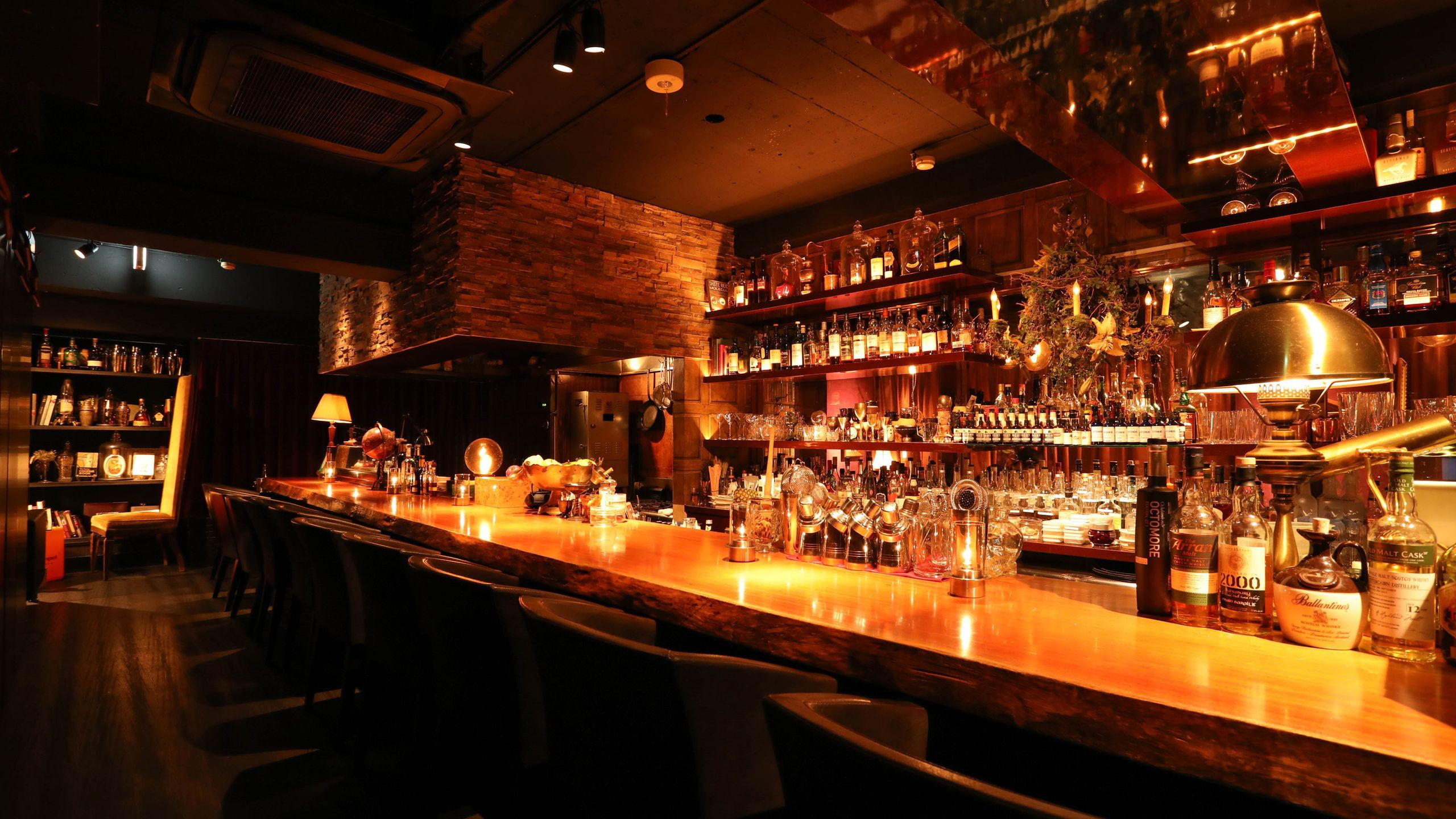
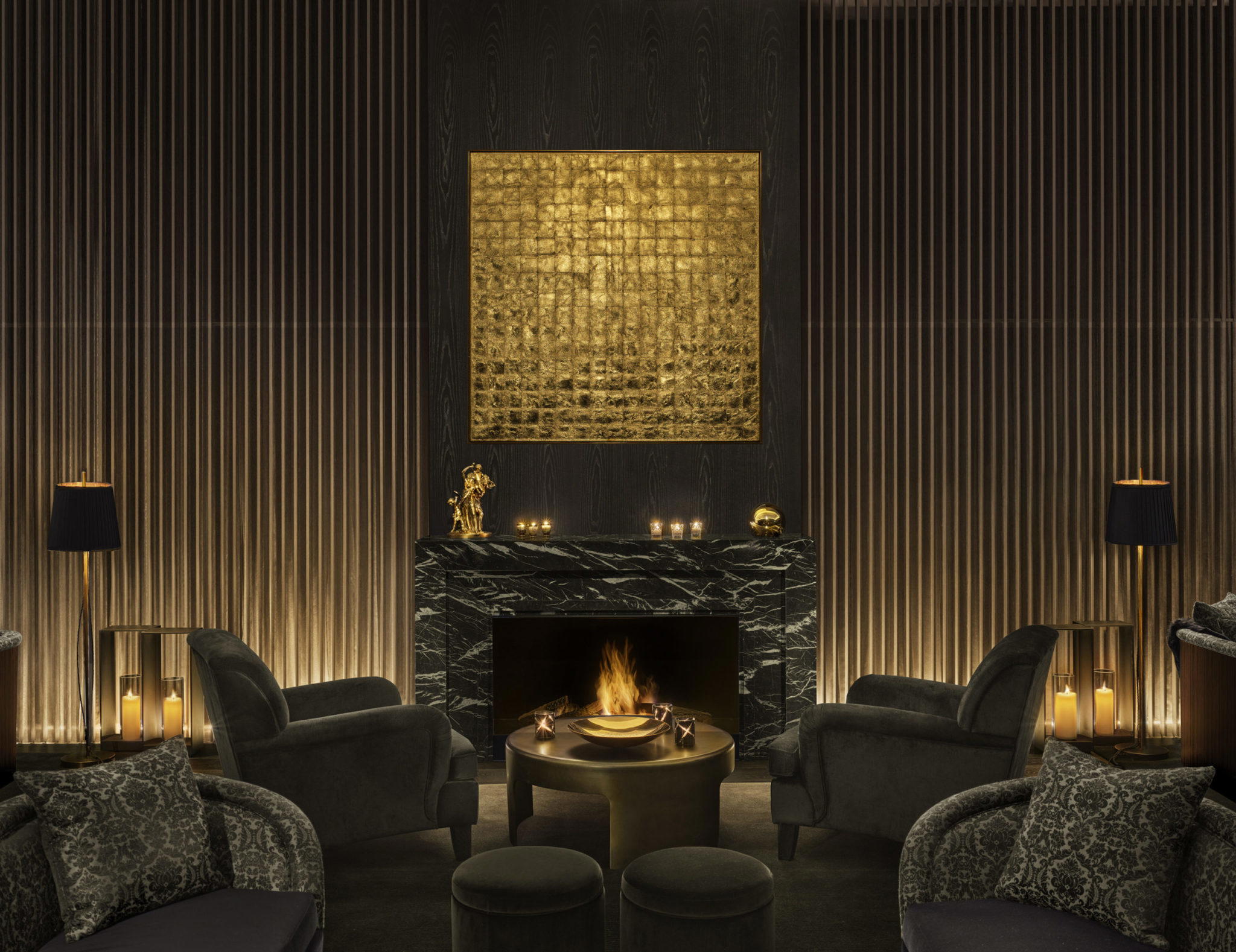
Romantic and elegant atmosphere with moderate noise and beautiful plating praised by guests.