A French provincial restaurant in Chiyoda that has built its following through repetition rather than spectacle. オー・プロヴァンソー sits in the Hirakawachō pocket of central Tokyo, drawing a largely local professional clientele who return for the consistency of a kitchen rooted in classical French technique. The absence of fanfare is part of the appeal.
Pearl is the En Primeur Club membership app — saves, bookings, and concierge access live there. Same editors, same standards.
- Address
- Japan, 〒102-0093 Tokyo, Chiyoda City, Hirakawachō, 1 Chome−3−9 ブルービル別館 1F
- Phone
- +81332390818
- Website
- aux-provencaux.co.jp
- Directions
- Get directions
 Saves & bookings on Pearl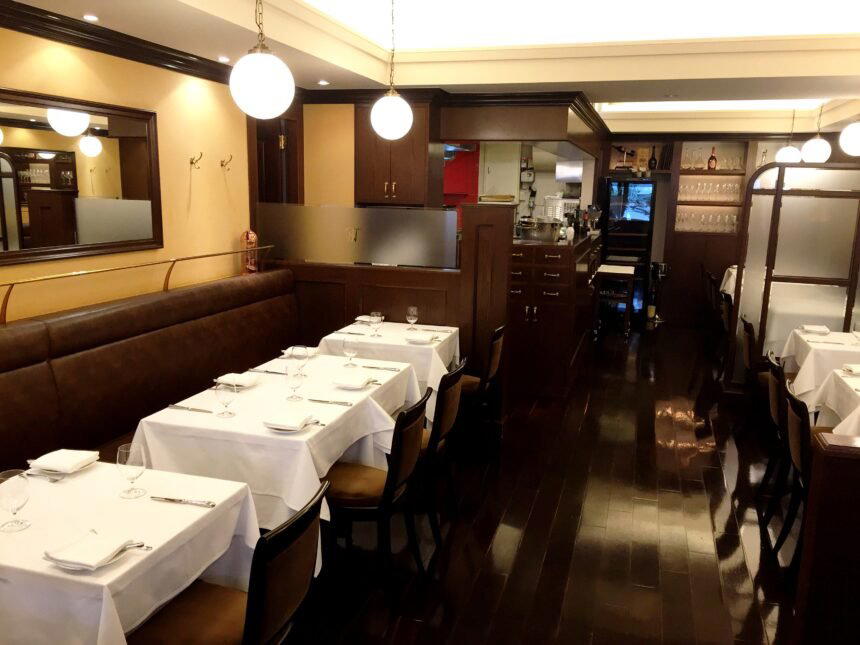
A Neighbourhood Institution in the French Tradition
In Tokyo's French dining scene, the loudest names tend to cluster around Minami-Aoyama, Roppongi, and Ginza: three-Michelin-starred rooms where the theatre of service is as deliberate as the plating. But the city's French canon has always had a quieter register too. Chiyoda's Hirakawachō district, tucked between the Imperial Palace grounds and the government quarter of Kasumigaseki, hosts a concentration of long-running European restaurants that serve a working professional clientele rather than a destination-dining audience. オー・プロヴァンソー, located in the ground floor of a low-rise commercial block at 1 Chome−3−9 ブルービル別館, fits squarely inside that tradition.
The name itself signals a clear orientation: Provence, the southern French region defined by olive oil, herbs, and the kind of cooking that prioritises flavour depth over architectural presentation. In a city where French cuisine often adapts toward Japanese precision and restraint, a Provençal identity marks a deliberate position. The south of France's cooking vocabulary, braised meats, aromatic vegetable preparations, fish from warm coastal waters, translates into something that reads as generous and grounded rather than spare.
The Clientele as a Lens
The clearest indication of a restaurant's real identity is its regulars. At オー・プロヴァンソー, the returning audience appears to be the neighbourhood's own: government workers, legal and financial professionals from the surrounding offices, and residents from the older Chiyoda apartment blocks. This is not the tourist-facing French dining of central Ginza, nor the expense-account showcase dining of high-rise Roppongi Hills. It is, instead, the kind of place where the staff know what a repeat visitor drinks before the menu arrives.
That pattern, the cultivated regular over the one-time pilgrim, produces a specific kind of restaurant culture. The menu tends toward reliability. Seasonal updates happen, but the core of a Provençal-leaning repertoire remains stable enough that loyal guests can order from memory. The pacing is calibrated to a lunchtime professional schedule and an evening that does not require the diner to rearrange the rest of the night around a three-hour omakase commitment. Compared to the capital's high-end French rooms like L'Effervescence or Sézanne, both ¥¥¥¥ operations built around the tasting menu format, a neighbourhood French address in Hirakawachō operates on a different clock and a different social contract.
Regional French in Tokyo's Broader Dining Context
Tokyo holds more Michelin stars than any other city in the world, a fact that tends to overshadow the mid-tier that keeps the city's dining culture alive. The headline rooms, RyuGin for kaiseki, Harutaka for sushi, Crony for innovative French, represent one end of a long spectrum. Further along that spectrum, and much less visible to international visitors, are the French restaurants that have operated for decades without seeking a wider audience. They are the ones with handwritten reservations books and a small chalk board that changes slowly.
Provençal cooking in particular occupies a specific niche inside Japan's French restaurant history. The style arrived in Japan's major cities during the 1980s and 1990s alongside a broader interest in Mediterranean food, and a number of those establishments have continued largely uninterrupted. The cooking's relative informality, ratatouille, daubes, pistou, daube of lamb with olives, sits well with a Japanese sensibility that values repetition and mastery over novelty. A chef who has made the same bouillabaisse for twenty years has more standing in that world than one who redesigns the menu with each season.
Tokyo's neighbourhood French restaurants, by contrast, tend to resist that hybridisation. They are often more straightforwardly French than the celebrated fusion rooms that receive international attention.
Hirakawachō as a Dining District
The neighbourhood itself warrants attention for anyone planning to eat in central Tokyo outside the standard tourist circuit. Hirakawachō sits on the eastern edge of Chiyoda, accessible from Hanzomon Station on the Hanzomon Line or from Kojimachi Station on the Yurakucho Line, both within a short walk. The area is primarily commercial and governmental in character during working hours, which means restaurant foot traffic concentrates at lunch and at the start of the evening, then thins out after 9pm.
This timing dynamic shapes dining options in the district. Restaurants that serve the professional lunch crowd tend to offer set menu structures at midday that are distinct from, and typically more affordable than, the evening à la carte. A Provençal French address in this context would fit that pattern: a fixed-price lunch that covers the essentials of the cuisine, with a longer evening that allows the kitchen to extend into more substantial preparations. Visitors considering オー・プロヴァンソー should note that a weekday lunch will produce a different experience from a weekend evening, both in terms of who else is in the room and what pace the kitchen keeps.
Those researching French dining in particular will find comparative reference in our coverage of Bistro Ange in Toyohashi and Birdland in Sakai, both of which illustrate how provincial French and European bistro formats have taken root in Japanese cities outside the capital.
For international reference points, the classical French tradition in question draws on the same culinary lineage as Le Bernardin in New York City, though at a substantially different scale and register. Where Le Bernardin operates as a temple of classical French seafood technique with four James Beard awards, a neighbourhood Provençal restaurant in Chiyoda operates on reputation built one repeat visit at a time. Both are expressions of the same underlying conviction: that regional French cooking, applied with consistency, requires no further justification.
Know Before You Go
- Address: 〒102-0093 Tokyo, Chiyoda City, Hirakawachō, 1 Chome−3−9 ブルービル別館 1F
- Nearest stations: Hanzomon Station (Hanzomon Line) or Kojimachi Station (Yurakucho Line)
- Format: Neighbourhood French restaurant; Provençal orientation
- Leading approach: Weekday lunch for a professional-set atmosphere; evening for a more relaxed pace
- Booking: Contact the restaurant directly; walk-in availability is not confirmed and advance reservation is advisable
- Context: Mid-tier French in a government-adjacent Chiyoda district; distinct from the tasting-menu French rooms of Aoyama or Ginza
Category Peers
Comparable venues nearby, for context on price, style, and recognition.
| Venue | Cuisine | Price | Notes |
|---|---|---|---|
| オー・プロヴァンソーThis venue — the venue you are viewing | Classical French Bistro | $$$ | Not listed |
| 茶禅華 | Classical French Cuisine | $$$ | Minato |
| Anis | Modern French Bistro | $$$ | Hatsudai |
| The French Kitchen (フレンチ キッチン) | Classic French Bistro | $$$ | Roppongi |
| シェ オリビエ | Classic French Cuisine | $$$ | Chiyoda |
| カラペティバトゥバ! | Modern French Bistro with Spanish, Italian & Indian Influences | $$$ | Minato |







At a Glance
- Classic
- Elegant
- Intimate
- Quiet
- Sophisticated
- Date Night
- Business Dinner
- Special Occasion
- Open Kitchen
- Extensive Wine List
- Sommelier Led
Current opening hours
- Monday
- 11:30 AM–2:30 PM, 5:30–9:30 PM
- Tuesday
- 11:30 AM–2:30 PM, 5:30–9:30 PM
- Wednesday
- 11:30 AM–2:30 PM, 5:30–9:30 PM
- Thursday
- 11:30 AM–2:30 PM, 5:30–9:30 PM
- Friday
- 11:30 AM–2:30 PM, 5:30–9:30 PM
- Saturday
- 11:30 AM–2:30 PM, 5:30–9:30 PM
- Sunday
- Closed
Hours can change for holidays and private events. Last verified .
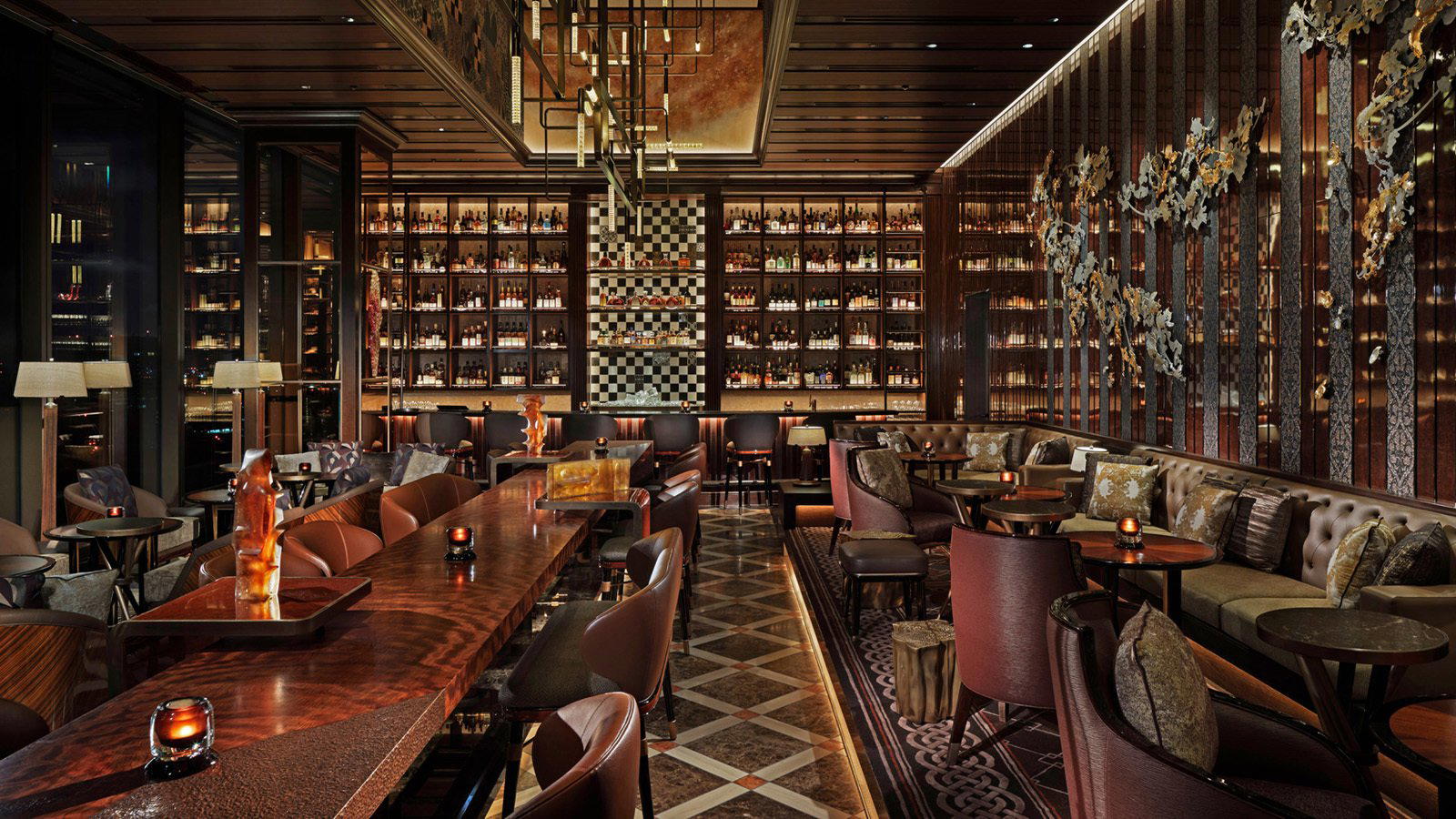
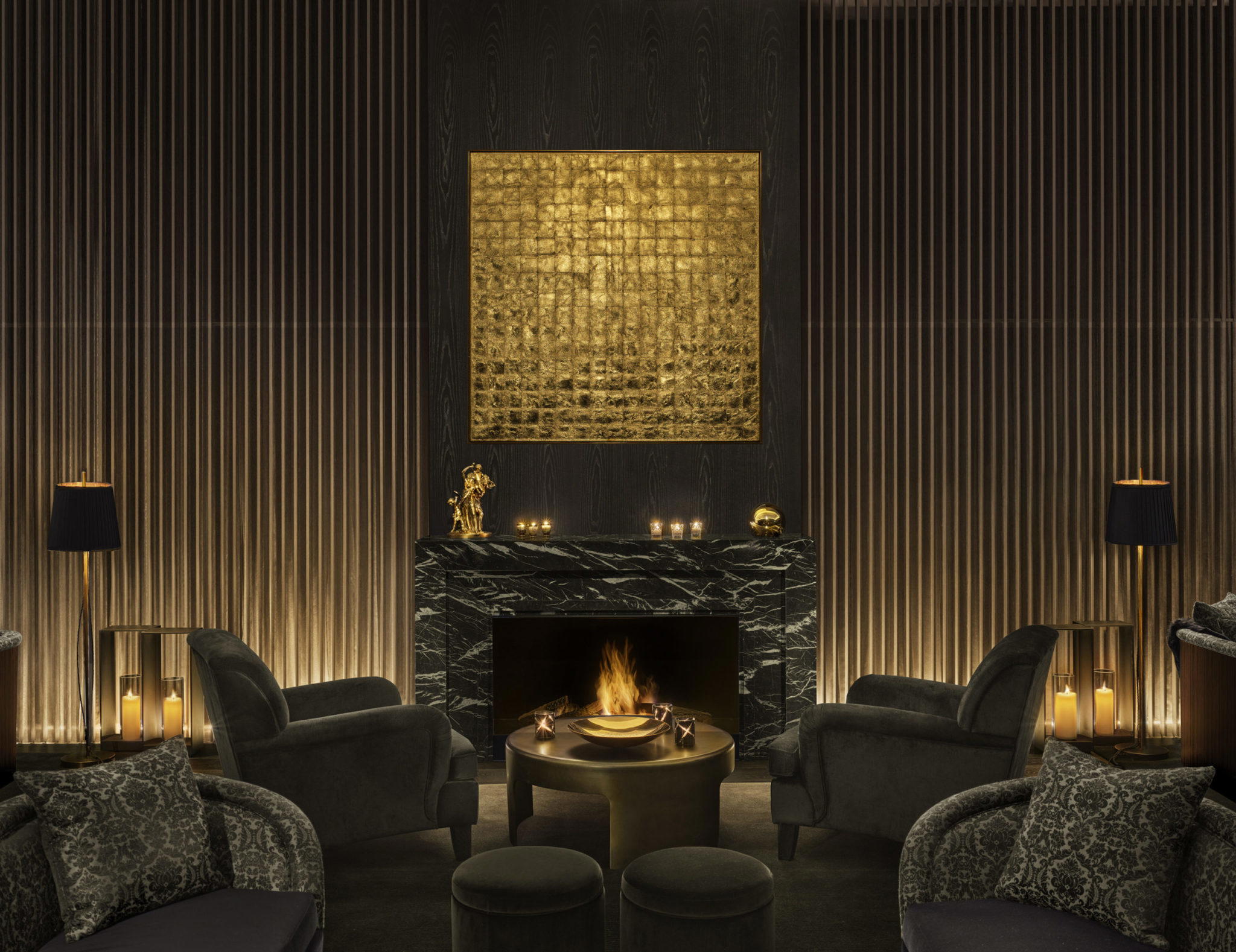
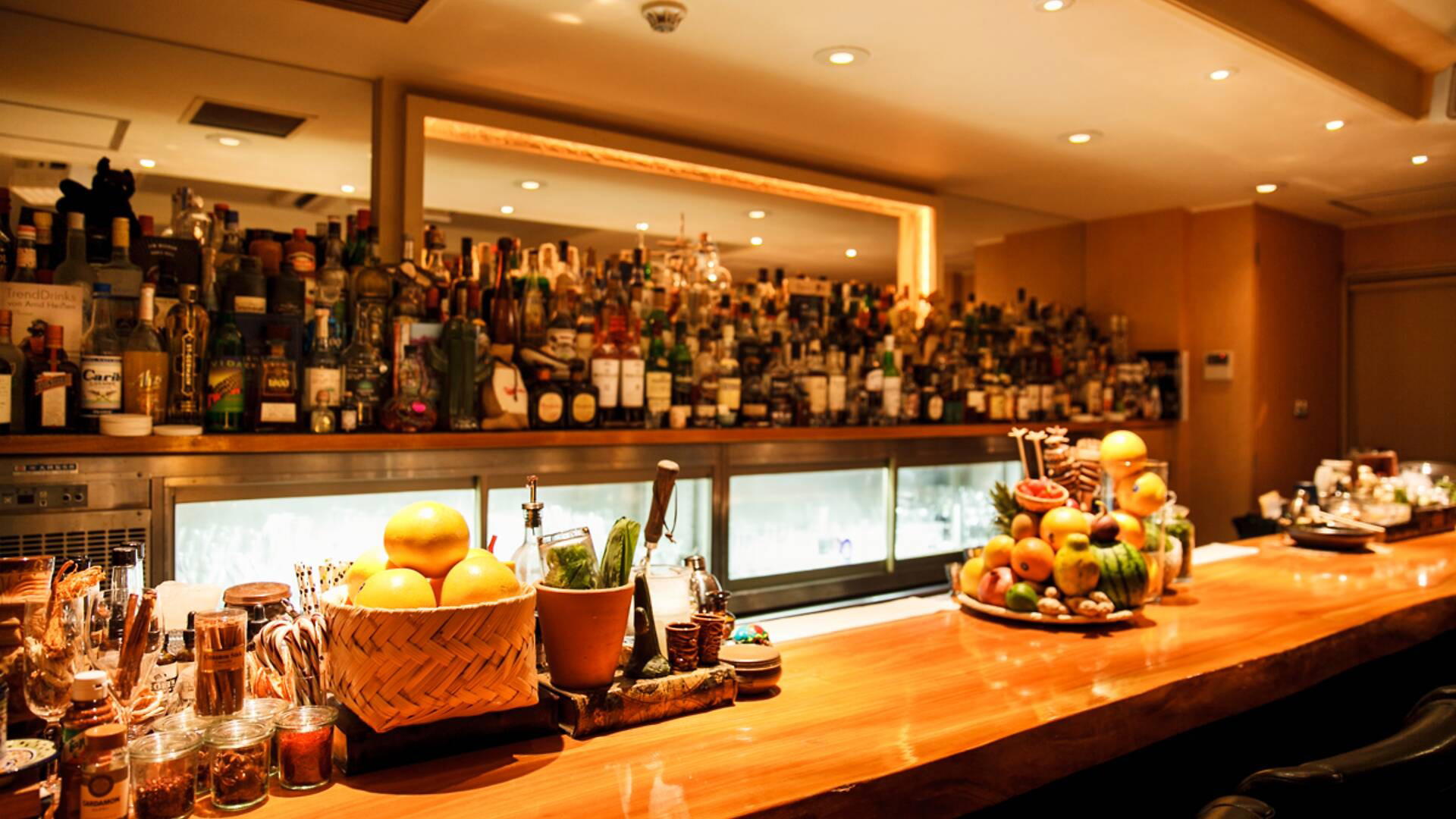
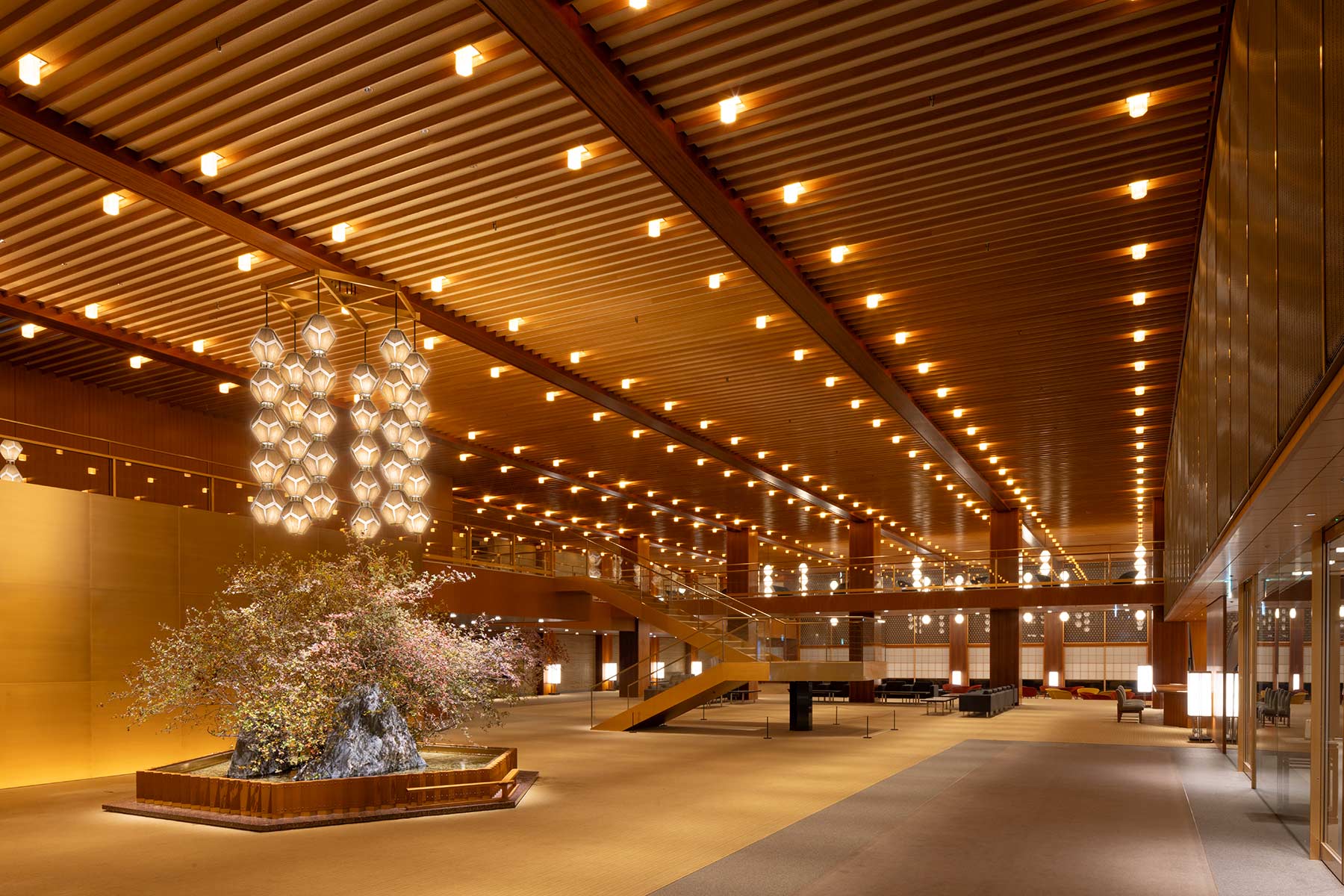
Warm, understated elegance with yellow and dark brown tones creating a calm, sophisticated atmosphere; open kitchen visible to diners; 32 seats arranged for intimate conversation.