Our verdict
In Hiroshima's Naka Ward, レストラン シャンボール occupies a position at the intersection of French technique and Japanese precision that the city's dining scene has quietly refined for decades. Positioned among Hiroshima's more considered dining addresses, it draws comparison to the restrained, produce-led French restaurants operating across mid-sized Japanese cities — where sourcing discipline and kitchen craft matter more than scale or spectacle.

Pearl is the En Primeur Club membership app — saves, bookings, and concierge access live there. Same editors, same standards.
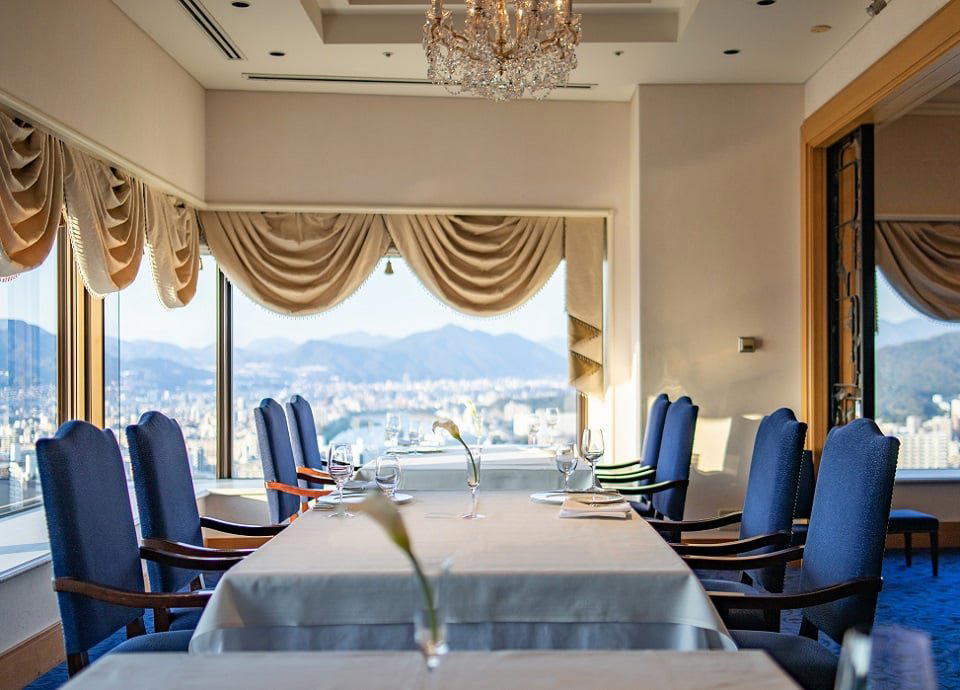
French Discipline in a City Still Writing Its Dining Identity
Hiroshima's fine dining circuit rarely dominates the national conversation the way Osaka, Kyoto, or Tokyo do, but that relative quiet has allowed certain restaurants to operate with unusual focus. The city's most considered addresses tend to sit in Naka Ward, close to the civic and commercial core, and レストラン シャンボール at 6-78 Motomachi follows that pattern. What arrives here is a dining format that belongs to a specific Japanese tradition: the French restaurant filtered through decades of local adaptation, where provenance of ingredient increasingly matters as much as pedigree of technique.
The name itself signals the orientation. Chambord, in the Loire Valley, is associated with a particular kind of French classicism — less showy than Parisian haute cuisine, more rooted in the logic of the land. Whether that register is intentional or inherited, it maps accurately onto the style that mid-tier Japanese French restaurants have developed through the 1980s and 1990s and refined since: an emphasis on restraint, on reading the season before designing the plate, on sourcing as a form of argument.
Ethical Sourcing as the Operative Framework
Across Japan's provincial French restaurants, the sustainability conversation has arrived through a different door than it did in Europe. Rather than a response to consumer pressure or regulatory nudge, many Japanese kitchens moved toward reduced-waste and ethical-sourcing models as a natural extension of washoku philosophy — the idea that material should be honoured in full, that scraps carry flavour, and that seasonal alignment is not a marketing position but a technical requirement. Restaurants operating in this tradition typically maintain close relationships with specific producers rather than sourcing through distributor networks, and the menu shifts accordingly.
レストラン シャンボール's address in Hiroshima positions it within a regional food culture that has its own sourcing logic. The Seto Inland Sea, which frames the city's western flank, produces some of Japan's most carefully managed seafood, with oyster farming operations in Hiroshima Prefecture alone accounting for roughly 60 percent of the country's total oyster output. That kind of agricultural density shapes what a serious kitchen can reasonably access, and a French-inflected menu in this city has natural arguments for working with local supply chains that a comparable restaurant in, say, Sapporo or inland Nagano would not.
The broader picture for Japanese French restaurants is that the ones building durable reputations into the 2020s are doing so on the strength of their sourcing coherence rather than their technical fireworks. This is the same logic that governs what HAJIME in Osaka has articulated at the three-star level, or what akordu in Nara expresses through its Basque-Japanese cross-reference. At those addresses, sourcing is narrative. In Hiroshima, the argument can be made more quietly, with the Seto's produce doing much of the talking.
Where Chambord Sits in Hiroshima's Dining Map
Hiroshima's restaurant scene has a productive tension between its kaiseki tradition and its appetite for Western formats. The kaiseki end is anchored by houses like Nakashima and Tenko Honten; the Chinese-influenced spectrum by MASUKI, which operates in the JPY 20,000–29,999 range. Between those poles, the city supports a smaller cluster of contemporary and European-leaning addresses: CHILAN, Chiso Sottakuito, Denko Sekka, and Eizan among them.
Motomachi sits close to Hiroshima Castle and within walking distance of the main tram network, which means the restaurant is reachable without a taxi from most accommodation clusters in the city. For visitors organising a Hiroshima itinerary around the Peace Memorial and its surrounding area, the address is genuinely convenient rather than aspirationally so. Our full Hiroshima restaurants guide maps the broader dining options across the city's wards.
The French Restaurant as a Provincial Japanese Form
It is worth understanding レストラン シャンボール against the longer arc of French cooking in provincial Japan. The first wave of French restaurants in cities outside Tokyo and Osaka arrived in the late 1970s and early 1980s, often helmed by chefs who had trained in France under classic brigade systems. The second wave, through the 1990s, adapted those forms: shorter menus, more attentive sourcing, a move away from heavy sauce structures toward the kind of clean, acid-lifted cooking that Japan's palate already understood from its own culinary vocabulary.
The contemporary version of that form, where restaurants like Gion Sasaki in Kyoto and Goh in Fukuoka have pushed the fusion dialogue in their own directions, positions the provincial French restaurant not as a derivative of a European template but as a genuinely Japanese culinary genre with its own evolution. Harutaka in Tokyo demonstrates how Japanese precision can reframe European frameworks entirely at the top tier. レストラン シャンボール operates in that tradition at a quieter register, in a city that rewards that quietness.
The comparison extends to restaurants across Japan's secondary cities. 一本木 佐川制 in Nanao, 夕月山乃 in Sapporo, and 湖畔庵 in Takashima all illustrate how Japan's regional dining tier is developing serious culinary positions away from the metropolitan spotlight. 鳥羽屋 in Nishikawa Machi and Birdland in Sakai add further texture to that picture. For diners accustomed to the New York model, where Le Bernardin and Atomix define what a serious Western or Korean-inflected tasting menu looks like, Japan's provincial French houses offer a genuinely different relationship between format and place.
Planning Your Visit
Motomachi address in Naka Ward places レストラン シャンボール inside Hiroshima's walkable central district, accessible by the city's tram network and close to the main hotel concentration around the Peace Boulevard corridor. Hiroshima is most comfortably visited in spring (late March through April, for the Seto coast light and cherry blossom context) or autumn (October through November), when the city's proximity to both mountain and sea produces its most expressive seasonal produce, the same conditions that any serious kitchen here would build its menu around.
Frequently asked questions
How do I find レストラン シャンボール?
レストラン シャンボール is located at 6-78 Motomachi, Naka Ward, Hiroshima, 730-0011, Japan, Hiroshima.
How does レストラン シャンボール fit into Hiroshima's broader restaurant scene?
Hiroshima's dining identity is shaped by a productive tension between its kaiseki tradition and its long-standing appetite for Western formats, and French restaurants like Chambord occupy a distinct position in that dynamic. Located in Naka Ward's Motomachi district, the restaurant is part of a cohort of provincial French establishments in Japan that drew their initial influence from the post-war wave of French cooking outside Tokyo. Understanding this context helps explain why Hiroshima, a city rarely discussed in national food media, has sustained serious French dining for decades.
What do people recommend at レストラン シャンボール?
Given its Motomachi address in central Hiroshima, the kitchen is well-positioned to work with the Seto Inland Sea's seafood supply, which shapes much of the region's cooking. Asking staff for the current course recommendation on arrival is standard practice at this tier of French dining in Japan.
Can I walk in to レストラン シャンボール?
Walk-in availability is not confirmed. French restaurants of this format in Hiroshima's central Naka Ward district typically operate on a reservation basis, particularly for dinner service. The Motomachi location is accessible via Hiroshima's tram network, making advance planning straightforward for visitors staying in the city centre.
What makes レストラン シャンボール worth seeking out?
Hiroshima sits outside Japan's dominant fine dining conversation, which has allowed restaurants like Chambord to develop without the pressure of Tokyo or Kyoto's heavily scrutinised scenes. That provincial setting, combined with French discipline applied to a region defined by exceptional local produce, produces a dining register that differs from what you find in major urban centres. The Motomachi address places it inside Hiroshima's walkable core, making it a coherent destination rather than a detour.
Compact Comparison
Comparable venues nearby, for context on price, style, and recognition.
| Venue | Cuisine | Price | Awards | Notes |
|---|---|---|---|---|
| レストラン シャンボールThis venue (the venue you are viewing) | Refined French with Local Hiroshima Ingredients | $100–150 | Not listed | Not listed |
| ル・ジャルダン グルマン | Modern French with Local Japanese Influences | $100–150 | Tabelog 100 #28 | Nishi, Modern French with Local Japanese Influences |
| シェモモ | Hidden Gem French Bistro | $30–50 | Not listed | Naka, Low-profile address French Bistro |
| EPURE | French Fine Dining | Not listed | Tabelog 100 #50 | Minami, French Fine Dining |
| タムスープ | Casual French Bistro | $20–30 | Not listed | Naka, Casual French Bistro |
| ルペール | Modern French Bistro | $50–100 | Not listed | Naka, Modern French Bistro |
Continue exploring
More in Hiroshima
Restaurants in Hiroshima
All restaurants in Hiroshima →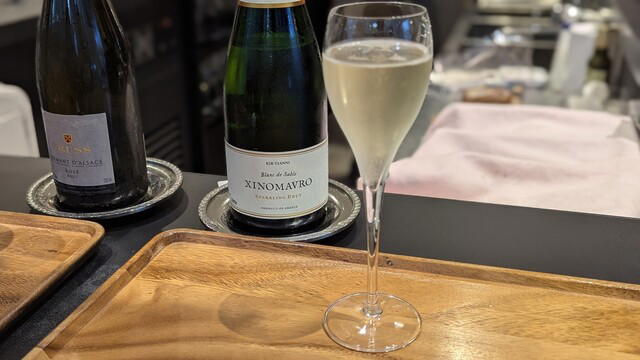
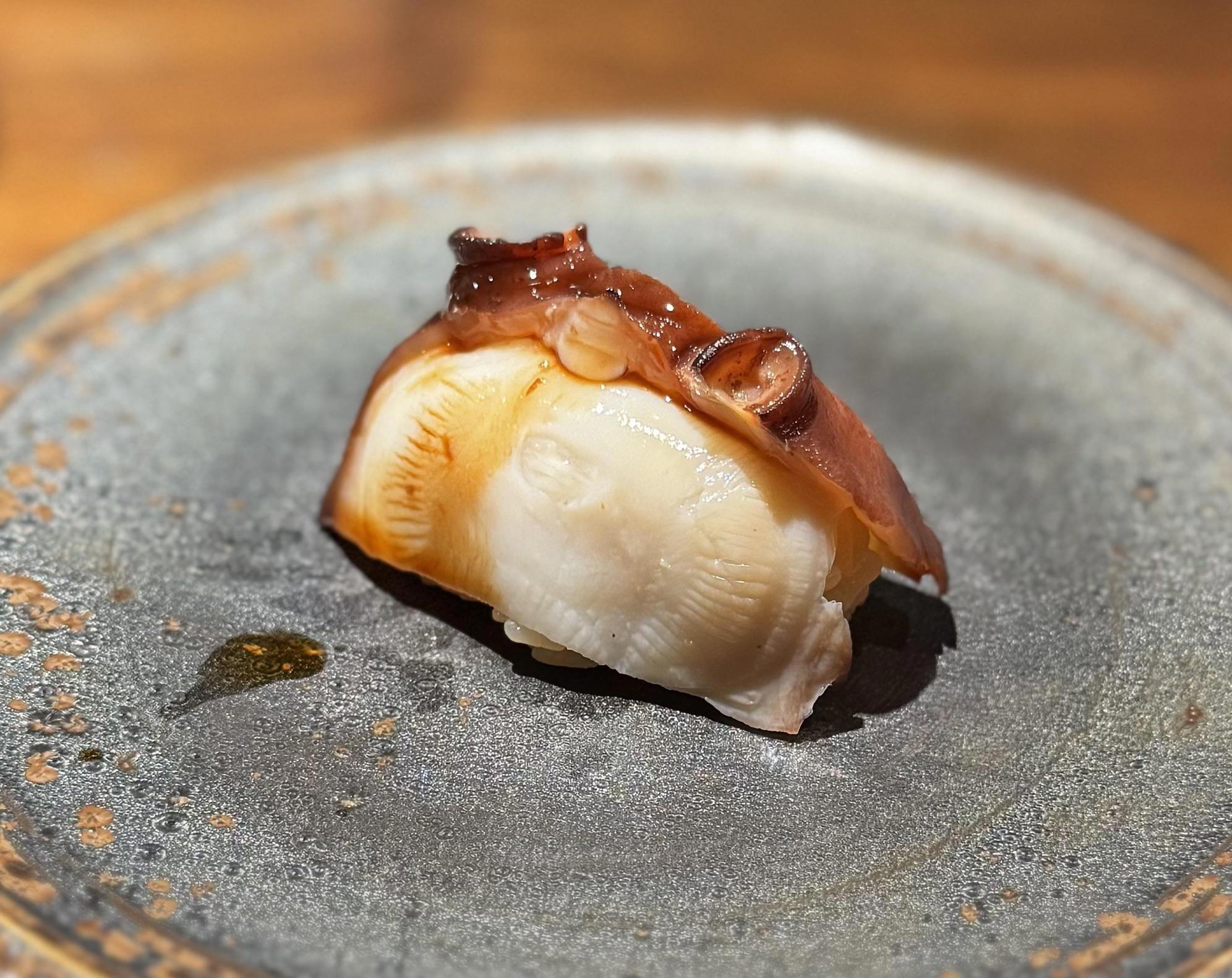
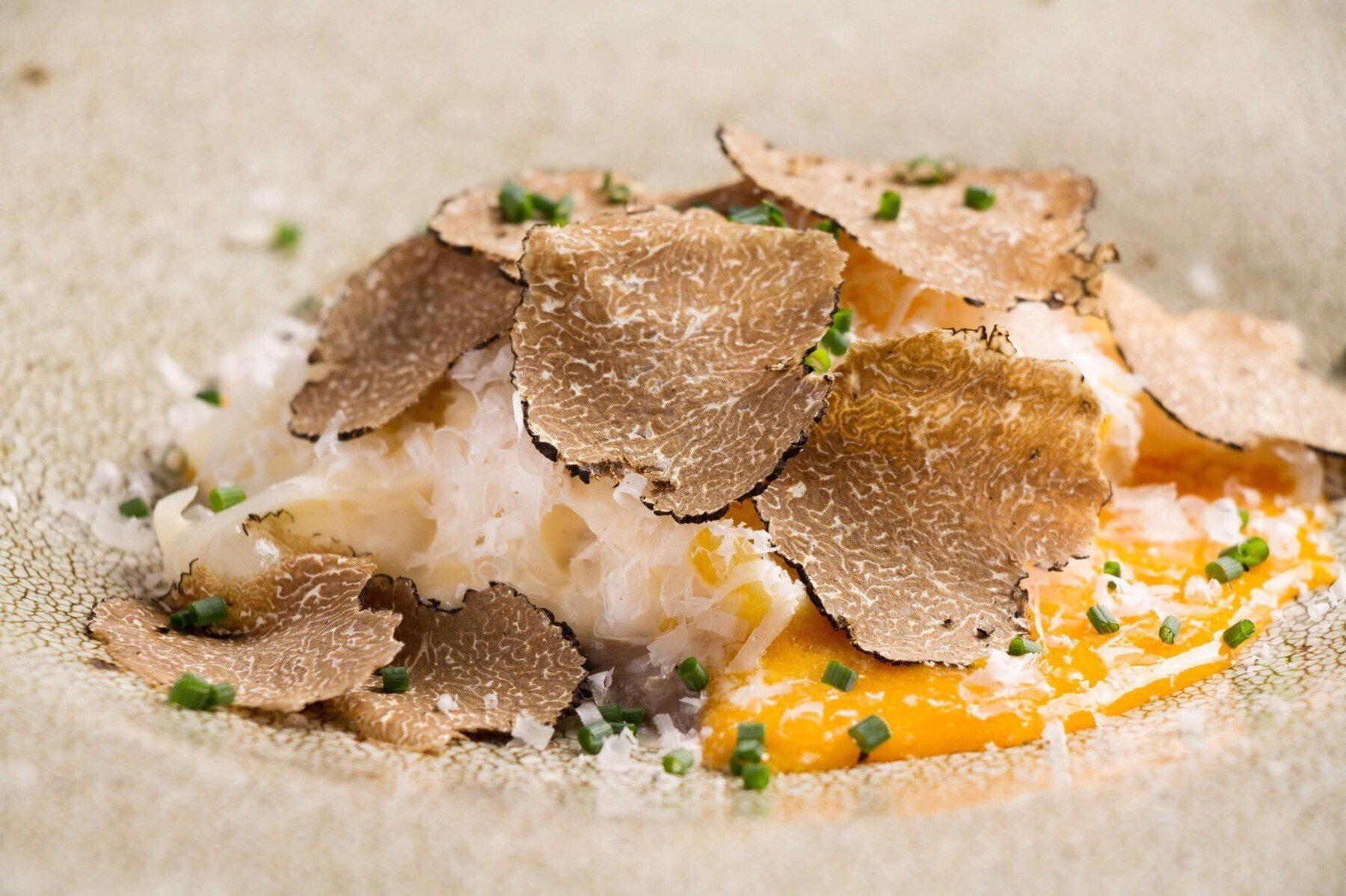
Bars in Hiroshima
All bars in Hiroshima →
Details
- Elegant
- Sophisticated
- Romantic
- Date Night
- Special Occasion
- Business Dinner
- Panoramic View
- Hotel Restaurant
- Sake Program
- Local Sourcing
- Skyline
- A La Carte
- Allergy Accommodating
Current opening hours
- Monday
- Closed
- Tuesday
- 5:30–9 PM
- Wednesday
- 11:30 AM–2 PM, 5:30–9 PM
- Thursday
- 11:30 AM–2 PM, 5:30–9 PM
- Friday
- 11:30 AM–2 PM, 5:30–9 PM
- Saturday
- 11:30 AM–2 PM, 5:30–9 PM
- Sunday
- 11:30 AM–2 PM, 5:30–9 PM
Hours can change for holidays and private events. Last verified .
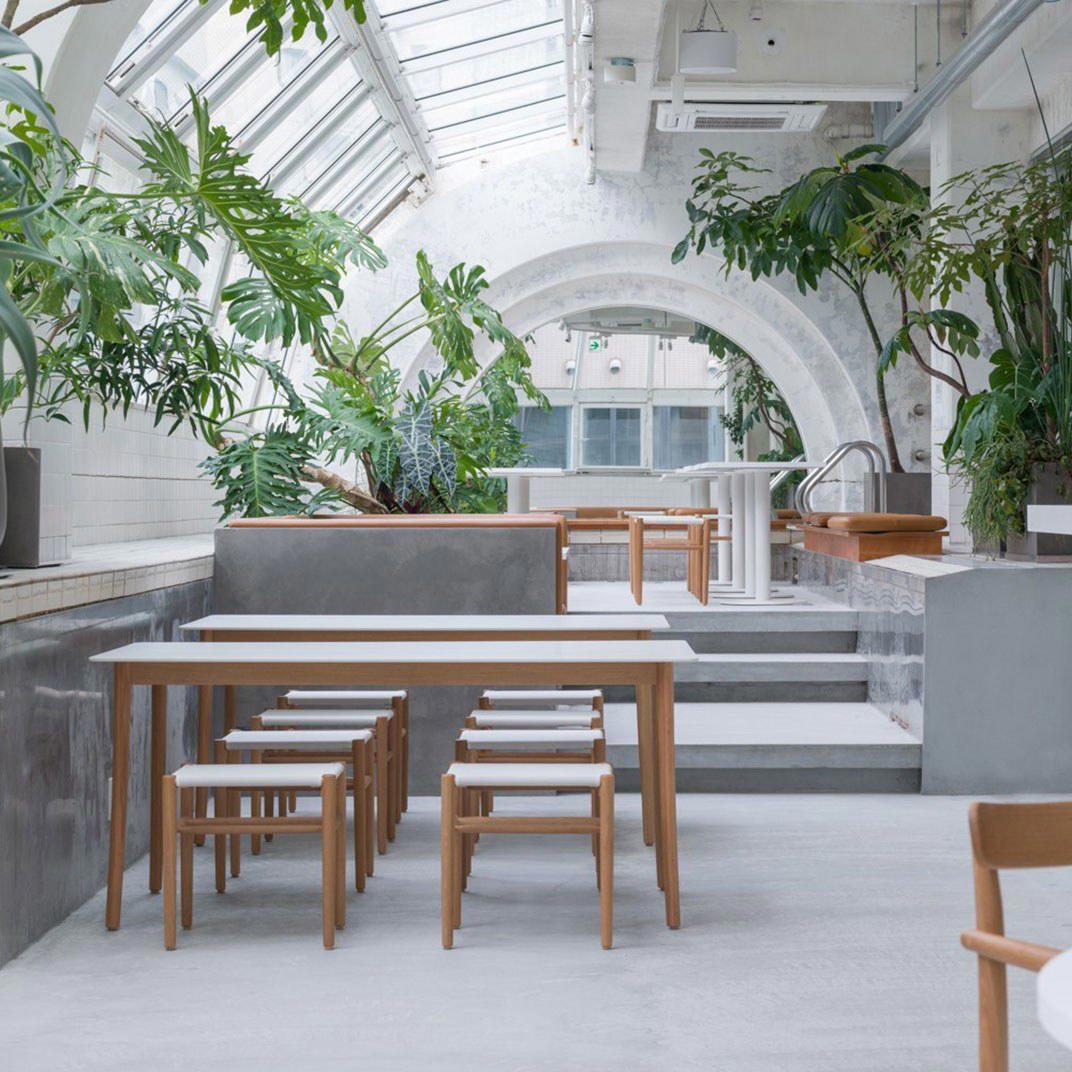
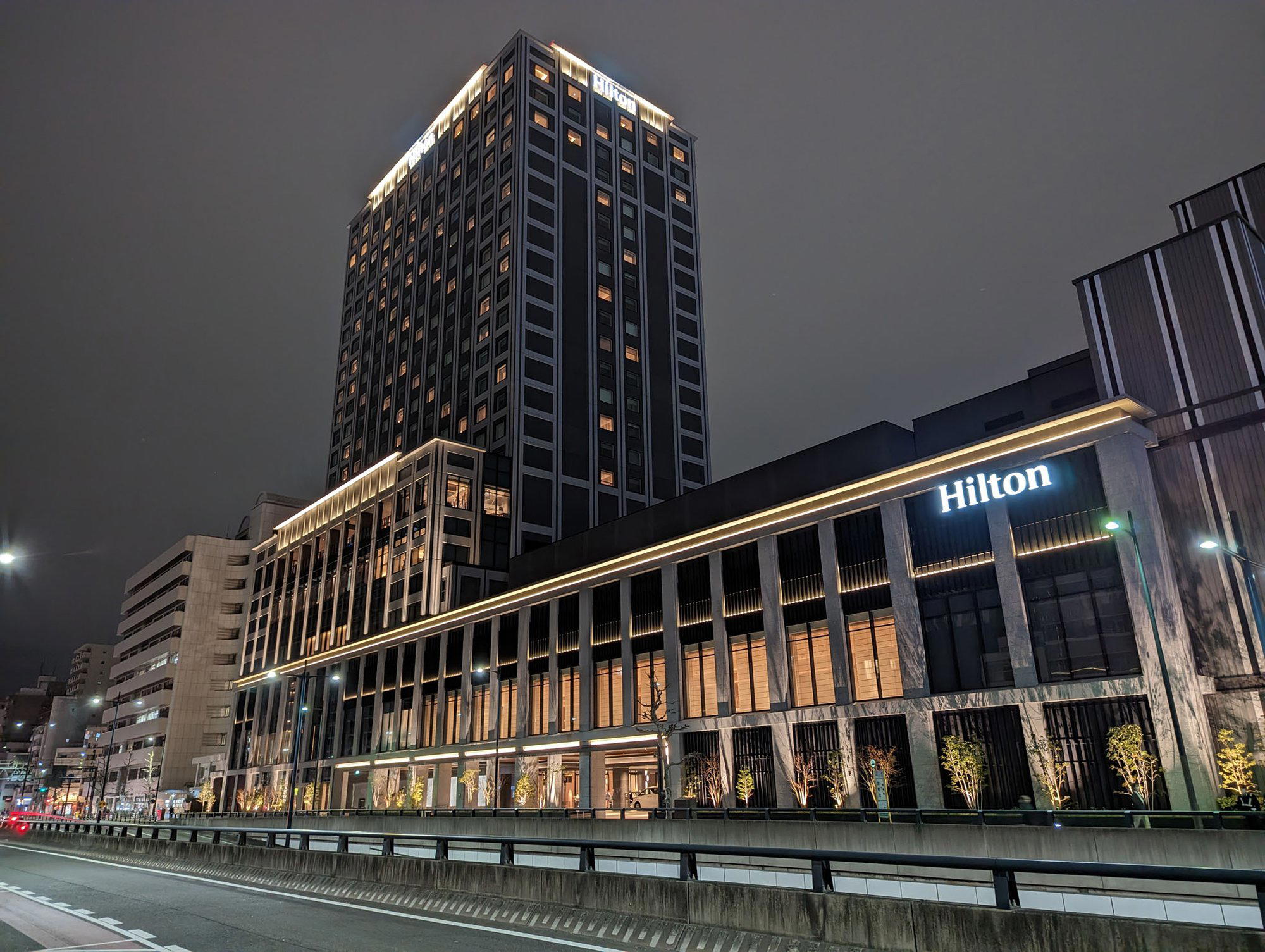
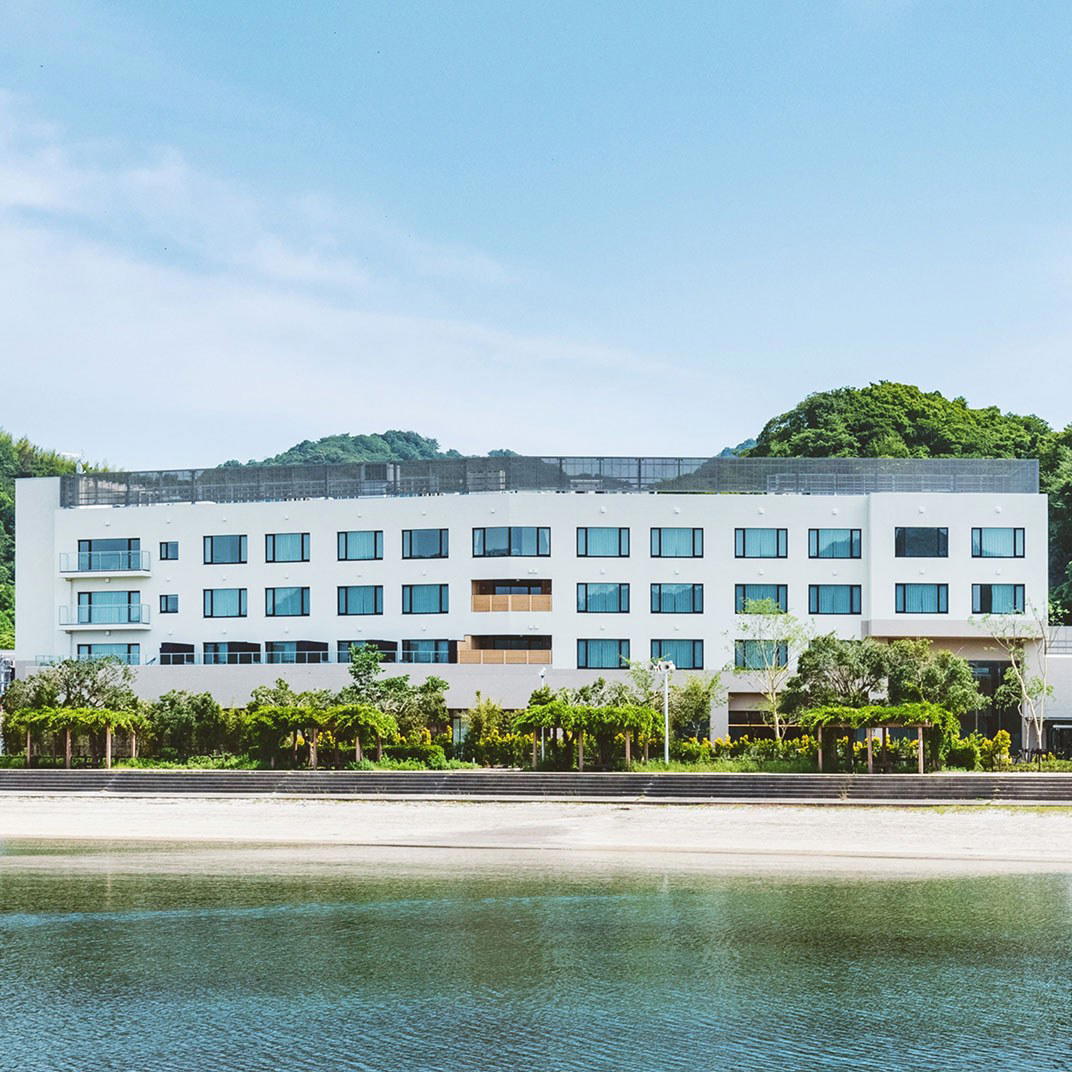
Calm and elegant hotel dining room with panoramic night views, attentive service, and sophisticated lighting creating a romantic and leisurely atmosphere.