
Tabelog Bronze #419
Our verdict
Tabelog Bronze Award winner for 2025 and 2026, Soshi is a 14-seat counter sushi restaurant in Hiroshima's Naka Ward focused on Setouchi fish interpreted through an Edomae framework. Dinner runs JPY 20,000–29,999 with two fixed seatings nightly. Reservations are booked several months ahead and accepted exclusively through the OMAKASE online platform.

Pearl is the En Primeur Club membership app — saves, bookings, and concierge access live there. Same editors, same standards.
- Address
- 5-18 Tatemachi, Naka Ward, Hiroshima, 730-0032, Japan
- Phone
- +81 82-504-6213
- Hours
- Daily 6–10:30 PM
- Website
- omakase.in
- Directions
- Get directions
- Booking
- Book on Omakase
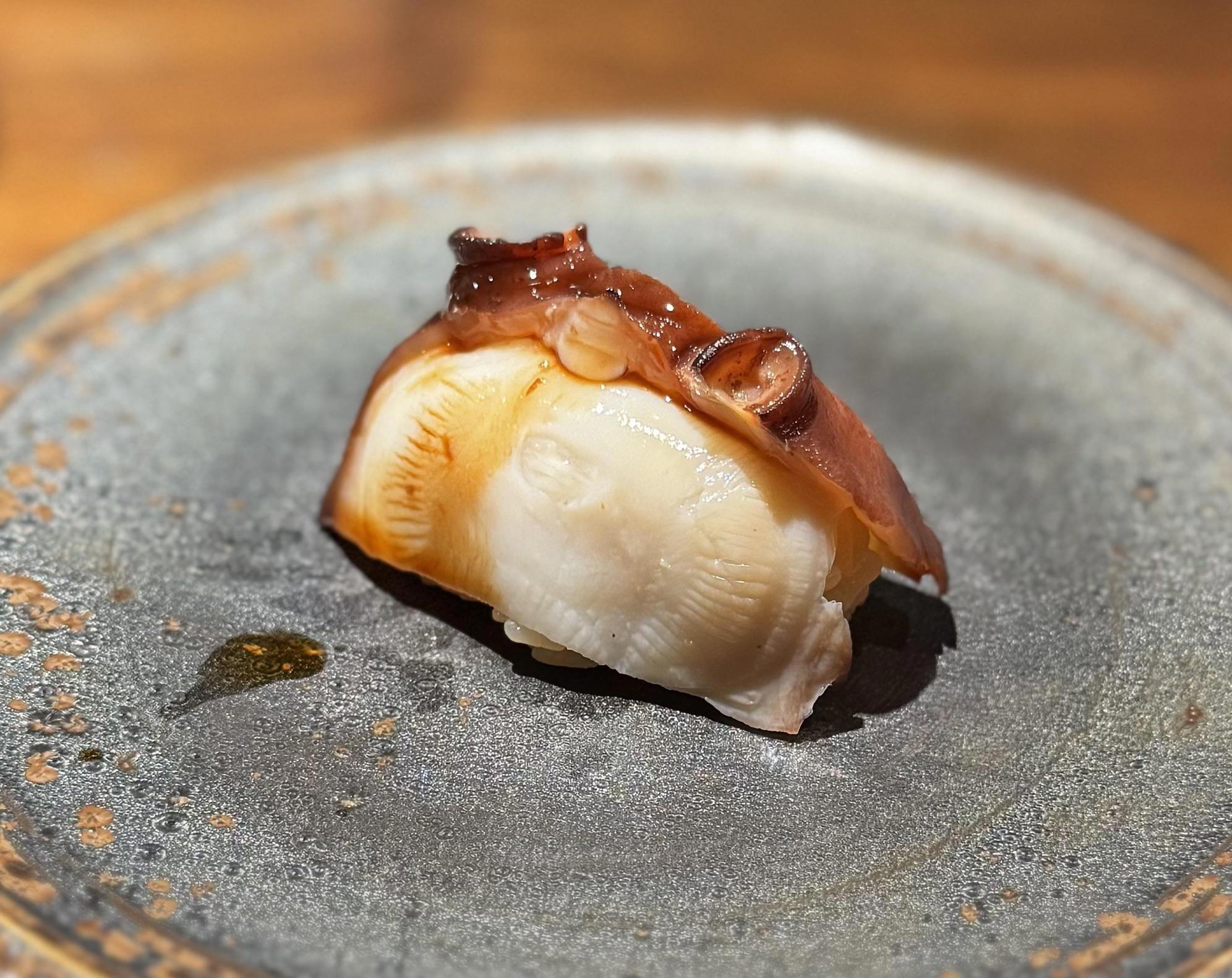
The menu
What to order
- White sweetfish from Yamaguchi
- Striped jack from Ehime
- Needlefish and eel from Hiroshima
A Counter in Tatemachi, Booked Months in Advance
Tatemachi is a mid-city commercial strip in Naka Ward, the kind of address you pass through rather than seek out. Which makes Soshi's position there quietly instructive: this 14-seat counter, operating dinner-only in two fixed seatings from 18:00 and 20:30, has built one of the more demanding reservation queues in western Japan's sushi scene without the visibility of a dedicated dining district. The Hiroshima restaurant scene has long played second fiddle to Osaka and Kyoto in national food conversation, but Tabelog's review data increasingly tells a different story at the counter level.
Soshi holds a Tabelog score of 4.27 and took the Tabelog Bronze Award in both 2025 and 2026 — consecutive recognitions that move a restaurant from single-year anomaly to confirmed peer-set standing. It was also selected for Tabelog Sushi WEST's "Tabelog 100" in 2025, a category that lists the hundred most-rated sushi counters across the Kansai and Chugoku regions. That placement situates Soshi not just within Hiroshima, but within the broader western Japan sushi conversation alongside counters in Osaka and Kyoto. For comparison, Harutaka in Tokyo and Atomix in New York City represent the kind of tightly held counter format — small capacity, fixed format, advance booking, that Soshi operates within at its own tier and price point.
The Setouchi Premise
What separates the better regional sushi counters from their Tokyo counterparts is often a deliberate pivot away from Tsukiji-sourced fish toward hyperlocal supply. The Seto Inland Sea, which wraps around Hiroshima's coastline, produces a distinct roster of fish: smaller, fattier species shaped by the sea's relatively calm, mineral-rich waters, with seasonal rhythms that don't always align with what a Tokyo counter would serve in the same month. Soshi's stated orientation is Setouchi fish interpreted through an Edomae technique, a combination that asks the kitchen to apply aging, curing, and precision rice work to a catch that most Edomae-trained hands have never handled.
The Tabelog description notes that the approach is self-taught, which within Japan's rigidly apprenticeship-structured sushi world is an unusual credential. It signals a kitchen that has had to develop its own framework for understanding how Setouchi fish responds to temperature, resting, and seasoning, rather than inheriting a lineage's answers. Whether that produces a more or less consistent result than a formally trained counter is a live editorial question, but the 4.27 score across a large review base suggests the method is holding. The sake program has similar focus, described as particular about nihonshu, and the BYO policy extends to wine and champagne at a corkage fee of JPY 1,500 per bottle, an unusual openness for a counter at this level.
Hiroshima's broader kaiseki and Japanese dining scene includes Nakashima for kaiseki and Chiso Sottakuito and Eizan in the broader Japanese dining tier. For those exploring the city's non-Japanese options, MASUKI and NAKADO round out the mid-to-high range. Regionally, comparable award-holding counters in western Japan include formats like Gion Sasaki in Kyoto and HAJIME in Osaka, both of which occupy different cuisine categories but represent the same tier of advance-booking commitment. Further afield, Goh in Fukuoka and akordu in Nara illustrate how regional Japanese cities have developed serious dining credentials outside the traditional Tokyo-Osaka axis. Le Bernardin in New York City stands as an obvious international reference point for serious fish-focused counter dining, though the format and price tier differ considerably. 1000 in Yokohama offers another data point for how counter-format dining operates at this price level in Japan.
How the Booking Works, and Why It Matters
The reservation situation at Soshi requires planning that most casual visitors to Hiroshima don't anticipate. The venue's own language is direct: fully booked several months in advance. Phone reservations are not accepted; the only functional route is through the OMAKASE online reservation system, which also offers waitlist registration and vacancy notifications. If you are building a Hiroshima itinerary around Soshi, the booking window needs to open two to three months out at minimum. For peak travel periods, earlier is advisable.
The two-seating structure, first session from 18:00, second from 20:30, operates on a simultaneous start system, meaning late arrival is not accommodated. That policy is standard practice at counter restaurants running coordinated service, where the kitchen times the progression of the meal to the room as a whole rather than to individual tables. The practical implication: factor travel time from your accommodation or from the city's transit points. Soshi sits roughly 88 meters from Tatemachi Station on the Hiroshima Electric Railway, making tram access the most direct route. A taxi from JR Hiroshima Station takes approximately 10 to 15 minutes depending on traffic. Guests who plan to drink are explicitly asked to avoid driving, and on-site parking is unavailable.
Payment policy is another planning variable. Credit cards, electronic money, and QR code payments are not accepted for walk-in transactions. However, reservations made through Pocket Concierge, a separate channel from OMAKASE, can be paid by credit card. If you want card payment, your booking platform determines your payment method, so channel selection matters before you finalize. No service charge is applied, which brings the effective per-person cost closer to the stated average of JPY 20,000–29,999 than it would be at a comparable counter that layers on a service percentage.
Format, Atmosphere, and Who This Works For
All 14 seats are counter positions. There are no private rooms, though private use of the full space is available for groups of up to 20 people. The venue is described as a relaxing space and is wheelchair accessible. There is no dress code. Solo dining is actively supported, Tabelog notes it as a recommended occasion, and the counter format is inherently suited to solo guests who want to engage with the kitchen's progression without the social logistics of a larger party.
Children of elementary school age and above are permitted provided they order the same adult course. There is no children's menu, and the request is made explicitly that other guests not be disturbed. At a 14-seat counter running a coordinated omakase format at JPY 20,000–29,999 per person, this is less a family-dinner option than a special-occasion format where adult focus is part of the experience. Families who understand that context will find the policy accommodating; those expecting casual flexibility will find the simultaneous-start, no-late-arrival structure a more significant constraint.
For a fuller picture of what Hiroshima offers across dining categories and price tiers, see our full Hiroshima restaurants guide. The city's hospitality infrastructure beyond dining, hotels, bars, and experiences, is covered in our Hiroshima hotels guide, our bars guide, our wineries guide, and our experiences guide.
Practical Planning Summary
Soshi operates seven days a week, dinner only, 18:00 to 22:30, across two fixed seatings. The address is 5-18 Tatemachi, Naka Ward, a three-to-five minute walk from Tatemachi Station (Hiroshima Electric Railway) and a 10-to-15 minute taxi ride from JR Hiroshima Station. Reservations through OMAKASE are the primary booking channel; Pocket Concierge enables credit card payment. Budget dinner at JPY 20,000–29,999 per person with no service charge added. BYO wine and champagne with a JPY 1,500 corkage fee per bottle. No smoking throughout.
Frequently asked questions
Does Soshi work for a family meal?
Children of elementary school age and above are permitted, but each child must order the full adult omakase course at the same JPY 20,000–29,999 price point — there is no children's menu. The counter-only format and simultaneous-start seating system also mean late arrivals are not accommodated, so families need to be punctual and prepared for a structured, adult-paced dinner.
Is Soshi formal or casual?
No dress code is stated, and the venue describes itself as a relaxing space — but at a Tabelog Bronze-awarded counter in the JPY 20,000–29,999 range, understated smart attire is the norm among the crowd this price point attracts. The atmosphere is counter-focused and intimate across 14 seats, which tends to set its own tone regardless of what guests wear.
Does Soshi have a Michelin star or similar recognition?
Soshi has received recognition including: {"Year":"2026","Award Source":"Tabelog","Award Type":"The Tabelog Award","Award Group":"bronze","Award Group Rank":"419","Restaurant Name":"Soshi","Score":"4.27","Budget":"Dinner: JPY 20,000 - JPY 29,999; Lunch: -","Budget Dinner":"JPY 20,0….
What should I eat at Soshi?
The kitchen runs a set omakase format built around Setouchi fish interpreted through Edomae technique, so guests order nothing — the course is dictated entirely by the chef. The emphasis on locally sourced fish from the Seto Inland Sea is the defining proposition here, distinguishing Soshi from Tokyo-style counters that rely on Tsukiji supply chains.
Cost and Credentials
Comparable venues nearby, for context on price, style, and recognition.
| Venue | Cuisine | Price | Awards | Notes |
|---|---|---|---|---|
| SoshiThis venue — the venue you are viewing | Setouchi-Style Edomae Sushi | $150–200 | Tabelog Bronze #419 | Not listed |
| Wagyu lab K | Sakakiyama Beef Yakiniku | $50–100 | Tabelog Bronze #509 | Nishi, Sakakiyama Beef Yakiniku |
| Nakashima | Traditional Japanese Kaiseki | $50–100 | Tabelog Bronze #308 | Naka, Traditional Japanese Kaiseki |
| Akai | Not listed | Not listed | Not listed | Miyajimaguchi, Hatsukaichi, Innovative Japanese-French Omakase (“AKAI cuisine”) |
| 桃花庵 | Seasonal Kaiseki Omakase | $200–300 | Not listed | Asakita, Seasonal Kaiseki Omakase |
| 中土 | Modern French | $150–200 | Tabelog Bronze #303 | Naka, Seasonal Kaiseki |
Recognition history
Dated appearances from independent guides and award organizations, with the underlying list record or original source where available.
Tabelog Bronze #419
Tabelog
Full recognition history (3 entries)
Tabelog 100 #12 · No. 12
Tabelog · Tabelog 100 - Sushi - WEST - 2025
Tabelog Bronze
Tabelog
Continue exploring
More in Hiroshima
Restaurants in Hiroshima
Browse all →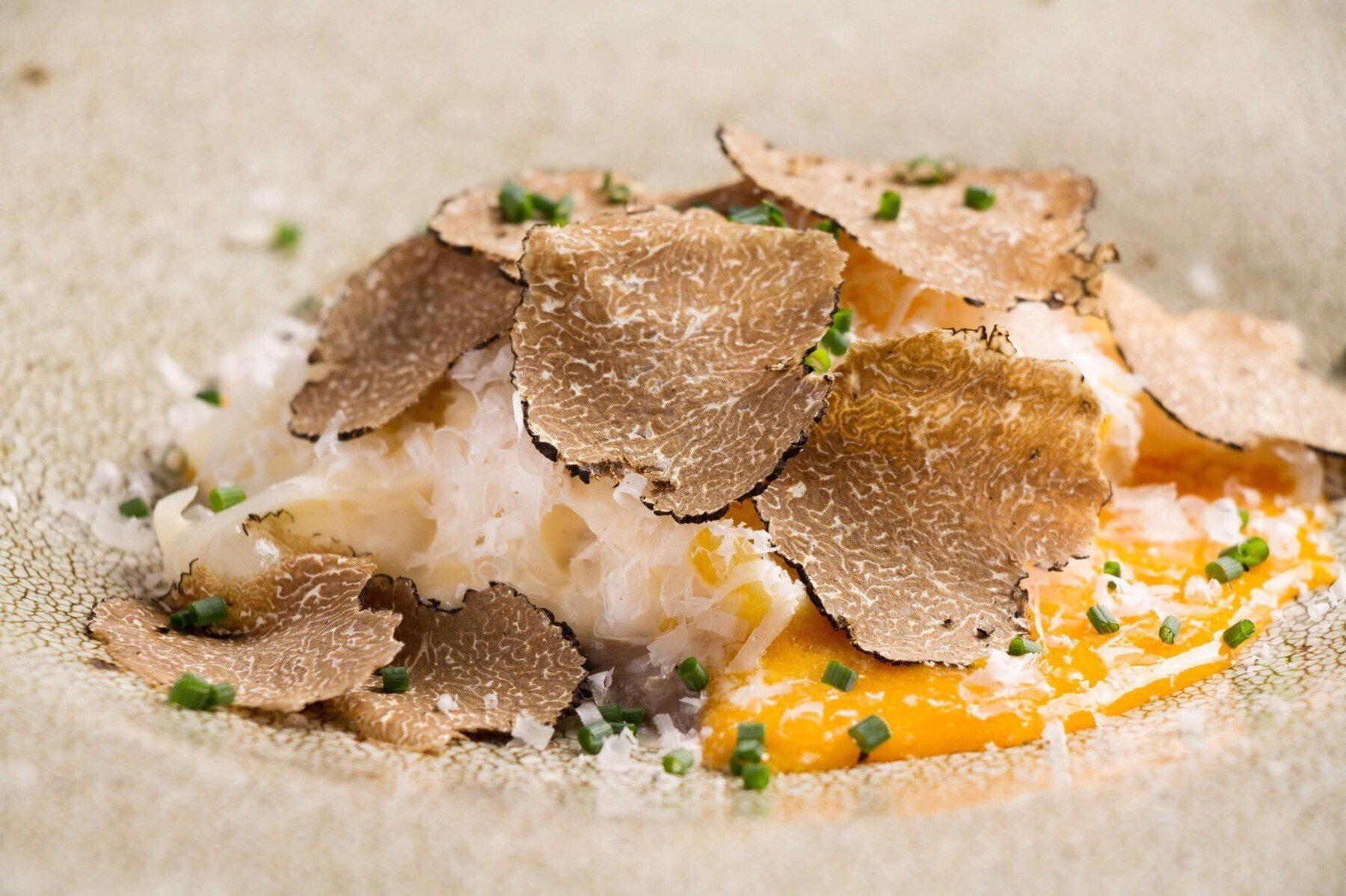
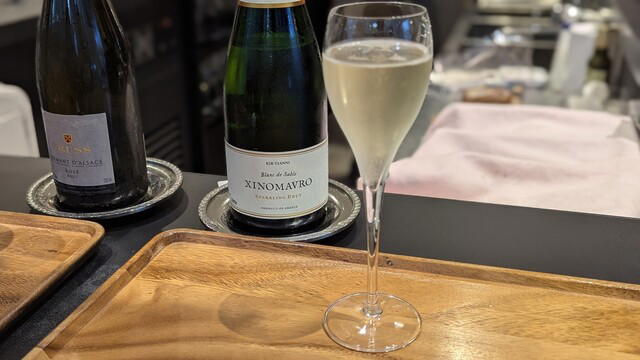
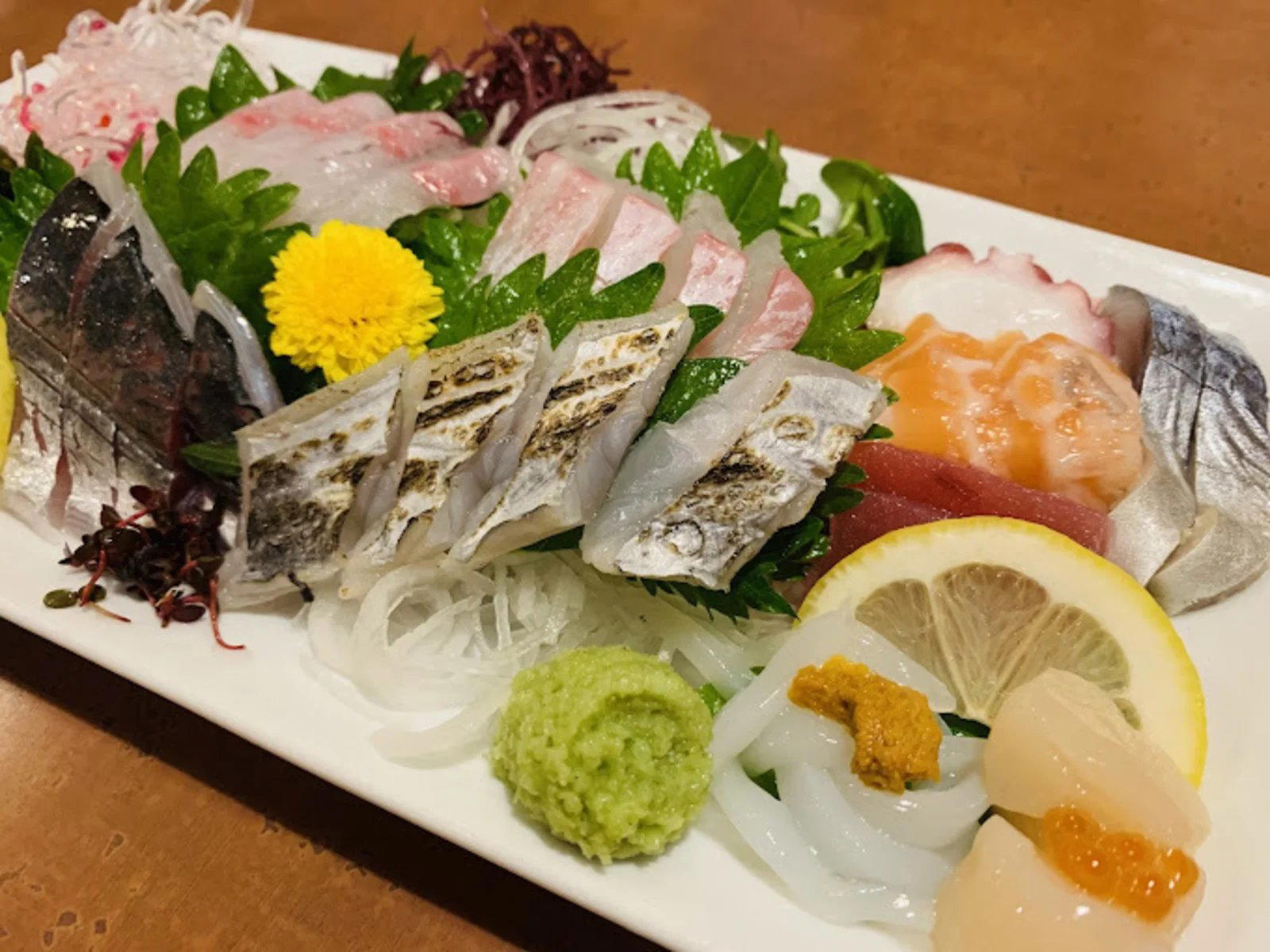
Bars in Hiroshima
Browse all →
Details
- Elegant
- Intimate
- Sophisticated
- Solo
- Special Occasion
- Chefs Counter
- Standalone
- Sake Program
- Local Sourcing
- Sustainable Seafood
- Omakase
- Counter Dining
- Sake
Current opening hours
- Monday
- 6–10:30 PM
- Tuesday
- 6–10:30 PM
- Wednesday
- 6–10:30 PM
- Thursday
- 6–10:30 PM
- Friday
- 6–10:30 PM
- Saturday
- 6–10:30 PM
- Sunday
- 6–10:30 PM
Hours can change for holidays and private events. Last verified .
Chic, dark brown tones with an antique door entrance that resembles a bar rather than a typical sushi shop, creating an understated and sophisticated atmosphere.