
Tabelog Bronze #303
Our verdict
NAKADO gives Hiroshima’s serious French dining a compact, ingredient-led address rather than a grand dining-room statement. Its Tabelog Bronze run from 2023 to 2026 and Tabelog French WEST 100 selections place it in the city’s higher tier, with a small counter-and-private-room format built around fish, wine, sake, and course-menu discipline.

Pearl is the En Primeur Club membership app, where members save venues, book tables and use the concierge.
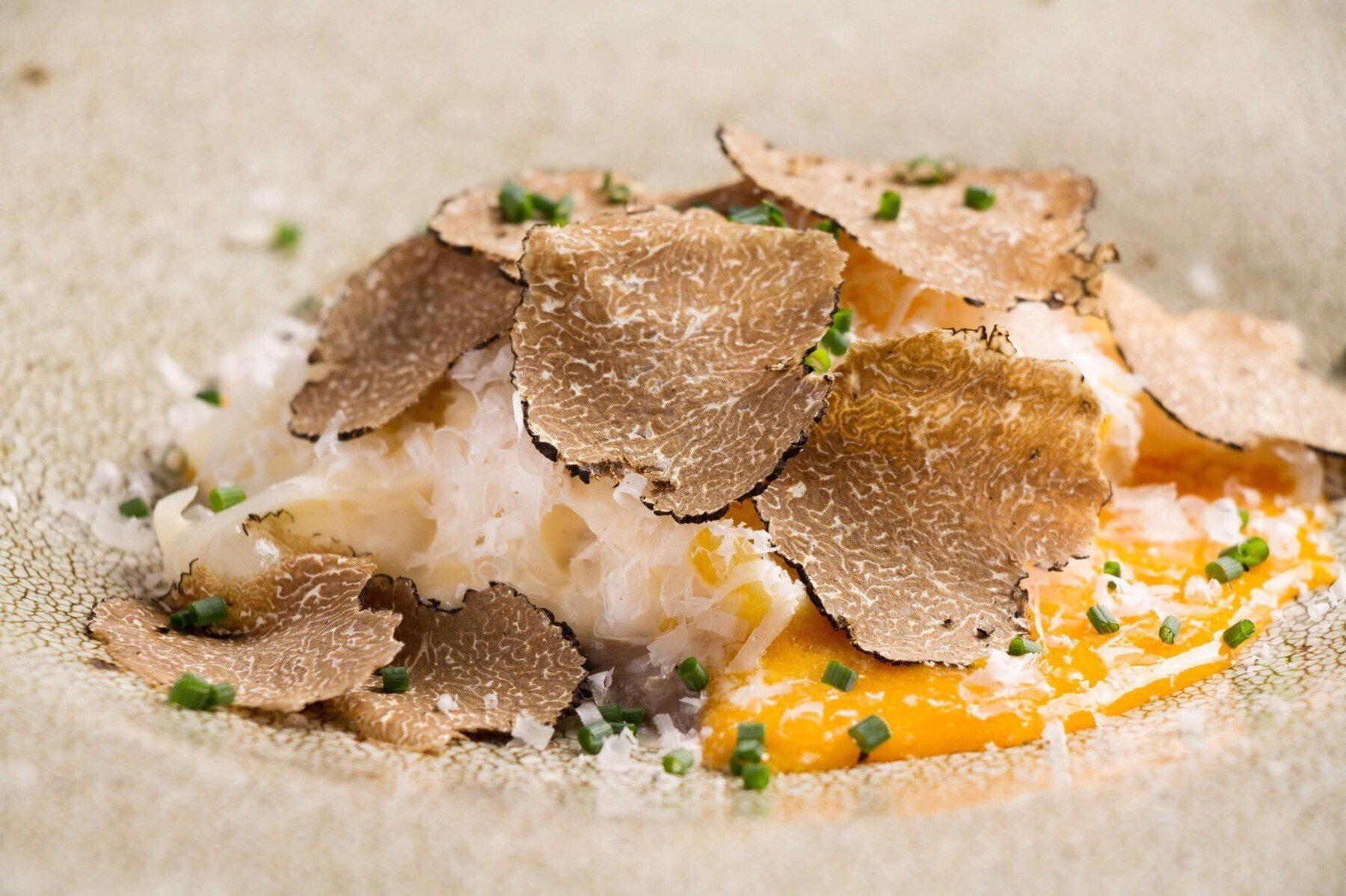
Horikawacho’s restaurant floors can feel anonymous from the street: elevators, compact signs, nightlife traffic giving way to small rooms where the cooking carries the weight. Hiroshima’s French scene has a quieter language than Tokyo’s luxury hotel dining or Kyoto’s temple-adjacent formality. Its stronger rooms work through scale, sourcing, and precision rather than spectacle, with Setouchi seafood and Japanese drinking culture shifting French technique’s centre of gravity.
NAKADO belongs to that smaller, serious bracket. Read it not as generic “French in Hiroshima,” but as part of a western Japan pattern: chefs using French structure to organise local fish, lighter courses, sake-aware pairing, and restrained rooms. Tabelog’s 2026 Bronze recognition, after Bronze listings in 2023, 2024, and 2025, gives it a measurable position. Selection for Tabelog French WEST 100 in 2023 and 2025 reinforces the point: this is a regional French address judged within western Japan, not a tourist-facing European imitation.
French technique, Setouchi logic, and a room built for concentration
Hiroshima’s dining identity is often flattened into okonomiyaki, oysters, and casual drinking, but its more interesting upper tier sits closer to the inland-sea pantry. Setouchi rewards kitchens that understand fish, acidity, and restraint; heavy sauces and showy luxury ingredients can look clumsy. A French format supplies structure, while sourcing and sequence make the local argument. NAKADO’s positioning around fish and health-conscious cooking fits that conversation, and both wine and sake service matter. In Hiroshima, sake is not a novelty pairing; it is regional grammar.
The format signals intent. Fourteen seats, split between a six-seat counter and private tables, let pacing and temperature be controlled more tightly than in a larger brasserie. Counter seating in Japanese fine dining shifts attention from décor to timing: plating, handoff, and course rhythm become part of the meal’s architecture. Private rooms suit business meals and family occasions, while the small total count keeps the restaurant closer to a chef-led course experience than a broad à la carte operation.
That size matters in a city where premium dining competes with sushi counters, kappo rooms, teppanyaki, and kaiseki-adjacent formats. Compared with a higher-spend local option such as Teppan Ryori Kaeru, or a mid-priced grilled-skewer address such as Kushi Dokoro Dochu, the French category asks a different question: how far can technique clarify regional ingredients without burying them under ceremony? Here, the answer appears in the restaurant’s recognition profile and compact service model rather than any single named dish.
How Hiroshima's serious dining tier reads this address
Tabelog scores are not criticism, but in Japan they are meaningful when paired with repeat awards and category lists. A 4.19 score in the 2026 award listing places the restaurant above the casual-review noise that defines much of the platform. More persuasive is the continuity: Bronze recognition across four consecutive award years, plus repeated French WEST 100 selection. For travellers, that pattern is more useful than one trophy because it suggests durable local approval, not a short burst of attention.
The category matters too. French in western Japan competes for diners who already have precise Japanese formats. A small French room in Hiroshima must justify itself through product, restraint, and pairings rather than imported luxury cues. The sommelier presence and stated focus on wine and nihonshu place the restaurant in a hybrid drinking culture that makes sense for the city. Here, Hiroshima becomes more than a checklist: French technique, local fish, and Japanese beverage logic share the table without becoming fusion theatre.
For readers mapping a broader Hiroshima stay, the restaurant sits within a compact but varied city edit. Creative-cuisine comparisons begin with Akai (Creative Cuisine), while bakery and café history leads toward ANDERSEN and sweets specialists such as Butter Cake no Nagasaki Do. For drinking-led meals, Bishu Bikou Hamai and CHILAN show how broad the city’s evening culture has become. The wider edit sits in Our full Hiroshima restaurants guide, with context for sleep, drinks, regional bottles, and culture in Our full Hiroshima hotels guide, Our full Hiroshima bars guide, Our full Hiroshima wineries guide, and Our full Hiroshima experiences guide.
Who should put it on a Hiroshima dining plan
This is stronger for travellers who care about regional product and course structure than for those seeking a loud, single-dish Hiroshima night. Its scale suits solo diners comfortable at a counter, couples who want the cooking central, and small groups needing privacy without moving into hotel dining. School-age children are accepted when they take the adult course, placing the room in a rare middle ground: formal enough for serious dining, not sealed off from family use.
Budget also defines the decision. Published ranges put dinner in the JPY 15,000 to JPY 19,999 band and lunch in the JPY 10,000 to JPY 14,999 band, with review-based spend sometimes higher. That positions NAKADO above everyday Hiroshima dining and below the upper extremes of Japan’s destination counters. It is a rational spend when the priority is a polished French reading of local ingredients, especially fish, with wine and sake treated equally seriously.
For comparison outside Hiroshima, Japan’s dining map can swing from beef-focused regional rooms such as -Grilled beef Sukiyaki- KAMAKURA TANUKIAN 鎌倉 たぬき庵 in Kamakura to urban casual formats like. 鮪と炭火焼き うお炭 秋葉原店 in Tokyo.cafe in Osaka.know in Kumamoto, (Shoku) Vietnam in Kawasaki, and [Curry Senmon Ten] Maruyama Kyoju. in Sapporo. The useful contrast is category discipline: some addresses are built around a single craving, while Hiroshima’s serious French rooms ask for a slower read of place. Even overseas Japanese drinking and snack culture, from Jōdo Saké Bar in Los Angeles to Onigiri Time in Pasadena, shows how far Japanese foodways travel; NAKADO is the inverse case, using French form to stay rooted in its own city.
Frequently asked questions
What are NAKADO's hours?
Hours at NAKADO: Mon, Tue, Wed, Thu, Fri, Sat, Sun 12:00 - 14:30 L.O. 12:30 18:00 - 22:30 L.O. 19:30.
Where exactly is NAKADO?
NAKADO is located in Hiroshima.
What do critics highlight about NAKADO?
Critics point first to the awards trail: Tabelog Bronze in 2023, 2024, 2025, and 2026, plus selection for Tabelog French WEST "Tabelog 100" in 2023 and 2025. The format is tight, with 14 seats, a six-seat counter, and reservation-only dining in Hiroshima’s Horikawacho district.
What if I have allergies at NAKADO?
Those details are not published.com before booking. NAKADO serves French course dining in Hiroshima, charges a 5% service fee, and requires reservations at least three days ahead, which gives time to flag any restrictions. Check the venue's official channels for the latest details.
At-a-Glance Comparison
Comparable venues by cuisine and price in the same metro.
| Venue | Cuisine | Price | Awards | Notes |
|---|---|---|---|---|
| NAKADOThis venue (the venue you are viewing) | Modern French | $150–200 | Tabelog Bronze #303 | Not listed |
| MINOYA | Western-style hamburger & French-influenced bistro | $20–30 | Tabelog 100 #77 | Nishi |
| Teppanyaki Yamaoka | Teppanyaki Steak & Seafood | $50–100 | Tabelog 100 #7 | Naka |
| Kushi Dokoro Dochu | Yakitori & Kushiyaki Counter | $30–50 | Tabelog 100 #54 | Naka |
| Sobiki | Traditional Seasonal Kaiseki | $150–200 | Tabelog Bronze #416 | Saijo |
| Tomisuke | Kappo specializing in small fish | $50–100 | Tabelog Bronze #467 | Naka |
Recognition history
Dated appearances from independent guides and award organizations, with the underlying list record or original source where available.
Tabelog Bronze #303
Tabelog
Full recognition history (3 entries)
Tabelog 100 #45 · No. 45
Tabelog · Tabelog 100 - French - WEST - 2025
Tabelog Bronze
Tabelog
Continue exploring
More in Hiroshima
Restaurants in Hiroshima
All restaurants in Hiroshima →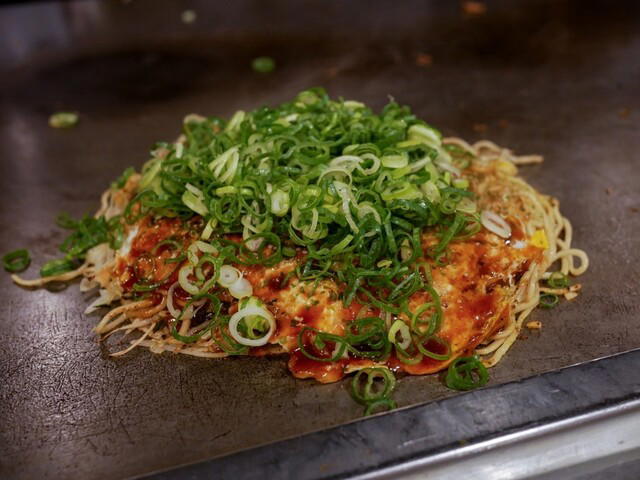
Bars in Hiroshima
All bars in Hiroshima →
Details
- Elegant
- Sophisticated
- Modern
- Intimate
- Date Night
- Business Dinner
- Special Occasion
- Solo
- Open Kitchen
- Chefs Counter
- Private Dining
- Extensive Wine List
- Sake Program
- Sommelier Led
- Local Sourcing
- Tasting Menu
- Counter Dining
- Prix Fixe
- French Wine
- Japanese Sake
- Cocktails
- Allergy Accommodating
Current opening hours
- Monday
- 12–2:30 PM, 6–10 PM
- Tuesday
- 12–2:30 PM, 6–10 PM
- Wednesday
- 12–2:30 PM, 6–10 PM
- Thursday
- 12–2:30 PM, 6–10 PM
- Friday
- 12–2:30 PM, 6–10 PM
- Saturday
- 12–2:30 PM, 6–10 PM
- Sunday
- 12–2:30 PM, 6–10 PM
Hours can change for holidays and private events. Hours as of .
Minimalist and refined with an open kitchen counter allowing diners to observe the chef's precise technique; spacious seating with private room options creates an intimate yet sophisticated atmosphere.