
Tabelog 100 #28
Our verdict
A French-accented restaurant in Hiroshima's Nishi Ward, ル・ジャルダン グルマン occupies a quieter residential corridor at some remove from the city's central dining clusters. The name signals a classical European sensibility, and the address places it among a cohort of destination restaurants that draw on Hiroshima's willingness to support ambitious cooking well outside the tourist circuit.

Pearl is the En Primeur Club membership app, where members save venues, book tables and use the concierge.
The menu
What to order
- Sakakiyama Beef
- Home-grown Vegetable Salad
A French Table in Hiroshima's West
Hiroshima's serious dining scene has never been confined to the Nagarekawa strip or the immediate surrounds of the Peace Memorial. The city has long supported restaurants that require a specific journey, a deliberate taxi or bus ride into residential wards where rents are lower, spaces larger, and the clientele more local. Nishi Ward, where ル・ジャルダン グルマン occupies an address in Furue Higashimachi, fits that pattern. Arriving here, you pass through a neighbourhood that reads as functional rather than fashionable: low-rise housing, ordinary commerce, the unhurried pace of a district that doesn't position itself for visitors. The restaurant's French name stands out in that context, and that contrast is part of the point.
Restaurants that carry a name like Le Jardin Gourmand, the French transliteration of ル・ジャルダン グルマン, signal something about their culinary orientation before the door opens. The tradition of French-inflected fine dining in provincial Japanese cities has deep roots. In cities like Hiroshima, French technique arrived through chefs who trained on the continent or under Japanese masters with European lineages, then returned to build restaurants for a local audience with sophisticated but regionalist tastes. That pattern produced some of Japan's most interesting mid-sized-city fine dining: rigorous kitchens without the performative density of Tokyo or Osaka, and rooms that feel calibrated for regulars rather than tourists.
Where the Wine List Carries the Argument
In French-style restaurants operating at the serious end of Japan's provincial dining spectrum, the wine program often does more interpretive work than the menu itself. A kitchen that has committed to classical European technique needs a cellar that can complete the conversation, and in a city like Hiroshima, building and maintaining that cellar requires real conviction. Hiroshima is not a sake-light city; the region around the Seto Inland Sea produces some of Japan's most regarded sake, and the local drinking culture has historically tilted toward Japanese rice wine and domestic beer rather than European bottles. A French restaurant holding a serious wine list here is making a choice about its identity and its audience.
The curation philosophy at high-performing French tables in Japan's regional cities tends toward depth over breadth: a relatively focused selection of French appellations, occasionally supplemented by Italian or New World bottles, with genuine vertical depth in the Burgundy and Bordeaux sections for guests who are willing to spend. Sommelier expertise in this tier becomes a substantive differentiator, because the guest who has travelled specifically to a restaurant in Nishi Ward is not there by accident. They have chosen this address, and they expect the person who presents the wine list to know it with the same seriousness that the kitchen knows its sauces. Whether ル・ジャルダン グルマン has developed that level of cellar depth is something we can speak to more precisely once further data is available, but the name and address together place it inside a tradition where wine matters.
For comparison, the price architecture at serious French-accented restaurants in Hiroshima's peer tier, comparable to MASUKI's JPY 20,000–29,999 range, suggests that wine pairings at this level typically add meaningfully to the per-head spend. Guests planning around a wine-forward evening should build that into their budget from the outset. The kaiseki houses in Hiroshima's broader scene, including those tracked in our full Hiroshima restaurants guide, operate on a different pairing logic, favouring sake and shochu, which clarifies the particular niche a French-trained cellar occupies in this city.
Hiroshima's Dining Geography
Hiroshima's fine dining has developed in a way that rewards exploration beyond the central wards. Restaurants like Chiso Sottakuito, Denko Sekka, and Eizan have each established identities that are distinctly Hiroshima-rooted, drawing on the prefecture's seafood, river-delta vegetables, and the particular aesthetic register of a city that rebuilt itself with intention after 1945. CHILAN represents a different angle, contemporary and creative, and Chinese-influenced cooking at MASUKI traces another lineage entirely.
A French restaurant in this ecosystem occupies an interesting position. It doesn't complete directly against kaiseki or Chinese cooking; it offers a different register entirely, appealing to guests who want a European meal executed with Japanese precision and service standards. The same guest who visits Gion Sasaki in Kyoto for kaiseki or HAJIME in Osaka for French-Japanese avant-garde cooking will sometimes want a more classical European table. Within a Hiroshima itinerary, ル・ジャルダン グルマン addresses that slot. The address in Nishi Ward, removed from the central hotel corridors, reinforces the sense that this is a place for guests who have done their homework, not unlike the approach of destination restaurants in smaller cities like akordu in Nara or Goh in Fukuoka.
For those building multi-city Japan itineraries, the contrast with Tokyo's French scene, where Harutaka in Tokyo represents the sushi end of the precision-cooking spectrum, is worth noting. Provincial French in Japan does not try to replicate the capital. It plays to local ingredients, a local client base, and a pace that is slower and more considered than anything in Shinjuku or Ginza. That is its strength, and it is why serious travellers seek these tables out specifically, not as a consolation prize but as a deliberate choice. Regional French tables elsewhere in Japan, from those in 三本木 川汁制 in Nanao to 古仙山乃 in Sapporo or 湖辺庄菜 in Takashima and 奥羽屋 in Nishikawa Machi, confirm that this pattern of committed French cooking outside the major urban centres is a genuine tradition rather than a curiosity. Birdland in Sakai offers yet another data point: serious European-adjacent cooking landing in unexpected Japanese cities.
Planning Your Visit
The Furue Higashimachi address in Nishi Ward sits at some distance from Hiroshima Station and the central Peace Memorial area. A taxi from the city centre is the most practical approach; public transport connections exist but involve transfers that can complicate timing for a dinner reservation. Plan for fifteen to twenty minutes by cab from Hiroshima Station depending on traffic, and allow the same return. Given the residential character of the neighbourhood, street-level navigation is easier in daylight; if you're arriving for an early dinner, that won't be a concern. Reservations should be treated as necessary rather than optional for a French restaurant at this address, the local repeat clientele for destination French dining in Hiroshima is not large, and tables turn on bookings rather than walk-ins. Guests building a Hiroshima evening around wine should allocate time for the full experience rather than treating this as a quick stop. The broader dining map, including other European and Japanese options, is covered in our Hiroshima restaurants guide. For comparison shopping at the luxury end of wine-forward French dining internationally, Le Bernardin in New York City and Atomix in New York City represent what the upper tier of cellar depth and pairing precision looks like in a major market.
Frequently asked questions
Where is ル・ジャルダン グルマン in Hiroshima?
ル・ジャルダン グルマン is located at 11-35 Furue Higashimachi, Nishi Ward, Hiroshima, 733-0872, Japan, Hiroshima.
Is ル・ジャルダン グルマン worth travelling across Hiroshima to reach?
The Furue Higashimachi address in Nishi Ward sits at a meaningful distance from Hiroshima Station and the Peace Memorial area, making it a deliberate dinner commitment rather than an easy addition to a central itinerary. Hiroshima's serious dining has consistently developed in pockets outside the obvious tourist corridor, and restaurants in this part of the city typically draw a local clientele rather than a passing one. That pattern alone suggests the kitchen sustains its following on merit.
What should I order at ル・ジャルダン グルマン?
The restaurant operates in the French tradition, which in Japan's provincial fine dining rooms typically means a structured menu of set courses rather than à la carte selection. Given the Nishi Ward address and the French framing of the room, the tasting menu is the format that makes the most sense here.
Should I book ル・ジャルダン グルマン in advance?
French-style restaurants operating at this register in Hiroshima's outer wards tend to run on limited covers, which means same-day availability is rarely reliable. The Furue Higashimachi address in Nishi Ward is a deliberate destination rather than a casual walk-in stop, which further supports booking ahead.
What's ル・ジャルダン グルマン best at?
The restaurant's positioning as a French table in Hiroshima's Nishi Ward, rather than in the more trafficked central wards, suggests a kitchen that has built its reputation on food rather than footfall. In the provincial French dining format common to serious Japanese regional restaurants, the wine program and course structure typically carry as much weight as individual dishes. The Furue Higashimachi location rewards guests who make the trip deliberately.
Do they accommodate allergies at ル・ジャルダン グルマン?
French tasting-menu kitchens in Japan at this level generally require allergy and dietary information at the time of booking rather than on arrival. check the venue's official channels ahead of your visit to confirm what adjustments the kitchen can make.
Quick Comparison
Comparable venues nearby, for context on price, style, and recognition.
| Venue | Cuisine | Price | Awards | Notes |
|---|---|---|---|---|
| ル・ジャルダン グルマンThis venue (the venue you are viewing) | Modern French with Local Japanese Influences | $100–150 | Tabelog 100 #28 | Not listed |
| ミル | 古民家フレンチ | $50–100 | Not listed | Naka |
| Teppan Ryori Kaeru | High‑end Teppanyaki in Hiroshima | $100–150 | Tabelog 100 #23 | Naka |
| レストラン シャンボール | Refined French with Local Hiroshima Ingredients | $100–150 | Not listed | Naka |
| 馳走啐啄一十 | Modern Japanese Omakase | $200–300 | Tabelog Silver #15 | Naka |
| 桃花庵 | Seasonal Kaiseki Omakase | $200–300 | Not listed | Asakita |
Recognition history
Dated appearances from independent guides and award organizations, with the underlying list record or original source where available.
Tabelog 100 #28 · No. 28
Tabelog · Tabelog 100 - French - WEST - 2025
Continue exploring
More in Hiroshima
Restaurants in Hiroshima
All restaurants in Hiroshima →
Bars in Hiroshima
All bars in Hiroshima →
Details
- Elegant
- Intimate
- Scenic
- Sophisticated
- Special Occasion
- Date Night
- Garden
- Sake Program
- Extensive Wine List
- Local Sourcing
- Garden
- Tasting Menu
- Wine
- Vegetarian Friendly
Current opening hours
- Monday
- 12–3 PM, 6–10:30 PM
- Tuesday
- Closed
- Wednesday
- Closed
- Thursday
- 12–3 PM, 6–10:30 PM
- Friday
- 12–3 PM, 6–10:30 PM
- Saturday
- 12–3 PM, 6–10:30 PM
- Sunday
- 12–3 PM, 6–10:30 PM
Hours can change for holidays and private events. Hours as of .
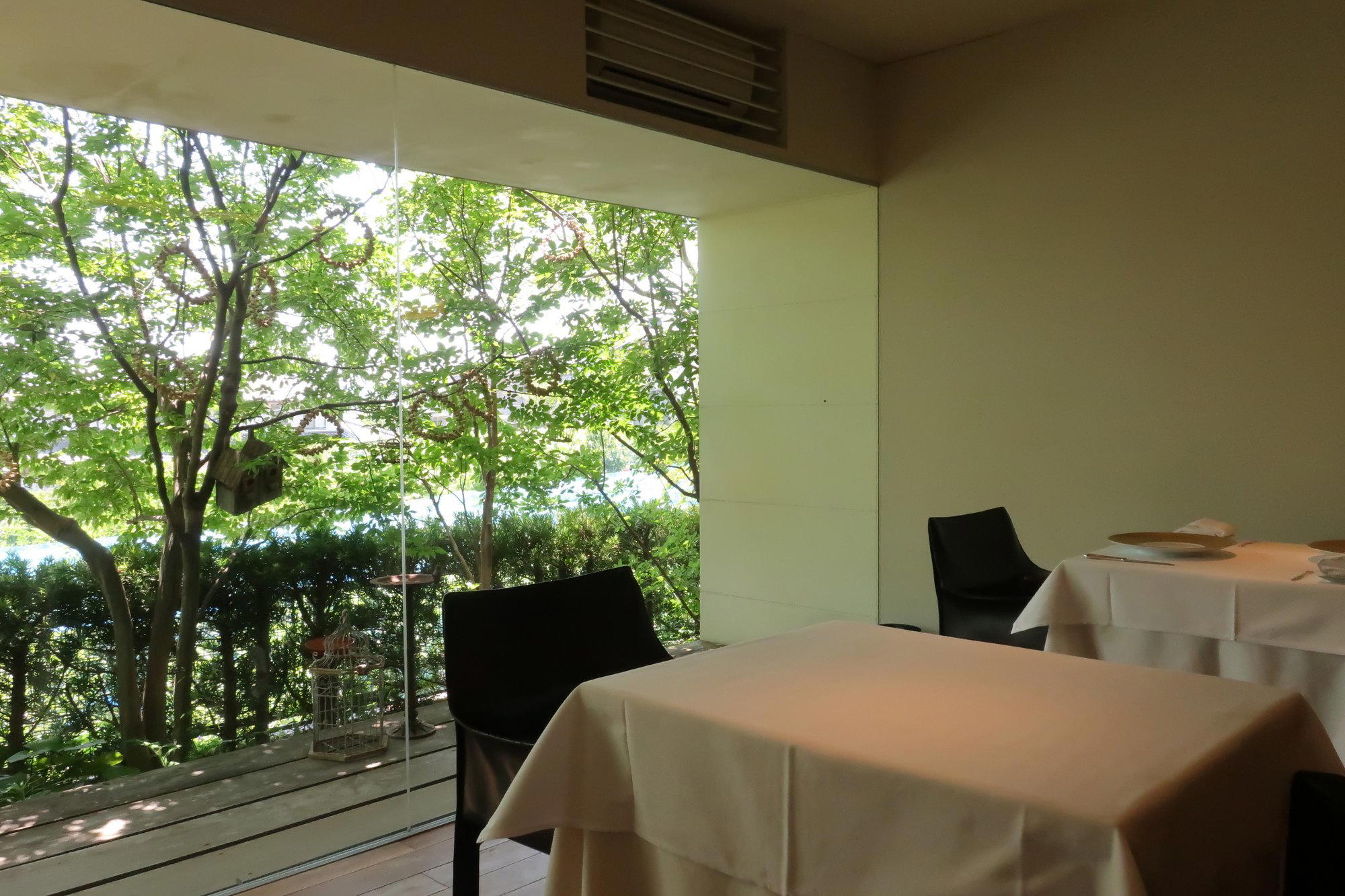
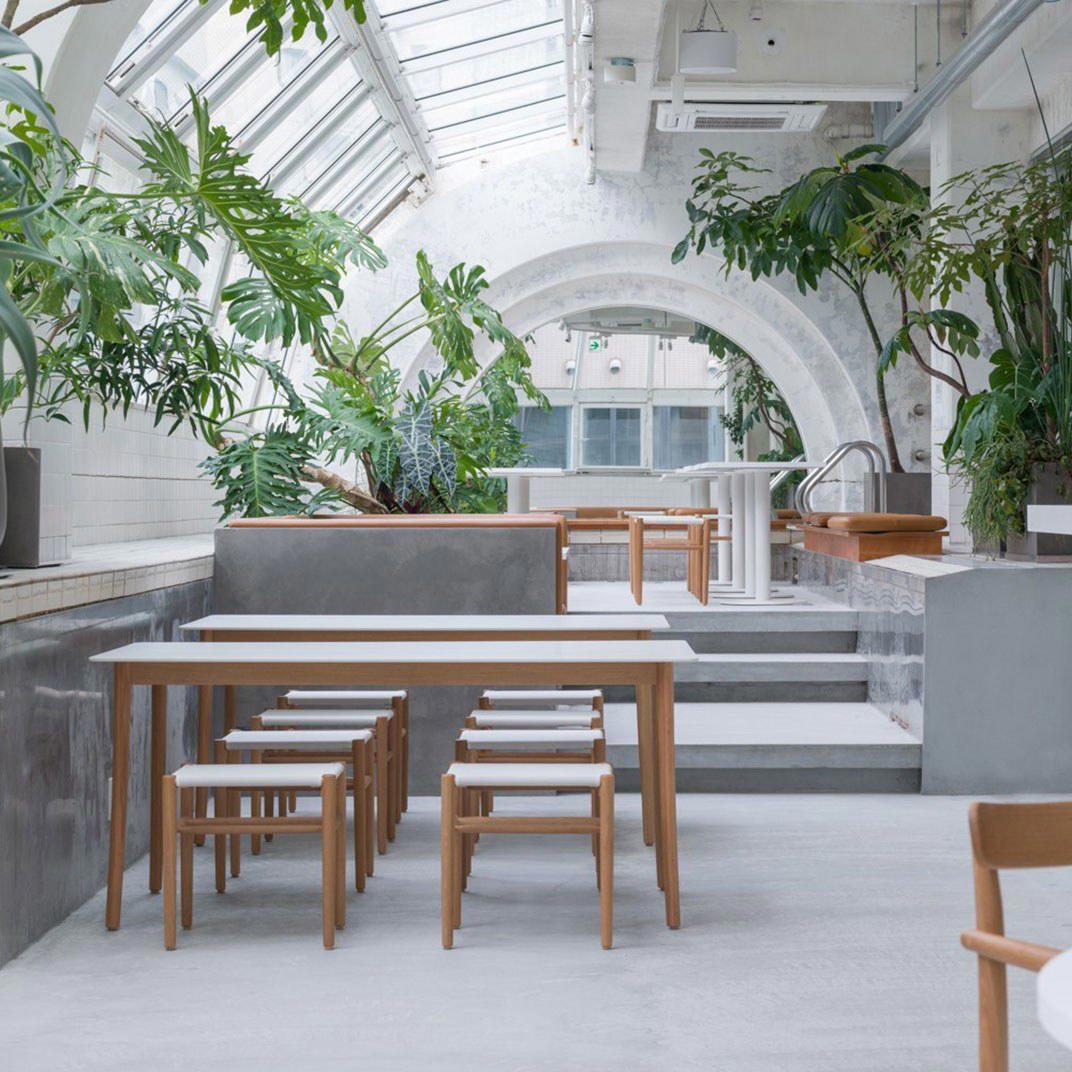
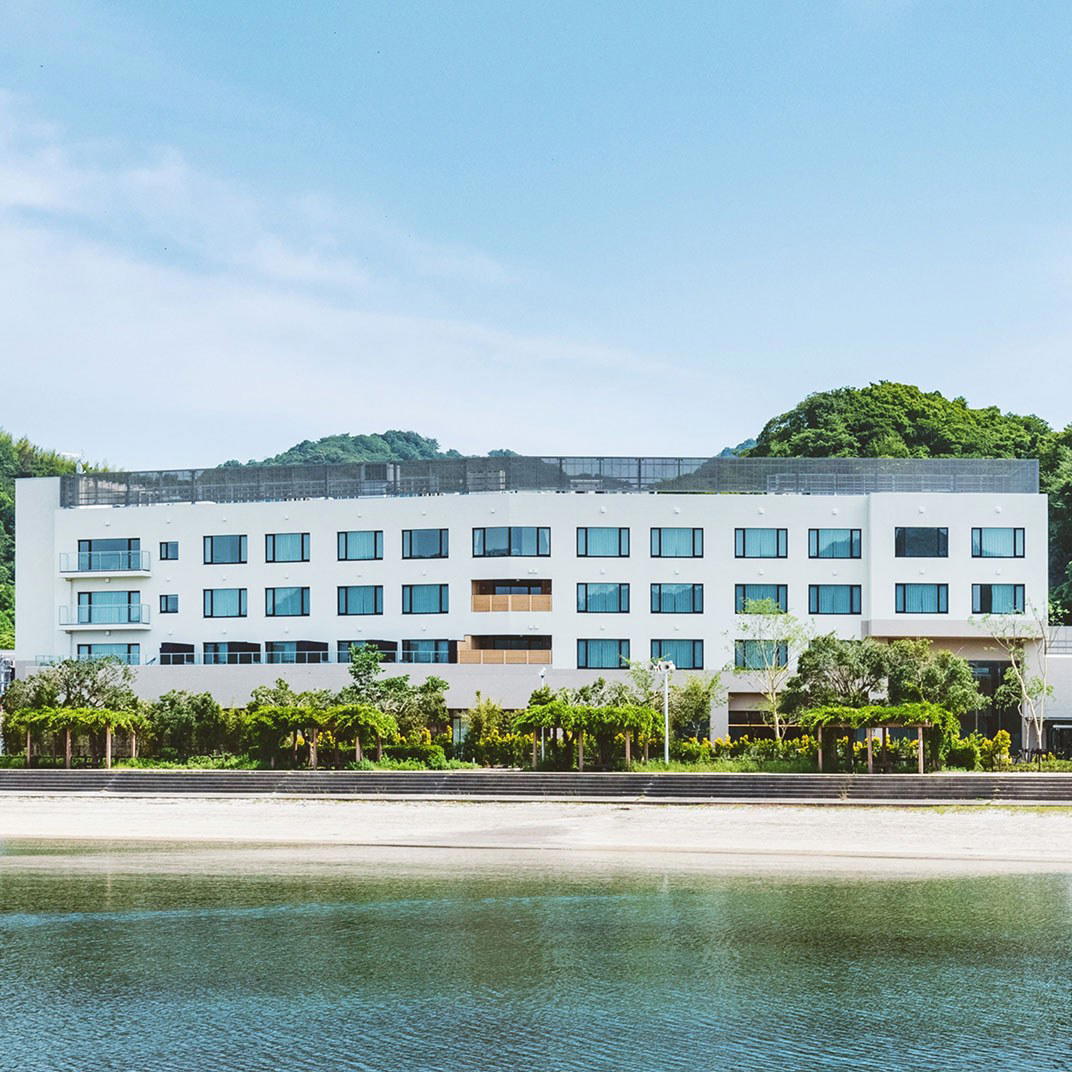
Warm and simple modern interior with large windows allowing sunlight and garden views, creating a cozy and elegant atmosphere.