

Star Wine List · Tabelog 100 #40
Our verdict
CHILAN sits in Hatsukaichi, on the western edge of Hiroshima Prefecture, and holds a White Star recognition from Star Wine List, a signal of a serious wine program operating well outside the city centre. The address alone places it in a different register from downtown Hiroshima's restaurant corridor, suggesting a destination-led approach to both food and drink that rewards the detour.

Pearl is the En Primeur Club membership app, where members save venues, book tables and use the concierge.
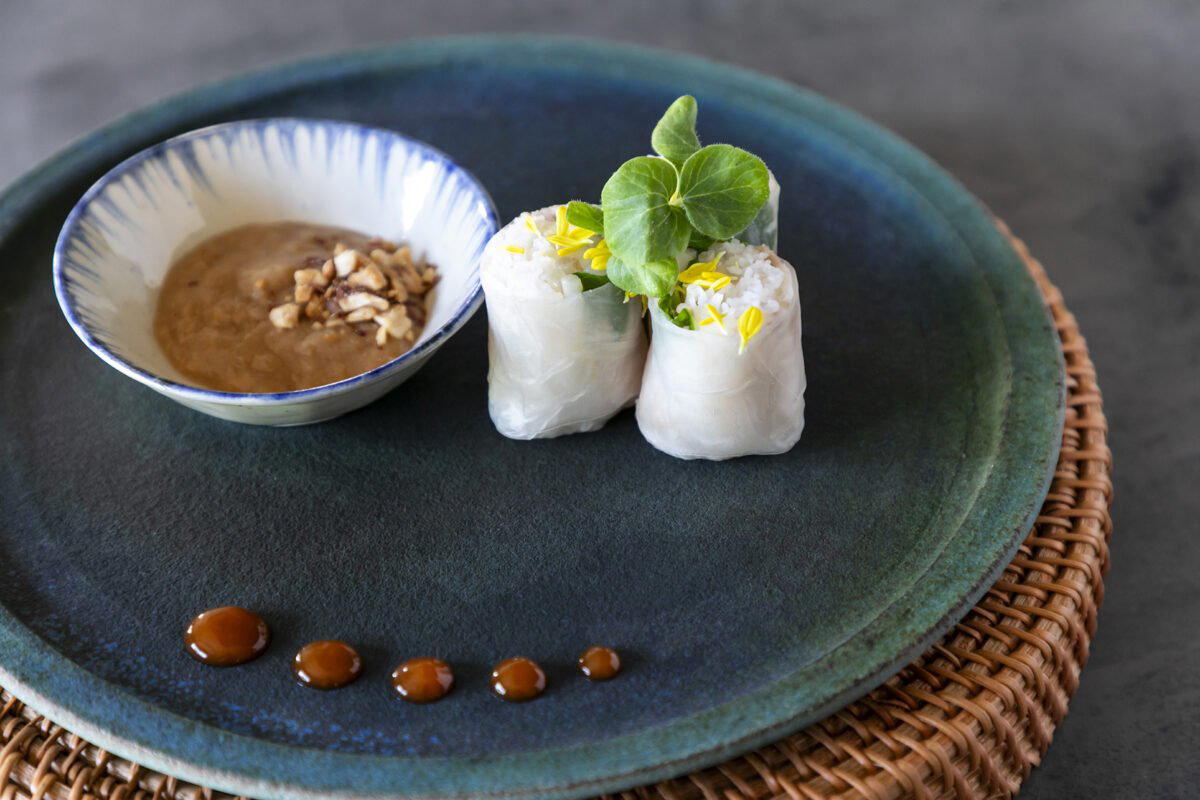
The menu
What to order
- Fresh Spring Rolls with Sweet Shrimp and Pork Belly
Outside the Centre, Inside the Conversation
Hiroshima's most-discussed restaurants tend to cluster around the Nagarekawa district and the covered arcades of Hondori, where foot traffic and visibility reinforce each other. The further you move toward the western shore of Hiroshima Bay, into the city of Hatsukaichi, the more deliberately you have to want to go. CHILAN sits at 4 Chome-2-39 Ajina, Hatsukaichi, Hiroshima 738-0054, Japan, on a residential stretch of Ajina, and that positioning is not incidental. Restaurants that operate at this distance from the centre, whether in the outer wards of Osaka, the hills above Kyoto, or the quieter reaches of Fukuoka, tend to rely on a different compact with the diner: the food and the wine have to be reason enough.
That dynamic is well established in Japanese dining culture. The tradition of the kakurega, the hidden retreat restaurant, prizes the effort of finding a place as part of the experience itself. CHILAN, with its Star Wine List White Star recognition, operates in a tier where the wine program is a genuine draw rather than an afterthought, and where the address functions almost as a filter.
The Wine Signal and What It Implies
Star Wine List recognition is one of the more precise credentialing systems for restaurant wine programs in Asia. A White Star designation, awarded by Star Wine List and published in June 2023, indicates a wine list that meets a defined threshold of range, curation, and presentation. It does not speak to volume or cellar depth alone, plenty of large hotel restaurants hold no recognition at all, but rather to intentionality. The list has been shaped with a clear point of view.
In Hiroshima Prefecture, that matters. The region produces its own wine, most notably from the Tomoe Winery and a handful of smaller producers working with grapes suited to the Setouchi climate, but the broader Chugoku region does not yet operate as a wine-tourism destination in the way that Nagano (home to Bleston Court Yukawatan) or parts of Hokkaido do. A serious wine list in this context is a statement of ambition. It also raises a reasonable question about what the kitchen is doing to meet it, wine programs of this calibre are rarely installed in restaurants where the food is incidental.
For comparison, Hiroshima's kaiseki practitioners, including Nakashima, operate within a format where sake and shochu traditionally anchor the beverage side. The decision to pursue wine recognition places CHILAN in a different orientation, one more aligned with the Franco-Japanese or contemporary Western-influenced dining rooms that have proliferated across Japan's second-tier cities over the past decade.
Sourcing at This Distance from the Market
Hatsukaichi's location offers its own sourcing logic. The city sits at the mouth of the Ota River delta, adjacent to Miyajima and the island-dotted waters of Hiroshima Bay. That geography places it within reach of particularly productive shellfish grounds in western Japan: Hiroshima oysters, which account for roughly 60 percent of Japan's total oyster production, come primarily from these waters. The bay also produces anago (conger eel) in a style specific to the Seto Inland Sea, a product so locally distinctive that Hiroshima's version is treated as categorically different from Tokyo's anago preparations.
Restaurants in this part of Hiroshima Prefecture that take sourcing seriously have access to a supply chain that downtown venues, operating further from the water, more reliant on intermediaries, do not. The logic applies whether you're looking at Goh in Fukuoka, operating close to Kyushu's fishing ports, or at akordu in Nara, where the surrounding farmland shapes the menu's character.
CHILAN in Hiroshima's Broader Dining Picture
Hiroshima's restaurant scene is more layered than its international profile suggests. The city is best known abroad for okonomiyaki in its Hiroshima-style form, a distinct, layered preparation quite different from the Osaka version, and for its oyster culture. But the fine dining tier is substantive. Chiso Sottakuito and Eizan represent the kaiseki and Japanese fine dining end of the spectrum. MASUKI works in the Chinese fine dining bracket, at a price point in the JPY 20,000 to 29,999 range. NAKADO adds another node to the city's contemporary dining network.
CHILAN sits outside this city-centre cluster geographically, but the Star Wine List credential places it in dialogue with the serious end of the local scene rather than apart from it. The combination of a wine-forward program and a location in Hatsukaichi positions it as a destination restaurant in the strictest sense: a place you plan around, not one you happen into. That format has precedent at the highest levels of Japanese dining, from the reservation-months-ahead kaiseki rooms of Kyoto (see Gion Sasaki) to the technically ambitious fine dining of HAJIME in Osaka, though CHILAN operates in a different register from either.
Planning a Visit
CHILAN is located at 4 Chome-2-39 Ajina, Hatsukaichi, approximately 20 kilometres southwest of central Hiroshima. Hatsukaichi is accessible by the JR Sanyo Line from Hiroshima Station, with Ajina within the city's western residential area. Reservations are recommended.
For visitors building an itinerary around Hiroshima's serious dining and wine scene, the restaurant sits alongside the city-centre options covered in our full Hiroshima restaurants guide. Complementary resources include our Hiroshima bars guide, our Hiroshima hotels guide, our Hiroshima wineries guide, and our Hiroshima experiences guide. For broader context on how Japan's regional fine dining circuit connects, Harutaka in Tokyo and restaurants like Le Bernardin in New York City or Emeril's in New Orleans offer useful reference points for how wine-serious dining programs operate in different markets globally.
Frequently asked questions
What distinctions does CHILAN have?
CHILAN is a restaurant in Hatsukaichi, Hiroshima, Japan. It holds a Star Wine List White Star recognition, published on June 28, 2023..
Where do I go for CHILAN?
CHILAN is located at 4 Chome-2-39 Ajina, Hatsukaichi, Hiroshima 738-0054, Japan.
What should I eat at CHILAN?
CHILAN serves Modern Vietnamese cuisine.
How hard is it to get a table at CHILAN?
Reservations are recommended. CHILAN is open Thursday, Friday, and Saturday from 12 to 3 PM.
What's the standout thing about CHILAN?
The standout detail is its Star Wine List White Star recognition, published in June 2023.
In Context: Similar Options
Comparable venues nearby, for context on price, style, and recognition.
| Venue | Cuisine | Price | Awards | Notes |
|---|---|---|---|---|
| CHILANThis venue (the venue you are viewing) | Modern Vietnamese | Not listed | Star Wine List · Tabelog 100 #40 | Not listed |
| NICON | Modern Italian | Not listed | Tabelog Bronze #313 | Naka |
| NAKADO | Modern French | $150–200 | Tabelog Bronze #303 | Naka |
| イプシロン | Italian Trattoria | $50–100 | Not listed | Naka |
| ラ セッテ | Italian | $50–100 | Not listed | Nishi |
| シェモモ | Hidden Gem French Bistro | $30–50 | Not listed | Naka |
Recognition history
Dated appearances from independent guides and award organizations, with the underlying list record or original source where available.
Star Wine List
Star Wine List
Tabelog 100 #40
Tabelog
Continue exploring
More in Hiroshima
Restaurants in Hiroshima
All restaurants in Hiroshima →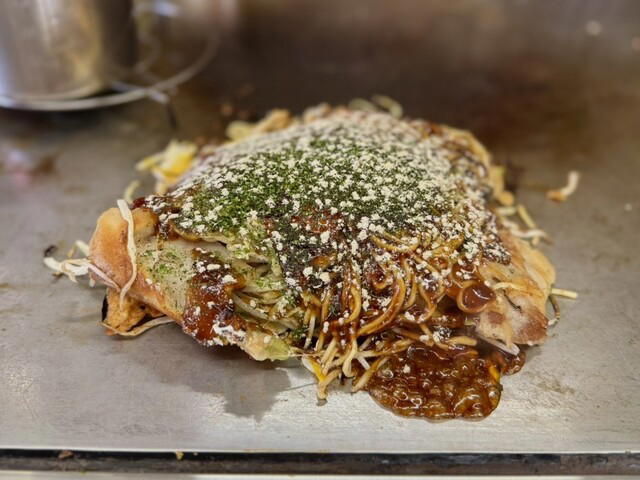
Bars in Hiroshima
All bars in Hiroshima →
Details
- Modern
- Serene
- Elegant
- Intimate
- Date Night
- Special Occasion
- Design Destination
- Natural Wine
- Local Sourcing
- A La Carte
- Natural Wine
Current opening hours
- Monday
- Closed
- Tuesday
- Closed
- Wednesday
- Closed
- Thursday
- 12–3 PM
- Friday
- 12–3 PM
- Saturday
- 12–3 PM
- Sunday
- Closed
Hours can change for holidays and private events. Hours as of .
Delicate, refined, and serene atmosphere.