
Star Wine List
A pocket-sized wine bar in Hiroshima's Nagarekawa district, Le Clos Blanc operates on a philosophy that makes it unusual among Japan's Western-style drinking venues: no printed wine list, just a conversation with the owner about what you feel like drinking. The European interior and intimate format place it firmly in the specialist tier of Hiroshima's after-dark scene.

Pearl is the En Primeur Club membership app — saves, bookings, and concierge access live there. Same editors, same standards.
- Address
- Japan, 〒730-0033 Hiroshima, Naka Ward, Horikawacho, 2−10 第二レックスビル 2F
- Phone
- +81 82-207-1772
- Hours
- Mon–Fri 5 PM–1 AMSat 2 PM–12 AMSun Closed
- Website
- instagram.com
- Directions
- Get directions
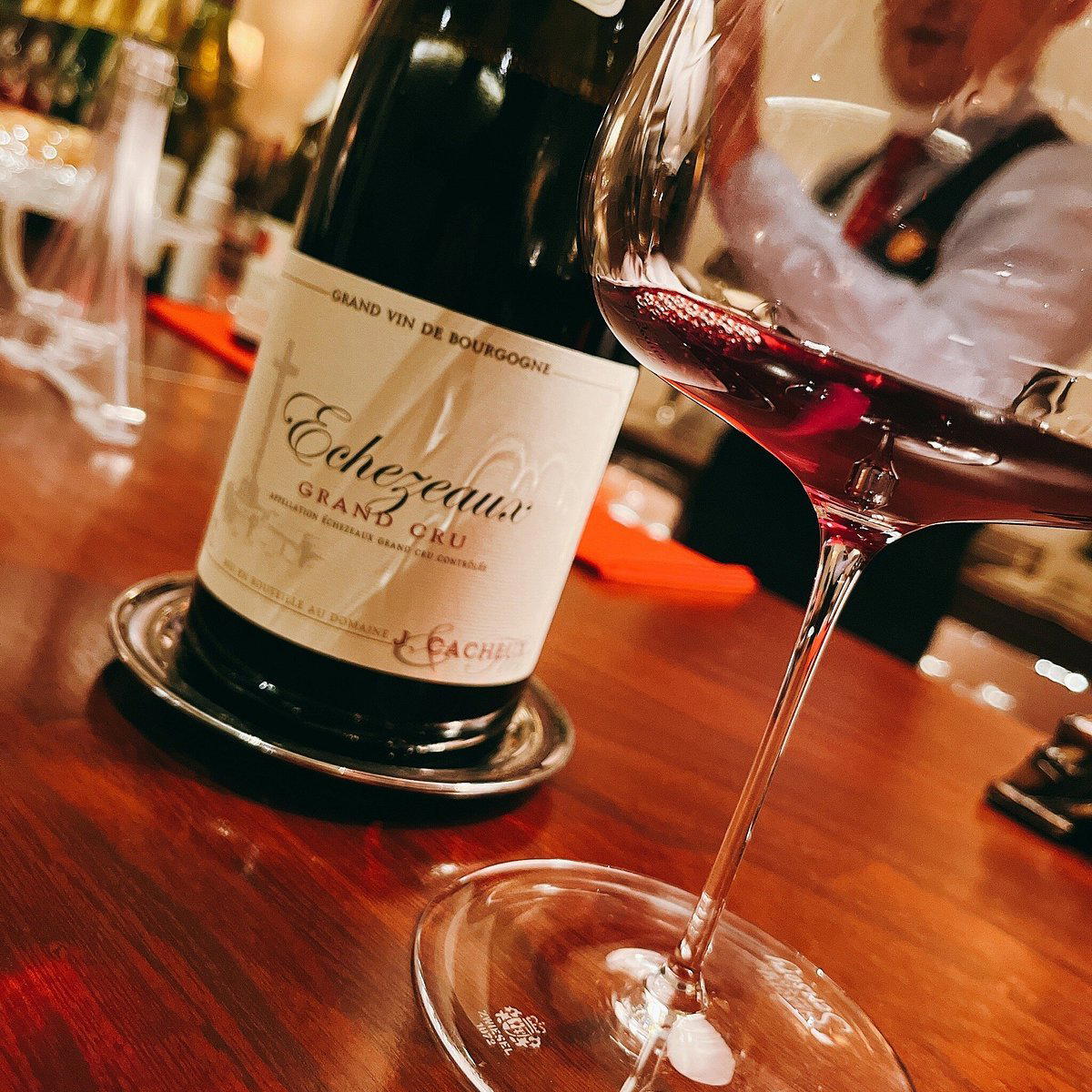
A Wine Bar That Works Without a Menu
Nagarekawa is Hiroshima's most concentrated after-dark district, a stretch of narrow streets in Naka Ward where izakayas, cocktail bars, and small restaurants stack floor above floor in buildings that were not designed with grand interiors in mind. Within this circuit, the bars that earn repeat custom tend to be the ones that make a case for a particular point of view. Le Clos Blanc, occupying the second floor of a building on Horikawacho, makes its case quietly: a European-style interior, a room small enough that a printed wine list would be redundant, and a format built around direct conversation between the owner and the guest.
That absence of a wine list is not a gimmick. In small specialist bars across France, Italy, and increasingly Japan, the sommelier or owner acting as the interface between cellar and guest is considered the more considered approach. The list exists in the owner's memory, updated by what arrived that week, what's drinking well at temperature, and what the person across the counter looks like they want. It demands more from both parties than scanning a laminated page, and it rewards guests who arrive with some degree of openness.
Where Le Clos Blanc Sits in Hiroshima's Bar Scene
Hiroshima's drinking culture is less internationally catalogued than Osaka's or Kyoto's, but the city has developed a coherent bar scene with genuine depth at the specialist end. Nagarekawa functions as the primary node for this, with venues ranging from high-volume karaoke operations to tight, serious bars that attract a local clientele who know what they are looking for. Le Clos Blanc occupies the latter category. Its European aesthetic — the kind of interior more likely in Lyon or Brussels than most Japanese cities — positions it as a deliberate departure from the izakaya format that dominates the neighbourhood's street-level offer.
For context on how Japan's serious drinking culture has developed in its secondary cities, the trajectory mirrors what happened in Tokyo a decade earlier, when venues like Bar Benfiddich in Tokyo helped establish that a small, specialist format anchored around a single operator's expertise could build sustained recognition. The same pattern has since appeared in Bar Nayuta in Osaka, Bee's Knees in Kyoto, and Lamp Bar in Nara, each building a loyal following through format discipline and operator credibility rather than scale or marketing. Le Clos Blanc belongs to that same logic, applied to wine rather than spirits.
Within Hiroshima itself, Spirale represents the city's cocktail-focused specialist tier. Le Clos Blanc operates a different lane, one where the selection of European wine and the owner's curatorial judgment are the programme. These are not competing venues so much as adjacent options for different evenings and different intentions.
The Format and What It Asks of You
Small wine bars in Japan that operate without printed lists share a structural characteristic: they collapse if the owner is not present and engaged. The format is only as good as the knowledge behind it. At Le Clos Blanc, the decision to remove the list entirely reflects a confidence in that knowledge and a commitment to the kind of hospitality where the drink you end up with is the product of a short conversation rather than a solo scan of options. Whether you arrive knowing exactly what you want, a Burgundy producer, a specific appellation, or whether you come in without a fixed idea, the format accommodates both, though it rewards the latter with more interesting outcomes.
The room's size is a practical constraint that becomes an atmospheric quality. In a larger venue, the absence of a menu might create awkwardness. Here, with limited seating and a European interior that signals its intentions clearly, the setup feels calibrated rather than eccentric. The physical environment does the communicative work that signage and design usually handle in more conventional operations.
Drinking in Hiroshima's Specialist Circuit
Japan's regional bar culture has matured in ways that are not always visible to visitors who follow the standard Tokyo-Kyoto-Osaka circuit. Cities like Hiroshima, Kumamoto, where Yakoboku has built its own specialist reputation, and Nara have developed serious drinking venues that draw on Western technique and local hospitality norms simultaneously. The result is a format that often feels more personal than equivalent venues in the major cities, partly because the audience is local and the operator has built relationships over years rather than converting tourist traffic.
Le Clos Blanc fits this pattern. Nagarekawa is busy enough that the bar exists within a genuine hospitality ecosystem, but small enough that the format remains intimate. The European interior is not an affectation but a statement about the provenance of the drinks and the tradition they sit in. Wine bars operating in this register, curated cellar, no printed list, owner-led service, are more common in Paris's 11th arrondissement or Milan's Brera district than in most Japanese cities. Finding one in Hiroshima's Naka Ward is the kind of discovery that makes secondary-city drinking circuits worth pursuing.
For those building a broader picture of Japan's drinking geography, anchovy butter in Osaka, Kyoto Tower Sando in Kyoto, JR Tower Hotel Nikko Sapporo, and Cucina Takemura in Yokohama each represent different expressions of Western influence in Japanese hospitality contexts. Bar Leather Apron in Honolulu extends that geography into the Pacific. Le Clos Blanc sits in this broader current, but with a format specificity that gives it a distinct position.
Planning Your Visit
Le Clos Blanc is located on the second floor of the Daini Rex Building at 2-10 Horikawacho, Naka Ward, placing it at the heart of Nagarekawa within walking distance of Hiroshima's central tram network. Given the room's size and the owner-led service format, arriving earlier in the evening gives you the leading chance of unhurried conversation and a considered selection. Phone and online booking details are not publicly listed, which is consistent with the bar's low-profile positioning; the practical approach is to visit in person or enquire locally about current access. As with most small specialist venues in Japan, cash remains a reliable payment method to carry.
For a broader read of what Hiroshima's eating and drinking scene offers beyond Nagarekawa, our full Hiroshima restaurants guide maps the city's dining character across neighbourhoods and formats.
A Quick Peer Check
Comparable venues nearby, for context on price, style, and recognition.
| Venue | Cuisine | Price | Awards | Notes |
|---|---|---|---|---|
| Le Clos BlancThis venue — the venue you are viewing | wine_bar | $50–100 | Star Wine List | Not listed |
| Spirale. | wine_bar | Not listed | Star Wine List | Naka |
| Chisou Sottakuito (馳走啐啄一十) | Kaiseki | Not listed | Not listed | Fujimicho, Naka Ward |
Recognition history
Dated appearances from independent guides and award organizations, with the underlying list record or original source where available.
Star Wine List
Star Wine List
Continue exploring
More in Hiroshima
Bars in Hiroshima
Browse all →
Restaurants in Hiroshima
Browse all →
Details
- Elegant
- Cozy
- Intimate
- Sophisticated
- Date Night
- Special Occasion
- Seated Bar
- Lounge Seating
- Conventional Wine
Current opening hours
- Monday
- 5 PM–1 AM
- Tuesday
- 5 PM–1 AM
- Wednesday
- 5 PM–1 AM
- Thursday
- 5 PM–1 AM
- Friday
- 5 PM–1 AM
- Saturday
- 2 PM–12 AM
- Sunday
- Closed
Hours can change for holidays and private events. Last verified .
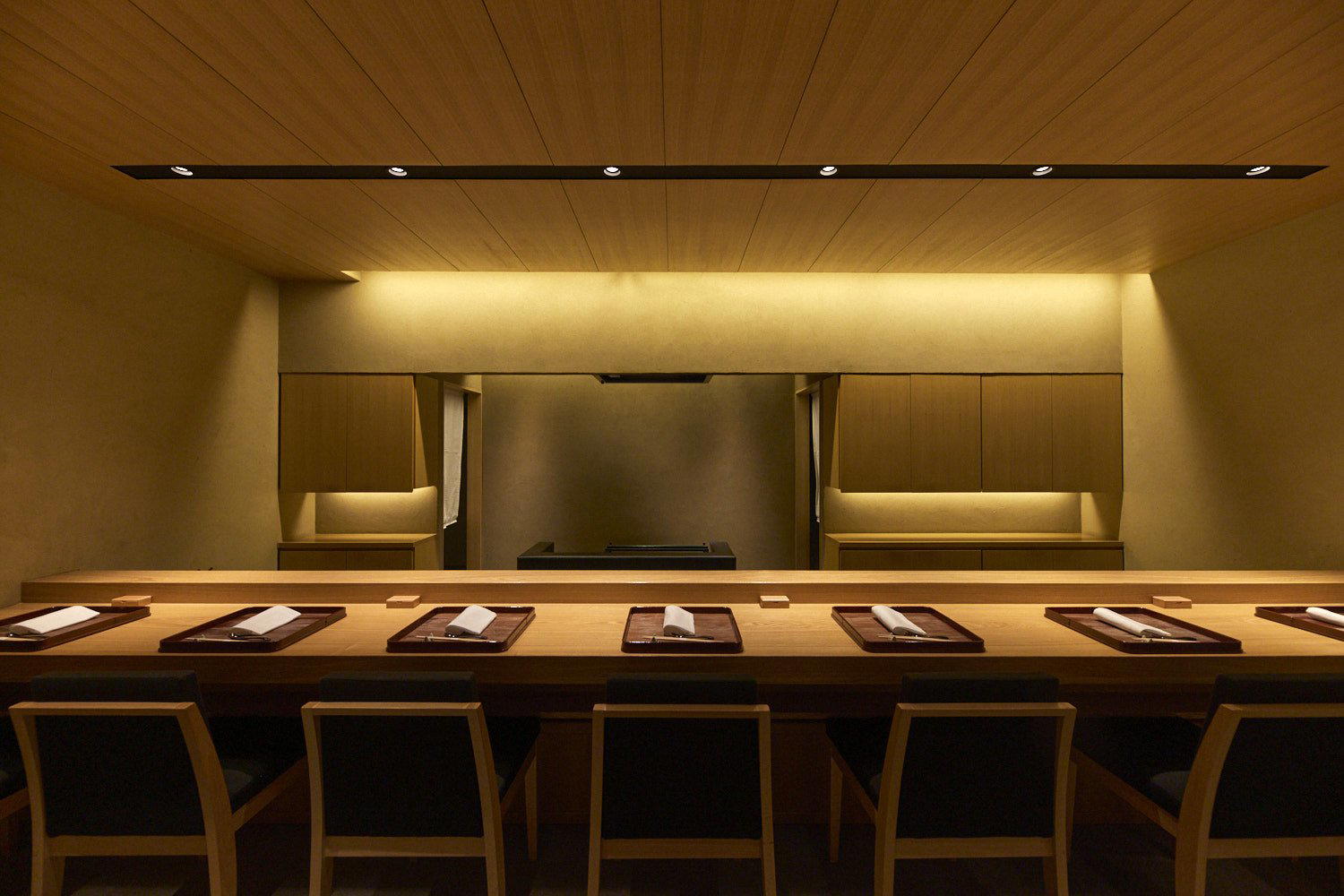
Cozy well-decorated intimate atmosphere with immaculate cleanliness well-suited for relaxed wine enjoyment.