
Tabelog Bronze #313
Our verdict
NICON brings Hiroshima into Japan’s small-counter Italian conversation through a six-seat format, an Italian and innovative category, and a fish-led kitchen rather than a broad trattoria model. The useful way to read it is through technique: handmade-pasta culture, wine, and the discipline of a single start-time counter, backed by Tabelog Award 2026 Bronze recognition and Tabelog Italian WEST 100 selection in 2025.

Pearl is the En Primeur Club membership app, where members save venues, book tables and use the concierge.
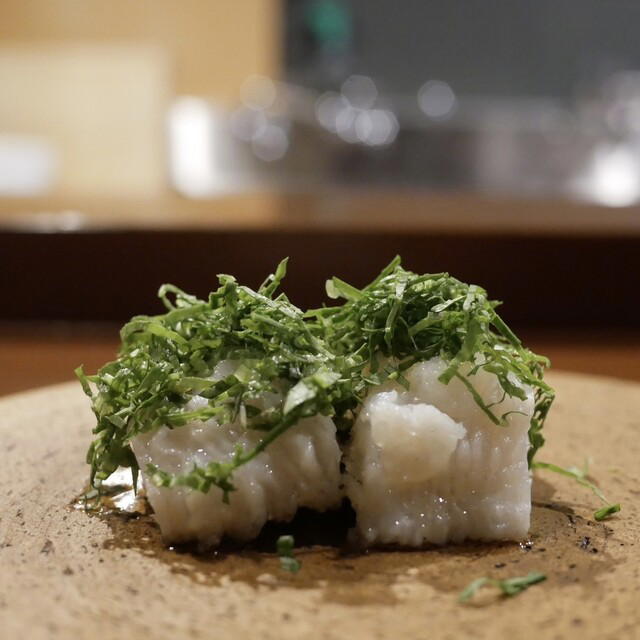
A third-floor counter changes the rhythm of dinner before the first plate arrives. In Hiroshima, where restaurant culture can move from okonomiyaki counters to formal kaiseki rooms within a few blocks, the six-seat Italian counter is a narrower proposition: quieter, more technical, and built around the concentration of a small audience watching a kitchen work at close range.
NICON belongs to that compact end of the city’s dining spectrum. Its category, Italian and innovative, is useful because neither word is enough on its own. Italian gives the structure: pasta, wine, courses, and a European grammar of meal progression. Innovative signals the Japanese counter instinct, where sequencing, seafood, and the chef’s control of pace often matter as much as any regional label. The result sits far from casual pasta dining and far from hotel Italian formality.
Handmade pasta culture, read through a Hiroshima counter
Japan’s serious Italian cooking has long treated pasta as a technical test rather than a comfort-food shortcut. The better kitchens pay attention to dough hydration, thickness, cut, resting time, and the point at which sauce clings rather than coats. Regional Italian shapes matter, but in Japan the question is often how far those forms can stretch around local seafood, vegetables, and seasonality without becoming a novelty act.
That is where NICON’s fish-led note matters. Hiroshima has direct culinary associations with the Seto Inland Sea, and fish-focused Italian cooking here makes more sense than a meat-heavy model borrowed from northern European luxury dining. The pasta course in this kind of room is not just a midpoint between starters and main plates; it is where Italian technique can absorb Japanese product logic. Sauce philosophy tends to be restrained at this level: reduction, emulsion, and seasoning need to support texture rather than bury it.
The counter format also changes how pasta is understood. At a large dining room, pasta can arrive as a finished object detached from its making. At six seats, the format pushes attention back to handwork and timing. Small rooms expose mistakes, especially with fresh pasta, because there is little service choreography to hide behind. That pressure is part of the appeal for diners who want Italian cooking treated with the precision usually associated with sushi, tempura, or kappo counters.
Recognition gives the room a clearer position in Japan’s crowded Italian field. NICON holds a Tabelog Award 2026 Bronze designation and was selected for Tabelog Italian WEST 100 in 2025. Those signals place it within a national conversation rather than only a Hiroshima one, and they are especially relevant for a restaurant outside Tokyo, Kyoto, and Osaka, where premium Italian cooking must work harder for attention from traveling diners.
Why the format matters more than the label
Italian restaurants in Japan split into several tribes: trattoria-style neighborhood rooms, wine-forward dining bars, hotel dining rooms, and tasting-menu counters that borrow the intimacy of Japanese formats. NICON sits in the last category. That distinction matters for expectations. This is not the place to judge by menu breadth, table turnover, or a long list of familiar classics. The value is in compression: few seats, a fixed rhythm, wine as the drink focus, and a meal that asks diners to accept the kitchen’s sequence.
Hiroshima’s central dining geography supports that kind of room. Hatchobori and Naka Ward are practical for visitors, but they are not defined by a single luxury-dining boulevard. Good restaurants here often sit above street level or in compact buildings, which gives the city a more dispersed, upstairs-and-behind-the-door dining pattern than first-time visitors expect. A small Italian counter in this setting feels consistent with the city’s scale: serious without the ceremony of a grand dining room.
The restaurant opened in 2020, a date that also matters. Japan’s restaurant industry had to absorb a sharp change in travel flows and dining habits from that year onward, and smaller reservation-only formats were forced to rely on local commitment before inbound travel returned. A counter that has since accumulated Tabelog recognition points to a dining public willing to support focused, higher-priced Italian cooking in Hiroshima rather than treating it as a trip-to-Tokyo category.
The critical question for travelers is not whether the room can supply a broad picture of Italian cuisine. It cannot, and should not be asked to. The sharper question is whether a diner wants to see Italian technique filtered through the discipline of a Japanese counter, with fish and wine forming the clearest through-line. For that brief, NICON is a serious candidate in Hiroshima’s dining itinerary.
How to place it within a Hiroshima trip
A meal here works better as the anchor of an evening than as an add-on after a day of loose grazing. The format rewards punctuality, attention, and a diner comfortable with a compact room. Visitors building a broader Hiroshima food route can use it as the refined counterpoint to the city’s more casual signatures, then look outward to bakeries, creative-cuisine rooms, bars, and regional experiences for contrast.
For broader planning, start with Our full Hiroshima restaurants guide, then compare the city’s other dining moods through Akai (Creative Cuisine), ANDERSEN, Bishu Bikou Hamai, Butter Cake no Nagasaki Do, and CHILAN. For the rest of the trip, use Our full Hiroshima hotels guide, Our full Hiroshima bars guide, Our full Hiroshima wineries guide, and Our full Hiroshima experiences guide.
Readers extending the same Japan-focused dining thread beyond Hiroshima can also file away -Grilled beef Sukiyaki- KAMAKURA TANUKIAN 鎌倉 たぬき庵 in Kamakura. 鮪と炭火焼き うお炭 秋葉原店 in Tokyo.cafe in Osaka.know in Kumamoto, (Shoku) Vietnam in Kawasaki, and [Curry Senmon Ten] Maruyama Kyoju. in Sapporo. For North American Japanese-adjacent references, see Jōdo Saké Bar in Los Angeles and Onigiri Time in Pasadena.
Frequently asked questions
Does NICON work for a family meal?
Only if the group is small and comfortable with a 6-seat counter. NICON is reservation-only, with dinner priced at JPY 15,000–19,999, so it reads as a focused dining room rather than an easy-drop-in family spot.
What is the atmosphere like at NICON?
The room is compact: six counter seats, non-smoking, and set up in a 3rd-floor address in Hatchobori, Hiroshima. The Tabelog Bronze award and Italian WEST Tabelog 100 selection point to a serious, tightly run counter rather than a casual trattoria.
How would you describe the cuisine at NICON?
NICON serves Italian, Innovative cuisine.
What is NICON known for?
NICON is primarily known for Italian, Innovative in Hiroshima.
Similar Picks
Comparable venues nearby, for context on price, style, and recognition.
| Venue | Cuisine | Price | Awards | Notes |
|---|---|---|---|---|
| NICONThis venue (the venue you are viewing) | Modern Italian | Not listed | Tabelog Bronze #313 | Not listed |
| TRATTORIA-PIZZERIA polipo | Neapolitan trattoria & pizzeria | $30–50 | Tabelog 100 #53 | Naka |
| DIRETTO | Wood-Fired Italian | $100–150 | Tabelog 100 #77 | Naka |
| Takotsubo (割烹 たこつぼ) | Traditional Japanese Kappo | $100–150 | Not listed | Naka-ku |
| Tomisuke | Kappo specializing in small fish | $50–100 | Tabelog Bronze #467 | Naka |
| Shinya Teki Chuka Shokudo | Late‑night Chinese (Sichuan‑influenced) | $50–100 | Tabelog 100 #2 | Naka |
Recognition history
Dated appearances from independent guides and award organizations, with the underlying list record or original source where available.
Tabelog Bronze #313
Tabelog
Full recognition history (2 entries)
Tabelog 100 #60 · No. 60
Tabelog · Tabelog 100 - Italian - WEST - 2025
Continue exploring
More in Hiroshima
Restaurants in Hiroshima
All restaurants in Hiroshima →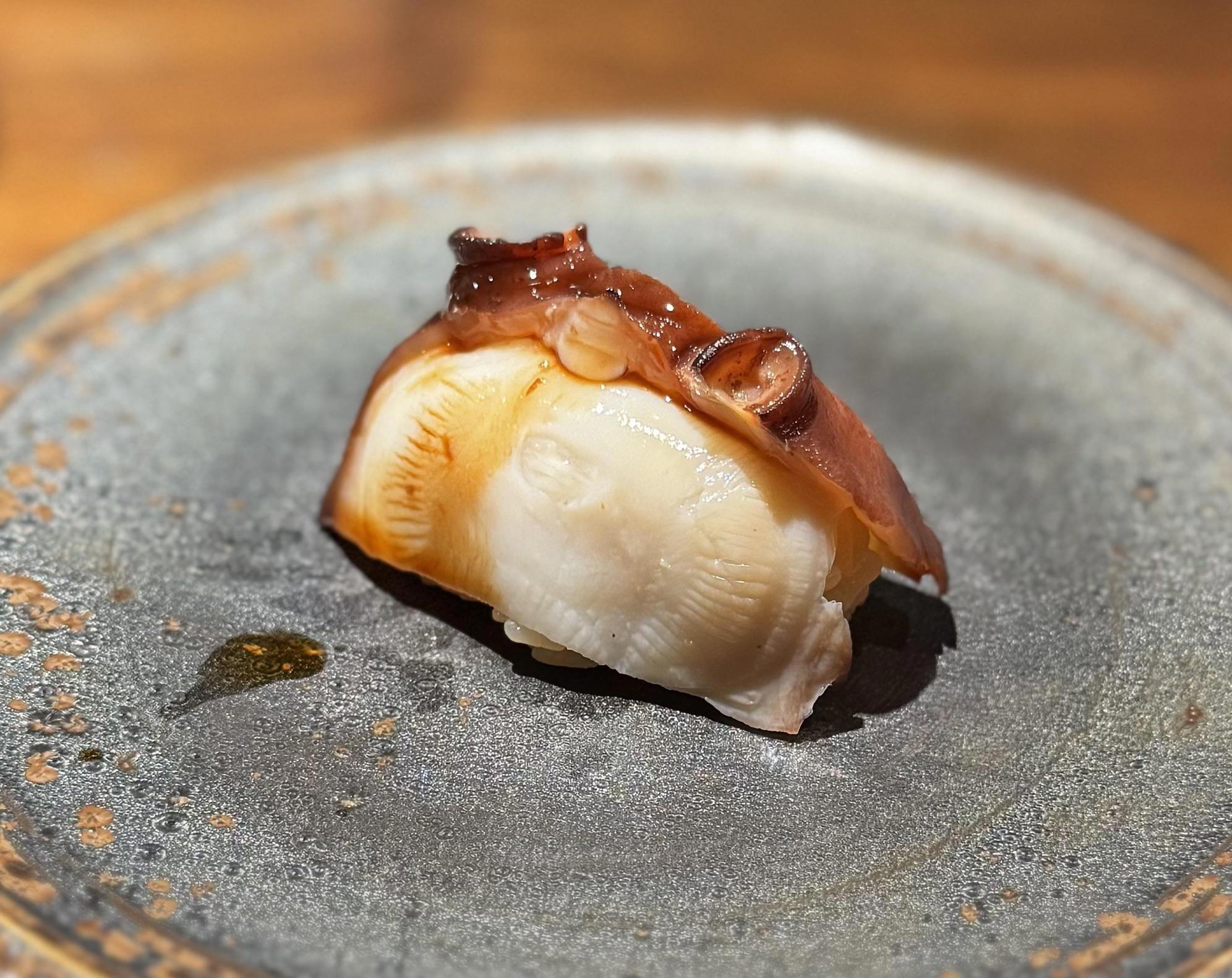
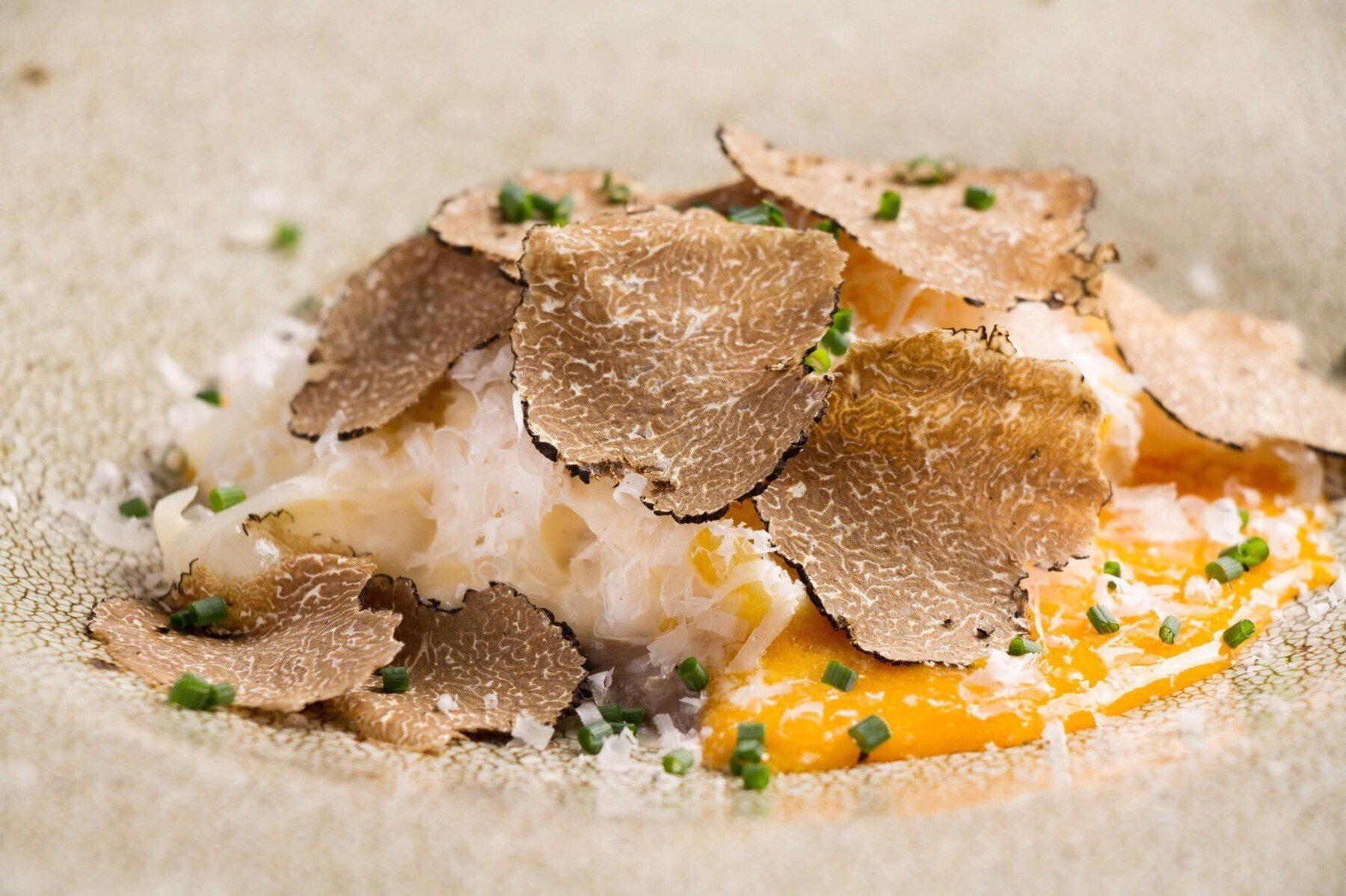
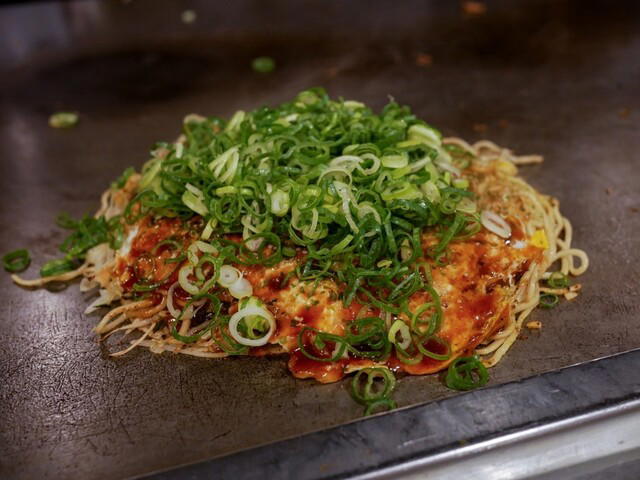
Bars in Hiroshima
All bars in Hiroshima →
Details
- Intimate
- Sophisticated
- Modern
- Special Occasion
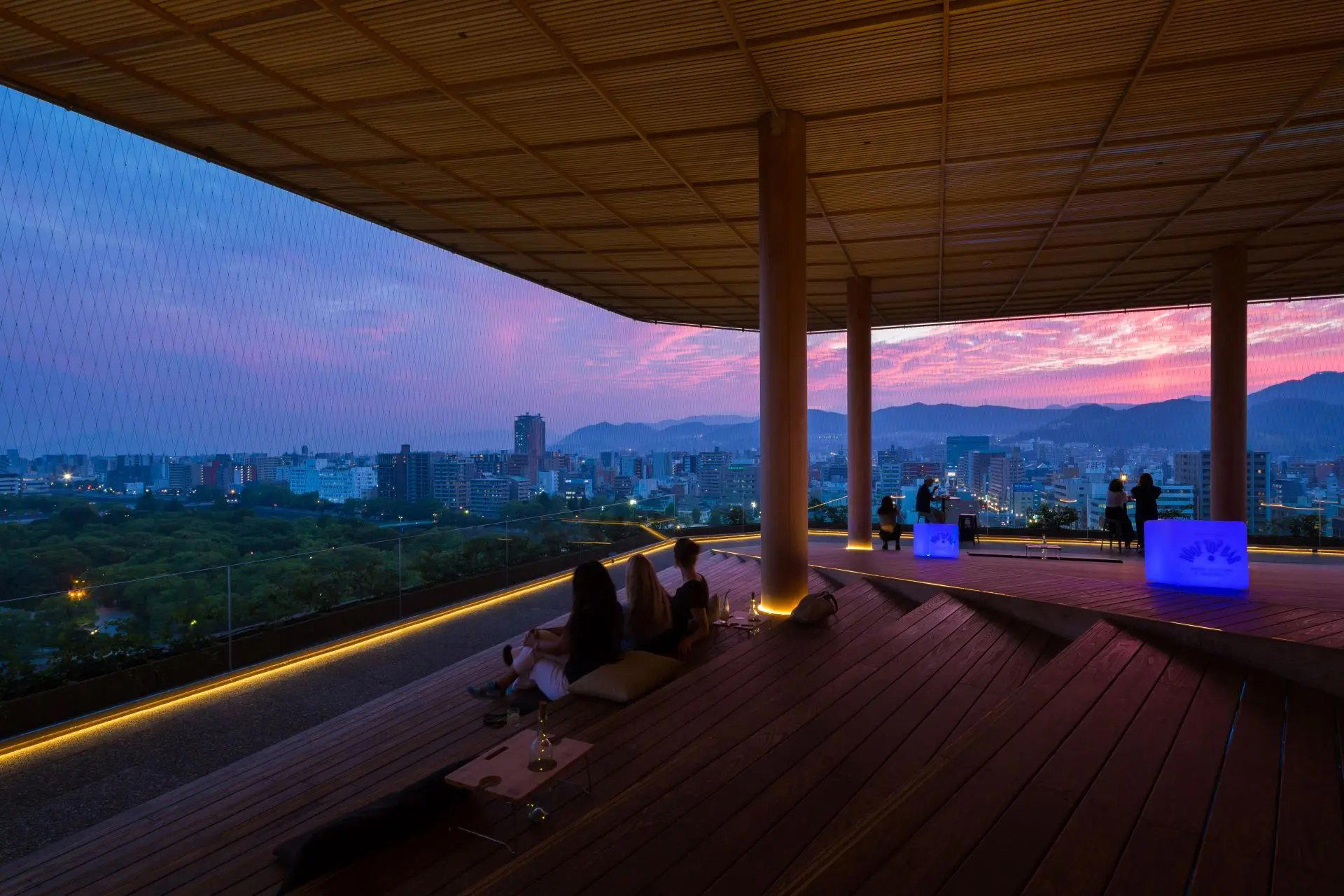
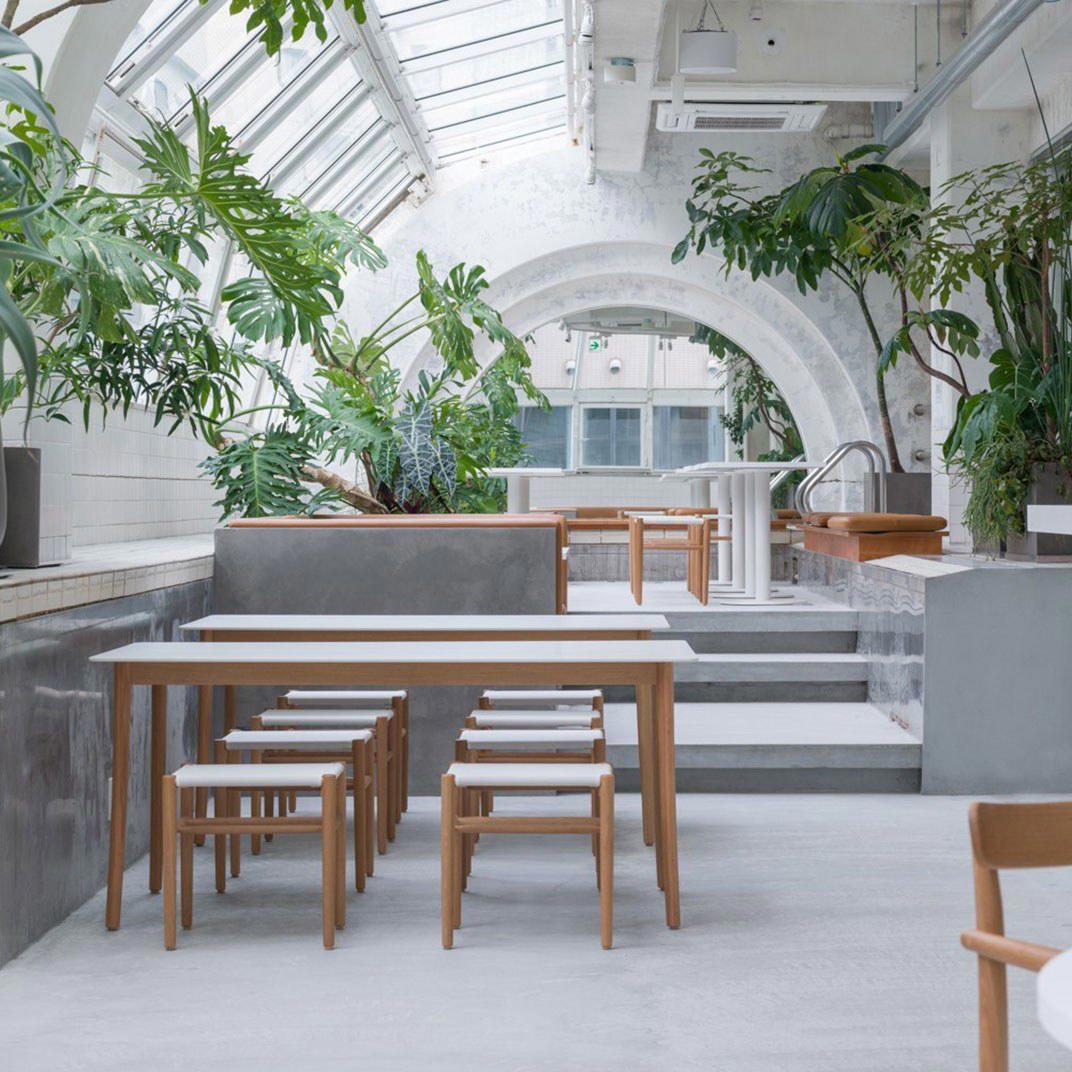
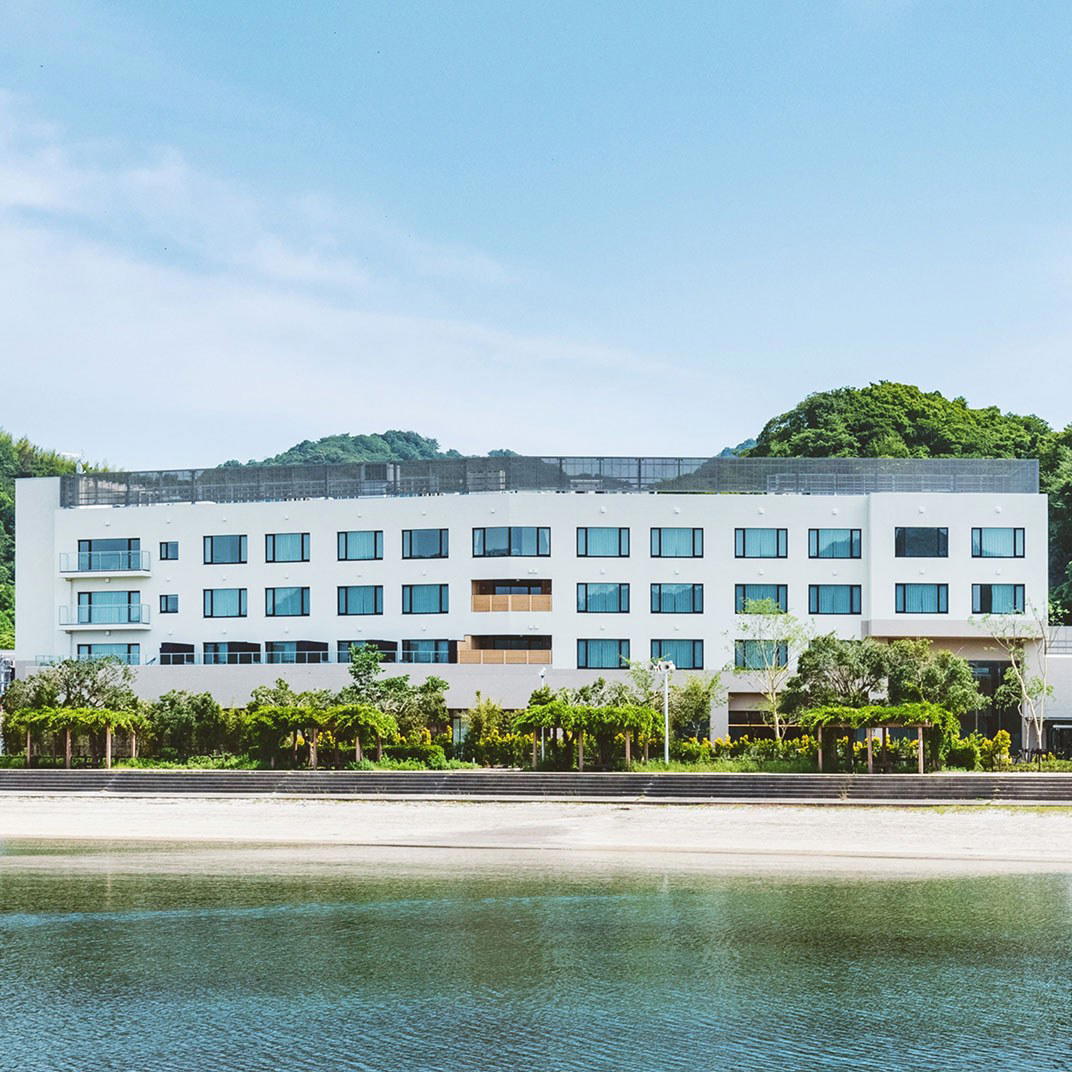
Intimate counter seating with a sophisticated, focused dining atmosphere.