Our verdict
タムスープ occupies a modest address in Hiroshima's Naka Ward, operating within a city whose dining scene ranges from standing ramen counters to formal kaiseki rooms.

Pearl is the En Primeur Club membership app — saves, bookings, and concierge access live there. Same editors, same standards.
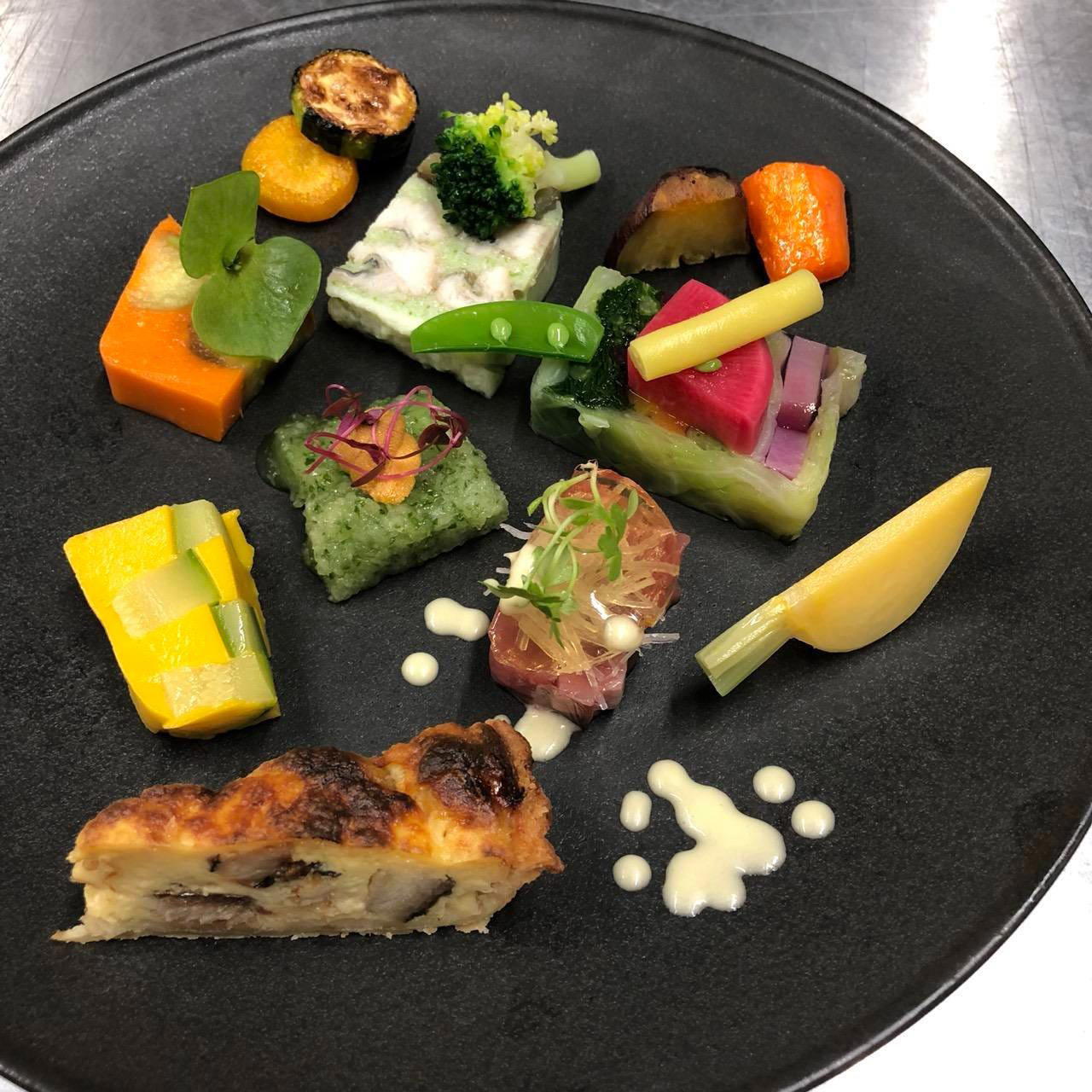
The menu
What to order
- Quiche
- Seafood Curry
- Fish of the Day
- Meat of the Day
Finding Your Footing in Hiroshima's Noboricho
Naka Ward's Noboricho district sits close enough to Hiroshima's central axis to feel urban, yet its side streets hold the kind of addresses that don't advertise heavily and don't need to. タムスープ is at 6-25 Noboricho, a specific block that requires a deliberate approach rather than a casual stumble. This is not a criticism — in Japanese dining culture, the absence of a prominent shopfront or a multilingual reservation portal often signals that a venue operates on a different logic: returning regulars, neighbourhood word-of-mouth, and a format that doesn't require the friction of a booking engine to manage demand.
Hiroshima's restaurant scene has developed along patterns familiar across mid-sized Japanese cities. A core of formal dining — kaiseki rooms, precision-led Japanese counters, coexists with a broader layer of specialist neighbourhood spots that fill a different role. The city's okonomiyaki tradition is the most externally visible part of that picture, but the more interesting texture lies in the smaller, category-specific venues that have built reputations without chasing wider recognition. タムスープ, given its name's explicit reference to soup, appears to occupy a focused position within that second tier.
What the Booking Situation Actually Tells You
The practical challenge with タムスープ is also its editorial signal. No phone number is publicly indexed. No website surfaces in standard searches. The address, Japan, 〒730-0016 Hiroshima, Naka Ward, Noboricho, 6-25 TAM SOUP, is the primary anchor. In the context of Hiroshima's dining culture, this profile matches a specific type of operation: small in scale, consistent in output, and sustained by a guest base that already knows how to find it.
For visitors planning around this venue, the approach should start with arrival in Hiroshima first and local inquiry second. The Noboricho address is walkable from the Hatchobori tram stop, placing it within reach of the central city without requiring a taxi or rail transfer. Japanese-language search tools and local concierge contacts at city-centre hotels tend to surface contact details for venues like this more reliably than English-language platforms. If you are building an itinerary around Hiroshima's dining options, it is worth reading our full Hiroshima restaurants guide alongside this entry, since the wider scene gives context for where this venue sits within the city's range.
The comparison set in Hiroshima worth understanding includes venues like Chiso Sottakuito, Eizan, and Denko Sekka, each of which operates with varying degrees of public profile. At the higher end of the city's price spectrum, MASUKI runs in the JPY 20,000–29,999 range, representing a different tier of commitment. CHILAN adds another point of reference for the city's more specialist dining addresses.
Soup as a Specialist Format
Across Japan, soup-focused venues have carved out a distinct identity that sits apart from ramen's mainstream popularity. Consommé-based formats, tonkotsu variations, and dashi-led bowls each represent different technical schools, and the venues that centre their entire offer on a single broth tradition tend to develop a precision that multi-category restaurants rarely match. In this sense, a venue whose name foregrounds soup is making an editorial statement about its own priorities, the format itself is the concept, and the menu is likely built around executing that concept at depth rather than offering breadth.
Japan's broader dining geography supports this kind of specialist positioning. Cities like Osaka and Fukuoka have produced venues, HAJIME in Osaka and Goh in Fukuoka, that sit at the formal end of their respective scenes, while the middle tier is sustained by neighbourhood specialists operating on tighter menus and lower price points. Harutaka in Tokyo, Gion Sasaki in Kyoto, and akordu in Nara each represent the kind of focused, credentials-backed approach that defines Japan's more serious dining addresses. タムスープ operates at a different register, but the underlying logic, specificity over breadth, connects it to that broader Japanese dining ethic.
Regional soup traditions across Japan also have a geographic character worth noting. Hiroshima's proximity to the Seto Inland Sea means local broths in the area often draw on seafood-adjacent ingredients, and the city's own culinary identity has developed in dialogue with both its geography and its post-war rebuilding history. A venue centred on soup in this context is working within a tradition that has deep local roots, even if the specific execution varies widely across operators.
Planning a Visit: What You Can Control
Visitors to Hiroshima should treat タムスープ as a walk-in candidate rather than a bookable anchor for a fixed itinerary. The Noboricho location makes it accessible during a broader Naka Ward afternoon or evening circuit. Japanese-speaking travel contacts, hotel concierges, or local food community networks are the most reliable path to confirming current hours and availability before making a trip specifically.
For visitors building a multi-city Japan itinerary that includes Hiroshima, venues like 一本杉 川嶋 in Nanao, 北の味覚 in Sapporo, 湖畔荘 in Takashima, and 羽根屋 in Nishikawa Machi represent the range of neighbourhood-anchored dining that Japan sustains at a remarkable density. Birdland in Sakai is another reference point for this kind of deliberate, format-specific specialist approach. For international context, the precision and discipline of venues like Le Bernardin in New York City and Atomix in New York City share the same commitment to a defined format executed at depth, a sensibility that Japan's neighbourhood specialists often embody at a fraction of the price and profile.
Frequently asked questions
What part of town is タムスープ in?
タムスープ is located at Japan, 〒730-0016 Hiroshima, Naka Ward, Noboricho, 6−25 TAM SOUP, Hiroshima.
Is タムスープ suitable for visitors who don't speak Japanese?
With no website, no English-language listing, and a Noboricho, Naka Ward address that surfaces only in Japanese directory records, タムスープ is oriented toward a local Hiroshima clientele rather than international visitors. No menu translations or multilingual staff are confirmed in available data. Non-Japanese speakers should factor in the language gap when planning a visit to this Hiroshima address.
What should I order at タムスープ?
The venue's name and address listing under TAM SOUP in Noboricho, Naka Ward signals a soup-focused format as the core offering. Given that no menu is publicly documented, the operative approach is to order from whatever rotating or fixed soup format the kitchen presents on arrival. Across Japan's specialist soup venues, this typically means a single-category focus rather than a broad menu, so arriving without a fixed agenda is the practical default.
Do I need a reservation for タムスープ?
No phone number and no website are publicly indexed for タムスープ, which makes advance booking through conventional channels impossible. The address in Noboricho, Naka Ward is the only confirmed contact point, and the operational evidence points toward a walk-in format. Visiting during off-peak hours reduces wait risk at this type of low-profile Hiroshima address.
What do critics highlight about タムスープ?
Its absence from standard search indexes and directory listings places it in a category of Hiroshima venues that circulate through local word-of-mouth rather than editorial coverage. That opacity is itself a signal about the venue's operating philosophy.
Side-by-Side Snapshot
Comparable venues nearby, for context on price, style, and recognition.
| Venue | Cuisine | Price | Awards | Notes |
|---|---|---|---|---|
| タムスープThis venue (the venue you are viewing) | Casual French Bistro | $20–30 | Not listed | Not listed |
| ミル | 古民家フレンチ | $50–100 | Not listed | Naka |
| ル・トリスケル | Classic French Fine Dining | $50–100 | Not listed | Naka |
| Hiroshima Marukajiri Naka-chan | Hiroshima okonomiyaki & teppanyaki izakaya | $20–30 | Tabelog 100 #15 | Naka |
| EPURE | French Fine Dining | Not listed | Tabelog 100 #50 | Minami |
| ルペール | Modern French Bistro | $50–100 | Not listed | Naka |
Continue exploring
More in Hiroshima
Restaurants in Hiroshima
All restaurants in Hiroshima →
Bars in Hiroshima
All bars in Hiroshima →
Details
- Cozy
- Casual
- Intimate
- Casual Hangout
- Family
- Date Night
- Local Sourcing
- Prix Fixe
- A La Carte
Current opening hours
- Monday
- 11 AM–3 PM, 6–10 PM
- Tuesday
- 11 AM–3 PM, 6–10 PM
- Wednesday
- 11 AM–3 PM, 6–10 PM
- Thursday
- 11 AM–3 PM, 6–10 PM
- Friday
- 11 AM–3 PM, 6–10 PM
- Saturday
- 11 AM–3 PM, 6–10 PM
- Sunday
- 11 AM–3 PM, 6–10 PM
Hours can change for holidays and private events. Last verified .
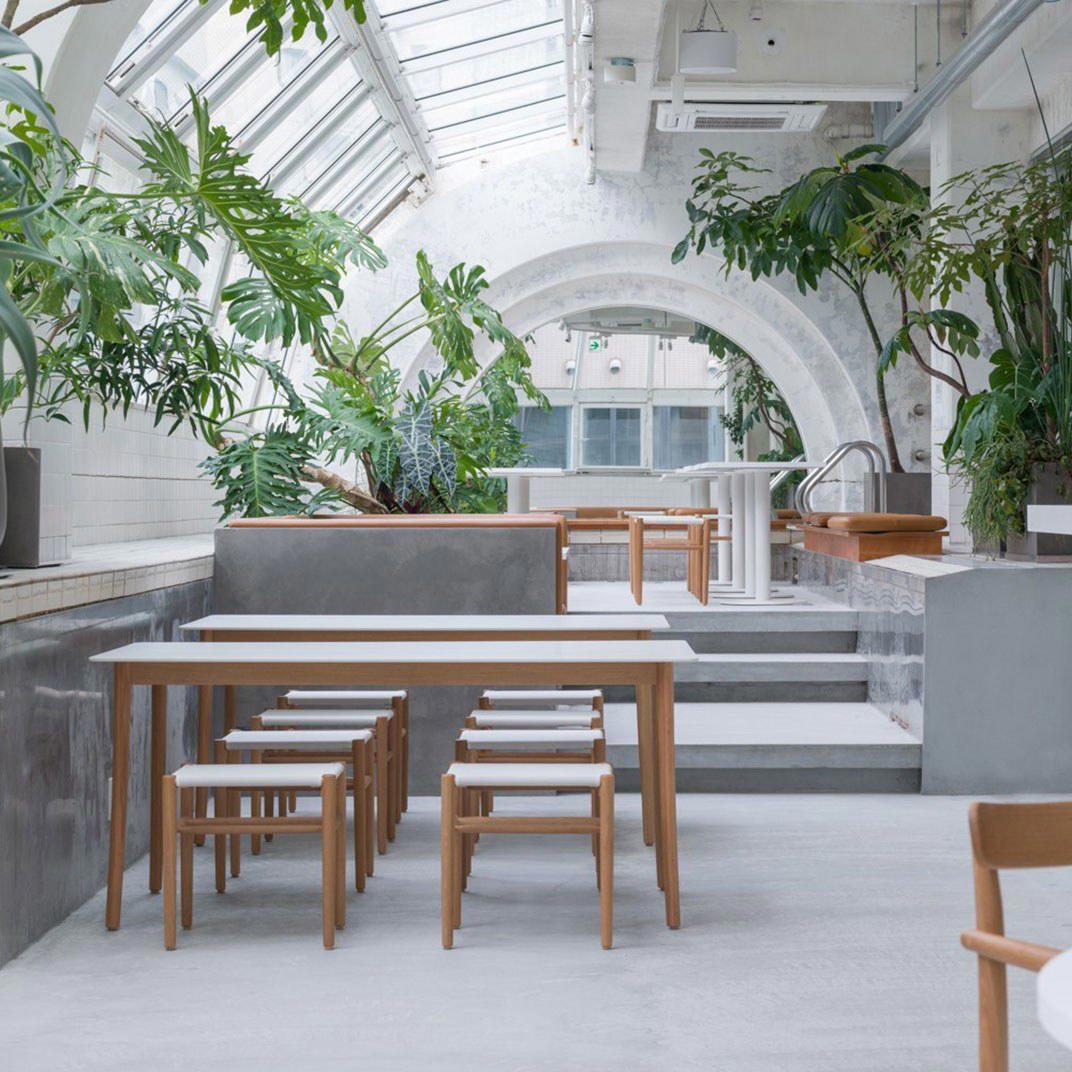
Comfortable and welcoming atmosphere designed for relaxed dining, with warm lighting and an approachable aesthetic that appeals to families and casual diners.