Our verdict
ルペールは広島・中区の3階でModern French Bistroを掲げ、広島県サフォーク羊のクロケットやaged Tajima beef、grilled natural abaloneを出す。local sourcingとextensive wine listが、quietでleisurelyなdinnerに合う。

Pearl is the En Primeur Club membership app — saves, bookings, and concierge access live there. Same editors, same standards.
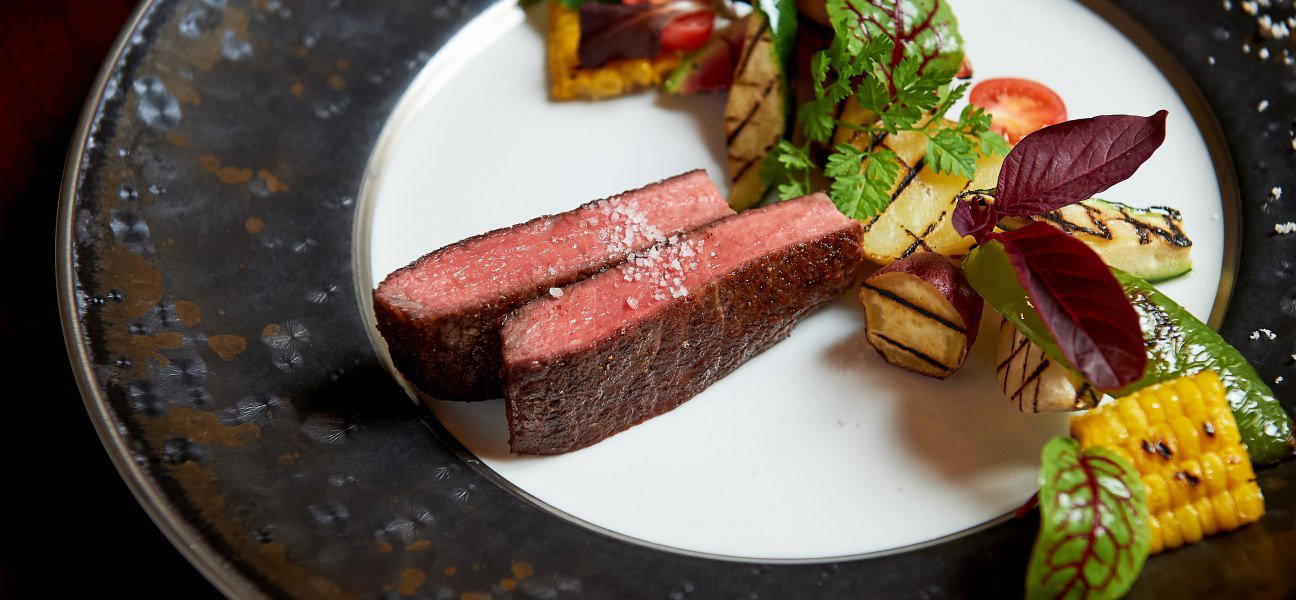
The menu
What to order
- 広島県サフォーク羊のクロケット
- Aged Tajima beef
- Grilled natural abalone
Third Floor, Nagarekawacho: Reading a Room Before You Sit Down
The address alone tells you something about how Hiroshima's dining scene has matured. Nagarekawacho, the city's central entertainment corridor, runs through Naka Ward as a strip where izakayas, cocktail bars, and quieter destination restaurants share vertical space in the same buildings. Reaching ルペール means climbing to the third floor of a building at 5-19 — a format common to Japanese cities where the leading rooms are rarely at street level, and the absence of a ground-floor shopfront signals that the venue is not competing for passing trade. That vertical positioning tends to filter the clientele before anyone has ordered a drink.
Hiroshima occupies an unusual position in Japan's fine dining geography. It draws serious visitors from across western Honshu, sits on the Shinkansen corridor between Osaka and Fukuoka, and has produced a local restaurant culture that spans kaiseki formality, French-influenced kitchens, and tightly focused specialists. For broader context on how the city's dining scene is structured, the full Hiroshima restaurants guide maps the competitive field across categories and price tiers.
Daytime Versus Evening: How the Room Changes
Across Hiroshima's mid-to-upper dining tier, the lunch-versus-dinner divide operates as a genuine structural feature rather than a cosmetic one. At lunch, the mood in most of these rooms is compressed — menus are shorter, pacing is faster, and the audience skews toward local professionals and purposeful visitors rather than the evening's more occasion-driven crowd. The third-floor location of ルペール in Nagarekawacho suits both registers: accessible enough for a weekday lunch, removed enough from street noise to hold an evening's atmosphere without effort.
In many Hiroshima kitchens operating in this neighbourhood, lunch service functions as the entry point for first-time visitors who want to assess a room before committing to a longer evening format. The evening, by contrast, tends to draw guests for whom the meal is the occasion itself, pacing extends, wine or sake pairing enters the picture, and the third-floor remove from the street becomes an asset rather than an inconvenience. This pattern holds across comparable Hiroshima addresses, from Chiso Sottakuito to Eizan, where the daytime and evening services operate under meaningfully different social registers even when the kitchen team is identical.
Situating ルペール in Hiroshima's Western-Influenced Tier
The name ルペール, a French transliteration, places the venue within a broader strand of Japanese restaurants that draw on French technique or framing without necessarily committing to a classical European menu. This positioning has historical depth in Japan: French-influenced dining filtered through local ingredients and Japanese service sensibility has produced one of the most coherent hybrid traditions in modern gastronomy. Venues operating in this register tend to compete less with kaiseki houses and more with other French-adjacent rooms, where the question is not whether the cooking is Japanese but whether it is precise.
Within Hiroshima, the western-influenced mid-tier sits between the kaiseki formalism of venues like Nakashima and the more casual Japanese restaurants in the Tenko Honten category. Comparable western-influenced rooms in other Japanese cities provide useful reference points: HAJIME in Osaka operates at the extreme fine-dining end of this tradition, while akordu in Nara demonstrates how French and Spanish frameworks can be applied in smaller Japanese cities with local-produce specificity. ルペール occupies this general category at the Hiroshima scale, a city that has sufficient demand for this format to support specialist rooms without the sheer density of Tokyo or Osaka.
For reference against Chinese-influenced rooms in the same neighbourhood, MASUKI operates in the JPY 20,000 to JPY 29,999 band, which gives a sense of where the upper mid-tier sits locally. CHILAN and Denko Sekka round out the broader neighbourhood picture alongside ルペール.
How Hiroshima Compares Across Western Japan
Western Japan's fine dining circuit connects Hiroshima to a series of cities each with their own specialist strengths. Goh in Fukuoka represents how a mid-sized Japanese city can develop internationally recognised fine dining with strong local-produce identity. Further afield, Harutaka in Tokyo demonstrates the capital's sushi counter standard, while venues in smaller cities such as Nanao, Takashima, and Nishikawa Machi show how specialist dining has spread well beyond the major urban nodes. Sapporo adds a northern counterpoint where Hokkaido produce shapes the competitive context entirely differently. Hiroshima sits within this circuit as a city with enough population and visitor traffic to sustain serious restaurants, but without the anonymising density of the capitals.
Planning a Visit to ルペール
The Nagarekawacho address in Naka Ward places ルペール within walking distance of central Hiroshima's tram network, which remains the most practical way to move through the city for visitors arriving by Shinkansen at Hiroshima Station. Naka Ward concentrates much of the city's evening dining activity, and the surrounding blocks offer cocktail bars and smaller restaurants for those building a longer evening around a main meal. Given the third-floor format and the neighbourhood's general orientation toward evening trade, this is a venue better suited to a planned visit than a spontaneous drop-in, confirming arrangements before arrival is the sensible approach regardless of service time. For broader context on how to build an itinerary around Hiroshima's restaurant scene, the Hiroshima city guide covers the full range of options across categories.
For international comparison, the French-influenced precision dining tradition that venues like ルペール draw from has its clearest global reference points at places like Le Bernardin in New York City, where technique and product discipline define the house standard, and Atomix in New York City, which demonstrates how Korean-influenced fine dining in a western city mirrors what French-influenced dining has done in Japan: absorbed a foreign framework and produced something coherent and specific to its own context. Birdland in Sakai offers another regional Japanese reference point for specialist rooms outside the major cities.
Frequently Asked Questions
- Is ルペール child-friendly? Hiroshima has family-oriented restaurants across most price points, but a third-floor room in Nagarekawacho's evening-focused dining corridor is not the natural fit for young children.
- Is ルペール better for a quiet night or a lively one? If the priority is conversation and pacing, the third-floor remove from Nagarekawacho's street level works in your favour for a quieter evening; if the goal is atmosphere built on crowd energy, the neighbourhood's izakayas and bars on the floors below will serve that need more directly.
- at ルペール?
- Should I book ルペール in advance? Confirm your visit before arriving. Third-floor specialist rooms in Naka Ward operate with limited covers by design, and Hiroshima's position on the Shinkansen corridor means visitor demand is steady year-round.
- What is ルペール leading at? The venue's positioning within Hiroshima's French-influenced dining tier suggests precision-led cooking is the kitchen's primary register; the address and format signal a room built for focused, occasion-aware dining rather than casual grazing.
- How does ルペール fit into Hiroshima's French-influenced dining scene compared to kaiseki alternatives? Hiroshima supports both kaiseki formalism and western-technique rooms, and the two traditions tend to attract different types of visitors: kaiseki draws guests interested in seasonal Japanese discipline and structured ceremony, while French-influenced rooms like ルペール suit diners whose reference point is European fine dining applied to Japanese ingredients. The Nagarekawacho location places it in a neighbourhood where both traditions coexist within a short walk, making it direct to compare the city's different dining registers across a multi-night visit.
Frequently asked questions
Is ルペール child-friendly?
ルペール occupies a third-floor space in Nagarekawacho, Hiroshima's central entertainment corridor, which signals an adult-oriented dining context. No specific child facilities are documented for this address. Families with younger children should check the venue's official channels before planning a visit.
Is ルペール better for a quiet night or a lively one?
Nagarekawacho functions as Hiroshima's primary evening entertainment strip, so the surrounding energy tends toward the lively side. A third-floor address, however, puts natural distance between the room and street-level noise, which typically produces a more contained atmosphere than ground-floor venues on the same corridor. The balance will depend on the specific evening and how the dining room is configured.
How does ルペール fit into Hiroshima's French-Japanese dining scene?
The name ルペール is a French transliteration, placing the venue within a documented tradition of Japanese restaurants that interpret French culinary structure through a local lens — a format found across western Japan from Fukuoka to Osaka. In Hiroshima specifically, this tier occupies the space between casual neighbourhood cooking and full kaiseki formality. The Nagarekawacho location in Naka Ward puts ルペール at the geographic centre of where that kind of offer has gained the most traction in the city.
What's the best thing to order at ルペール?
Specific menu items for ルペール are not on public record. Given the venue's placement within Hiroshima's French-influenced dining tier, courses built around classical technique applied to regional Japanese produce represent the category's defining offer. Checking directly with the restaurant for current menu details is the reliable approach.
How do I find ルペール?
ルペール is located at Japan, 〒730-0028 Hiroshima, Naka Ward, Nagarekawacho, 5−19 3階, Hiroshima.
Should I book ルペール in advance?
Third-floor restaurants in Nagarekawacho with a French-influenced format tend to draw a consistent local following in Hiroshima's mid-to-upper dining tier. Without a published booking policy on record, reservations made ahead of time reduce the risk of finding the room full, particularly on Friday and Saturday evenings.
What's ルペール best at?
ルペール sits within the strand of Japanese restaurants that draw on French technique, a format that has developed steadily across western Japan's dining circuit. Its Nagarekawacho address in Naka Ward places it at the centre of Hiroshima's dining activity, making it accessible via the city's tram network. The third-floor setting suggests a room designed for focused dining rather than casual drop-in traffic.
Cuisine and Awards Snapshot
Comparable venues nearby, for context on price, style, and recognition.
| Venue | Cuisine | Price | Awards | Notes |
|---|---|---|---|---|
| ルペールThis venue (the venue you are viewing) | Modern French Bistro | $50–100 | Not listed | Not listed |
| ミル | 古民家フレンチ | $50–100 | Not listed | Naka |
| レストラン シャンボール | Refined French with Local Hiroshima Ingredients | $100–150 | Not listed | Naka |
| hiroto | Creative French with Japanese sensibility | $150–200 | Tabelog 100 #87 | Naka |
| Shunrai | Teppanyaki Steak & Seafood | $50–100 | Tabelog 100 #53 | Naka |
| Chinese Sai Kichijitsu | Seasonal Chinese Chef’s Counter | $50–100 | Tabelog 100 #66 | Higashi |
Continue exploring
More in Hiroshima
Restaurants in Hiroshima
All restaurants in Hiroshima →
Bars in Hiroshima
All bars in Hiroshima →
Details
- Intimate
- Elegant
- Sophisticated
- Date Night
- Special Occasion
- Open Kitchen
- Extensive Wine List
- Local Sourcing
- A La Carte
- Sake Program
Current opening hours
- Monday
- Closed
- Tuesday
- 6 PM–12 AM
- Wednesday
- 6 PM–12 AM
- Thursday
- 6 PM–12 AM
- Friday
- 6 PM–12 AM
- Saturday
- 6 PM–12 AM
- Sunday
- 6 PM–12 AM
Hours can change for holidays and private events. Last verified .
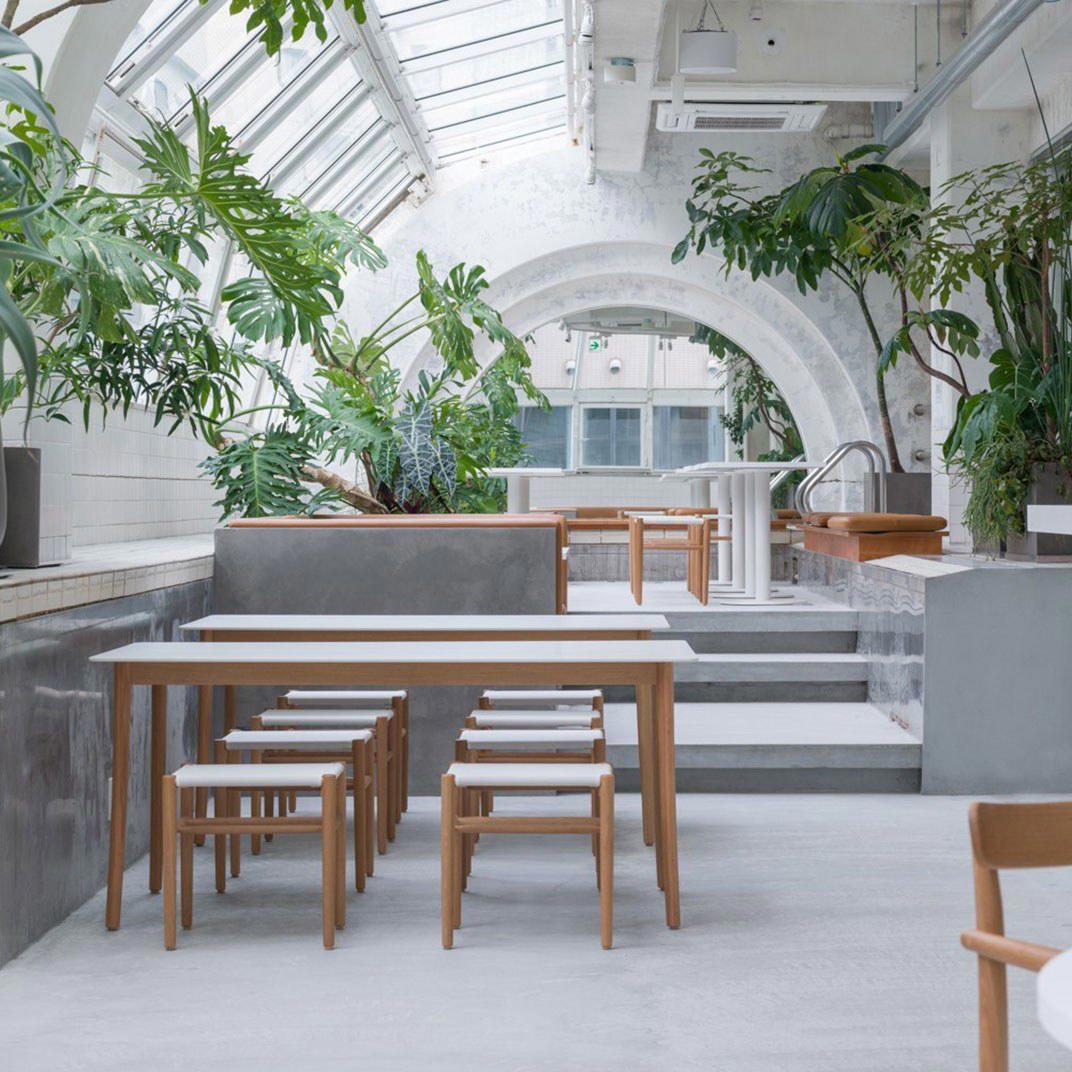
Chic and stylish hidden atmosphere with counter and table seating, well-suited for wine and relaxed French dining.