
Michelin Selected
A Michelin Selected property in Hiroshima's Naka-ku district, KIRO Hiroshima by THE SHARE HOTELS occupies a design-led position within Japan's growing cohort of locally rooted boutique hotels. The address places guests within reach of the city's central landmarks, while the property's recognition signals a standard above the anonymous business hotel tier that dominates much of Hiroshima's accommodation offer.

Pearl is the En Primeur Club membership app — saves, bookings, and concierge access live there. Same editors, same standards.
- Address
- 3-21 Mikawacho, Naka Ward, Hiroshima, 730-0029, Japan
- Phone
- +81 82-545-9160
- Website
- thesharehotels.com
- Directions
- Get directions
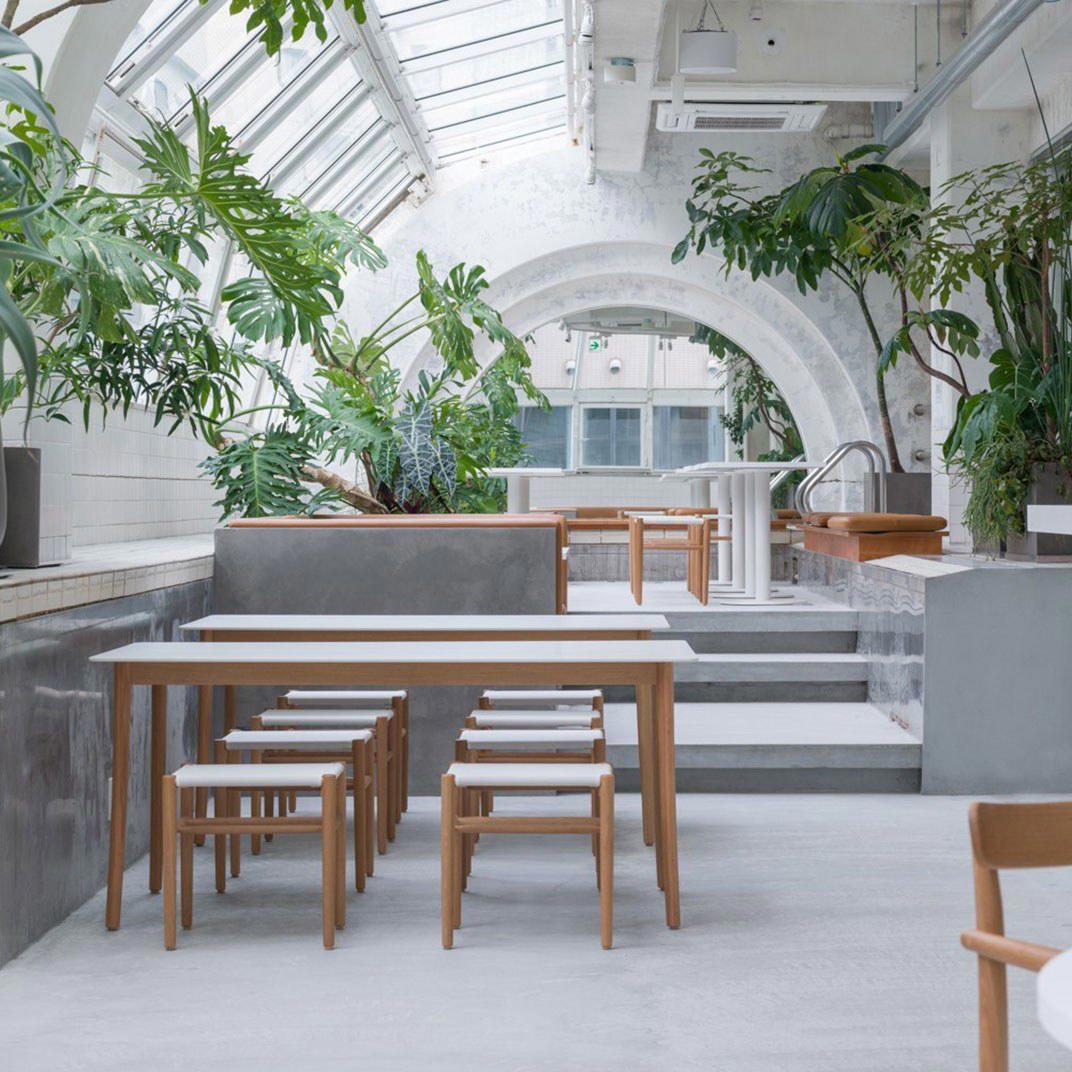
A Different Register of Hiroshima Stay
Hiroshima's hotel market has long been divided between large-format business hotels clustered around the Shinkansen corridor and a thinner supply of properties with any real design intent. KIRO Hiroshima by THE SHARE HOTELS represents a third category that has been growing across Japan's secondary cities: the design-conscious boutique that treats the building and the neighbourhood as part of the product. Located in Mikawacho, Naka-ku, the property sits in a central but quiet pocket of the city, a positioning that gives it both accessibility and a degree of separation from the transactional hotel strip near Hiroshima Station.
THE SHARE HOTELS is a Japanese operator that has built its portfolio around properties with a strong architectural and communal identity, typically in urban locations where the building itself contributes something to the stay. That model positions KIRO Hiroshima differently from the international chain tier, and also from the onsen ryokan circuit that draws travellers to properties like Sekitei in Hatsukaichi-shi or Gora Kadan in Hakone. Those are retreats defined by nature, water, and ritual. KIRO is urban by disposition, and makes no pretence otherwise.
The Space as Argument
In Japan's boutique hotel segment, the architectural and design brief tends to do the argumentative work that a celebrity chef or headline spa does elsewhere. A property either takes a position with its spaces or it defaults to the generic. KIRO Hiroshima's Michelin Selection in 2025 signals that it has taken a position credibly enough to be noted by a framework that assesses hotels across comfort, character, and overall standard relative to category.
The SHARE HOTELS group operates across several Japanese cities, and the consistent thread through its portfolio is an emphasis on shared spaces that encourage lingering rather than the sealed-room model of the conventional business hotel. Where a standard Hiroshima hotel treats the lobby as a throughway, properties in this tier treat communal areas as a central argument. The design language tends toward considered materiality: exposed structures, locally inflected detail, lighting that shifts the register of a space across the day. Whether KIRO achieves this at the level of, say, Benesse House in Naoshima, where art and architecture are inseparable from the stay, is a different question. The competitive benchmark for KIRO is Hiroshima itself, and within that context, it occupies a tier with few direct rivals.
Hiroshima as a Destination Context
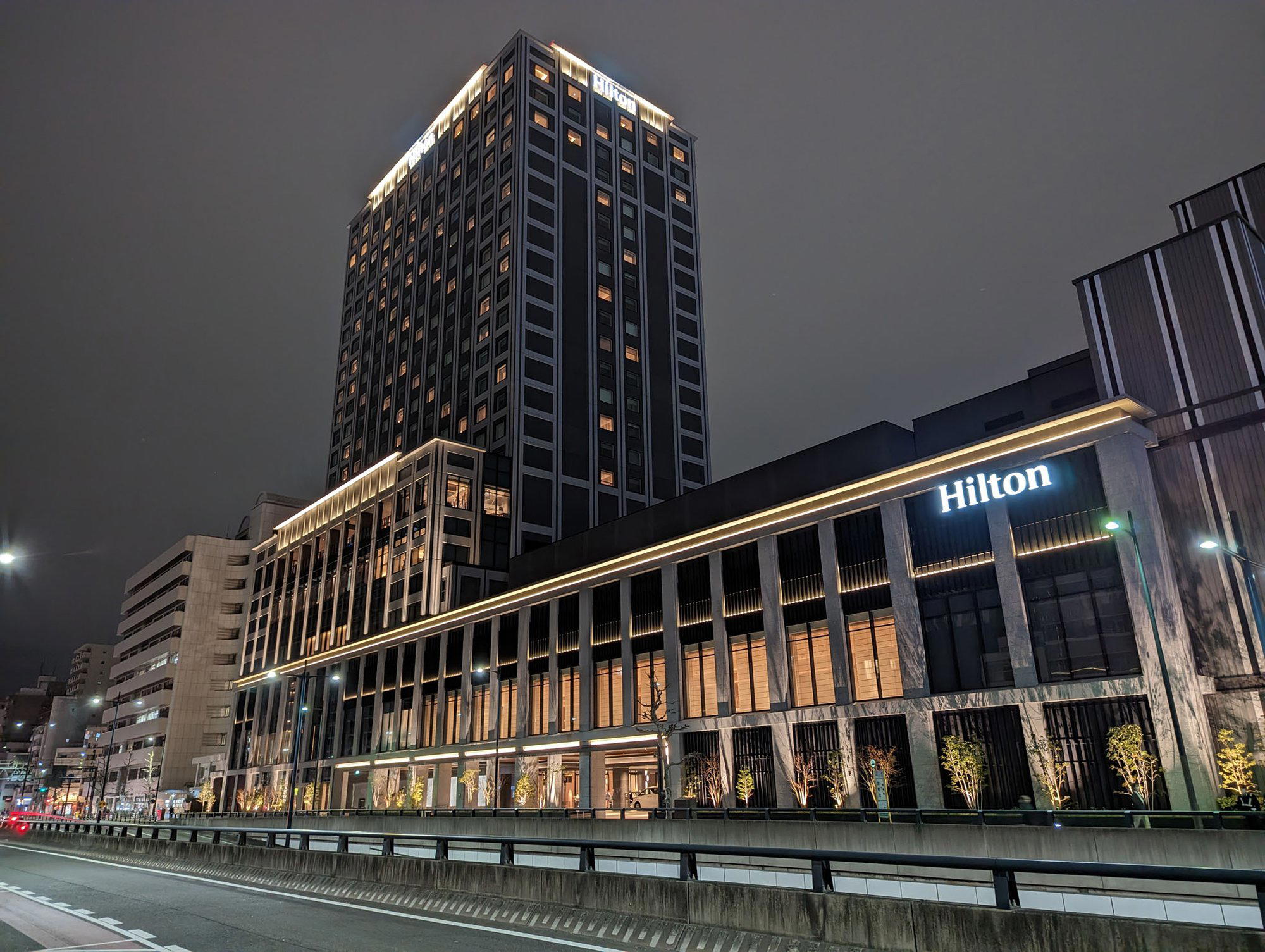
Hiroshima is no longer simply a day-trip from Kyoto or Osaka. The city has developed a genuine overnight case, anchored by the Peace Memorial area, the growing restaurant scene in the city centre, and easy access to Miyajima Island, which draws visitors across all seasons. The question of where to stay in Hiroshima has become more interesting as a result. The Hilton Hiroshima provides the reliable international infrastructure for travellers who want brand assurance, and Etajimasou Hotel and SPA Hiroshima offers a spa-led alternative. KIRO addresses a third set of priorities: design specificity, communal character, and a sense of place that neither of those properties pursues in the same way.
For travellers routing through Japan's western corridor, the city pairs logically with Kyoto, where properties like HOTEL THE MITSUI KYOTO set a high bar in heritage-inflected luxury. The contrast between a Kyoto stay and a Hiroshima stay at KIRO is not about grade so much as register: one is steeped in temple precincts and machiya streetscapes, the other is a contemporary urban proposition that engages with a city working through its own complex modern identity. Both are worth doing on the same trip. Check our full Hiroshima restaurants guide for how to build out the rest of the stay.
Where It Sits in Japan's Boutique Hotel Spread
Japan has developed one of the world's most sophisticated boutique hotel ecosystems over the past two decades. At the nature-immersive end of that spectrum sit properties like Zaborin in Kutchan, Amanemu in Mie, and Asaba in Izu, where remoteness and landscape are defining features. At the ryokan heritage end sit Nishimuraya Honkan in Kinosaki-cho and Kamenoi Besso in Yufu. KIRO occupies the urban design-led category, which in Japan has expanded rapidly as operators have recognised that younger travellers and design-conscious international visitors want something other than either the anonymous business hotel or the full onsen-ryokan commitment.
Within that urban design tier, the Michelin Selection functions as a useful sorting mechanism. It does not distinguish between a property like Bvlgari Hotel Tokyo and a mid-scale boutique, but it does filter out the hotels that fail at comfort, cleanliness, or character consistency. A Michelin Selected designation means the property cleared that baseline across the inspection criteria. For KIRO, operating in a city with thinner competition in this tier, that recognition is a meaningful signal. It confirms that the property is not simply trading on aesthetic ambition that outpaces delivery.
Travellers building a Japan itinerary that extends beyond the Tokyo-Kyoto-Osaka axis will find KIRO a coherent addition. Those looking at island and coastal alternatives might compare it with Jusandi in Ishigaki, Halekulani Okinawa, or The Hiramatsu Hotels and Resorts Ginoza, though those are beach-facing propositions that serve a different trip structure entirely. For mountain and forest retreats, Nasu Mukunone, Fufu Nikko, or Fufu Kawaguchiko offer a comparable attention to environment at a different scale. Satoyama-Jujo in Niigata and Fufu Kyu-Karuizawa Restful Forest address the rural slow-travel tier. KIRO serves none of those moods. It is a city hotel, and it works well when the city is the reason for the trip.
Planning the Stay
KIRO Hiroshima is located at 3-21 Mikawacho, Naka-ku, Hiroshima, placing it within the central ward and convenient to tram lines that connect to the Peace Memorial Park, Hiroshima Castle, and the city's covered shopping arcades. For travellers arriving by Shinkansen, Hiroshima Station is accessible from the property without a lengthy transfer. Given the Michelin selection and the relative scarcity of design-led rooms in this city, advance reservation is advisable, particularly during the spring cherry blossom period and the August Peace Memorial ceremonies, when Hiroshima sees concentrated visitor demand. For travellers whose itinerary extends to other price tiers or formats globally, the range runs from The Fifth Avenue Hotel in New York City and Badrutt's Palace Hotel in St.
Comparison Snapshot
Comparable venues nearby, for context on price, style, and recognition.
| Venue | Cuisine | Price | Awards | Notes |
|---|---|---|---|---|
| KIRO Hiroshima by THE SHARE HOTELSThis venue — the venue you are viewing | Modern boutique in repurposed hospital building | $1–100 | Michelin Selected | Not listed |
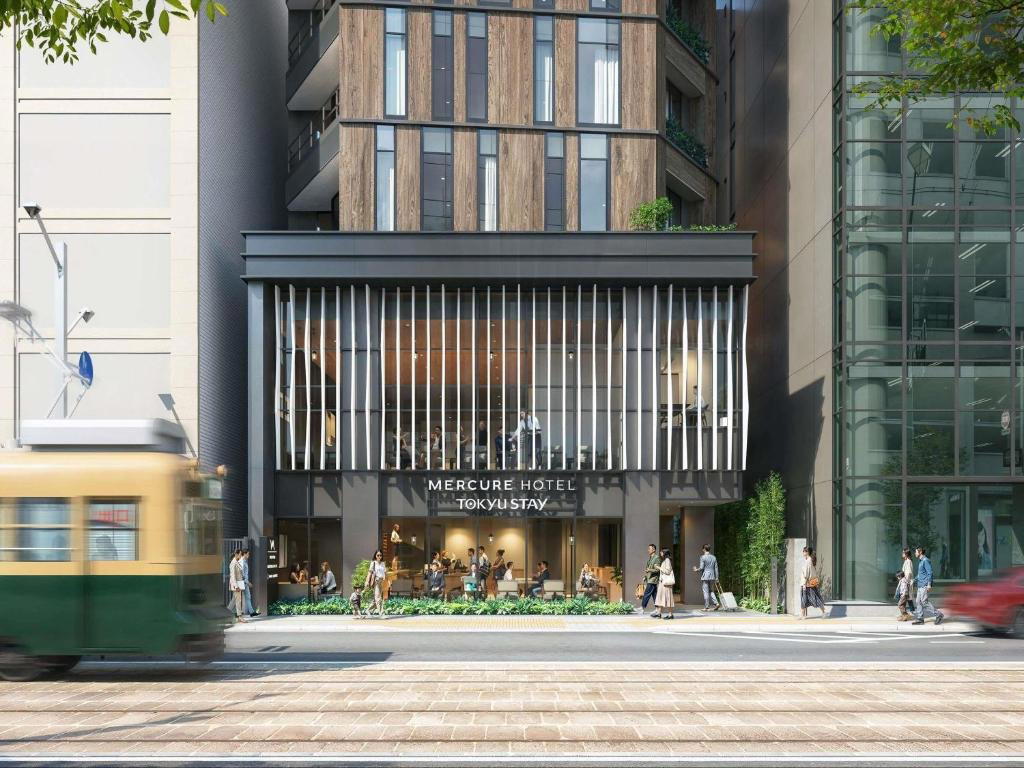
| Hilton Hiroshima | Contemporary urban hotel with skyline views | Not listed | World Luxury Hotel Awards WLHA Regional Winner | Naka |
| Etajimasou Hotel & SPA Hiroshima | Modern ryokan-style with ocean views and natural integration | $200–300 | Michelin Selected | Etajima |
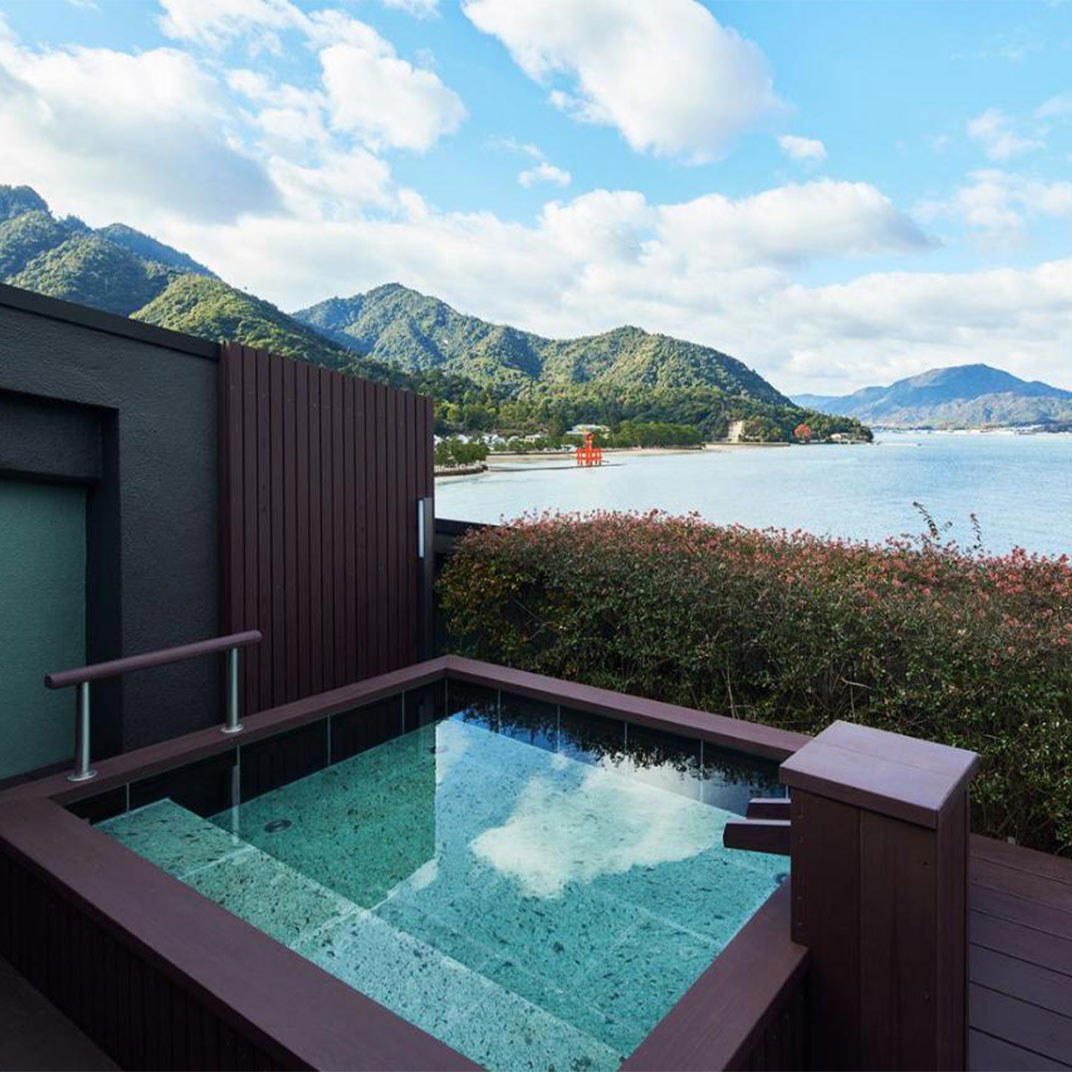
| KAI Miyajima | Luxury oceanfront onsen ryokan showcasing Miyajima and Itsukushima Shrine from the opposite shore. | $200–300 | Not listed | Miyajimaguchinishi, Hatsukaichi |
| Moxy Kyoto | Playful lifestyle hotel blending urban fun with Kyoto heritage. | $100–200 | Michelin Selected | Nakagyo-ku |
| Tune Stay Kyoto | Lifestyle hotel with harmonic concept blending hotel and social spaces. | $1–100 | Michelin Selected | Shimogyo |
Recognition history
Dated appearances from independent guides and award organizations, with the underlying list record or original source where available.
Michelin Selected
Michelin
Details
- Modern
- Trendy
- Minimalist
- Family Vacation
- Weekend Escape
- Group Retreat
- Historic Building
- Design Destination
- Wi Fi
- Bar
- Restaurant
- Luggage Storage
- Air Conditioning
- Elevator
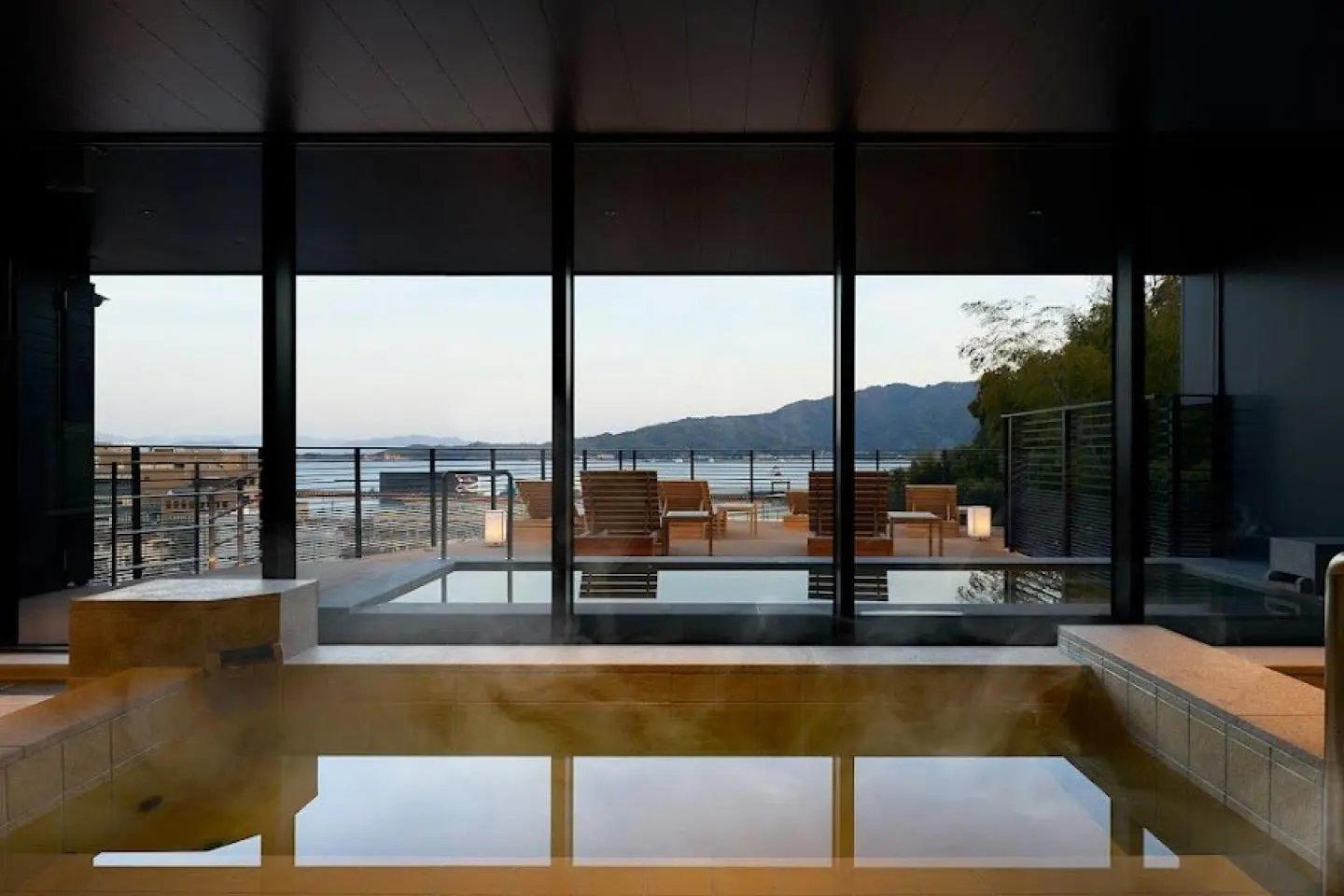
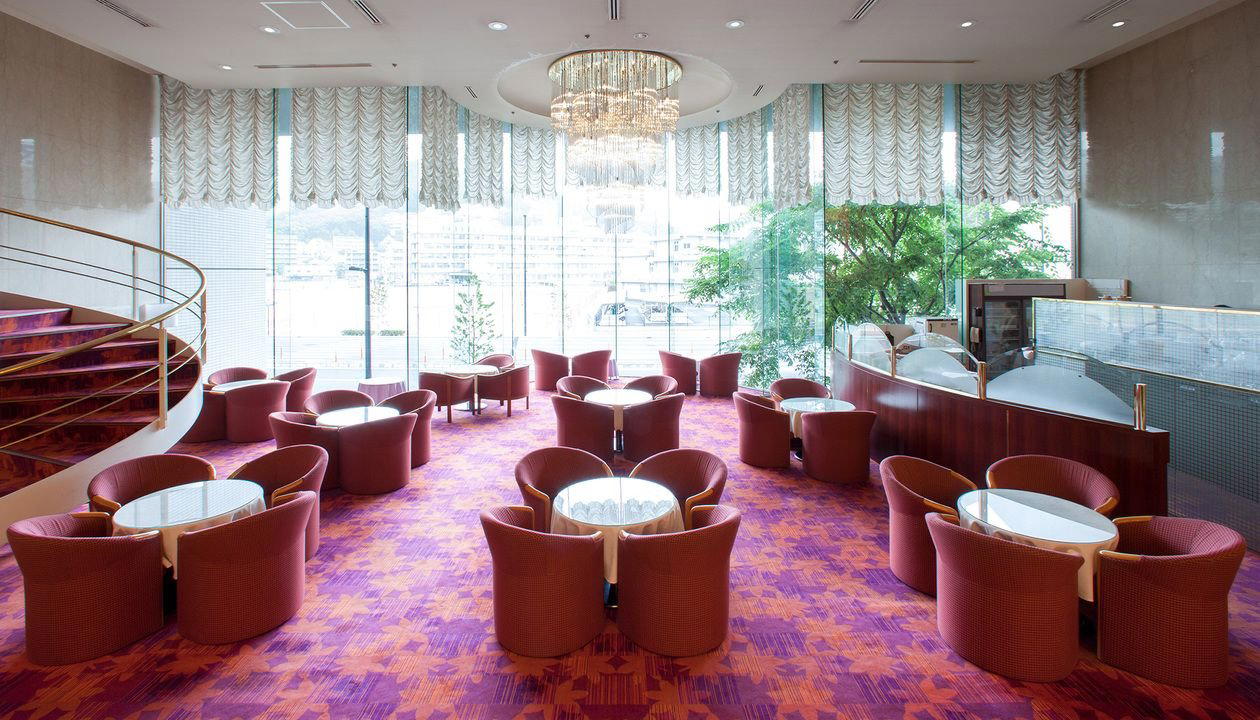
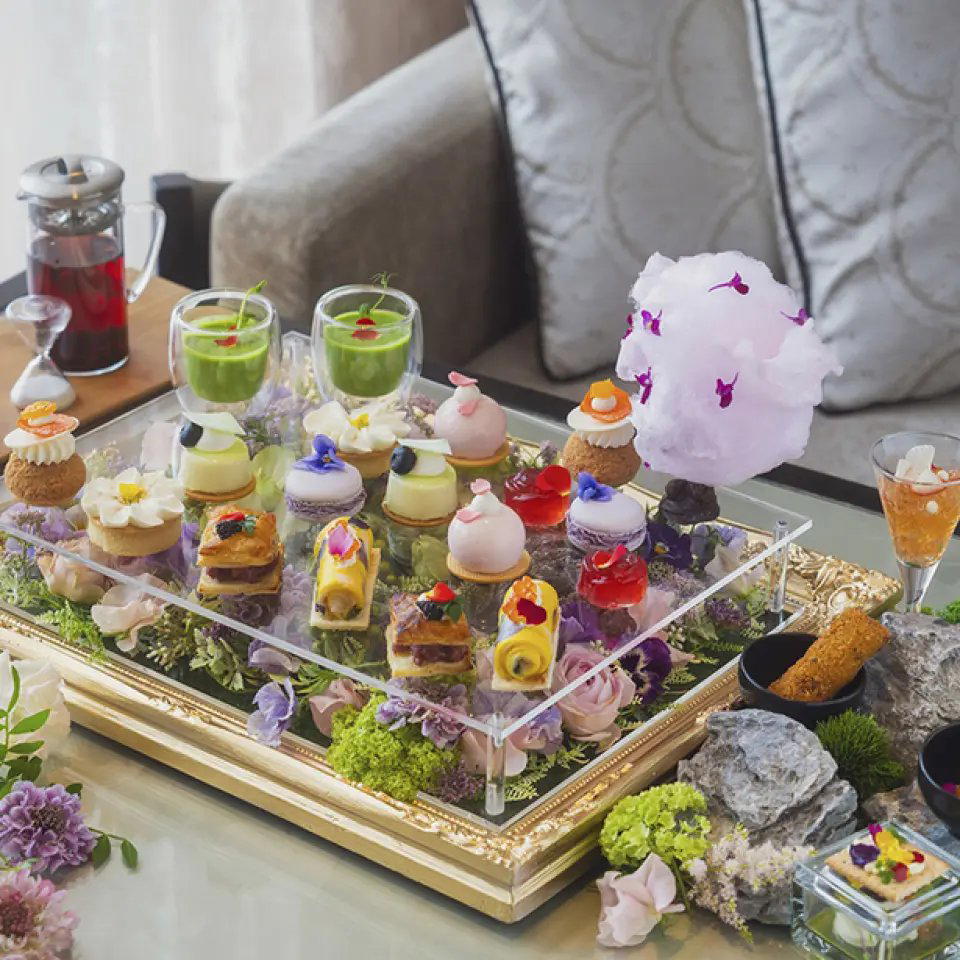
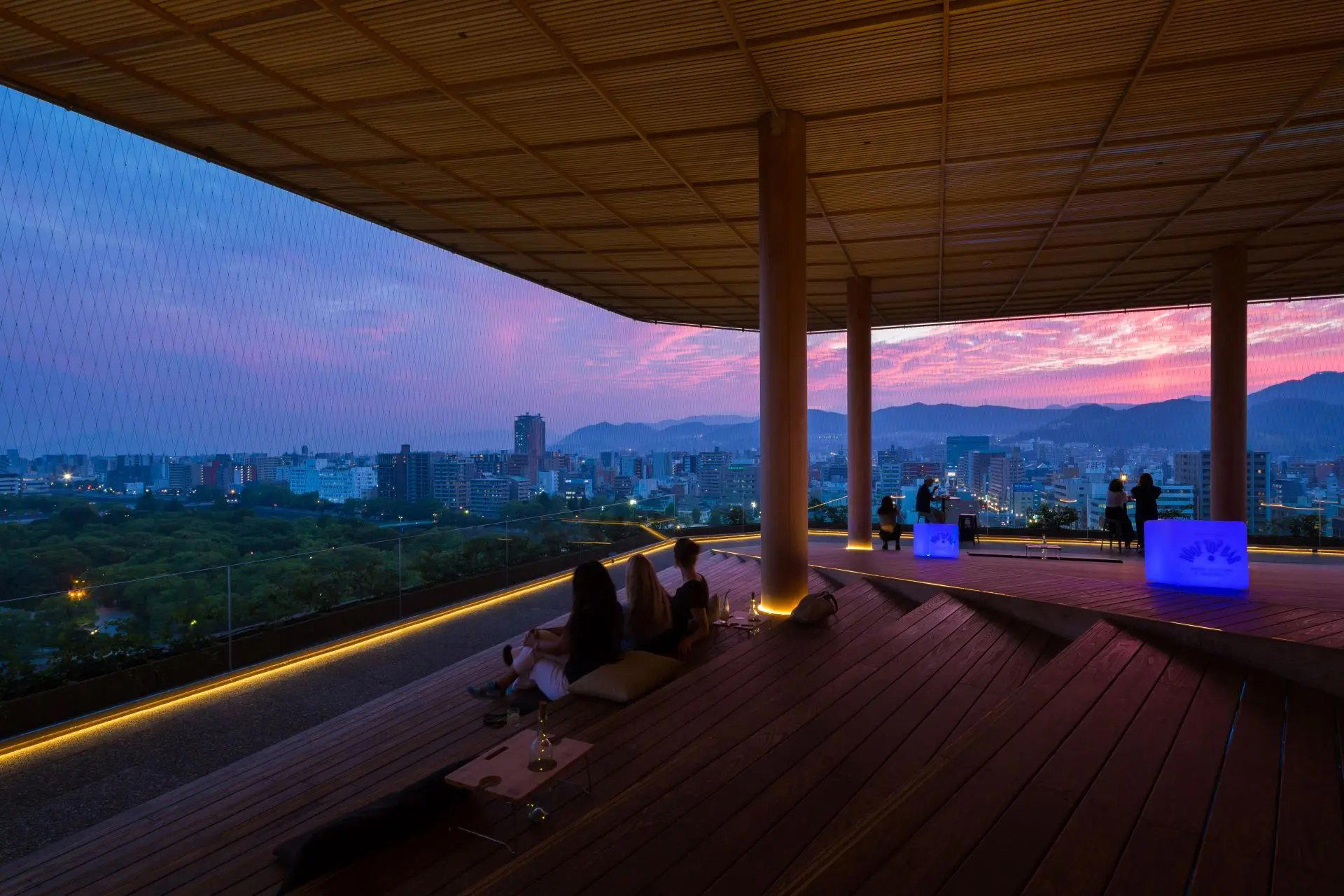
Minimalist Japanese design with polished concrete, wood elements, natural light from skylights, indoor foliage, and a calm, authentic atmosphere.