
Tabelog Bronze #467
Our verdict
Tomisuke belongs to Hiroshima’s serious seafood-led Japanese dining tier, where small counters, sake, and precise sourcing matter more than spectacle. Its Tabelog Bronze recognition in 2025 and 2026, plus selection for Tabelog Japanese cuisine WEST 100 in 2025, place it above the city’s casual izakaya field and closer to a destination dinner for travelers tracking regional fish culture.

Pearl is the En Primeur Club membership app — saves, bookings, and concierge access live there. Same editors, same standards.
- Address
- Hiroshima Hiroshima City中 Ward堀川 Town 131 ABpurazabiru 1F
- Phone
- 082-247-9903
- Website
- tabelog.com
- Directions
- Get directions
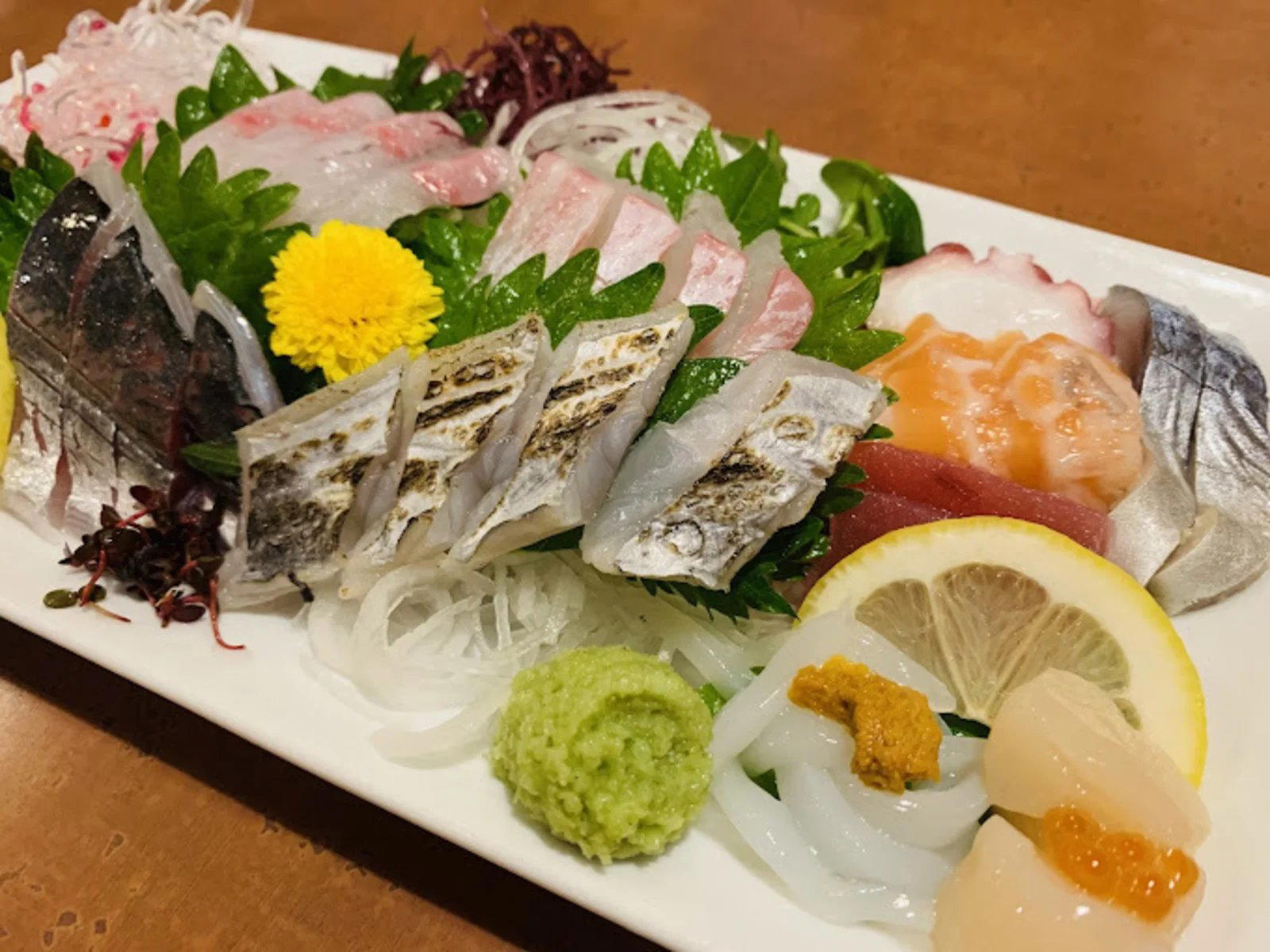
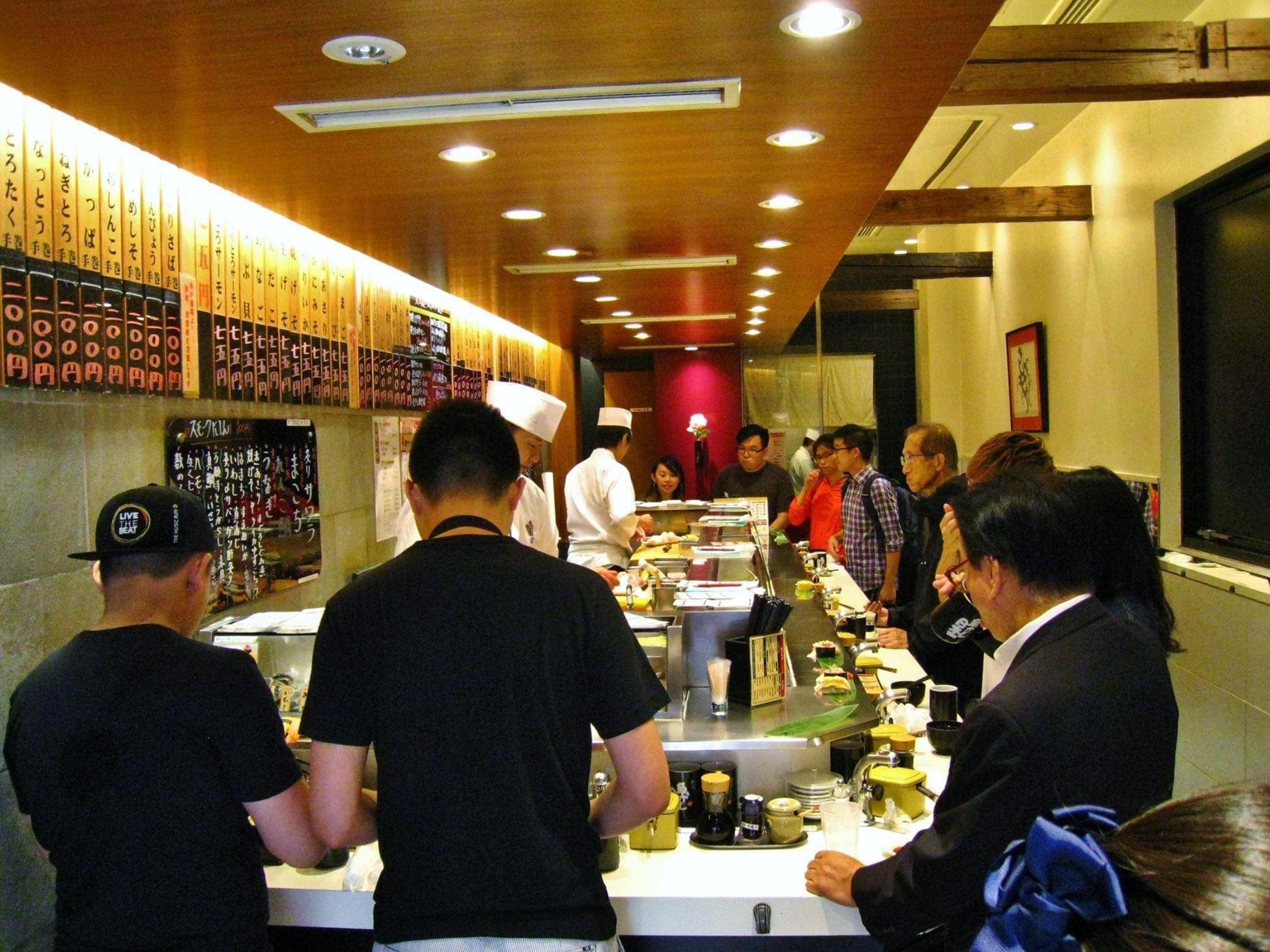
The approach to a serious Hiroshima counter often says more than a grand entrance would. Around Horikawacho and Ebisu-cho, the city’s evening dining rhythm compresses into small buildings, discreet signs, and rooms built for regulars rather than theatre. Tomisuke fits that pattern: a compact counter-only Japanese seafood restaurant where the value of the meal rests on sourcing, seasoning, and the quiet choreography of service rather than decorative excess.
Hiroshima is often flattened into a few culinary reference points, especially okonomiyaki and oysters, but its deeper restaurant culture is broader and more tidal. The Seto Inland Sea gives the city a seafood identity distinct from Tokyo’s market-driven sushi counters or Kyoto’s ceremonial kaiseki rooms. Smaller fish, local shellfish, sake-friendly preparations, and a preference for close-range counter dining define much of the serious end of the scene. That is the context in which Tomisuke makes sense: not as a showpiece for visitors, but as part of a local tradition where the day’s catch and the cook’s restraint carry the room.
Small-fish cooking anchors Hiroshima's serious counter culture
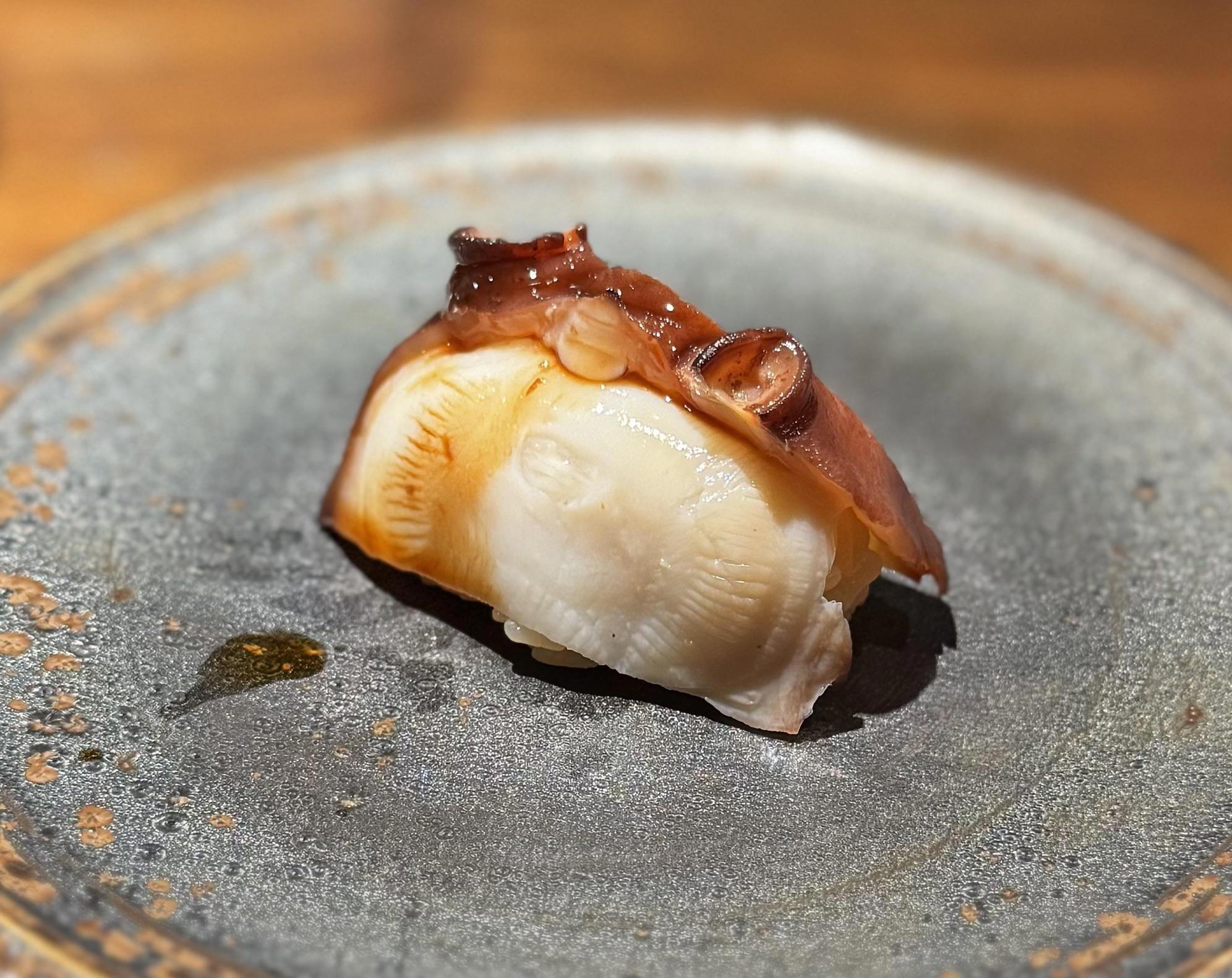
The Japanese name Kozakana Ryori Tomisuke points directly to the restaurant’s editorial center: kozakana, or small-fish cooking. That matters in Hiroshima, where seafood dining is not only about luxury species or oversized platters. Small fish require a different kind of confidence. They reward freshness, knife work, heat control, and seasoning that does not erase the character of the catch. In this format, sourcing is not a slogan; it is the structure of the meal.
The recognition is a useful signal. Tomisuke received The Tabelog Award Bronze in 2025 and 2026 and was selected for Tabelog Japanese cuisine WEST 100 in 2025. Tabelog scores and awards are not casual popularity markers in Japan’s restaurant culture; they tend to reward places that sustain local confidence over time. For a 15-seat counter in Hiroshima, that places the restaurant in a tighter category than the city’s everyday taverns and late-night drinking rooms.
That distinction becomes clearer against local price tiers. Kushi Dokoro Dochu and Shinya Teki Chuka Shokudo sit in a mid-priced Hiroshima bracket, while Fumi Chan Nagarekawa ten operates at a far more casual spend. Yakitori Takase and Tori Yamamoto move closer to special-occasion territory, but through chicken and izakaya grammar rather than seafood-led Japanese cooking. Tomisuke’s appeal is narrower and more specific: a fish-focused counter for diners who want Hiroshima’s coastal pantry interpreted through Japanese cuisine rather than bar-snack abundance.
The drinks position reinforces the point. Sake and shochu are the relevant companions here, not a broad international wine program or cocktail theatrics. In Hiroshima, that pairing is cultural as much as practical: seafood cooked with restraint often asks for rice-based drinks with texture, dryness, and temperature range. The room’s counter format also changes the pace of a meal. Instead of privacy and long table conversation, the experience leans toward attention: the sequence of preparations, the handoff across the counter, and the accumulated rhythm of a small room.
A compact room for diners who read sourcing as the main event
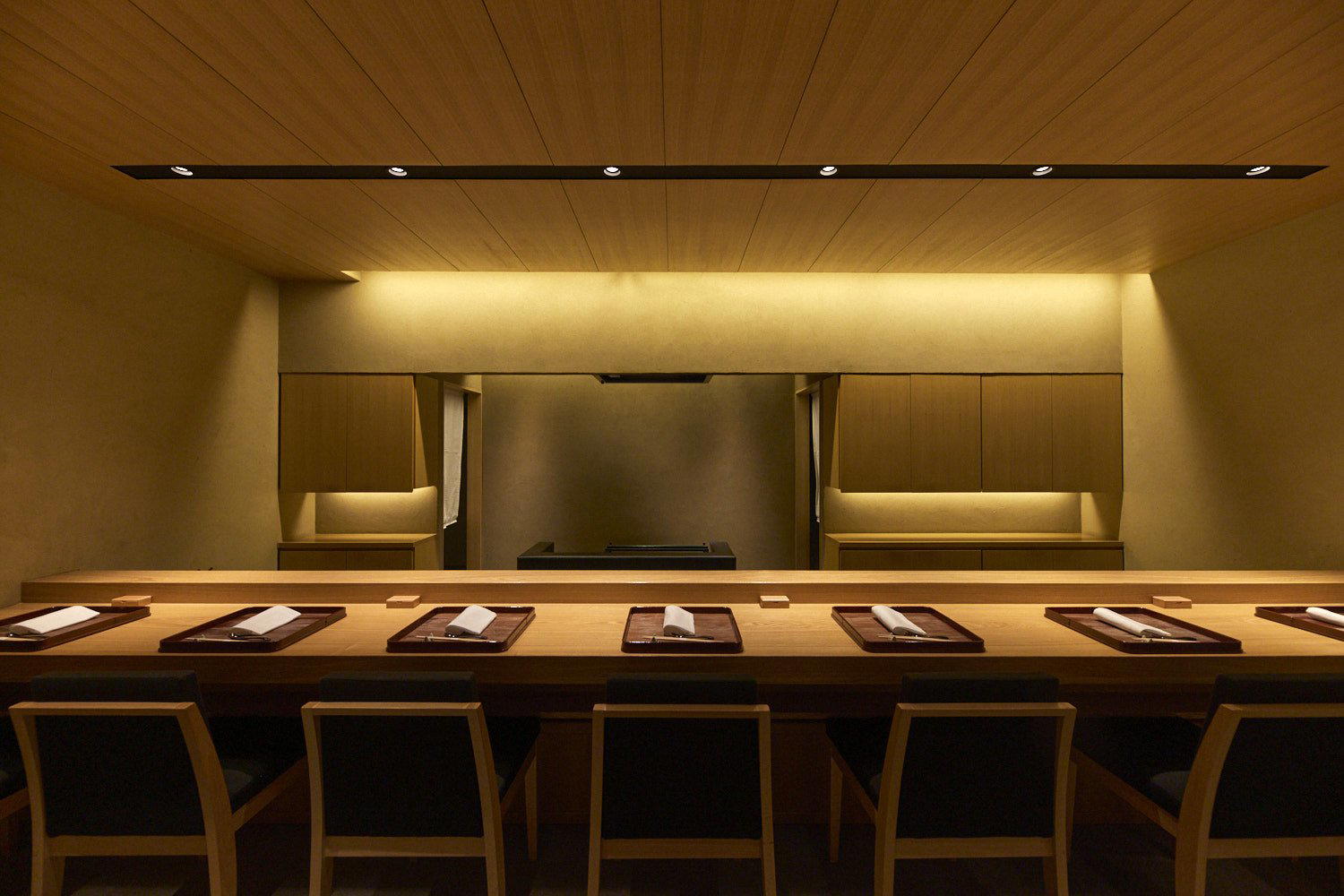
Counter-only restaurants make a clear demand of the diner. They reward people who are comfortable with proximity, limited seating, and a meal that unfolds through the kitchen’s timing. Private rooms are not part of the proposition, and neither is the flexible sprawl of a large izakaya. That is an advantage for the right guest. The format keeps focus on fish, sake, and the exchange between preparation and service.
For travelers building a Hiroshima food itinerary, Tomisuke should be considered alongside, not instead of, the city’s other dining registers. Akai (Creative Cuisine) points to Hiroshima’s contemporary tasting-menu ambitions, while ANDERSEN reflects the city’s European-inflected bakery and café culture. Bishu Bikou Hamai gives another route into Japanese drinking and dining, and Butter Cake no Nagasaki Do belongs to the sweet, take-home side of the city’s food memory. CHILAN adds a different contemporary register.
The broader planning question is whether to treat Hiroshima as a single-dish stop or as a city with layered dining. The latter is the stronger move. Use Our full Hiroshima restaurants guide for the dining spread, then pair it with Our full Hiroshima hotels guide, Our full Hiroshima bars guide, Our full Hiroshima wineries guide, and Our full Hiroshima experiences guide when the trip extends beyond dinner.
Japan’s regional dining map also helps frame the decision. A seafood counter in Hiroshima speaks a different language from -Grilled beef Sukiyaki- KAMAKURA TANUKIAN 鎌倉 たぬき庵 in Kamakura. 鮪と炭火焼き うお炭 秋葉原店 in Tokyo.cafe in Osaka.know in Kumamoto, (Shoku) Vietnam in Kawasaki, or [Curry Senmon Ten] Maruyama Kyoju. in Sapporo. Even overseas Japanese-leaning addresses such as Jōdo Saké Bar in Los Angeles and Onigiri Time in Pasadena underline the same point by contrast: regional context changes the meaning of familiar ingredients.
The verdict is direct. Tomisuke is for diners who prioritize fish sourcing, counter discipline, and Hiroshima’s local Japanese cuisine over menu spectacle. The room is small, the category is specific, and the awards record gives it national-platform credibility within western Japan’s Japanese-cuisine field. For a city often reduced to its loudest food symbols, this is the quieter, more exacting side of Hiroshima dining.
Frequently asked questions
Is Tomisuke a family-friendly restaurant?
Those details are not published. It is a 15-seat counter-only restaurant in Hiroshima, with reservations available and dinner service Monday through Saturday from 17:00. Check the venue's official channels for the latest details.
What should I expect atmosphere-wise at Tomisuke?
Expect a compact counter room rather than a broad dining hall: 15 seats, non-smoking, and listed as a relaxing space. The setup suits solo diners and friends, and the menu focus is fish, with sake and shochu on the drinks list.
Is Tomisuke open every day?
Hours at Tomisuke: Mon, Tue, Wed, Thu, Fri, Sat 17:00 - 22:00 L.O. Food 21:00.
Where is Tomisuke in Hiroshima?
Tomisuke is located in Hiroshima.
A Quick Peer Check
Comparable venues by cuisine and price in the same metro.
| Venue | Cuisine | Price | Awards | Notes |
|---|---|---|---|---|
| TomisukeThis venue — the venue you are viewing | Kappo specializing in small fish | $50–100 | Tabelog Bronze #467 | Not listed |
| Ichigo Ichie | Hiroshima okonomiyaki & teppanyaki | $30–50 | Tabelog 100 #73 | Naka |
| Yakitori Takase | Premium Yakitori Course | $50–100 | Tabelog 100 #7 | Naka |
| Takanobashi Kiyotan | Traditional Japanese Izakaya with Omakase | $50–100 | Tabelog Bronze #186 | Naka |
| Shusai Takenoshita | Traditional Japanese Izakaya & Seafood | $50–100 | Tabelog 100 #29 | Naka |
| Tonkatsu 16 | Tonkatsu | $20–30 | Tabelog 100 #70 | Naka |
Recognition history
Dated appearances from independent guides and award organizations, with the underlying list record or original source where available.
Tabelog Bronze #467
Tabelog
Full recognition history (3 entries)
Tabelog 100 #66 · No. 66
Tabelog · Tabelog 100 - Japanese cuisine - WEST - 2025
Tabelog Bronze
Tabelog
Continue exploring
More in Hiroshima
Restaurants in Hiroshima
Browse all →
Bars in Hiroshima
Browse all →
Details
- Intimate
- Cozy
- Date Night
- Solo
- Business Dinner
- Open Kitchen
- Sake Program
- A La Carte
- Counter Dining
- Sake
Intimate counter seating with a relaxing atmosphere focused on the chef's craft.