鮨・四季創作 心陽 (こはる) runs counter service with an open kitchen for lunch, pairing Fresh Sushi & Seafood Bowls with local sourcing and sustainable seafood for a quick, casual stop.
Pearl is the En Primeur Club membership app — saves, bookings, and concierge access live there. Same editors, same standards.
- Address
- 千駄ヶ谷3-52-3, 渋谷区, 東京都, 151-0051
- Directions
- Get directions
 Saves & bookings on Pearl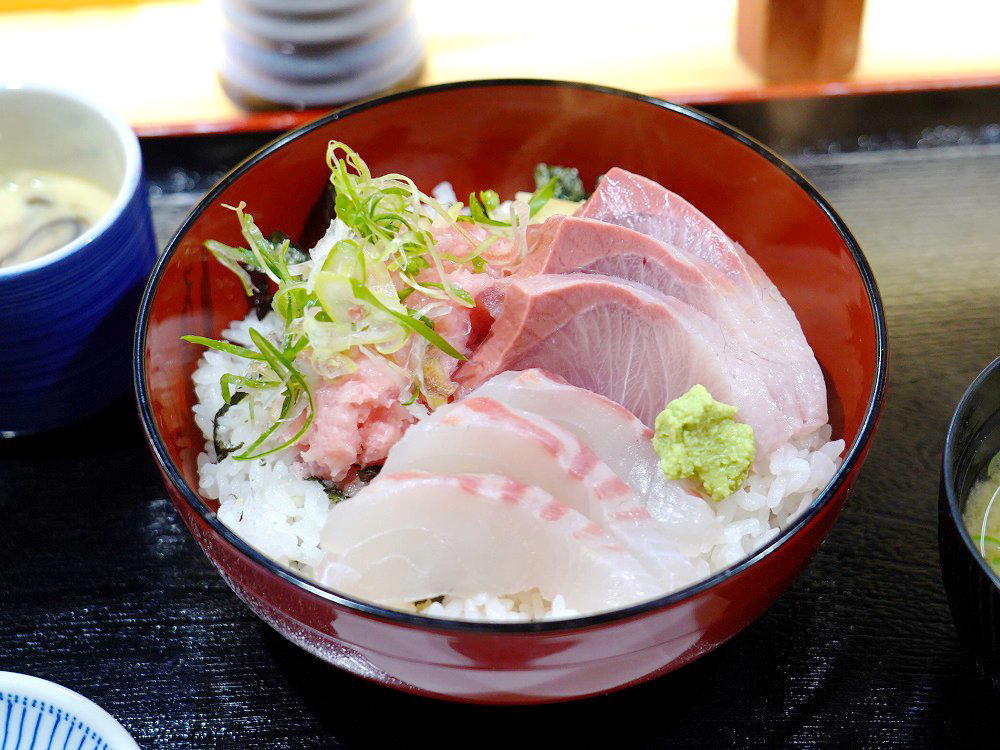
Sendagaya's Quiet Counter: Where Sushi Meets Seasonal Craft
In Tokyo's densest tier of omakase dining, the counters that generate the noise tend to be in Ginza or Minami-Aoyama, where three-Michelin-star lineages and name recognition compress long waiting lists into something closer to a lottery. Sendagaya, by contrast, operates at a different register. The address at 千駄ヶ谷3-52-3 places 鮨・四季創作 心陽 (こはる) in Shibuya-ku, Tokyo. That positioning matters because it shapes the room's atmosphere, the pace of service, and the implicit contract between kitchen and guest.
The name itself signals the format: 四季創作 means "four-seasons creative," which in the context of a Tokyo sushi counter indicates a kitchen that moves beyond strict Edomae convention and treats seasonal variation as a structural principle rather than a decorative one. こはる (koharu) means "little spring" or "late autumn warmth," a term associated in Japanese with a brief, soft interlude of gentler weather inside a colder season. Applied to a restaurant, the word suggests a particular mode of hospitality: precise but unhurried, intimate in scale, attentive to the small interval rather than the grand gesture.
The Counter as a Collaborative System
Tokyo's leading omakase counters have increasingly been read as solo performances, centred on a single itamae whose knife work and ingredient sourcing define the entire experience. The editorial angle worth examining in 2024 is how that model has begun to shift. Across the city's mid-tier and rising independent sushi rooms, a more distributed model has emerged, in which the synergy between the chef's seasonal reading of ingredient quality, a somm or drinks lead who curates sake and wine pairings that do not compete with the fish, and a front-of-house team capable of reading each table's pace creates a result that no single person could produce alone.
This team dynamic is the correct lens for 心陽. The 四季創作 framing requires that the creative decision-making span multiple courses and multiple disciplines: which seasonal transition to emphasise, how the drinks sequence tracks the progression from lighter white-fish nigiri into richer aged or marinated pieces, how the pacing of the meal shifts to accommodate a table of two versus a full counter booking. In Tokyo rooms where this collaboration works, the guest experiences it as a kind of invisible choreography. At venues where it fails, the meal feels episodic rather than cumulative. The counter format at 心陽 is oriented toward the cumulative version, though the detail of how that plays out on any given evening is shaped by who is in the room.
For comparison, the Ginza top tier, represented by counters like Harutaka, prices and positions itself against a global comparable set, where the itamae's reputation and the provenance of the rice and neta carry enormous independent weight. Non-sushi rooms operating at the ¥¥¥¥ bracket in Tokyo, such as L'Effervescence, Sézanne, and RyuGin, rely on kitchen-wide creative systems rather than single-author authority. 心陽 sits in an interesting middle position: the counter format is inherently personal, but the 四季創作 designation implies a broader creative vocabulary than strict Edomae tradition permits.
Sendagaya as a Dining District
Sendagaya and the broader Shibuya-ku corridor that connects it to Harajuku and Yoyogi have never concentrated their dining reputation in the way that Ginza or Nishi-Azabu have. What the area does offer is a density of independent operators working in relative obscurity from the international press, which creates a guest experience that differs structurally from the well-documented destination restaurants further east. Booking lead times tend to be shorter, the room composition skews toward Japanese regulars rather than international first-timers, and the service register adapts accordingly.
Sendagaya represents a productive detour from the Ginza-Marunouchi axis. Reservations at counters in this area typically move through phone or a direct online channel rather than through the major concierge-aggregator platforms that gatekeep Ginza's most visible rooms. If you are staying in the Shinjuku or Shibuya corridor, the logistical case for Sendagaya is direct.
Four Seasons, One Ongoing Argument
The 四季創作 designation places 心陽 inside a specific Tokyo dining argument that has been running for roughly two decades: whether sushi, as a form, is better served by strict Edomae adherence or by a more seasonal-creative hybridisation that incorporates techniques and ingredients from kaiseki and contemporary Japanese cooking. Strict Edomae partisans hold that the compression of flavour into nigiri form is the point, and that seasonal variation should express itself through ingredient selection alone, not technique. The creative-seasonal camp counters that Tokyo's year-round access to extraordinary ingredients, combined with a well-trained kitchen team, justifies a broader canvas.
This is the same argument playing out at different price points and in different cities across Japan. Gion Sasaki in Kyoto and HAJIME in Osaka occupy analogous positions in their respective cities, where a commitment to seasonal Japanese ingredients meets a willingness to expand the technical vocabulary. akordu in Nara and Goh in Fukuoka represent the same tendency in smaller markets, where the absence of a dominant Michelin audience creates more room for creative experiment. The name 心陽 chooses a position in this argument before the first course is placed on the counter.
For those who want to map this across Japan's more regional registers, the comparison set extends to 一本木 右川製 in Nanao, 古代山乃 in Sapporo, 湖間庵 in Takashima, 庭羽屋 in Nishikawa Machi, and further afield to Birdland in Sakai and Bistro Ange in Toyohashi. Across these, the recurring pattern is a kitchen that identifies strongly with place and season, where the team around the counter matters as much as the counter lead. Internationally, the team-driven counter model finds parallels at Le Bernardin in New York and at Atomix, where the front-of-house functions as an active interpretive layer rather than a delivery mechanism.
Planning a Visit
心陽 is walk-in friendly, and dietary requirements should be confirmed directly when you book.
A Quick Peer Check
Comparable venues nearby, for context on price, style, and recognition.
| Venue | Cuisine | Price | Notes |
|---|---|---|---|
| 鮨・四季創作 心陽 (こはる)This venue — the venue you are viewing | Fresh Sushi & Seafood Bowls | $$ | Not listed |
| Toda Wataru no Okonomiyaki Santekan | Osaka-style Okonomiyaki & Teppanyaki | $$ | Minato |
| Namiki Yabu Soba | Traditional Japanese Soba | $$ | Taitō |
| Ebisu no Yasubee | Kochi‑style gyoza izakaya | $$ | Shibuya |
| Kyu Yamu Tei Shimokita sou | Japanese Curry | $$ | Setagaya |
| Maidreamin Shibuya Store | Japanese Maid Cafe | $$ | Shibuya |











At a Glance
- Cozy
- Classic
- Casual Hangout
- Solo
- Open Kitchen
- Local Sourcing
- Sustainable Seafood
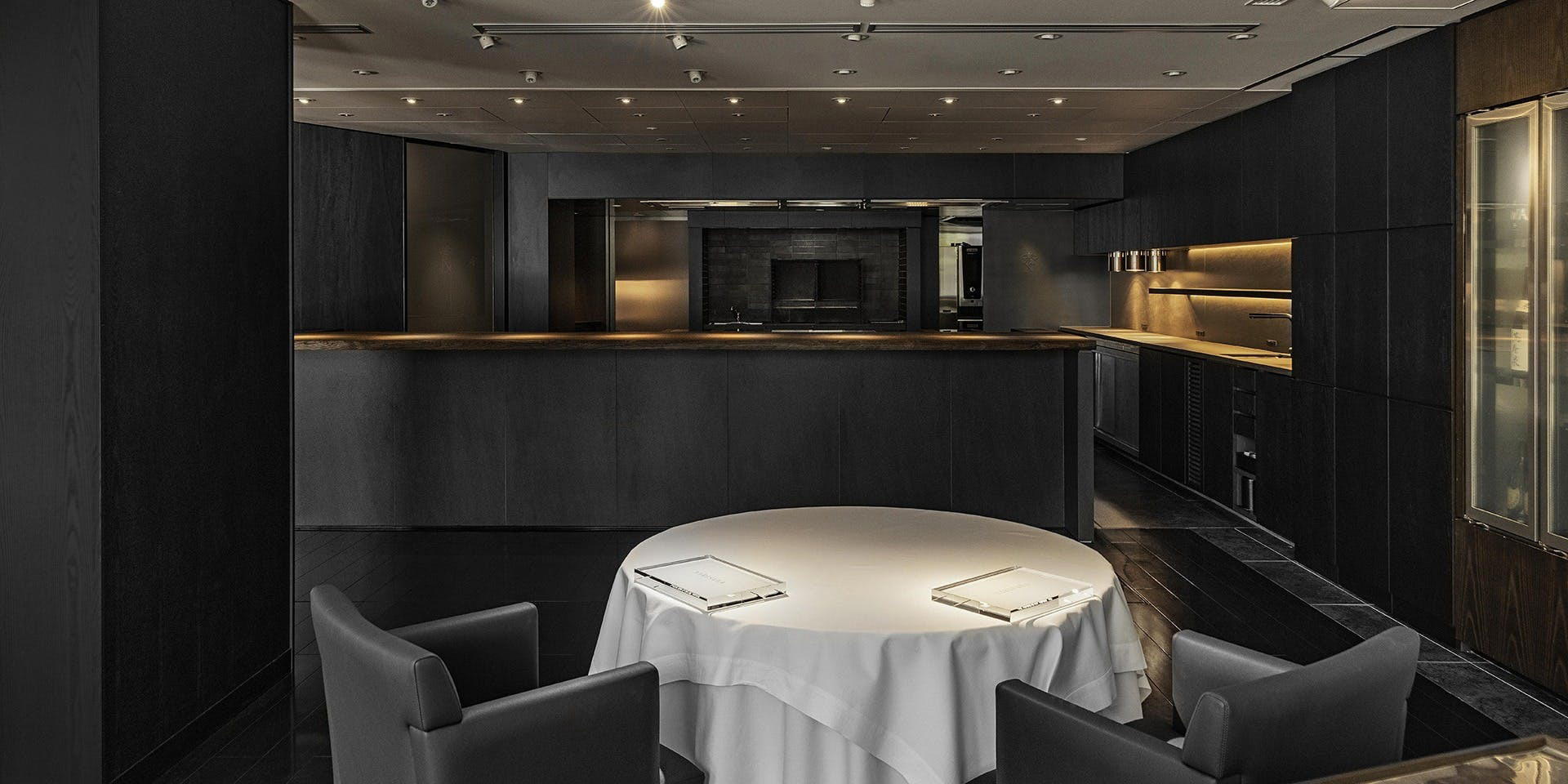
Calm, understated Japanese aesthetic with counter and raised seating areas; basement location creates an intimate, tucked-away feel despite high foot traffic during lunch.