
Toda Wataru no Okonomiyaki Santekan puts okonomiyaki, izakaya cooking, and teppanyaki inside Roppongi’s polished office-district rhythm rather than a backstreet Osaka fantasy. The appeal is format: griddle-led food, sake, shochu, wine, counter seats, family-friendly service, and Tabelog 100 Okonomiyaki selection in 2025.
Pearl is the En Primeur Club membership app — saves, bookings, and concierge access live there. Same editors, same standards.
- Address
- 東京都港区六本木1-4-5 アークヒルズサウスタワー B1F
- Phone
- +81364413638
- Website
- o-kizi.jp
 Saves & bookings on Pearl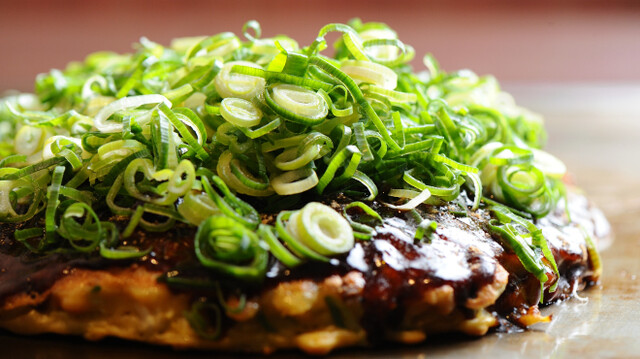
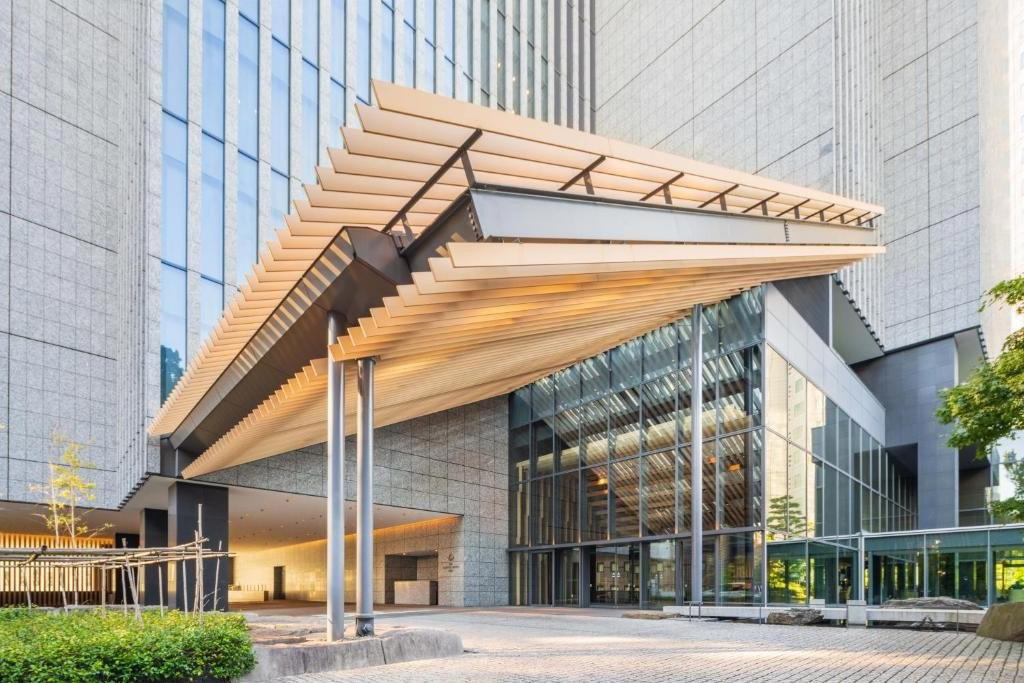
Roppongi-itchome is not the Tokyo most visitors imagine for okonomiyaki. The approach is corporate, vertical, and controlled: tower basements, station-linked passages, office workers moving between meetings and dinner, the smell of the griddle arriving before any romantic street-market cue. In Tokyo, okonomiyaki often splits between casual neighbourhood rooms and polished izakaya-teppan formats built for groups; Toda Wataru no Okonomiyaki Santekan sits in the latter camp, folding cabbage, batter, sauce, and heat into a cleaner, more urban register.
The restaurant’s Tabelog 100 Okonomiyaki selection for 2025 is a useful credential in a category that rarely gets the international attention given to sushi counters or French tasting rooms. Tokyo prestige dining tends to orbit venues such as Saito for sushi or Edition Koji Shimomura for French technique, while everyday Japanese formats become background noise. Okonomiyaki deserves sharper reading: social food, griddle food, and timing-dependent food. The room must manage steam, sound, pacing, and table turnover without killing the informality that makes the category work.
Roppongi's griddle culture, cleaned up for office-district dining
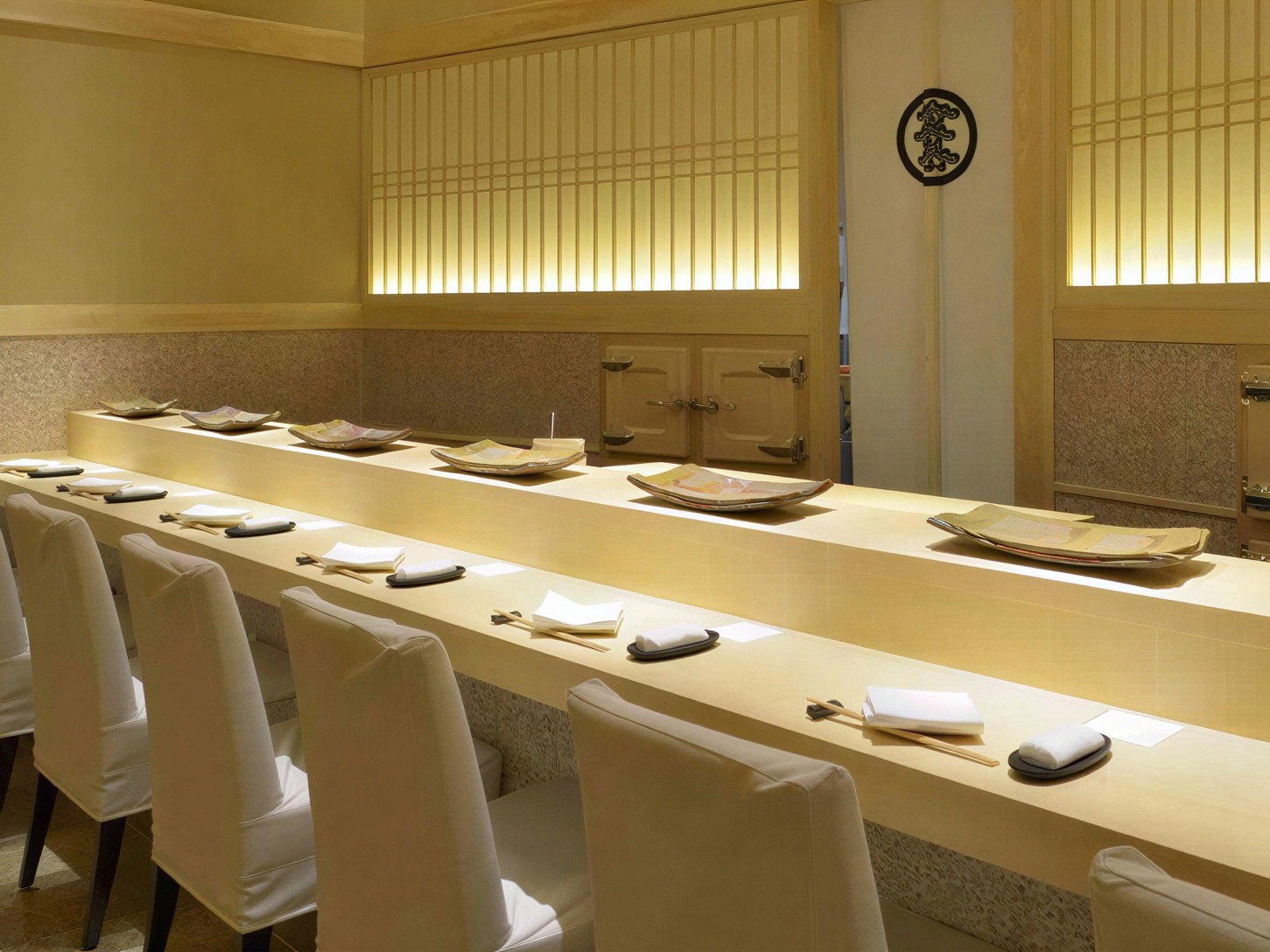
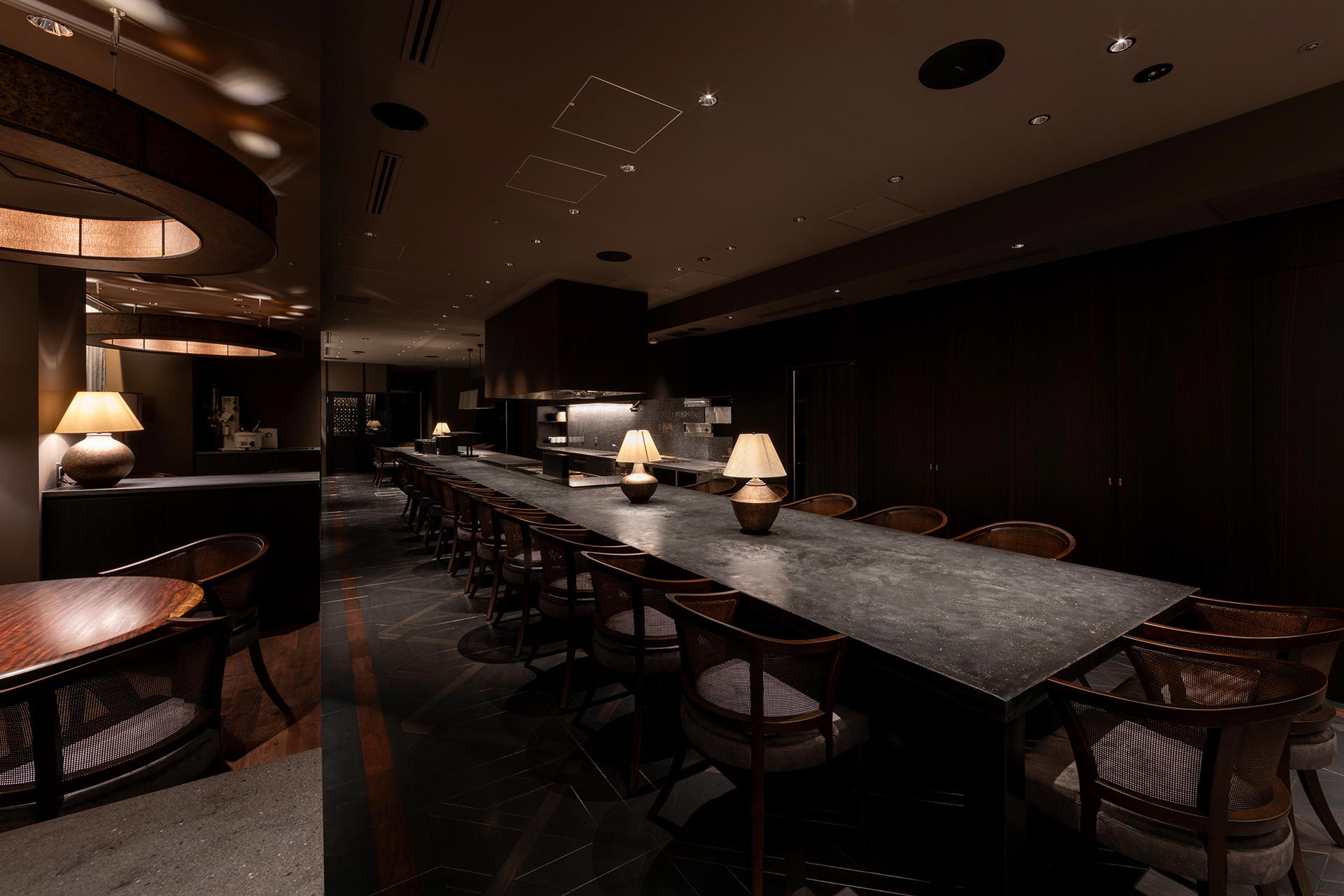
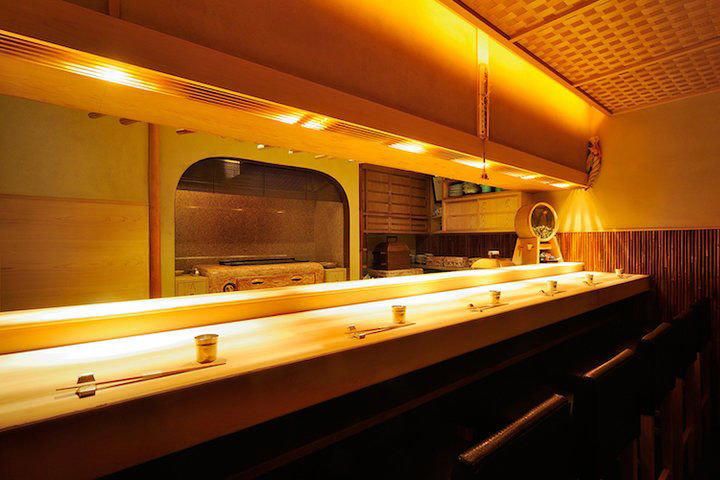
The format here is okonomiyaki, izakaya, and teppanyaki, placing the meal closer to a shared evening than a single-dish stop. In Roppongi, where demand ranges from expense-account steak at BLT STEAK ROPPONGI to quick station meals and late group dinners, that matters. A 42-seat layout, including counter seating and tables, gives the room more flexibility than the cramped, smoke-heavy image sometimes attached to the genre. Private rooms are absent, but private use is available, which says plenty about its neighbourhood function: okonomiyaki made legible for colleagues, families, and friends rather than a purist shrine.
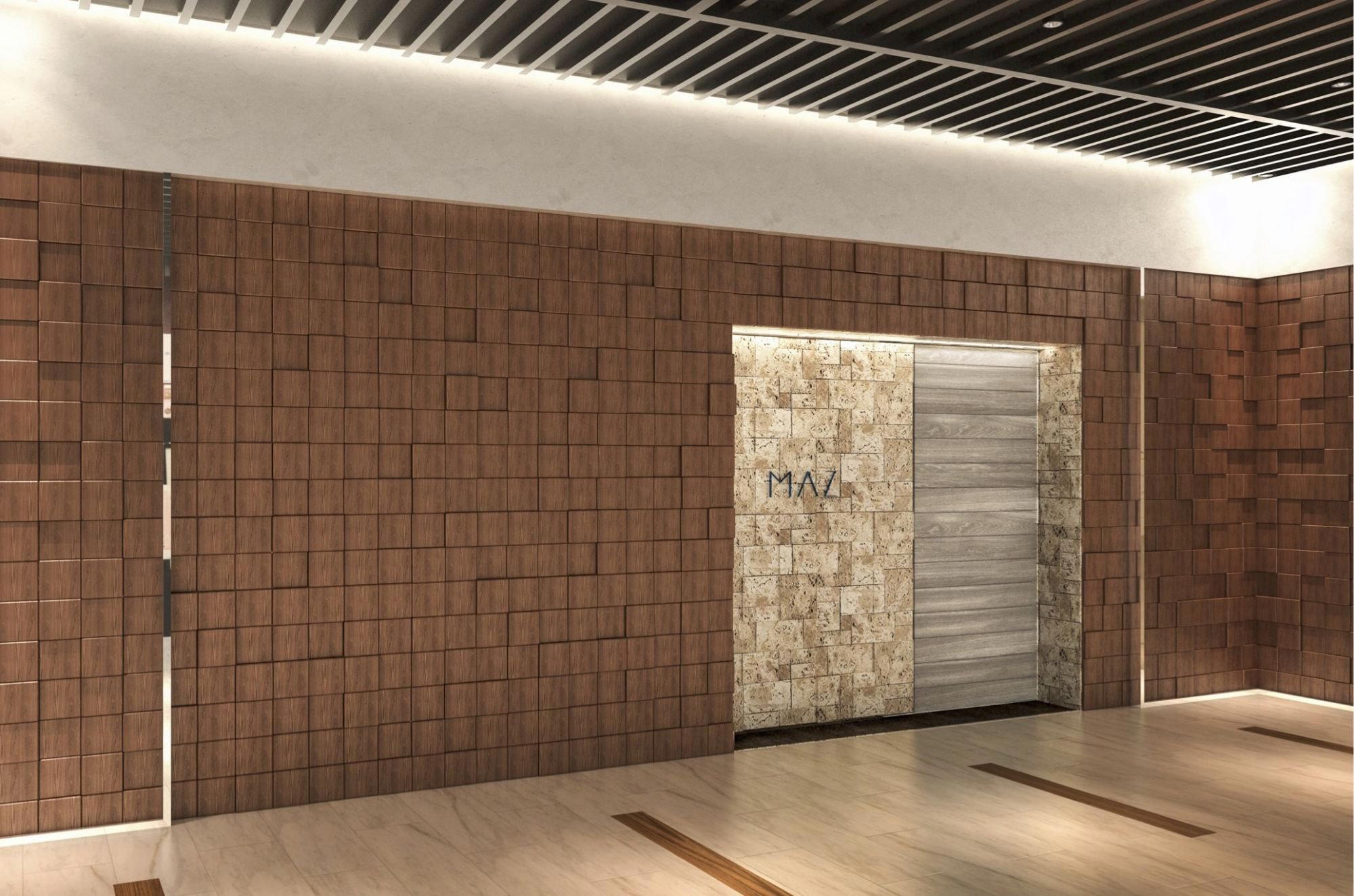
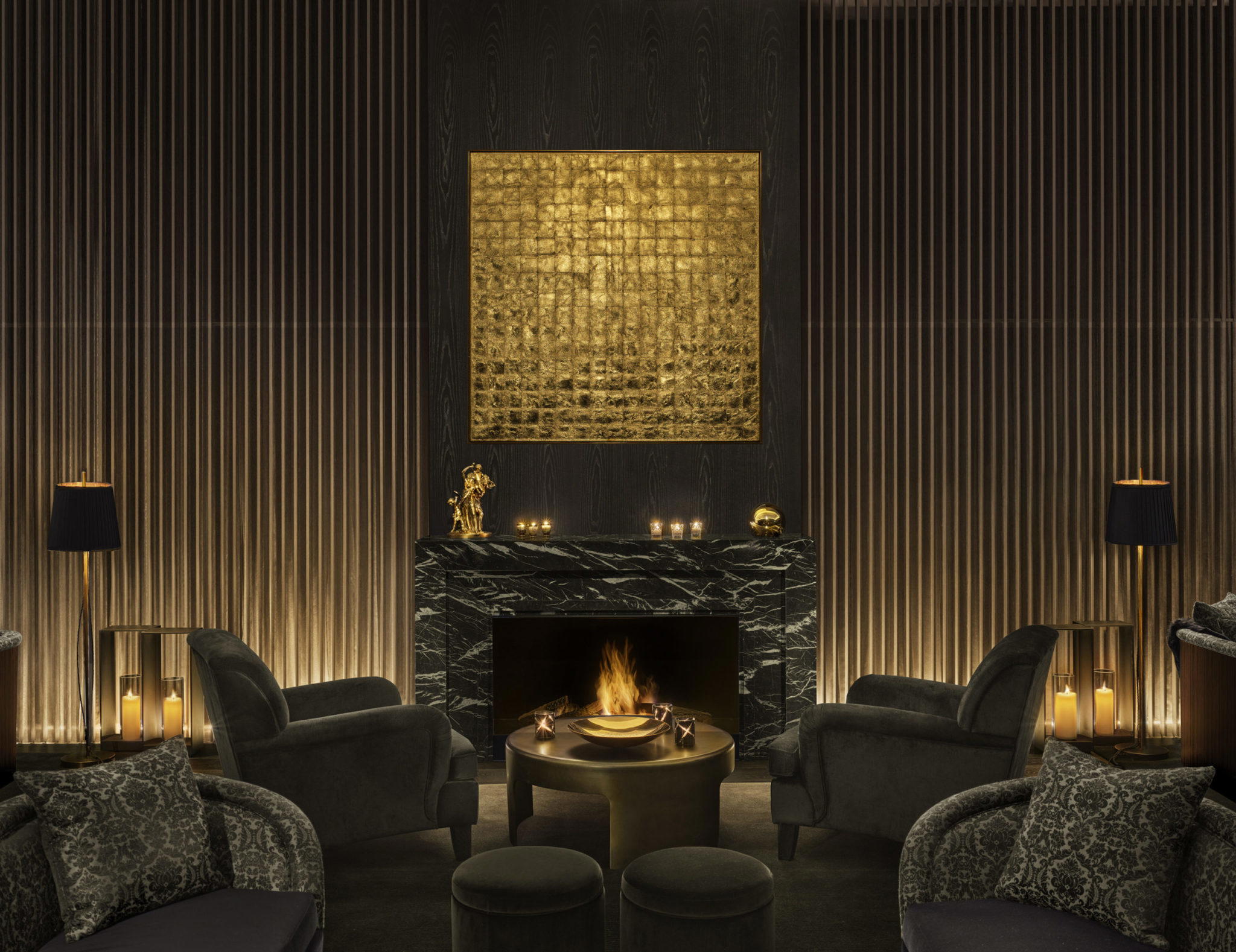
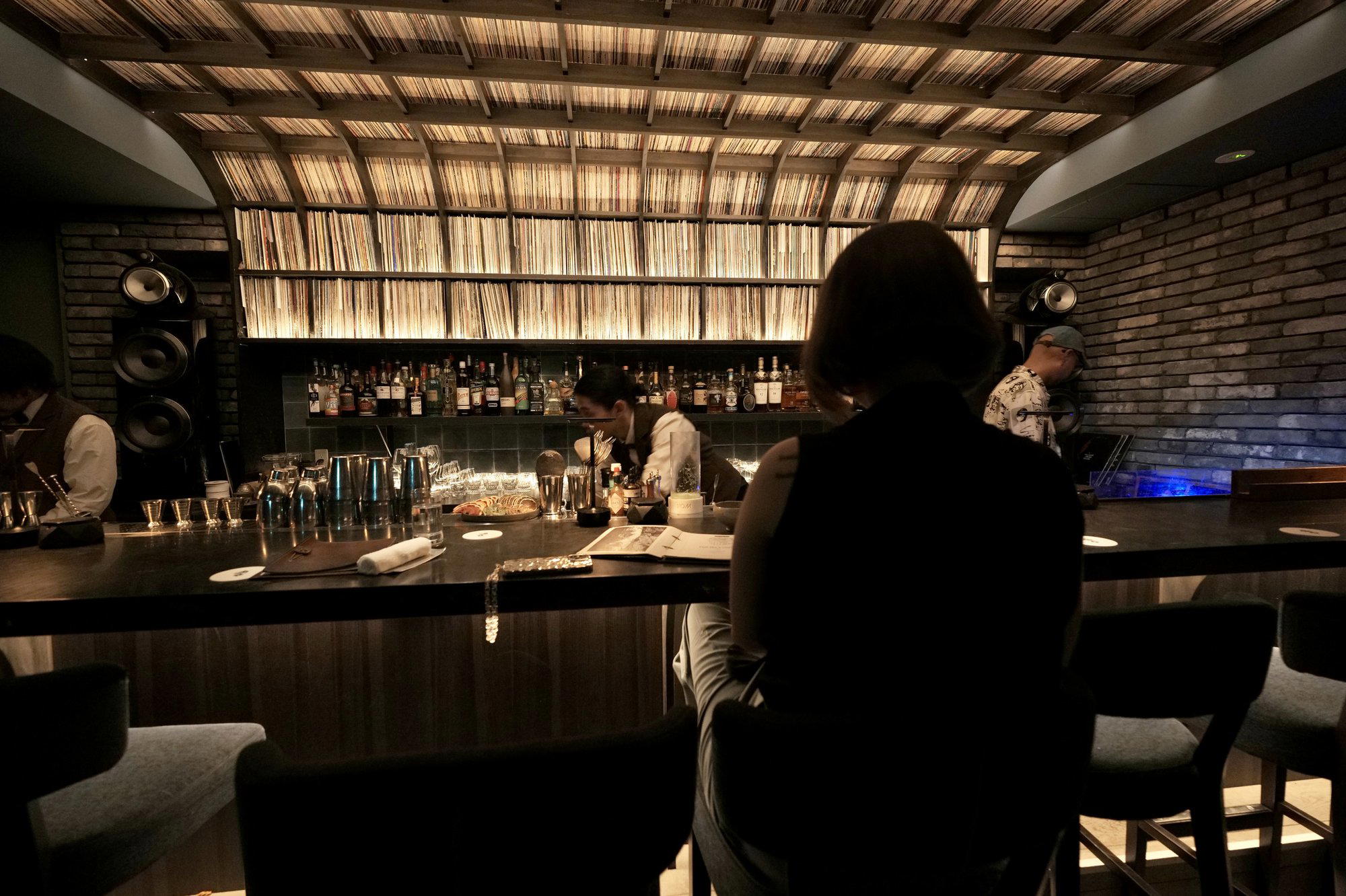
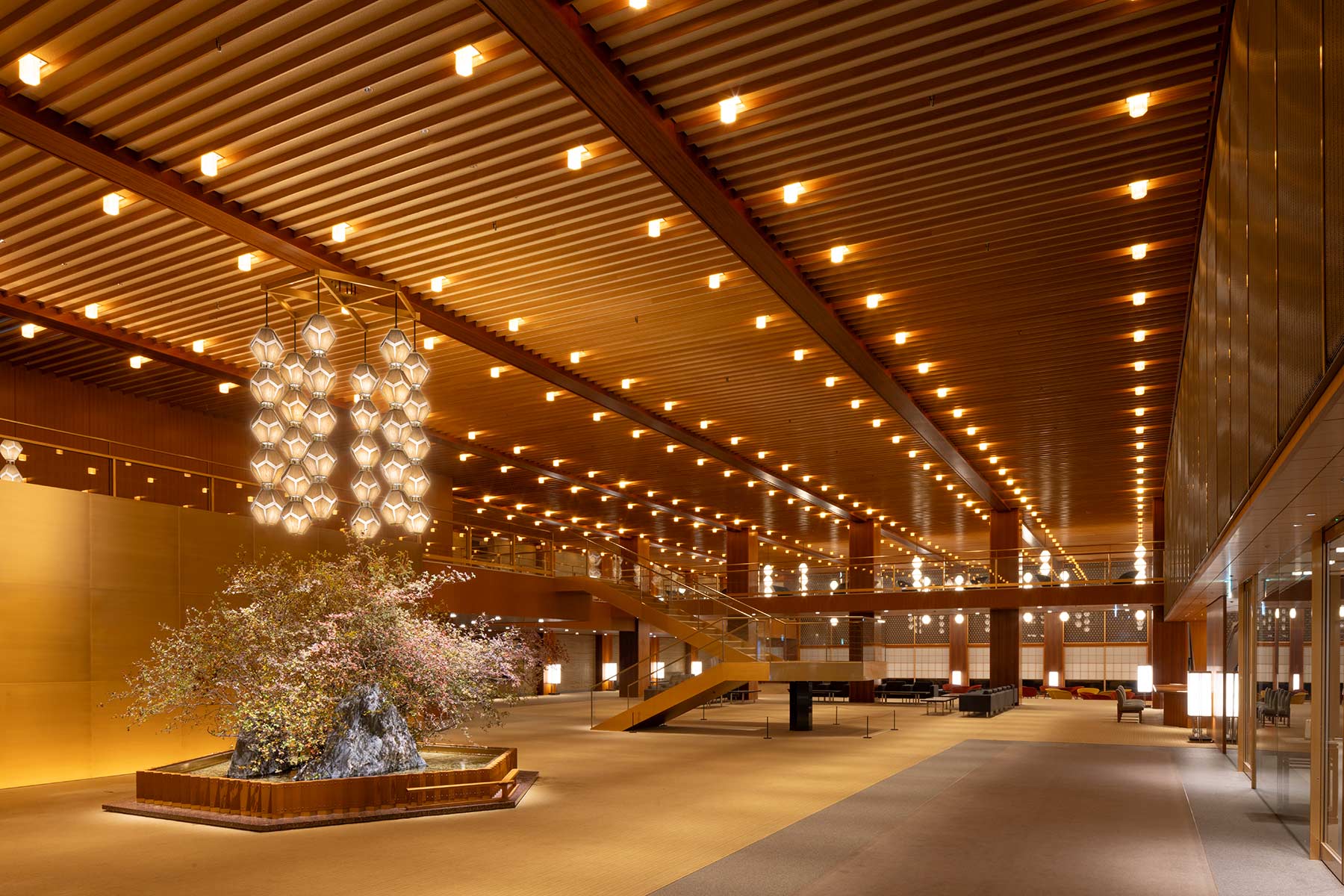
Sensory grammar remains central. Okonomiyaki is built around audible cooking: batter meeting heat, spatulas working the surface, conversation rising over the grill. In a basement inside Ark Hills South Tower, that sound is filtered through a more composed room, with non-smoking policy, wheelchair access, counter seats, sofa seating, and free Wi-Fi among the facilities. These details change who can use the place. Tokyo has many rooms where the food is casual but the physical experience is not; here, the format broadens the audience without abandoning the griddle as the meal’s centre.
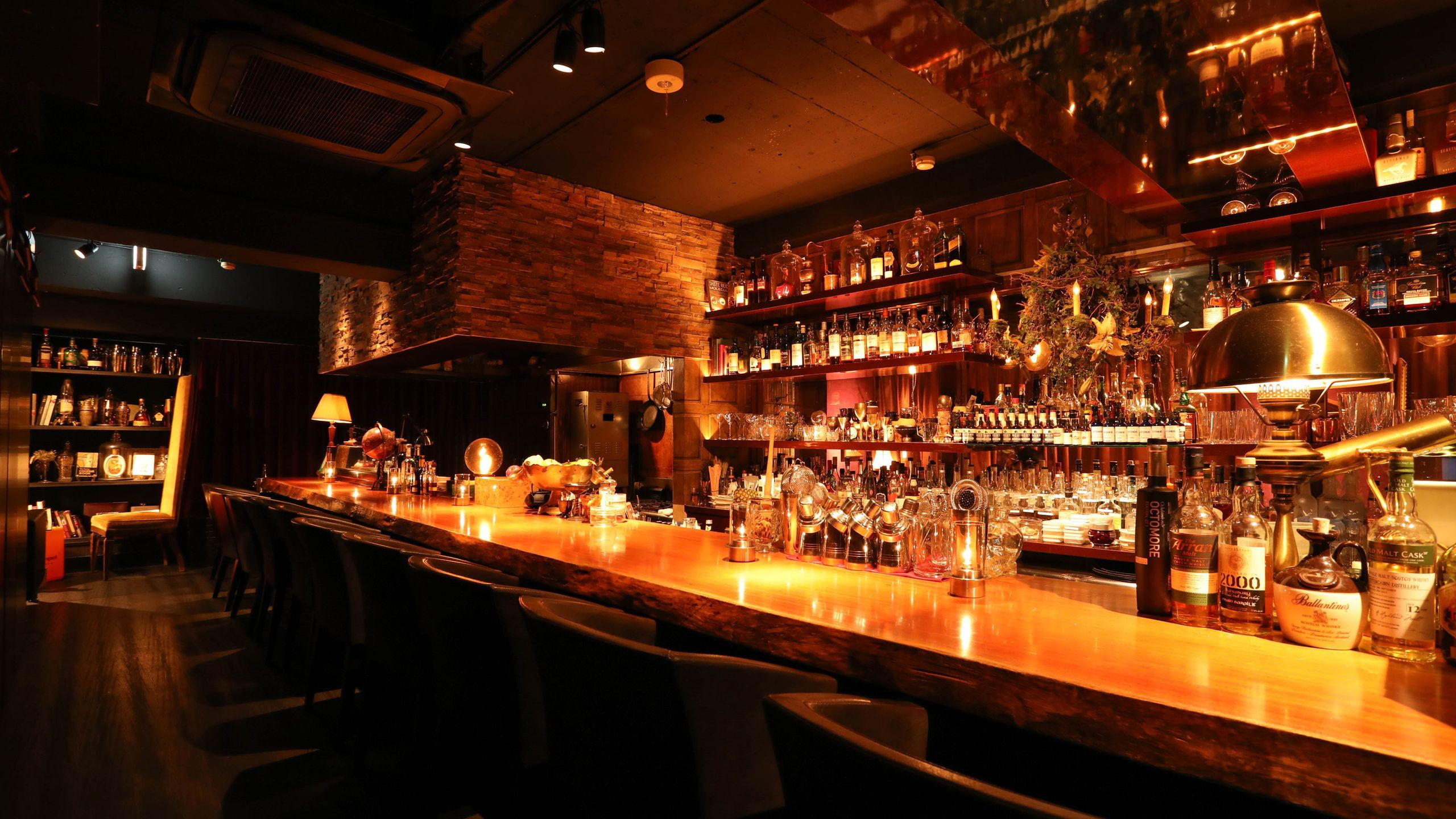
Drinks push the restaurant further into izakaya territory. Sake, shochu, and wine are offered, with particular attention listed for shochu and wine. Okonomiyaki is too often framed as beer-only food; in contemporary Tokyo casual dining, better places understand that sauce-led, vegetable-heavy, iron-plate cooking can support a wider drinking structure. Vegetarian options and an emphasis on vegetables also give the room broader range than standard meat-and-seafood teppan shorthand.
Why the recognition matters in a category built on repetition
Tabelog’s Hyakumeiten lists surface depth in categories that do not always map neatly onto international guide culture. A 2025 selection in the Okonomiyaki list, plus previous selections in 2024, 2022, 2019, and 2018, signals consistency rather than a single publicity moment. In a cuisine built on repetition, that is the relevant measure. The difference between an adequate okonomiyaki room and a serious one often lies in heat control, pacing, and whether the table leaves smelling like dinner in a way that feels charming or exhausting.
The opening date, January 14, 2014, places the restaurant in a mature phase of Roppongi redevelopment dining. This part of Tokyo is a collision zone: embassies, media offices, nightlife, luxury hotels, shopping complexes, and commuters compress into a small area. Restaurants that last solve a practical problem, offering enough comfort for business-adjacent meals, enough informality for repeat use, and enough character to avoid becoming interchangeable tenant dining. Handled well, okonomiyaki suits that middle ground.
The comparison set in Roppongi can mislead if viewed only through cuisine prestige. Pierre Gagnaire Pan Et Gateau operates in bakery and patisserie, not griddle dining; steak rooms and French rooms sell polish; sushi sells scarcity and ritual. Okonomiyaki sells heat, sharing, and momentum. Santekan’s value is not imitating the ceremony of those categories, but giving a vernacular Japanese format enough structure to function in one of Tokyo’s more international districts.
Where it fits into a Tokyo eating itinerary
This is practical for travellers who want Tokyo beyond omakase theatre without dropping into a random station meal. Lunch pricing sits at JPY 1,000 to JPY 1,999, dinner at JPY 4,000 to JPY 4,999, placing it below many Roppongi destination restaurants and above throwaway convenience. Reservations are available, though weekday lunch runs without reservations, and reserved groups are limited to two hours. Seats-only bookings require each person to order one dish or one drink, fitting the restaurant’s group-friendly, izakaya-adjacent rhythm.
Families are explicitly accommodated, including babies, preschoolers, school-age children, and strollers, which is not a throwaway Tokyo dining detail. Many compact counters tolerate children in theory but not practice. A non-smoking room, building parking, take-out service, card payments, transportation IC, and QR payments make this lower-friction than more fragile, reservation-led restaurants. The nearest station is Roppongi-itchome on the Tokyo Metro Namboku Line, a short walk away, making it useful before or after Akasaka, Azabudai, or central Roppongi.
For a wider city read, pair this griddle-led meal with other casual Japanese formats rather than treating every Tokyo dinner as a trophy reservation. EP Club’s Tokyo coverage ranges from restaurants such as . 鮪と炭火焼き うお炭 秋葉原店, 12/10 Shinjuku ten, 124. KAGURAZAKA (Yakitori), 2D Cafe, and 3 Chome no Curry Ya San to broader planning pages including Our full Tokyo restaurants guide, Our full Tokyo hotels guide, Our full Tokyo bars guide, Our full Tokyo wineries guide, and Our full Tokyo experiences guide. For regional contrast, the Japan and overseas files include -Grilled beef Sukiyaki- KAMAKURA TANUKIAN 鎌倉 たぬき庵 in Kamakura.cafe in Osaka.know in Kumamoto, (Shoku) Vietnam in Kawasaki, [Curry Senmon Ten] Maruyama Kyoju. in Sapporo, [ki:] in Kyoto, Jōdo Saké Bar in Los Angeles, and Onigiri Time in Pasadena.
Price and Recognition
Comparable venues at the same tier.
| Venue | Cuisine | Price | Notes |
|---|---|---|---|
| Toda Wataru no Okonomiyaki SantekanThis venue — the venue you are viewing | Not listed | $$ | Not listed |
| 麺処くるり 市ヶ谷本店 | Ichigaya, Miso Ramen Specialist | $$ | Not listed |
| Tonkatsu Maruichi (とんかつ丸一) | Fukagawa, Tonkatsu Specialist | $$ | Not listed |
| WAGYU BURGER HIROKIYA | Minato, Japanese Wagyu Burgers | $$ | Not listed |
| Gekko | Not listed | $$ | Shinjuku, Traditional Japanese Izakaya & Bar |
| Chacha no Ma | Shibuya, Japanese tea room & cafe | $$ | Not listed |
Recognition history
Dated appearances from independent guides and award organizations, with the underlying list record or original source where available.
Tabelog 100 #33 · No. 33
Tabelog · Tabelog 100 - Okonomiyaki - 2025






At a Glance
- Lively
- Casual
- Cozy
- Casual Hangout
- After Work
- Group Dining
- Family
- Solo
- Open Kitchen
- Standalone
- Beer Program
Casual, bustling basement okonomiyaki shop with counter seats facing the hot griddle and simple table seating, focused on the sensory experience of watching and smelling dishes cooked in front of you rather than on elaborate decor.