
Ebisu no Yasubee brings Tokyo’s gyoza-and-izakaya rhythm into sharp focus: compact, informal, and built around repeatable pleasure rather than ceremony. Its Tabelog 100 Dumplings selections in 2019, 2021, and 2024 place it in a serious dumpling conversation, while the Ebisu setting keeps the meal tied to after-work drinking culture rather than destination tasting-menu theatre.
Pearl is the En Primeur Club membership app — saves, bookings, and concierge access live there. Same editors, same standards.
- Address
- Japan, 〒150-0013 Tokyo, Shibuya, Ebisu, 4 Chome−9−15 萩原ビル 1F
- Phone
- +81 3-3445-3008
- Website
- mfc-group.jp
 Saves & bookings on Pearl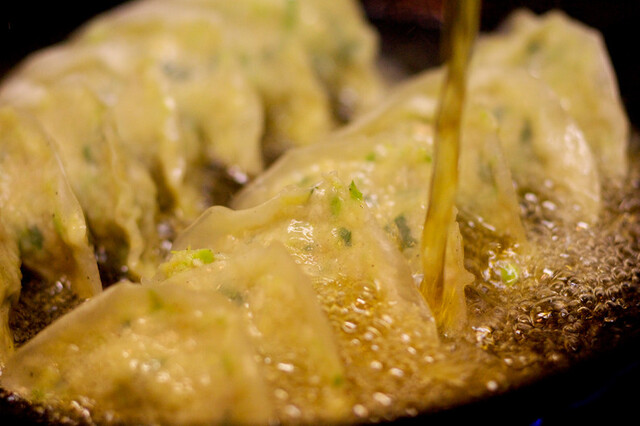
Ebisu changes register after office hours. The station area sheds its commuter efficiency and turns into a grid of small rooms, counter seats, smoke-free izakaya formats, and quick decisions about what to drink first. In that setting, gyoza works less like a side order than a pacing device: a plate arrives, glasses are refilled, another plate follows, and the meal builds through repetition rather than a formal course sequence.
Tokyo’s dumpling culture rewards narrow focus. The city can support high-price sushi counters such as 12/10 Shinjuku ten and specialist yakitori rooms such as 124. KAGURAZAKA (Yakitori), but its casual dining intelligence often shows more clearly in places that do one everyday category with unusual consistency. Ebisu no Yasubee belongs to that second Tokyo: compact, direct, and judged by whether a short order can hold attention across a full evening.
Gyoza as the structure of the night, not a side dish
The useful way to read a dumpling izakaya is through progression. The first round sets the tempo, the next tests whether the room can sustain appetite, and the drinks decide whether the meal stays brief or turns into a longer session. Ebisu no Yasubee’s category listing, dumpling and izakaya, matters because it places the cooking inside a drinking format rather than a restaurant format built around a chef’s tasting arc. Sake and shochu are part of that grammar, not decorative add-ons.
Recognition by Tabelog 100 Dumplings in 2019, 2021, and 2024 gives the address a measurable position inside Japan’s crowded gyoza field. That is a different signal from Michelin-style fine dining recognition: it points to category authority, repeat local evaluation, and execution in a dish family that Tokyo diners know well. A Tabelog score of 3.66 also sits in a zone where Japanese user ratings often indicate sustained local confidence rather than tourist-driven hype.
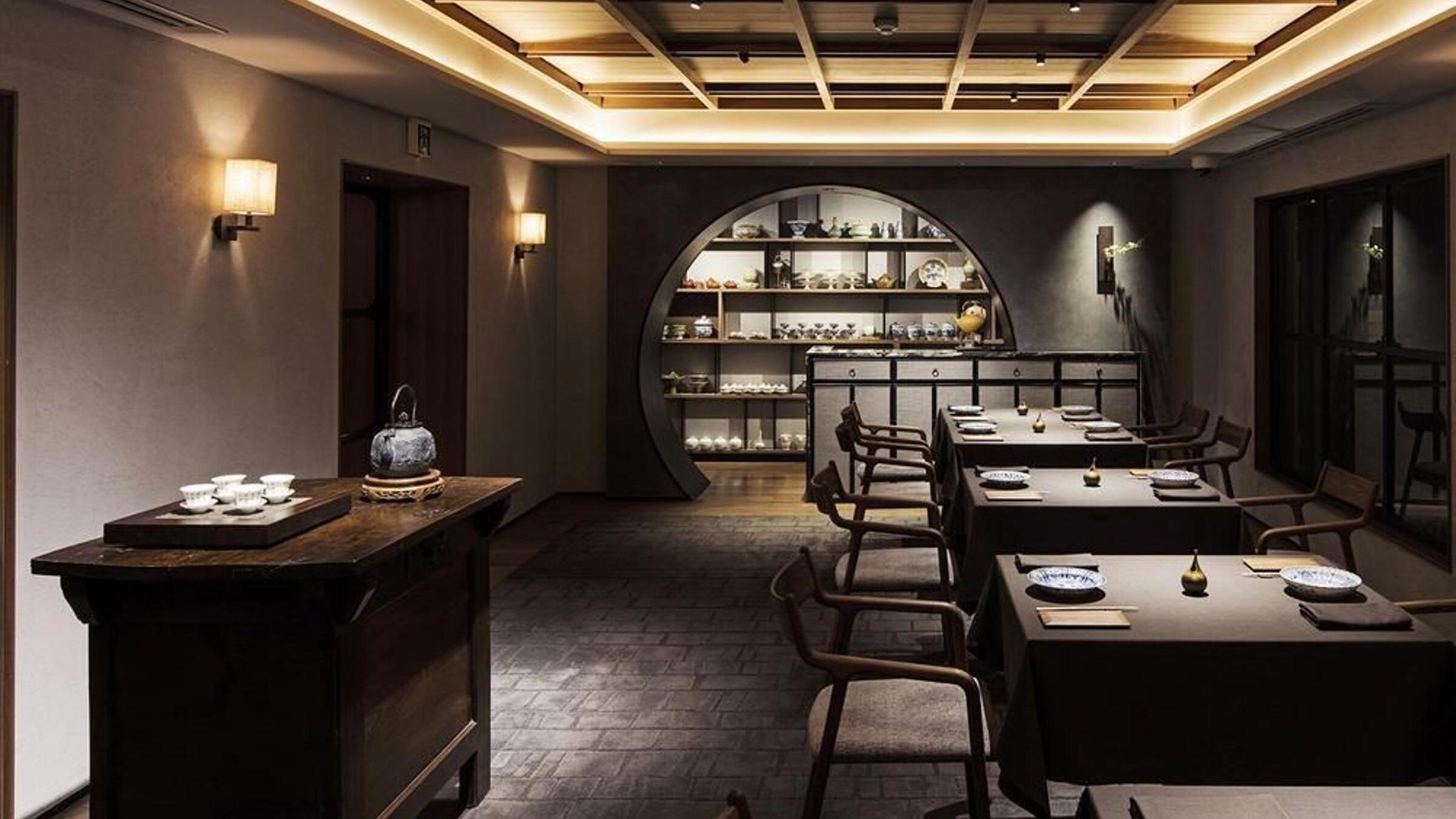
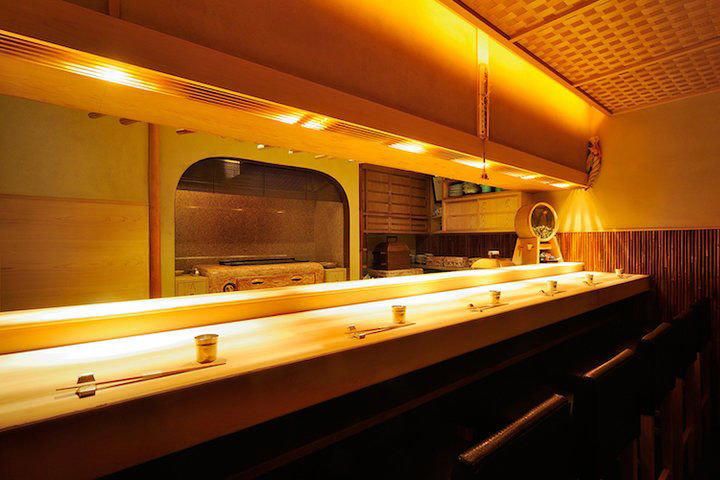
The format is deliberately unprecious. Counter seating and an open terrace create a room better suited to short exchanges and shared plates than hushed ceremony. That distinction matters in Ebisu, where dinner often sits between work, a second bar, and a last train. Compared with higher-priced Tokyo counters such as Sushi Shinpaku, or composed Japanese dining rooms such as Oryori Ichiho, the value here is not rarity of ingredient or extended service choreography. It is the compression of a city habit into a meal that can be read quickly and repeated often.
Ebisu's casual dining strength is precision without ceremony
Ebisu has long been one of Tokyo’s more useful dining neighborhoods because it can absorb multiple moods on the same evening. A guest can move from grilled seafood at . 鮪と炭火焼き うお炭 秋葉原店 elsewhere in the city to dumplings here without changing the basic Tokyo logic: small spaces, tight menus, and food designed to work with drinks. The neighborhood’s appeal is not spectacle. It is density, timing, and the absence of wasted motion.
That is why Ebisu no Yasubee reads as a Tokyo specialist rather than a novelty stop. The address has operated since 2010, and its public story links the Yasubee name to a food-stall origin dating back to 1970. In a city where restaurant trends turn quickly, that lineage matters less as nostalgia than as format discipline. Dumplings born from stall culture are built for speed, repetition, and immediate judgment; a table does not need a long explanation to know whether the next order makes sense.
The audience signal is equally clear. Children are welcome, and the listed occasions skew toward family and friends. That places the room away from the hushed luxury tier and closer to Tokyo’s democratic eating culture, where a serious kitchen can still operate in a casual social register. For travelers mapping the city, it belongs beside other sharply defined low-ceremony stops, from curry specialists such as 3 Chome no Curry Ya San to visual café formats like 2D Cafe, each showing how Tokyo segments everyday cravings into highly specific rooms.
How to place it within a Tokyo eating itinerary
The smarter itinerary use is as an evening anchor rather than a grand finale. The meal’s natural rhythm suits a first stop before cocktails, a casual dinner after a day across Shibuya and Daikanyama, or a lower-pressure counterpoint to reservation-heavy dining elsewhere. For visitors building a broader plan, Our full Tokyo restaurants guide gives the citywide restaurant frame, while Our full Tokyo bars guide helps pair Ebisu’s izakaya tempo with a later drink. Travelers staying across the city can cross-check neighborhood logistics through Our full Tokyo hotels guide.
Wider Japanese dining map helps explain the appeal. Regional and category-specific addresses, from -Grilled beef Sukiyaki- KAMAKURA TANUKIAN 鎌倉 たぬき庵 in Kamakura to [ki:] in Kyoto, show how Japan rewards focused formats. Casual specialists outside Tokyo, including.cafe in Osaka.know in Kumamoto, (Shoku) Vietnam in Kawasaki, and [Curry Senmon Ten] Maruyama Kyoju. in Sapporo, make the same point in different dialects: specialization is often the luxury, even when the room is informal.
For international readers, the comparison can extend beyond Japan without flattening the category. Jōdo Saké Bar in Los Angeles and Onigiri Time in Pasadena show how Japanese drinking and snack formats travel, but Tokyo keeps the sharper edge because the competition is constant and local expectations are unforgiving. For broader planning beyond restaurants, Our full Tokyo experiences guide and Our full Tokyo wineries guide round out the city context, though this particular meal is better understood through dumplings, drinks, and neighborhood timing than through luxury travel taxonomy.
The critical point is simple: the restaurant is not trying to imitate Tokyo’s formal dining hierarchy. It sits in a category where the arc of the meal is built from repeat orders, a lively room, and the satisfaction of a narrow brief handled with confidence. In a city that can turn dinner into a test of access, that kind of clarity has its own authority.
Cuisine-First Comparison
Comparable venues for context, by category and price tier.
| Venue | Cuisine | Price | Notes |
|---|---|---|---|
| Ebisu no YasubeeThis venue — the venue you are viewing | Kochi‑style gyoza izakaya | $$ | Not listed |
| Kooriya Peace | Japanese Kakigori Shaved Ice | $$ | Kichijoji |
| Coffee Tengoku | Retro Japanese Pancake Cafe | $$ | Asakusa |
| Tonkatsu Meguro Kogane | Traditional Tonkatsu (Hayashi SPF Pork) | $$ | Shinagawa |
| 虎峰 | japanese | Not listed | Minato |
| Gyoza Mania Shinagawa hon ten | Gyoza-focused Japanese Izakaya | $$ | Minato |
Recognition history
Dated appearances from independent guides and award organizations, with the underlying list record or original source where available.
Tabelog 100 #31 · No. 31
Tabelog · Tabelog 100 - Dumplings - 2024










At a Glance
- Lively
- Cozy
- Energetic
- After Work
- Casual Hangout
- Group Dining
- Late Night
- Solo
- Standalone
- Open Kitchen
- Beer Program
- Sake Program
- Local Sourcing
- Street Scene
Current opening hours
- Monday
- 4–11:30 PM
- Tuesday
- 4–11:30 PM
- Wednesday
- 4–11:30 PM
- Thursday
- 4–11:30 PM
- Friday
- 4–11:30 PM
- Saturday
- 3–11:30 PM
- Sunday
- 3–11:30 PM
Hours can change for holidays and private events. Last verified .
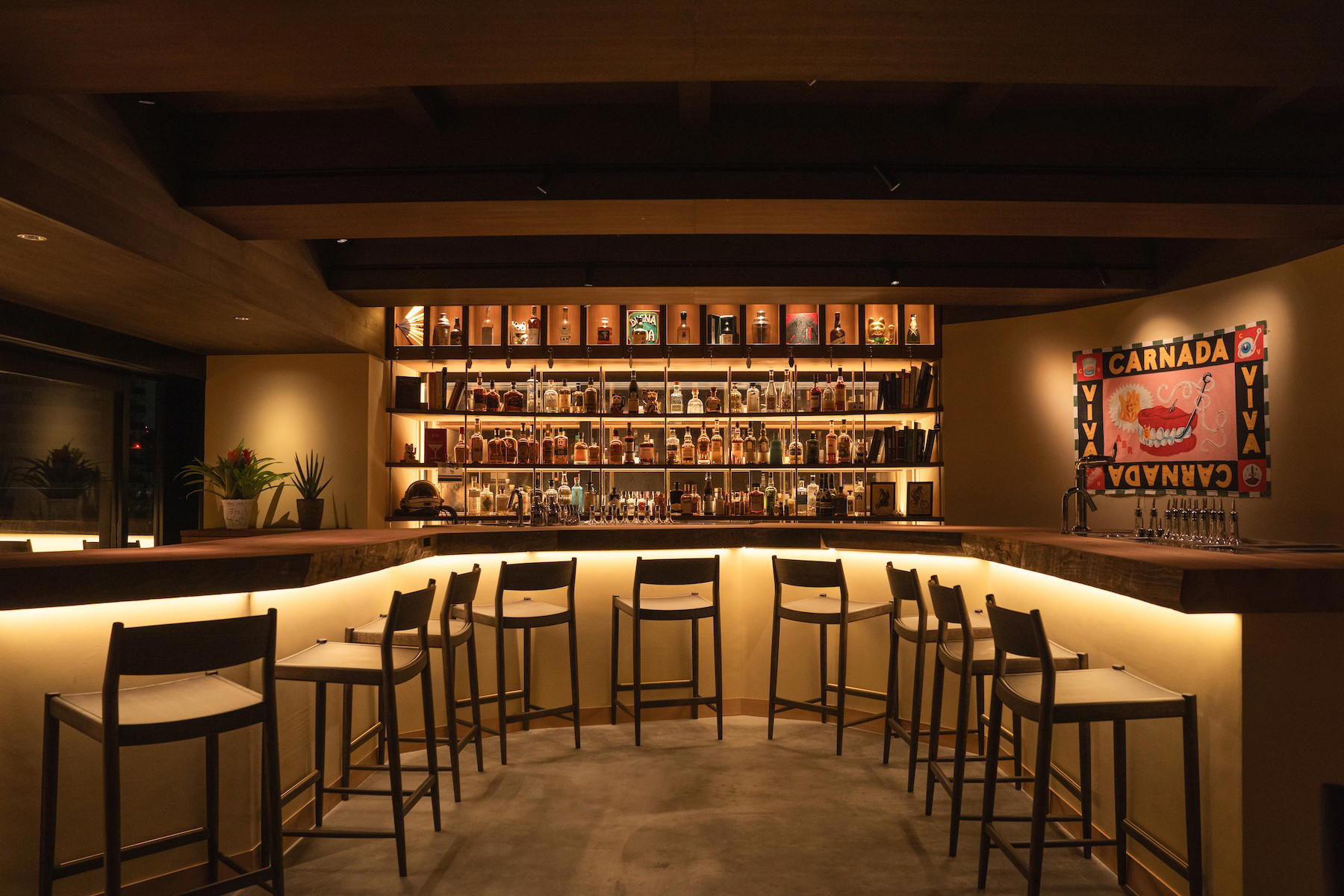
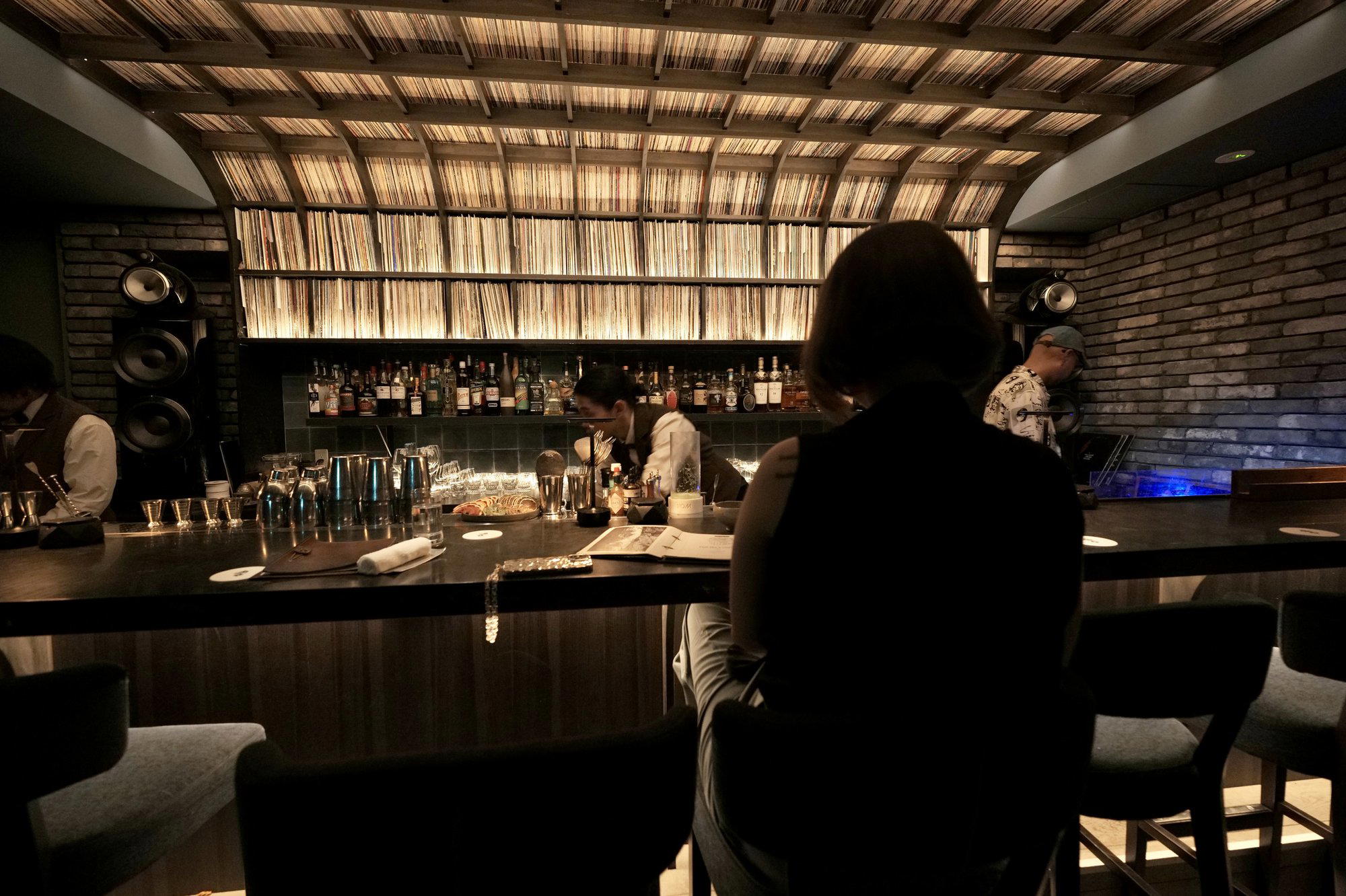
A casual, bustling izakaya with counter seats and a few terrace tables, dimly lit and relaxed, where guests share plates of gyoza over drinks in a laid‑back, neighborhood stall‑style atmosphere.