A tempura specialist in Hiroo, Tokyo, 天てんぷら うち津 places itself within the quieter, neighbourhood-rooted end of the capital's frying counter tradition. The format follows the disciplined pacing of counter tempura: ingredient by ingredient, oil at temperature, silence between each piece. Hiroo's residential character keeps the atmosphere grounded, a contrast to the more theatrical high-end tempura rooms of Ginza or Roppongi.
Pearl is the En Primeur Club membership app — saves, bookings, and concierge access live there. Same editors, same standards.
- Address
- Japan, 〒150-0012 Tokyo, Shibuya, Hiroo, 5 Chome−25−4 宝ビル 1階
- Phone
- +81364089591
- Website
- tempura-uchitsu.com
- Directions
- Get directions
 Saves & bookings on Pearl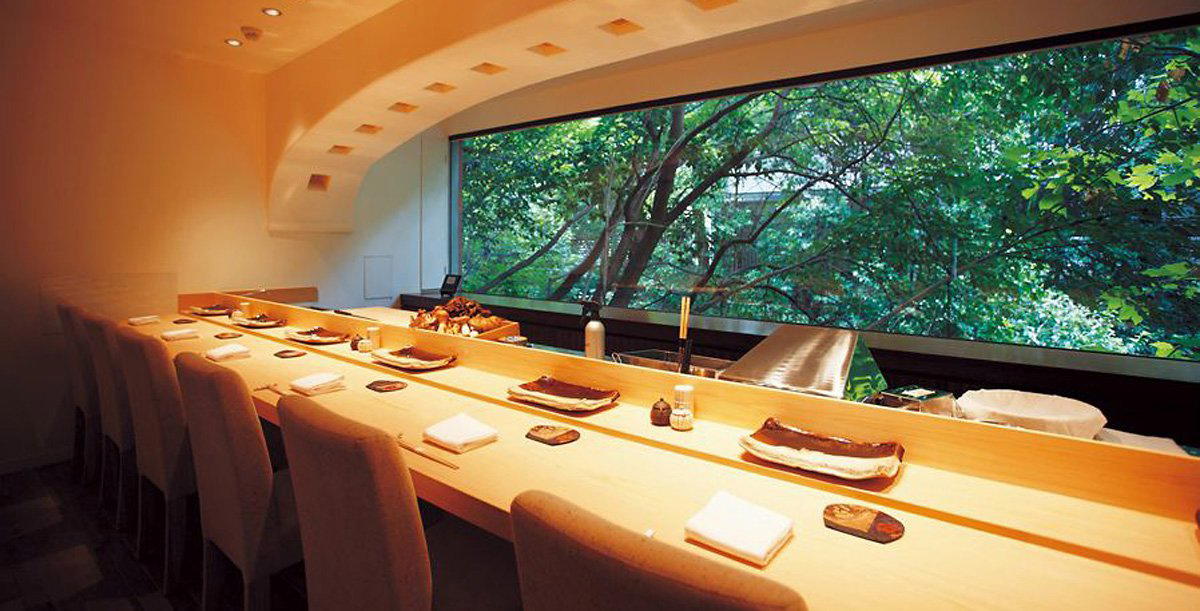
The Counter Tradition This Address Belongs To
天てんぷら うち津 is a restaurant in Hiroo, Shibuya, Tokyo, serving Traditional Japanese Tempura Omakase at about $150 per person. The Edo-period street stall origins gave way, over centuries, to counter formats where a single cook works the oil in full view of the guest, the sequence of ingredients dictating the pace of the meal. By the late twentieth century, that counter format had split into two recognisable tiers: the Ginza and Roppongi rooms with reservation lead times measured in months and omakase prices to match, and the neighbourhood specialists where the same technical discipline operates at a scale closer to the everyday. 天てんぷら うち津, located on a residential stretch of Hiroo in Shibuya ward, operates within that second category, where the quality of the frying matters as much as the address.
Hiroo is one of Tokyo's more composed dining neighbourhoods. The embassies nearby and the long-established expatriate community have historically meant a mix of international and Japanese formats coexisting at mid-to-upper price points, without the spectacle density of the central hotel districts. A tempura counter here signals something different from a Ginza equivalent: the clientele tends to be local or repeat rather than destination-driven, and the rhythm of service reflects that.
Reading the Ritual at the Counter
The customs governing a serious tempura meal are specific and worth understanding before you sit down. The format is omakase by convention: you do not order from a menu but rather receive ingredients in a sequence the cook determines, typically moving from lighter, more delicate items through to richer, heavier pieces. The pacing is unhurried. Each piece arrives individually, meant to be eaten immediately while the batter retains its texture. Waiting at a tempura counter is not passive; there is a reading of the cook's rhythm, the order in which ingredients appear, and the temperature of the oil as it fluctuates between frying cycles.
The etiquette around condiments is also particular. The classic accompaniments are tentsuyu (a light dipping broth of dashi, mirin, and soy) and finely grated daikon. Salt, often with citrus, is the alternative for pieces where the batter should speak without interference. A skilled tempura cook will indicate, or the context will make clear, which pieces suit which approach. At the neighbourhood counter level, this guidance is often quieter, less theatrical than at the high-profile rooms where a formal explanation accompanies each piece.
This distinction matters when framing what 天てんぷら うち津 represents in the broader scene. The same technical standards apply, the same sourcing attention to seasonal vegetables, live seafood, and the quality of the frying oil, but the delivery is closer to a working restaurant than a performance. That is a meaningful difference for a certain type of traveller or local diner, one who prefers the craft without the ceremony tax.
Where This Fits in Tokyo's Tempura Hierarchy
Tokyo's tempura scene has a recognisable competitive structure. At the leading, counters like Kondo in Ginza carry Michelin recognition and multi-month booking queues. Below that tier, a layer of serious specialist counters operates across the city's residential and secondary commercial neighbourhoods, technically capable but without the award apparatus. The restaurant operates in that second layer, which is not a demotion but a different market position entirely, one where the repeat local diner is as likely to be at the counter as the visiting food traveller.
For comparison, Tokyo's high-end dining scene at the ¥¥¥¥ tier covers a wide range of formats. Harutaka represents the omakase sushi counter at its most concentrated, while RyuGin operates kaiseki at a level where the seasonal calendar drives every decision. L'Effervescence and Sézanne represent the French-in-Tokyo tier that has absorbed significant Michelin attention in recent years. Crony sits in the innovative French bracket. What all of these share is a formal, fully structured format and a booking process calibrated to demand. The neighbourhood tempura counter sits apart from that ecosystem, closer in spirit to the artisan workshop than the destination restaurant.
For readers building a broader Japan itinerary, the same counter-format discipline appears in different cuisines across the country. HAJIME in Osaka and Gion Sasaki in Kyoto each demonstrate how the single-cook, counter-driven format translates across Japanese cuisine categories. Further afield, akordu in Nara and Goh in Fukuoka extend the conversation about what specialist dining looks like outside the major urban centres. Regional specialists also include 一本木 名川製 in Nanao, 大仙山乃 in Sapporo, 湖畔庄 in Takashima, and 吉羽屋 in Nishikawa Machi, each mapping a different regional expression of the Japanese dining tradition. For those approaching from a Western reference point, the discipline of product-first tasting formats at places like Le Bernardin in New York City or Atomix shares a structural logic with the omakase model, even if the ingredients and rituals differ entirely. Additional context on Japanese dining formats outside the restaurant category can be found via Birdland in Sakai and Bistro Ange in Toyohashi.
Planning Your Visit
The restaurant is located at 5 Chome-25-4 宝ビル 1階, Hiroo, Shibuya, Tokyo. The address places it within walking distance of Hiroo Station on the Hibiya line.
Quick reference: Hiroo, Shibuya ward, Tokyo. Counter tempura format. Reservation recommended; confirm hours directly.
Where the Accolades Land
Comparable venues nearby, for context on price, style, and recognition.
| Venue | Cuisine | Price | Notes |
|---|---|---|---|
| 天てんぷら うち津This venue — the venue you are viewing | Traditional Japanese Tempura Omakase | $$$$ | Not listed |
| Sushi Sho | Traditional Edomae Sushi Omakase | $$$$ | Nishiazabu |
| Fukuji (ふぐ福治) | Natural Tiger Fugu Fine Dining | $$$$ | Ginza |
| 重よし | Traditional Japanese Kappo | $$$$ | Shibuya |
| 江戸前芝浜 | Edomae Omakase | $$$$ | Minato |
| 新宿割烹 中嶋 | Classic Robatayaki | $$$$ | Shinjuku |














At a Glance
- Intimate
- Elegant
- Sophisticated
- Quiet
- Special Occasion
- Date Night
- Business Dinner
- Chefs Counter
- Open Kitchen
- Garden
- Sake Program
- Farm To Table
- Local Sourcing
- Garden
Current opening hours
- Monday
- 6–11 PM
- Tuesday
- 6–11 PM
- Wednesday
- 6–11 PM
- Thursday
- 6–11 PM
- Friday
- 6–11 PM
- Saturday
- 6–11 PM
- Sunday
- Closed
Hours can change for holidays and private events. Last verified .
Warm, welcoming space with a calm atmosphere. Counter seating for 6 guests allows direct observation of the chef's meticulous preparation. Natural light from the garden creates a serene, refined dining environment.