重よし occupies a residential block in Jingumae, Shibuya, at a remove from Tokyo's more conspicuous dining corridors. With virtually no public record of awards, pricing, or menu format, it sits in the category of Tokyo restaurants that operate on word-of-mouth depth rather than critical visibility. That opacity is itself a signal worth reading before you book.
Pearl is the En Primeur Club membership app — saves, bookings, and concierge access live there. Same editors, same standards.
- Address
- Japan, 〒150-0001 Tokyo, Shibuya, Jingumae, 6 Chome−35−3 コープオリンピア
- Phone
- +81334004044
- Directions
- Get directions
 Saves & bookings on Pearl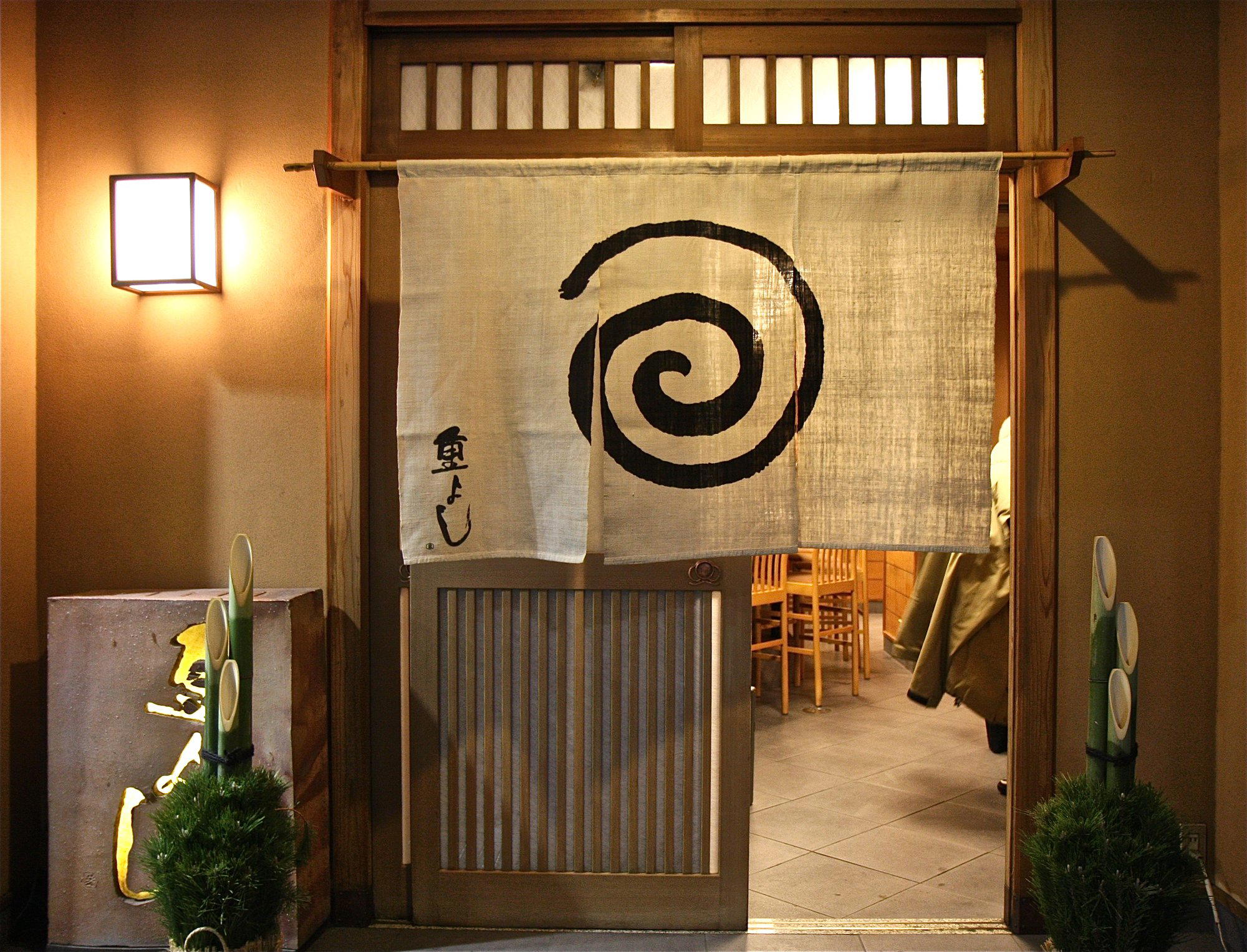
What Tokyo's Quietest Dining Rooms Actually Signal
Tokyo's premium restaurant scene has developed a recognisable two-speed structure. One tier courts visibility: Michelin stars, 50 Best listings, international press, and the booking queues that follow. The other tier does the opposite, operating in residential pockets, without English-language websites or published menus, relying on a clientele that already knows where to look. 重よし, addressed to a Jingumae block in Shibuya that sits closer to a quiet Co-op building than to Omotesando's restaurant strip, reads as the second kind of place. Understanding what that means for a visitor is more useful than any venue profile.
Jingumae is a neighbourhood of contradictions. It contains some of Tokyo's most photographed streetwear retail and, within a few blocks, some of its most understated traditional dining. The co-existence is not accidental: the area's density of long-term residents and creative professionals has sustained a class of restaurants that do not need foot traffic to survive. Comparing this to the visibility-seeking dining of Ginza or Minami-Aoyama is instructive. Counters like Harutaka in Ginza operate at the summit of the sushi tier with explicit credentials and international recognition. 重よし, by contrast, generates no such public trail, which places it in a category where the menu architecture and the dining experience are essentially unknowable in advance without a personal introduction.
Reading the Address
コープオリンピア, the building cited in the address, is a 1960s residential cooperative near Harajuku that has long housed a mixture of apartments and small, carefully run businesses. The building is not a dining destination in any conventional sense: there are no clusters of restaurants on its ground floor, no signs pointing inward. A restaurant choosing this address is communicating something through the choice itself. It is not positioning for discovery; it is positioning for return visits from people who have already been told where to go.
This dynamic is well-documented in Tokyo dining. Some of Japan's most considered restaurants have historically operated from buildings that seem designed to exclude casual passers-by. The mechanism works because Japanese dining culture, at this tier, often functions through紹介 (referral): a guest introduces another guest, the network is self-selecting, and the room fills without any outward signal. Whether 重よし operates on a strict referral basis or accepts reservations from first-time visitors through other means is not something the public record confirms. What the address pattern does confirm is that this restaurant does not appear to be optimised for the international visitor arriving without a local connection.
Menu Architecture and What Its Absence Tells You
That absence is itself a form of data. Restaurants that publish menus, or at least cuisine categories, are usually trying to communicate a value proposition to strangers. Restaurants that publish nothing are usually communicating only to those already inside the network.
In Tokyo's traditional dining context, this often points toward one of two formats: an omakase structure, where the chef determines the sequence entirely and the menu changes with the season and market availability, or a kappo format, where the counter allows for more interaction and selection within a framework the kitchen controls. Both formats are common in the Jingumae-to-Aoyama corridor. Counters like RyuGin in Roppongi operate kaiseki formats with considerable public documentation of their seasonal philosophy. 重よし's total absence from that documentation suggests either a much smaller public footprint or a deliberate choice to remain outside the review ecosystem entirely.
For the reader deciding whether to pursue a reservation, this matters practically. A restaurant with a published cuisine classification and price point can be compared against L'Effervescence or Sézanne on a standard axis. It sits outside the tier comparisons that normally guide booking decisions for international visitors. That is not a criticism; it is a structural fact about what this restaurant is and who it is for.
Where This Sits in the Tokyo Dining Picture
Tokyo's premium dining market has expanded dramatically in the past decade, pulling in more international visitors and generating more English-language documentation of previously opaque venues. The effect has been to make the undocumented restaurant rarer, and in some ways more significant, than it was when the city had fewer internationally reviewed options. Venues like Crony in Minami-Aoyama represent the newer wave: innovative, internationally legible, critically recognised. 重よし, if it is what its address and its silence suggest, belongs to a different and older model.
That model is worth taking seriously as a category. Japanese cities outside Tokyo also sustain it: Gion Sasaki in Kyoto operates with public recognition but retains the essential character of a room built for regulars; HAJIME in Osaka sits at the opposite end, with full international documentation. The spectrum is wide, and 重よし appears to sit at the quieter end of it, in Tokyo, in a neighbourhood where that quietness is not unusual for a certain kind of serious restaurant.
For readers building a broader Japan itinerary, the guide covers restaurants across this spectrum.
Planning a Visit: What to Know Before You Try
The practical advice here is necessarily cautious. A restaurant at this address, with this level of public invisibility, is unlikely to be bookable through the standard international reservation platforms. Visitors who have successfully dined here almost certainly arrived via a local contact, a hotel concierge with an established relationship, or a Japanese-speaking intermediary. Without one of those entry points, pursuing a reservation independently may not be productive.
For visitors to whom this kind of approach is familiar, the Jingumae address is direct to reach: Harajuku Station on the JR Yamanote Line and Meiji-Jingumae Station on the Tokyo Metro Chiyoda and Fukutoshin lines place the building within a short walk. The neighbourhood is quiet at dinner hours compared to the daytime retail energy of the surrounding streets. Comparable international reference points, in terms of the opacity of the entry process rather than the cuisine, include venues like Atomix in New York, though that venue operates at a publicly documented and internationally recognised level that 重よし does not match in the public record.
Reputation First
Comparable venues nearby, for context on price, style, and recognition.
| Venue | Cuisine | Price | Notes |
|---|---|---|---|
| 重よしThis venue — the venue you are viewing | Traditional Japanese Kappo | $$$$ | Not listed |
| Akasaka Asada | Traditional Kaga Kaiseki (Ryotei) | $$$$ | Akasaka |
| Sushi Mitani (鮨 三谷) | Edomae-style Omakase | $$$$ | Yotsuya |
| 新宿割烹 中嶋 | Classic Robatayaki | $$$$ | Shinjuku |
| Sushi Murase | Aged Edomae Omakase | $$$$ | Minato |
| 恵比寿えんどう | Edomae Omakase Sushi | $$$$ | Shibuya |











At a Glance
- Elegant
- Classic
- Intimate
- Sophisticated
- Special Occasion
- Business Dinner
- Chefs Counter
- Open Kitchen
- Sake Program
Current opening hours
- Monday
- Closed
- Tuesday
- Closed
- Wednesday
- 5:30–10 PM
- Thursday
- 5:30–10 PM
- Friday
- 5:30–10 PM
- Saturday
- 5:30–10 PM
- Sunday
- Closed
Hours can change for holidays and private events. Last verified .
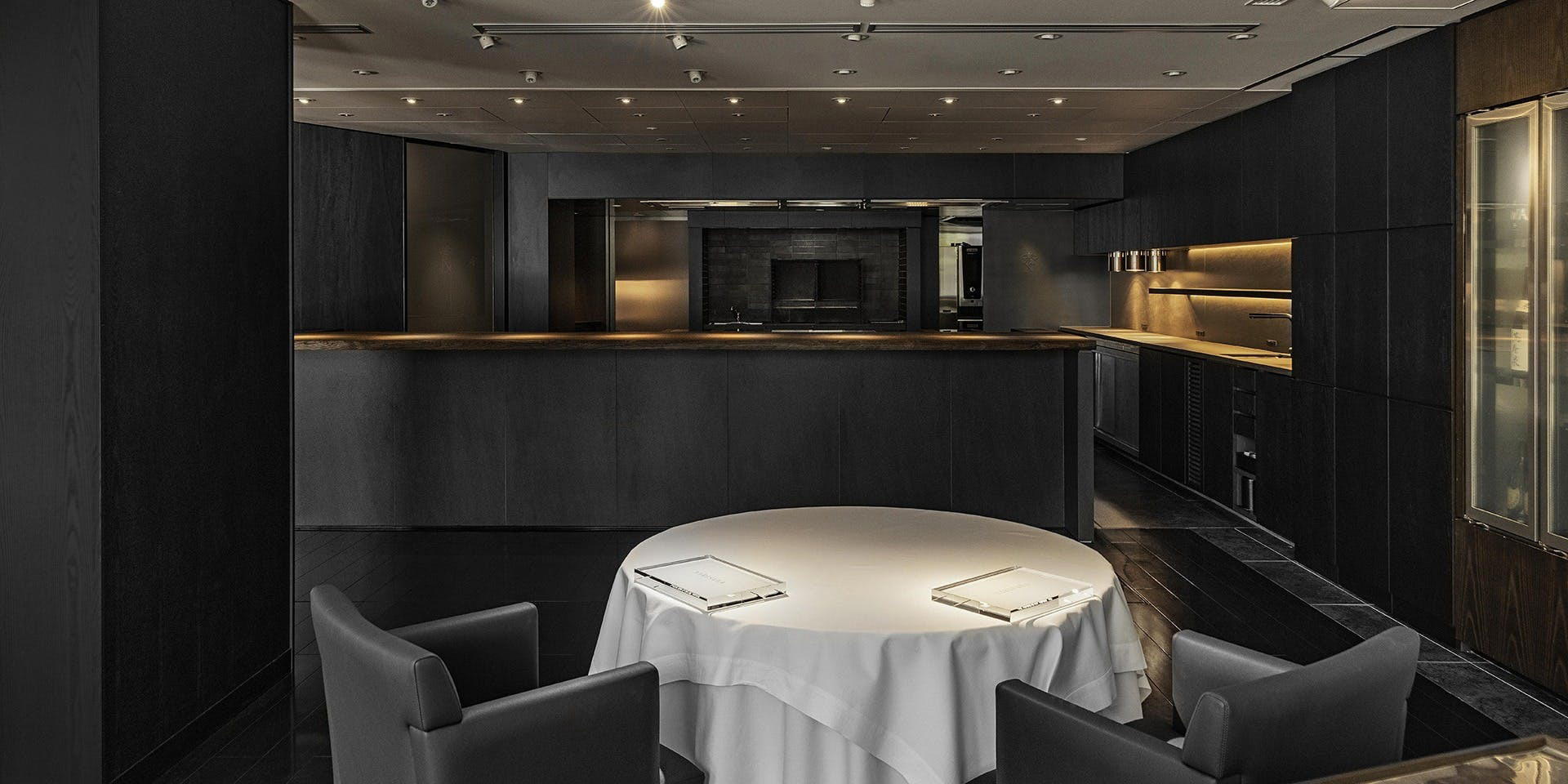
Elegant and quaint with counter seating overlooking the kitchen action, creating an intimate and classic atmosphere.