Located in Minato City's Shiba district, Tokyo Kaisen Ryuu occupies a low-profile address in a neighbourhood where understated dining rooms consistently outperform their visibility.
Pearl is the En Primeur Club membership app — saves, bookings, and concierge access live there. Same editors, same standards.
- Address
- Japan, 〒105-0014 Tokyo, Minato City, Shiba, 2 Chome−22−23 冨味ビル 1階
- Phone
- +81334536888
- Website
- taika-shiba.com
- Directions
- Get directions
 Saves & bookings on Pearl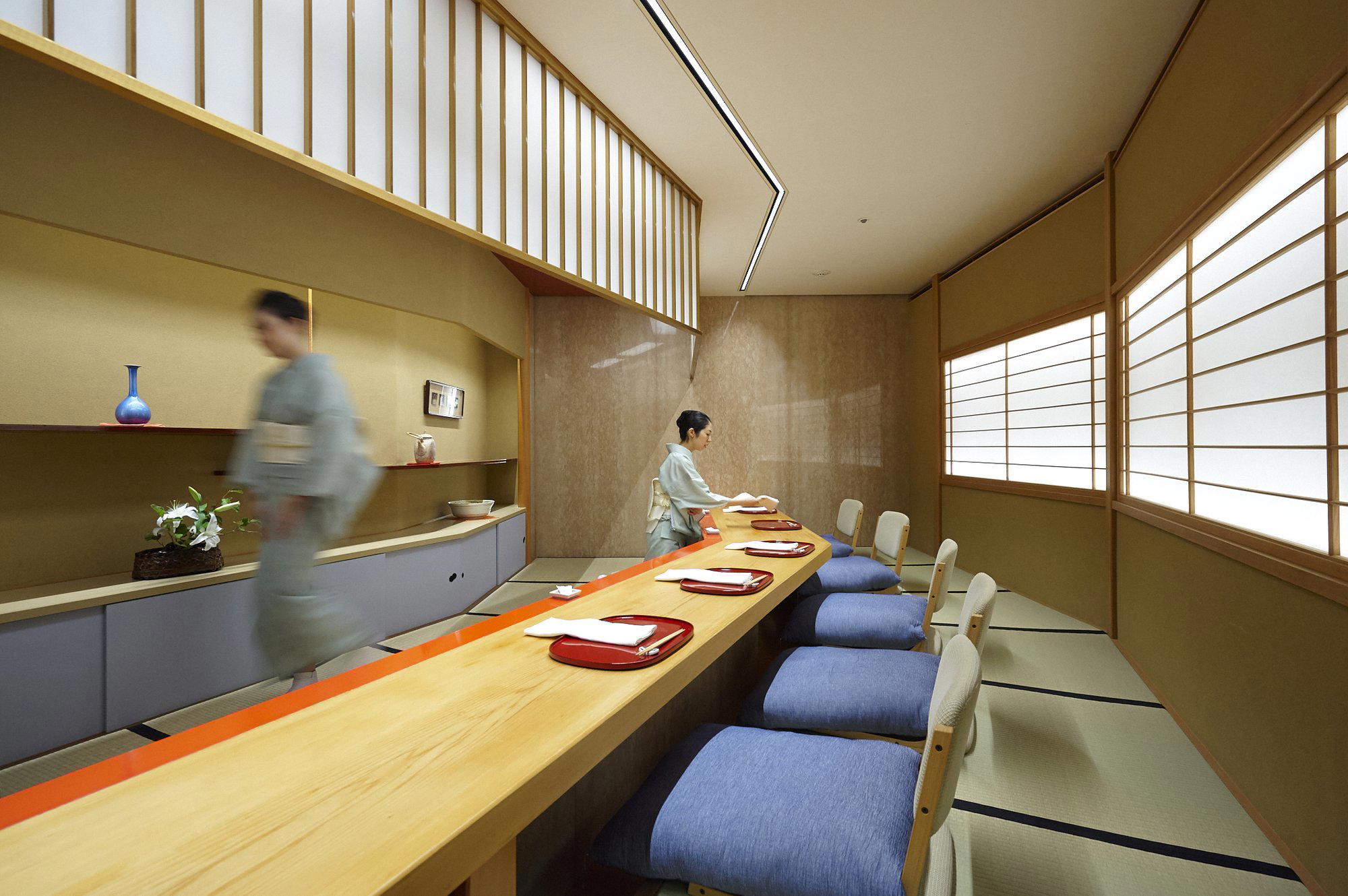
Shiba, Minato City: What the Address Signals
Minato City's Shiba district sits at an intersection that Tokyo's dining scene has quietly claimed over the past decade. The ward is better known for its corporate towers and temple grounds than for restaurant clusters, which means the serious dining rooms here tend to operate without the foot traffic that sustains more famous addresses in Ginza or Roppongi. That relative obscurity is, in itself, an editorial signal: in Tokyo, the restaurants that survive in off-pitch neighbourhoods almost always do so on repeat custom rather than tourist volume.
The physical approach to this part of Shiba, through streets where office buildings give way to older residential blocks, frames the experience before any door is opened. Tokyo's premium dining culture has long favoured interiors that work against expectation: the plainer the facade, the more deliberate the room within. Whether that logic applies here, the address alone places the restaurant in a category of venues that reward advance research rather than spontaneous visits. For context on how this part of Tokyo fits into the city's broader dining geography, the full Tokyo restaurants guide maps the key neighbourhoods and what defines each one.
The Sensory Register of Tokyo's Quieter Dining Rooms
Tokyo's dining culture operates across several distinct atmospheric registers. At one end are the high-visibility counters of Ginza, Harutaka is a useful reference point here, a sushi counter where the room's restraint is calibrated to the precision of the food. At the other end are neighbourhood rooms where the sensory experience is defined less by architectural statement and more by accumulation of small details: the quality of the ceramics, the temperature at which dishes arrive, the particular quiet of a room that seats few covers.
French-influenced rooms in Tokyo, such as L'Effervescence and Sézanne, have set a particular standard for considered atmosphere, low sound levels, natural materials, service pacing that treats the meal as a sequence rather than a transaction. Kaiseki rooms such as RyuGin approach the same goal through a different tradition, where the sensory experience is inseparable from the seasonal and ceremonial logic of the format. Where Tokyo Kaisen Ryuu sits within these registers is not fully documented in the public record, but the Shiba district address places it outside the high-volume circuits that define more tourist-facing dining.
Reading the Kaisen Tradition
The name itself contains information. Kaisen (海鮮) refers broadly to seafood, raw and prepared, and forms one of the foundational categories of Japanese dining. The kaisen tradition spans everything from casual donburi bowls to high-precision omakase counters where the sourcing of each fish is as deliberate as any kaiseki seasonal selection. In Tokyo, the upper tier of seafood-focused dining has consolidated around a set of counters where the chef's supplier relationships and fish-handling technique are the primary differentiators, not decor or format theatrics.
Ryuu (流) can suggest a current, a flow, or a school of thought, a word that in culinary contexts often implies lineage or a continuous tradition rather than a fixed menu. Together, the name frames a restaurant that positions itself within the seafood dining tradition as something closer to a practice than a product. That framing is consistent with how Tokyo's more serious dining rooms tend to present themselves: not through elaborate branding, but through the specificity of what they do and the discipline with which they do it.
For comparison, Tokyo's innovative-leaning rooms, Crony, for instance, which operates in the French-innovative tier, approach seafood as one element within a broader compositional logic. A kaisen-specific room operates on different terms: the seafood is the argument, not the vehicle for one.
Japan's Broader Fine Dining Context
Understanding a Tokyo seafood room means locating it within Japan's national dining conversation, which extends well beyond the capital. HAJIME in Osaka and Gion Sasaki in Kyoto represent the Kansai approach to serious Japanese dining, more rooted in local produce relationships and longer-form tasting structures. Goh in Fukuoka operates in a city with Japan's most confident regional food identity, where proximity to Kyushu's coastline makes seafood sourcing a genuine competitive advantage.
Smaller cities contribute their own perspectives: akordu in Nara, Abon in Ashiya, affetto akita in Akita, Aji Arai in Oita, Ajidocoro in Yubari District, Akakichi in Imabari, and aki nagao in Sapporo each demonstrate that Japan's most considered dining rooms are not concentrated in Tokyo alone. That wider network is worth knowing for any serious itinerary. Internationally, the comparison tier for precision seafood-focused dining might include rooms such as Le Bernardin in New York City or, in a more experimental register, Lazy Bear in San Francisco, though both operate within culinary traditions that are structurally different from the Japanese kaisen approach.
What the Record Does and Does Not Confirm
Tokyo Kaisen Ryuu is an Edomae Omakase restaurant in Shiba, Minato City, Tokyo, at a price tier of about USD 300 per person. In Tokyo's dining scene, this is not unusual for rooms that operate primarily through word of mouth or local reputation rather than international press exposure. The address in Shiba, Minato City, is confirmed.
Advance reservations are essential.
Know Before You Go
| Detail | Status |
|---|---|
| Address | 2-22-23 Shiba, Minato City, Tokyo 105-0014 (全真ビル B1F) |
| Phone | |
| Website | Not confirmed, search current local directories for up-to-date booking |
| Price range | Not confirmed, budget for the ¥¥¥¥ tier as a planning baseline given the neighbourhood and format signals |
| Booking | Advance contact recommended; walk-in availability not confirmed |
| Getting there | Shiba is accessible from Tamachi or Mita stations (Toei Mita Line); Minato City is well-served by the Tokyo Metro network |
Pricing, Compared
Comparable venues nearby, for context on price, style, and recognition.
| Venue | Cuisine | Price | Notes |
|---|---|---|---|
| 江戸前芝浜This venue — the venue you are viewing | Minato, Edomae Omakase | $$$$ | Not listed |
| Trois Fleches | Chiyoda, Japanese Steakhouse | $$$$ | Not listed |
| Ginza Chikamitsu | Chūō, Luxury Wagyu Yakiniku | $$$$ | Not listed |
| Ginza Chikamitsu Rokuchome | Chūō, Modern Wagyu Yakiniku | $$$$ | Not listed |
| Yoshizawa | Not listed | $$$$ | Minato, Seasonal Kaiseki in Roppongi Hills |
| トラジ 西麻布店 | Minato, Premium Yakiniku | $$$$ | Not listed |




At a Glance
- Elegant
- Sophisticated
- Intimate
- Modern
- Special Occasion
- Date Night
- Business Dinner
- Chefs Counter
- Open Kitchen
- Sake Program
- Sommelier Led
- Local Sourcing
- Sustainable Seafood
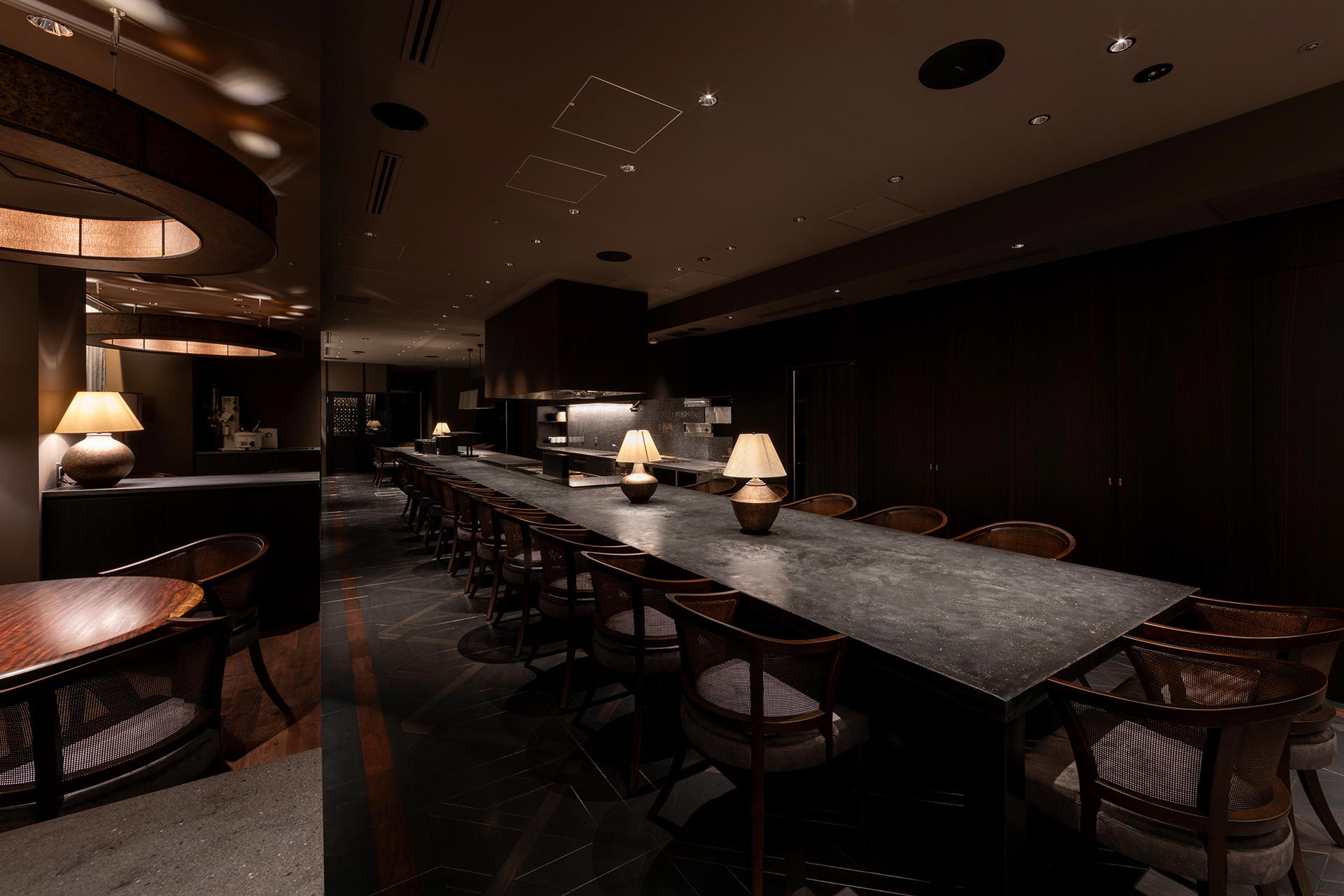
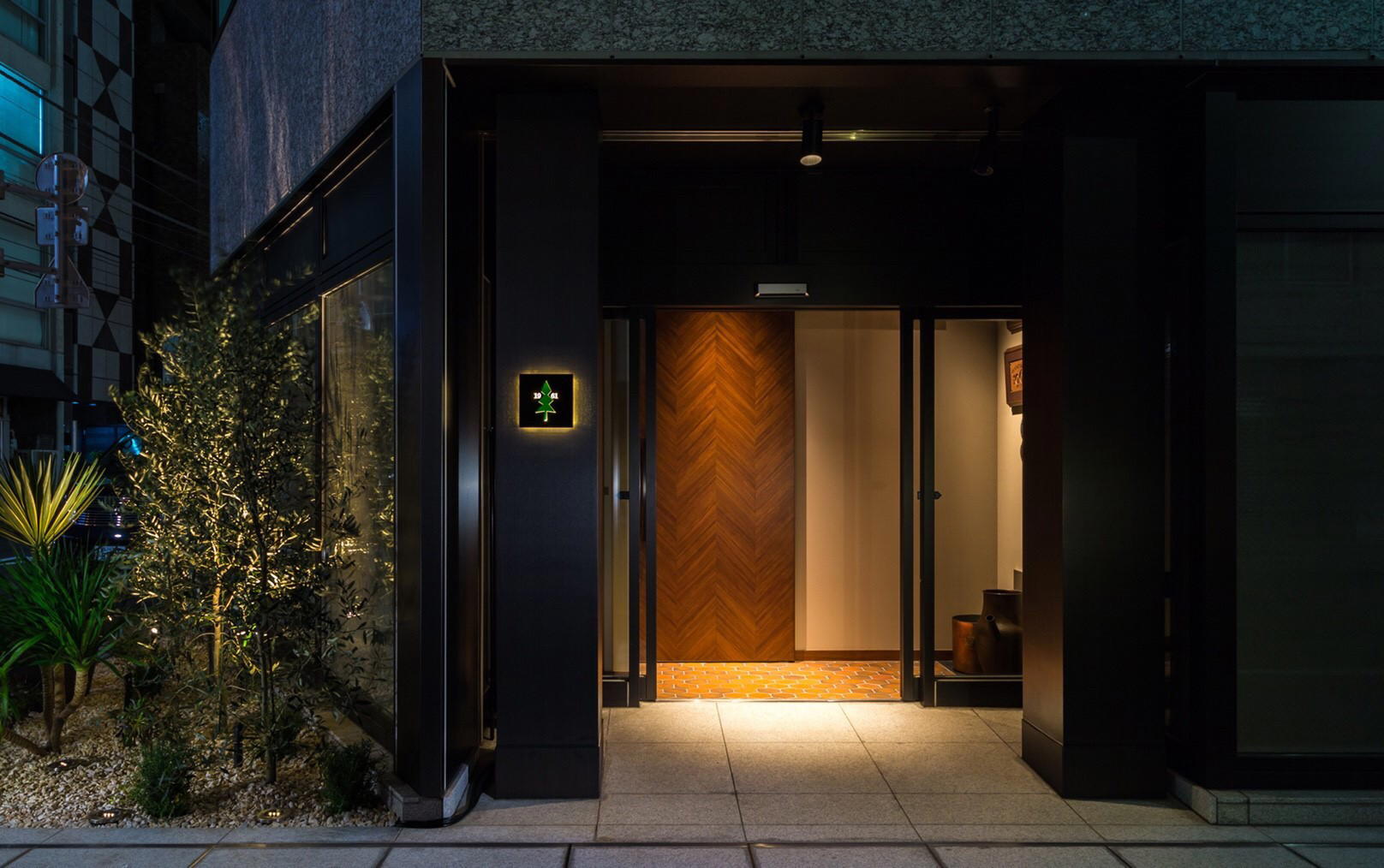
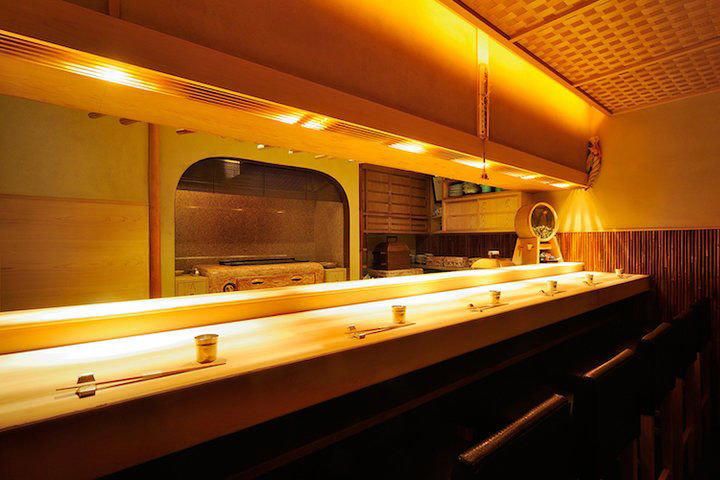
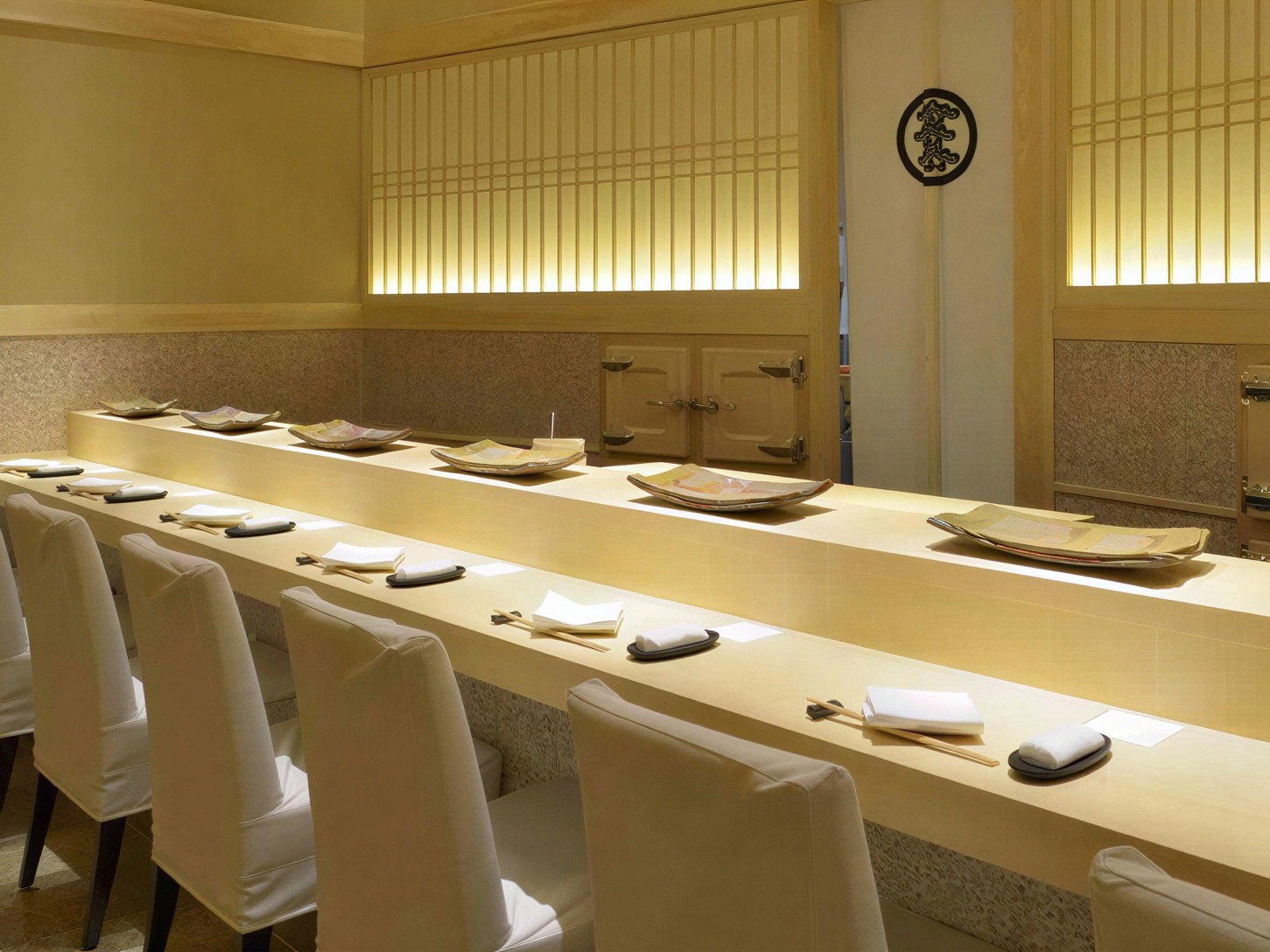
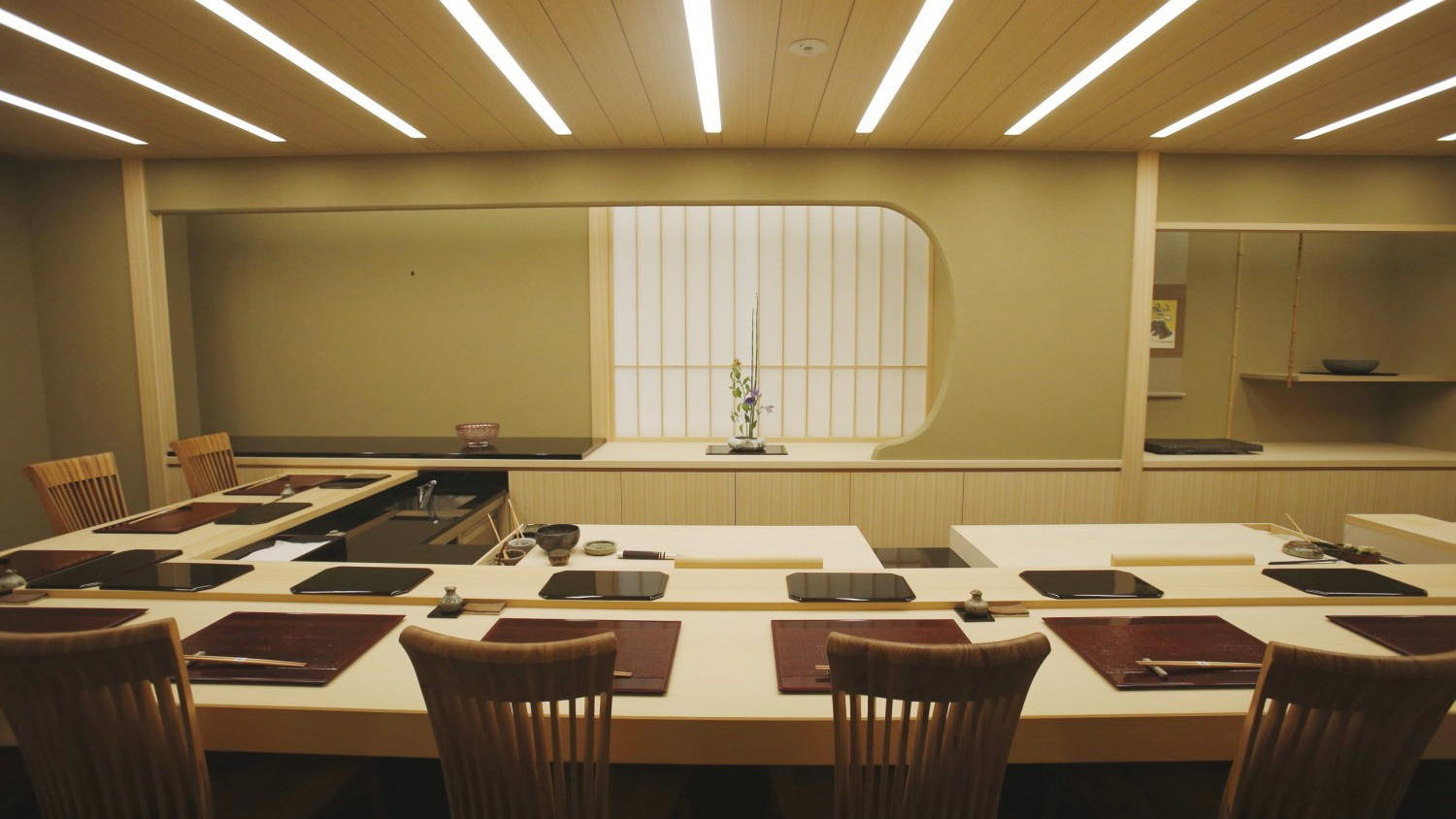
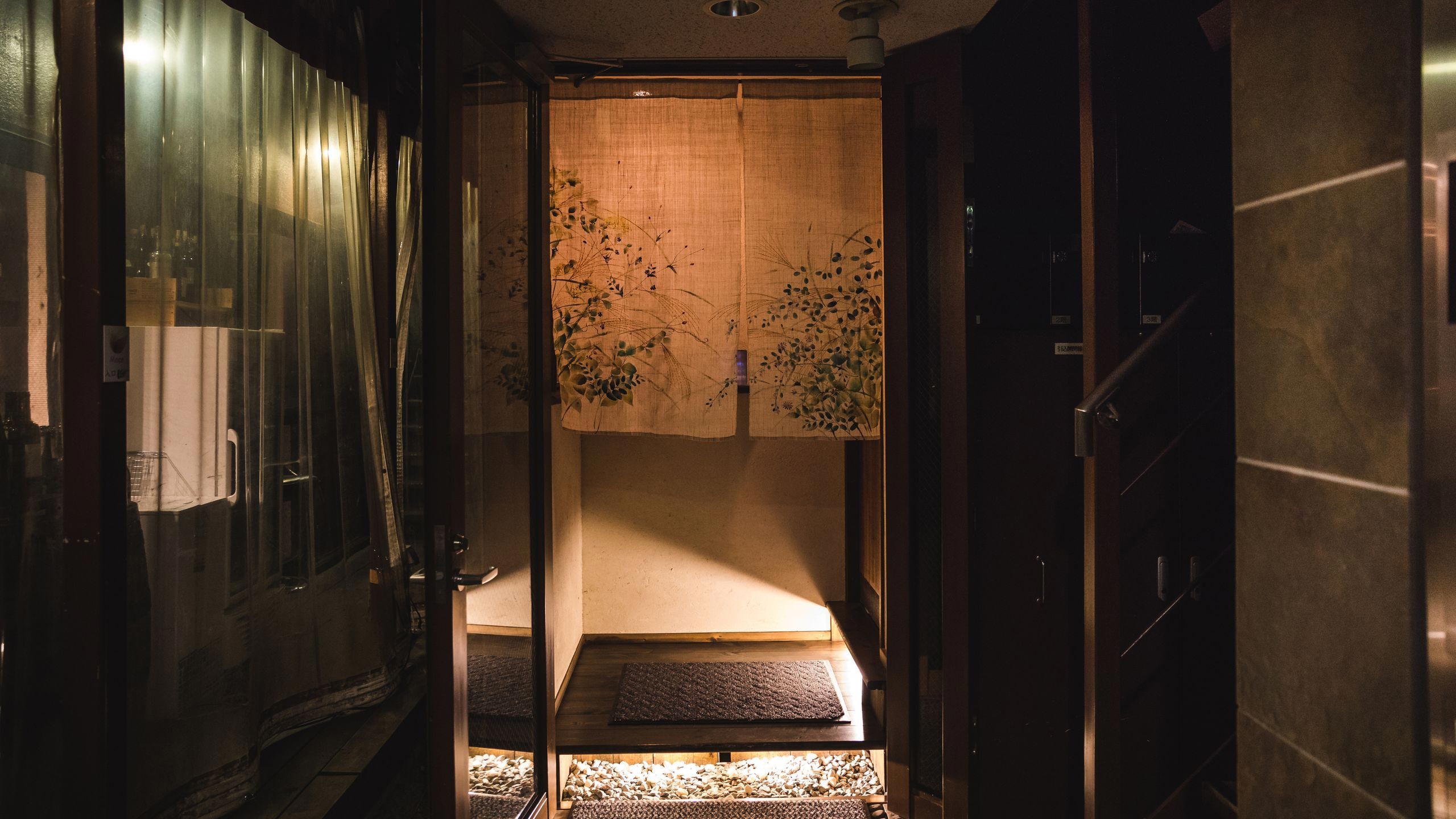
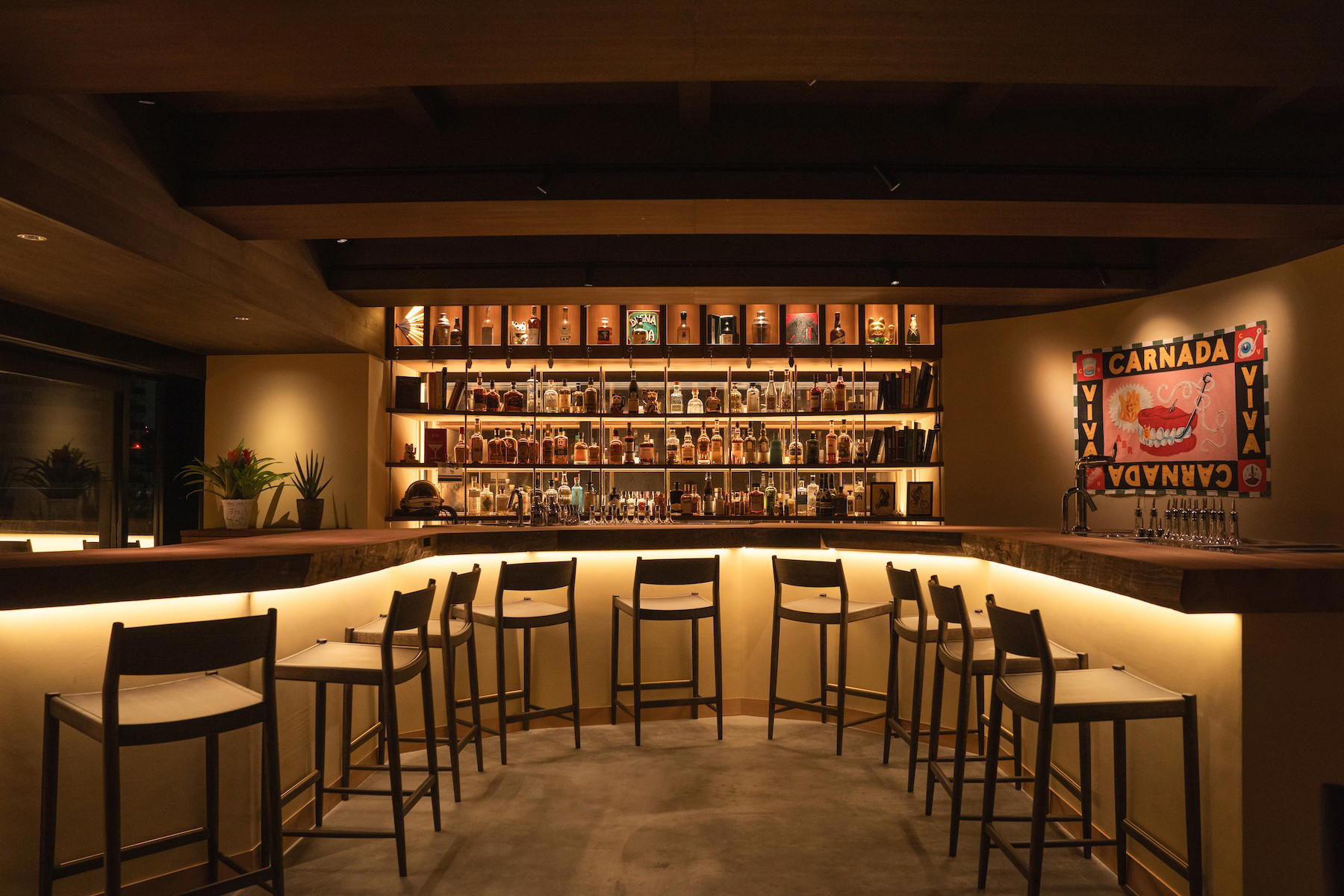
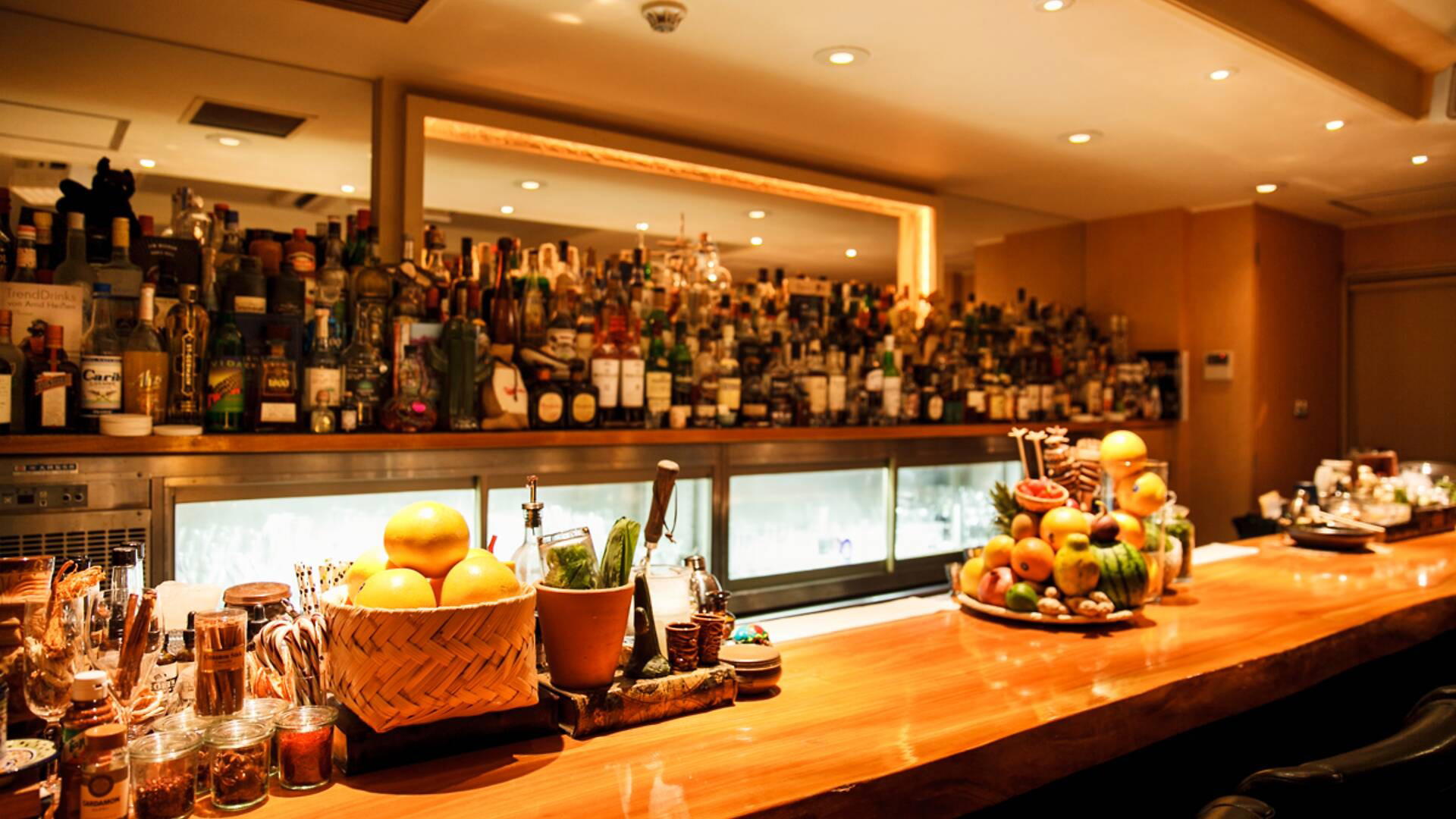
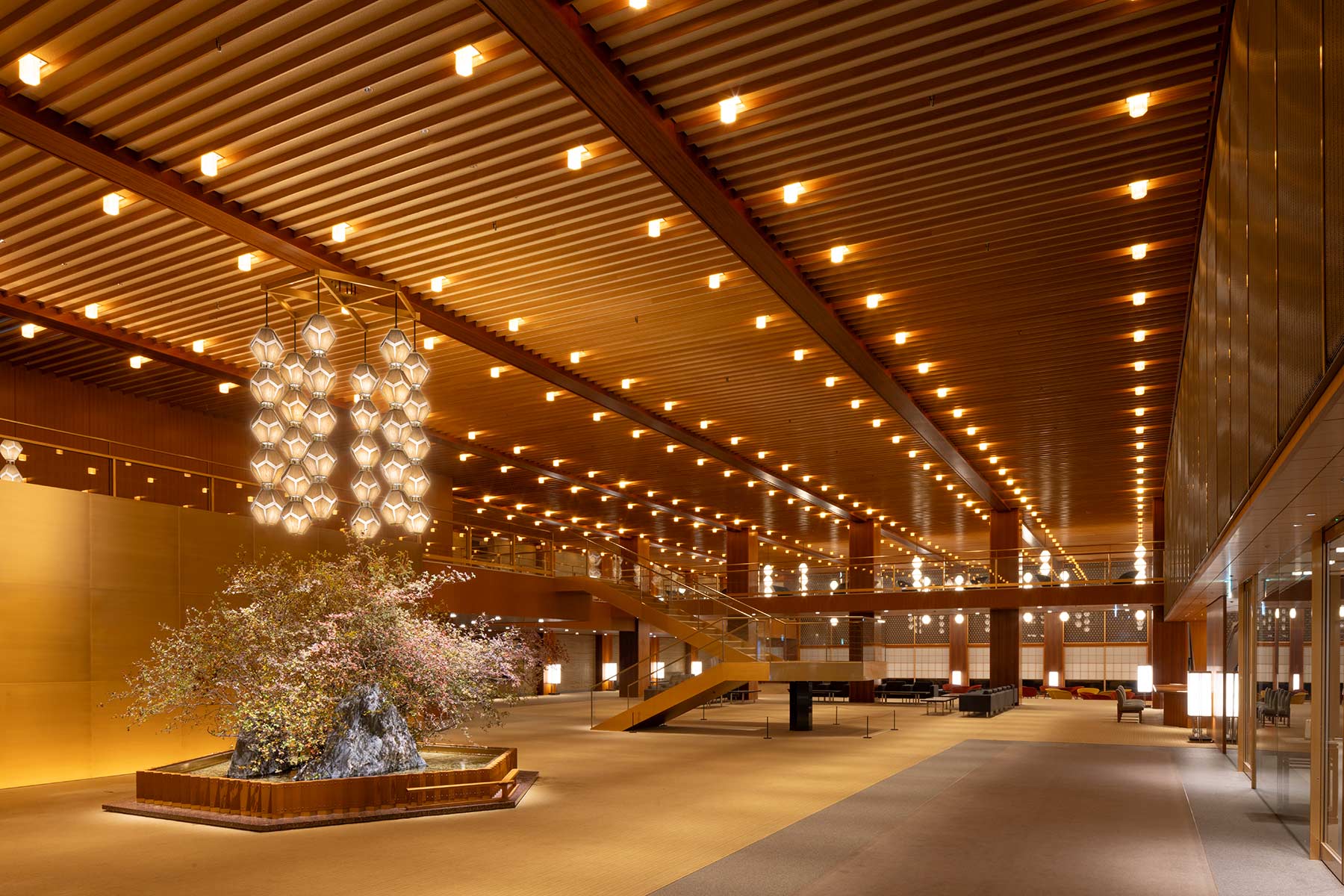
Minimalist Japanese aesthetic with soft lighting, natural wood counter, and serene atmosphere designed for focused appreciation of each course.