On the third floor of a quiet building in Ebisu-Minami, モリ occupies a specific tier of Tokyo dining where the physical setting does as much work as the kitchen. The address places it a short walk from the main Ebisu drag, away from the concentration of high-visibility restaurant groups that dominate the neighbourhood's ground-floor retail strips.
Pearl is the En Primeur Club membership app — saves, bookings, and concierge access live there. Same editors, same standards.
- Address
- Japan, 〒150-0022 Tokyo, Shibuya, Ebisuminami, 1 Chome−14−2 タイムゾーンビル 3F
- Phone
- +81359426299
- Website
- mori-ebisu.jp
- Directions
- Get directions
 Saves & bookings on Pearl
A Third-Floor Address in Ebisu-Minami
Tokyo's restaurant geography has a clear vertical logic: ground-floor spaces carry higher rent and higher foot traffic, while upper floors attract operators who rely on reputation over visibility. The third-floor position of モリ in the Timezone Building on Ebisuminami 1-chome places it within a well-established Tokyo pattern, one shared by a generation of chef-led rooms that prefer a single staircase or elevator ride as a natural filter for the clientele who arrive. This is not an accident of real estate. In Shibuya-ward neighbourhoods like Ebisu and Daikanyama, that vertical separation between street level and dining room has become a spatial signature of the more considered end of the market.
Ebisu-Minami itself sits at the southern edge of Ebisu's commercial core, close enough to the station to draw from it but far enough that the pedestrian rhythm slows. The block around 1-chome carries a mix of small offices, residential buildings, and low-key hospitality, the kind of density where a restaurant on the third floor of a mixed-use building can sustain a loyal, appointment-driven clientele without competing for passersby.
The Container Shapes the Experience
Among the editorial angles through which Tokyo's serious dining rooms are most productively read, the physical container matters more than it is usually given credit for. In cities like New York, where Le Bernardin and Atomix each use architectural language to signal their tier, interior decisions about ceiling height, light temperature, counter orientation, and material choice communicate the register of the meal before a single plate arrives. Tokyo operates by similar logic, but with greater compression: many of the city's most demanding rooms occupy relatively modest footprints where every spatial decision carries disproportionate weight.
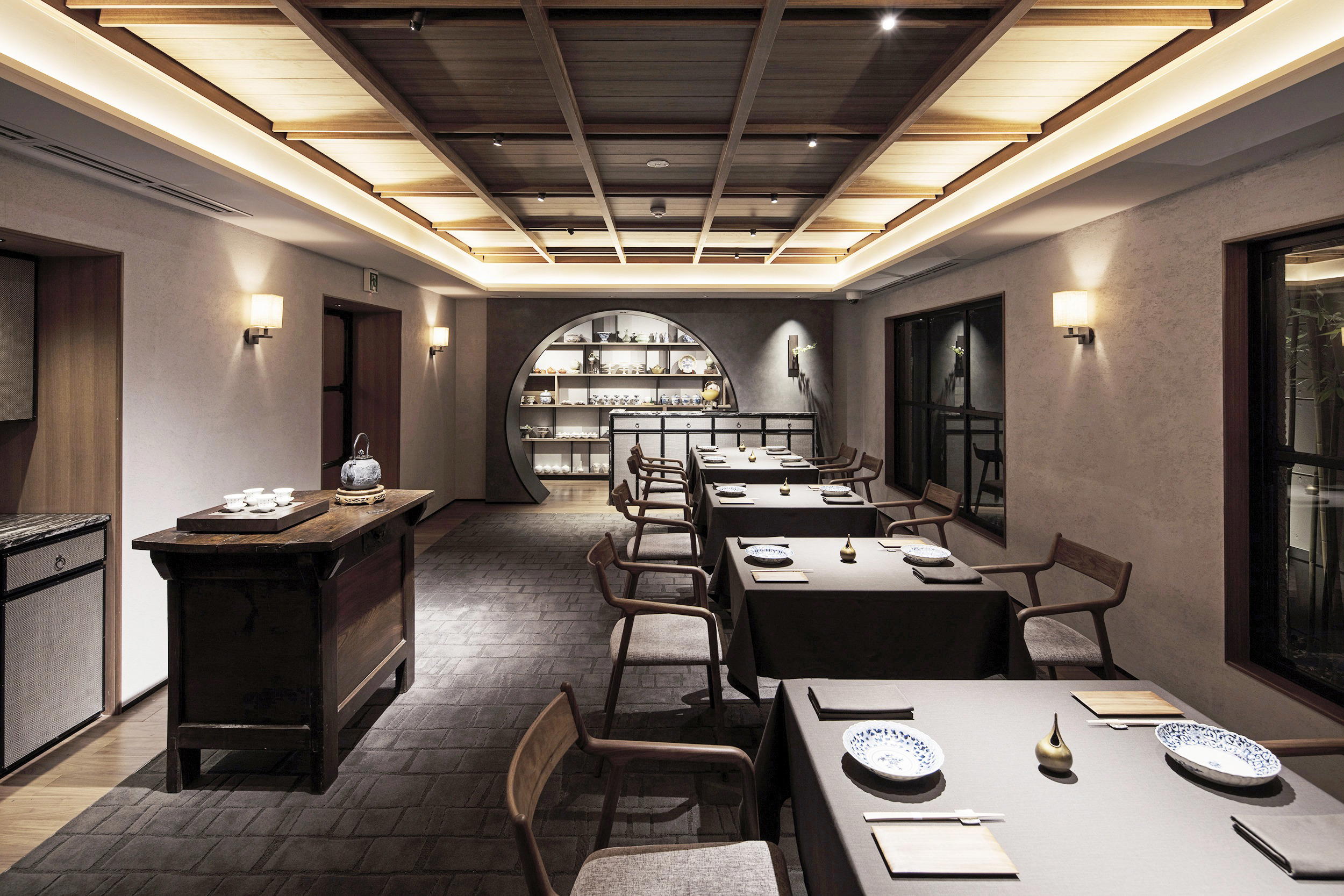
The building address, the floor level, and the surrounding neighbourhood context of モリ all participate in that logic. Third-floor rooms in Tokyo's mid-density residential-commercial zones tend to arrive at a particular kind of intimacy, not the enforced closeness of a tiny counter, but the quieter separation from street noise and visual clutter that allows a dining room to feel self-contained. That quality of enclosure is one reason Tokyo's upper-floor restaurants, from kaiseki rooms in Minami-Aoyama to the French-influenced kitchens that have clustered around Shibuya-ward, have retained a premium positioning across multiple decades of neighbourhood change.
How モリ Sits Within Tokyo's Mid-to-Upper Tier
Tokyo's serious dining scene stratifies quite precisely. At the apex sit multi-Michelin rooms like RyuGin in Roppongi, operating with kaiseki formats that run across many courses and a booking window that extends months in advance. Omakase sushi at Harutaka occupies a comparable tier, with pricing that reflects both the quality of the fish and the scarcity of the seat. French-rooted rooms including L'Effervescence, Sézanne, and Crony each sit within the ¥¥¥¥ bracket, anchored by chef credentials and sustained critical recognition.
The Ebisu-Minami address of モリ places it in a ward with genuine dining density, where competition for the attentive diner's calendar is real. Shibuya-ward's restaurant ecosystem tends to reward consistency and word-of-mouth over press-cycle visibility. Venues that survive and build reputation in this environment over multiple years typically do so through operational discipline and a regulars-first culture, both of which correlate with the kind of upper-floor, low-signage positioning that モリ occupies. Japan's broader network of serious regional restaurants, from HAJIME in Osaka to Gion Sasaki in Kyoto and akordu in Nara, demonstrates that Japan's serious dining culture extends well beyond the capital, but Tokyo remains one competitive single market for this type of room.
Reading the Room: Design as Editorial Signal
The question of what a restaurant's interior communicates is not decorative. In Tokyo's price-sensitive, reputation-driven market, the decision to occupy a third floor rather than ground level, in a neighbourhood building rather than a purpose-built hospitality block, tells a reader something about the priorities of the operation. Ground-floor rooms in high-traffic Shibuya-ward locations carry the overhead and the footfall pressure that come with visibility. Upper-floor rooms in quieter addresses trade that traffic for a different operating model: the guest who arrives has already decided, and the room can be designed for that committed visitor rather than the undecided one.
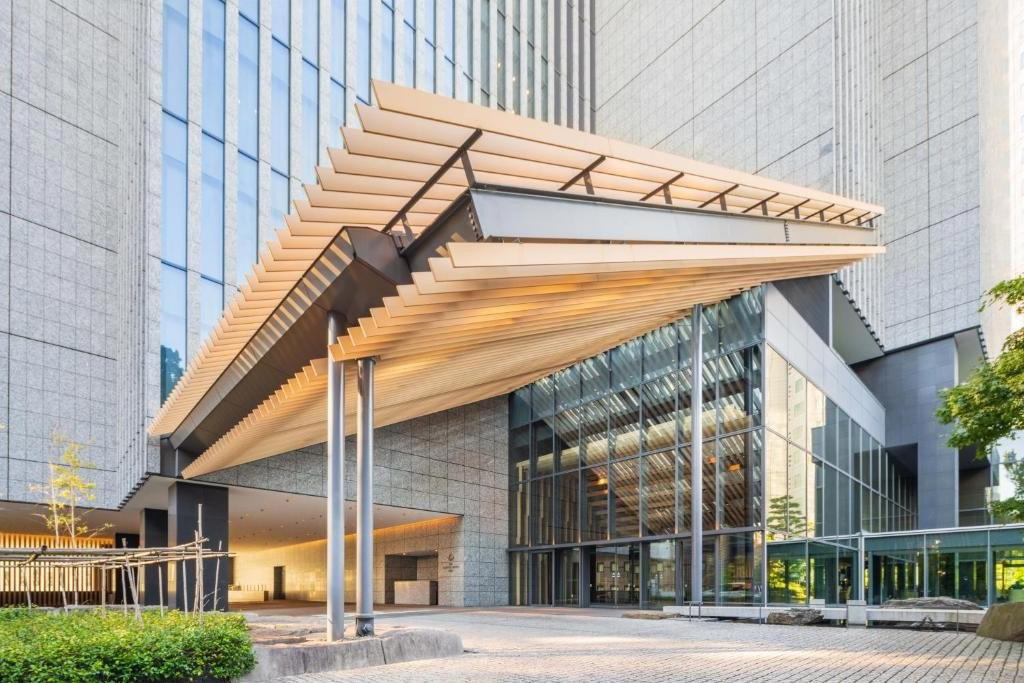
This spatial logic runs consistently through Tokyo's mid-to-upper dining tier. The Timezone Building on Ebisuminami 1-chome is not a landmark address in the way that some of Tokyo's hotel-based fine-dining rooms are, but it carries the kind of architectural anonymity that, in Tokyo, functions almost as a trust signal among certain dining publics. Finding the room requires a small amount of intention, and intention is a reasonable proxy for the kind of guest who will engage seriously with what is served.
Japan Beyond Tokyo: The Broader Context
Understanding モリ is partly a matter of understanding how Tokyo's restaurant culture fits within Japan's wider serious dining network. The country's regional depth is considerable: Goh in Fukuoka, 一本杉川嶋 in Nanao, 旧本陣山の手 in Sapporo, 湖邸庵 in Takashima, 奥羽山荘 in Nishikawa Machi, Birdland in Sakai, and Bistro Ange in Toyohashi each represent a different register of regional Japanese dining ambition. Tokyo's advantage is concentration: the capital allows a serious diner to move between formats, price tiers, and culinary traditions within a single neighbourhood. Ebisu-Minami, with its residential calm and proximity to Daikanyama's more design-conscious cluster, sits within a pocket of that concentration.
Planning Your Visit
The venue occupies the third floor of the Timezone Building at 1-14-2 Ebisuminami, Shibuya, Tokyo. The nearest access point is Ebisu Station, served by the JR Yamanote Line and the Tokyo Metro Hibiya Line, making it reachable from most central Tokyo addresses within 20 to 30 minutes. Reservations are recommended. Dress: smart_casual. Budget: about $85 per person.
The Essentials
Comparable venues nearby, for context on price, style, and recognition.
| Venue | Cuisine | Price | Notes |
|---|---|---|---|
| モリThis venue — the venue you are viewing | Shibuya, Traditional Japanese Cuisine | $$$ | Not listed |
| Kourai Tei | Not listed | $$$ | Shibuya, Korean-style Yakiniku (Japanese BBQ) |
| びのむ | Minato, Modern Oden with Wine Pairing | $$$ | Not listed |
| Soba Koji Sawarabi | Chiyoda, Traditional soba noodle shop | $$$ | Not listed |
| Hodori Youga ten | Setagaya, Yakiniku & Wagyu BBQ | $$$ | Not listed |
| Sushi Hayashi | Not listed | $$$ | Suginami, Traditional Sushi Omakase Counter |










At a Glance
- Cozy
- Intimate
- Elegant
- Special Occasion
- Sake Program
Current opening hours
- Monday
- 5–8 PM
- Tuesday
- 5–8 PM
- Wednesday
- 5–8 PM
- Thursday
- 5–8 PM
- Friday
- 5–8 PM
- Saturday
- 5–8 PM
- Sunday
- 5–8 PM
Hours can change for holidays and private events. Last verified .
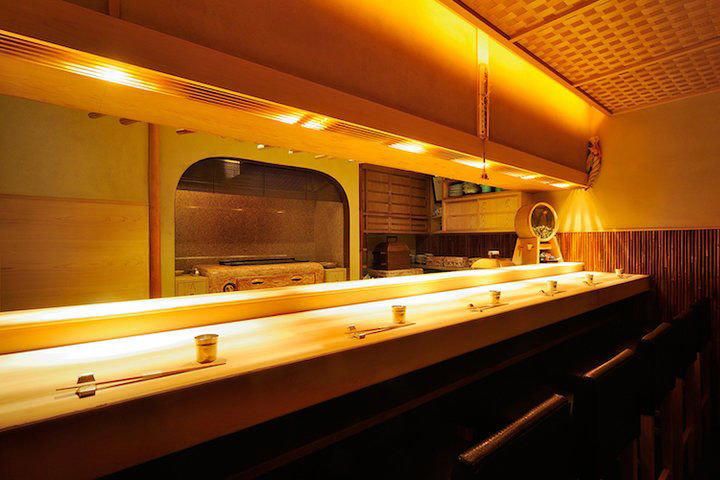
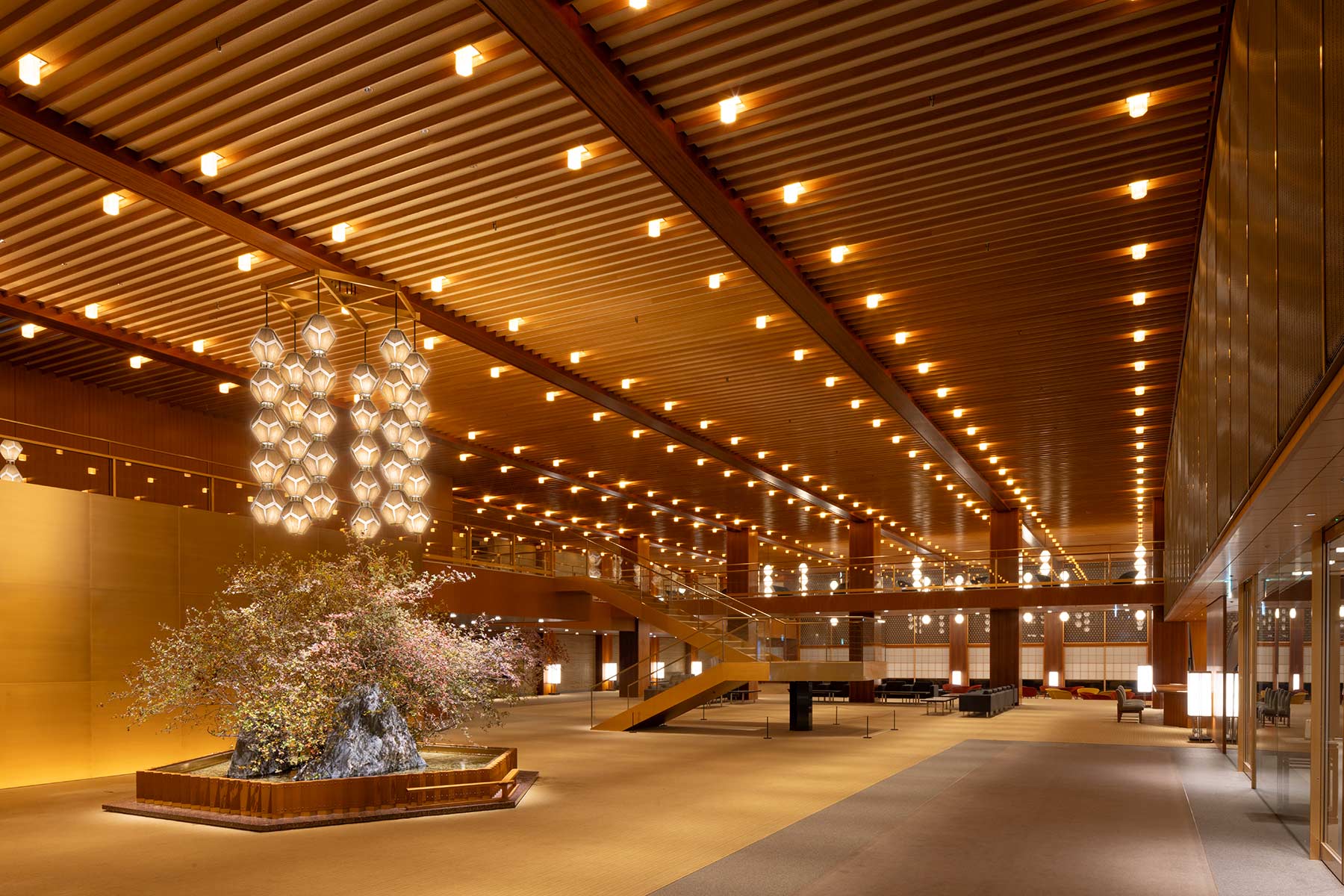
Warm and inviting atmosphere with all seating at the counter.