
Soba Koji Sawarabi belongs to Tokyo’s serious soba tier: small-room, ingredient-led, and better suited to diners who care about buckwheat craft than spectacle. Its Tabelog 100 Soba EAST 2025 selection, 10-seat scale, and sharp lunch-versus-dinner price split place it closer to specialist Japanese counters than casual noodle stops.
Pearl is the En Primeur Club membership app — saves, bookings, and concierge access live there. Same editors, same standards.
- Address
- Japan, 〒102-0092 Tokyo, Chiyoda City, Hayabusacho, 2−10 210半蔵門1階
- Phone
- +81 3-5213-3311
- Website
- sawarabi-soba.com
 Saves & bookings on Pearl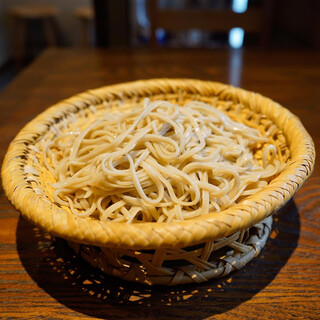
Hayabusacho is not the Tokyo of neon and late trains; it is government offices, quiet side streets, and the clipped rhythm around Hanzomon. That setting matters for soba. The form rewards restraint: buckwheat, water, dashi, dipping sauce, seasonal accompaniments, and a room quiet enough for texture to register. Soba Koji Sawarabi fits that older Tokyo grammar, a small soba house where the meal is built around sourcing and handling rather than theatrical plating.
Tokyo’s noodle culture is often flattened abroad into ramen queues and late-night bowls, but soba occupies a different social register. It can be quick and inexpensive, but at its serious end it becomes a study in grain, milling, kneading, cutting, boiling, and timing. The difference is not luxury for its own sake. Buckwheat is unforgiving: aroma fades, texture shifts quickly, and the line between supple and slack is narrow. A 10-seat room in this category signals a format designed around control, not volume.
Buckwheat as the Main Argument
The defining idea here is soba itself: buckwheat noodles treated as the center of the meal rather than a sidecar to tempura or a drinking session. The venue is listed in the soba category and was selected for Tabelog 100 Soba EAST 2025, with earlier selections noted for 2024, 2022, and 2021. That pattern matters in Tokyo, where specialist recognition tends to reward consistency across a narrow craft rather than breadth across a long menu.
Ingredient sourcing is the quiet engine of this style. In serious soba, the grain’s origin and condition shape aroma and chew before sauce or garnish enters the picture. The craft also depends on what happens after sourcing: flour handling, hydration, cutting width, and the interval between boiling and serving. Diners accustomed to ramen’s density may find the pleasure more austere. The point is not maximal impact; it is clarity, with buckwheat carrying the meal’s structure.
The price structure underlines the split personality of soba in Tokyo. Lunch sits in the JPY 1,000 to JPY 1,999 range, which keeps the meal within the city’s disciplined midday culture. Dinner moves to JPY 10,000 to JPY 14,999, where soba becomes part of a broader evening format, often with drinks and seasonal side dishes. That gap is not incidental. It reflects how the same craft can function as an efficient lunch or a more deliberate night out.
A Small Hanzomon Room in a City of Specialist Counters
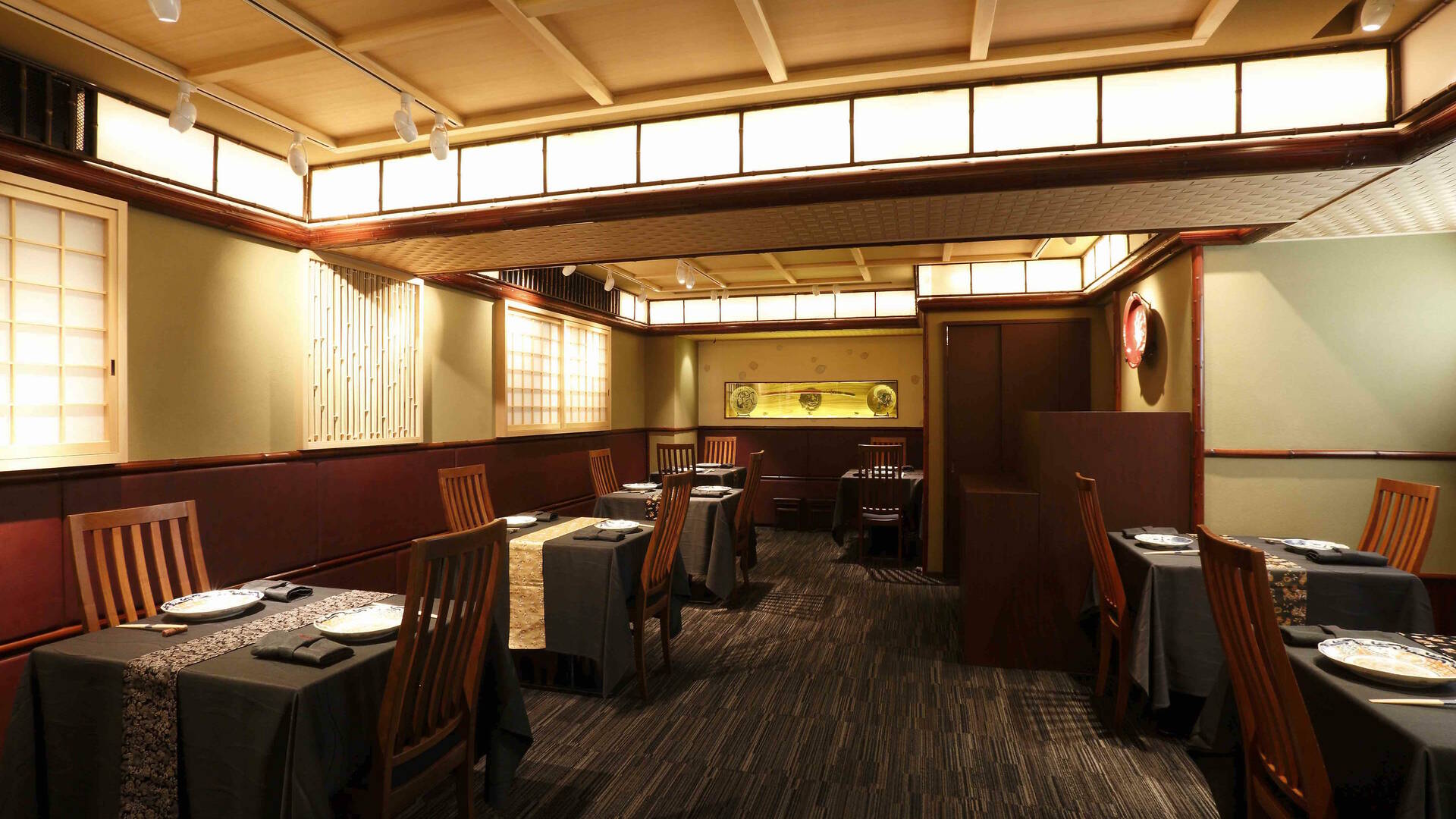
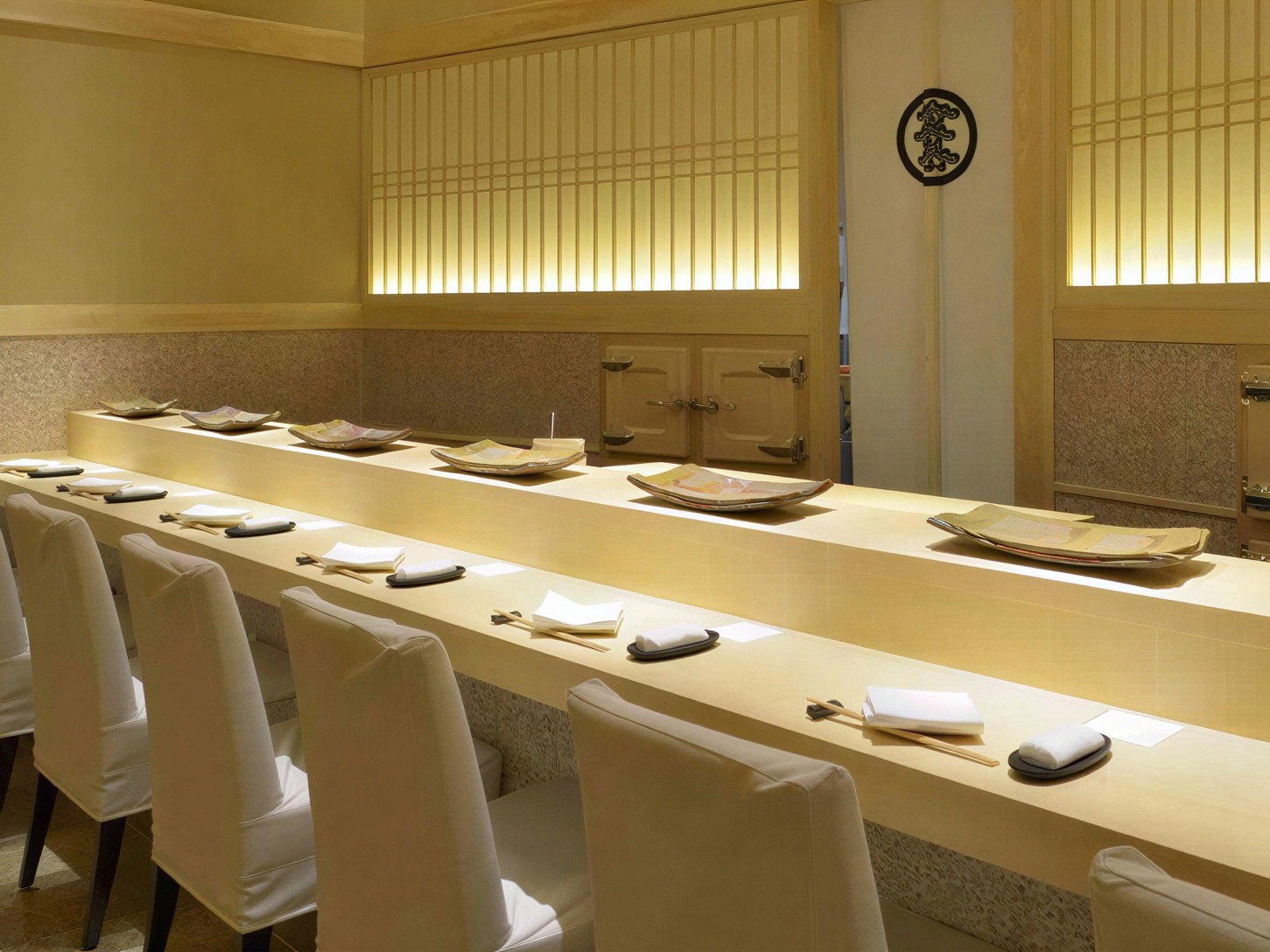
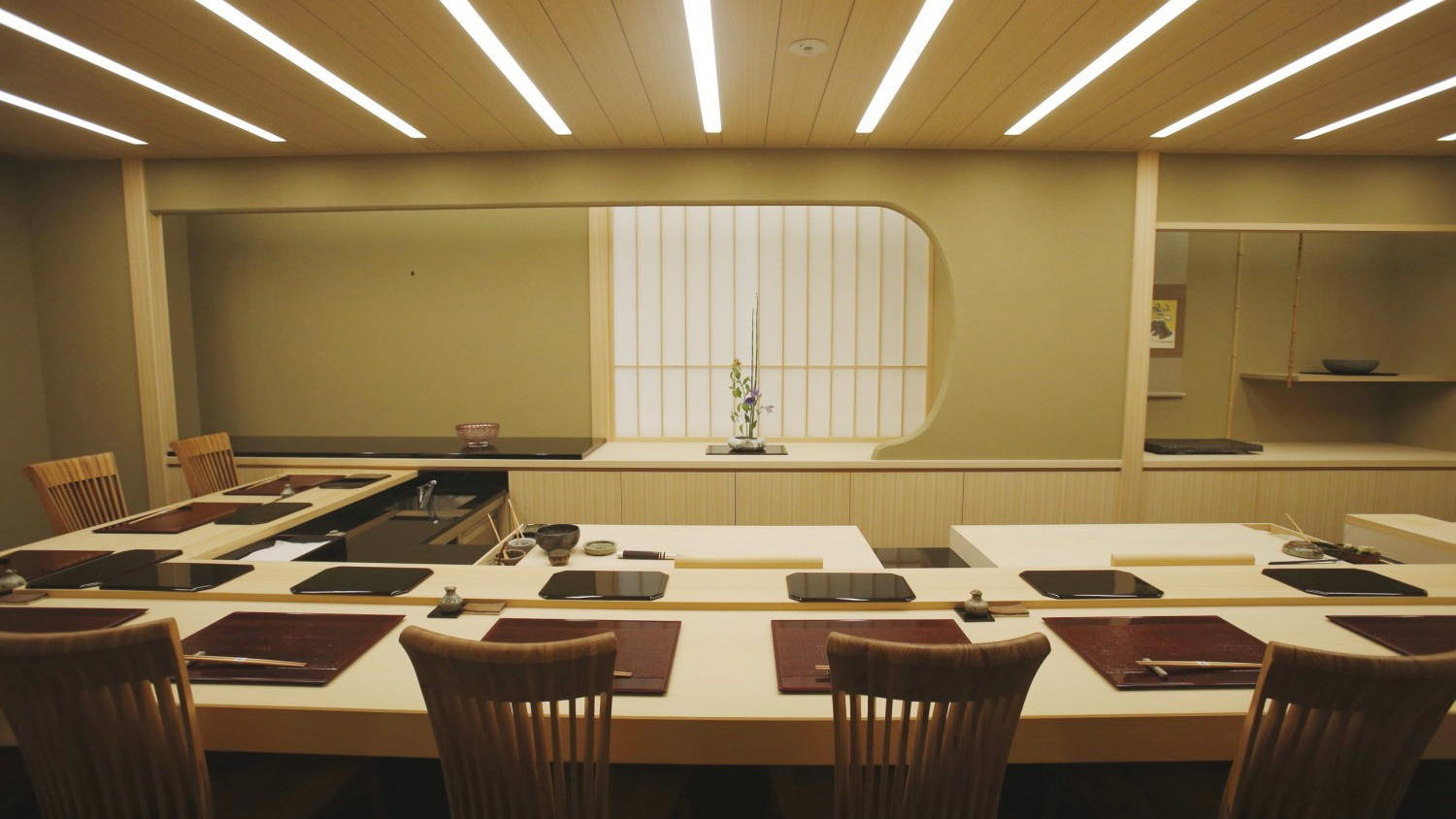
The room’s scale changes the dining equation. Ten seats, arranged as four two-seat tables and one four-seat table, puts the experience closer to Tokyo’s specialist counter culture than to a casual noodle shop, even without the choreography of omakase. Private rooms are not part of the format, and private use is listed for up to 20 people. For a soba house, that means the meal is intimate by default, with the practical constraints that come with a small kitchen and limited inventory.
Strongest logistical signal is lunch scarcity: the restaurant often sells out by 1pm. In Tokyo, that is not just popularity shorthand. It points to a production model tied to freshness and daily limits, especially in a category where noodles cannot sit around indefinitely without losing character. The smart read is simple: lunch is for punctual diners; dinner is for those who want more control over timing, with reservations accepted only for dinner up to two days ahead.
Against nearby casual formats, the distinction is clear. Soranoiro represents Tokyo’s ramen side: broth, oil, noodle engineering, and speed. Ichigenya sits in the ultra-low-price noodle economy, while Kojimachi Nihee and エリオ・ロカンダ・イタリアーナ speak to the broader Kojimachi-Hanzomon office-dining mix. Sawarabi belongs to the smaller soba-specialist lane, where a Tabelog 3.71 score and repeated Tabelog 100 selections carry more weight than décor language or menu sprawl.
The drinks list also places the meal in a Japanese evening context rather than a purely lunch-counter one. Sake, shochu, wine, and cocktails are listed, which gives dinner a wider arc without shifting attention away from soba. The service charge is 10 percent at dinner, with no cover charge. Credit cards are accepted for JCB, AMEX, and Diners; electronic money and QR code payments are not.
Know Before You Go
- Format: Soba specialist with 10 seats and no private rooms.
- Recognition: Selected for Tabelog 100 Soba EAST 2025; prior selections include 2024, 2022, and 2021.
- Price signal: Lunch JPY 1,000 to JPY 1,999; dinner JPY 10,000 to JPY 14,999.
- Timing: Lunch service runs on Monday, Wednesday, and Friday; the restaurant often sells out by 1pm.
- Reservations: Dinner reservations are accepted up to two days ahead.
- Access: The address is in Hayabusacho, Chiyoda, near Hanzomon Station.
- Closed: Saturday, Sunday, and public holidays.
- Smoking: Non-smoking.
- Parking: No dedicated parking; paid parking is nearby.
For travelers building a wider Tokyo food plan, pair this kind of soba stop with contrasting formats rather than another noodle meal. EP Club’s city coverage includes Our full Tokyo restaurants guide, plus separate edits for Our full Tokyo hotels guide, Our full Tokyo bars guide, Our full Tokyo wineries guide, and Our full Tokyo experiences guide. Nearby Tokyo alternatives span. 鮪と炭火焼き うお炭 秋葉原店, 12/10 Shinjuku ten, 124. KAGURAZAKA (Yakitori), 2D Cafe, and 3 Chome no Curry Ya San. For broader Japan and Japanese-diaspora planning, compare formats at -Grilled beef Sukiyaki- KAMAKURA TANUKIAN 鎌倉 たぬき庵 in Kamakura.cafe in Osaka.know in Kumamoto, (Shoku) Vietnam in Kawasaki, [Curry Senmon Ten] Maruyama Kyoju. in Sapporo, [ki:] in Kyoto, Jōdo Saké Bar in Los Angeles, and Onigiri Time in Pasadena.
The Minimal Set
Nearby venues at a similar price tier for orientation.
| Venue | Cuisine | Price | Notes |
|---|---|---|---|
| Soba Koji SawarabiThis venue — the venue you are viewing | Chiyoda, Traditional soba noodle shop | $$$ | Not listed |
| Yakitori Nakamura | Minato, Yakitori Omakase | $$$ | Not listed |
| 荒木町たつや | Shinjuku, Michelin-Starred Kaiseki | $$$ | Not listed |
| Ginza Birdland | Not listed | $$$ | Chūō, Michelin‑starred Yakitori (Grilled Chicken Skewers) |
| Kagayaki | Not listed | $$$ | Chūō, Kaiseki-style Japanese and shabu-shabu |
| Kunimoto Shinkan Yakiniku | Minato, Classic Yakiniku | $$$ | Not listed |
Recognition history
Dated appearances from independent guides and award organizations, with the underlying list record or original source where available.
Tabelog 100 #21 · No. 21
Tabelog · Tabelog 100 - Soba - EAST - 2025







At a Glance
- Cozy
- Intimate
- Classic
- Solo
- After Work
- Casual Hangout
- Date Night
- Standalone
- Sake Program
Current opening hours
- Monday
- 12–1:30 PM, 5:30–9 PM
- Tuesday
- 5:30–9 PM
- Wednesday
- 12–1:30 PM, 5:30–9 PM
- Thursday
- 5:30–9 PM
- Friday
- 12–1:30 PM, 5:30–9 PM
- Saturday
- Closed
- Sunday
- Closed
Hours can change for holidays and private events. Last verified .
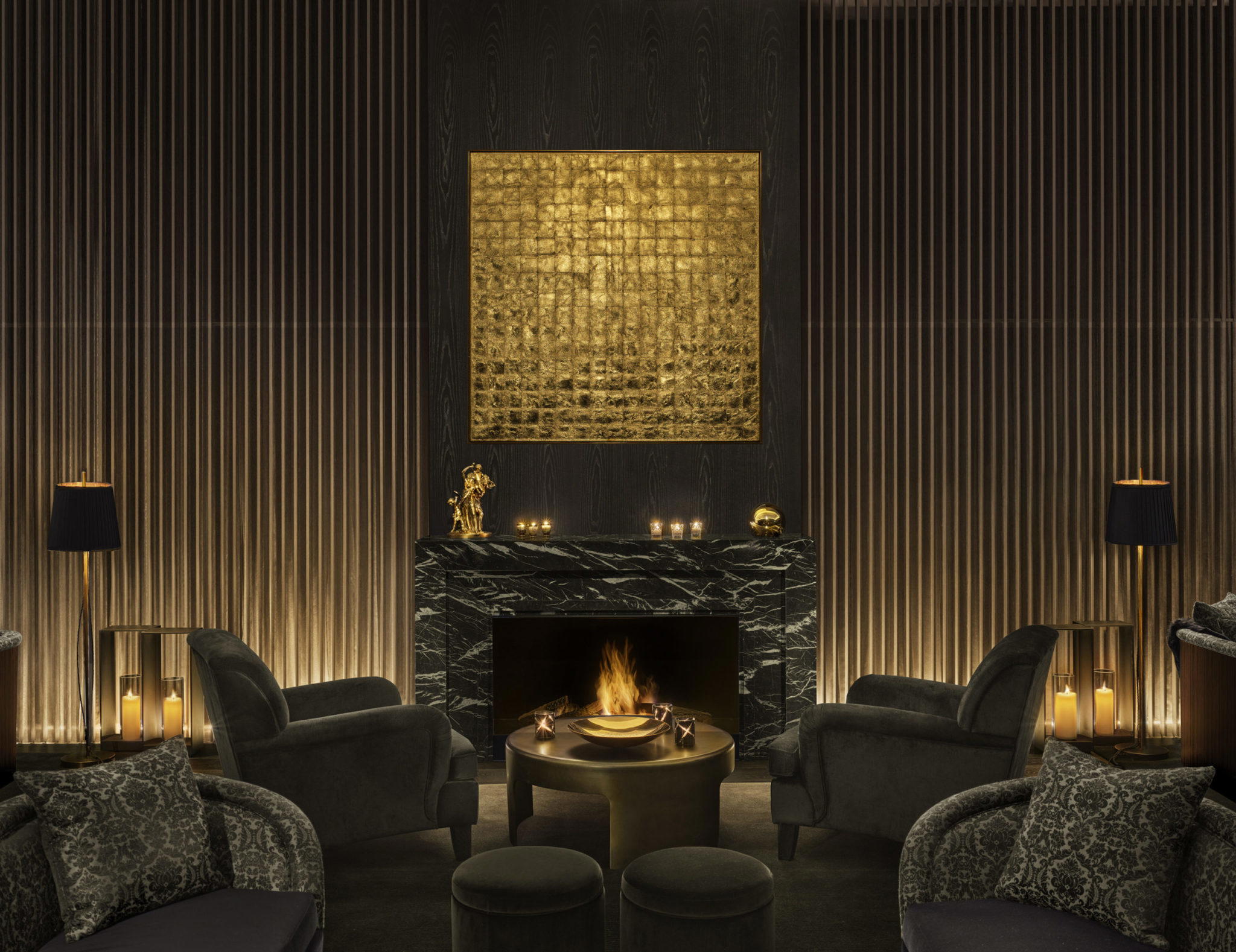
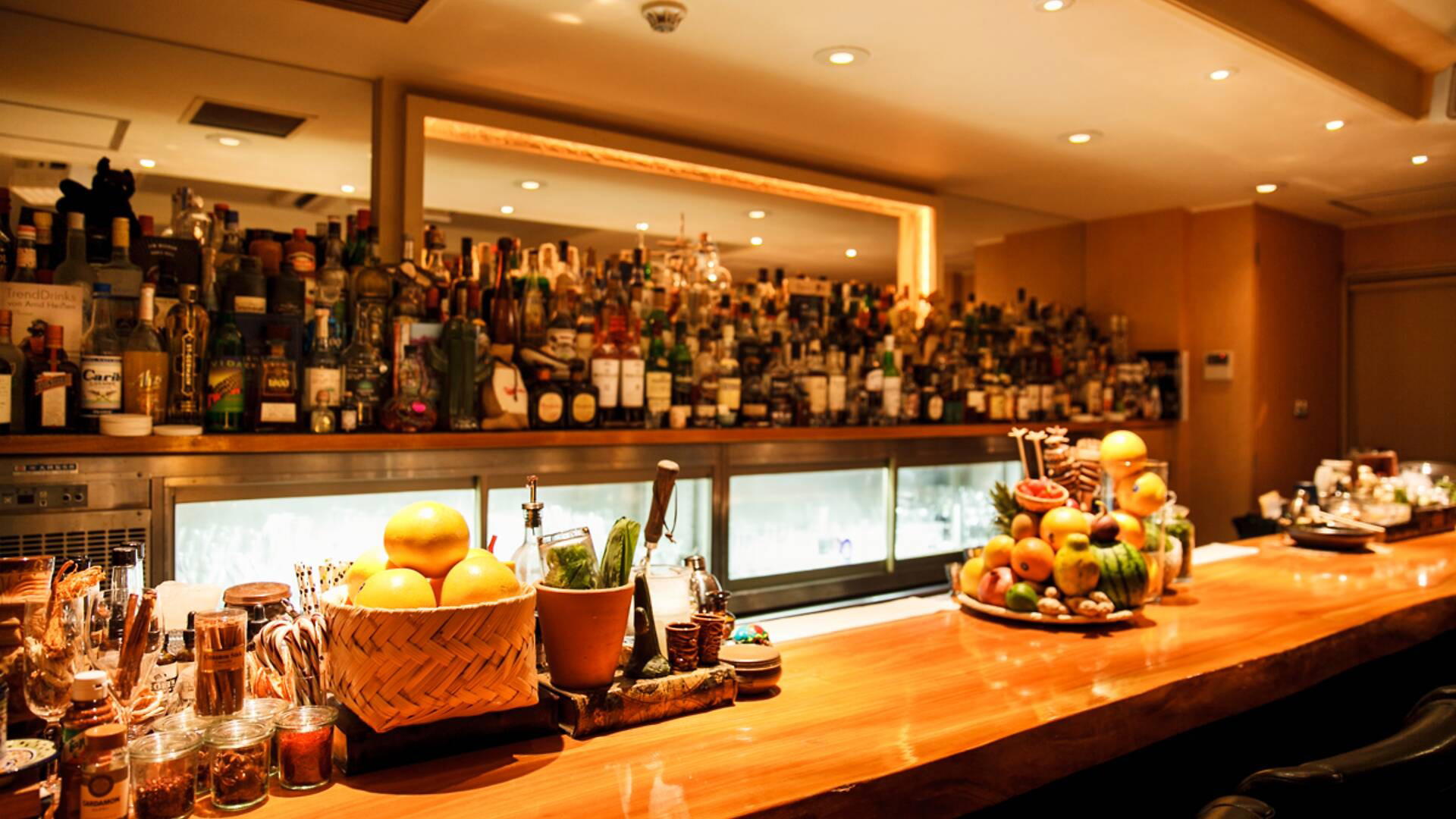
A 10-seat, softly lit and quietly spoken space that feels like a small adult hideaway, with a classic neighborhood soba-shop warmth rather than design theatrics.