
Setagaya’s yakiniku culture rewards sourcing discipline as much as grill technique, and Hodori Youga ten sits in that serious neighborhood tier. The 30-seat Yoga address is selected for Tabelog 100 Yakiniku Tokyo 2025, with dinner pricing at JPY 10,000–14,999 and a format that suits diners who care about beef cuts, tripe, shochu, and a slower suburban Tokyo evening.
Pearl is the En Primeur Club membership app — saves, bookings, and concierge access live there. Same editors, same standards.
- Address
- Sky Heights Yoga, 2 Chome-28-19 Yoga, Setagaya City, Tokyo 158-0097, Japan
- Phone
- +81 3-3707-3829
- Website
- shop-hodori.myshopify.com
 Saves & bookings on Pearl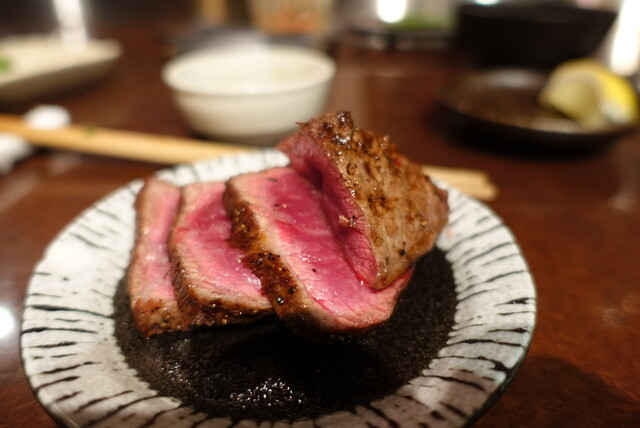
Approaching a yakiniku room in Setagaya differs from arriving at a glossy central-Tokyo counter. The mood is local, dinner-led, and practical: smoke management, table rhythm, and sourcing matter more than theatrical plating. Hodori Youga ten belongs to Tokyo’s quieter beef culture, where the grill is the main instrument of judgment.
Tokyo yakiniku spans late-night casual rooms, luxury wagyu specialists, Korean-Japanese lineage restaurants, and tripe-focused addresses where offal signals seriousness. Selection for Tabelog 100 Yakiniku Tokyo 2025 places this Yoga restaurant in a competitive city category, not just a neighborhood comfort zone. The stronger signal is consistency: selections in 2022, 2023, 2024, and 2025 show sustained attention in a genre where diners compare quality, portioning, heat control, and drink pairing with unusual precision.
Setagaya yakiniku, judged by cut selection rather than spectacle
Yakiniku is often misread by visitors as simple grill-at-the-table dining. In serious Tokyo rooms, it is closer to a sourcing test: which cuts need minimal intervention, which offal needs confident seasoning, and how much responsibility remains with the diner once meat reaches the grill. A restaurant listing both yakiniku and tripe makes a clear argument: beef is not reduced to marbled headline cuts, and texture is part of the cuisine’s intelligence.
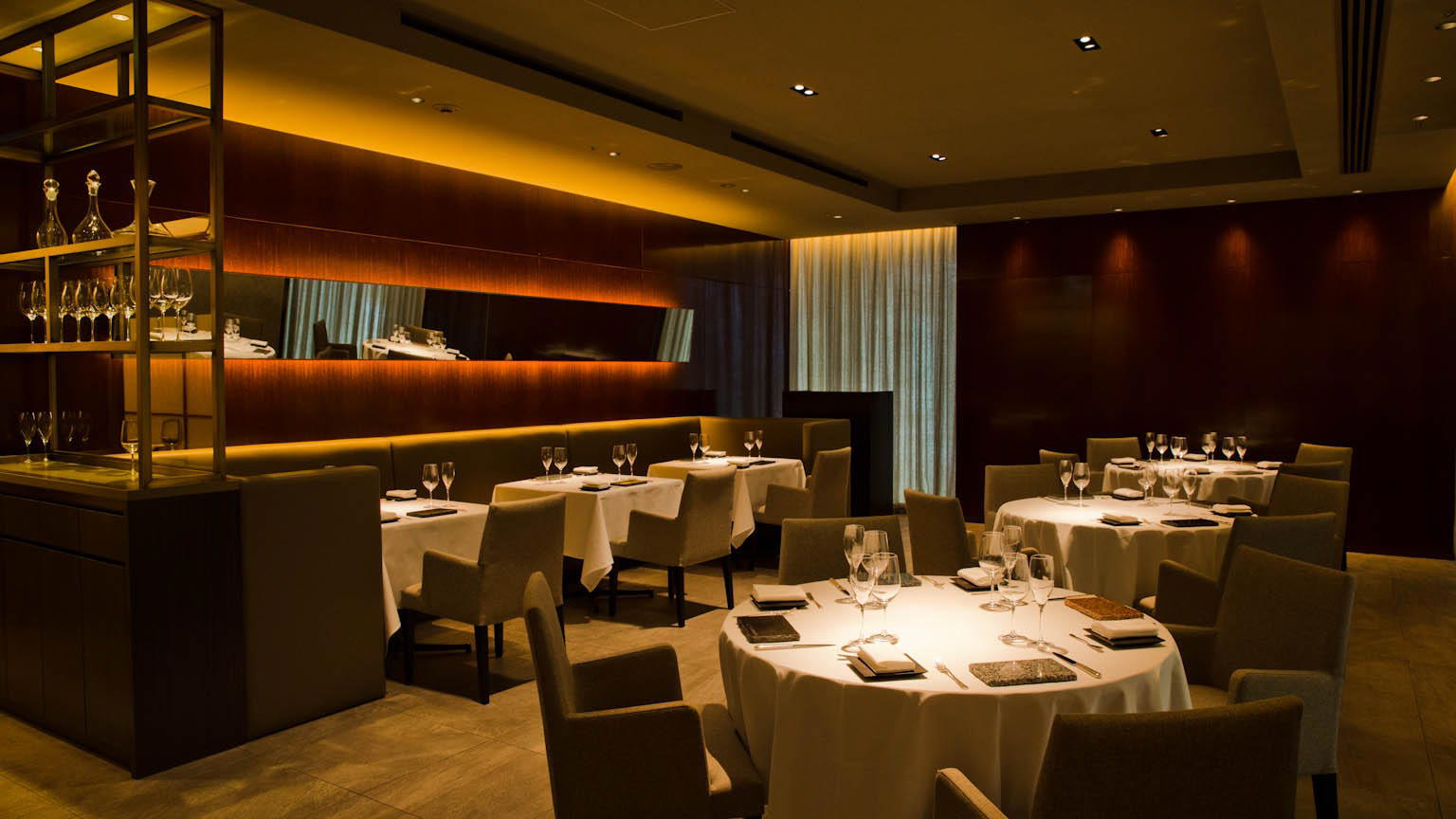
That matters in Yoga, a Setagaya pocket without the same transient audience as Ginza, Roppongi, or Shinjuku. Neighborhood demand can be less forgiving because repeat diners notice drift. Hodori Youga ten’s 30-seat scale feels like a compact local dining room rather than a large beef hall, while counter seating, tatami seating, and sunken seating support different evenings rather than one rigid script.
The price tier also clarifies intent. Dinner at JPY 10,000–14,999 sits above casual yakiniku but below the extreme luxury bracket where brand beef can dominate. That middle-premium band is revealing in Tokyo: diners expect sourcing discipline, a useful range of cuts, and drinks that handle fat, char, and salt without weighing the meal down. Sake, shochu, and wine are listed, with particular attention to shochu, a sensible match for grilled beef and tripe because it cuts richness without competing.
Why offal changes the reading of a beef restaurant
Tripe is not decorative in yakiniku. It tests procurement, cleaning, knife work, and grill confidence. In a city of deep specialization, offal places a restaurant in a more demanding tradition than a menu built only around familiar wagyu cuts. The pleasure is textural: chew, snap, fat, lean, char. The broader point is that Tokyo diners often judge yakiniku by how much of the animal a kitchen handles well.
Ingredient sourcing is therefore central. A beef restaurant can buy prestige, but it cannot fake a coherent cut list over time. Offal programs depend on consistent supply and turnover; weak handling shows quickly. In that context, Tabelog 100 recognition matters because the category is crowded with specialists and intensely reviewed by local diners. The selection does not explain the whole meal, but it places the restaurant in a citywide conversation about reliability, sourcing, and execution.
Compared with Tokyo addresses in lighter categories such as Gian Franco, Ryoura, Bäckerei Brotheim, L'Atelier à Ma Façon, and LANBRoA, this is a different value calculation. Pastry, bakery, dessert, and Spanish formats can be judged through craft, pacing, and product clarity; yakiniku adds the diner’s hand. Heat management at the table becomes part of the result, making sourcing more exposed because every cut must survive flame and scrutiny.
For travelers building a Tokyo food itinerary, this is not the same choice as a central tasting menu or quick station-area meal. It suits a slower evening on the city’s western side, for diners seeking a serious grill dinner rather than a broad sightseeing route between courses. Readers can place it within Our full Tokyo restaurants guide, then contrast the city’s rhythm with Our full Tokyo hotels guide, Our full Tokyo bars guide, Our full Tokyo wineries guide, and Our full Tokyo experiences guide.
A compact grill room for diners who care about the whole animal
The reason to prioritize Hodori Youga ten is not novelty, but the combination of citywide yakiniku recognition, a middle-premium dinner bracket, and a category focus including tripe. Those signals point to a meal for diners who care about beef beyond marbling. The family-friendly note for school-age children and maximum seated party size of six define the rhythm: neither banquet hall nor hushed counter for solitary connoisseurship.
The no-smoking policy helps a grill restaurant read cleanly, while the absence of private rooms keeps the format socially open. Private use is available for groups of 20–50, so the space can work as both neighborhood dinner address and controlled group setting. Credit cards are accepted; electronic money and QR code payments are not, a useful reminder that Tokyo payment habits remain less uniform than many visitors expect.
Within a broader Japan itinerary, the appeal contrasts with the beef sukiyaki frame of -Grilled beef Sukiyaki- KAMAKURA TANUKIAN 鎌倉 たぬき庵 in Kamakura, the yakitori focus at 124. KAGURAZAKA (Yakitori), and casual or genre-specific Tokyo stops such as 3 Chome no Curry Ya San, 12/10 Shinjuku ten, 2D Cafe, and. 鮪と炭火焼き うお炭 秋葉原店. Farther afield, comparison is less about ranking than format: [ki:] in Kyoto, [Curry Senmon Ten] Maruyama Kyoju. in Sapporo.cafe in Osaka.know in Kumamoto, and (Shoku) Vietnam in Kawasaki each answer a different dining need.
For overseas readers, the useful parallel may be how Japanese formats travel and change abroad. Jōdo Saké Bar in Los Angeles and Onigiri Time in Pasadena show how specific categories can become more tightly defined outside Japan. In Tokyo, the opposite is often true: the deeper one goes into a genre, the more granular it becomes. The restaurant is for the diner who reads tripe, shochu, seating scale, and repeat recognition as evidence rather than decoration.
A Pricing-First Comparison
Comparable venues to place this listing in its category.
| Venue | Cuisine | Price | Notes |
|---|---|---|---|
| Hodori Youga tenThis venue — the venue you are viewing | Setagaya, Yakiniku & Wagyu BBQ | $$$ | Not listed |
| Hakushū Teppanyaki | Shibuya, Kobe Beef Teppanyaki | $$$ | Not listed |
| Oni Tei | Not listed | $$$ | Shibuya, Traditional chicken yakiniku / yakitori in Shibuya |
| EUREKA! | Minato, Modern sake-focused izakaya | $$$ | Not listed |
| 焼肉トラジ新宿西口店 | Not listed | $$$ | Shinjuku, Premium Yakiniku (Japanese Grilled Beef) |
| かぶん | Not listed | $$$ | Minato, Yakiniku (Japanese BBQ) |
Recognition history
Dated appearances from independent guides and award organizations, with the underlying list record or original source where available.
Tabelog 100 #90 · No. 90
Tabelog · Tabelog 100 - Yakiniku - TOKYO - 2025












At a Glance
- Cozy
- Lively
- Intimate
- Group Dining
- After Work
- Casual Hangout
- Celebration
- Late Night
- Standalone
- Beer Program
- Local Sourcing
Current opening hours
- Monday
- Closed
- Tuesday
- 5–11 PM
- Wednesday
- 5–11 PM
- Thursday
- Closed
- Friday
- 5–11 PM
- Saturday
- 5–11 PM
- Sunday
- 5–11 PM
Hours can change for holidays and private events. Last verified .
A small, no-smoking neighborhood yakiniku spot with the feel of a meat-lovers’ hideaway, where the focus is on premium wagyu cuts and expertly prepared horumon rather than elaborate decor.