
Sushi Hayashi places Koenji into Tokyo’s serious sushi conversation without the Ginza price code. The 10-counter-seat format, JPY 10,000–14,999 dinner range, and 2025 Tabelog Sushi TOKYO 100 selection make it a useful address for diners reading Tokyo sushi through ritual, pacing, and neighbourhood character rather than trophy dining alone.
Pearl is the En Primeur Club membership app — saves, bookings, and concierge access live there. Same editors, same standards.
- Address
- 東京都杉並区高円寺北2-7-11
- Website
- tabelog.com
 Saves & bookings on Pearl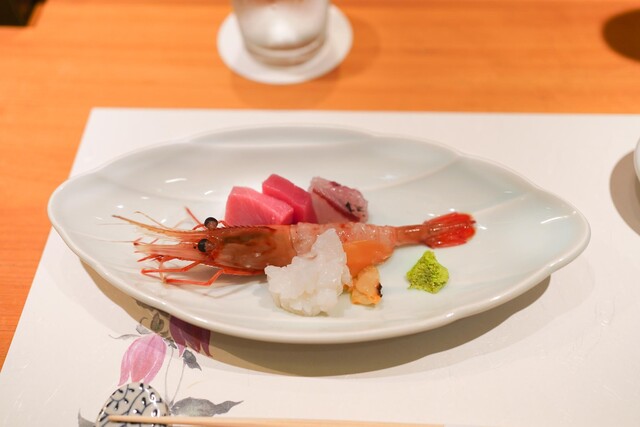
Koenji changes the temperature of a sushi meal before the first piece arrives. Around the station, west Tokyo feels lived-in: music bars, secondhand shops, small restaurants, and narrow evening streets where dinner feels less staged than in Ginza or Roppongi. Here, a 10-seat counter reads differently. The ritual stays precise, but the city around it is looser, more residential, and less concerned with ceremony as theatre.
Sushi Hayashi belongs to a smaller Tokyo category serious sushi eaters track: compact counter sushi outside the central luxury districts, priced below the capital’s upper omakase tier yet recognised enough to require planning. Its selection for Tabelog Sushi TOKYO “Tabelog 100” 2025 places it in a crowded, highly scrutinised field where user attention, repeat custom, and consistency matter. The listed dinner range of JPY 10,000–14,999 also matters. In Tokyo sushi, that bracket can separate an annual-splurge meal from one that fits into a focused eating trip without swallowing the itinerary.
Koenji sushi, read through counter etiquette rather than spectacle
The grammar of a Tokyo sushi counter is simple but unforgiving. Seats are limited, pacing comes from behind the counter, and the meal depends on attention: when to eat, when to pause, when to let the next piece arrive without turning dinner into a photography session. A 10-counter-seat room heightens that rhythm. There is little distance between guest and craft, and little room for the loose social sprawl that works in an izakaya or yakiniku room.
That makes Koenji an interesting frame. The neighbourhood is not defined by expense-account sushi. Nearby dining moves from curry and bakeries to yakiniku and tempura without the polished uniformity of central Tokyo restaurant districts. In the comparison set, CURRY SHOP Kujira Kouenji sits around JPY 1,000–1,999, Shigekuniya 55 Bakery is listed below JPY 999, Koenji Yakiniku Kokochi Ichiba ten runs far lower than serious sushi at dinner, while kouenji yakiniku kokochi Honten reaches the same JPY 10,000–14,999 bracket. Sushi Hayashi therefore occupies a precise local role: not neighbourhood casual, not luxury-district theatre, but a disciplined counter experience in a part of Tokyo known more for independent texture than polished expense.
The award signal reinforces that reading. Tabelog’s Hyakumeiten lists are not Michelin stars and should not be read as such. They are useful differently: they identify restaurants Japanese diners repeatedly pressure through ratings, photos, and return visits. A 2025 Tabelog 100 sushi selection in Tokyo means this counter is judged against a dense field of specialists, not simply other restaurants in Suginami.
The price bracket tells you how to approach the meal
Tokyo sushi pricing has widened sharply. At the upper end, famous counters price against international demand, scarce seats, and chef reputation. Below that sits a more useful tier for repeat travellers: counters where the form remains serious, but the commitment is less punishing. Sushi Hayashi sits in that second conversation. The listed JPY 10,000–14,999 dinner range is not casual, yet it is restrained beside Tokyo’s trophy counters, making the address relevant for diners who want sushi technique without turning the night into a status purchase.
The format is part of the value equation. Ten counter seats make the experience narrow by design. No private rooms are listed, and smoking is not permitted. Credit cards are accepted; electronic money and QR code payments are not. Parking is unavailable, which matters less because the address is close to Koenji Station and the area is better reached by train than car. Reservations are available, and for a counter this size, planned dinner is the sensible move.
For readers mapping a broader Tokyo trip, this meal pairs best with a west-side evening rather than a cross-city checklist. It makes more sense before or after time in Nakano, Koenji, or Kichijoji than as a rushed detour between a central Tokyo hotel lobby and late bar. For a wider scan of the city’s dining range, see Our full Tokyo restaurants guide, then cross-reference hotel geography through Our full Tokyo hotels guide and post-dinner drinking through Our full Tokyo bars guide. Tokyo itineraries work better when restaurants, bars, and neighbourhood movement are planned together rather than stacked by reputation alone.
Where it sits in a wider Japanese eating itinerary
A serious sushi counter is only one reading of Japanese dining culture. The sharper itinerary alternates formats: sushi one night, yakitori another, curry or tempura at lunch, and a bar that shows how Japanese drinking culture has absorbed American, European, and local technique. In Tokyo, that might mean comparing this counter-led meal with 124. KAGURAZAKA (Yakitori), 3 Chome no Curry Ya San, 12/10 Shinjuku ten, 2D Cafe, or. 鮪と炭火焼き うお炭 秋葉原店. Each sits in a different register of the city’s dining culture, which is the point: Tokyo rewards diners who understand format as much as fame.
That logic travels beyond the city. A Japan-focused trip might extend the comparison to -Grilled beef Sukiyaki- KAMAKURA TANUKIAN 鎌倉 たぬき庵 in Kamakura.cafe in Osaka.know in Kumamoto, (Shoku) Vietnam in Kawasaki, [Curry Senmon Ten] Maruyama Kyoju. in Sapporo, or [ki:] in Kyoto. Outside Japan, related Japanese drinking and comfort-food threads appear at Jōdo Saké Bar in Los Angeles and Onigiri Time in Pasadena.
For planning beyond restaurants, Tokyo’s wider cultural map can be built through Our full Tokyo experiences guide and, for the rare traveller looking at Japanese wine context within the city’s orbit, Our full Tokyo wineries guide. The point is not to turn dinner into a checklist. It is to understand why a small Koenji sushi counter with a 2025 Tabelog 100 selection offers a different kind of Tokyo fluency from a central, trophy-priced reservation.
Similar Picks
Comparable venues at the same tier.
| Venue | Cuisine | Price | Notes |
|---|---|---|---|
| Sushi HayashiThis venue — the venue you are viewing | Traditional Sushi Omakase Counter | $$$ | Not listed |
| quinto | Innovative Japanese Omakase | $$$ | Meguro |
| Tonkatsu Koko Made Yaru Ka. | Modern Tonkatsu & Seafood | $$$ | Minato |
| Sake Hidejiro | Japanese Sake Omakase Izakaya | $$$ | Shibuya |
| Horumon Yaki Rukuma Tokyo | Horumon-yaki (Japanese offal yakiniku) | $$$ | Shibuya |
| Tori Takuchu | Yakitori Omakase with Free‑Flow Sake | $$$ | Shinjuku |
Recognition history
Dated appearances from independent guides and award organizations, with the underlying list record or original source where available.
Tabelog 100 #57 · No. 57
Tabelog · Tabelog 100 - Sushi - TOKYO - 2025













At a Glance
- Intimate
- Cozy
- Classic
- Date Night
- Special Occasion
- Solo
- Business Dinner
- Chefs Counter
- Standalone
- Sake Program
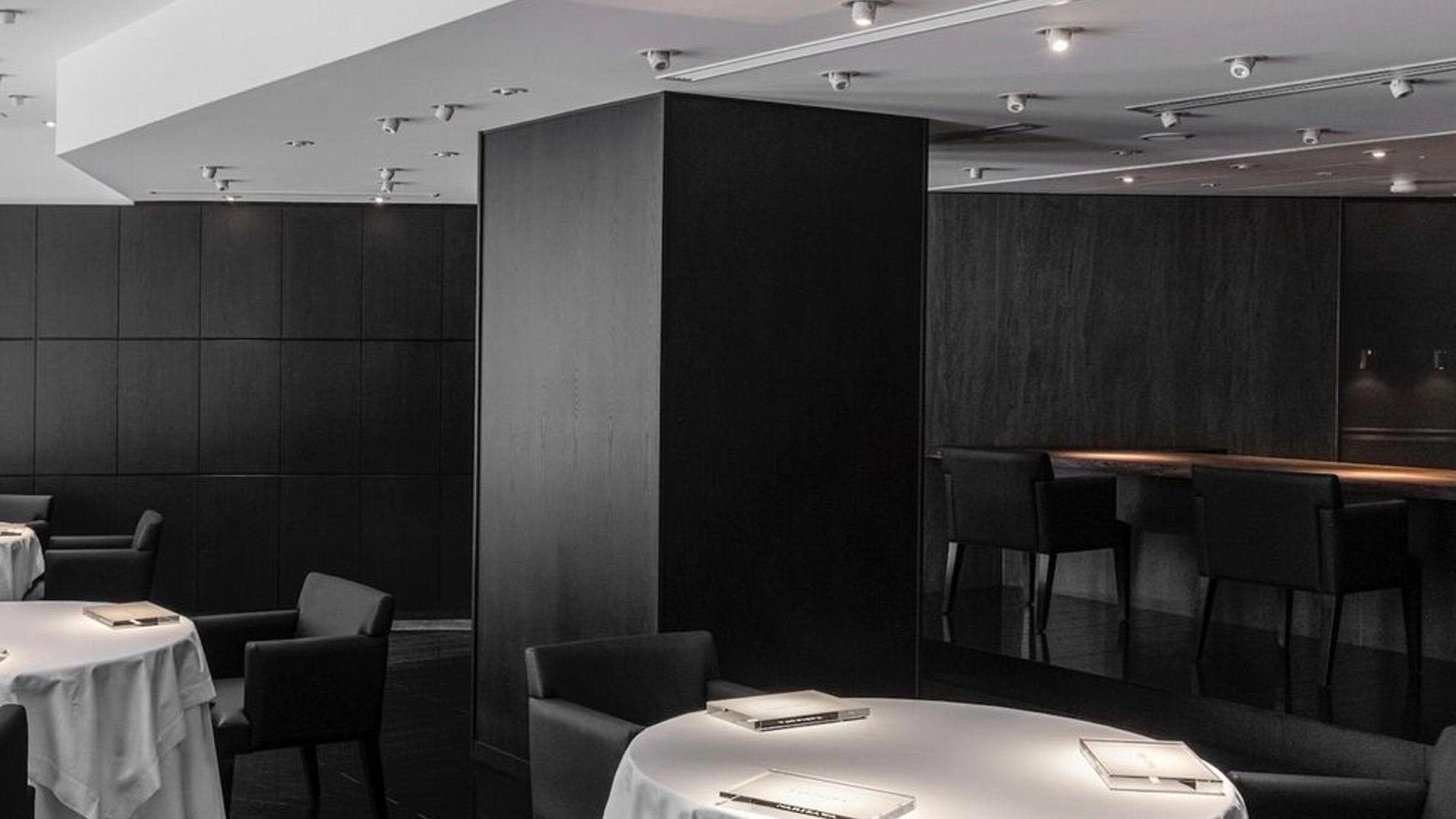
A small, reservation-only counter with just ten seats, non-smoking and likely softly lit, creating a focused, classic sushi-bar atmosphere where guests interact closely with the chef.