富士鮨 occupies a compact address in Higashiazabu, Minato City, placing it within Tokyo's established sushi corridor where counter seats and measured pacing define the format. The Parkside Building location keeps the room quiet and residential in character, distinct from the higher-traffic Ginza tier. Details on current pricing and booking are best confirmed directly before visiting.
Pearl is the En Primeur Club membership app — saves, bookings, and concierge access live there. Same editors, same standards.
- Address
- Japan, 〒106-0044 Tokyo, Minato City, Higashiazabu, 3 Chome−7−11 PARKSIDE BLD 101
- Phone
- +81 70-8464-6640
- Website
- fujisushi.co.jp
- Directions
- Get directions
 Saves & bookings on Pearl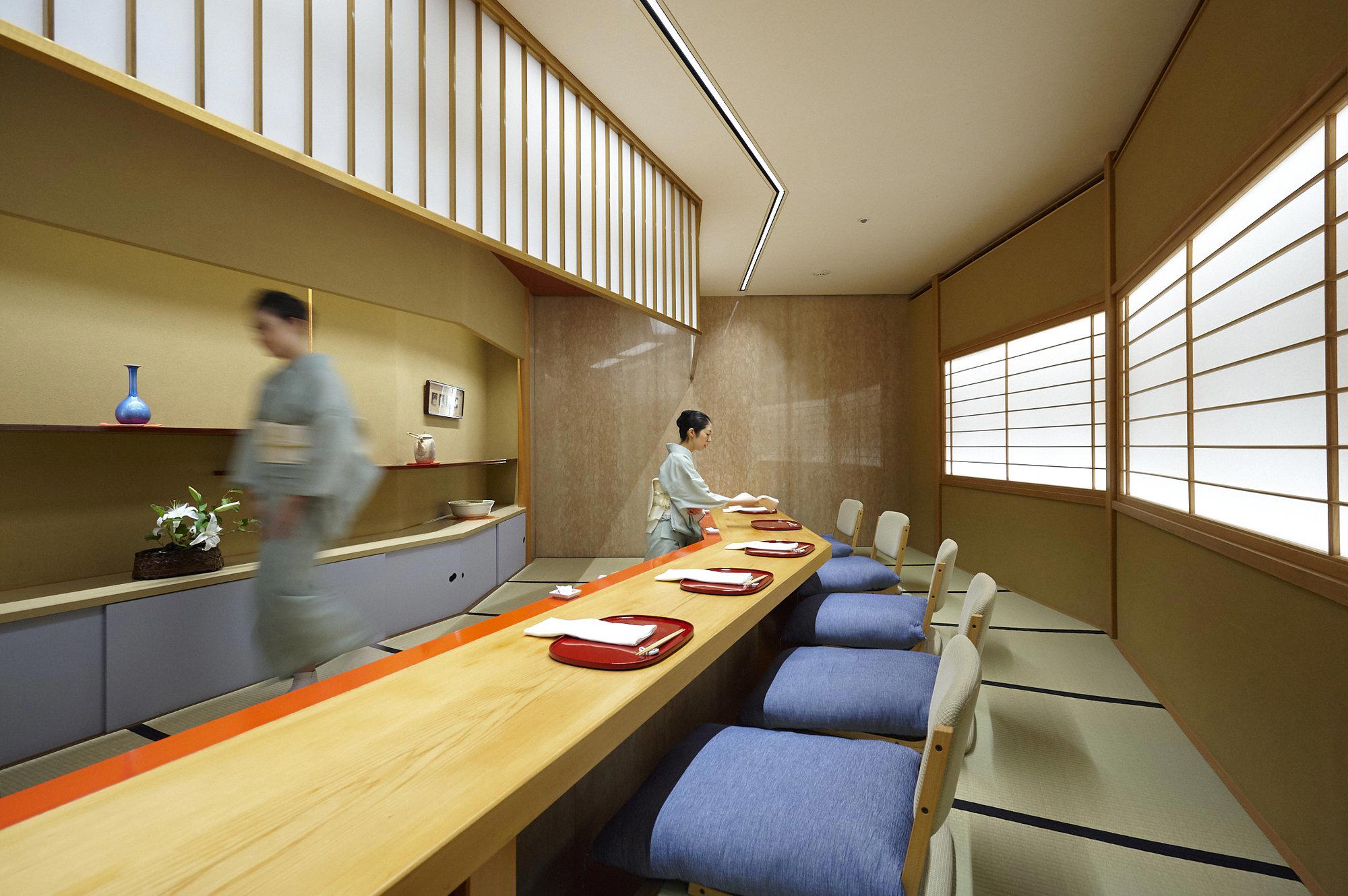
Higashiazabu's Sushi Counter Format and Where 富士鮨 Sits Within It
富士鮨 is a Japanese izakaya in Higashiazabu, Tokyo, with a casual dress code and reservations recommended. Ginza concentrates the headline omakase counters, the rooms where covers run to five figures in yen per person and reservations move through concierge networks months before the meal date. Below that tier, and often more interesting for what it reveals about neighbourhood eating culture, sits a ring of ward-level counters in Minato, Shibuya, and Shinjuku that serve a local professional clientele rather than a tourism-driven one. Higashiazabu, where 富士鮨 occupies the ground floor of the Parkside Building on 3-chome, belongs to that quieter register.
The address itself signals something. Higashiazabu is residential Minato, not the commercial density of Roppongi a few minutes west, not the retail pressure of Azabujuban to the south. Streets here are narrow enough that taxi drivers sometimes pause to confirm the block number, and the buildings that line them tend toward modest mixed-use rather than purpose-built commercial. A sushi counter in this kind of setting is built around repeat custom, not destination dining in the conventional sense. The room earns its place through consistency and proximity rather than spectacle.
The Physical Container: Reading the Space
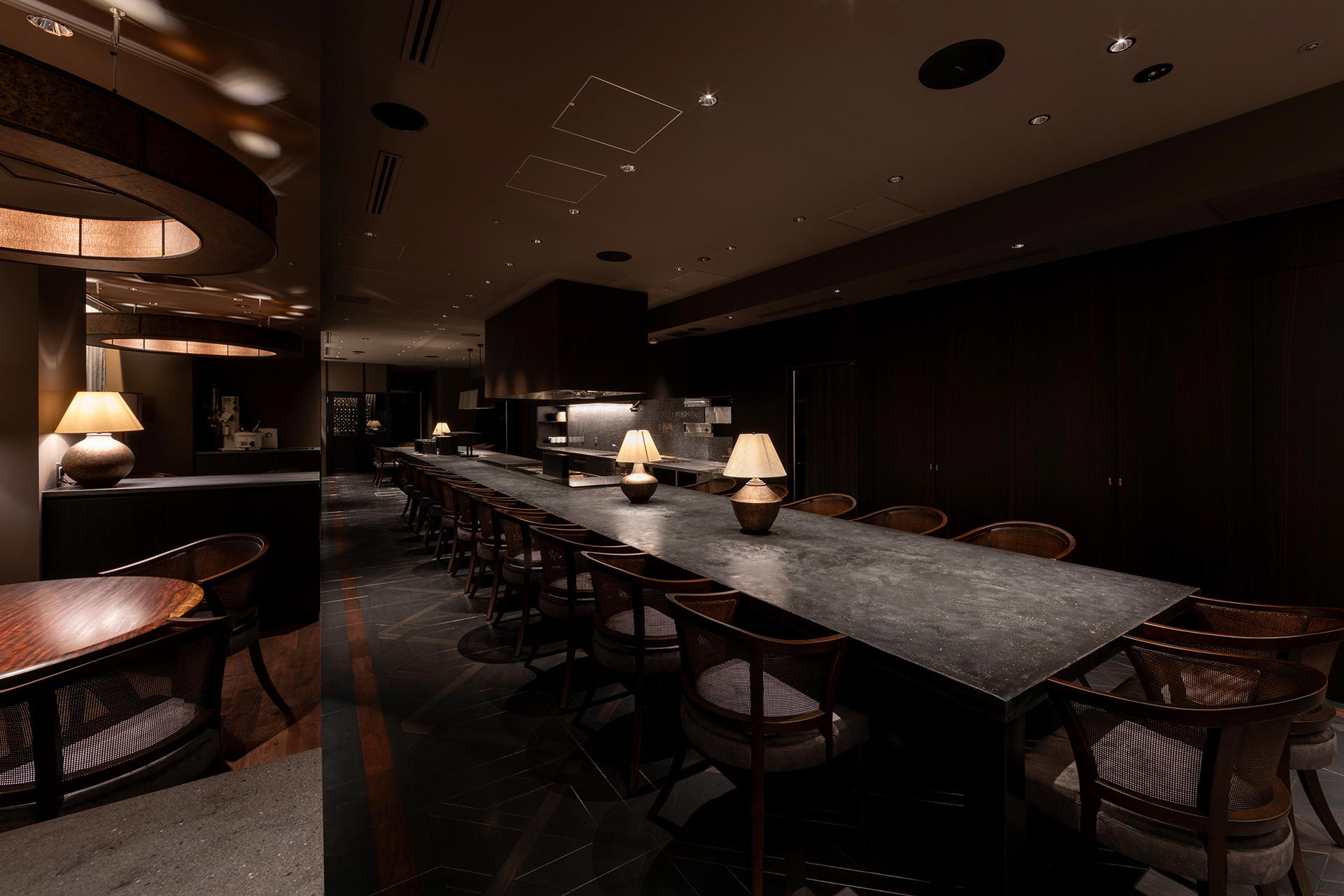
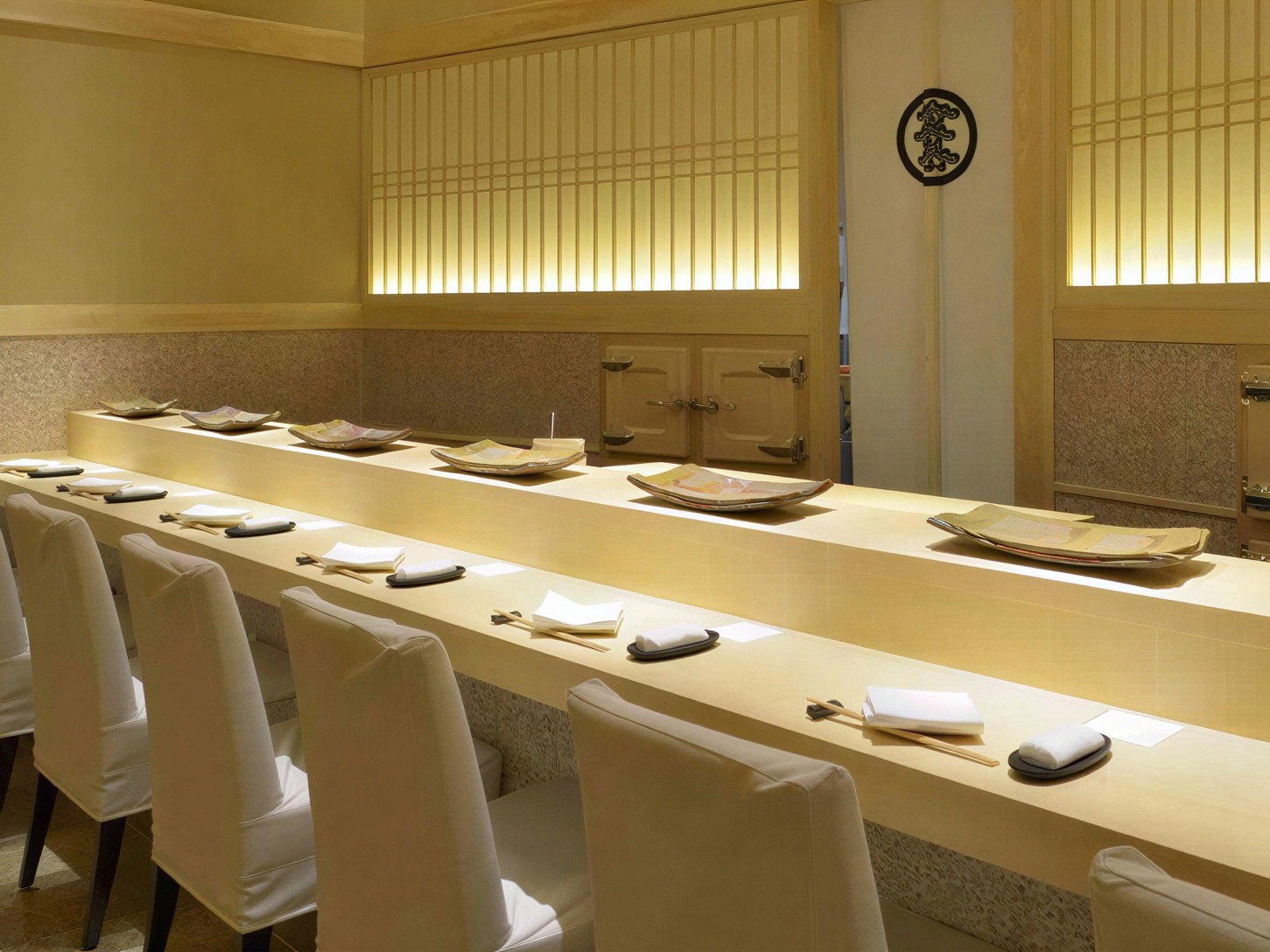
The Parkside Building setting frames expectations before the meal begins. Ground-floor retail units in Tokyo's mid-rise residential blocks typically run compact, 30 to 60 square metres of usable interior is common, and the visual language of a sushi counter in that footprint is necessarily spare. Counter seating dominates, which is the appropriate format for this kind of operation: it keeps the chef-to-guest ratio tight, controls the pacing of service, and removes the noise variables that larger floor plans introduce.
In sushi rooms of this scale, the counter surface itself does most of the interior design work. The wood species, its finish, the height relative to the chef's working position, these details calibrate the experience more than wall treatments or lighting design. Tokyo's counter-sushi tradition, which traces back through decades of neighbourhood itamae culture before the omakase format became the dominant commercial model, understood that restraint in the room keeps attention on the rice and the fish. That principle applies here as much as at the Ginza counters that now command international press attention.
Counter arrangement also determines the social architecture of the meal. A single linear counter means guests progress through the same sequence at roughly the same pace, which creates a shared rhythm that larger dining rooms cannot replicate. It also means the chef reads the table as a group rather than managing multiple independent trajectories, a significant operational and experiential difference from restaurant formats where tables of two or four sit in isolation from each other.
Situating 富士鮨 in Tokyo's Sushi Tier Structure
Tokyo currently operates across at least three recognisable sushi tiers. The upper tier is defined by Michelin recognition, long lead times, and price points that position these counters as occasion dining for both domestic and international guests. Harutaka operates within this bracket, a counter with documented Michelin standing and booking windows that function on a multi-month horizon. The middle tier covers serious neighbourhood counters that maintain consistent quality without the recognition infrastructure, often because they have not sought it or because their format keeps capacity too small to attract guide attention. The entry tier encompasses the chain-format and conveyor operations that serve volume.
Neighbourhood counters like 富士鮨 in Higashiazabu tend to occupy the middle register, where the chef's personal sourcing relationships and rice technique matter more than the venue's media profile. This is where Tokyo's sushi culture has traditionally been most resilient, built on regulars who return weekly or monthly rather than on inbound travellers booking once-in-a-decade experiences. The comparison set for a Higashiazabu counter is other ward-level sushi rooms in Minato and Roppongi-adjacent neighbourhoods, not the Ginza tier that attracts international comparison with counters in other global cities.
For broader context on where Tokyo's French and kaiseki rooms sit alongside its sushi scene, L'Effervescence and RyuGin represent the high-end French and kaiseki formats respectively, while Sézanne and Crony extend the French influence into different price and format registers. The full Tokyo restaurants guide maps these tiers in detail.
How This Counter Fits Into Japan's Wider Dining Geography
The neighbourhood sushi counter is not a Tokyo-exclusive format, but Tokyo has the density to sustain the examples per square kilometre of any Japanese city. Osaka's equivalent rooms tend to run slightly more casual in register; Kyoto's counter culture is more kaiseki-adjacent. Fukuoka has its own distinct counter tradition shaped by local seafood supply. Across Japan, the format that 富士鮨 represents, a fixed-address, counter-led sushi room embedded in a residential ward, is the connective tissue between the headline destination restaurants and the everyday eating culture.
For reference points beyond Tokyo: HAJIME in Osaka operates in the high-creative tier; Gion Sasaki in Kyoto represents Kyoto kaiseki at serious level; Goh in Fukuoka shows how regional seafood identity shapes a counter program. Further afield, akordu in Nara demonstrates how non-Tokyo cities are building their own destination dining identities. Regional counters worth noting include 一本杉川嶋 in Nanao, 古仁屋山乃 in Sapporo, 湖響庵 in Takashima, 庄羽屋 in Nishikawa Machi, Birdland in Sakai, and Bistro Ange in Toyohashi. For international comparison on counter-format dining, Le Bernardin in New York City and Atomix in New York City illustrate how different cities have formalised the chef-driven tasting format.
Planning a Visit
富士鮨 is located at 3-7-11 Higashiazabu, Minato City, Tokyo 106-0044, in the Parkside Building ground floor. The closest access points are Azabu-Juban Station on the Namboku and Oedo lines, a short walk from the address. One reliable approach is to make an inquiry in advance. Neighbourhood counters of this type in Tokyo frequently operate reservation-only, so arriving without prior contact risks finding the room closed or fully seated.
Cuisine and Recognition
Comparable venues nearby, for context on price, style, and recognition.
| Venue | Cuisine | Price | Notes |
|---|---|---|---|
| 富士鮨This venue — the venue you are viewing | Japanese Izakaya | Not listed | Not listed |
| Toyama Shiroebitei (富山白えび亭) | Toyama White Shrimp Tempura Bowls | $$ | Marunouchi |
| Kirakutei | Yakiniku | $$ | Minato |
| Teyandei | Creative Okinawan Izakaya | $$ | Minato |
| Ebisu no Yasubee | Kochi‑style gyoza izakaya | $$ | Shibuya |
| 渋谷 鮨一喜 | Showa-era Tokyo Dining | Not listed | Shibuya |












At a Glance
Cozy and classic.